











Why Window Orientation Matters
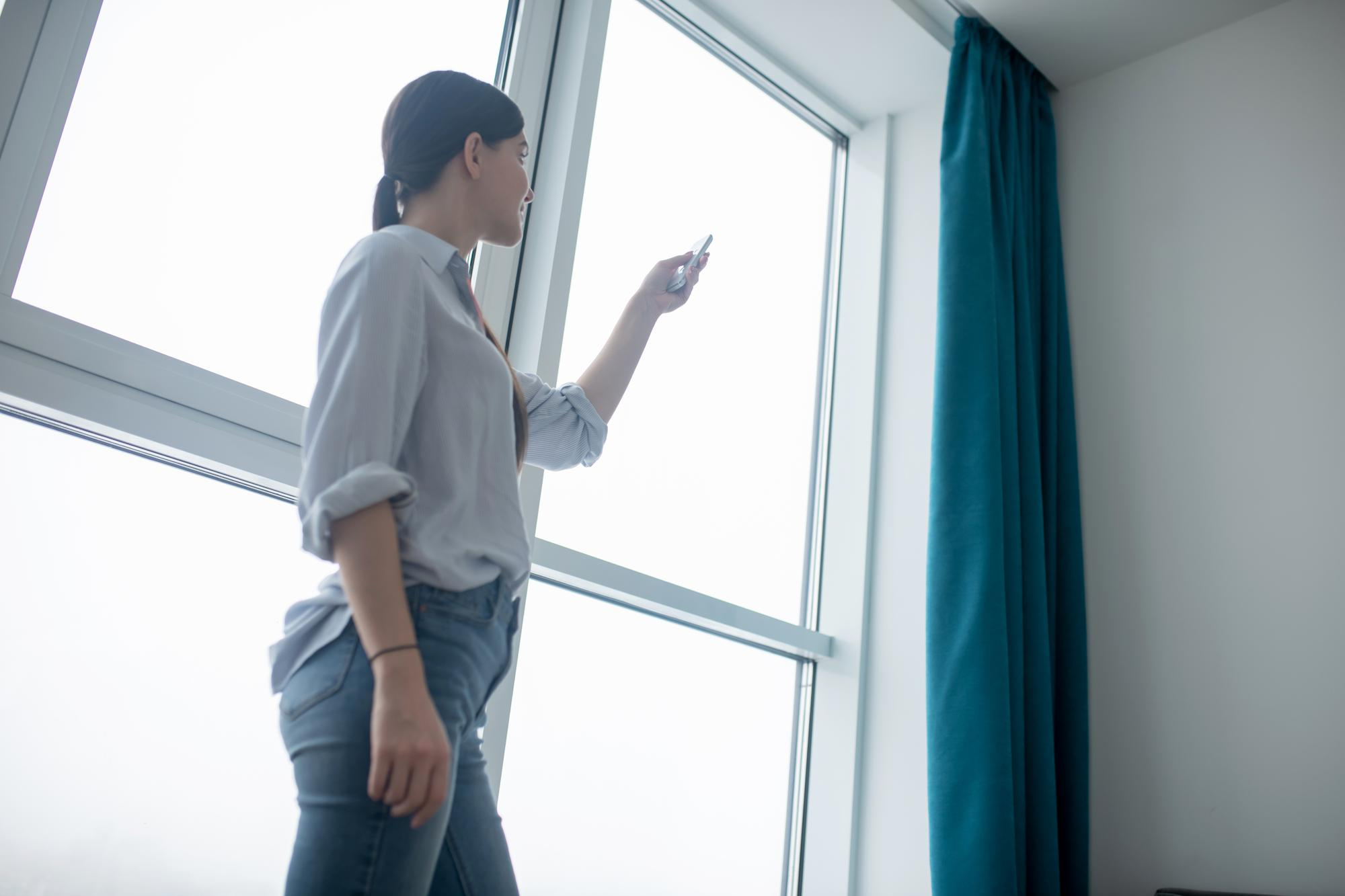
Window orientation plays a big role in how your home looks, feels, and performs every day. It affects how much natural light you get, how warm or cool rooms feel, and even how much you spend on energy bills.
Here’s why it matters more than most people think:
Natural light quality:
Different directions bring different light—soft and steady, bright and warm, or strong and direct.Heat gain and energy use:
The sun can help heat your home in winter or cause overheating in summer, depending on window direction.Comfort and glare:
Poor orientation can mean harsh glare, fading furniture, or rooms that feel too hot or too cold.How you use each room:
Morning light suits bedrooms and kitchens, while afternoon light works better for living spaces.
Getting window orientation right helps create a home that’s brighter, more comfortable, and more energy-efficient—without relying heavily on artificial lighting or heating and cooling systems.
North-Facing Windows
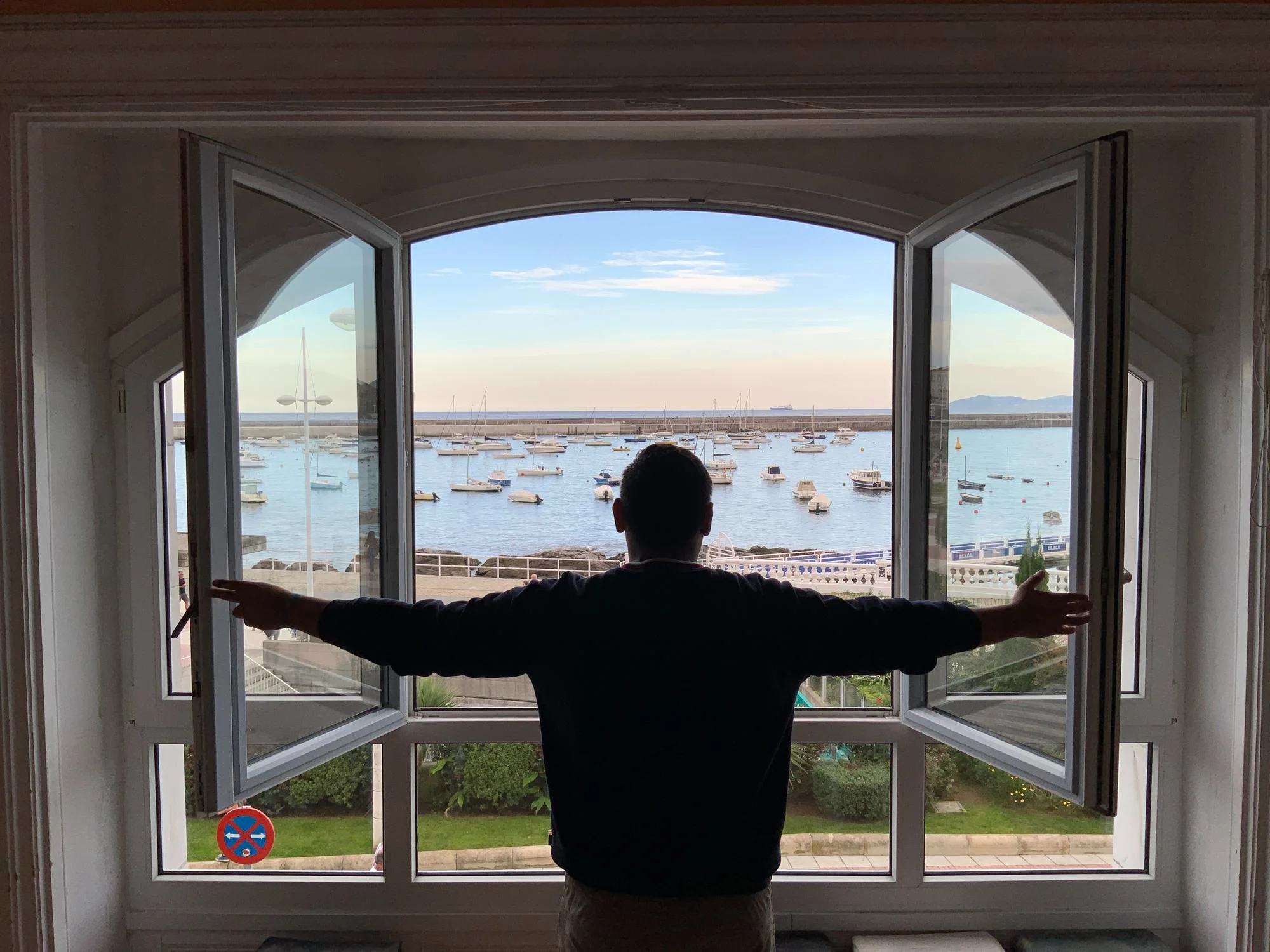
North-facing windows are known for soft, even daylight throughout the day. They don’t get direct sun, so the light feels calm and consistent rather than bright or harsh.
Why people like them
Provide balanced natural light with minimal glare
Keep rooms cool and stable in temperature
Reduce fading on furniture and flooring
Best rooms
Home offices and studies
Art studios or craft rooms
Bathrooms and utility spaces
Things to consider
Limited warmth in winter
May need extra lighting in darker climates
North-facing windows are perfect if you value steady light and visual comfort over heat and brightness.
South-Facing Windows
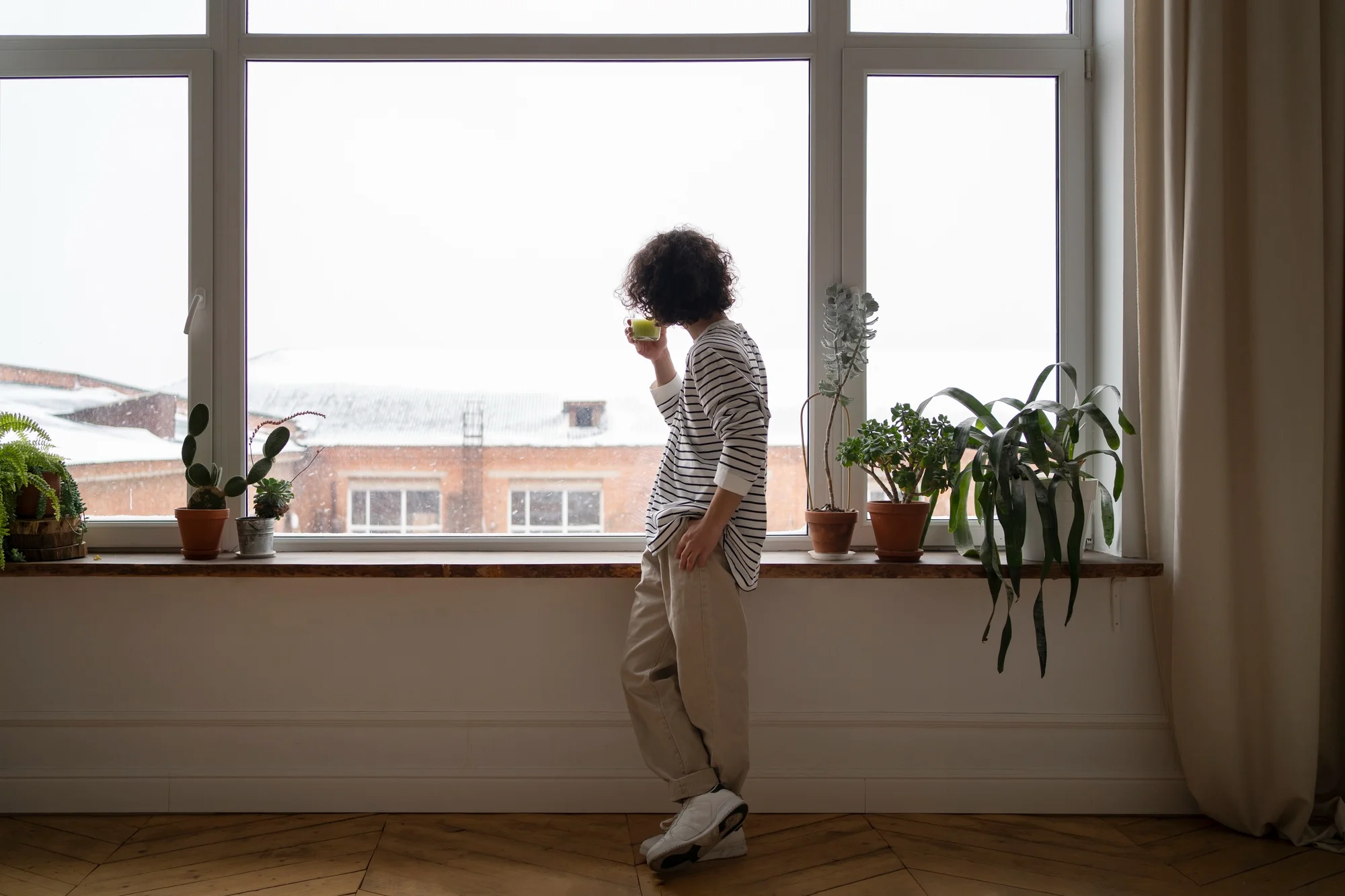
South-facing windows receive the most sunlight during the day, making them the brightest and warmest option in most regions.
Why people love them
Maximum daylight from morning to afternoon
Excellent for passive solar heating in winter
Makes spaces feel open, warm, and inviting
Best rooms
Living rooms
Kitchens
Family and dining areas
Things to consider
Can cause overheating in summer
Glare may require blinds, shades, or low-E glass
South-facing windows are ideal for light-filled living spaces, especially when paired with proper shading.
East-Facing Windows
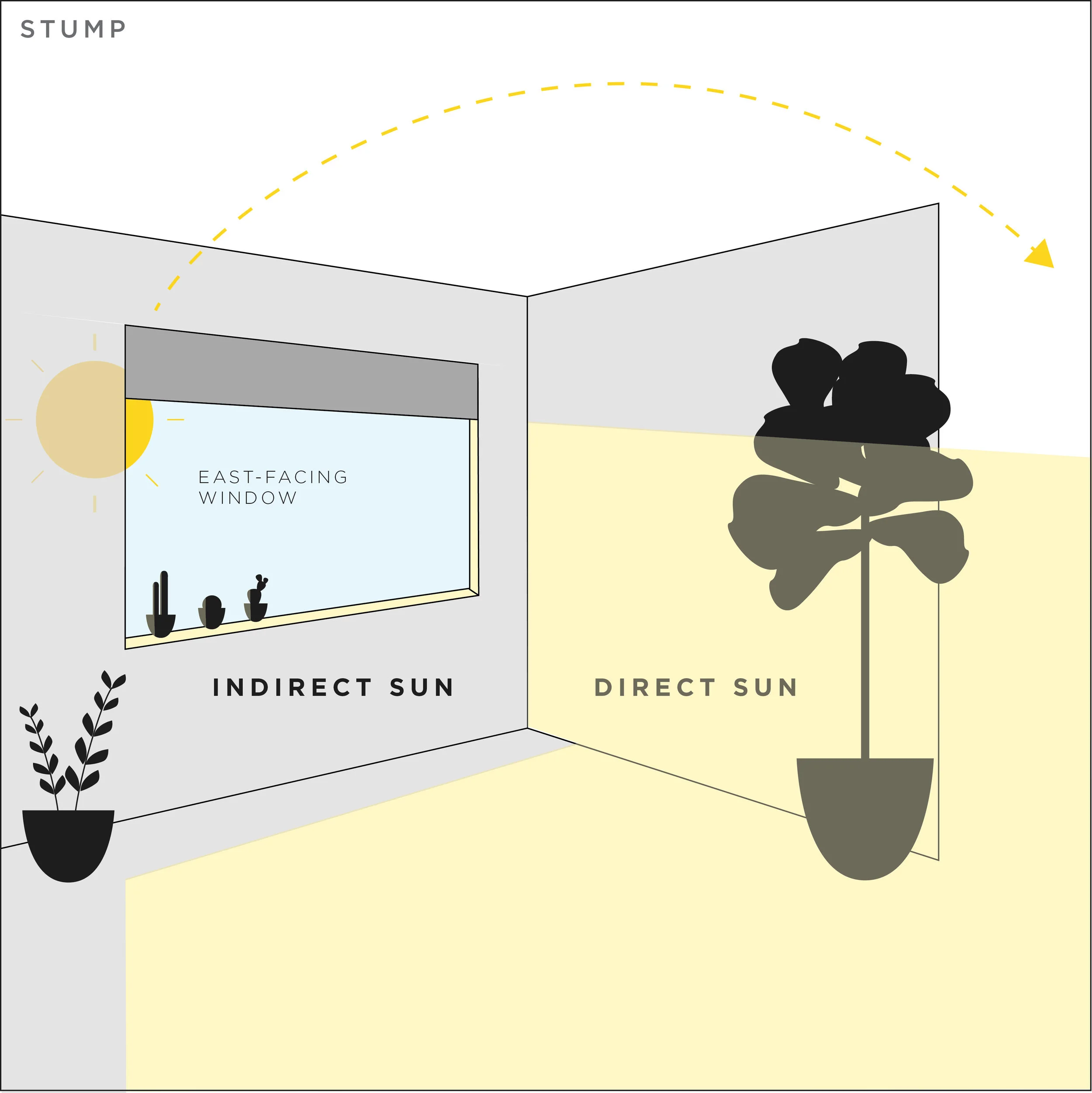
East-facing windows welcome gentle morning sunlight, then stay cooler as the day goes on.
Why they work well
Bright, energizing light in the morning
Less heat buildup in the afternoon
Comfortable balance of light and temperature
Best rooms
Bedrooms
Kitchens
Breakfast nooks
Things to consider
Limited sunlight later in the day
Rooms may feel dim in the evening
East-facing windows are great for early risers who enjoy fresh morning light without afternoon heat.
West-Facing Windows

West-facing windows capture strong afternoon and evening sun, bringing warmth and dramatic light later in the day.
Why people choose them
Warm, golden evening light
Beautiful sunset views
Works well for spaces used after work hours
Best rooms
Living rooms
Dining areas
Lounges and entertainment spaces
Things to consider
Higher risk of overheating
Glare can be intense without shading
West-facing windows are perfect for evening-focused spaces, but they benefit from blinds, curtains, or solar control glass.
Key Differences Between Different Window Orientations
| Orientation | Best For | Sunlight Pattern | Heat Gain | Best Use Cases |
|---|---|---|---|---|
| North | Even light | Indirect all day | Low | Offices, studios |
| South | Bright & warm | All day direct | High | Living spaces |
| East | Morning warmth | AM sun | Moderate | Bedrooms, kitchens |
| West | Evening light | PM sun | High | Dining/living |
How to Choose Window Orientation for Your Project

Choosing the right window orientation isn’t about rules—it’s about how you live, where you build, and what you want your space to feel like.
Match daily habits:
Early risers benefit from east-facing windows, while west-facing windows suit evening use and entertaining.Consider local climate:
Hot climates favor north-facing light and controlled south exposure; cooler regions gain comfort from south-facing sun.Think about energy goals:
South-facing windows support passive heating, while north and east help reduce cooling loads.Plan for comfort:
Manage glare, protect views, and avoid overheating with smart placement.Use design tools wisely:
Combine shading, low-E glazing, overhangs, and thermal mass to balance light, heat, and comfort year-round.
Ready to Choose the Right Windows for Your Project?
The right window orientation can improve comfort, lower energy bills, and transform how your space feels—but getting it right takes expert planning.
Whether you’re designing a new home or upgrading existing windows, our team can help you choose the best window placement, glazing, and shading solutions for your climate and lifestyle.
Contact us today for expert advice, tailored recommendations, and a quote designed around your project goals.
FAQs
Is it better to have windows facing east or west?
East-facing windows give you gentle morning sunlight without too much heat later, while west-facing windows bring strong afternoon and evening light that can heat rooms and create glare. For balanced comfort and energy use, many people prefer east over west, especially in warmer climates.
2. Which is better, north or south-facing windows?
In the Northern Hemisphere, south-facing windows are usually “better” if you want lots of natural light and warmth, especially in winter. North-facing windows bring soft, even light without harsh sun, which is great for consistent lighting but less warmth.
3. Do northwest-facing windows get sun?
Yes. Northwest-facing windows do get sun, especially in the late afternoon and early evening as the sun moves toward the western horizon, so they can bring warmth and strong light later in the day.
4. Which direction is good for windows?
There’s no single “best” direction—each has strengths:
South: Most daylight and warmth (good for living spaces)
East: Bright mornings, cooler afternoons
West: Warm late day light, but more heat gain
North: Soft, even light with minimal heat
Choose based on room use, climate, and comfort goals.