











What Are Hidden Doors?
Hidden doors are designed to blend into walls, cabinetry, shelving, or decorative surfaces so the entrance is less noticeable than a standard door. They are often used to conceal storage rooms, pantries, offices, bathrooms, closets, or private spaces while keeping the room design clean and visually consistent. Some hidden doors are built for style and subtlety, while others focus on security, space-saving, or multifunctional use.
In this guide, you’ll find creative hidden door ideas for different room types, layouts, and design styles so you can choose an option that fits both your space and purpose.
Hidden Door Ideas by Type
If you do not want to scroll through every idea one by one, here is a quick way to narrow down the best hidden door style for your space:
Best for Storage and Utility Spaces
#1 Bookshelf Door

A bookshelf door is one of the most classic hidden door designs. It disguises the entrance as built-in shelving, making it ideal for libraries, home offices, reading rooms, or concealed storage spaces.
This idea works especially well in living rooms, studies, and hallway walls where bookshelves already feel natural. Its biggest advantage is that it combines hidden access with practical storage, making the door both functional and visually convincing.
#2 Hidden Pantry Door

A hidden pantry door is designed to blend into surrounding kitchen cabinetry or wall panels so the pantry stays less visible from the main room. It is a practical option for kitchens that aim for a cleaner and more integrated look.
This design is especially effective in modern kitchens, open-plan layouts, and custom cabinetry projects. It helps keep storage access convenient while reducing visual clutter in the cooking and dining area.
#3 Understairs Hidden Door
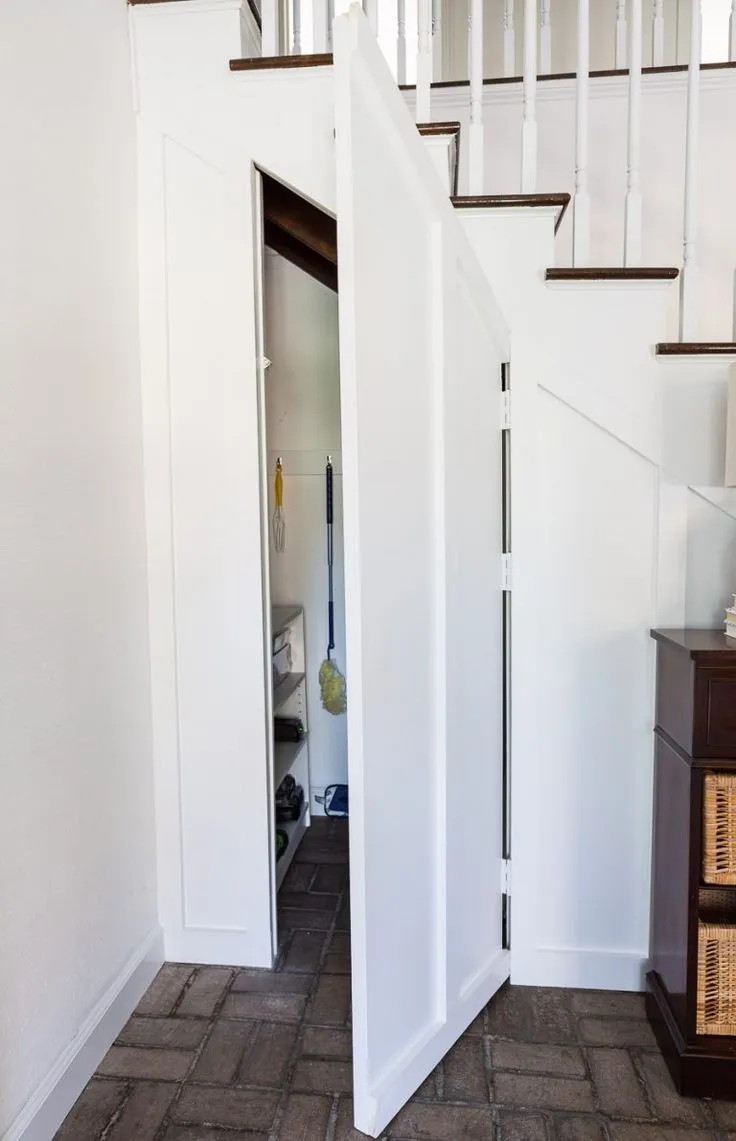
An understairs hidden door makes use of the often-overlooked space below a staircase by concealing access to storage, a mini office, a reading nook, or a utility area.
This design is highly practical for compact homes and space-conscious layouts. Its main advantage is that it turns an awkward architectural corner into something useful while keeping the area neat and visually closed off.
#4 Hidden Door in Closet

A hidden door inside a closet conceals an entry behind the rear wall or a section of storage, creating access to a private room, workspace, dressing area, or secondary space.
This idea works especially well in bedrooms, dressing rooms, and large walk-in closets. Its main advantage is that the closet already feels like a private zone, so the hidden access becomes even less noticeable.
#5 Bookshelf and Cabinet Combo
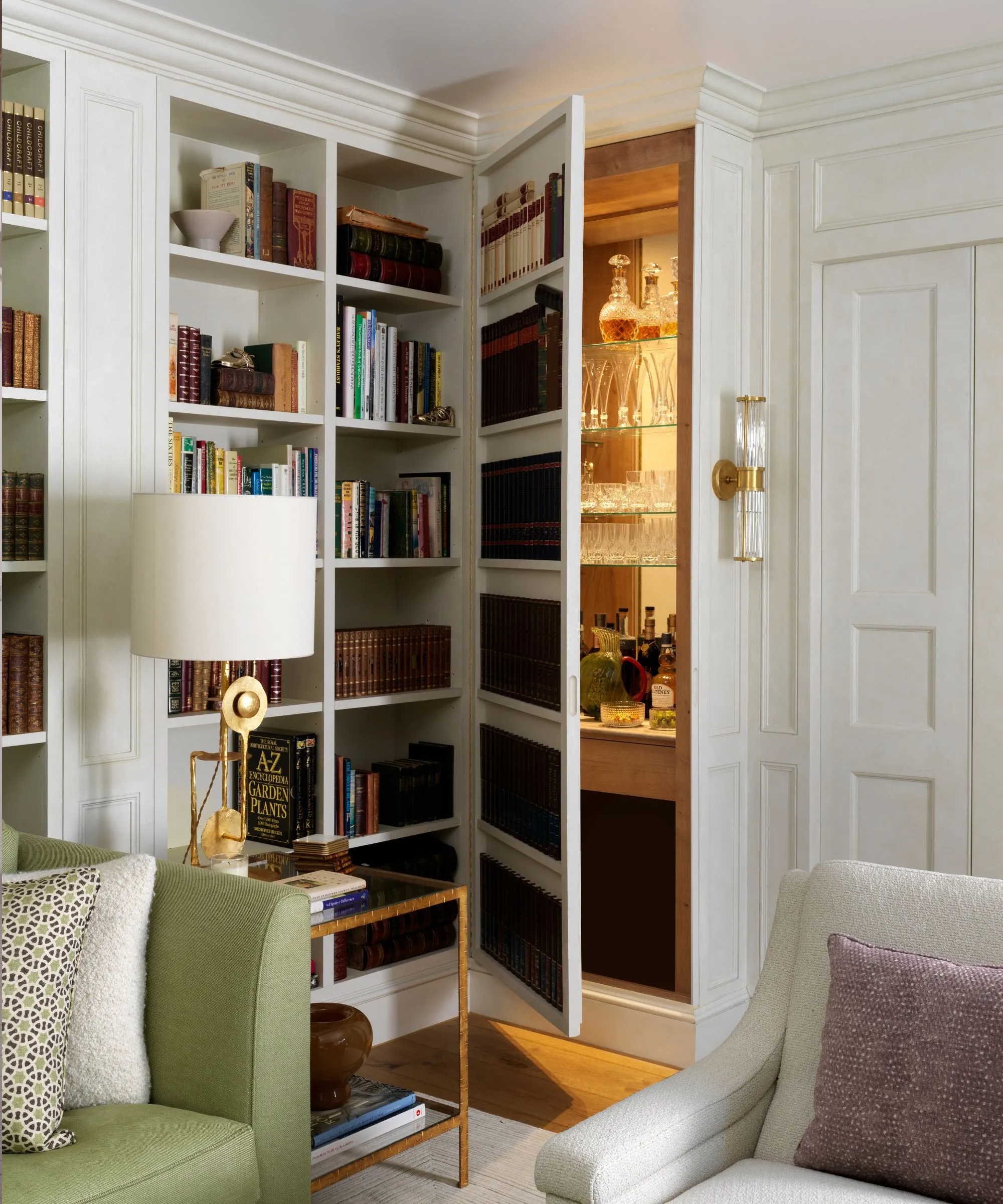
A bookshelf and cabinet combo hidden door uses mixed storage elements to disguise an entry more effectively than a simple shelf alone. It can include shelves, lower cabinets, or display units that open as one concealed system.
This idea works particularly well in family rooms, studies, and home offices that need both display and hidden storage. It offers a more customized look while making the secret door feel like part of a full built-in wall.
#6 Secret Door in a Bathroom Vanity

A secret door in a bathroom vanity conceals access behind cabinetry, storage panels, or integrated millwork. It can be used to hide storage areas, laundry access, utility spaces, or secondary rooms connected to the bathroom.
This idea is especially effective in small homes or compact layouts where every wall matters. Its main advantage is that it adds function without making the room feel more crowded or visually busy.
#7 Concealed Bar or Wine Cellar

A concealed bar or wine cellar door hides access behind cabinetry, wall panels, or a decorative built-in surface. It is a strong option for entertainment spaces that want to feel polished and uncluttered.
This design works particularly well in dining rooms, lounges, and basement bars. Its main strength is that it creates a premium and intentional look while keeping specialty storage less visible from the main room.
Best for Decorative and Seamless Design
#8 Mirror Door

A mirror door uses a full-length or wall-mounted mirror to conceal an entry while still serving a practical everyday function. It is a popular choice for bedrooms, dressing rooms, bathrooms, or closet entrances.
This style works well in smaller spaces because mirrors also help reflect light and make a room feel larger. It is best for modern or minimalist interiors where clean lines and multifunctional design matter.
#9 Painting or Artwork Door

A hidden door behind artwork uses a framed painting, decorative panel, or wall art feature to disguise the opening. This is a subtle option for hallways, living rooms, studies, or private passages that should blend into the wall design.
Its main strength is visual integration. When the artwork matches the room style, the door becomes much less noticeable while still adding a creative and personalized design element.
#10 Wainscoting Hidden Door

A wainscoting hidden door is built into wall paneling so the entrance blends with the surrounding trim and moulding. This idea is especially effective in dining rooms, studies, formal hallways, or traditional interiors.
It is one of the most seamless hidden door options because the panel lines can continue across the wall and the door surface. This makes it ideal for homeowners who want a refined look without obvious visual interruption.
#11 Wall Mural Concealed Door

A wall mural concealed door uses printed artwork, painted surfaces, or decorative graphics to disguise the doorway within a larger wall design. It is a creative option for playrooms, bathrooms, home offices, or themed interiors.
This idea works best when the mural flows continuously across the wall and door surface. Its biggest advantage is that it blends concealment with strong visual character rather than trying to disappear completely.
#12 Panel Hidden Door with Push Mechanism

A panel hidden door with a push-to-open mechanism is designed to sit flush with the wall or panel system and open without visible handles. It is one of the cleanest solutions for creating a modern concealed entrance.
This design works best in contemporary interiors, minimalist spaces, and custom wall panel systems. Its biggest advantage is that it offers a highly seamless look while still allowing convenient day-to-day access.
Best for Small or Modern Spaces
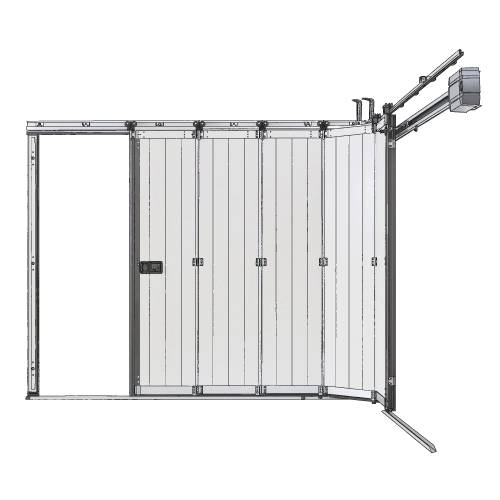
#13 Sliding Wall Panel Door

A sliding wall panel door conceals an opening behind a movable wall surface rather than a standard hinged leaf. It works well in modern homes, apartments, or compact spaces where a swinging door would take up too much room.
This design is especially useful when you want a clean contemporary look. It can be finished to match the wall, making the entrance feel discreet while still remaining practical for daily use.
#14 Murphy Door
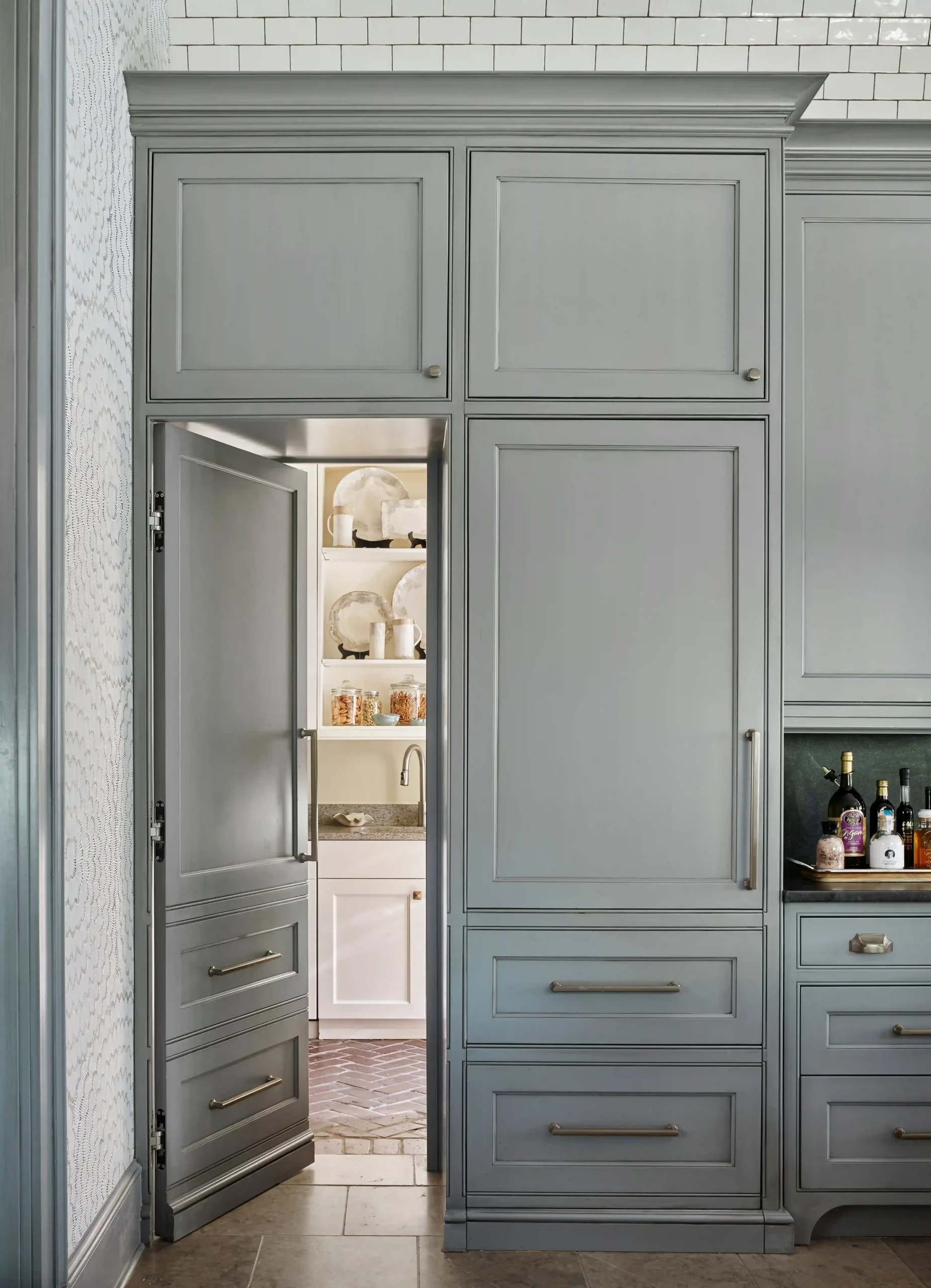
A Murphy door is a hidden door system that doubles as furniture, often designed as a bookshelf, cabinet, or storage unit that swings open to reveal another room or concealed area.
This idea works well in home offices, libraries, and multipurpose rooms where you want both hidden access and usable storage. Its biggest advantage is that it combines functionality with concealment in one built-in feature.
#15 Invisible Sliding Door

An invisible sliding door is designed to align closely with the wall surface when closed, creating a clean and minimal hidden opening. It is often used in modern homes where visible trim and hardware are kept to a minimum.
This style is ideal for bathrooms, offices, or transitional spaces where you want space-saving function without a standard hinged door. It offers a sleek appearance while keeping the doorway discreet.
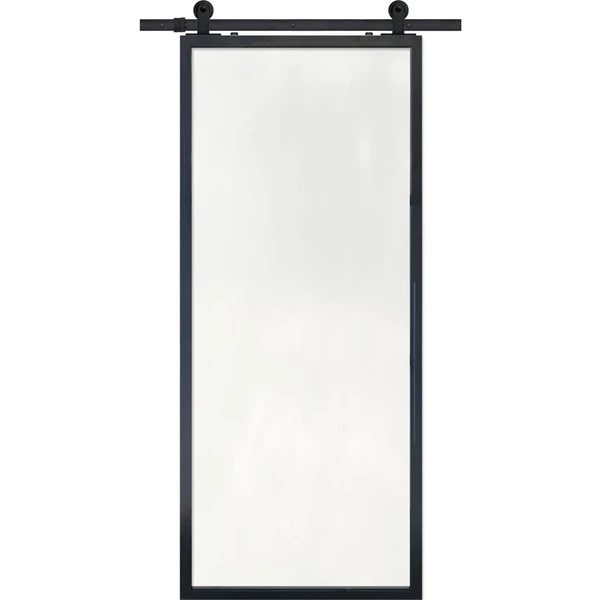
#16 Invisible Barn Door

An invisible barn door applies the sliding function of a barn door but finishes the surface to blend more closely with the wall, paneling, or cabinetry. It offers the convenience of a sliding system without the more obvious rustic look of a standard barn door.
This design works well in modern or transitional interiors that need a hidden, space-saving entrance. Its main strength is that it combines practical movement with a cleaner and more concealed appearance.
#17 Hidden Door Behind Curtains

A hidden door behind curtains uses fabric panels or drapery to disguise an opening without major construction changes. It is one of the easiest hidden door ideas to implement and works well for casual or decorative concealment.
This solution is especially useful in bedrooms, lounges, or older homes where permanent built-ins may not be practical. Its biggest advantage is flexibility, since curtains are affordable, easy to install, and simple to change.
#18 Integrated Hidden Door in a Desk

An integrated hidden door in a desk uses built-in furniture or workspace design to conceal access to a compartment, storage area, or hidden passage. It is most often used in studies, home offices, or multifunctional custom interiors.
This idea works best where the desk is already part of the room’s architecture. Its biggest advantage is that it merges hidden access with daily-use furniture, making the entrance feel highly customized and discreet.
Best for Secret Rooms and Fun Features
#19 Behind the Fireplace

A hidden door behind a decorative fireplace surround creates a dramatic concealed entry that feels both unexpected and architectural. It is usually used to disguise access to a private room, storage area, or secondary space.
This idea works best in feature living rooms, lounges, or luxury interiors where the fireplace already acts as a focal point. Its biggest strength is the sense of surprise and character it adds to the room.
#20 Trap Door

A trap door hides an entrance in the floor and is often used for cellars, storage rooms, basements, or utility access. It is one of the most space-efficient hidden door ideas because it does not take up wall space.
This style works best in rooms with underused floor areas, especially where access does not need to be frequent. Its main advantage is that it makes use of otherwise overlooked space while keeping the opening fully concealed.
#21 Secret Loft Ladder

A secret loft ladder hides ladder or stair access within a ceiling panel, hatch, or concealed upper structure. It is often used for attic rooms, loft storage, play spaces, or compact upper-level retreats.
This idea works best in smaller homes or vertical layouts where visible stairs would interrupt the room. Its biggest strength is that it preserves floor space while creating access to an otherwise hidden upper area.
#22 Faux Window Door

A faux window door creates the visual effect of a window while hiding a functioning door behind it. This can be done with trim, glazing patterns, shutters, or decorative framing that makes the opening look like part of the wall design.
This idea works well in hallways, sunrooms, or playful interior concepts where you want the hidden door to look intentional and decorative. Its main benefit is that it adds surprise without feeling overly secretive.
How to Choose the Right Hidden Door for Your Space
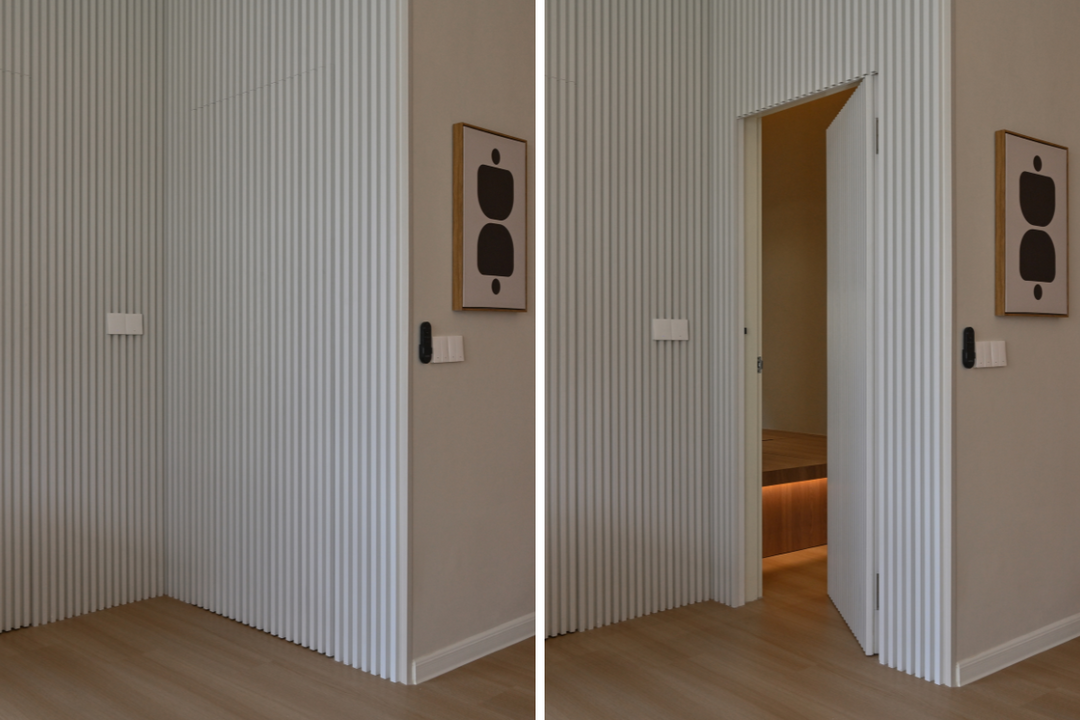
The best hidden door idea depends on how visible you want the entrance to be, how often it will be used, and how well it can blend with the surrounding room design. Before choosing a style, compare these factors carefully:
Aesthetics and Design Compatibility
Choose a hidden door style that matches the room’s existing surfaces, furniture, or decorative elements. A wainscoting door works well in classic interiors, while mirror, mural, or sliding panel designs often suit more modern spaces.
Function and Frequency of Use
Think about what the hidden door will conceal and how often you need to access it. A concealed pantry or bathroom vanity door should be easy to open daily, while a hidden wine cellar or secret loft access can be more discreet and occasional.
Space and Layout
Room size matters. Small rooms often benefit from sliding or flush hidden doors that do not require extra swing space, while larger rooms can support bookshelf doors, panel doors, or more decorative concepts.
Installation Complexity
Some hidden doors are easier to add than others. Curtains, mirror doors, or simple panel systems are usually easier to implement, while integrated cabinetry, under-stair doors, or hidden fireplace entries may require custom design and professional installation.
Budget and Customization
Custom hidden doors usually offer the best visual match but cost more. Ready-made or semi-custom options can still work well if the surrounding finishes are planned carefully.
Safety and Practical Use
For areas such as bathrooms, lofts, under-stair spaces, or floor trap doors, make sure the design remains safe, easy to operate, and appropriate for regular access.
Conclusion
Hidden doors combine creativity, privacy, and practical design in a way that few other interior features can. Whether you want to conceal storage, create a cleaner wall design, or add a sense of mystery to your space, the right hidden door idea depends on your layout, style, and daily needs.
Some designs focus on seamless visual integration, while others prioritize storage, accessibility, or multifunctional use. By choosing a hidden door that fits both the room and its purpose, you can create a solution that feels intentional rather than gimmicky.