












If you’re a homeowner, your garage door probably doesn’t get much attention—until something goes wrong. But just like any part of your home, garage doors have a lifespan. And we’re not just talking about the door itself. The opener, springs, and other moving parts each have their own timeline too.

So what does “lifespan” actually mean when it comes to garage doors? Simply put, it’s how long the door and its components will work safely and reliably before needing replacement or major repairs. For most homeowners, knowing this helps with budgeting, planning, and avoiding unexpected breakdowns (like being stuck in the driveway on a Monday morning!).
Average Lifespan Ranges
Knowing typical lifespan ranges helps you plan for repairs or replacements before major failures occur.
Garage Doors: 15–30 Years

Most steel and fiberglass garage doors last 15 to 30 years with proper care.
Steel-insulated doors tend to hit the upper end (25–30 years) thanks to corrosion resistance and stable panels.
Wood doors may need more maintenance (painting, sealing) but can also reach 20+ years if kept dry.
Openers: 10–15 Years

Your opener’s motor and electronics usually last 10 to 15 years under normal use.
Regular maintenance (lubricating gears, tightening chains) can push lifespan to 15+ years.
Heavy usage—more than 3–4 cycles a day—may shorten this to around 10 years.
Springs: 7–12 Years (5,000–20,000 Cycles)

Springs bear the door’s full weight every time it opens and closes. Their life is rated in cycles:
Standard springs usually provide 10,000 cycles (around 7–10 years at 3–4 operations per day).
High-cycle torsion springs can double (20,000 cycles) or even triple cycle life (up to 30,000+), lasting 15–20 years or more.
Extension springs often offer 5,000–10,000 cycles, translating to about 5–8 years of service before replacement.
Key Lifespan Influencers
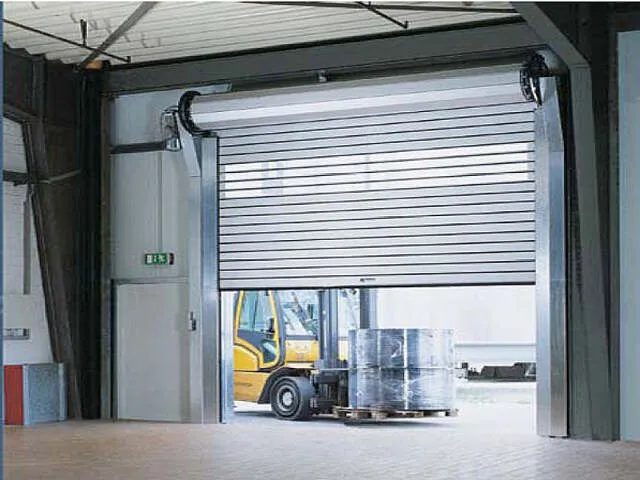
Not all garage doors wear out the same way. What affects how long they last? Several key factors can add or subtract years from your garage door’s life.
1. Material Type Matters

Your door’s material is one of the biggest factors in its longevity:
Steel – Durable and low maintenance. With anti-rust coating, it can last 25–30 years easily.
Wood – Classic and beautiful, but vulnerable to moisture and pests. Needs frequent sealing or painting to last 15–25 years.
Aluminum – Lightweight and rust-resistant, but dents easily. Averages 20–25 years with minimal upkeep.
Fiberglass/Vinyl – Resistant to rot and rust, but can crack in extreme cold. Typically lasts 20–30 years depending on exposure.
2. Usage Cycles: Daily Wear & Tear
Garage doors are rated in “cycles”—one cycle equals one open and one close.
Moderate households may run 3–4 cycles per day, which leads to about 1,000–1,500 cycles per year.
The more frequently you use your garage (e.g., as a front door), the faster the springs, rollers, and opener wear out.
Tip: Consider upgrading to high-cycle torsion springs if your garage is a high-traffic zone.
3. Regular Maintenance Routines

Skipping maintenance shortens lifespan—period.
Lubricate hinges, rollers, and tracks every 6 months.
Tighten bolts and check cable tension regularly.
Inspect weatherstripping, springs, and tracks for wear and damage.
Well-maintained doors can last 5–10 years longer than neglected ones.
4. Climate & Environmental Exposure
Where you live plays a role too:
Humid or coastal areas: Salt and moisture speed up rust and wood rot.
Cold climates: Metal can contract, and springs may fail faster.
Direct sun: UV rays can warp materials and fade finishes.
A covered garage or sheltered location helps reduce wear.
5. Installation Quality
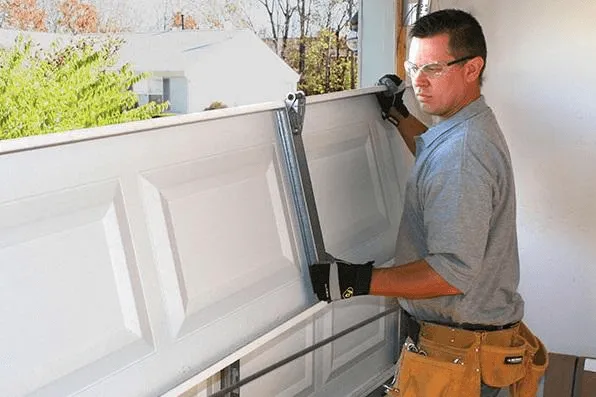
Even the best door won’t last if it’s poorly installed.
Misaligned tracks, uneven mounting, or loose hardware can lead to premature wear, extra noise, and performance issues.
A professional, well-aligned install gives your door a smoother glide—and a longer life.
Signs It’s Time to Replace or Repair Your Garage Door
How do you know when your garage door is just tired—or truly on its last legs? Catching warning signs early can save you from costly breakdowns or safety hazards.
1. Unusual Noises During Operation

If your door starts creaking, grinding, or screeching, don’t ignore it.
Rattling or scraping could mean loose hardware or track misalignment.
Loud popping may point to spring tension issues.
Regular noises getting noticeably worse? Time for a check-up.
2. Sagging or Warped Panels

Over time, wood doors may sag, and metal ones can dent or warp, especially under sun exposure or impact.
This not only looks bad—it can affect how smoothly the door operates.
In some cases, you can replace individual panels rather than the whole door.
3. Uneven or Jerky Movement
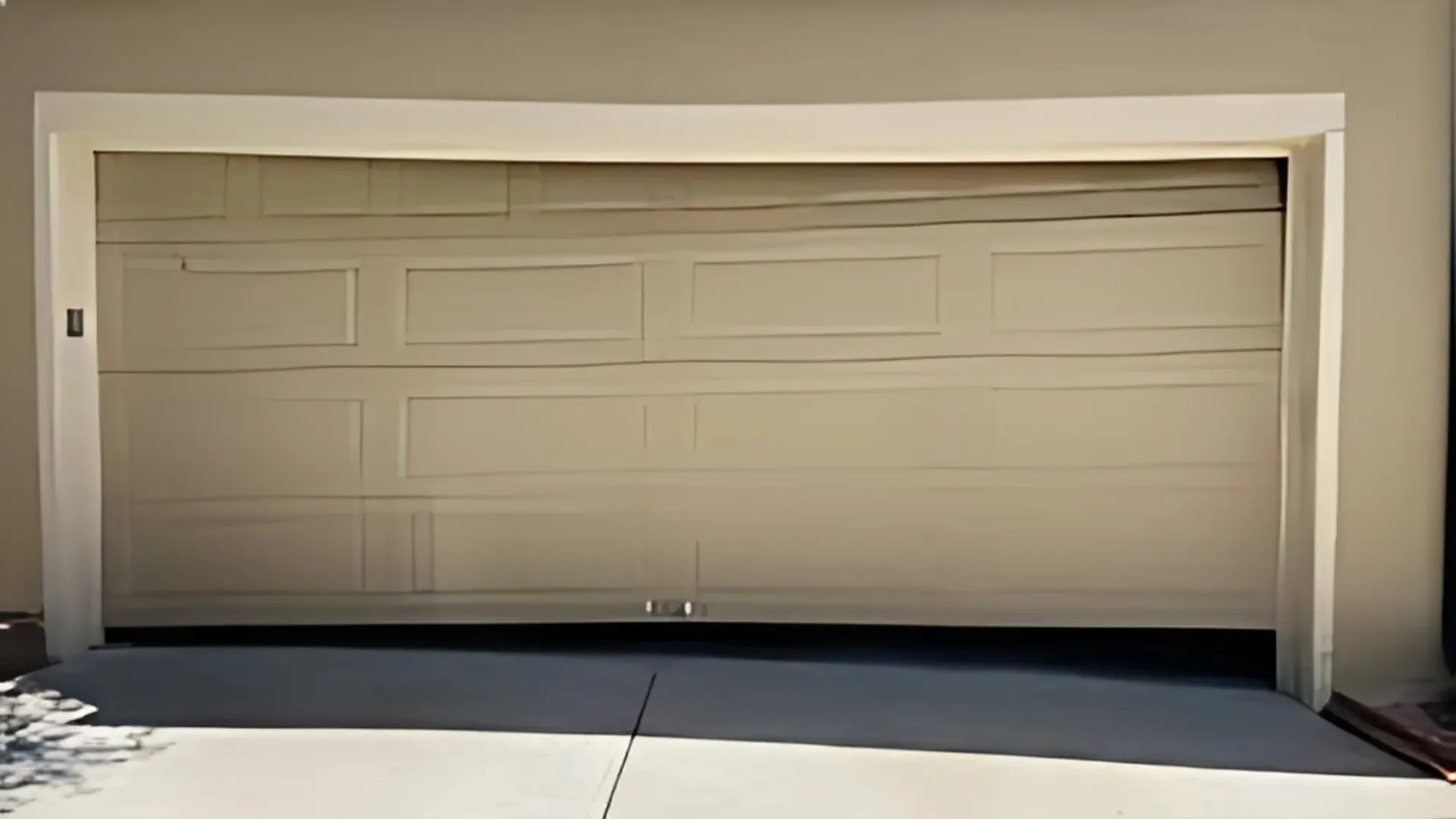
If the door shakes, gets stuck, or opens at a slant, there may be problems with the:
Tracks
Rollers
Torsion springs
Cables
These issues can stress the opener and create a safety risk.
4. Visible Damage

Look for:
Rust spots on steel doors or hardware
Cracked or split wood on wooden models
Frayed cables or gaps in weather stripping
Loose hinges or hardware falling off
These are all signs your door’s aging and possibly unsafe.
5. Difficulty Opening or Closing

If the opener struggles—or you need to push/pull the door manually to help it—something’s off.
Could be the opener, springs, or door balance.
Doors that stop mid-motion should be repaired quickly to prevent full failure.
Extending Lifespan: Maintenance Tips

Want to get the most years out of your garage door? A little regular upkeep can go a long way. Just like your car or HVAC system, your garage door works best when it’s checked and cared for routinely.
Monthly Maintenance Checklist
#1 Inspect Door Movement
- Open and close the door, watching for jerky movement or grinding sounds.
- The motion should be smooth and steady—no sticking, shaking, or hesitation.
#2 Test the Balance
- Disconnect the opener and manually lift the door halfway.
- If it stays in place, the balance is good. If it falls or rises, the springs may need adjustment.
#3 Lubricate Moving Parts

- Use a silicone-based lubricant (never grease) on:
- Rollers
- Hinges
- Springs
- Tracks
- Do this every 2–3 months, or more often in extreme climates.
#4 Check the Weather Stripping
- Inspect the bottom seal for cracks or gaps. Replace if it’s letting in air, dirt, or pests.
- Keeps energy bills down and protects your garage from the elements.
#5 Tighten Hardware
- Your garage door moves up and down over 1,000 times a year—nuts and bolts loosen with time.
- Use a socket wrench to snug everything up.
#6 Clean the Tracks

Wipe away dirt and debris with a damp cloth—don’t lubricate the tracks.
#7 Test the Auto-Reverse Safety Feature
- Place a piece of wood or a roll of paper towels in the door’s path.
- When closing, the door should reverse automatically if it touches the object.
- If not, you may need to adjust or replace the sensors.
#8 Inspect the Opener and Remote Batteries
- Check the motor unit for signs of wear or overheating.
- Change the remote batteries annually to avoid being locked out when you least expect it.
Pro Tip: Schedule a professional tune-up once a year, especially before winter. Technicians can spot and fix small issues before they become big repair bills.
With consistent care, your garage door can easily exceed 20 years of service—and your opener can run well past 10. It’s all about catching problems early and staying proactive.
Cost & Value Considerations

Wondering whether to repair or replace your garage door? You’re not alone. Many homeowners are surprised by how much pricing can vary depending on the issue.
Repair Costs: What to Expect
Minor repairs often cost much less than full replacements—and they can still give your system years of extra life. Here are some typical repair costs:
| Repair Type | Typical Cost |
|---|---|
| Spring replacement (torsion) | $150–$350 |
| Spring replacement (extension) | $100–$200 |
| Cable or roller repair | $85–$200 |
| Sensor or opener fix | $100–$300 |
| Panel patch or replacement | $200–$500 (per panel) |
Full Replacement Costs
If your door is severely damaged, noisy beyond repair, or simply outdated, replacing it might be the best value in the long run.
| Replacement Type | Typical Cost (Installed) |
|---|---|
| New single garage door | $700–$1,500+ |
| New double garage door | $1,200–$2,500+ |
| Garage door opener (motor) | $300–$600 |
Ready for a New or Custom Garage Door?

If your old door is showing its age or you’re ready to boost your home’s curb appeal, we’re here to help. Whether you need a sleek modern upgrade or a custom-designed statement piece, we specialize in new and custom garage doors that are built to last.
Contact us today to get started with a free quote and expert guidance.