














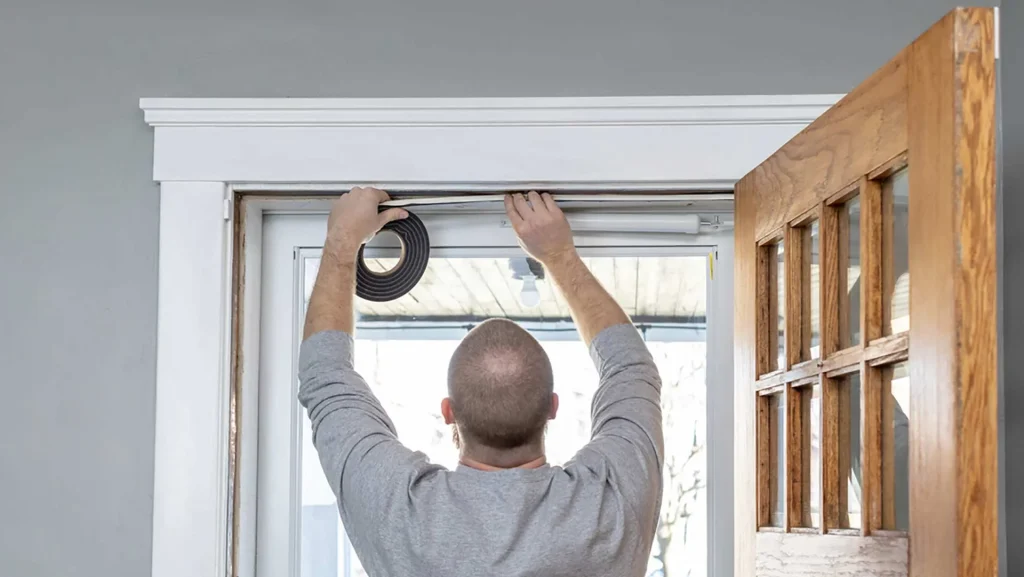
Ever feel a chilly draft sneaking in around your front door? Or notice your energy bills creeping up in winter and summer? That’s where weatherstripping comes in. It’s a simple, low-cost way to seal the gaps around your door and keep your home more comfortable all year round.
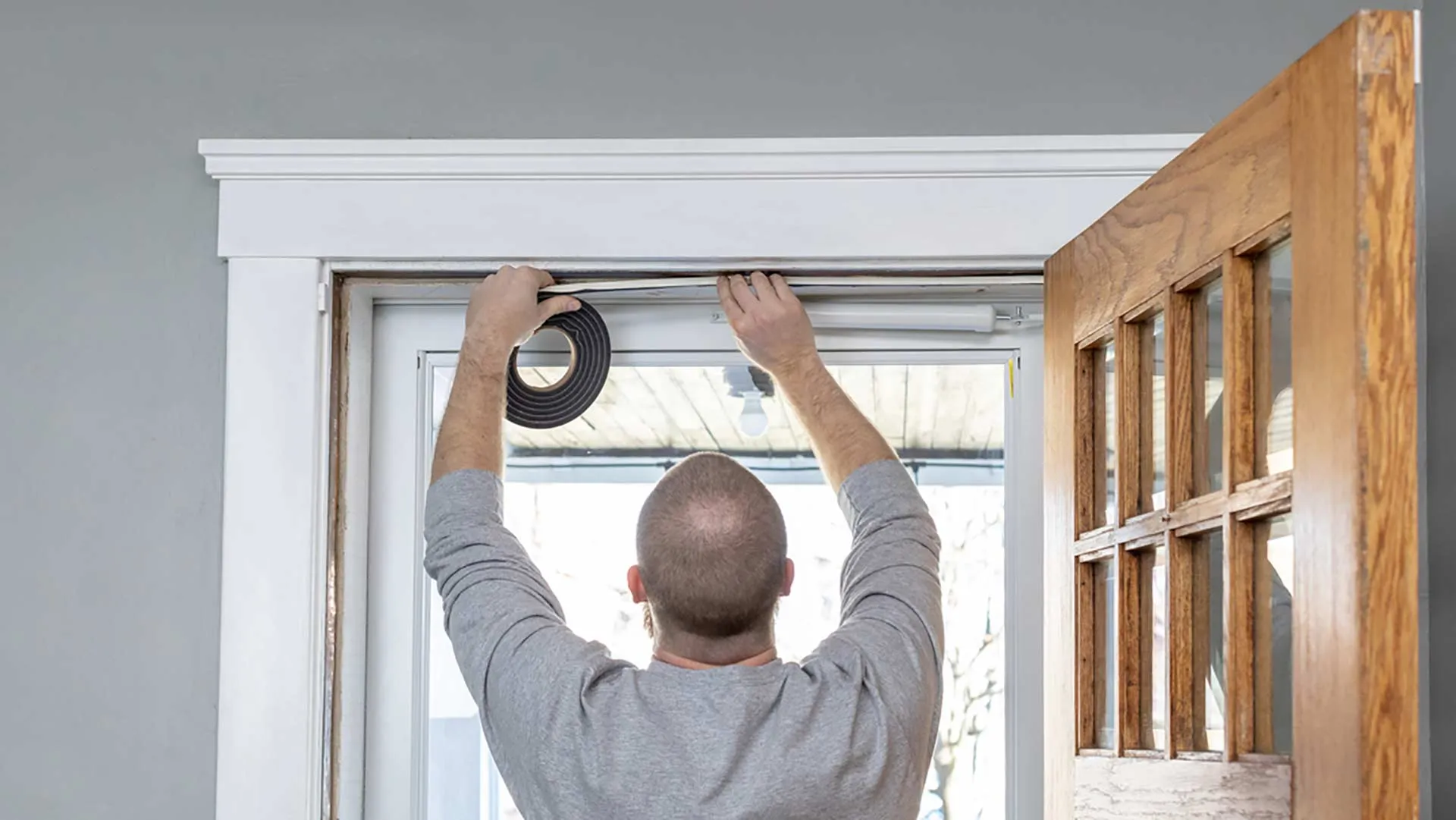
Weatherstripping helps stop cold air, dust, noise, and even insects from slipping through the cracks. It also reduces how hard your heating and cooling systems have to work—saving you money over time. Whether you’re replacing worn-out strips or getting ready for colder months, weatherstripping is a smart project you can tackle in a day.
Tools & Materials You’ll Need
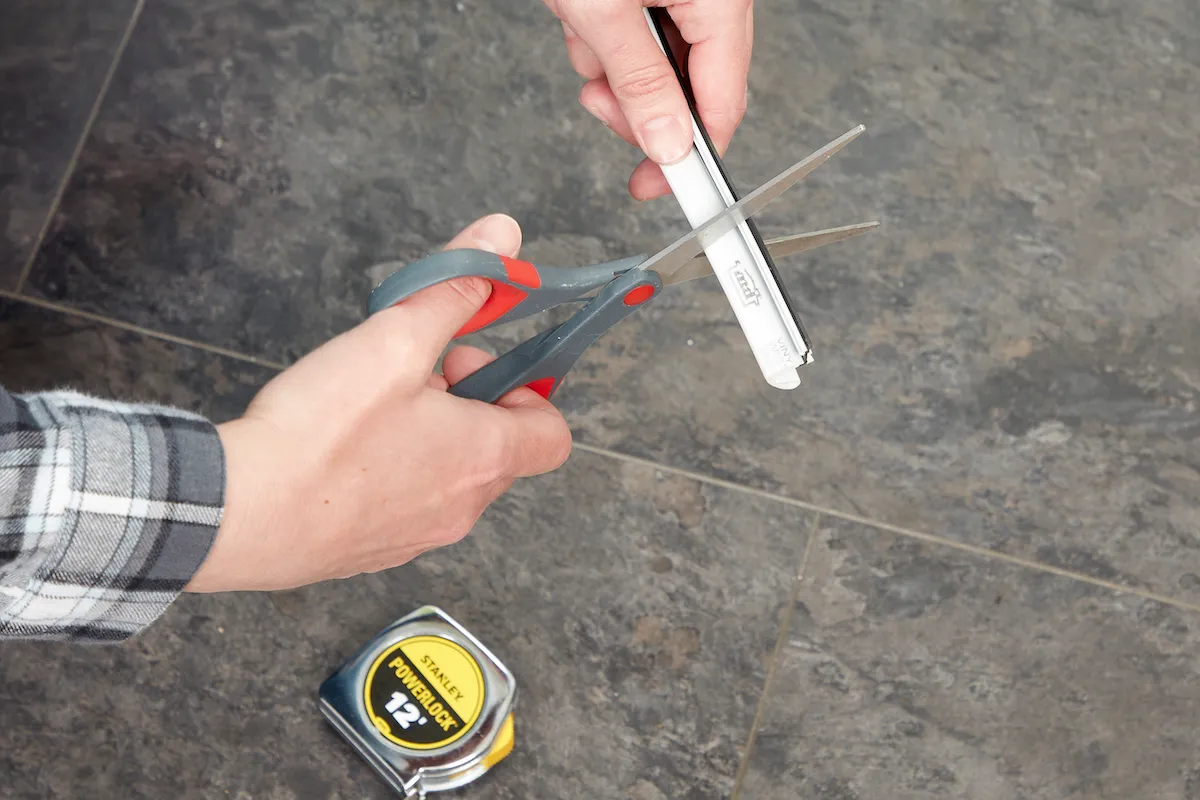
Before you get started, make sure you have the right tools and materials on hand. Most of these are easy to find at your local hardware store, and you don’t need any special skills to use them.
Here’s what you’ll need:
Measuring tape – To measure the door and gaps accurately
Utility knife or scissors – For trimming weatherstripping to size
Screwdriver or drill – To install door sweeps or secure strips
Foam tape – Great for sealing the sides and top of the door
V-strip (tension seal) – Ideal for sealing tight gaps around the frame
Door sweep – Attaches to the bottom of the door to block drafts
Caulk and caulking gun – For sealing any cracks around the frame
Gasket or kerf-mounted strip – Adds extra protection around the jamb
You don’t need every single item on this list—just choose the ones that match your door type and how big the gaps are. We’ll walk you through that next.
Step 1: Inspect & Prepare the Door Frame
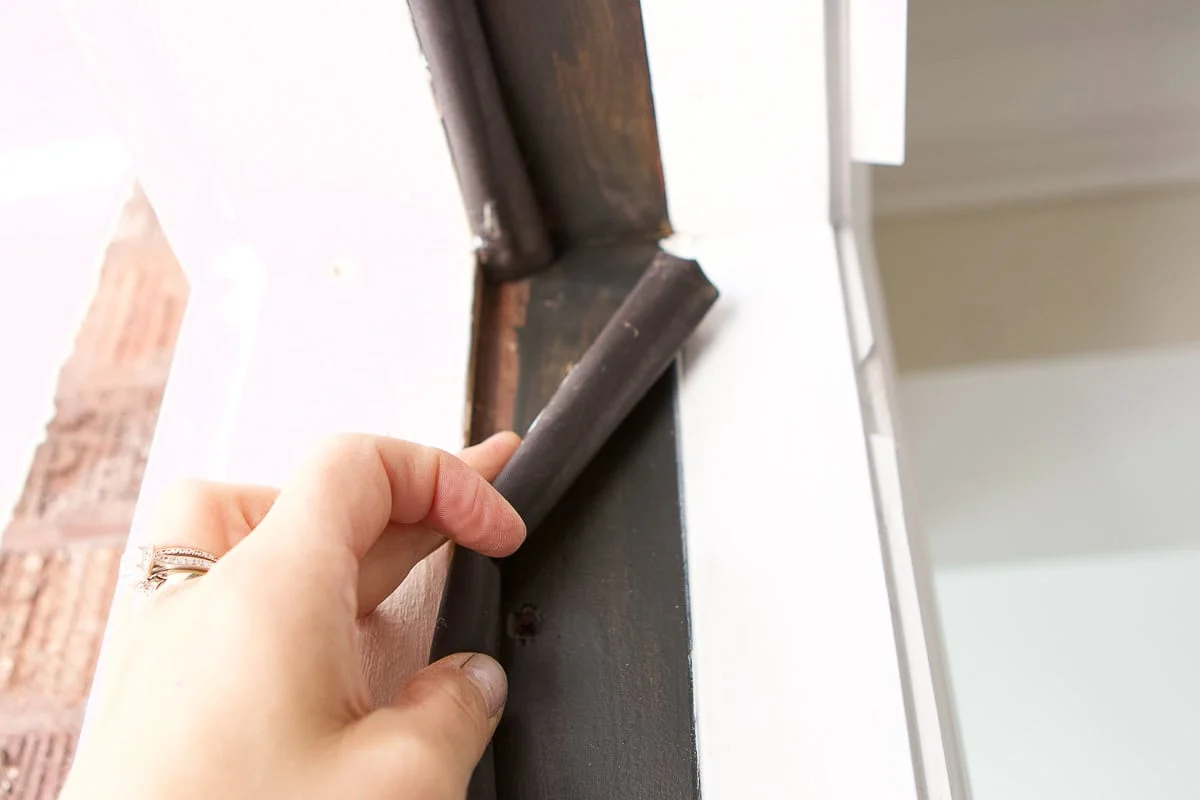
Before adding new weatherstripping, it’s important to start fresh. Open the door and take a close look at the frame. If there’s old or worn-out weatherstripping, peel it off carefully. Use a scraper or putty knife if needed, then clean the area with a damp cloth to remove dust, dirt, and leftover adhesive. A clean surface helps the new strips stick better and last longer.
While you’re at it, check the condition of the door and frame. Is the wood cracked or damaged? Are the hinges tight? Make sure the door closes smoothly and hangs square. If it’s crooked or dragging, even the best weatherstripping won’t seal the gaps properly. Tighten any loose screws or adjust the hinges if necessary.
Step 2: Measure Gaps & Select the Right Materials
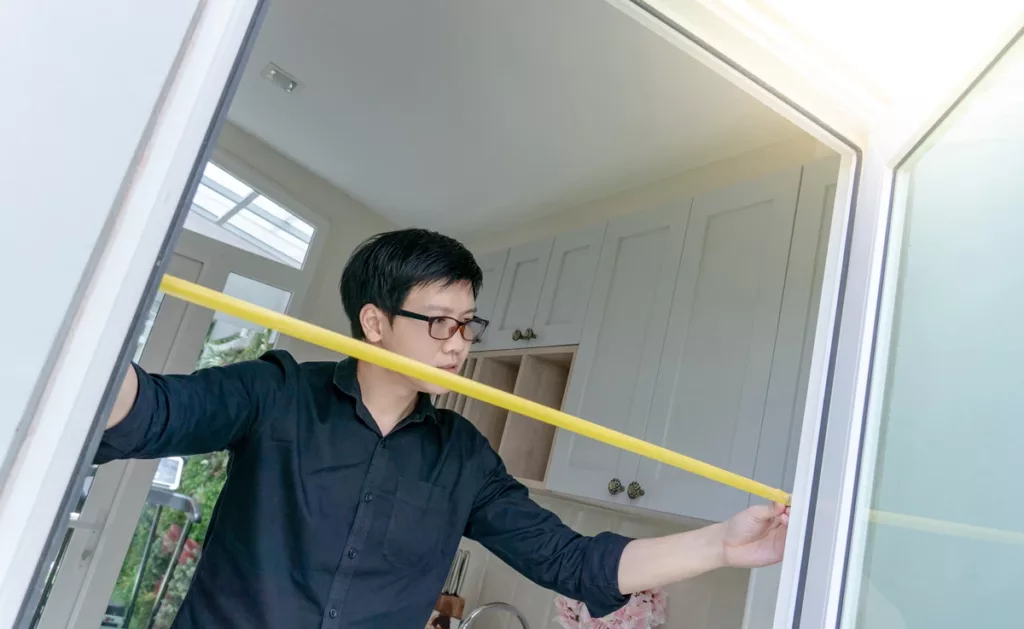
Once your door is clean and properly aligned, it’s time to measure the gaps. Close the door and look for spaces where light shines through—or use a dollar bill to test for drafts. Check the top, both sides, and the bottom of the door. Write down the measurements so you can choose the best weatherstripping for each area.
Here’s a quick guide to choosing the right type:
Foam tape – Easy to apply and great for sealing small to medium gaps around the top and sides
V-strip (tension seal) – Ideal for tighter gaps where a snug fit is needed
Silicone or rubber tubing – Flexible, durable, and good for high-traffic doors
Metal or vinyl door sweep – Best for sealing the bottom edge and blocking drafts
Not sure which one to pick? Many hardware stores sell weatherstripping kits that include a mix of these materials, perfect for first-timers.
Step 3: Install Weatherstripping on Top and Sides
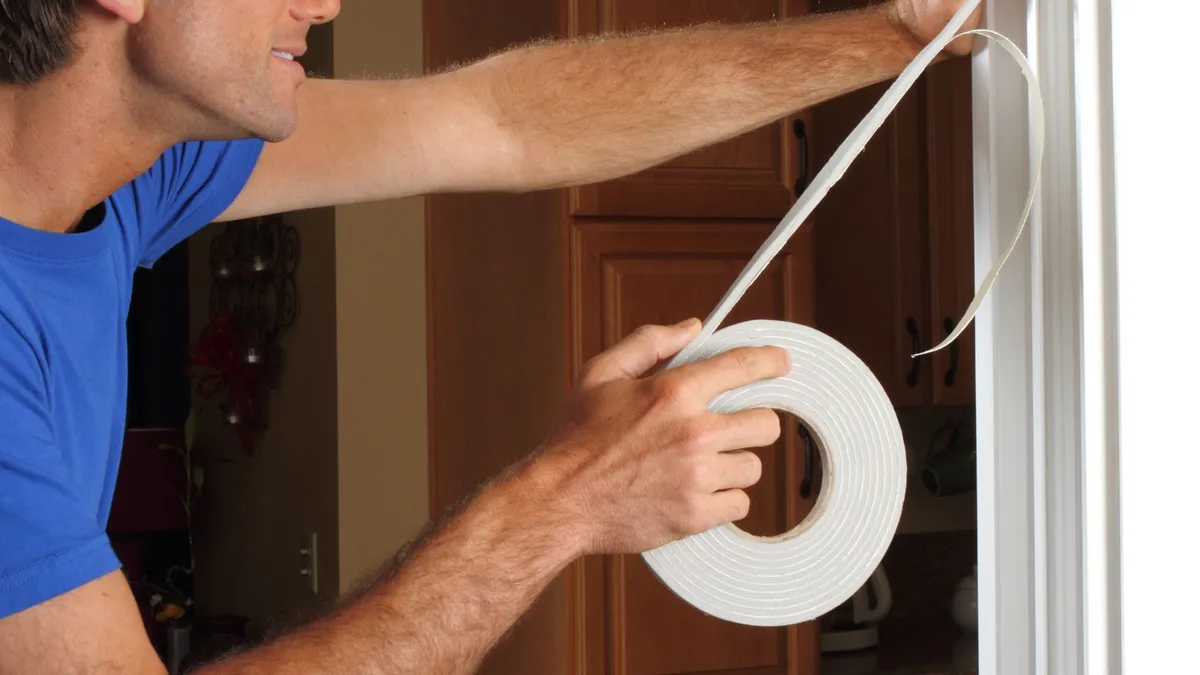
Now that you’ve measured your gaps and chosen your materials, it’s time to install the weatherstripping along the top and sides of the door frame. Start by cutting your foam tape or V-strip to the right length. Always test-fit the strip before peeling off the backing, just to be sure it lines up correctly.
If you’re using adhesive-backed foam tape, stick it along the inside edge of the door stop where the door makes contact when closed. Press it down firmly as you go to make sure it sticks well.
If you’re using V-strip, fold it into a “V” shape and press it into the corner where the door and frame meet. Some V-strips come with adhesive backing, while others may require small finishing nails.
For more durable, long-term solutions—especially on high-traffic doors—consider silicone tubing or rubber gaskets. These options may take a bit more time to install but offer excellent sealing and a longer lifespan.
Step 4: Install Bottom Door Sweep

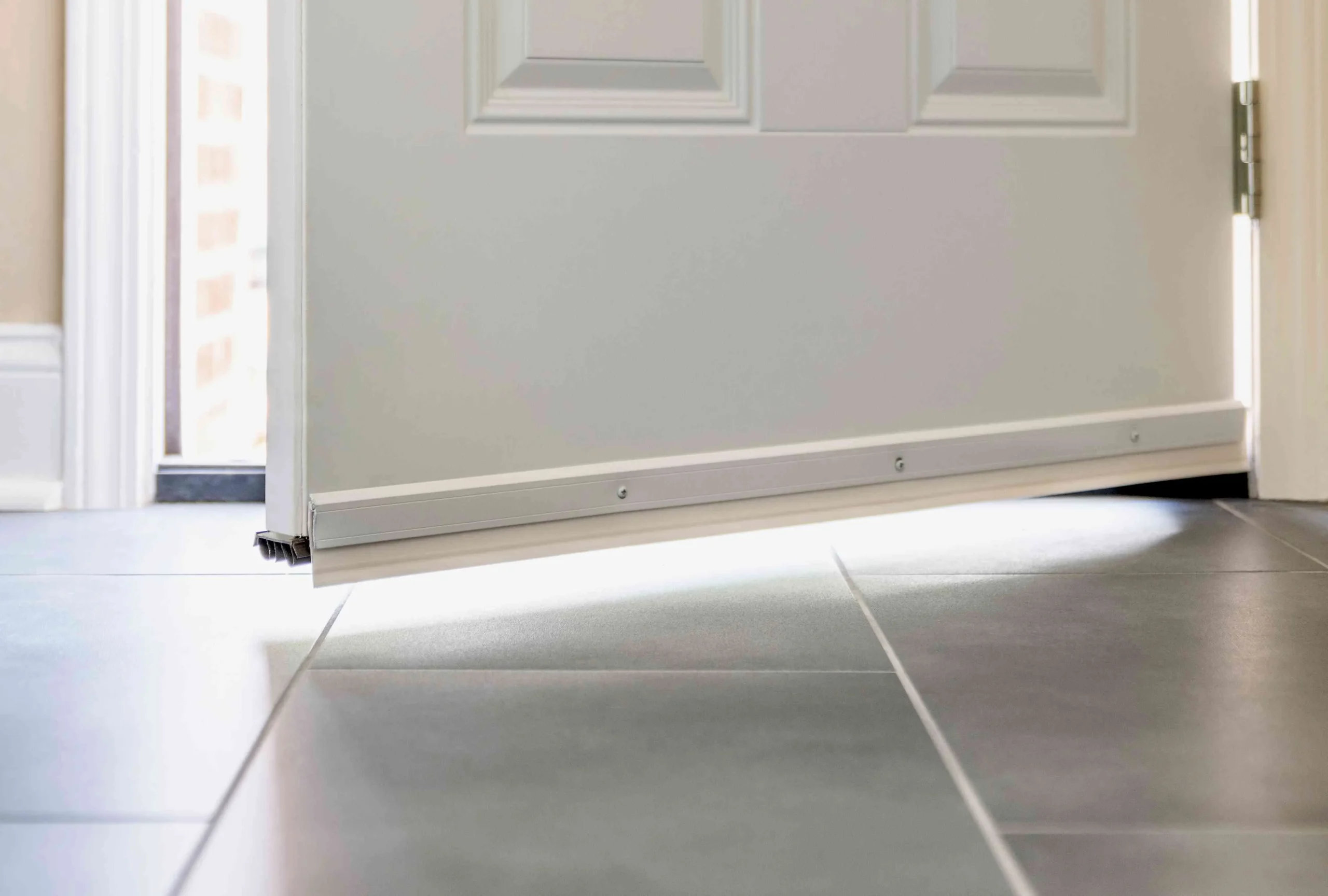
Next, tackle the biggest gap—under the door. The bottom edge is where a lot of drafts sneak in, so installing a door sweep is key to sealing it off.
Start by closing the door and measuring the width. Trim the door sweep to fit, using a hacksaw or utility knife if needed. Most sweeps come with pre-drilled holes, but if not, mark and drill your own pilot holes to prevent splitting.
Line the sweep up at the bottom of the door so that the rubber or bristle edge just barely touches the threshold. It should create a snug seal without dragging too much. Then screw it into place.
Step 5: Add Gasket or Kerf-Mounted Strips (Optional but Effective)

If you want to take your weatherproofing to the next level, consider adding gasket-style seals or kerf-mounted weatherstripping. These are more commonly found on newer doors, but you can install them on older ones too if your door frame has a kerf groove (a thin slot along the door jamb).
To install, simply press the foam gasket into the groove until it’s fully seated. No adhesive or screws are needed—it holds itself in place. These gaskets provide a tight, professional-level seal and are great for blocking out drafts, moisture, and even noise.
If your door doesn’t have a kerf groove, you can still install screw-on gasket strips or compression seals for similar results.
Step 6: Test & Adjust
Once everything is in place, close your door slowly and check for any areas where light shines through or you can feel air leaks. Run your hand along the edges to feel for drafts. You may need to:
Press down foam tape more firmly
Trim back material that’s too bulky
Reposition the door sweep if it’s dragging or too loose
Take a few minutes to open and close the door a few times to make sure everything fits and operates smoothly.
Step 7: Maintenance & Troubleshooting

Weatherstripping isn’t a “set it and forget it” job. Most materials will last 3 to 5 years, but that depends on usage and weather conditions.
Keep an eye out for:
Cracked, torn, or flattened seals
Sweeps that loosen or fall out
Gaps reappearing due to shifting hinges or door sag
Fixes are usually simple: tighten screws, reapply adhesive, or swap out worn strips. You can also adjust the strike plate or door hinges if the door stops aligning properly over time.
And don’t forget to do a quick check each fall and spring—it’s the easiest way to stay ahead of leaks and drafts.