












What Is an Insulated Glass Unit (IGU)?

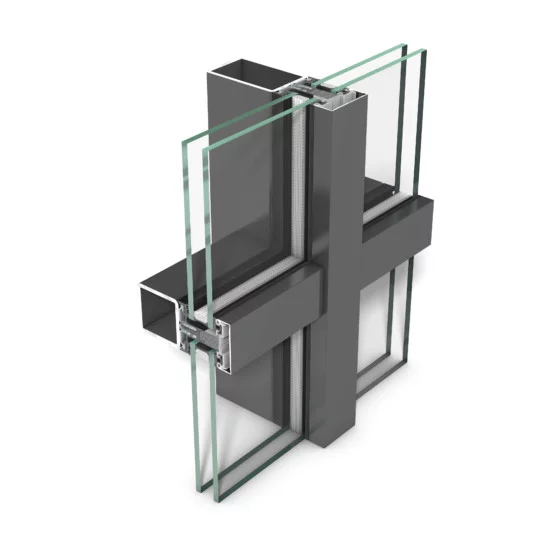
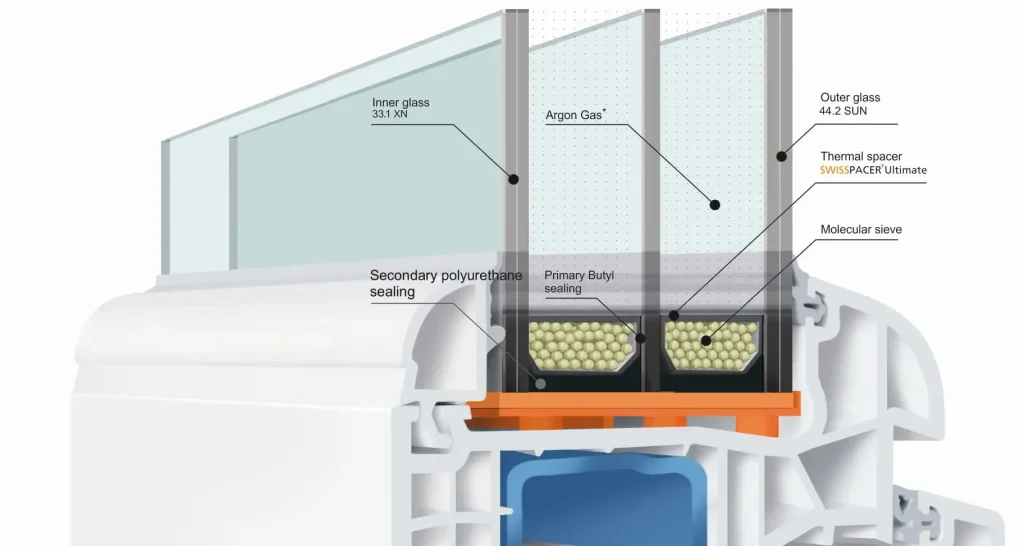
An insulated glass unit (IGU) is a sealed glazing system made of two or more panes of glass separated by a spacer and enclosed air or gas-filled cavity. IGUs are designed to improve thermal insulation, reduce noise, and help prevent condensation inside modern windows and doors. Common IGU components include glass panes, spacer bars, desiccants, sealants, and gas fills such as argon or krypton. They are widely used in residential, commercial, and high-performance building envelopes because they improve comfort, energy efficiency, and long-term window performance.
Insulated glass units are now standard in most modern windows and doors because they improve insulation, reduce outside noise, limit condensation, and support better overall energy performance.
Core Components of an IGU
Every insulated glass unit (IGU) is made up of several key components that work together to improve insulation, reduce condensation risk, and maintain long-term sealing performance.
1. Glass Panes

At the heart of every IGU are the glass panes. Most IGUs use two panes, but some have three or even four for better performance. These panes usually range from 3 to 10 millimeters thick, depending on the design and where they’re installed.
You’ll also find different types of glass, like:
- Tempered glass, which is heat-treated to be stronger and safer.
- Laminated glass, which holds together even if it breaks—great for soundproofing and security.
Many IGUs also include a Low-E (low-emissivity) coating, which reflects heat and UV rays. This helps keep your home cooler in summer and warmer in winter, without blocking natural light.
2. Spacers and Desiccants
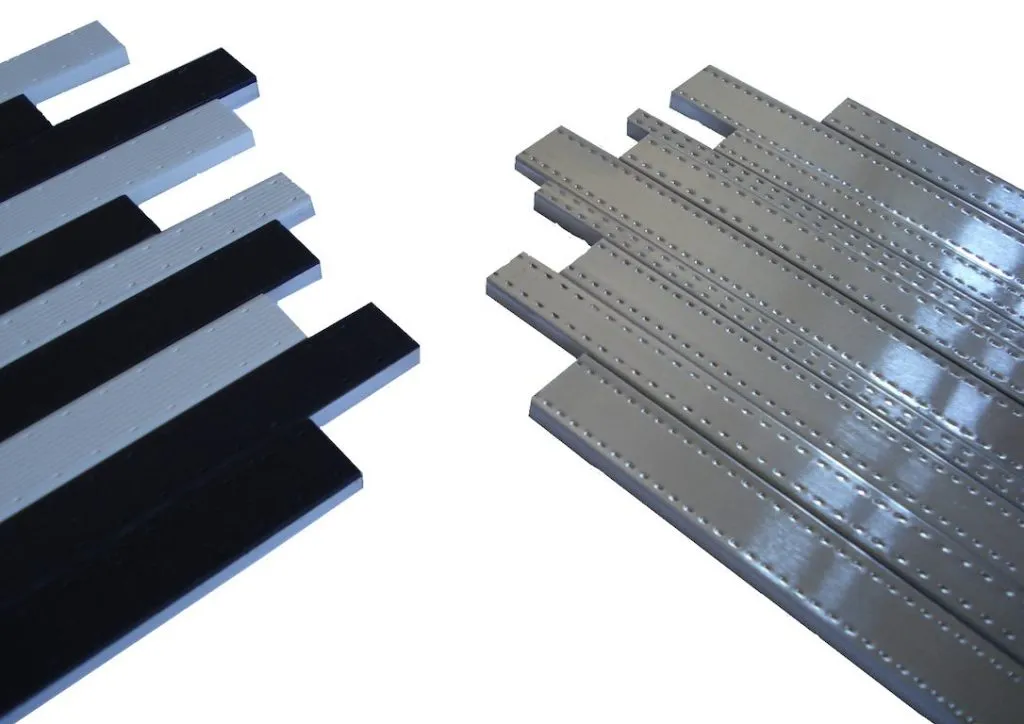
Between the panes is a spacer that keeps the glass evenly separated. Spacers can be made of:
- Aluminum – strong but can let heat escape.
- Warm-edge spacers – made of plastic or stainless steel, better at insulating.
- Foam spacers – flexible and highly energy-efficient.
Inside the spacer is a desiccant, a moisture-absorbing material that keeps the inside of the unit dry. Without it, your windows could fog up or grow mold inside—no thank you!
3. Sealants

The edges of the IGU are sealed up tight with two layers of sealants:
- Primary sealant like PIB (polyisobutylene) creates the moisture barrier.
- Secondary sealants such as silicone or polysulfide give the unit strength and keep everything bonded together.
Together, these seals prevent leaks and help the IGU last for years without failing.
4. Gas Fills

That space between the glass isn’t just air—it’s often filled with special gases to improve insulation. Common options include:
- Air – the basic choice, but not the most efficient.
- Argon gas – a popular upgrade, offering better insulation at a good price.
- Krypton gas – even better at insulating, especially in thinner spaces, though it costs more.
These gases are invisible and safe, but they make a big difference when it comes to keeping your indoor temperature just right.
How IGUs Work

Insulated glass units (IGUs) improve window performance by reducing heat transfer, limiting condensation, and improving acoustic insulation through sealed multi-pane construction.
Thermal Insulation: Trapping Comfort Inside
The main job of an IGU is to reduce heat transfer between the inside and outside of your building. Here’s how it works:
- The space between the glass panes is filled with air or gas like argon or krypton, which slows down the movement of heat.
- Gas fills insulate better than plain air because they conduct less heat.
- The Low-E coating on the inner side of the glass reflects heat back into the room in winter and keeps it out in summer.
This creates a thermal barrier that helps keep warm air in during cold months and cool air in during hot months—cutting your energy bills in the process.
Understanding U-Value and SHGC
When we talk about how well IGUs insulate, two key numbers come up:
- U-Value measures how much heat passes through the glass. Lower numbers mean better insulation.
- SHGC (Solar Heat Gain Coefficient) tells us how much solar heat comes through the window. A lower SHGC is great for hot climates, while a higher SHGC can help warm up colder spaces.
Choosing the right balance of U-Value and SHGC depends on your local climate and your home’s design.
Sound Insulation: Peace and Quiet
IGUs don’t just stop heat—they also help block noise. Here’s how:
- Using asymmetric panes (two glass panes with different thicknesses) helps break up sound waves.
- Laminated glass is another upgrade that can absorb vibrations and reduce noise even more—perfect for homes near busy roads or airports.
So if you’re tired of hearing lawnmowers or traffic outside your window, IGUs can make a big difference.
Performance Factors & Ratings

Not all insulated glass units (IGUs) perform the same. Several key factors affect how well they block heat, sunlight, and sound.
R-Value and U-Value: Measuring Insulation
These two ratings help you understand how good an IGU is at keeping your indoor temperature stable:
- R-Value tells you how well a material resists heat flow. Higher is better—more resistance means more insulation.
- U-Value is the opposite—it measures how much heat flows through. Lower is better for keeping heat in during winter and out during summer.
IGUs typically have U-values between 0.20 and 0.50, depending on the type of glass, coating, gas fill, and spacing.
The Importance of Gap Width
The space between the glass panes—called the air gap or cavity—also plays a big role in performance. If the gap is too small, it won’t insulate well. Too big, and the gas inside can circulate, reducing effectiveness.
The sweet spot?
About 15–18 mm is ideal for argon-filled IGUs. This allows the gas to provide solid insulation without creating unwanted air movement inside the unit.
SHGC: Blocking or Welcoming Solar Heat

SHGC (Solar Heat Gain Coefficient) shows how much solar energy enters through the glass. It ranges from 0 to 1:
- Lower SHGC (like 0.25–0.35) blocks more sun—great for hot climates.
- Higher SHGC (like 0.50 or above) lets in more warmth—better for cold areas.
Low-E coatings help manage SHGC by reflecting unwanted infrared light while still letting in visible light. You get brightness without the extra heat.
Acoustic Performance: Keeping the Noise Out
If peace and quiet are a priority, look at an IGU’s sound insulation properties:
- Thicker glass reduces vibration from sound waves.
- Laminated glass adds a sound-dampening layer between panes.
For homes in noisy neighborhoods or near highways, these upgrades can make a huge difference in comfort.
Choosing the Right IGU

The right insulated glass unit depends on your climate, performance goals, building type, and budget. Instead of focusing on glass thickness alone, it’s better to compare the full IGU system—including glass type, gas fill, spacer design, and thermal performance—before making a decision.
1. Start With Your Climate
Climate should be the first factor in choosing an IGU. In colder regions, double- or triple-pane units with argon or krypton gas and lower U-values help reduce heat loss. In hotter climates, Low-E coatings and lower SHGC values are often more important because they limit unwanted solar heat gain while still allowing natural light indoors.
2. Choose the Right Glass Type
Different glass types solve different problems. Tempered glass is often used where safety glazing is required. Laminated glass is better for sound control, impact resistance, and added security. Low-E glass improves energy efficiency by reflecting heat while still allowing visible light to pass through.
3. Compare Spacer and Gas Fill Options
The space between panes matters just as much as the glass itself. Argon-filled IGUs are the most common choice because they offer a strong balance of insulation and cost. Krypton performs better in thinner cavities but usually costs more. Warm-edge spacers can also improve thermal performance by reducing heat transfer around the glass edge.
4. Match the IGU to Your Project Goals
For most standard residential windows, a double-pane IGU with Low-E coating and argon gas offers solid overall performance at a practical cost. For colder regions or high-performance buildings, triple glazing or vacuum IGUs may be worth considering. If outside noise is a concern, laminated glass or asymmetric pane configurations are often the better upgrade.
5. Balance Performance With Budget
The best IGU is not always the most advanced one. A well-matched unit should improve comfort, control energy loss, and meet the needs of the building without adding unnecessary cost. Focus on performance that fits your actual project rather than choosing the most complex specification available.
Advanced IGU Types
Standard double-pane insulated glass units are great—but if you’re looking for even better insulation or noise control, there are some high-tech options out there.
Triple and Quadruple Glazing: More Layers, More Comfort

Triple-pane and quadruple-pane IGUs add extra glass layers and gas-filled gaps between them. More layers mean:
- Better R-values (higher thermal resistance)
- Lower U-values (less heat loss)
- Improved noise reduction
Each extra pane adds another layer of insulation. Triple glazing is perfect for cold climates or energy-efficient homes. Quadruple glazing goes even further—ideal for extreme temperatures or net-zero buildings.
Typical use-cases:
- Triple glazing – residential homes in northern or high-altitude areas
- Quadruple glazing – hospitals, labs, or ultra-efficient buildings
While they cost more up front, the energy savings over time can make them a smart investment.
Vacuum IGUs (VIG): High Tech, Ultra Thin
Vacuum IGUs are a cutting-edge technology. Instead of filling the space between glass with gas, they remove all the air, creating a vacuum. This means:
- Almost no heat transfer through conduction
- Very slim profile, often under 10 mm thick
- Tiny pillars inside hold the glass apart and keep it from collapsing
VIGs perform like triple-pane glass but with the size and weight of a single pane—great for historic buildings or places where thickness matters.
Trade-offs?
They’re more expensive, and the tiny support pillars can be slightly visible. Still, they’re becoming more popular in both homes and commercial projects.
Multipane Glazing: The Future of Efficiency

Some glass makers are now experimenting with 5 or even 6 panes of glass. These ultra-multipane IGUs are designed for:
- Extreme climates
- Passive house projects
- Buildings aiming for zero-energy standards
While not common yet, these units represent the future of glass insulation. The more panes and gas layers, the higher the performance—but also the higher the price and weight.
Manufacturing Process
Ever wonder how insulated glass units (IGUs) are made? It’s not just glass and gas thrown together—IGU manufacturing is a carefully controlled, high-tech process designed to ensure long-lasting performance and energy savings.
Step 1: Cutting and Cleaning the Glass

It starts with cutting the glass panes to size. Each pane is then thoroughly washed and dried to remove dust, oils, or debris. Clean glass is essential because even the tiniest particles can affect the seal and insulation.
Step 2: Spacer Assembly

Next, a spacer bar is shaped to match the edges of the glass. This spacer does more than just hold the panes apart—it also contains desiccant beads that absorb moisture to prevent fogging.
Spacers can be made of aluminum, stainless steel, or warm-edge materials like foam or plastic. Once filled with desiccant, the spacer is carefully attached to one of the glass panes.
Step 3: Gas Filling and Sealing
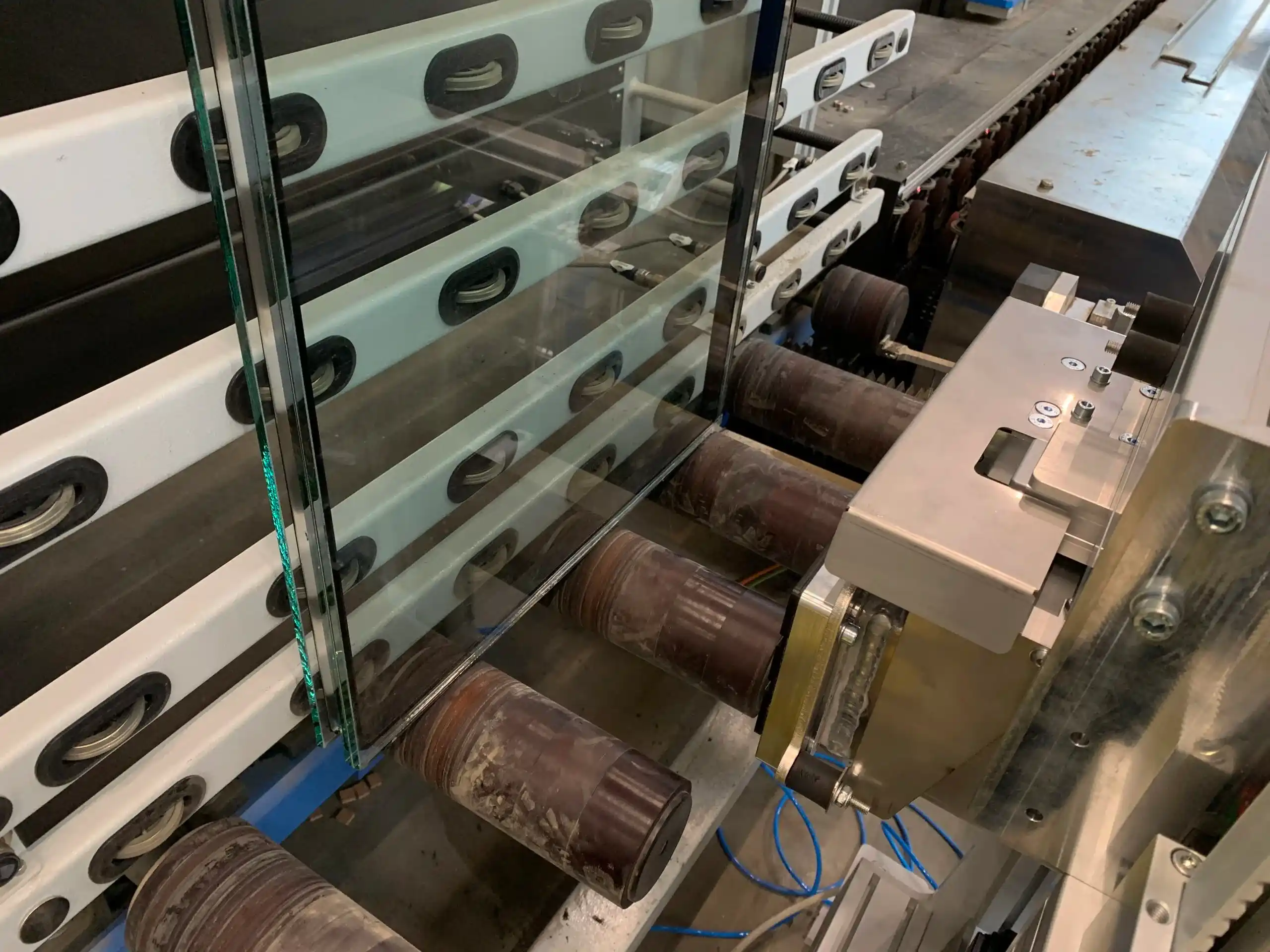
After the two glass panes are joined with the spacer, the space in between is filled with argon or krypton gas. This is usually done using automated machines that inject the gas and quickly seal the unit to trap it inside.
Then comes the sealing stage. Manufacturers apply:
- A primary sealant (usually PIB) to block moisture
- A secondary sealant (like silicone or polysulfide) for added strength and durability
Together, these seals keep the gas in and the air and water out.
Step 4: Final Assembly and Inspection
Once sealed, the IGU goes through final inspection. Any imperfections like scratches, poor sealing, or bubbles can lead to early failure—so quality checks are strict.
Quality Control: Keeping It Reliable
Modern factories use advanced testing methods to ensure top performance. One of the most impressive is ultrasonic testing, which checks the argon gas level inside the IGU without opening or damaging it. If the gas leaks out too soon, the unit won’t insulate properly, so keeping it sealed is critical.
Other quality checks may include:
- Thermal imaging
- Seal strength testing
- Fog and moisture simulations
Installation & Longevity

A well-made insulated glass unit (IGU) is only as good as its installation—and how it holds up over time. Here’s what you should know about how long IGUs last, what can go wrong, and whether it’s worth repairing them.
How Long Do IGUs Last?
Most IGUs last between 10 to 25 years, depending on the quality of materials, climate, and installation. In ideal conditions, some can even last longer. But over time, even the best units can start to break down.
Common Signs of Failure
Here are the most common reasons an IGU might stop working properly:
- Seal Failure – When the edge seals break, air and moisture can get in.
- Fogging Between the Glass – A sure sign that moisture has entered the unit.
- Thermal Stress Cracks – Caused by uneven heating and cooling on the glass surface, especially if the window faces direct sun.
- Gas Loss – Over time, argon or krypton gas can slowly leak out, reducing insulation performance.
Once these problems appear, the IGU no longer works as it should—even if the glass isn’t physically broken.
Repair vs. Replace
Can a failed IGU be repaired? Sometimes.
- Vent-and-Seal is one repair method. It involves drilling small holes, removing moisture, and resealing the glass. This may clear up fog, but it doesn’t restore the lost gas insulation.
- Full replacement is the best option when thermal performance matters or if the unit is severely damaged.
Inspection & Maintenance

Even though insulated glass units (IGUs) are built to last, regular checks and simple maintenance can help you spot problems early—and avoid bigger repair costs down the line.
What to Look for: Easy Visual Checks
Most IGU problems can be seen with the naked eye. During your regular cleaning or seasonal home check-ups, look for:
- Fog or moisture between the panes – This often means the seal has failed.
- Discoloration or haze – Can indicate chemical reactions inside the unit.
- Seal cracks or gaps – Check the edges for signs of wear, separation, or sealant damage.
- Condensation on the inside pane – Not always a sign of IGU failure, but worth watching if it persists.
These are early warnings that your IGU may be losing its insulating power.
Functional Testing: Going Beyond the Surface
For a deeper check—especially in high-end or commercial buildings—special tools can be used:
- Ultrasonic gas detectors can measure the argon or krypton levels inside the unit. This helps verify whether the gas fill is still intact without opening the window.
- Thermal imaging can reveal heat leaks that aren’t visible, showing how well your IGUs are performing.
While homeowners don’t typically have access to these tools, professional inspectors do—and it’s worth calling one in every few years for a thorough check.
Maintenance Tips & Schedule
Good news: IGUs don’t require a lot of upkeep! But here are a few smart tips:
- Clean the glass and frames with mild soap and soft cloths—no harsh chemicals or abrasive pads.
- Inspect seals and frames at least twice a year, especially after extreme weather.
- Keep weep holes clear (those tiny drainage holes at the bottom of window frames) to prevent water buildup.
- Avoid pressure-washing your windows, which can stress the seals over time.
If you’re in a coastal or high-humidity area, or if your windows face strong sun daily, it’s a good idea to schedule professional inspections every 5 to 10 years.
Sustainability & Building Integration

Insulated Glass Units (IGUs) aren’t just good for your home—they’re also good for the planet. From cutting energy bills to supporting eco-friendly building goals, IGUs play a big role in creating greener, more efficient spaces.
Saving Energy, Reducing Emissions
IGUs help reduce the amount of heating and cooling your home needs, which means:
- Lower energy bills every month
- Less strain on HVAC systems
- Fewer greenhouse gas emissions from power plants
Because IGUs keep indoor temperatures more stable, your air conditioner and heater don’t have to work as hard—especially when paired with energy-efficient coatings and gas fills.
Over time, switching to high-performance IGUs can lead to significant carbon footprint reduction, especially in larger buildings or extreme climates.
Earning Green Building Certifications
Installing IGUs can help a building qualify for well-known sustainability certifications like:
- LEED® (Leadership in Energy and Environmental Design)
- ENERGY STAR®
- Passive House (PHI) standards
These programs often reward buildings that use energy-efficient windows, particularly IGUs with low U-values, low SHGC ratings, and sustainable materials.
IGUs in Passive and Zero-Energy Design
For buildings aiming to use little or no external energy, IGUs are a must. In passive houses and zero-energy buildings, every detail matters—especially the windows.
IGUs reduce unwanted heat gain in summer and heat loss in winter, helping the building stay comfortable with minimal energy use. Combined with proper orientation, shading, and ventilation, IGUs are key players in passive solar design.
Recyclability and Environmental Impact
What happens when IGUs reach the end of their life? Many components—like glass, aluminum spacers, and even some sealants—can be recycled. That said, proper disposal and recycling depend on local facilities and construction practices.
Glass manufacturers are also working on greener production processes, using less energy and fewer raw materials to produce high-performance IGUs.
Conclusion
Insulated glass units are one of the most important parts of modern high-performance windows and doors. A well-designed IGU improves thermal insulation, reduces noise, limits condensation risk, and supports better long-term energy performance. The best IGU is not always the most complex one, but the one that matches your climate, glass type, spacer system, gas fill, and project goals. By understanding how IGUs are built and how they perform, buyers can make better decisions for comfort, durability, and efficiency.