














When it comes to garage doors, one big question often comes up—should you choose an insulated or non-insulated door?
At first glance, they might look the same, but what’s inside makes a big difference. Insulated garage doors are built with layers of material that help block heat, cold, and noise. Non-insulated doors, on the other hand, are usually made from a single layer of steel or aluminum with no extra protection.
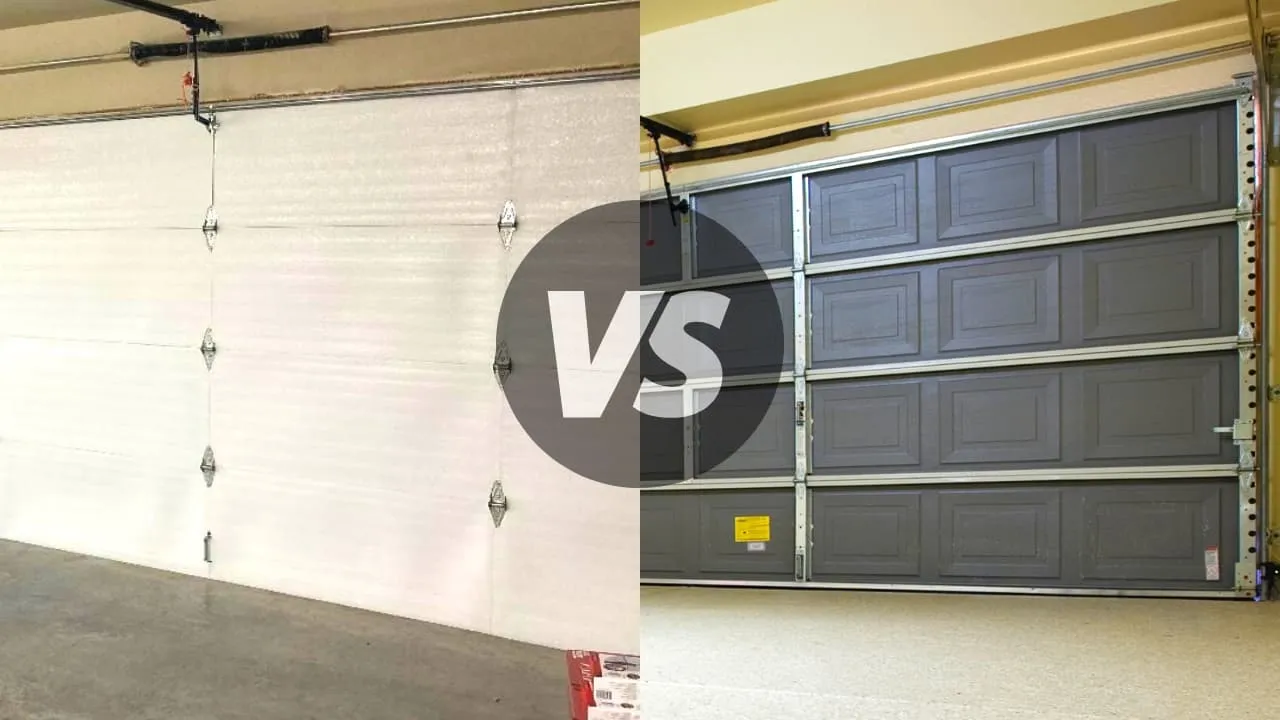
So, why does this matter for your home? Because your garage isn’t just a place to park your car—it’s often connected to your house, used for storage, or even as a workspace. If your garage is too cold in the winter or too hot in the summer, it affects your comfort, energy bills, and sometimes even your belongings.
Insulated vs. Non‑Insulated: Key Differences

The main difference between insulated and non-insulated garage doors comes down to how they’re built—and how well they handle things like temperature, sound, and strength.
Construction & R-Value
Non-Insulated Doors
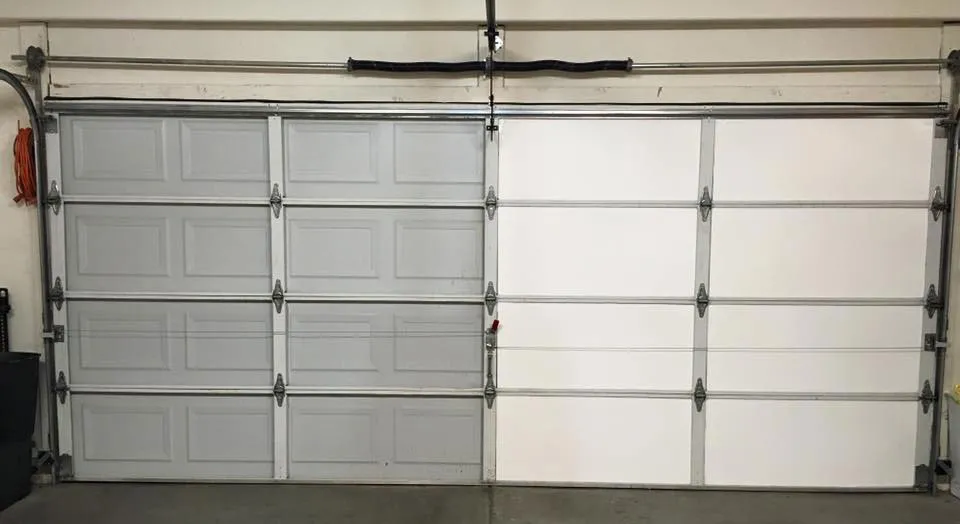
These are typically made from a single layer of metal (usually steel or aluminum). There’s no material inside the panels to block heat or noise. They’re simple, lightweight, and lower in cost, but also less effective at keeping temperatures stable.
Insulated Doors
These are built with two or three layers, including insulation in the middle. The most common types are:
Polystyrene (foam board, good but basic)
Polyurethane (spray foam, higher R-value, more durable)
The R-value is the measure of thermal resistance—higher R-values mean better insulation. Non-insulated doors usually have an R-value below 2, while insulated doors range from R-6 to R-18+ depending on the material.
Performance Impacts
Temperature Control
Insulated doors help keep your garage warmer in winter and cooler in summer, which is a big win if your garage is attached to your house or you use it often.
Noise Reduction
Insulated doors are also quieter. The added material helps absorb vibration and sound—great if you have living space nearby or a noisy street out front.
Strength & Durability
The extra layers in insulated doors also make them stronger and more dent-resistant, especially in high-wind areas or homes with active kids and sports gear bouncing around.
Benefits of Insulated Garage Doors

If you’re thinking about upgrading your garage door, insulation isn’t just a bonus—it can be a game-changer.
Energy Savings & Stable Temperature
Insulated garage doors help keep outside weather where it belongs—outside.
Warmer in winter, cooler in summer: The insulation slows heat transfer, meaning your garage doesn’t become a freezer in January or an oven in July.
Lower energy bills: If your garage is attached to your home, temperature swings can affect your heating or cooling system. Insulated doors reduce that load, which could help cut energy costs.
Noise Reduction & Vibration Control
Nobody likes the loud slam of a metal garage door or the rattle every time it opens.
Quieter operation: Insulated doors have foam layers that absorb sound, so they don’t shake or clang as much.
Less vibration: This makes a difference if your garage is under a bedroom or you’re coming and going early or late.
Extra Strength & Durability
Insulated doors are built with multiple layers, making them tougher all around.
Resist dents and dings: Think basketballs, bike handlebars, or hailstorms.
Better against wear and tear: The added structure helps the door stay solid over time, with less warping or bending.
When Non‑Insulated Doors Make Sense
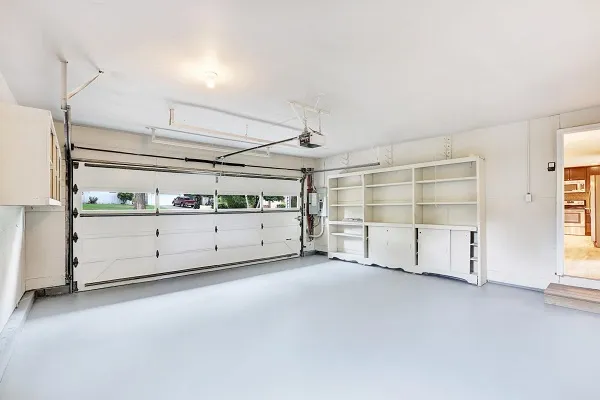
Insulated garage doors offer a lot of benefits—but that doesn’t mean they’re the right fit for everyone. In some situations, a non‑insulated door is the more practical (and budget-friendly) choice.
Lower Upfront Cost
If you’re watching your budget, non-insulated doors are the most affordable option.
Material savings: Without the added insulation layers, these doors cost less to manufacture and install.
Good for limited-use garages: If your garage is used mostly for storage, not daily living, you may not need extra insulation.
Great for Detached Garages
Detached garages usually don’t share walls with your home, so temperature control isn’t as critical.
No impact on home heating/cooling: In this case, you won’t lose indoor comfort or raise energy bills by skipping insulation.
Perfect for workshops, sheds, or simple storage: If comfort or temperature stability isn’t a priority, non-insulated works just fine.
Simpler Maintenance & Lighter Weight
Fewer layers mean fewer things that can go wrong.
Lighter doors: Easier to lift manually and put less strain on your opener system.
Fewer repair concerns: No foam or composite materials to get damaged or waterlogged.
Cost Comparison
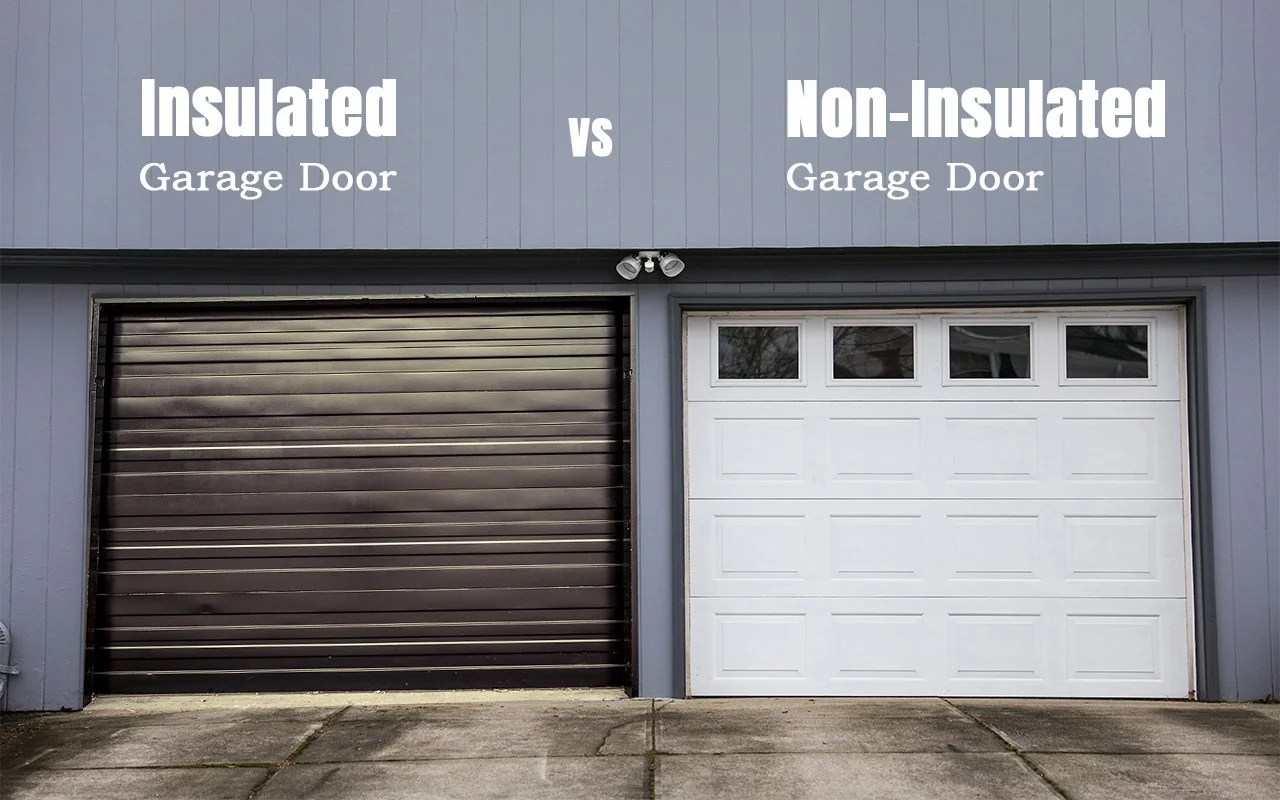
Wondering how much difference insulation makes in the price tag?
Average Price Ranges
Here’s a rough idea of what you might spend:
Non‑Insulated Garage Doors: $750–$1,700 installed
Insulated Garage Doors: Around $1,000–$2,000 installed
Prices vary based on material (steel, wood, etc.), size, and brand—but insulation typically adds $200–$500 to the overall cost.
Long‑Term ROI: Is Insulation Worth It?
While insulated doors do cost more upfront, they can pay for themselves over time, especially if:
Your garage is attached to your home
(Less heat escapes, lowering energy bills)You use your garage daily
(More comfort in both hot and cold months)You store sensitive items or use it as a workspace
(Temperature control helps protect tools, paint, electronics, etc.)
Plus, insulated doors tend to last longer and resist dents and warping better—saving you on repairs and replacements down the road.
Choosing Based on Garage Use & Location
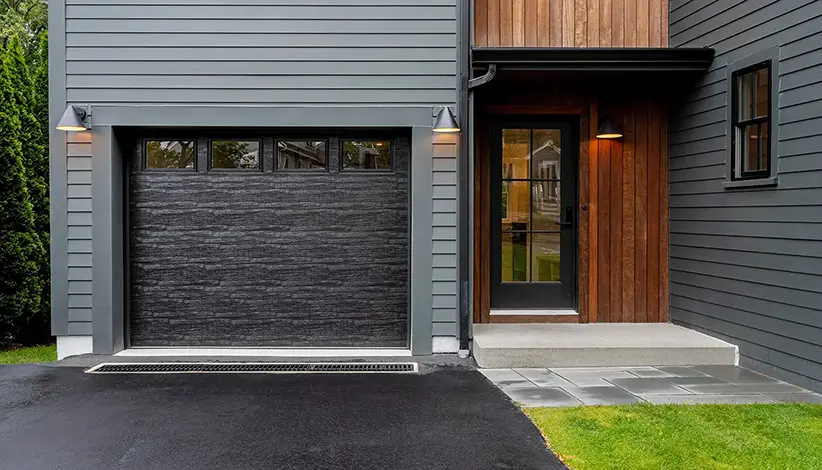
Not all garages are used the same—and your choice between insulated and non-insulated doors should match how you use your space.
Attached vs. Detached Garages
Attached garages share walls with your home. In this case, an insulated door is the smarter choice. It helps regulate temperature inside the garage and keeps your home more energy-efficient.
Detached garages, especially those used just for parking or storage, often do just fine with non-insulated doors, since there’s less concern about heat transfer or indoor comfort.
How You Use Your Garage Matters
If your garage is also a home gym, workshop, laundry space, or hobby room, insulation makes a big difference. It helps keep the space more comfortable all year round—cooler in summer, warmer in winter.
Storing temperature-sensitive items like paint, tools, or electronics? Insulated doors offer more protection.
Climate & Location Considerations
Extreme climates—whether freezing cold or scorching hot—make insulated garage doors a much better investment.
Living space above the garage? An insulated door helps reduce noise and keeps that upstairs room more stable in temperature.
Live somewhere mild year-round and just park your car in the garage? A non-insulated door might be all you need.
Insulation Materials & Ratings
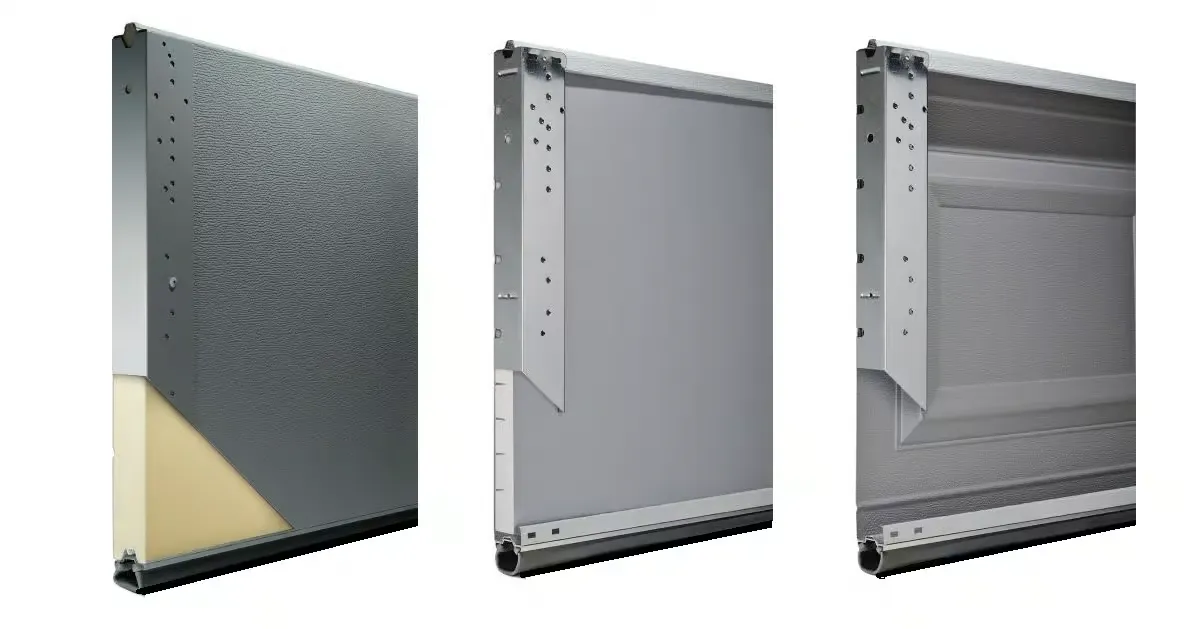
Not all garage door insulation is created equal. If you’re considering an insulated garage door, it’s helpful to know what’s inside and how it performs.
Polystyrene vs. Polyurethane
These are the two main types of insulation used in garage doors:
| Insulation Type | Key Features |
|---|---|
| Polystyrene | Rigid foam panels inserted into door layers. Cost-effective and provides decent insulation (R-4 to R-9). Doesn’t bond to the door. |
| Polyurethane | High-density foam injected between panels. Bonds to the door surface for added strength. Higher insulation (R-12 to R-18). Quieter and more durable. |
Polystyrene is a great budget choice.
Polyurethane gives you better thermal resistance, strength, and noise reduction.
What’s an R‑Value?
The R-value measures thermal resistance—how well the door keeps heat out or in.
Higher numbers = better insulation.
R-6 to R-9: basic insulation
R-12 to R-18: high performance (ideal for harsh climates or attached garages)
Maintaining Longevity

Want your garage door—insulated or not—to last for years without annoying breakdowns? A little maintenance goes a long way.
Easy Tips to Make It Last
Check weather stripping regularly: Make sure the bottom seal and side strips are intact to prevent drafts, pests, and moisture damage.
Seal the perimeter: Use quality caulking around the frame and joints to keep outside air and water out.
Inspect quarterly: Every few months, give your garage door a full check-up. Look for rust, loose bolts, and wear on rollers and hinges.
Don’t Forget the Springs
Balanced springs are essential. If they’re worn out or off-balance:
Your opener has to work harder.
It shortens the door’s lifespan.
It can even cause dangerous jerky movement.
Get your springs inspected and adjusted by a professional every year or two—especially in extreme climates.
Common Myths & Advice

When it comes to garage doors, there’s plenty of advice floating around—but not all of it’s true.
❌ Myth: Insulation only matters if garage walls are insulated
Truth: Even if your garage walls aren’t insulated, an insulated door still makes a difference. It helps regulate the temperature, reduces outside noise, and keeps cold air or heat from rushing in every time the door opens.
❌ Myth: If the door is opened often, insulation doesn’t help
Truth: While frequent opening reduces overall effectiveness, insulation still improves comfort during the time the door is closed. Plus, it slows down temperature swings and helps reduce wear on heating/cooling systems in attached homes.
Pro Tip
If your garage shares a wall with a living space, or you use it as a workshop, gym, or storage area, insulation is definitely worth it—even if it’s opened several times a day.
Ready to Upgrade Your Garage Door?

If you’re looking for a garage door that’s energy-efficient, durable, and tailored to your home’s needs, we’re here to help. Whether you need an insulated option for year-round comfort or a custom-fit design for a unique space, contact us today to explore styles, get expert advice, and request a personalized quote. Let’s build a better, smarter garage door—together.