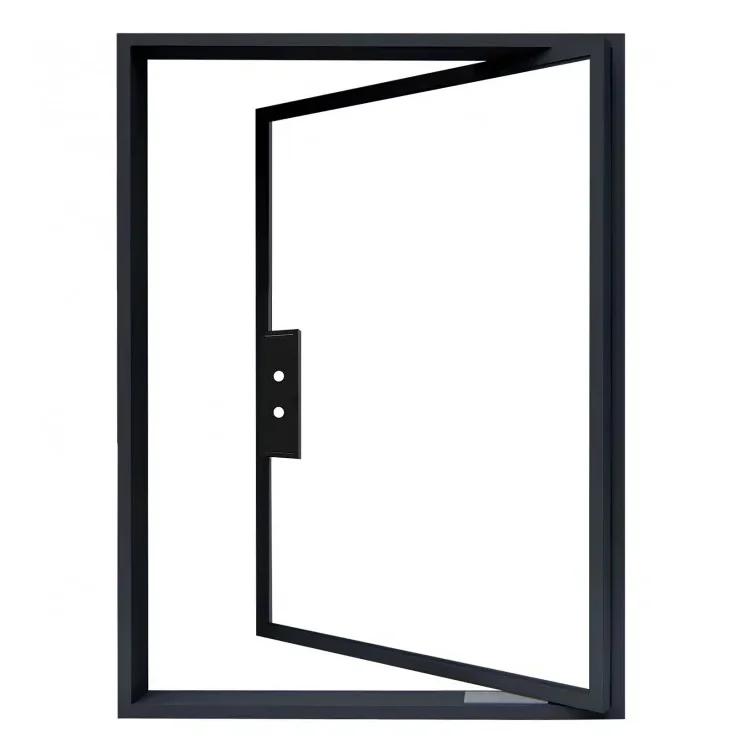
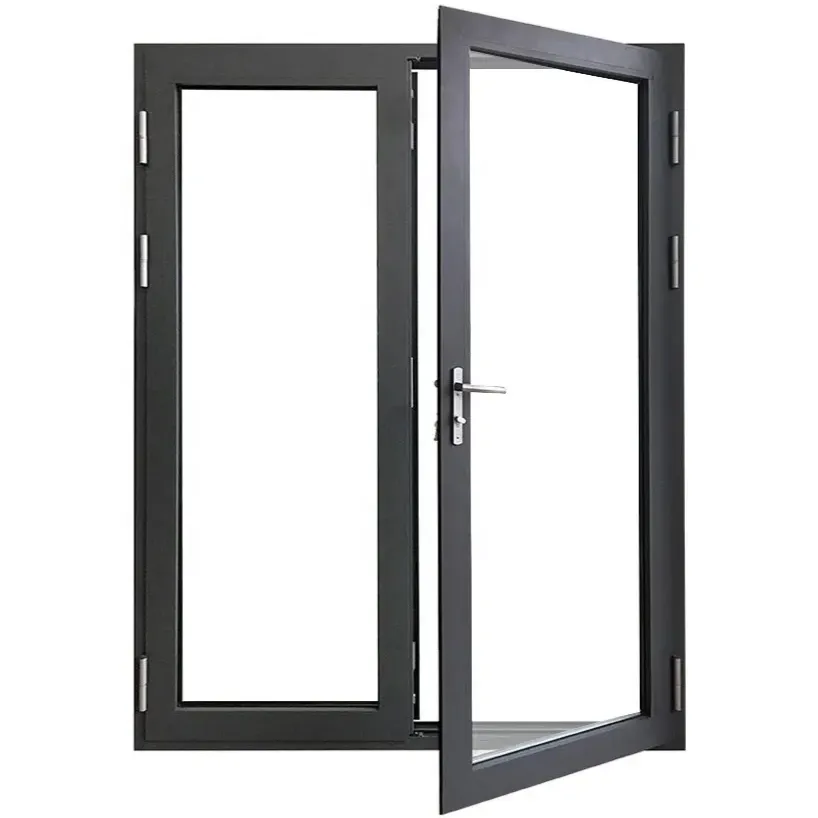
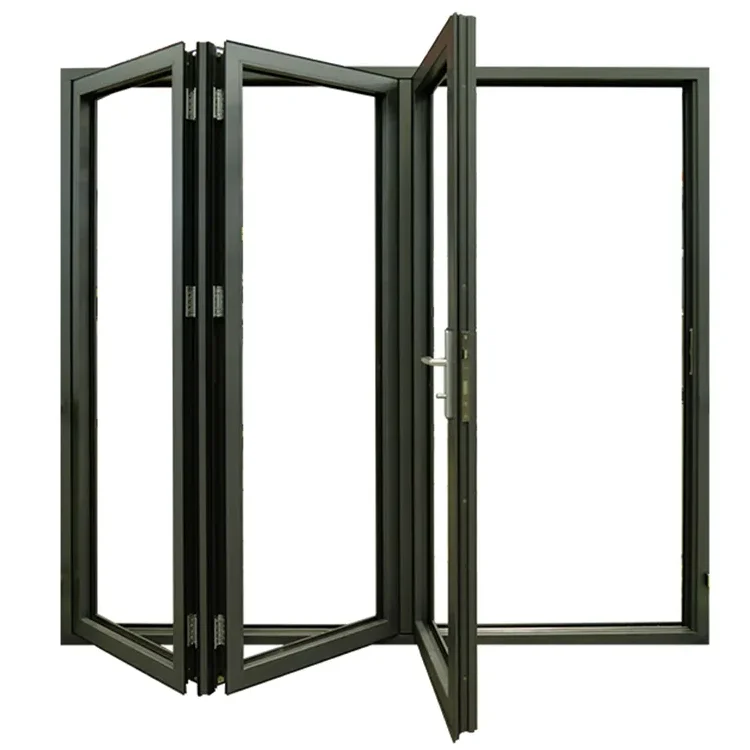
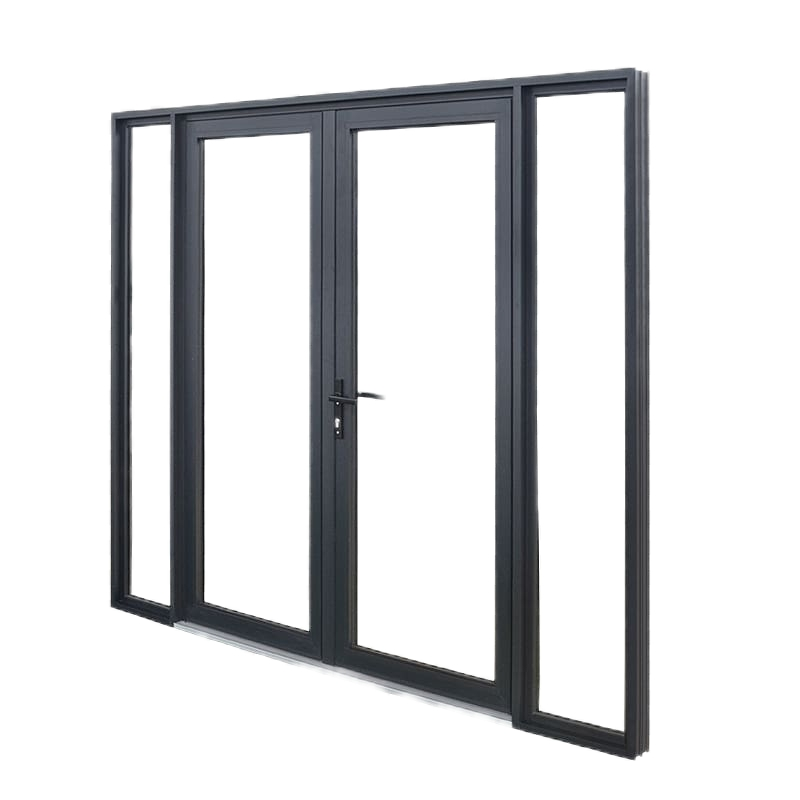













What Is an Inswing Door?
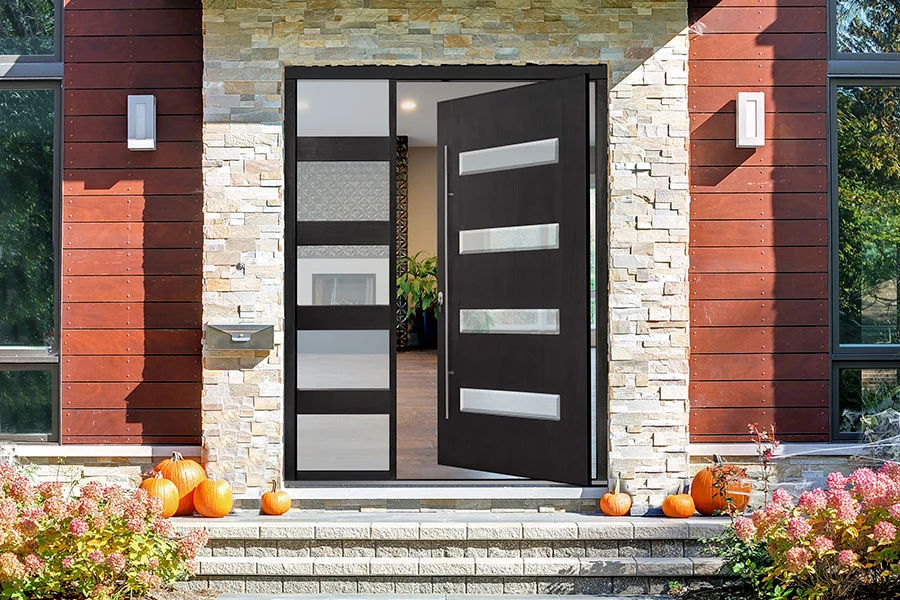
An inswing door is a door that opens inward into a room or building. When the door is closed, the hinges are usually located on the inside of the frame. This design is common in residential homes because it is convenient and easy to operate from inside.
Common Uses
Inswing doors are widely used in many parts of a home, including:
Residential front entry doors
Interior room doors
Patio or balcony doors
Advantages of Inswing Doors
Inswing doors offer several practical benefits:
Hinges are inside, which helps protect them from tampering and improves security.
Easy operation from inside the home, making them convenient for daily use.
Compatible with storm or screen doors, which are usually installed outside the main door.
Potential Limitations
Despite their advantages, inswing doors also have a few drawbacks:
They require interior space for the door to swing open.
Without proper reinforcement, they may be more vulnerable to forced entry compared with some outswing door designs.
What Is an Outswing Door?

An outswing door opens outward away from the room or building. When closed, the hinges are typically positioned on the outside of the frame. This type of door is commonly used in areas where space inside is limited or where stronger weather protection is needed.
Common Uses
Outswing doors are often used in:
Exterior entry doors
Coastal or hurricane-prone regions
Advantages of Outswing Doors
Outswing doors provide several important benefits:
Strong resistance to forced entry, because the door presses tightly against the frame when closed.
Better protection against wind and rain, making them suitable for harsh weather conditions.
Saves interior space, since the door opens outward instead of into the room.
Potential Limitations
There are also a few considerations when using outswing doors:
They require clear space outside for the door to open fully.
Exterior hinges may require security hardware to prevent tampering.
Inswing vs Outswing Doors: Key Differences
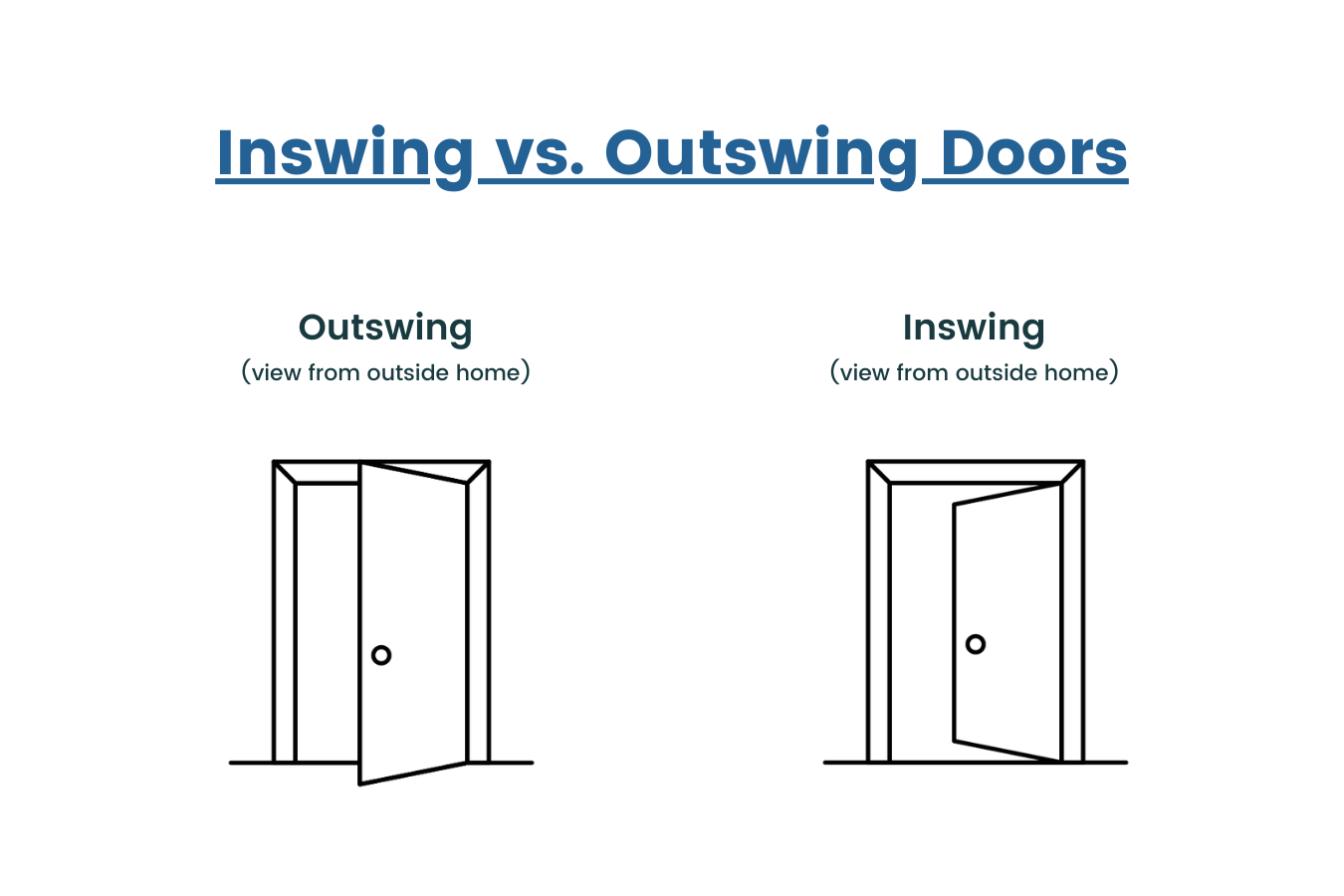
When choosing between inswing and outswing doors, the main difference lies in how the door opens and how it affects space, security, and weather protection. Understanding these differences can help you select the best door style for your home or project.
Opening Direction

- Inswing doors: Open inward into the room or building interior.
Outswing doors: Open outward away from the room toward the exterior.
Space Requirements
Inswing doors: Require enough interior clearance for the door to swing open.
Outswing doors: Require outdoor space in front of the door for proper operation.
Security
Inswing doors: Hinges are located inside, making them harder to access from outside.
Outswing doors: Often provide stronger resistance to forced entry because the door presses tightly against the frame when closed.
Weather Protection
Inswing doors: In extreme weather conditions, water may sometimes push against the seal.
Outswing doors: Typically offer better resistance to wind-driven rain and storms because the door closes tightly against the frame.
Typical Usage

Inswing doors: Commonly used for residential entry doors and interior doors.
Outswing doors: Often used for exterior entrances, commercial buildings, and homes in storm-prone areas.
When to Choose an Inswing Door
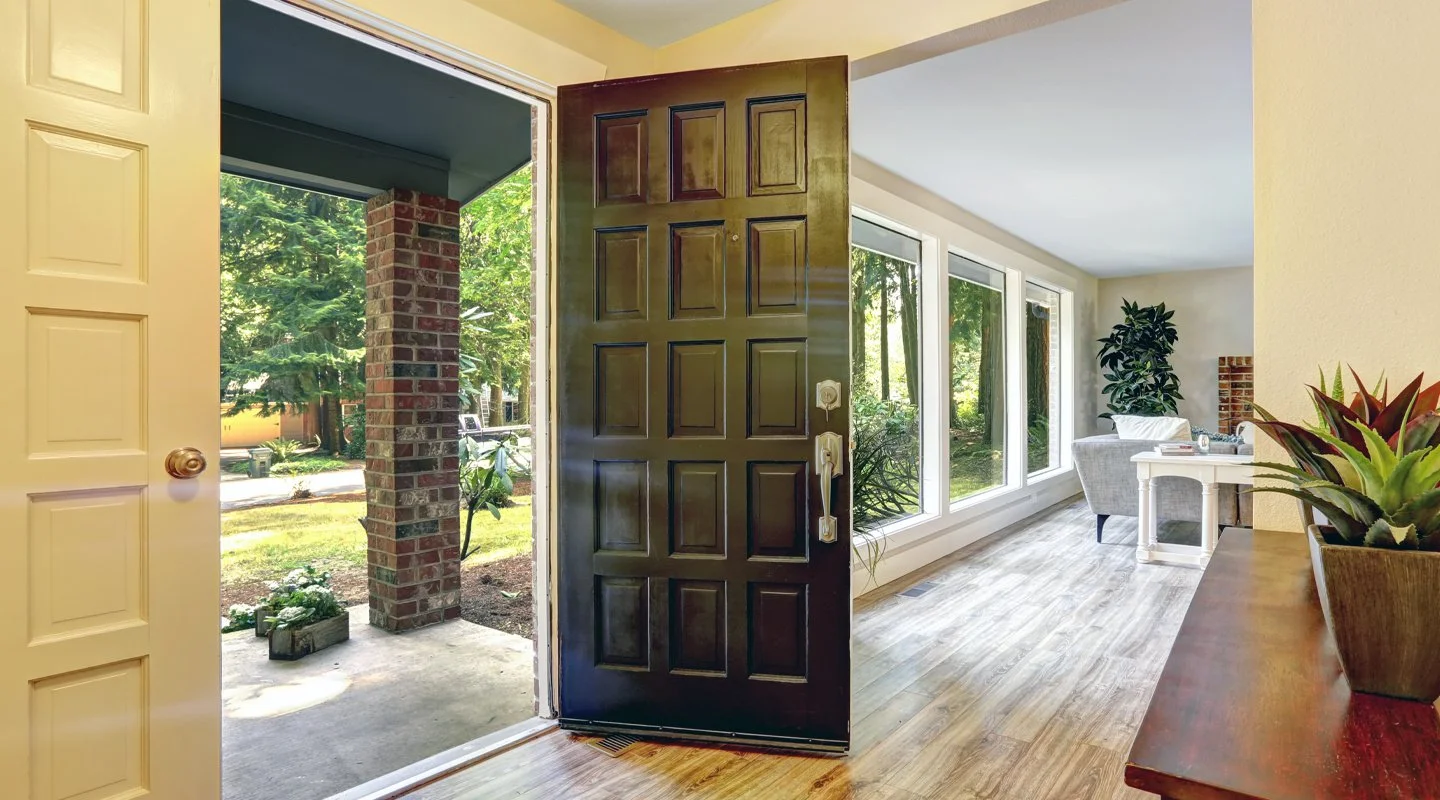
Inswing doors are a popular choice for many residential applications because they are easy to operate and work well with standard home layouts. They are especially suitable when there is enough interior space for the door to open comfortably.
Inswing doors are ideal when:
Interior space allows the door to open inward, without blocking furniture or walkways.
You prefer hinges hidden inside, which can improve security and protect hardware from weather.
You plan to install a storm door or screen door on the exterior side.
The door is used for interior rooms, where inward-opening doors are more practical.
Because of these advantages, inswing doors are commonly used for front entrances, bedrooms, and interior living spaces.
When to Choose an Outswing Door
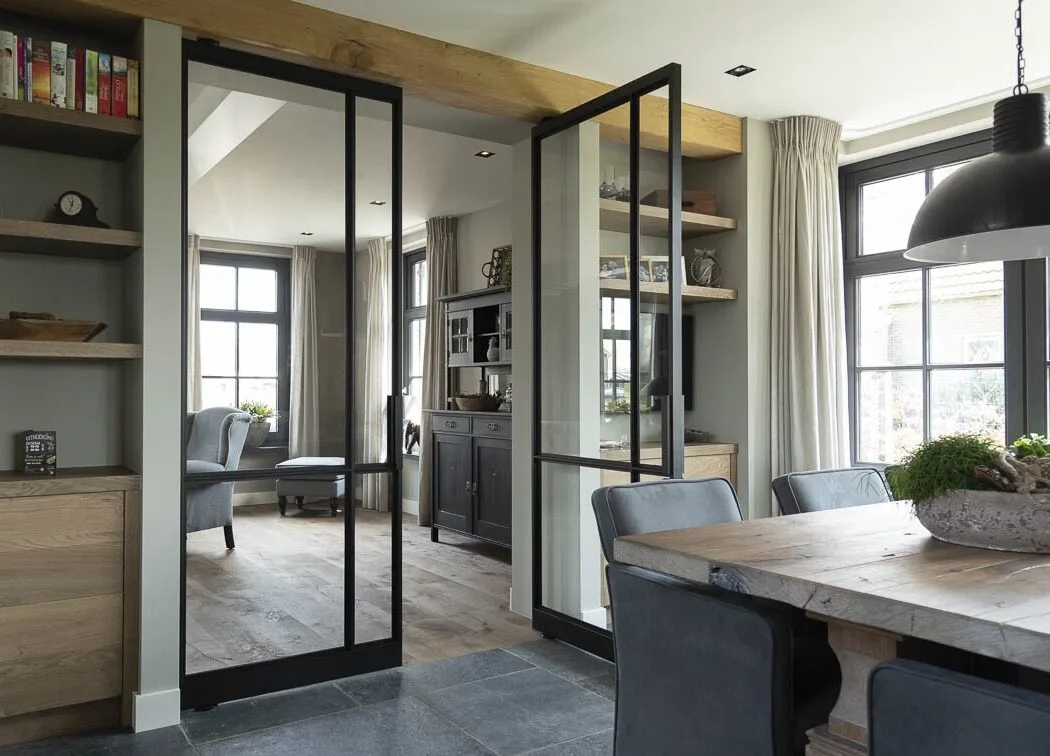
Outswing doors are often selected when saving interior space or improving weather resistance is important. Their outward-opening design helps create a tight seal against the door frame.
Outswing doors work best when:
Interior space is limited, and an inward swing would interfere with furniture or walkways.
Weather resistance is important, especially in areas with strong wind or heavy rain.
The home is located in a storm-prone or coastal region.
Emergency exits or quick outward opening may be required.
Outswing doors are commonly used in exterior entrances and buildings located in windy or rainy climates, where the tighter seal helps improve weather protection.
Factors to Consider When Choosing Door Swing

Choosing between an inswing or outswing door depends on several practical factors. The right option should fit your space, climate, and overall home design.
Here are some important factors to consider:
Available space: Check whether there is enough room inside or outside for the door to open without blocking furniture, walkways, or patios.
Local climate: Homes in windy or rainy areas may benefit from outswing doors because they can provide better weather resistance.
Building codes: Some regions have safety regulations that affect door swing direction, especially for exterior or emergency exit doors.
Security needs: Door swing direction, hinge placement, and locking systems can all influence overall security.
Door location: Entry doors, patio doors, and interior doors may require different swing directions depending on how the space is used.
By considering these factors, you can choose a door swing that improves functionality, safety, and comfort in your home.
Find the Right Door for Your Home
Choosing between inswing and outswing doors is an important step in creating a safe, functional, and stylish entrance. The right door design can improve security, enhance weather protection, and complement your home’s architecture.
Contact us today to explore our custom door solutions and get expert advice for your project. Our team is ready to help you choose the perfect door style for your home or building.
FAQs
Is an inswing or outswing door better?
Neither is universally better—it depends on your needs. Inswing doors are common in homes and keep hinges inside for security, while outswing doors save interior space and can provide stronger resistance to wind and forced entry.
Why are outswing doors so much more expensive?
Outswing doors may cost more because they often require special weatherproof hardware, reinforced hinges, and additional security features, which increase manufacturing and installation costs.
How do I tell if my door is inswing or outswing?
Stand outside the door and try opening it. If you push the door to enter, it’s an inswing door. If you pull the door toward you to enter, it’s an outswing door.
What are the benefits of an outswing door?
Outswing doors offer several advantages, including saving interior space, stronger resistance to forced entry, and better protection against wind-driven rain and storms.