












When you’re choosing windows for your home or office, you’ll probably hear the term Low-E glass. But what exactly is it?
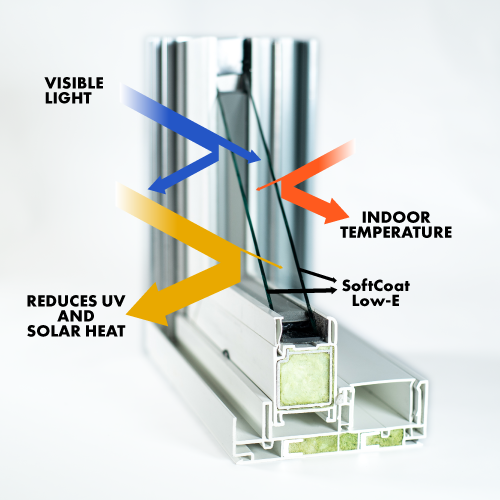
Low-E stands for Low-Emissivity. In simple words, emissivity is a material’s ability to radiate heat. Low-E glass is specially designed to control how heat moves through your windows. It has a very thin, almost invisible metallic coating that reflects heat while still allowing plenty of natural light to pass through. Think of it like sunglasses for your windows — blocking what you don’t want while keeping what you do.
How Low-E Glass Works

To really understand why Low-E glass is so effective, let’s break down how it works — without getting too technical.
What Is Emissivity and Thermal Radiation?
Every object gives off heat in the form of infrared energy. This is called thermal radiation. Even your windows do it. Emissivity is a measure of how much heat a surface releases. Regular glass has high emissivity, which means it lets a lot of heat escape or enter your home.
That’s where Low-E glass comes in. Its special coating lowers the emissivity of the glass, reducing the amount of heat that passes through.
The Secret Is in the Coating

Low-E glass has a microscopic metallic coating — thinner than a human hair and nearly invisible to the eye. This coating reflects heat back to where it came from:
In the winter, it keeps warm air inside your home.
In the summer, it reflects outdoor heat away, helping your rooms stay cool.
At the same time, it still allows natural light to enter, so your home feels bright and open without the unwanted heat.
Think of It Like a Thermos
A simple way to picture Low-E glass is to think about a thermos bottle. A thermos keeps hot drinks hot and cold drinks cold because it reflects heat back inside or keeps outside heat from getting in. Low-E glass works in a very similar way for your home’s temperature — maintaining comfort year-round while saving energy.
Types of Low-E Coatings

Not all Low-E glass is exactly the same. In fact, there are two main types of Low-E coatings, and each works a little differently depending on where you live and what your home needs.
Hard-Coat Low-E (Passive Low-E)
Hard-coat Low-E glass gets its special coating while the glass is still hot during manufacturing. Because the coating is baked directly onto the surface, it becomes part of the glass itself.
Key features:
Durable and long-lasting – Since the coating is fused to the glass, it’s tough and can handle rougher conditions.
More affordable – Typically costs less than soft-coat options, making it a good budget-friendly choice.
Best for cold climates – Hard-coat Low-E allows a little more solar heat to pass through, which can actually help warm your home in colder regions during winter months.
Soft-Coat Low-E (Solar Control Low-E)
Soft-coat Low-E glass is a bit more high-tech. The coating is applied after the glass is made, inside a vacuum-sealed chamber. This allows for multiple layers of metal to be added very precisely.
Key features:
Superior energy performance – Blocks more heat transfer, making it excellent for keeping your home cool.
Better UV protection – Helps prevent your furniture, floors, and artwork from fading due to sunlight.
Best for warm or sunny climates – Since it blocks out more of the sun’s heat, it’s ideal for hot regions where air conditioning costs can skyrocket.
Both types of Low-E glass have their place, and choosing the right one depends on your climate, your home’s design, and your energy goals.
Benefits of Low-E Glass
Now that you know how Low-E glass works, let’s look at why so many homeowners and builders are choosing it. The benefits go far beyond just saving a few dollars on your energy bill.
1. Energy Efficiency: Lower Bills, Year-Round Comfort

One of the biggest advantages of Low-E glass is its ability to cut heating and cooling costs by 30–50%. That’s a major difference you’ll feel in both your comfort and your wallet.
Better insulation: Low-E glass has lower U-values, which means it keeps heat inside during winter and blocks heat out during summer.
Less strain on your HVAC system: Because your heating and cooling systems don’t have to work as hard, you also save on maintenance and extend the life of your equipment.
2. UV Protection: Guarding Your Interiors

Sunlight isn’t always friendly to your home’s interior. Low-E glass blocks up to 99% of harmful UV rays, which are responsible for fading:
Furniture
Carpets
Curtains
Artwork and photographs
By reducing UV exposure, Low-E glass helps your belongings stay beautiful for years.
3. Enhanced Comfort: A Better Living Experience

Low-E glass isn’t just about energy and protection—it also makes your home feel better every day:
Consistent indoor temperatures — no more hot spots near windows or chilly drafts.
Reduced glare — enjoy natural sunlight without the harsh brightness that can strain your eyes.
Natural light stays natural — the coating works without darkening your home, so your rooms still feel bright and open.
4. Environmental Impact: A Greener Choice
By using less energy to heat and cool your home, Low-E glass helps you lower your carbon footprint. Over time, this small choice adds up to a big difference for the environment — and future generations.
Applications of Low-E Glass
Low-E glass isn’t just for one type of building or window — it’s incredibly versatile. Let’s take a closer look at where Low-E glass is commonly used and why it’s such a smart choice for so many projects.
Residential: Everyday Comfort at Home
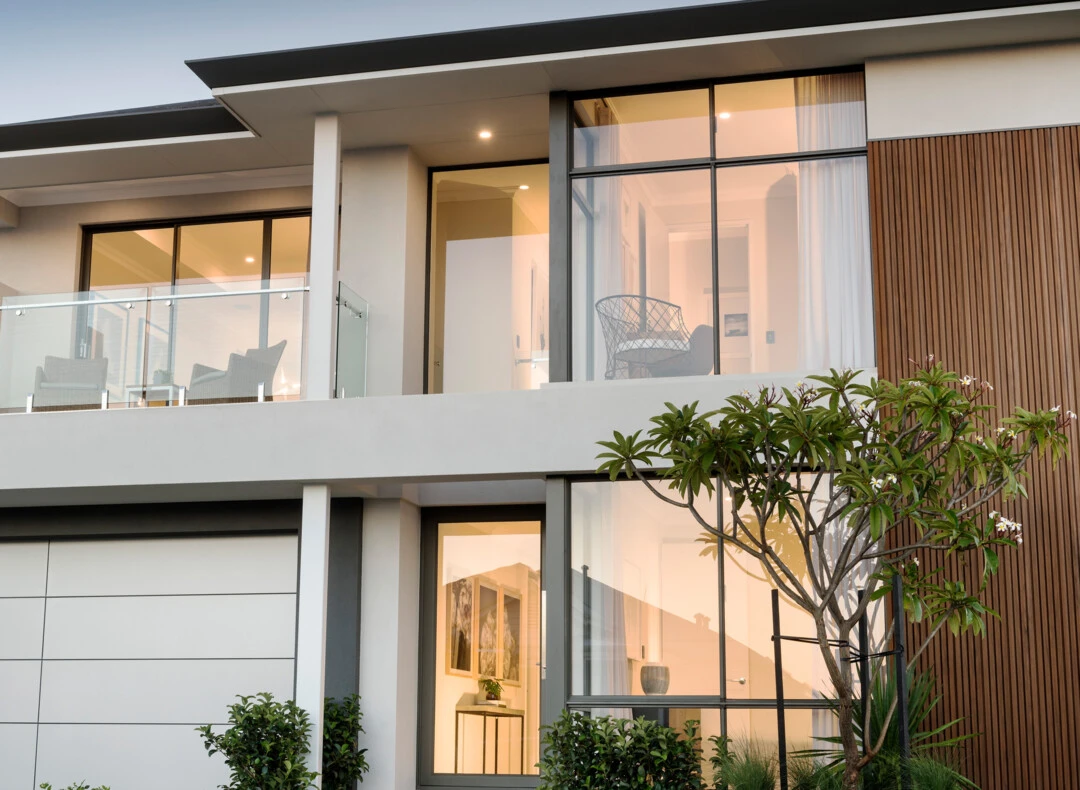
For homeowners, Low-E glass is a game changer. It’s commonly used in:
Windows — from small bedroom windows to large living room picture windows.
Doors — including sliding patio doors, French doors, and entry doors with glass panels.
Skylights — bringing natural light in without adding unwanted heat.
Conservatories and sunrooms — allowing you to enjoy the view year-round while controlling temperature and glare.
By adding Low-E glass to your home, you get better energy efficiency, protection, and comfort no matter the season.
Commercial: Better Performance for Businesses

In the commercial world, Low-E glass helps buildings perform better while reducing operating costs:
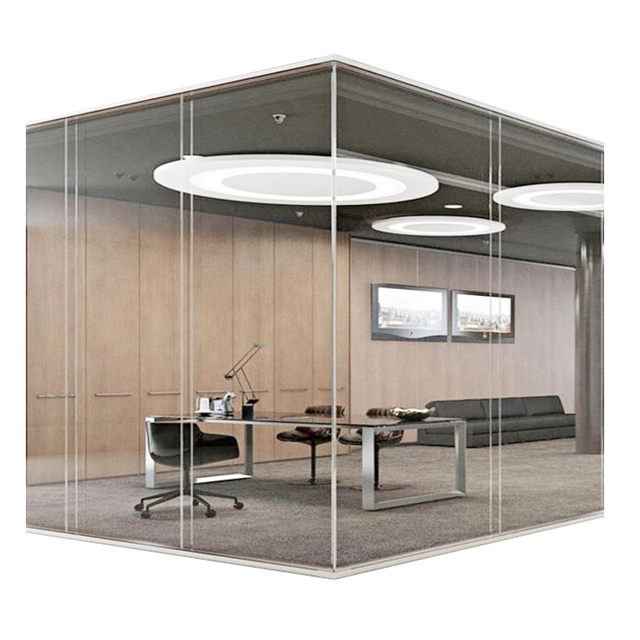
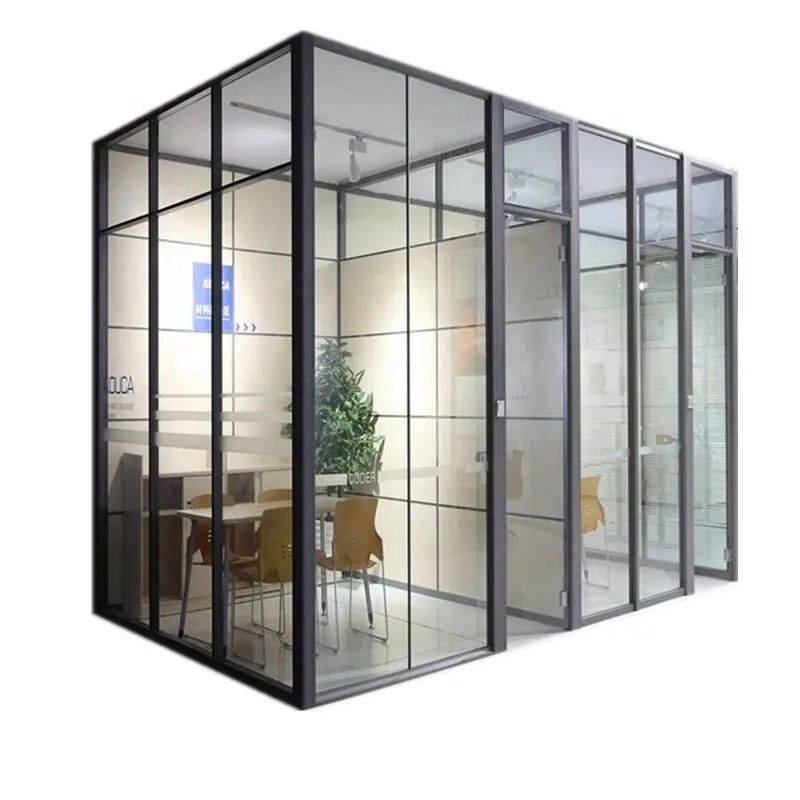
Office buildings — large glass facades can maintain indoor temperatures more efficiently.
Storefronts and retail spaces — showcase products with plenty of natural light while protecting merchandise from fading.
For businesses, Low-E glass offers both energy savings and a more pleasant space for customers and employees.
Specialty: Custom Solutions for Unique Projects
Low-E glass is also used in more specialized situations, such as:
Historical restorations — modern performance without altering the original look of heritage buildings.
Custom architectural projects — unique designs that require advanced glass solutions for both beauty and efficiency.
No matter the project, Low-E glass can be tailored to fit different needs, climates, and design goals.
Cost Considerations

Of course, one of the first questions many people have is: How much does Low-E glass cost?
Initial Investment: Slightly Higher Upfront Cost
Low-E glass is generally a bit more expensive than standard glass, but not by much.
On average, it costs 10–20% more than regular glass.
For a typical window, you might pay an extra $20 to $30 per window.
While that can add up if you’re replacing many windows at once, the good news is that this small extra cost usually pays for itself over time.
Long-Term Savings: It Pays You Back
The real value of Low-E glass comes after it’s installed. Thanks to the improved energy efficiency:
You’ll likely see lower heating and cooling bills every month.
Many homeowners recoup their initial investment within just a few years through energy savings alone.
In many cases, adding Low-E glass can also boost your property’s value, making your home more attractive to future buyers who appreciate lower energy costs and better comfort.
In short: while Low-E glass may cost a little more upfront, it’s an investment that keeps giving back for years to come.
How to Identify Low-E Glass

If you’re not sure whether your windows have Low-E glass, don’t worry — there are a couple of simple ways to check.
The Flame Test: A Quick DIY Check
One easy method is called the flame test. Here’s how it works:
Grab a small flame source, like a lighter or a match.
Hold it a few inches in front of the glass.
Look closely at the reflections of the flame in the glass.
In regular glass, you’ll see four identical flame reflections (since standard double-pane windows reflect the flame on each surface). With Low-E glass, one of the reflections may appear slightly different in color — often with a faint greenish or bluish tint. That’s the Low-E coating at work.
While it’s not a foolproof test, it’s a quick way to get a hint.
Check for Manufacturer Labels or Specs
Most modern windows with Low-E glass will have labels, etchings, or stickers from the manufacturer. These markings often list important details like:
Type of glass
U-value or energy rating
Low-E coating information
If you’re still unsure, you can always check your window purchase paperwork or contact the manufacturer directly for confirmation.
Maintenance and Longevity
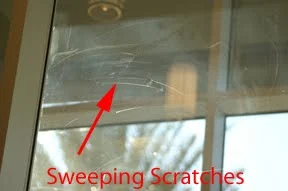
One of the great things about Low-E glass is that it doesn’t require much extra care. But like any part of your home, a little proper maintenance can help it perform its best for many years.
Durability: Hard-Coat vs. Soft-Coat
Hard-coat Low-E glass is extremely durable because the coating is fused right into the glass during manufacturing. It can handle tough conditions and is less likely to get damaged, even with regular cleaning or exposure to the elements.
Soft-coat Low-E glass is a bit more delicate. The coating is applied after manufacturing and sealed inside insulated glass units (IGUs), which helps protect it. As long as the seal remains intact, soft-coat Low-E glass can last just as long as hard-coat — often 20 years or more.
In both cases, proper installation and quality seals are key to long-term performance.
Cleaning Tips to Keep Low-E Glass in Top Shape

Cleaning Low-E glass is pretty simple, but a few precautions can help preserve the coating:
Use soft cloths or sponges — avoid anything abrasive that might scratch the surface.
Mild, non-ammonia-based cleaners work best. Ammonia or harsh chemicals can damage the seals over time.
Avoid high-pressure washing if possible, especially around window edges, to prevent seal failure.
Always dry with a clean, soft towel to prevent water spots.
By following these simple steps, your Low-E windows can stay clear, efficient, and beautiful for many years.
Ready to Upgrade to Low-E Glass?
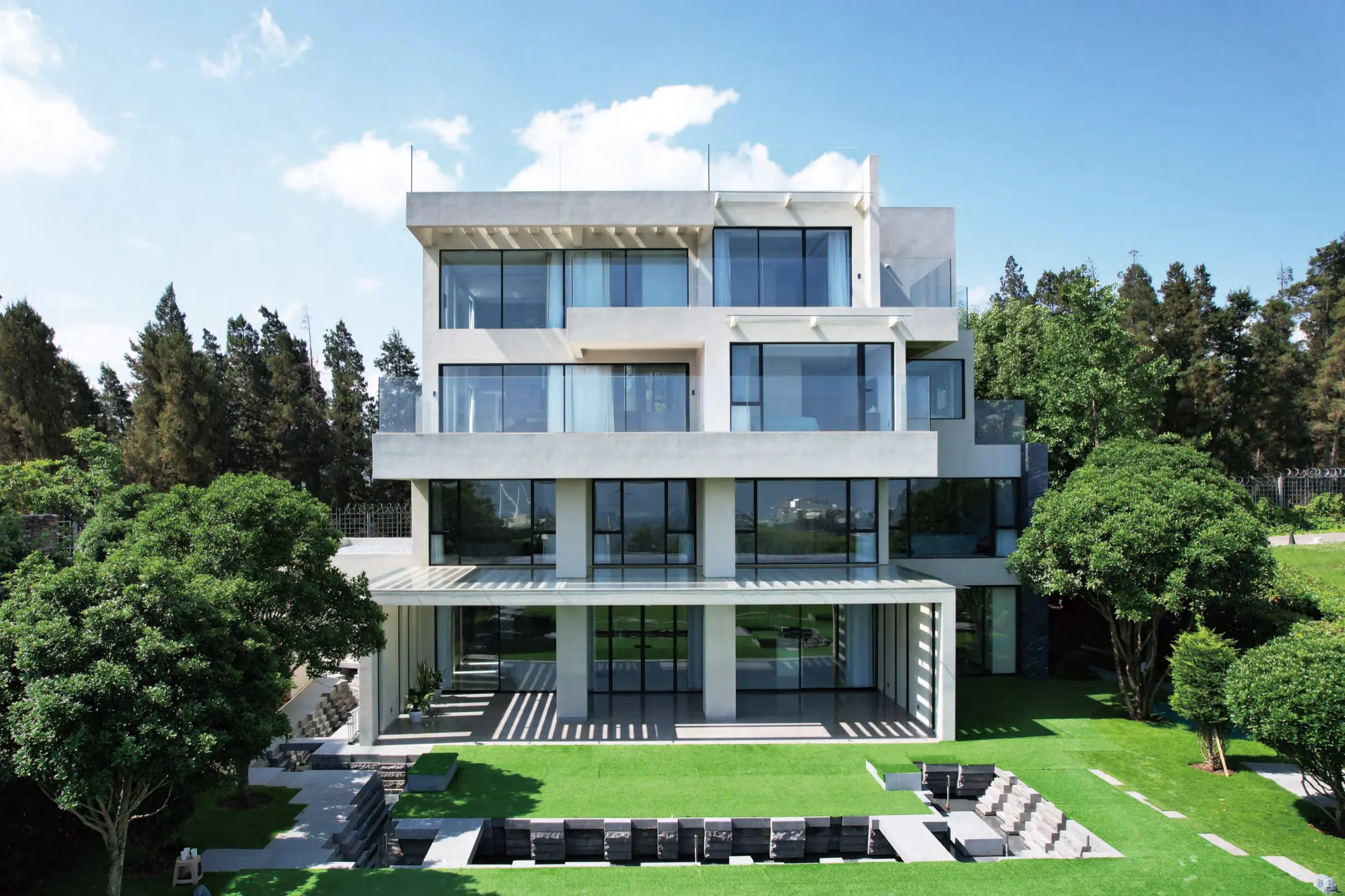
If you’re planning a home improvement project or building something new, Low-E glass is one of the smartest investments you can make. It helps lower your energy bills, protects your home’s interior, and keeps you comfortable all year round.
Not sure which Low-E option is right for you? Contact our team today for expert advice, product recommendations, and a free quote. We’ll help you find the perfect solution for your home or business.