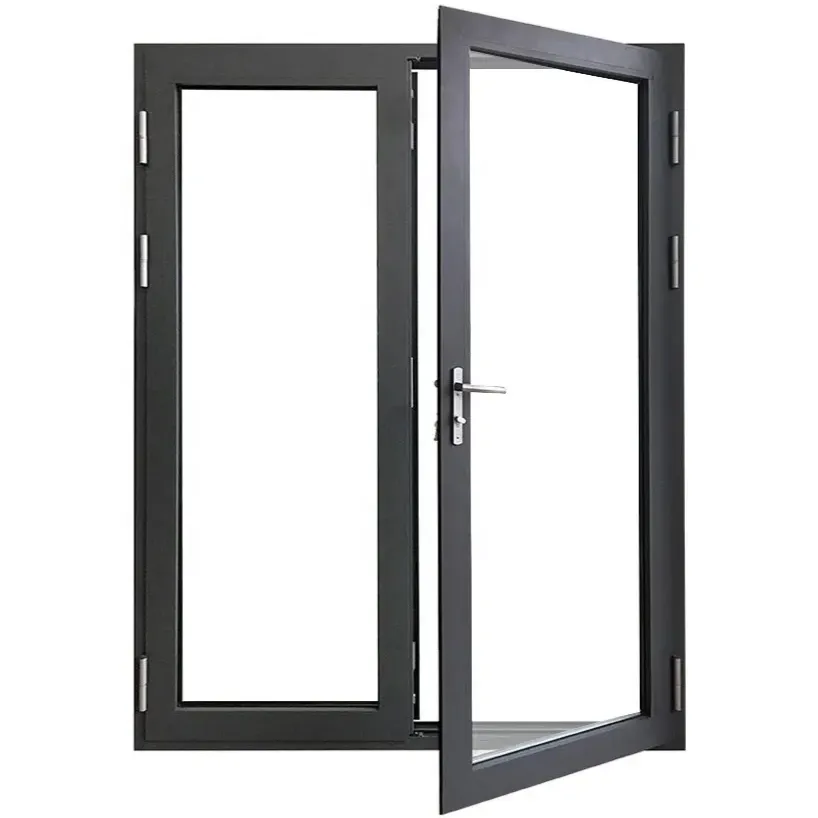













Your front door isn’t just a way inside—it’s a statement. A modern door with clean lines, bold color, and sleek materials sets a striking first impression and adds serious curb appeal that can even raise your home’s value.

A smart design can also boost your day-to-day life: built-in glass panels let in natural light, while insulated cores and sturdy seals improve energy efficiency and indoor comfort. Plus, modern doors often come with upgraded security features like high-performance locks and reinforced frames—making them safer and more reliable than traditional styles.
Color & Finish Trends
A fresh coat on your door can redefine your whole home’s look. Here are the color and finish trends for 2025 that are turning heads:
Statement Hues: Dark Green, Navy & Matte Black

Deep, rich tones like forest green and navy are in high demand—they make your entry feel bold yet elegant.
Matte black remains a top choice for a sleek, sophisticated vibe, especially on brick or white façades.
Nature-Inspired Tones

Soothing shades of sage, pale green, or muted turquoise impart calm, fresh energy to your entrance.
Designers talk about green “rejuvenation”—making homes feel tranquil and welcoming.
Why These Colors Work
These richer, deeper colors add curb appeal without being too loud. They pair beautifully with natural materials like stone, wood, or metal accents.
Pair your door color with contrasting trim or toned-down accessories to create clean, impactful lines—think white trim around a dark-hued door or brass hardware on a navy door.
Material & Surface Styles
Bringing together quality materials and sleek finishes is at the heart of modern door design—from smooth wood veneers to elegant glass frames.
1. Smooth Wood Veneers + Minimalist Hardware

Think doors with fine, uninterrupted veneer—like oak or walnut—paired with slim, modern handles. Many brands offer painted or stained veneer doors built on stile-and-rail construction with ultra-smooth MDF cores, giving a sleek yet warm entry statement.
These doors look clean and contemporary, while still celebrating the wood’s natural beauty. Pair them with recessed or tubular pulls to keep the design minimal and elegant.
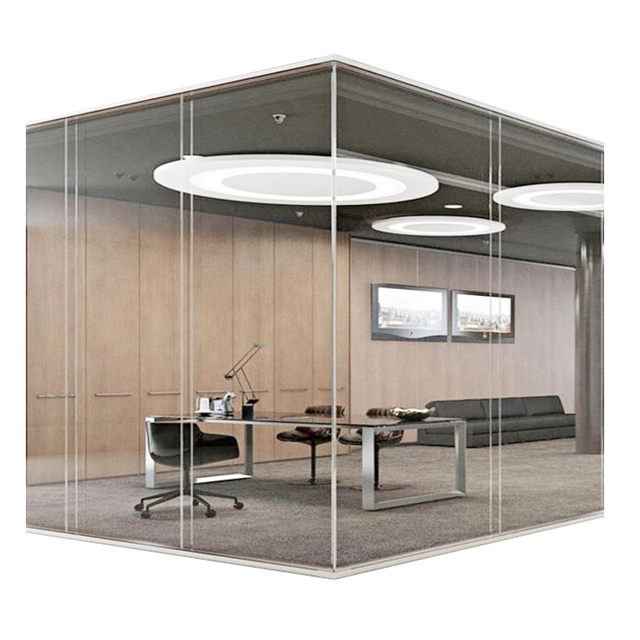
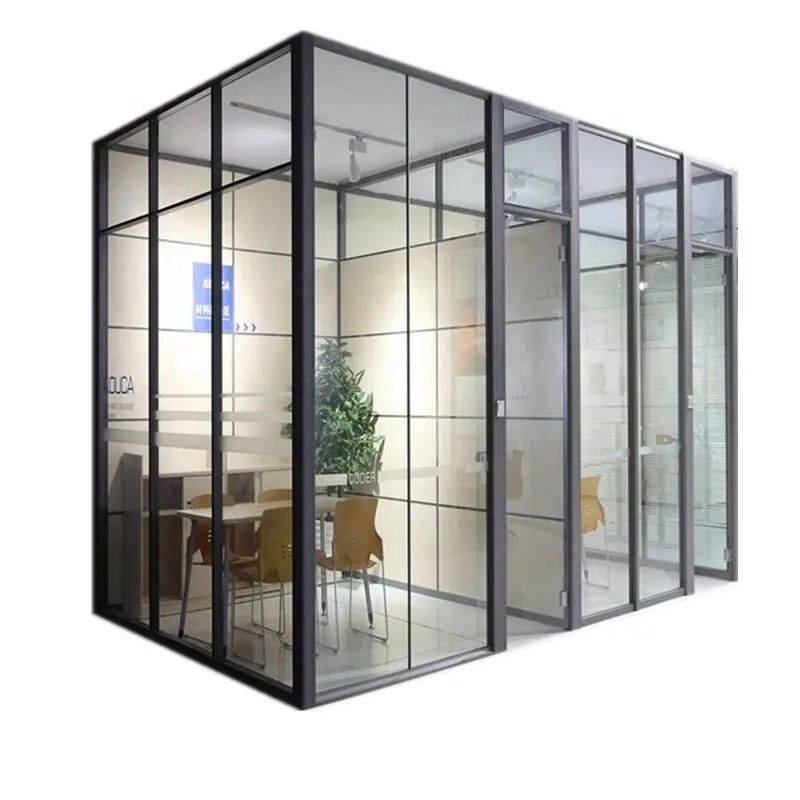
2. Steel or Aluminum-Framed Glass (Crittall-Style)

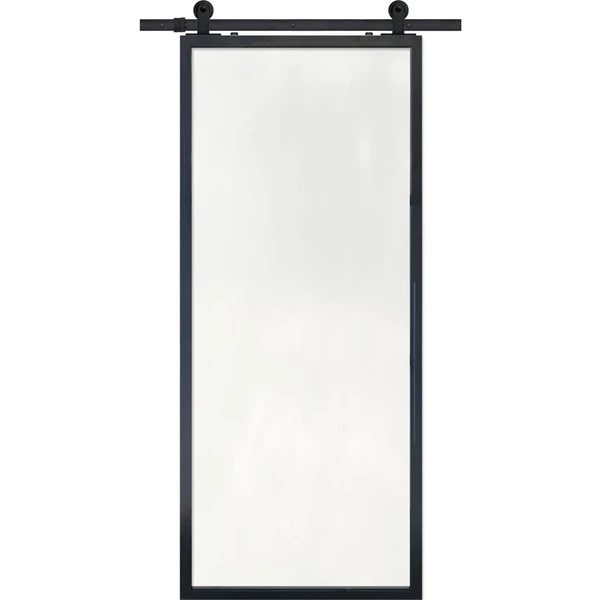
These industrial-chic doors feature narrow metal grids encasing large glass panels—perfect for brightening interiors while maintaining open sightlines.
Originally steel-framed, modern versions often use thermally broken aluminum for lighter weight and better insulation, yet still mimic that classic grid look.
Ideal for interior partitions, sunrooms, or patio doors, this design floods rooms with daylight and complements both contemporary and vintage homes.
Glass Integration & Light Features
Modern doors do more than open and close—they connect your home to the world outside. Glass inserts bring in light while keeping your space stylish and energy-smart.
Frosted, Transom & Sidelight Glass

Frosted or patterned glass in sidelights and transoms offers privacy without sacrificing daylight. They brighten entryways yet obscure visibility—and Low‑E coatings help reduce heat and UV.
Transom windows, placed above doors, add height and charm while flooding interiors with natural light.
Low‑E Insulated Glass Panels

Double- or triple-pane Low‑E glass helps keep your home cozy by reflecting heat in summer and retaining warmth in winter. It also blocks harmful UV rays—protecting floors, furniture, and fabrics.
Floor-to-Ceiling & Folding Glass Doors

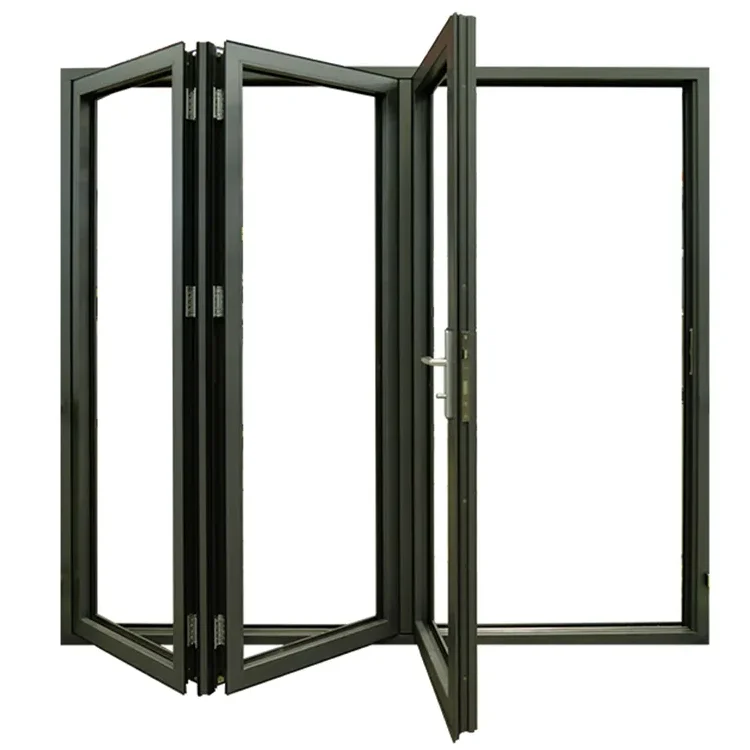
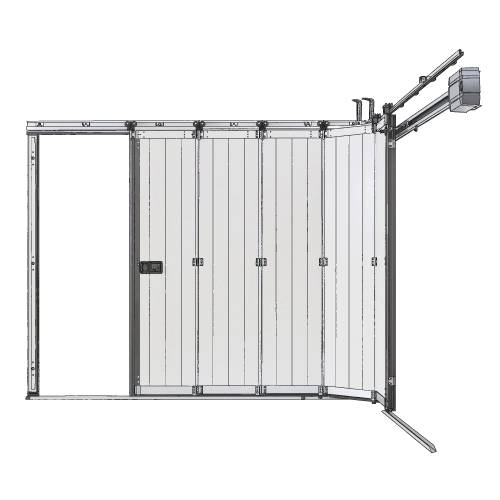
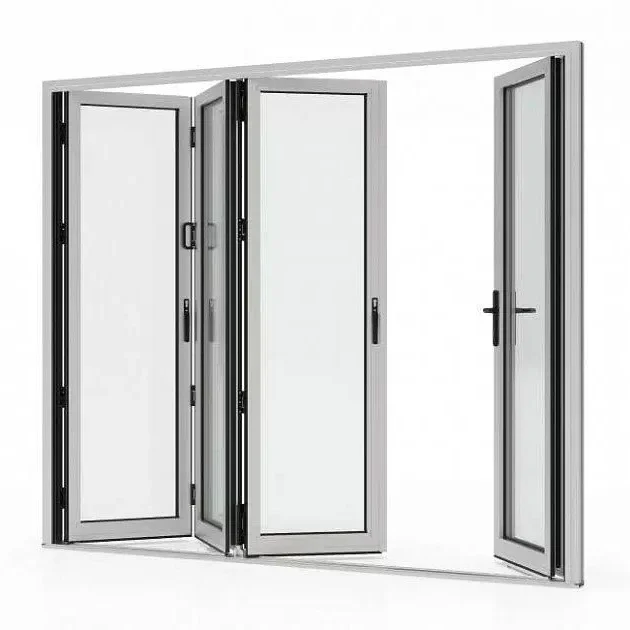
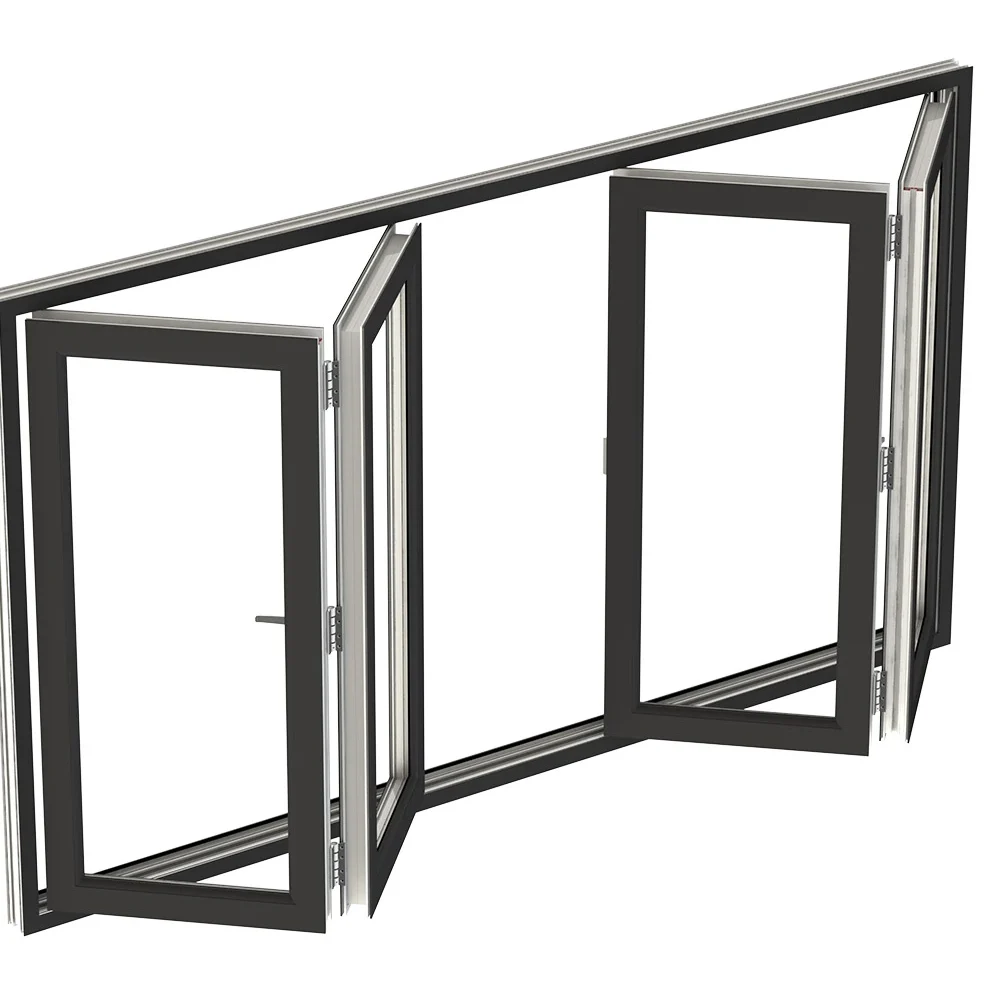
Folding (bi-fold/accordion) doors bring panoramic views and seamless indoor–outdoor living. These systems fold away when open and use sleek frames that maximize glass space.
Floor-to-ceiling sliding or multi-slide glass walls make rooms feel bigger and brighter, offering expansive views and fresh heating efficiency
Oversized & Statement Door Formats
Making a grand entrance? Modern homes are embracing bold, oversized doors and artistic formats that elevate style and create wow-worthy architecture.
1. Double or Oversized Single-Slab Doors with Sidelights

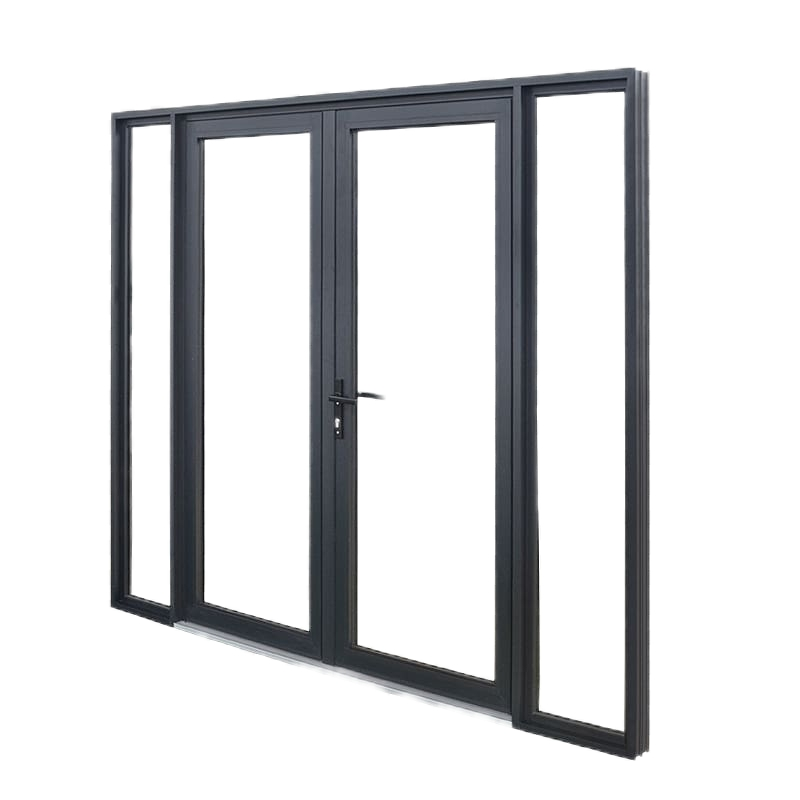
Oversized doors—especially single-slab styles that stretch to towering heights—are trending in 2025. These doors stand tall and strong, often flanked by sidelights to let light in and expand your entry visually. They define a stunning entrance with clean symmetry and a sense of luxury.
Homeowners love using wood for warmth or metal/glass for sleek minimalism, matching their door to the home’s style for a statement-making entry.
2. Curved & Pivot Doors for Architectural Drama
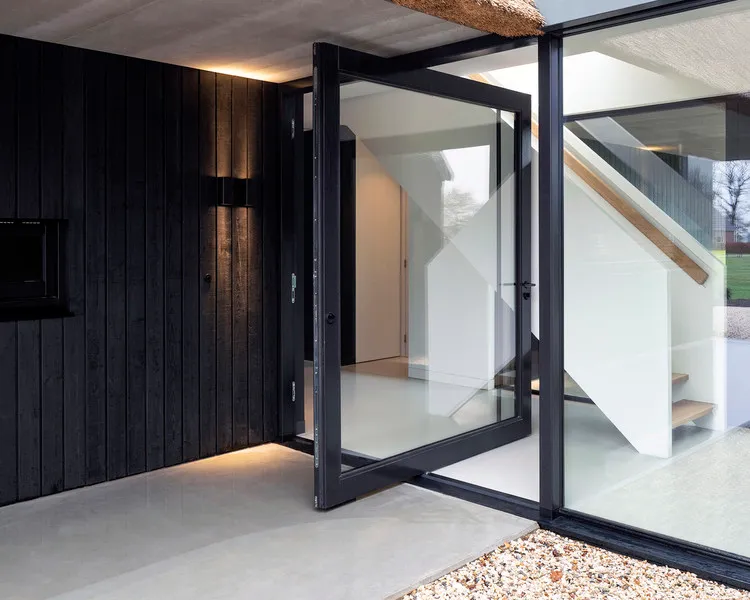
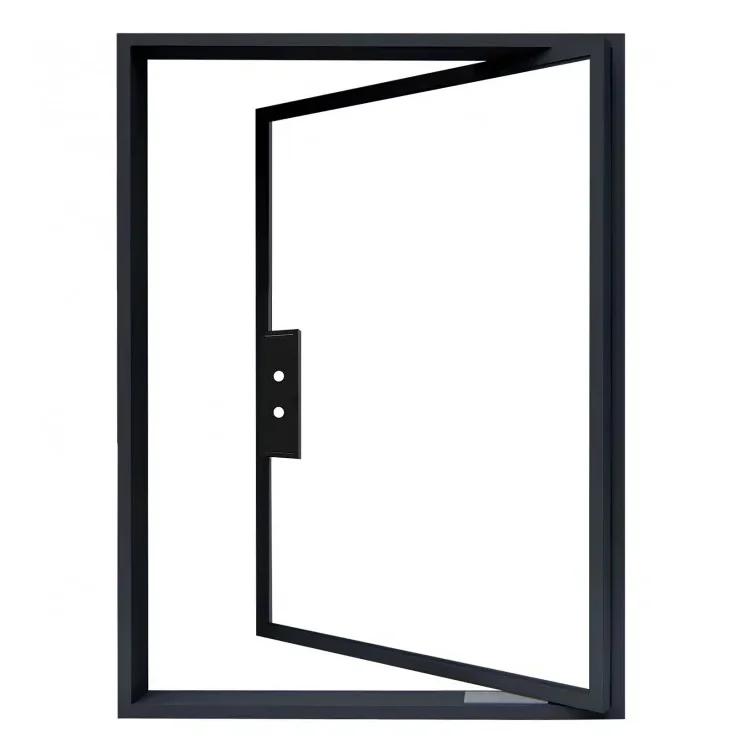
Curved and pivot doors provide a bold visual twist on traditional entryways. Pivot doors rotate around a central hinge, allowing for large, heavy panels—and an unforgettable reveal when swung open. These doors offer drama and flexibility, with designers using them to create experiences, not just entrances.
Curved doors, often laser-cut with custom patterns by artisans like Thomas Duffy, add bespoke artistry and soften ultra-linear home designs.
Hardware & Lighting Complements
Style is all in the details when it comes to modern doors—especially the hardware and lighting that accompany them. Here’s how to elevate your door with thoughtful finishing touches:
1. Long Tubular Handles & Minimalist Pulls

Oversized, straight-line pull bars—often in matte black, brushed brass, or stainless steel—accentuate the clean, modern aesthetic of sleek door designs.
These handles aren’t just stylish; their minimalist form also feels smooth and comfortable to grip—an effortless statement.
2. Matching Exterior Lighting

Outdoor sconces and pendants should echo your door’s style and finish: matte black, bronze, or sleek metal fixtures pair beautifully with contemporary hardware.
For best visual balance, fixtures should be about ¼ to ⅓ the height of the door and mounted 5′7″–6′ high—especially next to the knob side to light faces as guests arrive.
Choose wet-rated fixtures if exposed directly, or damp-rated options under covered entryways to ensure safety and longevity.
Indoor‑Outdoor & Interior Door Trends
Modern homes are embracing flexible, light-filled spaces—made possible with smart door designs that blend openness and privacy.
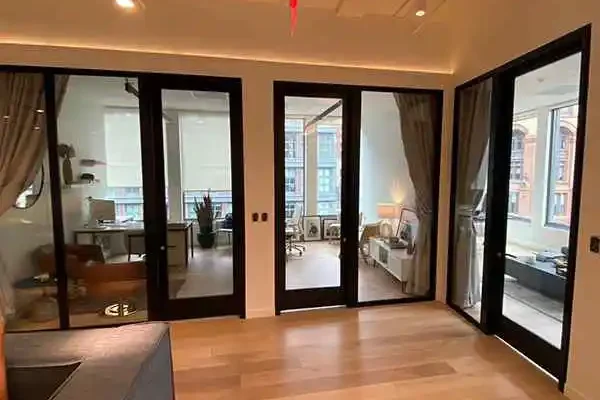
Crittall‑Style Interior Glass Doors

Slim steel or aluminum frames with large glass panels are all the rage for creating seamless connections between rooms. These doors let light flow through while maintaining sound separation—ideal for dividing a kitchen from a dining area without losing the open feel. Known for their industrial-chic look, Crittall-style doors provide style and function, working beautifully as room dividers, sunroom entries, or kitchen partitions.
Sliding, Folding & Pocket Doors

These smart door types are perfect when space is tight:
Pocket doors slide into the wall cavity, saving an average of 10 sq ft per doorway—great for bathrooms, closets, and office nooks.
Sliding glass doors (or doorwalls) bring natural light and easy indoor-outdoor flow, with insulated frames offering energy savings.
Bifold doors fold neatly against a wall, offering broad openings and modern aesthetics
Budget DIY & Styling Tips
You don’t need to spend a fortune to modernize your door. With just a few materials and under $50, you can completely transform its look.
1. Add Trim or Molding

Update a plain door by gluing simple wood trim strips in geometric patterns. Nail them in, fill gaps with caulk, and paint—all on a small budget. It takes some patience, but builds DIY confidence and adds elegant panelling effect.
2. Paint It Black + White Trim
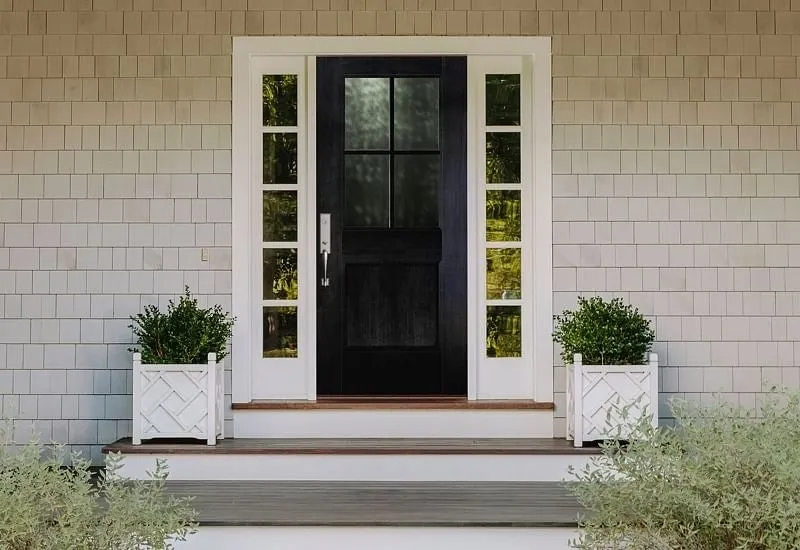
Give your interior a bold contrast by painting doors black and trim bright white. This sleek combo works in any style—traditional, farmhouse, or modern—and accents architectural lines beautifully. Use semi- or high-gloss latex paint for great durability and sharp finishes.
3. Wallpaper or Stencil Accent
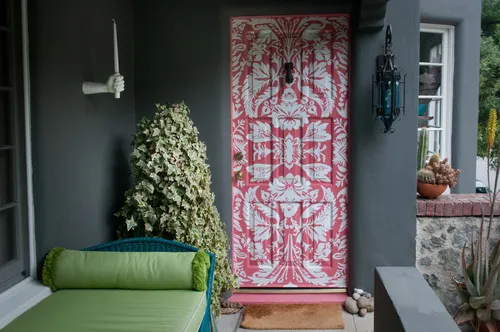
In small spaces like closets or pantries, use wallpaper or stencils on the door for an instant design punch. It’s budget-friendly (about $50 for paper and tools) and easy to change later.
Pro Tips for Great Results
Prep the surface: Sand lightly, clean well, use primer when painting darker colors.
Choose quality tools: Small trim molding only costs a few dollars per foot.
Finish professionally: Roll on crisp paint lines or stencil carefully for clean results.
Choosing Your Modern Door
Selecting the right door means matching style with function—and thinking long-term. Here’s how to make the best choice:
1. Consider Climate & Energy Needs
If you live in a hot or humid area, fiberglass doors are a smart pick. They resist warping, insulate well, and stand up to moisture. Steel provides strong insulation too, while engineered wood looks stylish but needs more upkeep.
Energy tip: Go for ENERGY STAR-rated doors with low U-factor and appropriate solar heat gain coefficient (SHGC) for your local climate to help reduce utility bills.
2. Match Material to Function & Maintenance
Wood brings classic charm but can warp or rot if not cared for and requires regular staining.
Fiberglass-composite gives you the look of wood with less maintenance—molded grain textures don’t need painting and take fewer dings.
Steel and aluminum are durable and secure, though steel may feel hot in direct sun and shows dents.
3. Hire Professionals for Complex Setups
If you’re installing heavy pivot doors, glass wall systems, or smart-access hardware, a pro is worth it. Professional install ensures precision, good sealing, safety, warranty compliance, and optimal aesthetics.
Ready to Elevate Your Space with APRO Folding Doors?

Choosing the right folding door manufacturer is a big step—and we’re here to make it seamless. At APRO, we specialize in custom aluminum folding doors—designed for beauty, durability, and energy efficiency. Our U.S. clients love the sleek modern look, quality engineering, and thermal performance backed by NFRC and CSA certifications.
Whether you’re working on a chic modern home, a commercial venue, or a luxury renovation, our team helps bring your vision to life—handling everything from design to expert installation.
Contact us today for expert advice, custom solutions, and a free quote. Let’s build your ideal indoor-outdoor experience—together.