












Main Structural Parts of a Window Frame

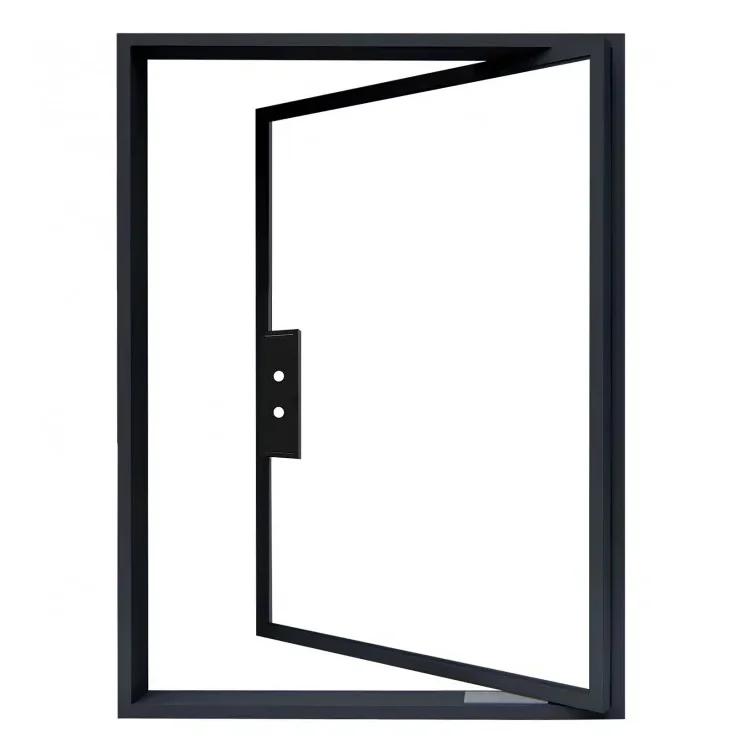
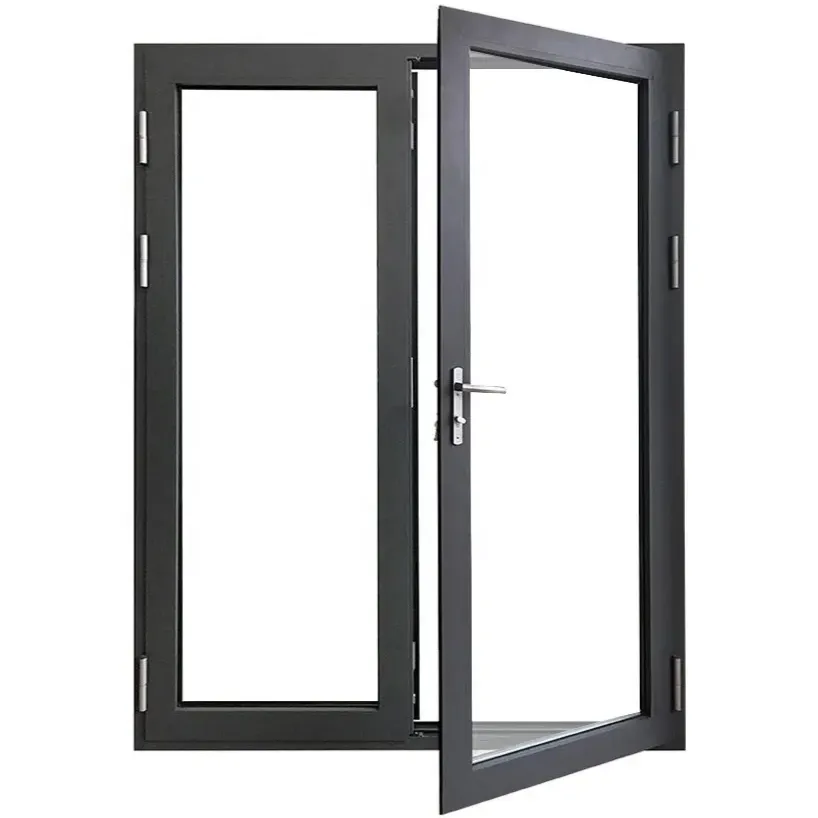
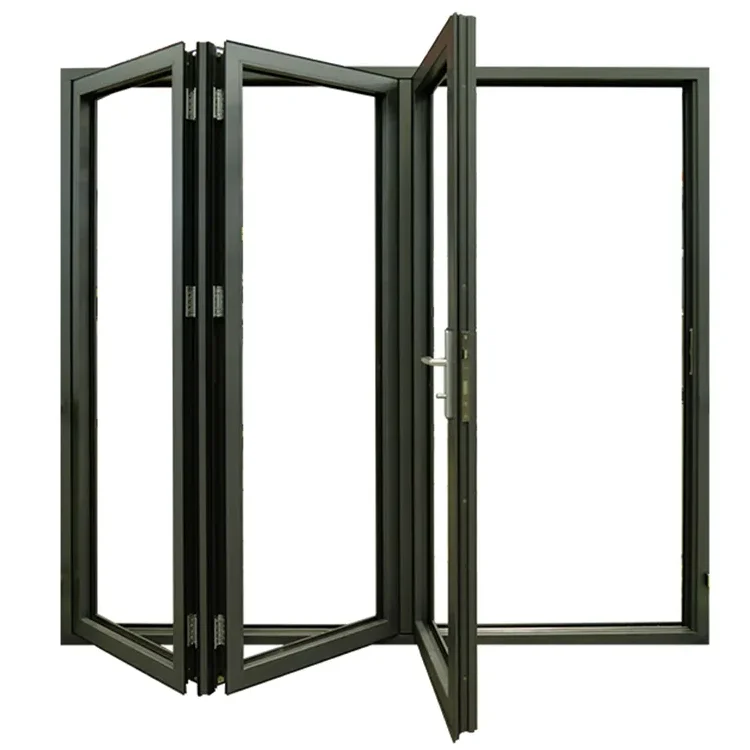
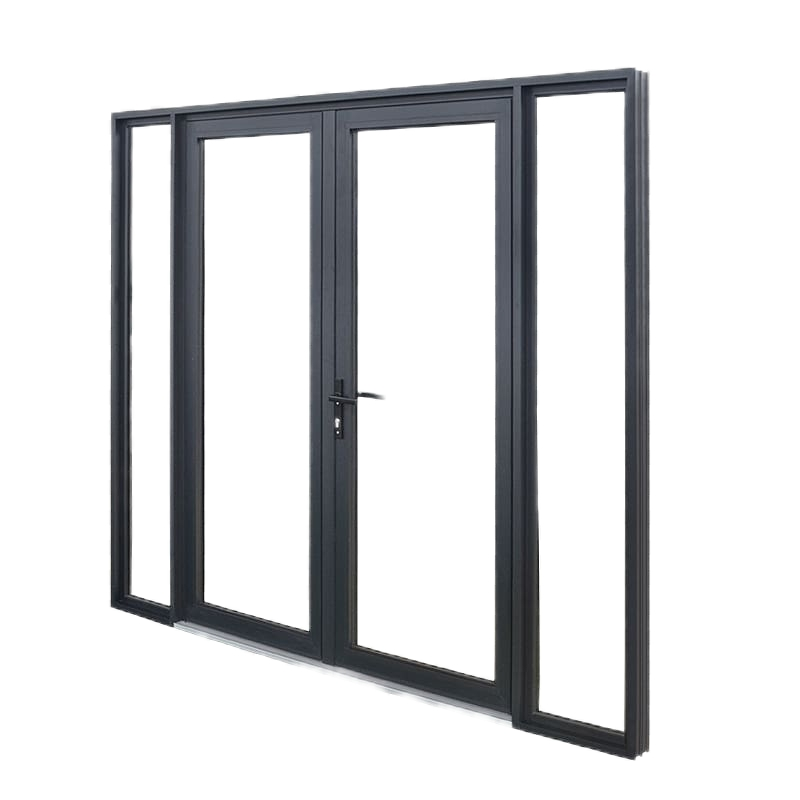
The window frame forms the main structure that holds the entire window system together. It supports the glass, sash, and hardware while connecting the window securely to the wall opening. Each section of the frame plays a specific role in maintaining stability, protecting against weather, and ensuring the window operates properly.
Window Frame

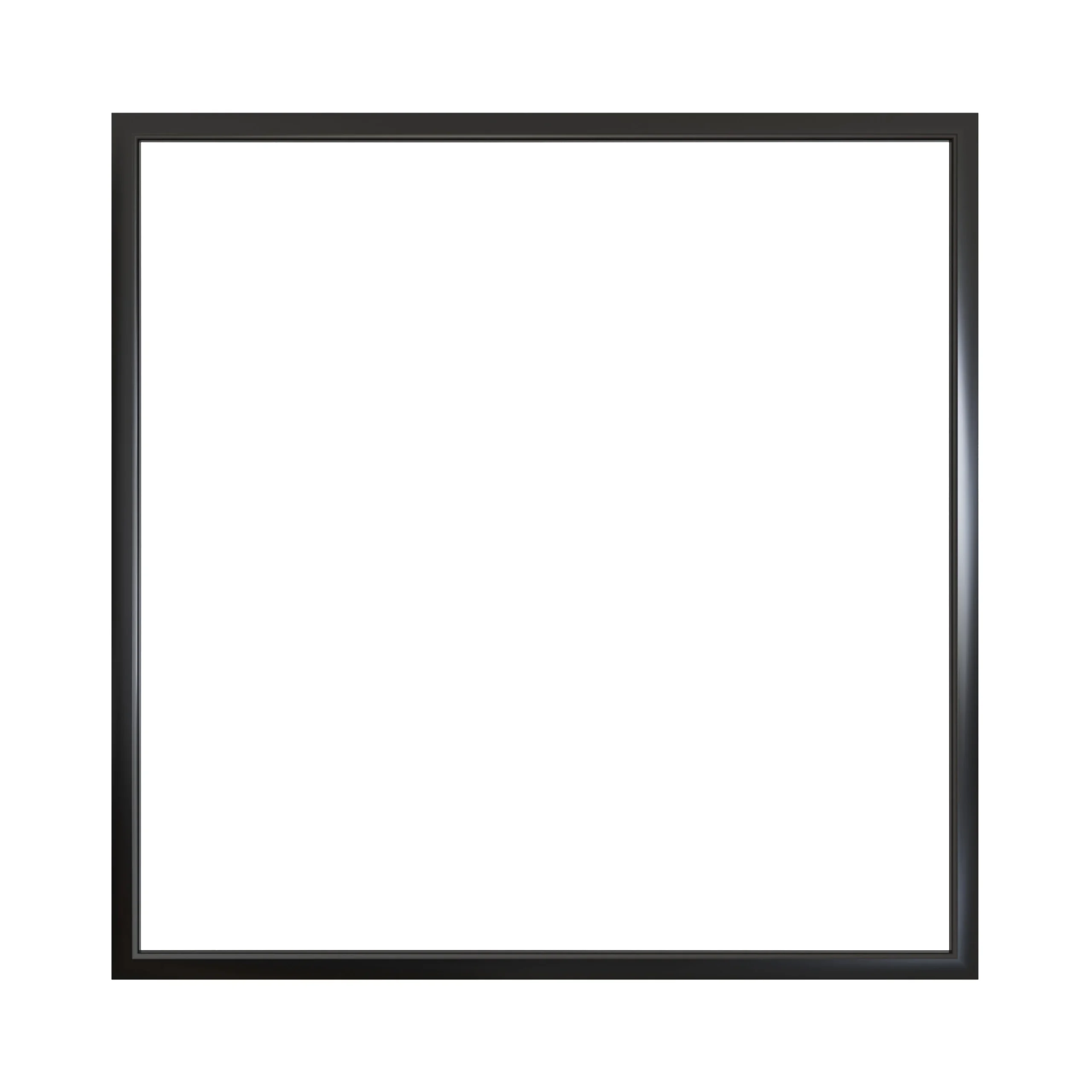
The window frame is the outer structure that surrounds the entire window. It holds all window components in place, including the sash and glass panels. The frame is anchored directly into the wall opening, creating a stable base for the window system. A well-built frame helps maintain alignment, improves insulation, and protects the window from structural movement.
7 Types of Window Frames: Pros, Cons & Best Choices
Window Head

The window head is the horizontal top section of the frame. It connects the two vertical jambs and helps keep the frame square and stable. This component also helps direct rainwater away from the opening, reducing the risk of water entering the structure above the window.
Window Jambs
The window jambs are the vertical sides of the window frame. They extend from the head at the top down to the sill at the bottom. Jambs support the window sash and guide its movement when the window opens or closes. In many window types, the hardware and tracks that control the sash are installed within the jambs.
Window Sill
The window sill forms the bottom horizontal section of the window frame. It is typically angled or sloped slightly outward so water can drain away from the house. This design helps prevent moisture buildup and protects the wall structure beneath the window.
Window Stool
The window stool is the interior ledge located at the base of the window, inside the home. Unlike the sill, which is part of the exterior frame structure, the stool is primarily an interior finishing element. It often serves both decorative and practical purposes, providing a small shelf for plants, decorations, or everyday items.
Window Sash Components (The Moving Part)

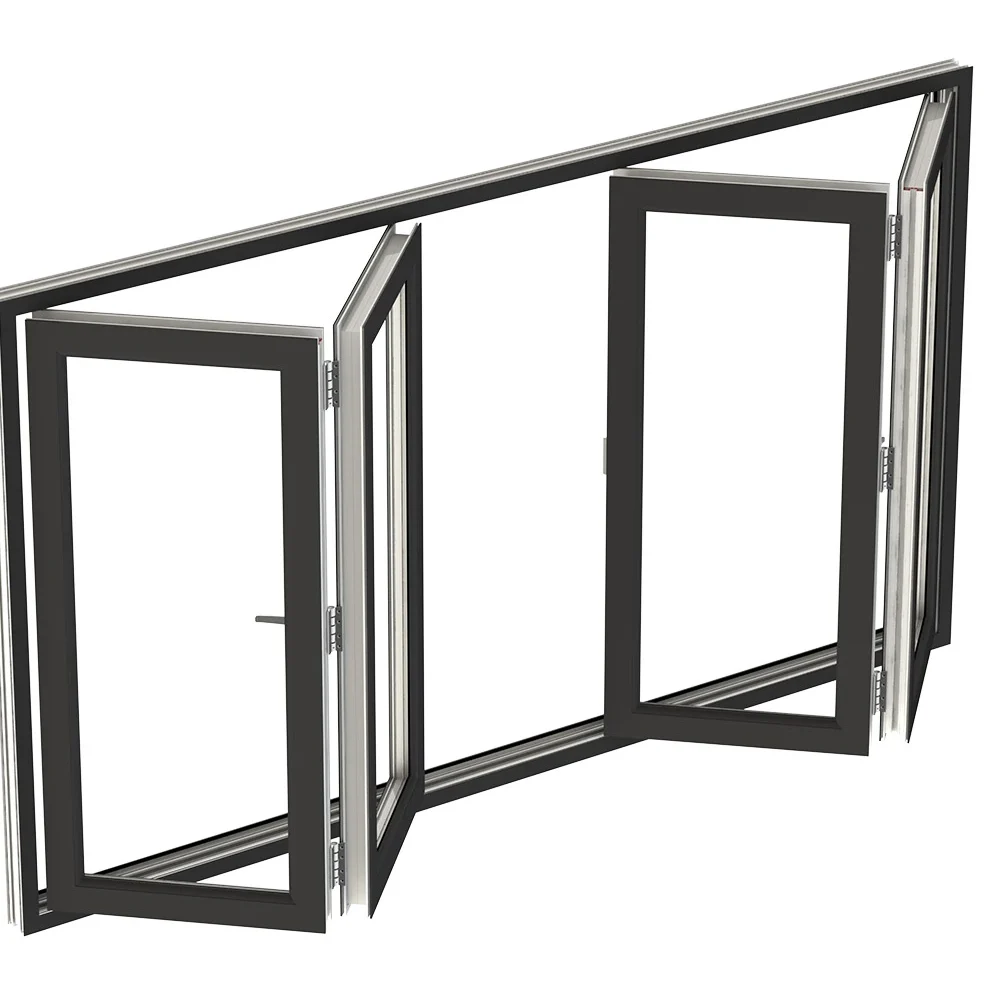
The window sash is the part of the window that holds the glass and moves when you open or close the window. In many window types, such as double-hung, sliding, or casement windows, the sash plays a key role in ventilation and everyday operation. A well-built sash keeps the glass secure while allowing the window to function smoothly.
Window Sash
The window sash is the movable frame that holds the glass panels in place. It fits inside the main window frame and moves along tracks or hinges depending on the window design. The sash allows the window to open for fresh air and close tightly to block drafts and weather.
Stiles
Stiles are the vertical sides of the sash. They run from the top of the sash to the bottom and provide structural strength. Stiles also help support the hardware and keep the glass securely positioned within the sash frame.
Rails
Rails are the horizontal sections that connect the stiles. These pieces form the top and bottom edges of the sash and help maintain the overall shape and stability of the window panel.
Meeting Rail
The meeting rail is the horizontal section where the upper and lower sashes meet in a double-hung window. When the window closes, the meeting rails align and create a tight seal. This design helps improve insulation and prevents air leaks.
Glass and Glazing Components
Glass is the part of the window that allows natural light to enter your home while still protecting the interior from outside weather. Modern windows use advanced glazing systems to improve insulation, comfort, and energy efficiency.
Window Pane (Glass)

A window pane is the transparent sheet of glass installed in the window sash. It allows sunlight to enter the room while providing a barrier against wind, rain, and outdoor noise. Modern windows often use multiple panes to improve insulation.
Glazing
Glazing refers to the method used to secure and seal the glass inside the sash frame. This process involves specialized materials that hold the glass in place and prevent air or moisture from entering the window system.
Insulated Glass Unit (IGU)
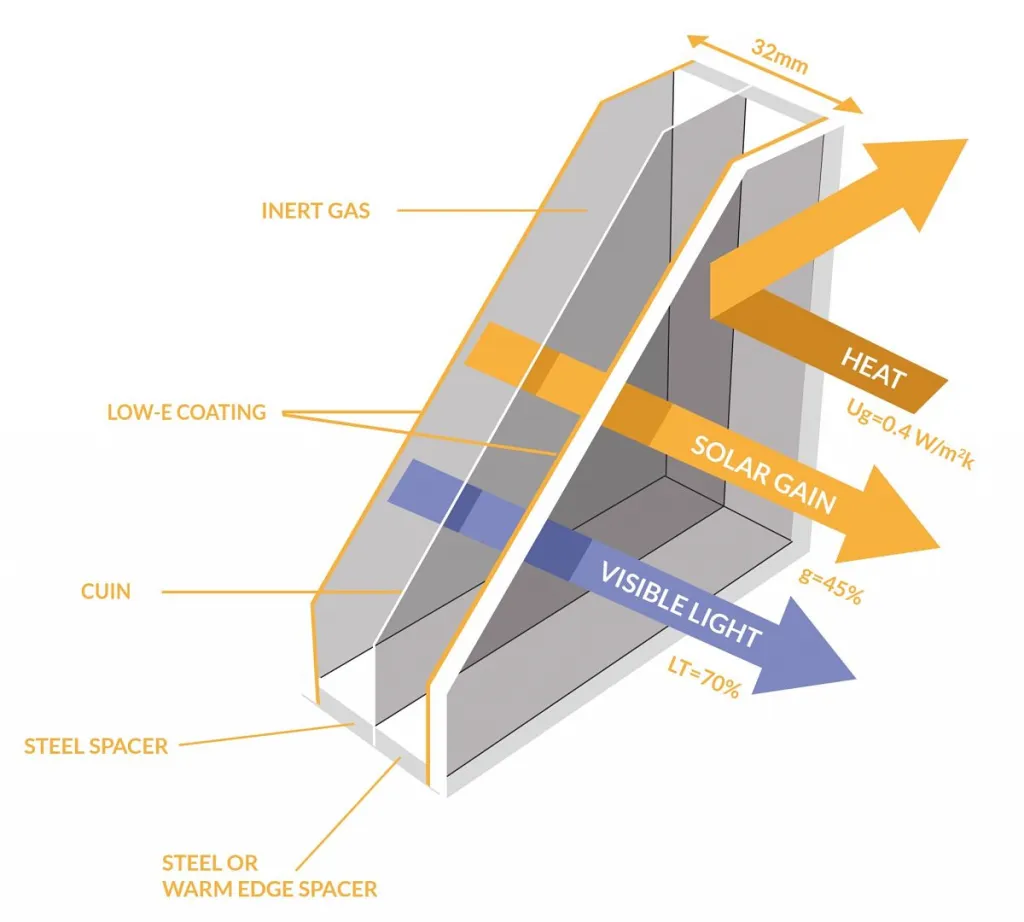
An insulated glass unit (IGU) consists of two or three panes of glass separated by a sealed space filled with insulating gas, such as argon or krypton. This design helps reduce heat transfer between the inside and outside of the home.
Window Dividers and Structural Bars
Some windows include internal bars that divide the glass into smaller sections. These parts can serve both structural and decorative purposes. They help strengthen the window design while also creating traditional or modern visual styles.
Mullions
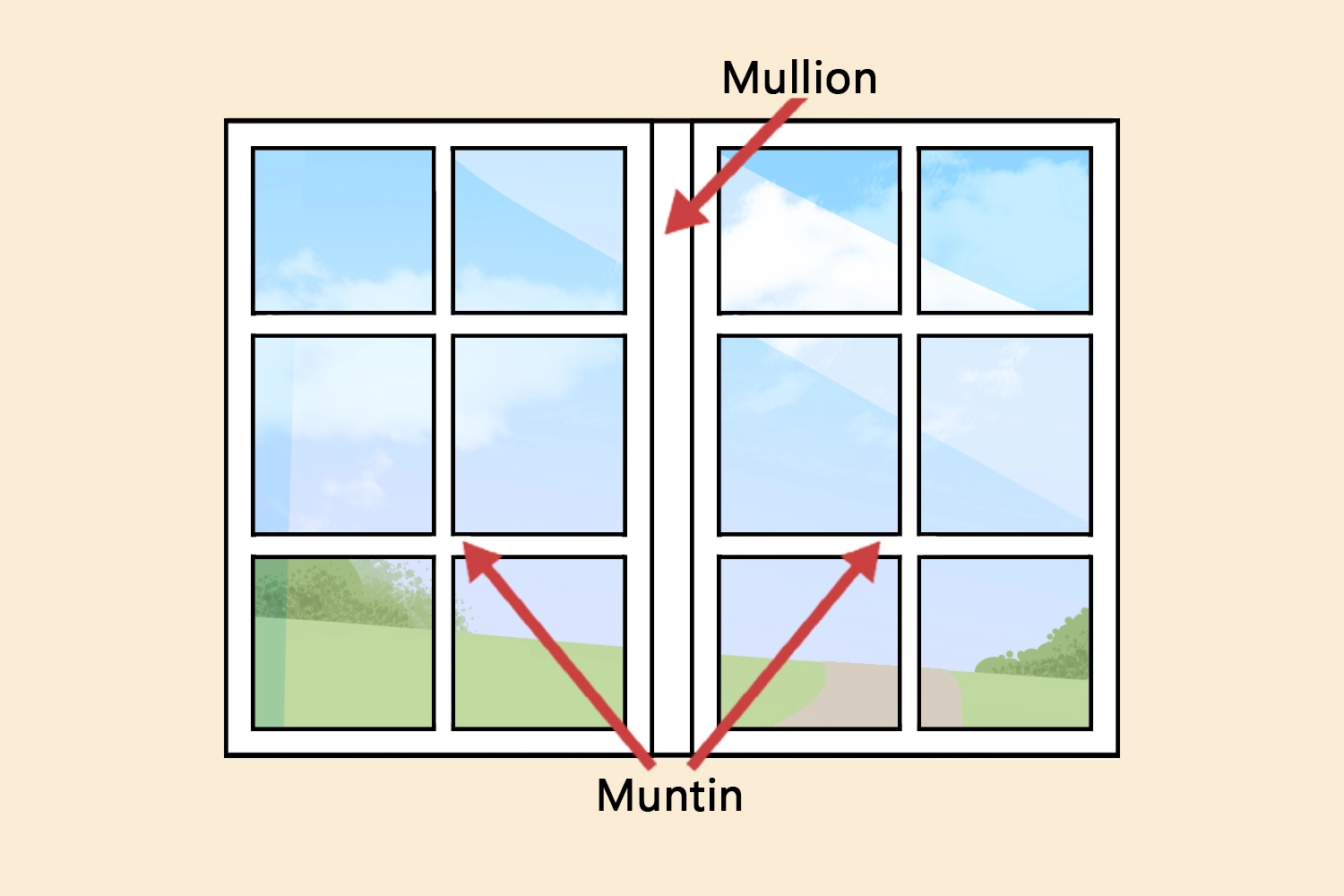
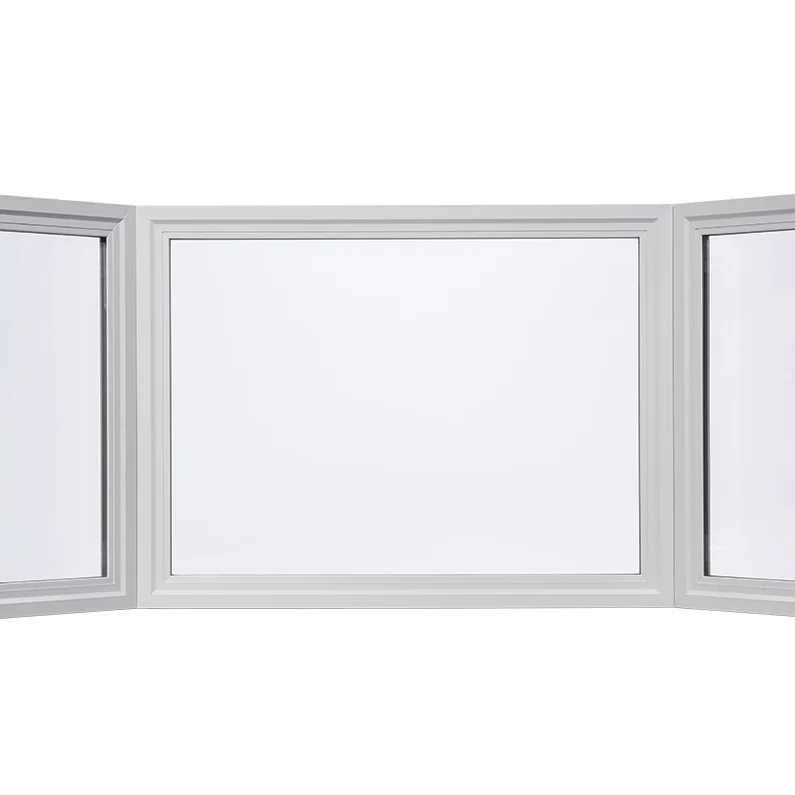
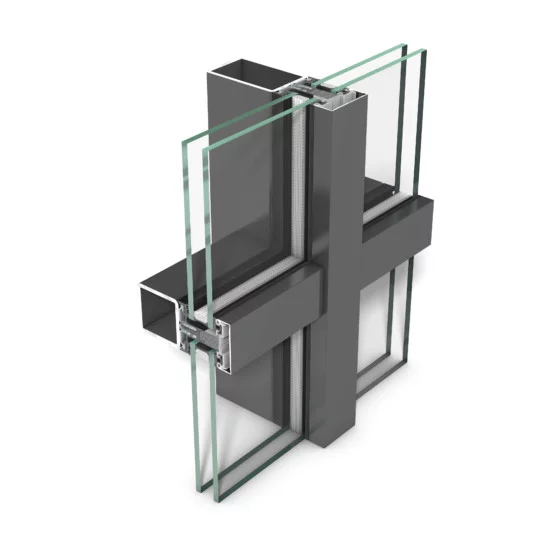
Mullions are vertical structural bars that connect or separate multiple window units. When several windows are installed side by side, mullions help support the combined structure and keep the frames aligned. They add strength to large window openings and allow designers to create wider window systems.
Muntins (Grilles)
Muntins, also called grilles, are bars that divide the glass into smaller panes or sections. In older windows, muntins held individual glass pieces together. In modern windows, they are often decorative elements placed on or between the glass panels to create classic patterns such as grids or colonial-style designs.
Window Hardware and Operation Parts
Window hardware allows the window to open, close, lock, and operate smoothly. These components play a key role in everyday usability and security.
Window Locks

Window locks keep the window securely closed. They prevent the sash from opening unintentionally and provide an important layer of safety for homes and buildings.
Window Handles or Cranks
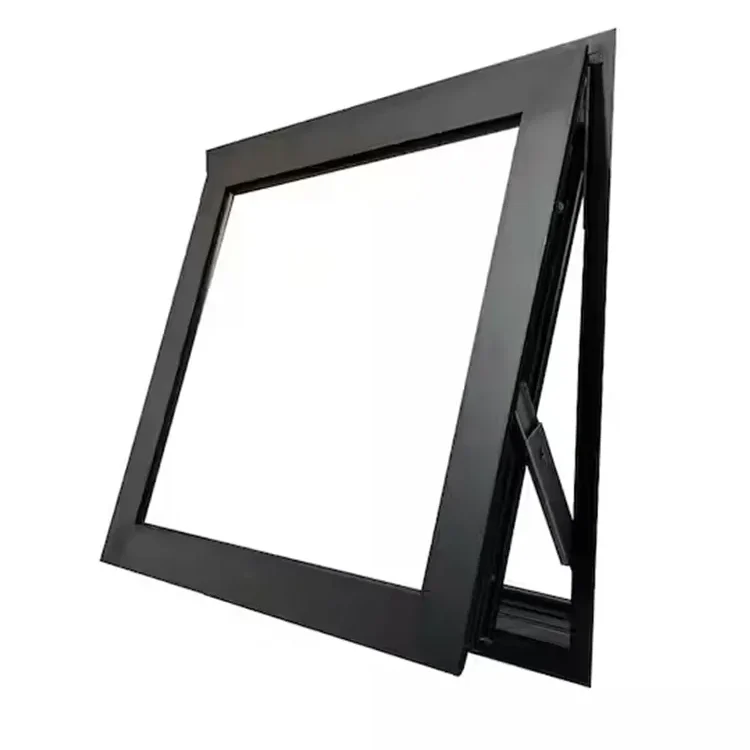
Handles or cranks are used to operate certain window types, especially casement and awning windows. Turning the crank or handle opens the window outward and allows controlled ventilation.
Window Balances
Window balances are mechanical systems hidden inside the window frame. They help support the weight of the sash, making it easier to lift and lower the window. Balances also keep the sash in position once it is opened.
Window Sealing and Weather Protection Parts
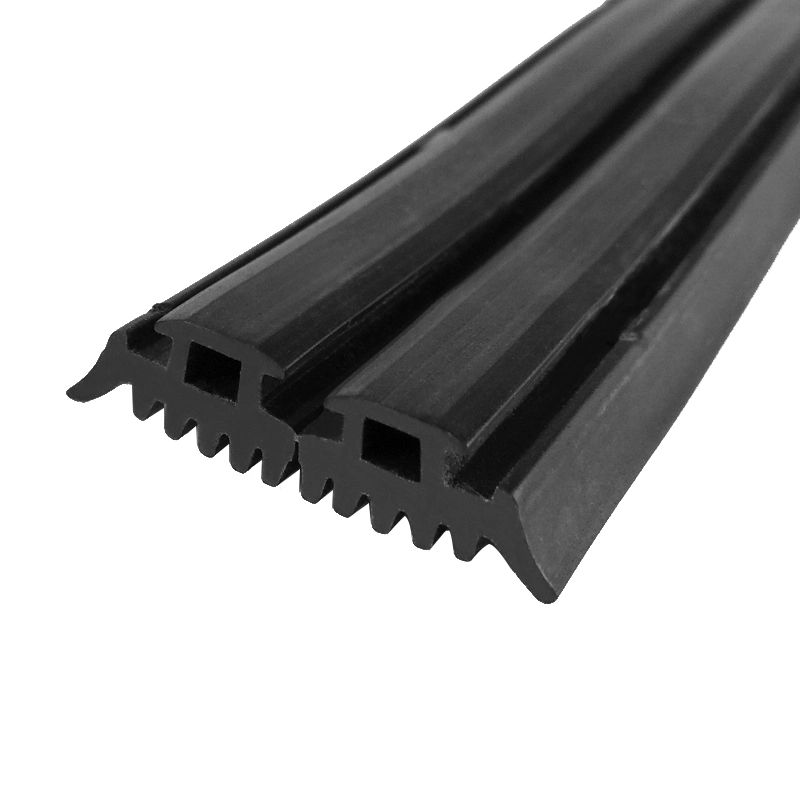
Modern windows include several components designed to protect the home from air leaks, water intrusion, and outdoor elements. These parts improve both comfort and energy efficiency.
Weatherstripping
Weatherstripping is a flexible seal installed between the sash and the frame. It helps block drafts, reduce heat loss, and prevent outside air from entering the home.
Weep Holes
Weep holes are small drainage openings located in the lower part of the window frame. Their purpose is to release any water that collects inside the frame, helping prevent moisture buildup and potential damage.
Flashing
Flashing is a protective barrier installed around the window frame during installation. It directs water away from the window opening and prevents moisture from entering the wall structure.
Decorative Window Components

In addition to functional parts, windows often include decorative elements that enhance the appearance of the installation. These features add style and architectural detail to both interior and exterior spaces.
Casing or Trim
Casing, also called trim, is the decorative molding installed around the window frame. It covers the gap between the window and the wall while giving the window a finished and polished look.
Apron
The apron is the decorative trim located below the interior window stool. It adds visual balance to the window design and helps complete the overall trim style.
Transom
A transom is a small window installed above a door or larger window. It allows additional natural light to enter the space and often adds architectural character to the building design.
Need Help Choosing the Right Windows?
Understanding the parts of a window can help you choose better, longer-lasting window systems for your home or project. If you’re planning new windows or replacing old ones, our team is ready to help.
Contact us today for expert advice, custom window solutions, and a personalized quote. Let’s find the perfect windows for your space.
FAQs About Window Parts
What are parts of a window called?
The parts of a window are commonly called window components or window anatomy. Key parts include the frame, sash, glass pane, jambs, head, sill, hardware, and weatherstripping, all working together to support and operate the window.
What are all the components of a window?
Typical window components include the frame, sash, glass or glazing, jambs, head, sill, mullions, muntins (grilles), hardware, weatherstripping, and weep holes. Each part contributes to the window’s structure, operation, and weather protection.
What are the 10 parts of a window?
Ten common window parts include the frame, sash, glass pane, head, jambs, sill, muntins, mullions, window lock or hardware, and weatherstripping. These components support the window structure and ensure proper sealing and operation.
What are window inserts called?
Window inserts are commonly called muntins, grilles, or glazing bars. These are the bars that divide the glass into smaller sections, often used for decorative window grid patterns.