












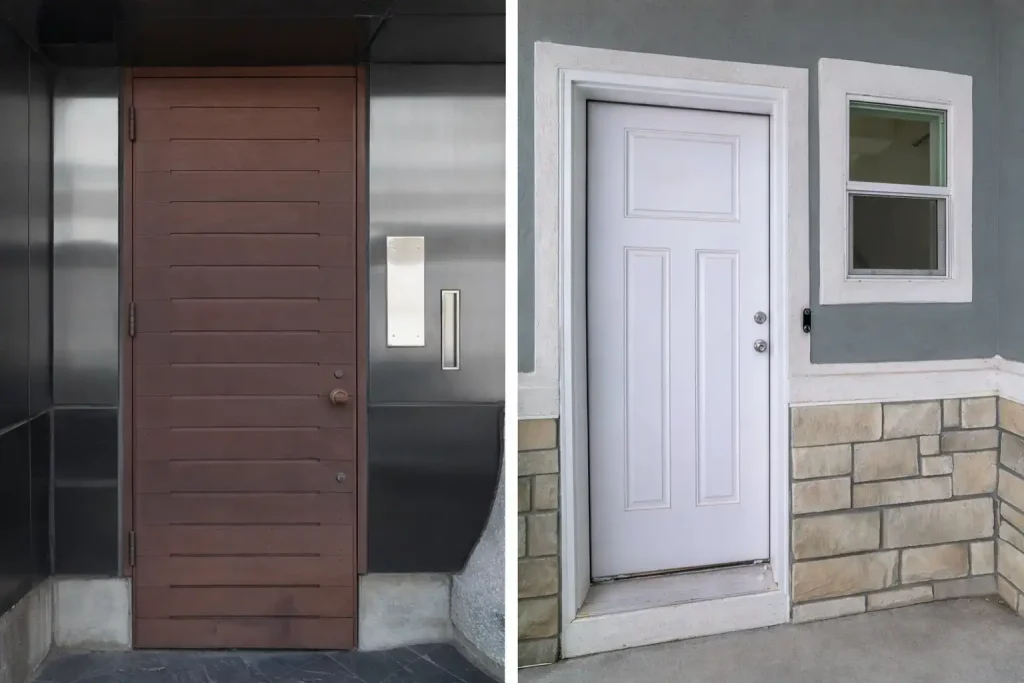
What Is a Prehung Door?
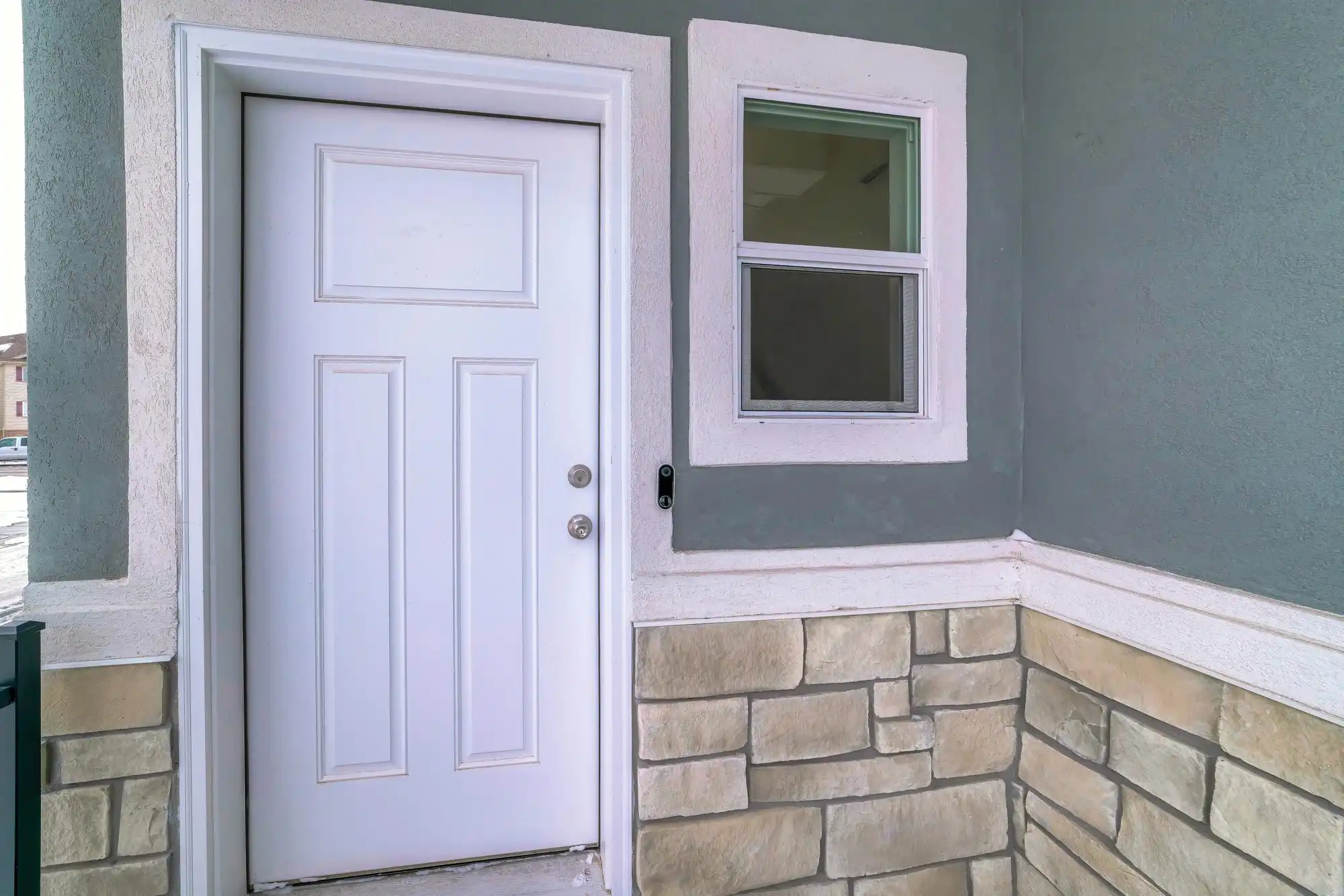
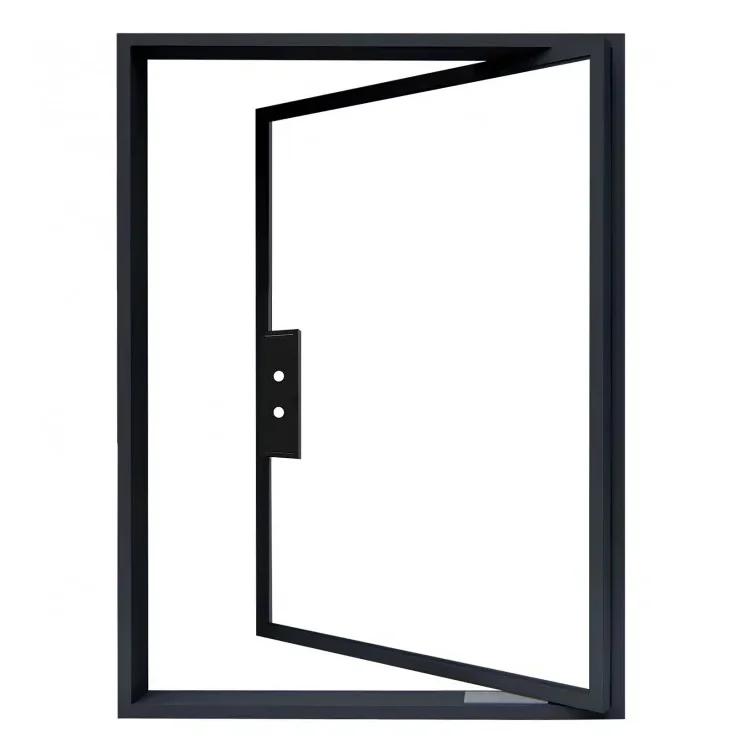
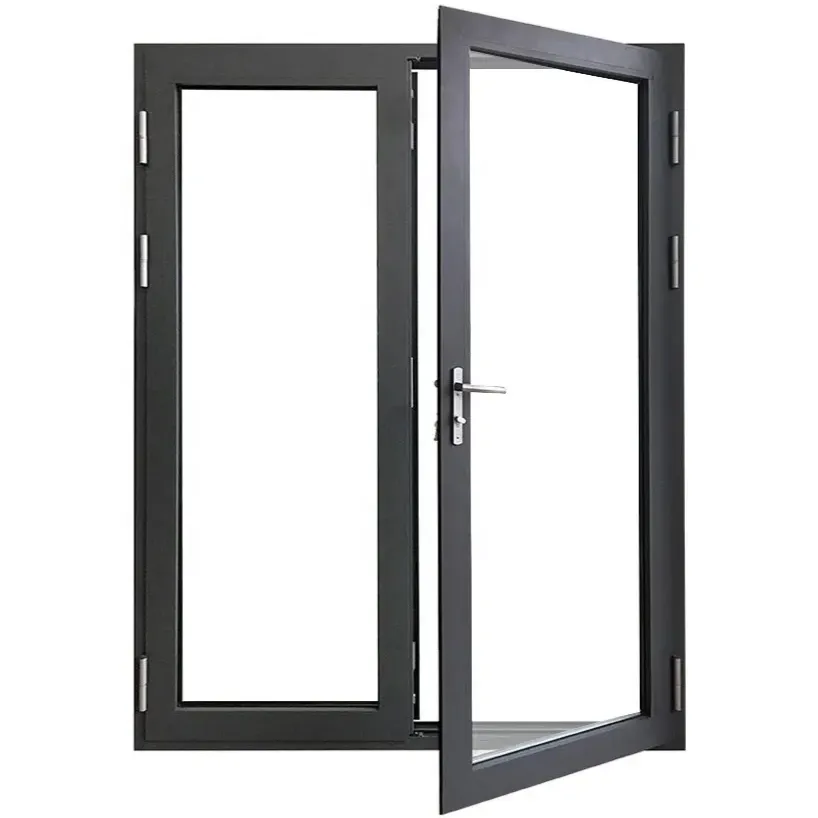
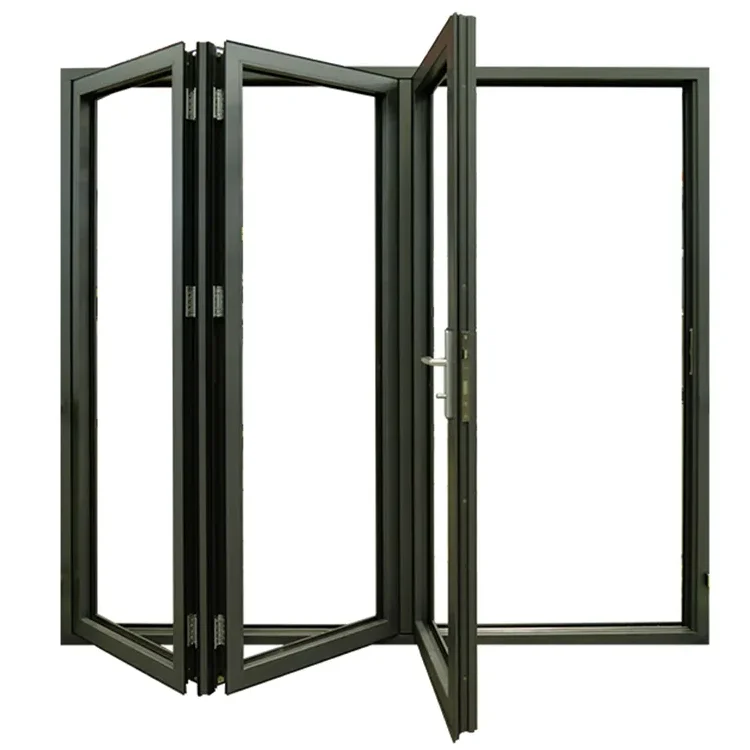
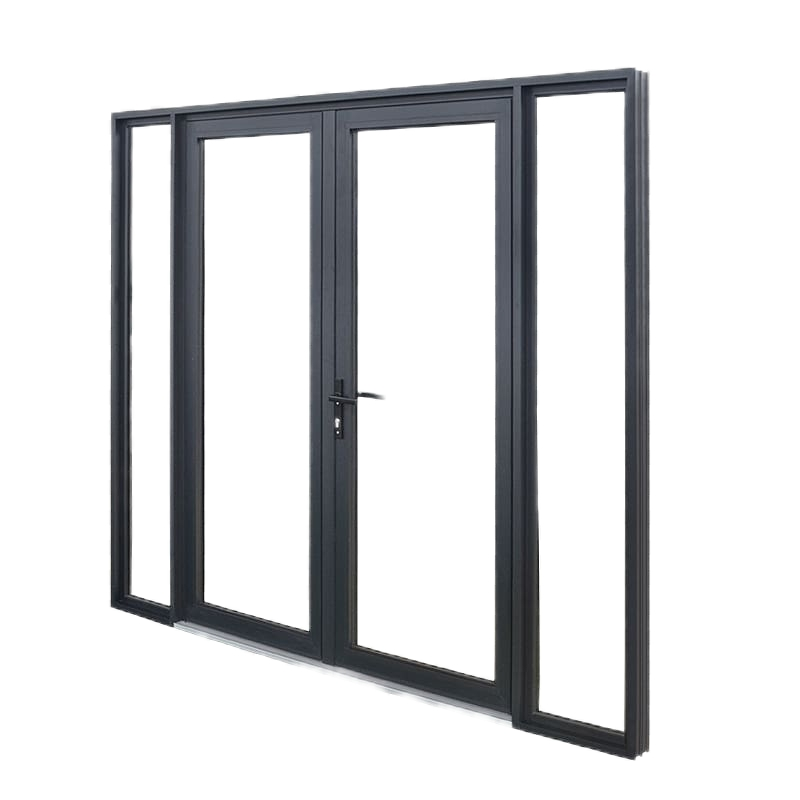
A prehung door comes as a complete unit. The door slab is already mounted on hinges inside a door frame, and the frame is sized to fit a rough wall opening. In many cases, it also includes pre-cut holes for the lockset and strike plate.
Prehung doors are designed to make installation easier and more accurate. Because the door and frame are factory-aligned, you don’t need to worry as much about spacing, swing direction, or hinge placement. This makes them a popular choice for new construction, major renovations, and exterior doors where weather sealing and alignment matter most.
In short, if you’re replacing the entire doorway—or starting from scratch—a prehung door saves time and reduces installation risk.
What Is a Slab Door?
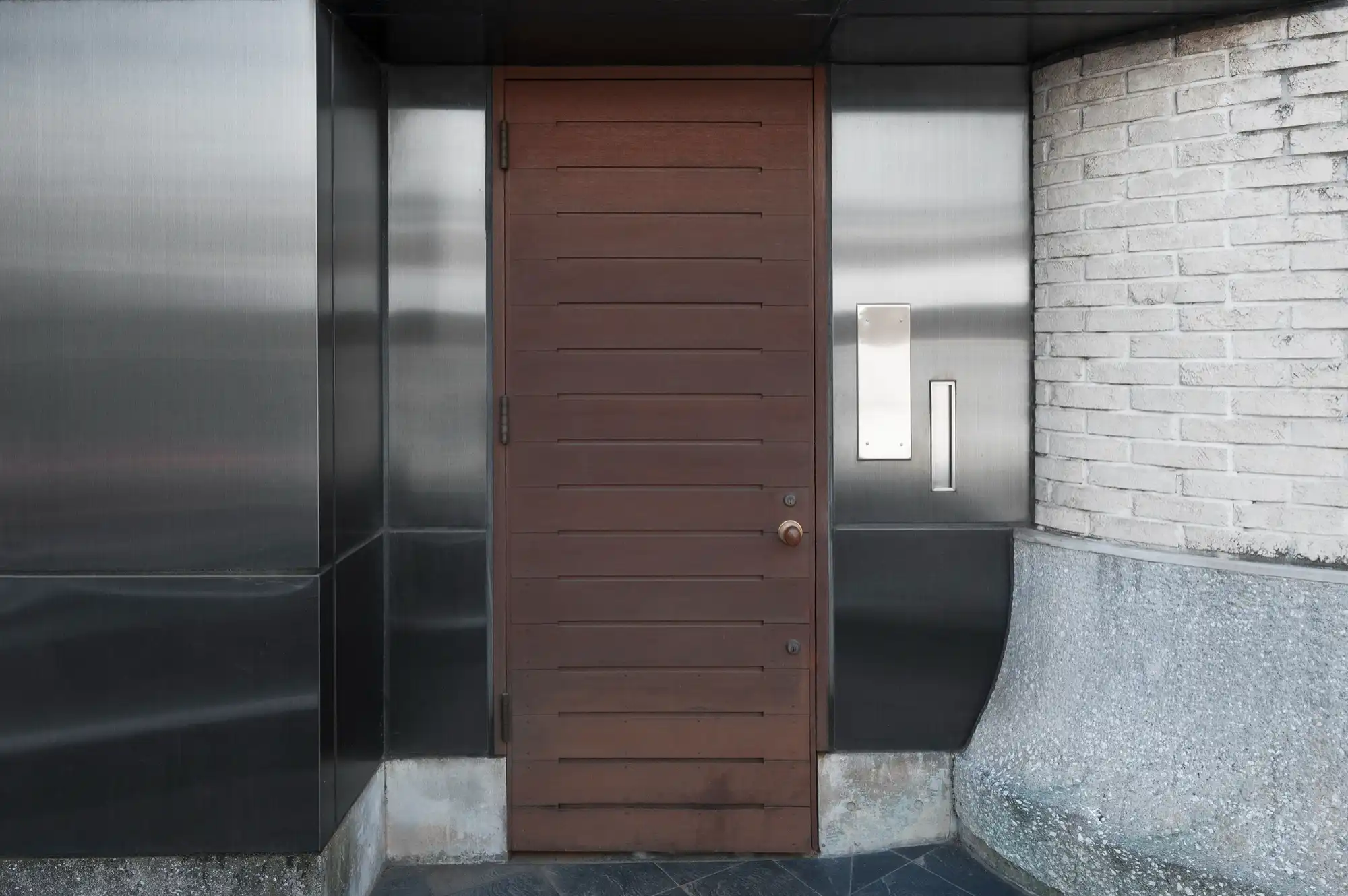
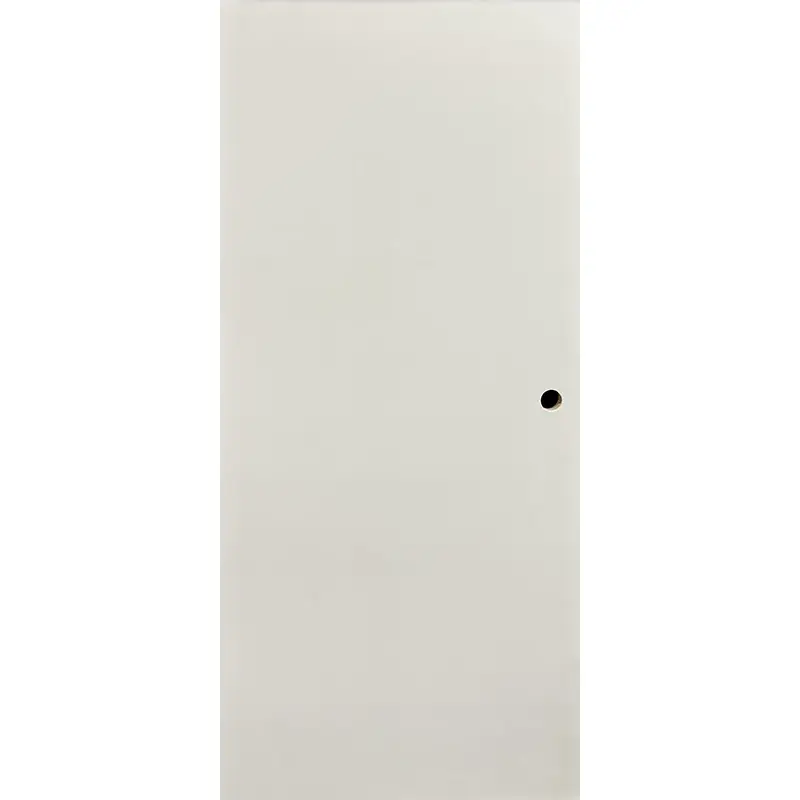
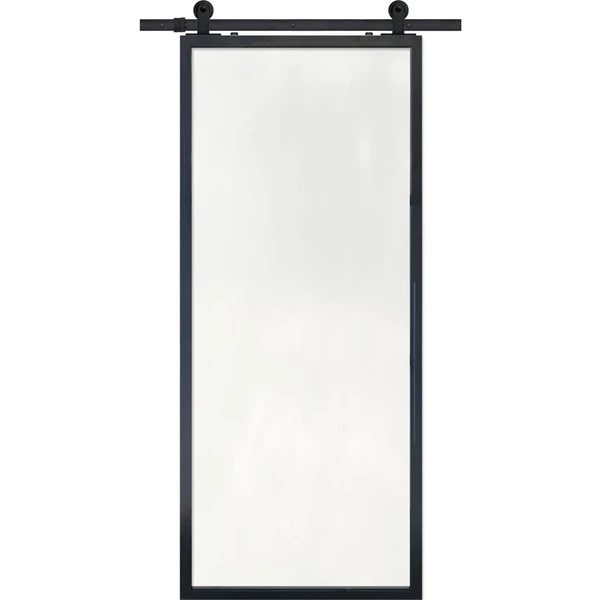
A slab door is just the door itself—no frame, no hinges, no hardware. It’s a single, flat or paneled slab that must be fitted into an existing frame or paired with a new frame built on site.
Slab doors offer more flexibility in design and sizing, but they require more skill to install. You’ll need to cut hinge mortises, drill hardware holes, and carefully align the door so it opens and closes smoothly. Because of this, slab doors are often used when the existing frame is in good condition or when a custom look is required.
They’re common in interior door replacements, older homes, and projects where maintaining original trim or proportions is important.
Prehung vs. Slab Doors: Head-to-Head Comparison

| Comparison Factor | Slab Door | Prehung Door |
|---|---|---|
| Cost | Lower upfront cost since only the door panel is included. | Higher initial cost due to included frame, hinges, and factory assembly. |
| Installation | Requires skilled carpentry, hinge cutting, drilling, and precise alignment. | Faster and easier to install with most alignment done at the factory. |
| Fit & Alignment | Depends on existing frame condition and installer experience. | Factory-aligned door and frame reduce gaps and installation errors. |
| Customization | More flexible for custom sizes, designs, and historic replacements. | Limited by factory-set frame dimensions and configurations. |
| Best Use Case | Ideal for intact frames, custom openings, and design-focused projects. | Best for new construction, damaged frames, and exterior doors. |
To make the choice clearer, let’s compare prehung and slab doors side by side across the factors most homeowners and builders care about.
#1 Cost
Slab doors are generally cheaper upfront. You’re paying only for the door, which makes them appealing for budget-focused projects.
Prehung doors cost more because they include the frame, hinges, and factory assembly. However, that higher price can be offset by lower labor costs during installation.
#2 Installation
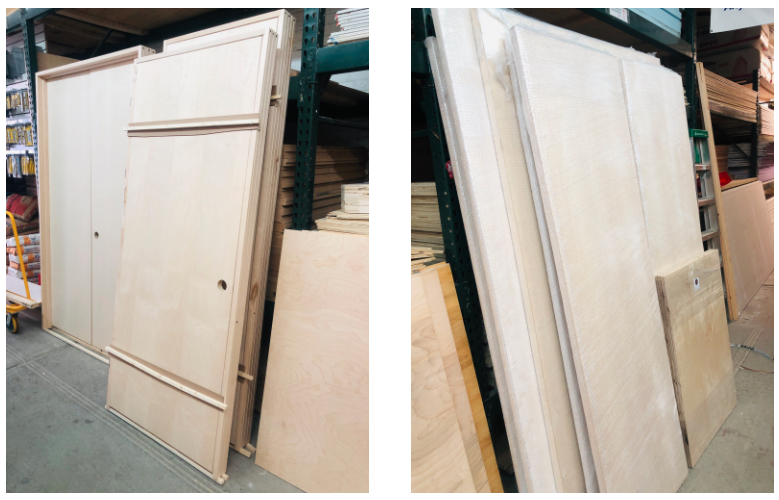
Prehung doors are easier and faster to install. Most of the hard work—alignment and hinge placement—is already done at the factory. Fewer tools and less carpentry experience are needed.
Slab doors require more skill. You must cut hinge pockets, drill lock holes, and align the door precisely. Small mistakes can cause sticking, gaps, or uneven swings.
#3 Fit & Alignment
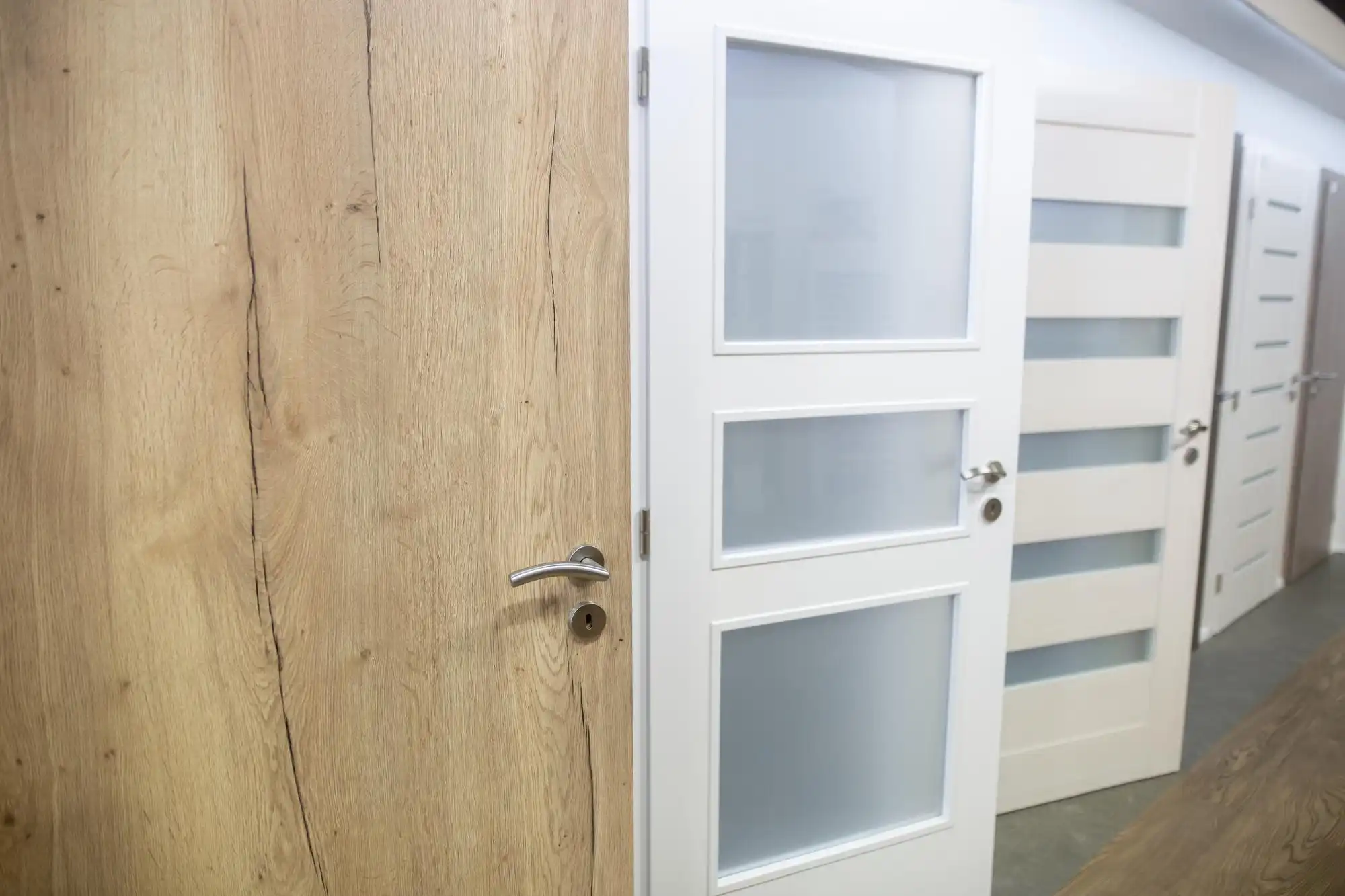
With prehung doors, the door and frame are factory-aligned, which reduces the chance of installation errors and uneven gaps.
With slab doors, alignment depends entirely on the condition of the existing frame and the installer’s experience. A warped or out-of-square frame can cause problems.
#4 Customization
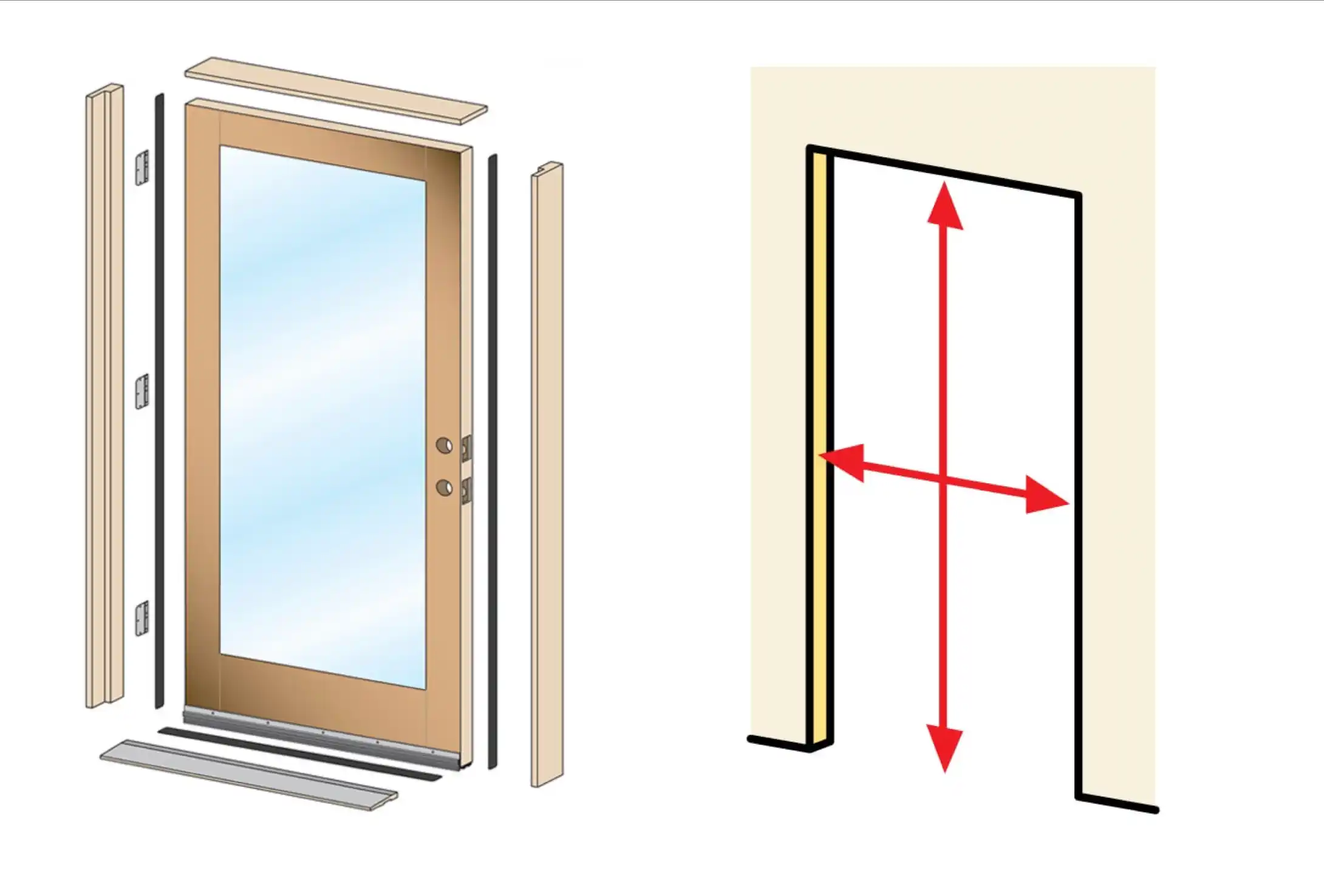
Slab doors offer more flexibility. They’re ideal for non-standard sizes, unique designs, or matching doors in older homes.
Prehung doors are more limited because the frame dimensions and configurations are fixed from the factory.
#5 Project Type Suitability

Choose a prehung door if you’re working with:
-
New construction
-
Damaged or missing frames
-
Exterior doors needing tight weather seals
Choose a slab door if you’re:
-
Replacing a door in an intact frame
-
Working with custom or historic openings
-
Prioritizing design flexibility over speed