












What Are Solid Doors?
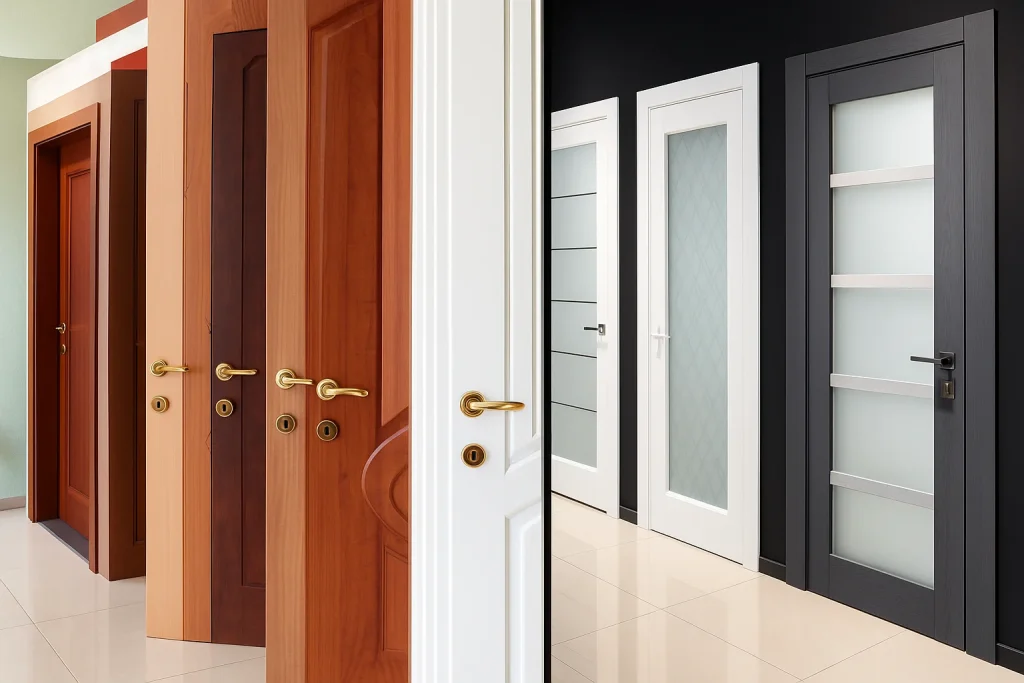
Solid doors are made from a single piece of solid wood, giving them a traditional and premium feel. Because they’re crafted from natural timber, each door has its own unique grain, texture, and character.
These doors are often chosen for their classic appearance and weighty feel. They add warmth and richness to a space and are commonly associated with high-quality craftsmanship.
Typical uses for solid doors include:
High-end interior doors where design matters
Front or entry doors in traditional homes
Feature doors that highlight natural wood beauty
While solid doors look beautiful, they can react to humidity and temperature changes, which means proper sealing and maintenance are important.
What Are Engineered Doors?
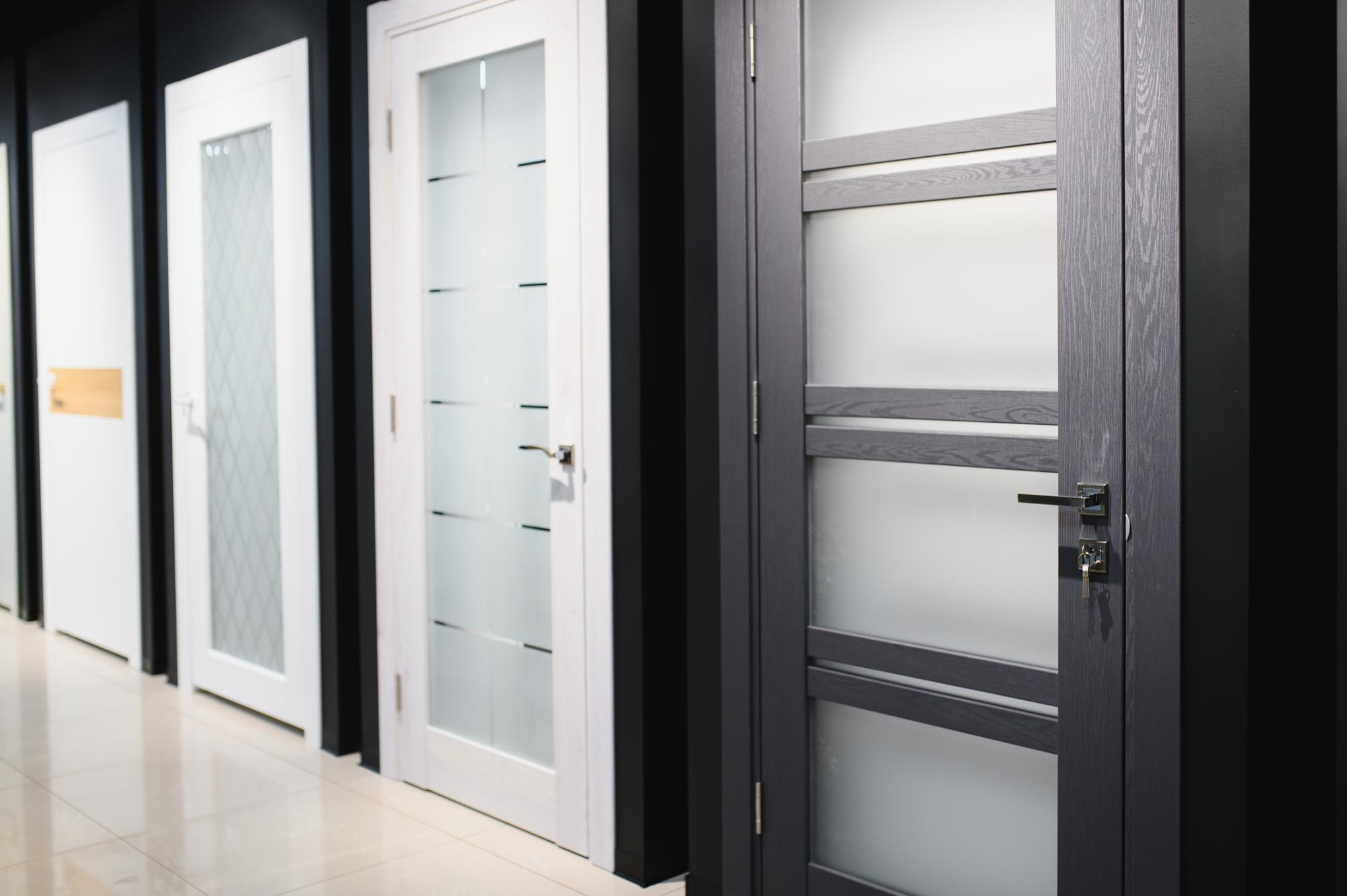
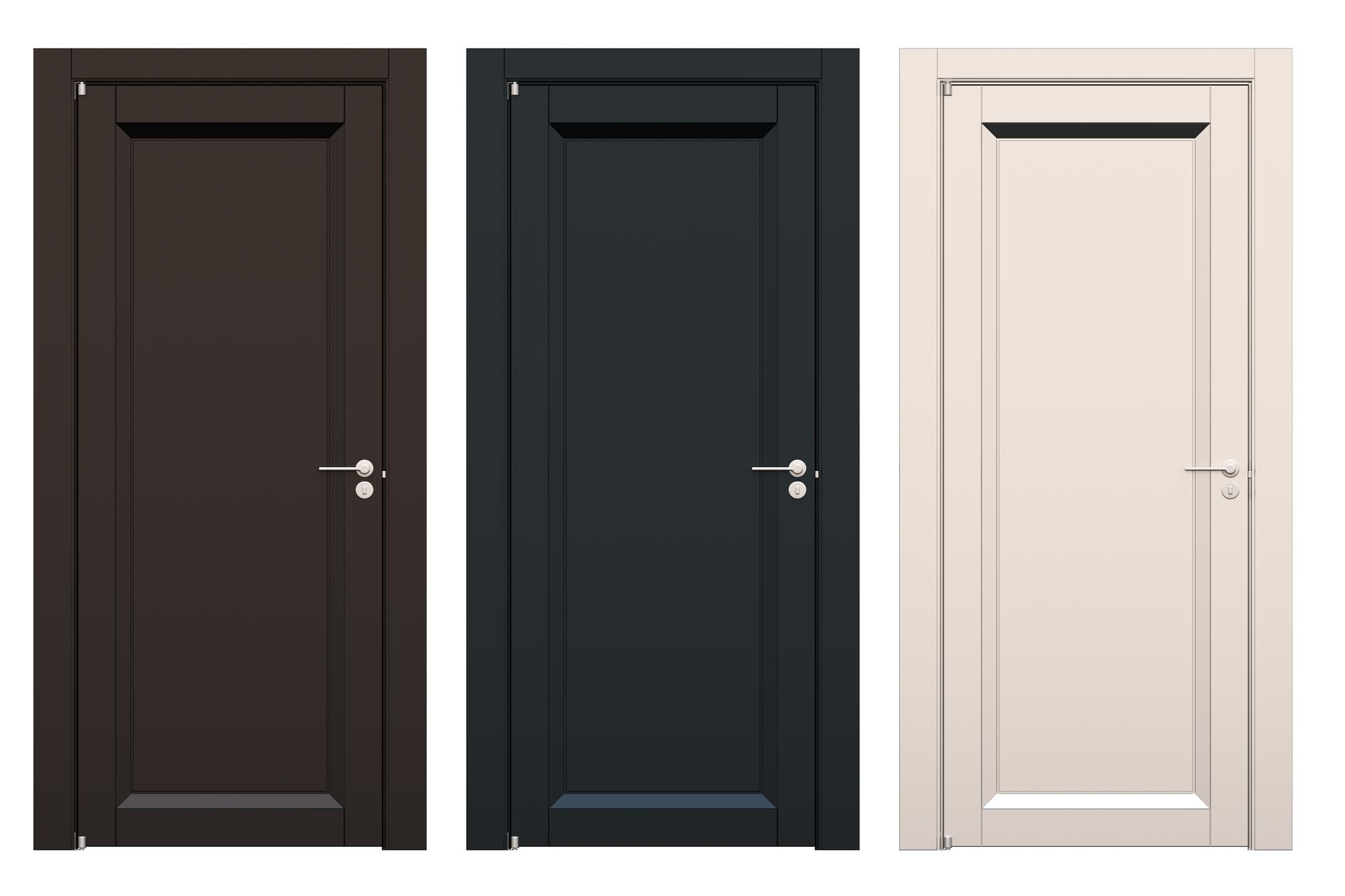
Engineered doors are made by bonding multiple layers of wood together, usually with a solid or composite core and a real wood veneer on the surface. The layers are arranged with the grain running in different directions.
This layered construction makes engineered doors more stable and resistant to warping or cracking. They offer the look of real wood while performing better in changing environments.
Typical uses for engineered doors include:
Interior doors in modern homes
Areas with humidity changes, like kitchens or hallways
Projects where durability and low maintenance matter
Engineered doors are a practical choice for homeowners who want reliable performance with a clean, consistent appearance.
Key Material Differences
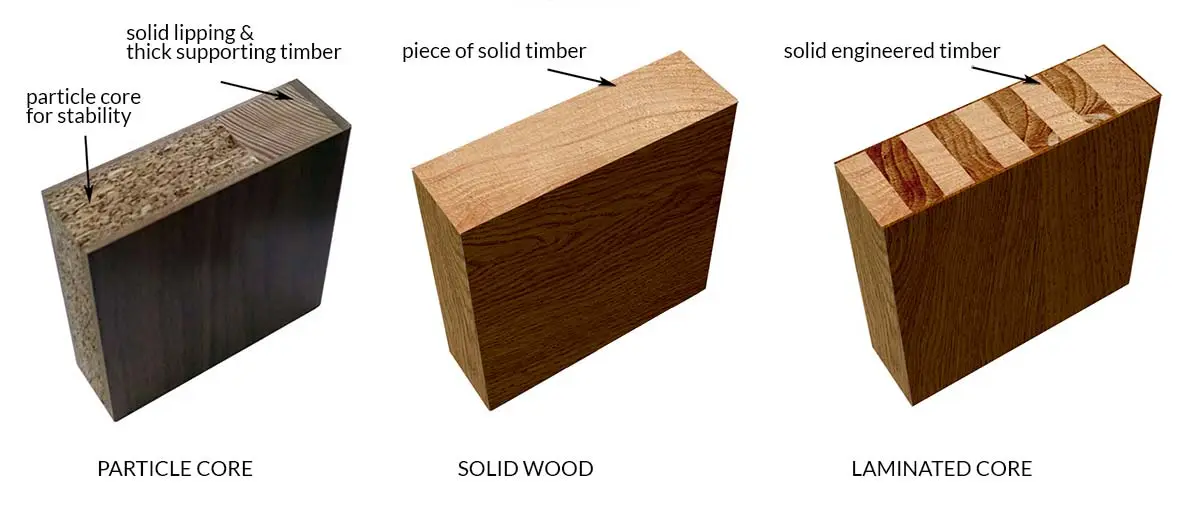
The core difference between solid and engineered doors is how they’re built.
Solid wood doors are made from a single piece of natural timber. This gives each door a unique grain pattern, natural texture, and one-of-a-kind character that many homeowners love.
Engineered doors use a multi-layer construction. A stable core is wrapped with real wood veneers, which helps reduce shrinking and swelling caused by humidity or temperature changes.
Because of this design, engineered doors look more consistent, while solid wood doors naturally vary in color and grain.
Durability and Stability

When it comes to long-term performance, construction method matters.
Engineered doors are designed to resist warping, cracking, and twisting. Their layered structure keeps the door stable even when conditions change.
Solid wood doors are strong, but they can warp or crack if exposed to moisture or temperature swings without proper care.
In terms of maintenance:
Solid doors may need refinishing or sealing over time
Engineered doors usually require minimal upkeep
Thermal and Sound Insulation
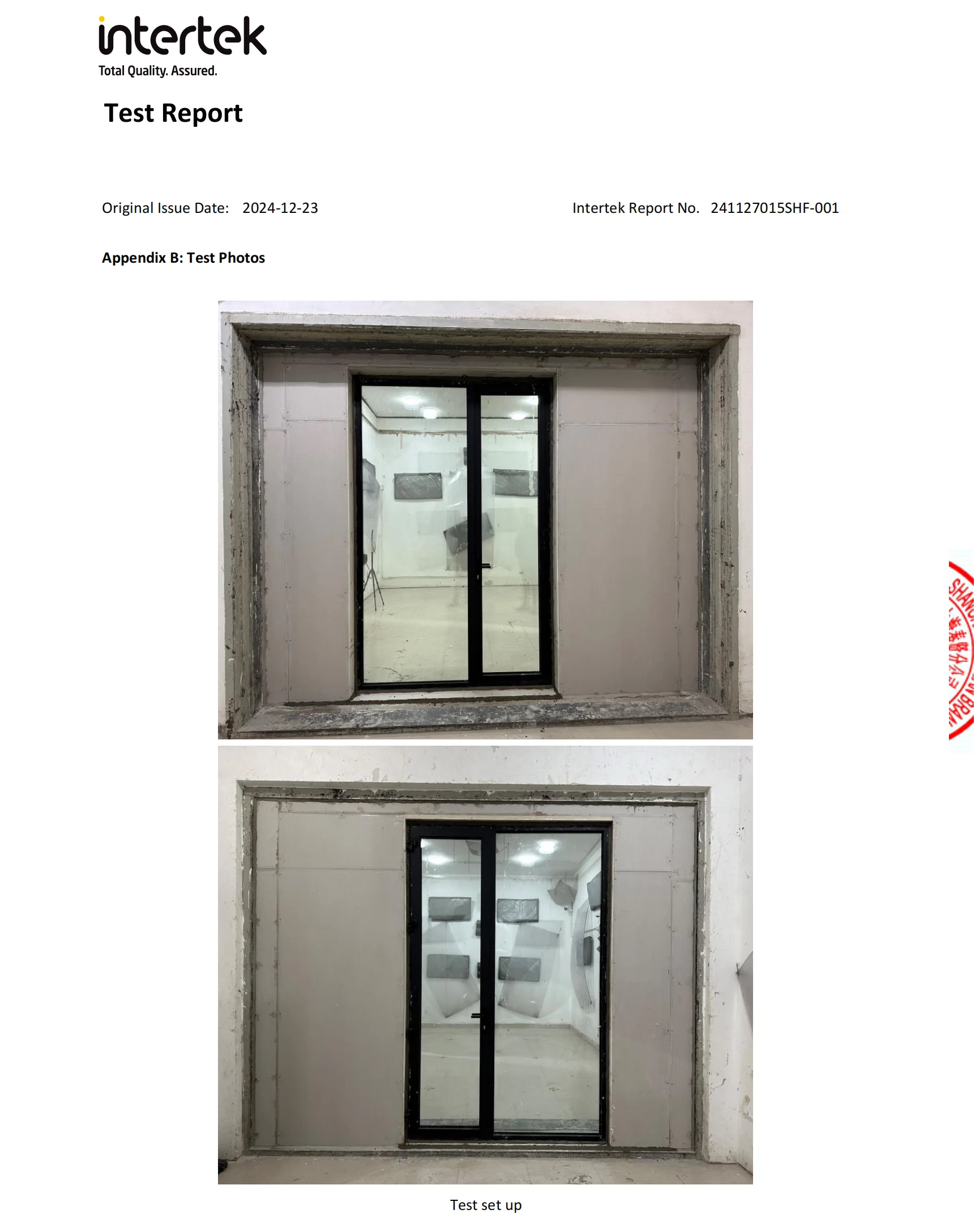
Both door types offer insulation benefits, but in different ways.
Engineered doors often provide better and more consistent insulation thanks to their layered cores, which help reduce heat loss and dampen sound.
Solid wood naturally insulates well, but its performance can change as the wood expands or contracts, especially in fluctuating climates.
Cost & Value Comparison
Price is often a deciding factor.
Solid wood doors are typically more expensive due to the cost of natural timber and skilled labor. However, with proper care, they can last for decades.
Engineered doors are generally more affordable while still offering the look of real wood and better stability.
In terms of value:
Solid wood offers long-term durability and classic appeal
Engineered doors deliver steady performance with lower maintenance
Aesthetic and Customization
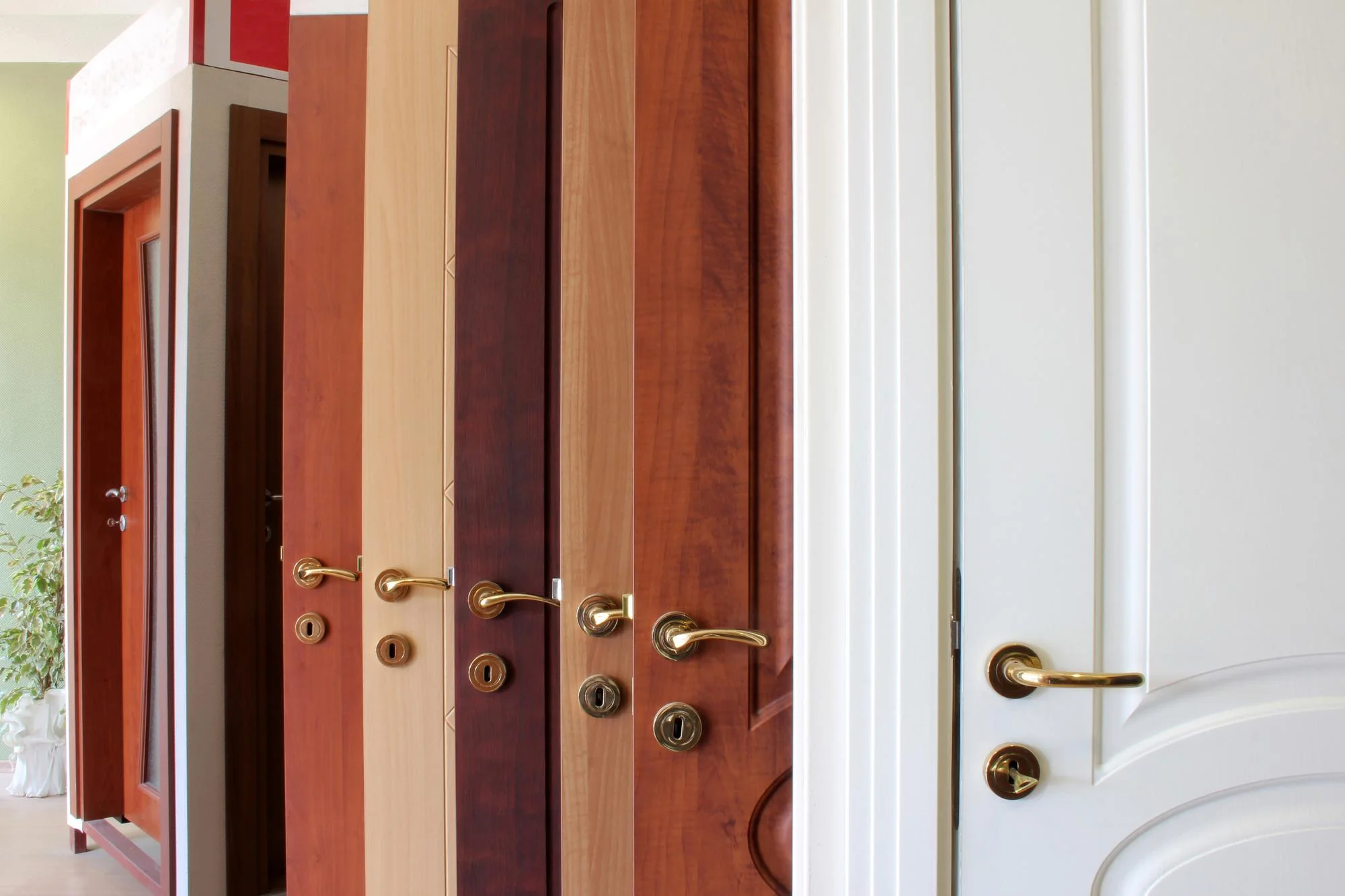
Design flexibility differs between the two.
Solid wood doors stand out for their unique grain patterns and the ability to be refinished multiple times. This makes them ideal for premium or traditional designs.
Engineered doors provide a uniform, polished look and are available in many veneer styles, making them easier to match across multiple rooms.
Practical Performance in Different Environments
Environment plays a big role in choosing the right door.
In high-moisture areas, engineered doors perform better because they resist swelling and contraction.
Solid wood doors can still work well, but they often need careful sealing and climate control, especially in humid or seasonal environments.
Choosing the right door type ensures better performance, longer lifespan, and fewer maintenance issues over time.
When to Choose Which
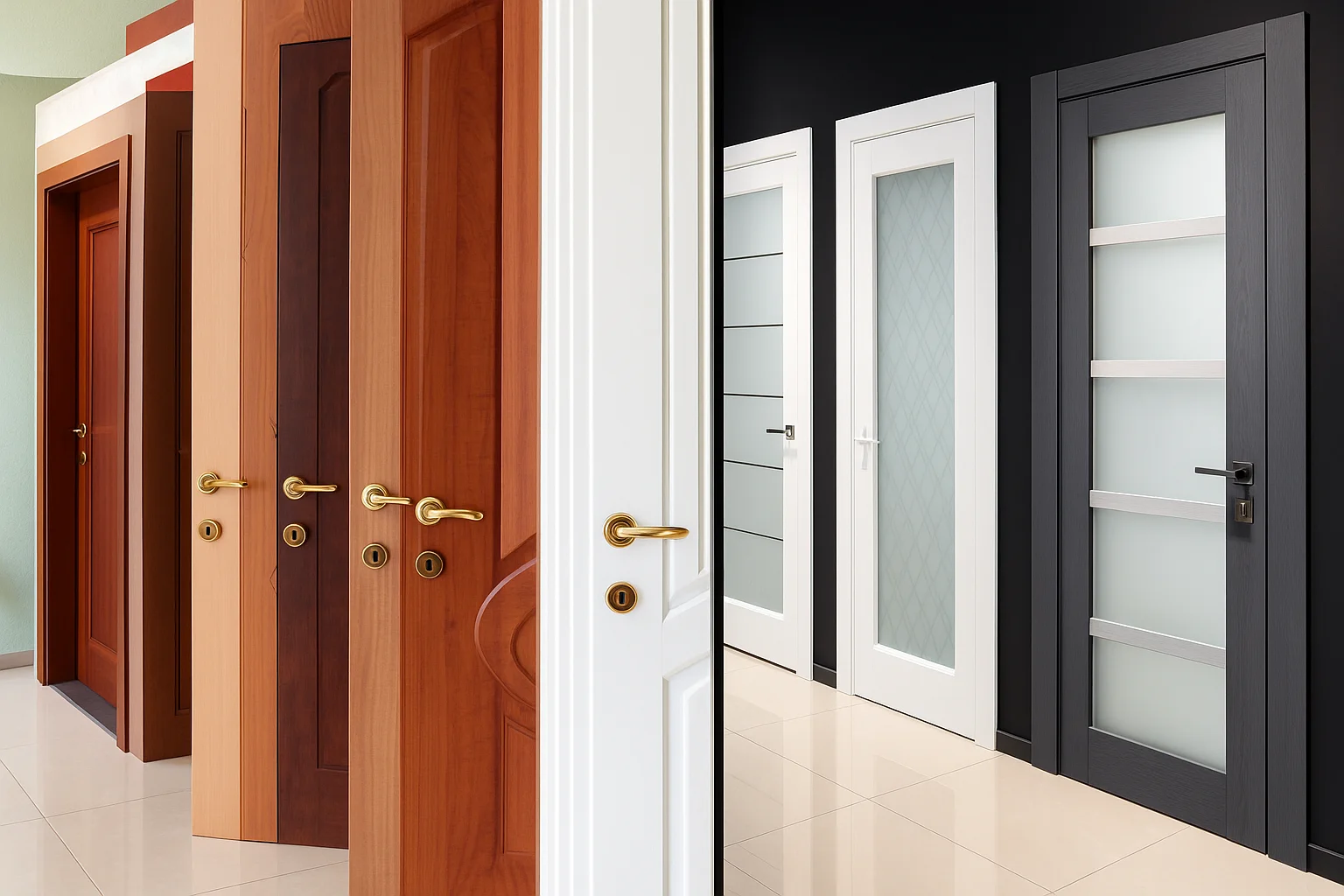
Choosing between solid and engineered doors comes down to your priorities, environment, and budget.
Choose solid doors if you value:
A premium, timeless look with natural wood character
Unique grain patterns that make each door one of a kind
The ability to refinish or restain the door over time
Traditional or high-end interior and exterior designs
Solid doors work best in stable indoor environments where humidity and temperature changes are minimal.
Choose engineered doors if you need:
Better stability with less risk of warping or cracking
Low maintenance and long-term reliability
A consistent appearance across multiple doors
Strong performance in areas with moisture or climate changes
Engineered doors are ideal for modern homes, busy households, and projects where durability and ease of care matter most.
By matching the door type to how and where it will be used, you’ll get the best balance of beauty, performance, and value.
Find the Right Door for Your Home
Not sure whether a solid or engineered door is the best fit for your space? Our experts can help you compare options, understand performance differences, and choose a door that matches your style, budget, and environment.
Get professional advice, quality door solutions, and expert support from start to finish.
Contact us today to discuss your project and find the perfect door for your home.
FAQs
Are engineered wood doors better than solid wood?
Engineered wood doors are often more stable and less prone to warping or cracking, especially in changing humidity and temperature, while solid wood offers a classic natural look and long-term durability.
Are engineered doors solid?
Yes — engineered doors are “solid” in the sense that they have a stable, layered core of wood materials rather than hollow parts, giving them strength and rigidity similar to solid wood.
What is the disadvantage of a solid core door?
One downside is that solid core doors are heavier and more expensive than hollow core options, which can make them harder to install and require stronger hardware.
Which is good, solid wood or engineered wood?
Solid wood is excellent for timeless beauty and refinishing potential, while engineered wood is ideal for stability, moisture resistance, and lower maintenance — the best choice depends on your priorities.