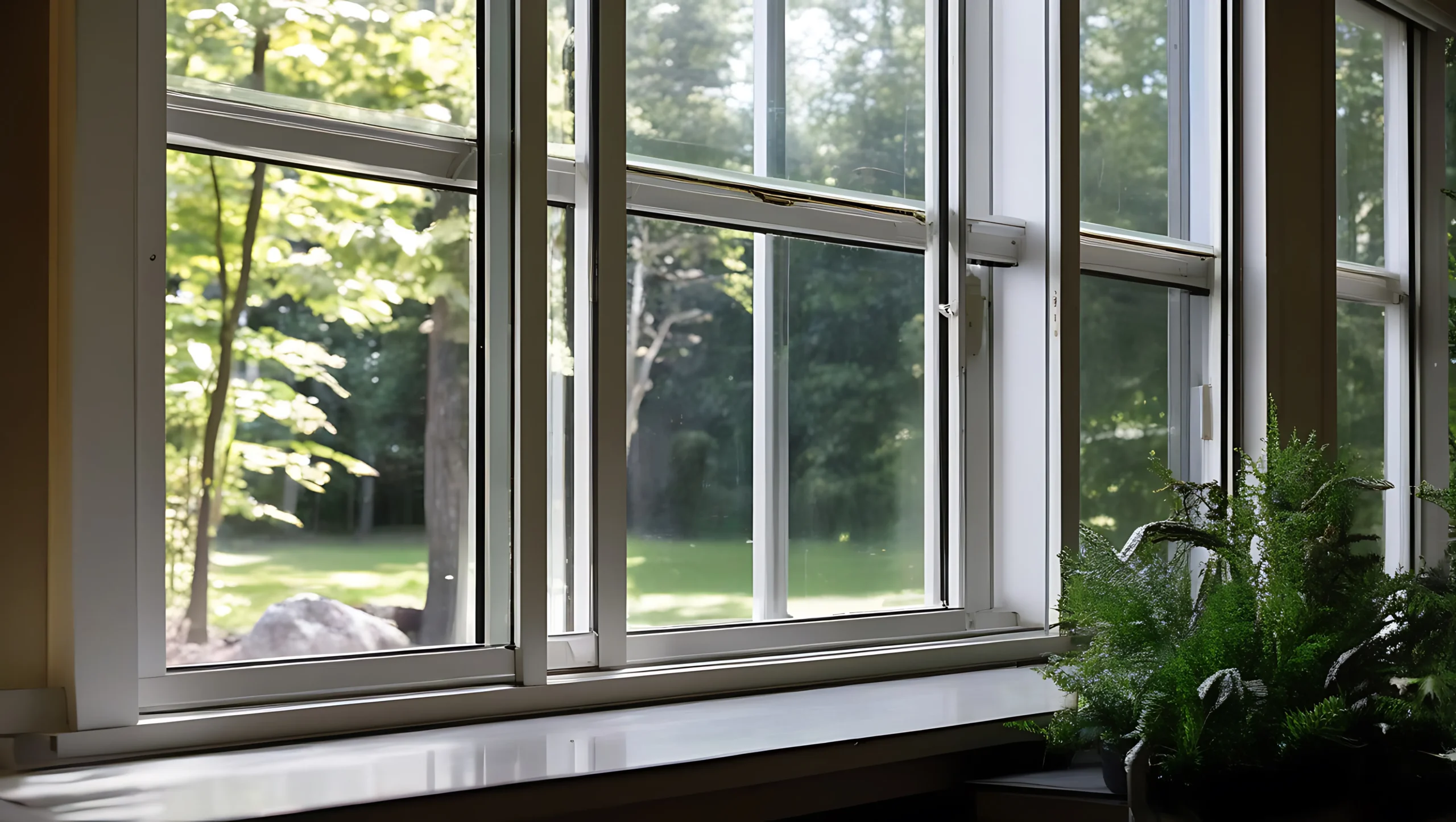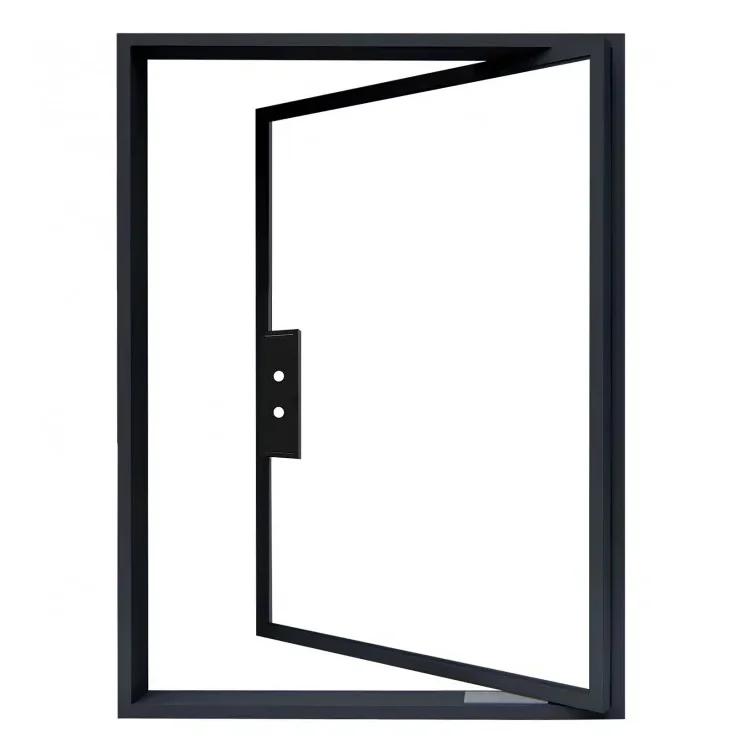
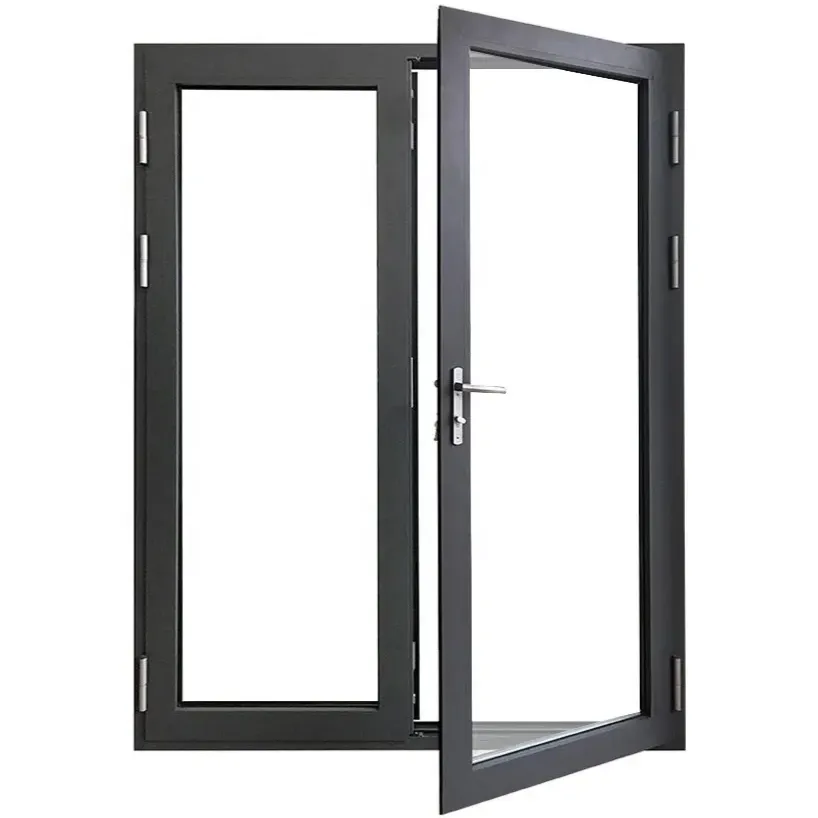
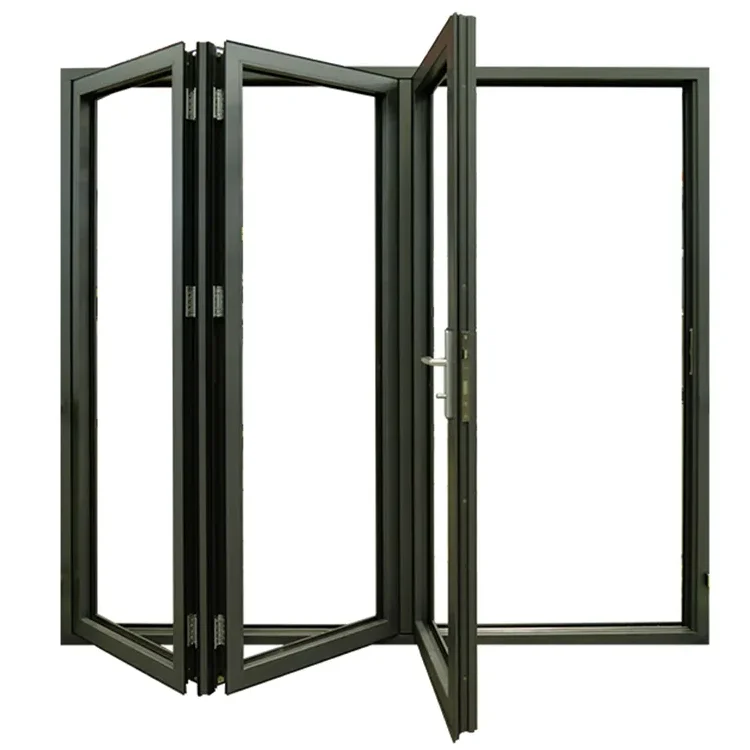
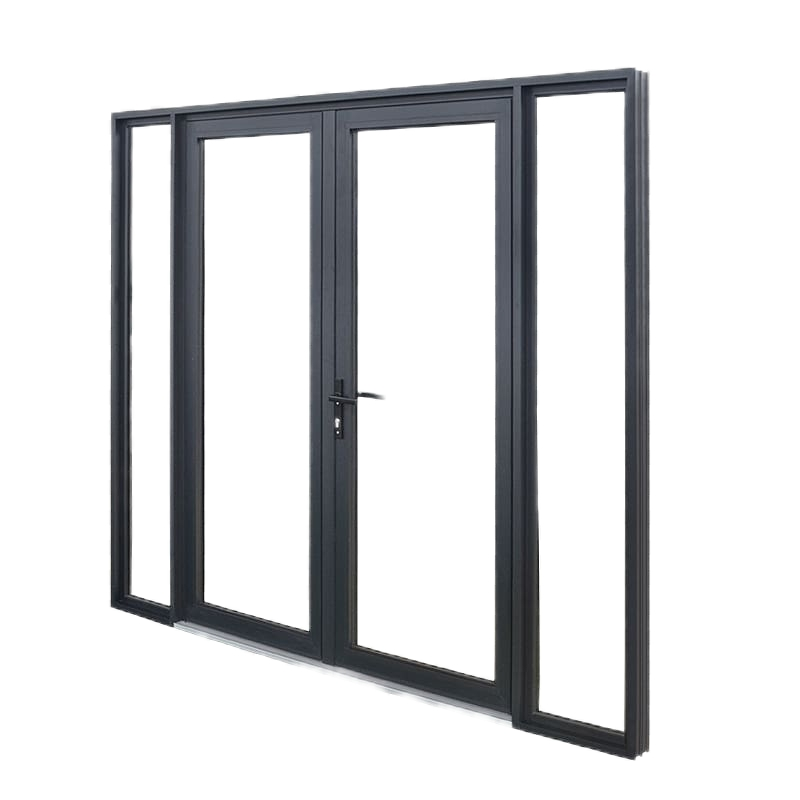
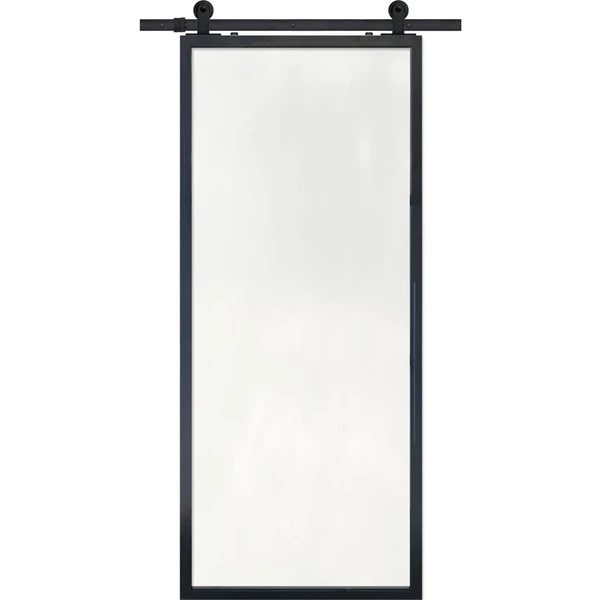


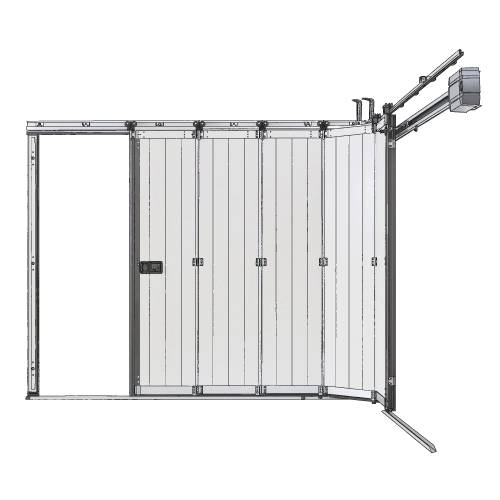










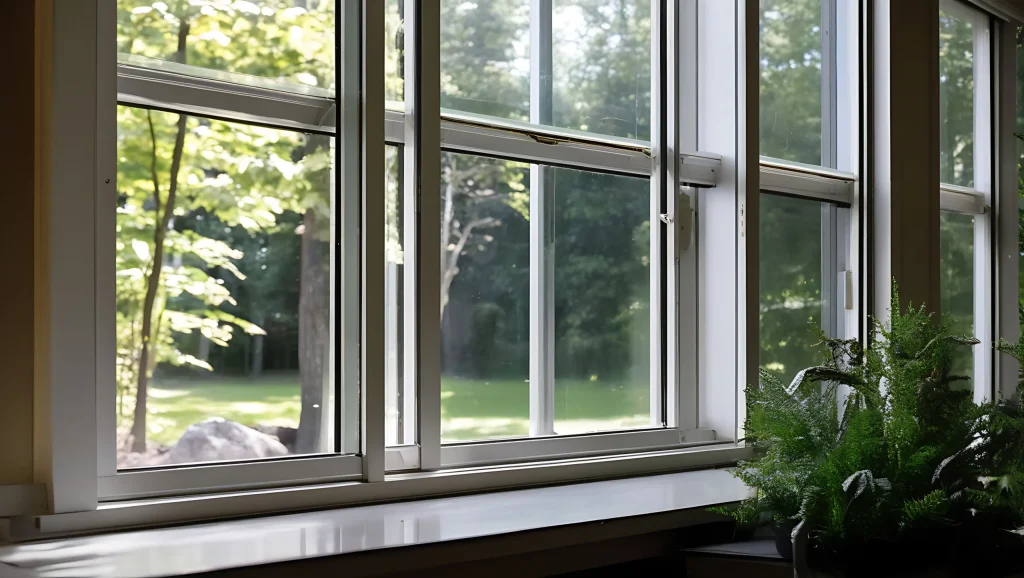
Sliding windows are a perfect blend of functionality and style, offering a sleek, modern look that fits seamlessly into any home. They slide horizontally along a track, saving space while still providing ample natural light and ventilation.

Unlike traditional double-hung windows, sliding windows don’t open outward, making them ideal for rooms with limited space. They’re a great choice for anyone seeking unobstructed views and easy operation, all while adding a contemporary touch to your home.
Types of Sliding Windows
1. Single-Slider Windows

These windows feature one fixed pane and one movable sash that slides horizontally. Single-slider windows are simple to operate and cost-effective, making them a popular choice for various home designs. They are commonly used in bedrooms and living rooms, offering a functional solution without taking up much space.
2. Double-Slider Windows

With both sashes capable of sliding, double-slider windows offer better airflow and ventilation control. This design allows for more flexibility when adjusting the window to let in fresh air. Double-slider windows are ideal for kitchens, bathrooms, and living rooms, where you might need a larger opening for airflow and easy cleaning.
3. Triple-Slider Windows

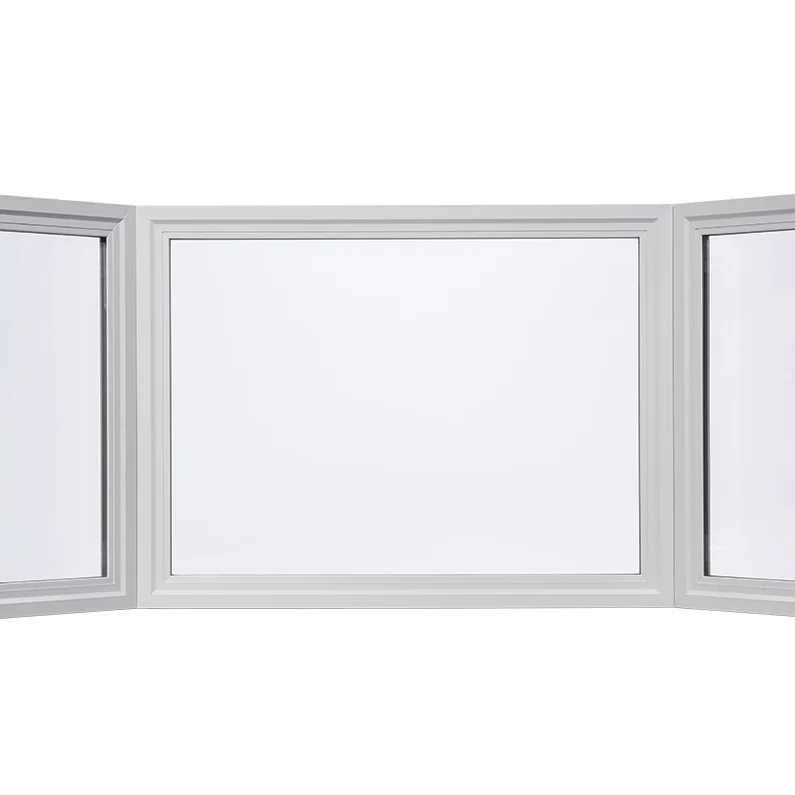
Featuring a central fixed pane with two sliding panels on either side, triple-slider windows are perfect for larger window openings. This configuration offers panoramic views while allowing you to control ventilation by sliding either side of the window. They are ideal for spaces that benefit from wide, unobstructed views, such as living rooms or areas with expansive landscapes.
4. Lift and Slide Windows
Lift and slide windows operate by lifting the sash slightly before sliding it horizontally, offering an airtight seal when closed. This mechanism enhances energy efficiency and smooth operation. These windows are a great choice for modern spaces where design, ease of use, and performance are top priorities.
Material Options for Sliding Windows
Vinyl

Vinyl sliding windows are an affordable option that offers low maintenance and excellent energy efficiency. They are resistant to moisture and won’t peel or fade over time, making them ideal for a wide range of climates. Vinyl is perfect for homeowners looking for a cost-effective yet durable window material.
Aluminum

Aluminum frames are known for their sleek, modern appearance and strength. They are lightweight, durable, and resistant to rust and corrosion. Although aluminum is not as energy-efficient as other materials, it’s an excellent choice for homeowners who want a contemporary look and long-lasting performance.
Wood
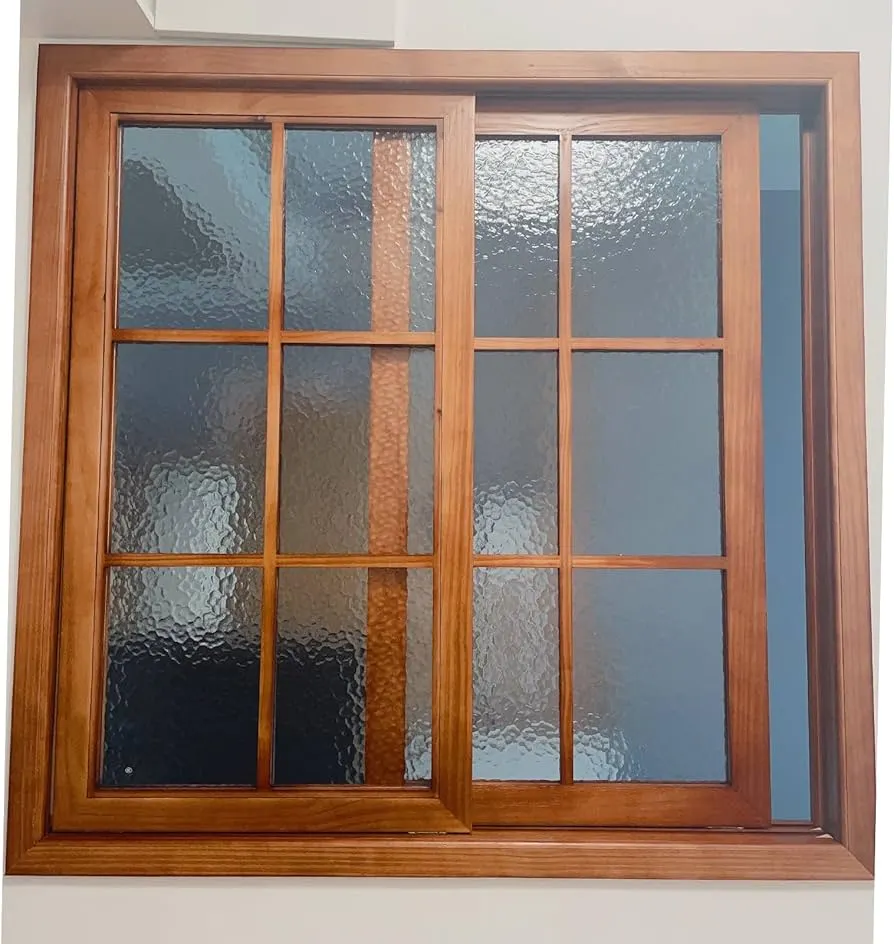
Wood sliding windows provide a timeless, classic look with natural beauty. Wood offers great insulation but requires more maintenance than vinyl or aluminum to prevent issues like rot, warping, or pests. It’s best suited for those who want a traditional aesthetic and are willing to invest in upkeep.
Fiberglass

Fiberglass windows are incredibly durable and energy-efficient. Known for their superior strength, they provide excellent insulation and require minimal maintenance. Although they may be more expensive than other materials, fiberglass offers long-term value and is a great choice for homeowners seeking durability and energy efficiency.
Material Comparison Table
Energy Efficiency of Sliding Windows
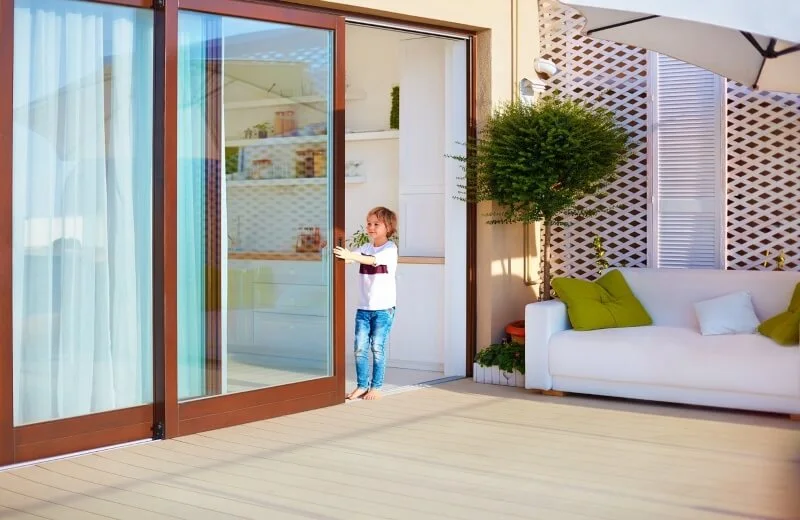
Double/Triple Glazing: Double and triple glazing use multiple glass layers, improving insulation by trapping air or gas between panes. This helps maintain a comfortable temperature and reduces energy costs.
Low-E Glass: Low-E glass reflects heat while allowing natural light, keeping your home cooler in summer and warmer in winter. It boosts energy efficiency without blocking light.
Gas Fills (Argon or Krypton): Argon or krypton gas between glass panes enhances insulation. These gases reduce heat transfer, keeping your home comfortable year-round.
Benefits in Winter and Summer: With energy-efficient features, sliding windows keep your home cozy in winter and cool in summer, helping reduce heating and cooling costs.
Security Features in Sliding Windows

Locking Mechanisms: Multi-point locks provide enhanced security by locking at multiple points along the frame, making it harder for intruders to force open. Single-point locks are simpler but less secure.
Reinforced Frames: Frames made from aluminum, fiberglass, or steel offer stronger protection against forced entry. Reinforced frames ensure added durability and security, especially for ground-level windows.
Tempered Glass: Tempered glass is stronger than regular glass and breaks into small, blunt pieces, reducing the risk of injury. It also enhances the window’s overall security and durability.
Optional Security Screens or Bars: Adding security screens or bars can further protect against intruders while allowing fresh air to flow. These additions provide extra peace of mind, especially in vulnerable areas.
Ventilation Control with Sliding Windows

How Sliding Windows Offer Better Airflow and Fresh Air: Sliding windows allow for easy ventilation by simply sliding the sash open, offering continuous airflow. Their horizontal design ensures a wide opening, letting in more fresh air compared to traditional vertical windows.
Using Ventilation Locks for Controlled Ventilation: Many sliding windows feature ventilation locks that allow you to partially open the window while keeping it secure. This feature is especially useful for controlling airflow in areas with changing weather.
Ideal for Areas with Variable Weather: Sliding windows are perfect for spaces where you need flexibility in ventilation. Whether it’s a mild breeze or a more controlled airflow, you can easily adjust the window to meet your needs, making them ideal for areas with unpredictable weather.
Aesthetic Considerations
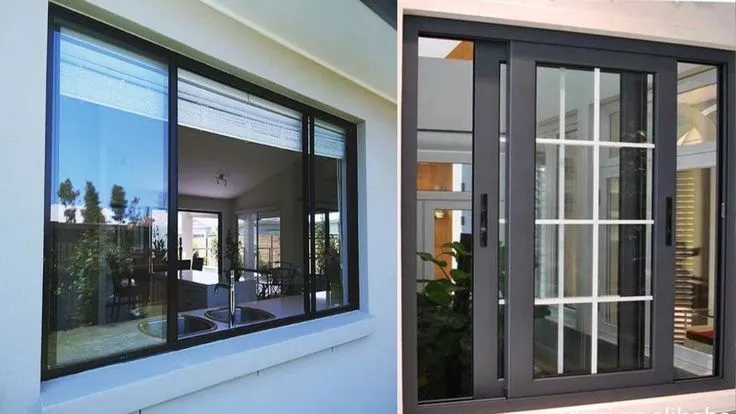
Modern Aesthetic: Sliding windows are known for their sleek, clean lines and minimalist design. Their simple, horizontal operation makes them a perfect fit for modern and contemporary interiors, offering a streamlined, unobtrusive look.
Customization: Sliding windows offer a range of customization options, including various color choices, frame finishes, and grille styles. Whether you prefer a bold, modern look or a more traditional appearance, these windows can be tailored to suit your home’s aesthetic.
Ideal Settings: These windows work beautifully in contemporary, industrial, and modern-style homes. Their design complements open spaces, creating a seamless connection between indoor and outdoor environments, making them a popular choice for these styles.
Custom Sizes and Configurations for Unique Spaces: Sliding windows are available in custom sizes and configurations, making them an ideal choice for unique spaces. Whether you’re outfitting large walls or smaller, unconventional openings, these windows can be tailored to fit perfectly.
Maintenance and Cleaning of Sliding Windows
Track Maintenance: To ensure your sliding windows continue to operate smoothly, it’s important to regularly clean the tracks and apply lubricant to the moving parts. This reduces friction and prevents the window from sticking or jamming.
Seal and Weatherstripping: Check the seals and weatherstripping around your sliding windows periodically. Damaged seals can lead to air leakage, affecting the energy efficiency of your home. Replacing worn-out seals helps maintain insulation and prevents drafts.
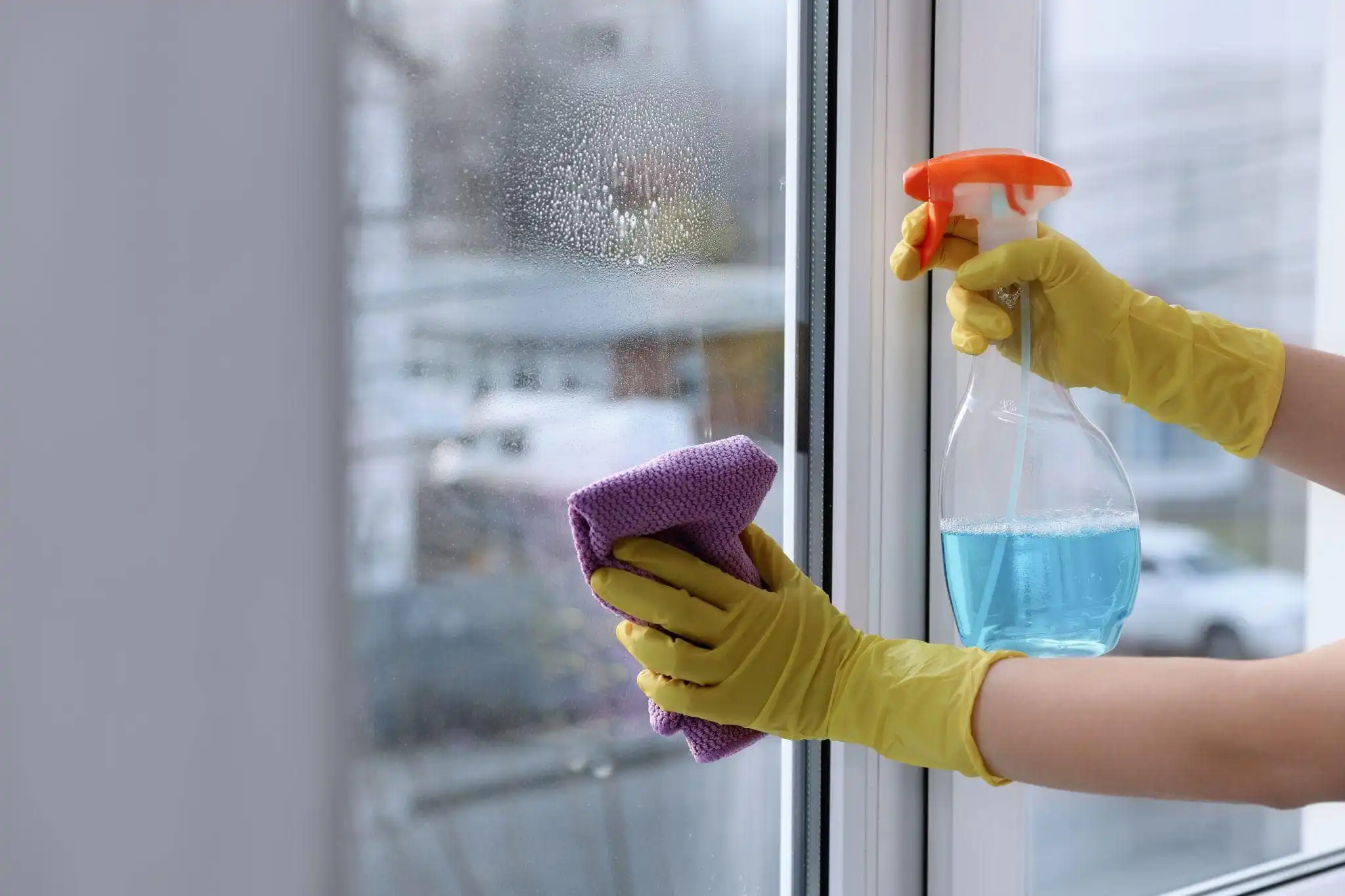
Cleaning the Glass: Cleaning sliding windows is straightforward, especially when the sashes are removable or can tilt. Use a soft cloth and mild detergent to wipe down the glass, ensuring you remove dirt and smudges for a clear view. Regular cleaning helps maintain the window’s appearance.
How to Prevent Dirt and Debris Build-Up in Tracks: To prevent dirt and debris from accumulating in the tracks, regularly vacuum or wipe the tracks with a damp cloth. Keeping the tracks clean ensures smooth operation and prevents the buildup of grime that could interfere with the sliding mechanism.



Cost Comparison and Value for Money

Initial Investment for Different Sliding Window Types
When considering sliding windows, the initial cost varies based on the type and materials. Single-slider windows are the most affordable, while double and triple-slider windows cost more due to their additional panes and features. Lift-and-slide windows, offering superior energy efficiency and modern design, tend to be the most expensive option.
Long-Term Savings
Sliding windows, especially those with double or triple glazing and Low-E glass, can result in long-term savings. Their energy efficiency helps reduce heating and cooling costs, while their low-maintenance nature means fewer repair costs over time. Regular cleaning and maintenance of tracks and seals can further enhance their lifespan and performance.
Budget Considerations
Choosing the best sliding window depends on both your initial budget and long-term value. While single-slider windows offer a cost-effective solution, double-slider and lift-and-slide options offer better ventilation and energy efficiency, making them a worthwhile investment if your budget allows. Consider the long-term savings on energy bills and reduced maintenance when making your decision.