












What Is a Window Balance?
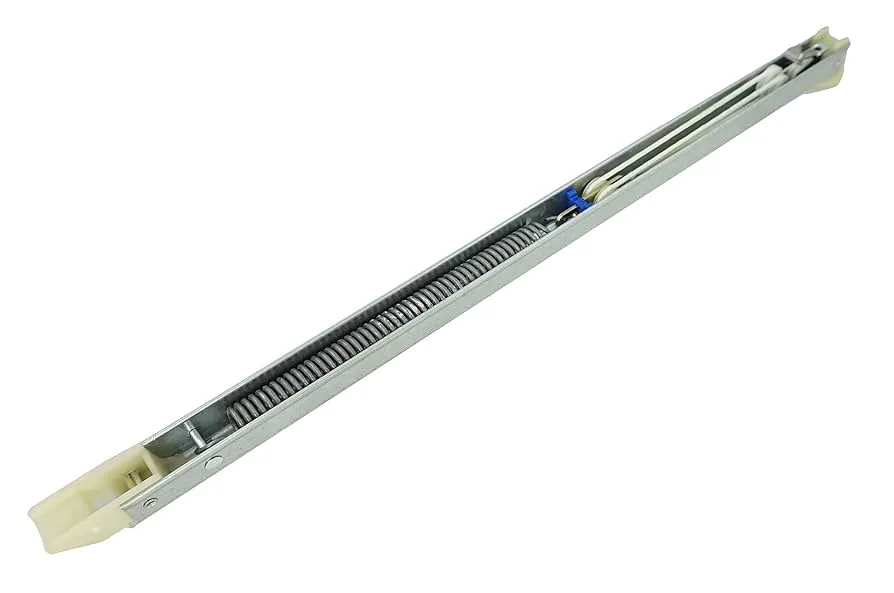
If you’ve ever opened a window and noticed it gliding up smoothly—or staying in place without slamming shut—you can thank the window balance.
A window balance is a hidden mechanical system inside the window frame. Its main job is simple but vital: it counterbalances the sash weight, making the window easy to lift and keeping it steady at any height. Without it, the sash would feel heavy, slide down suddenly, or refuse to stay open.
You’ll most often find window balances in single-hung and double-hung windows, where the sash moves vertically. These balances are what make everyday use safe, smooth, and effortless. Whether you’re opening a window for fresh air or locking it shut for insulation, the balance ensures performance and reliability.
Types of Window Balances

Not all window balances are built the same. Over time, different designs have been developed to match building styles, performance needs, and even budget. Here are the four most common types you’ll come across:
Cord & Weight (Rope & Pulley)
This is the classic style often found in older homes. A heavy sash weight is hidden inside the wall, connected by a rope and pulley system. When you lift the window, the weight counterbalances it. While charming and reliable, these systems take up wall space and require more maintenance if ropes fray or weights shift.
Spiral Balances (Tube Balances)
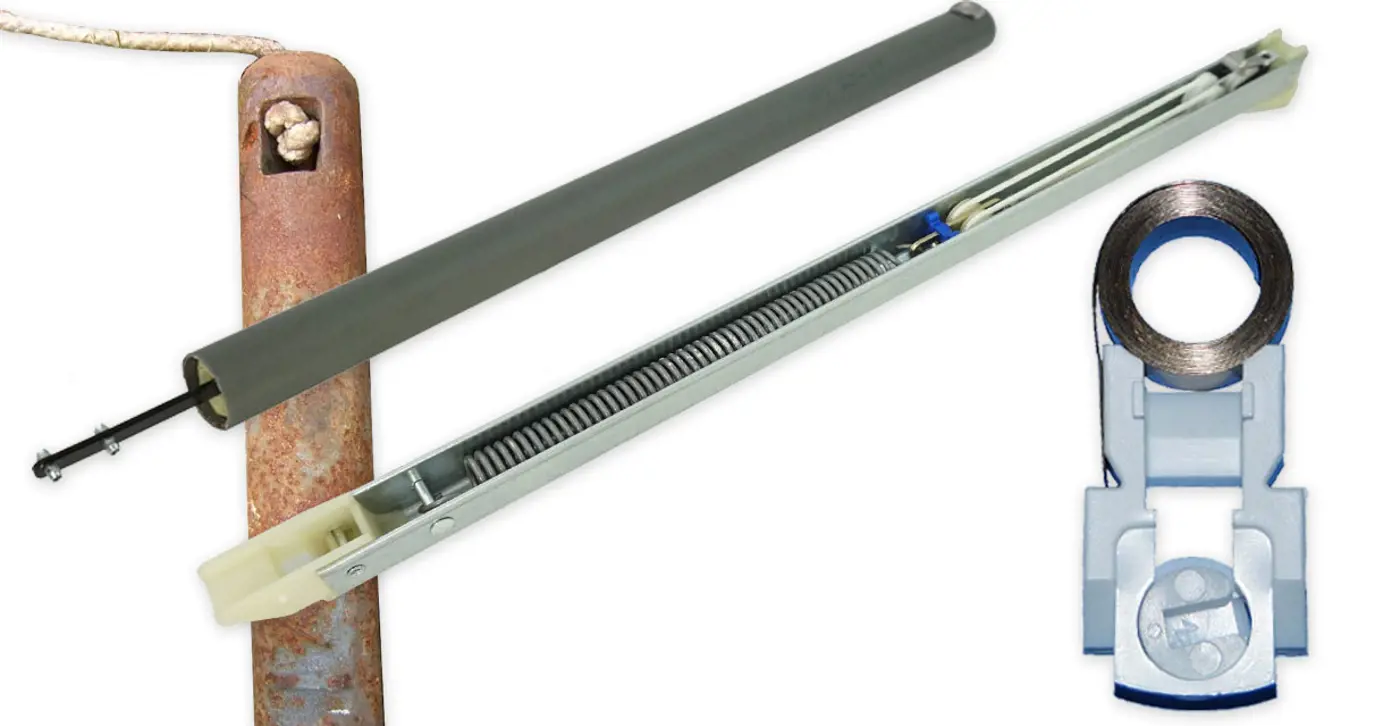
Spiral balances use a spring inside a metal tube, with a rod that turns to create tension. The spiral mechanism supports the sash as it moves up and down. These are compact, versatile, and still popular today, though they sometimes need re-tensioning or lubrication to keep working smoothly.
Block & Tackle Balances (Channel Balances)
One of the most common modern choices, block & tackle balances use a spring and pulley combination inside a metal channel. This setup gives smooth operation, long life, and strong support for heavier sashes. They’re widely used because they provide excellent balance performance while fitting into narrow window frames.
Constant Force (Coil Spring) Balances
Also called coil spring balances, these use a flat, coiled spring that applies consistent tension to the sash. They are slim, low-maintenance, and often used in new construction. Constant force balances are especially effective for energy-efficient windows, as they provide smooth, reliable operation with minimal wear.
How Window Balances Work (Mechanism)

A window balance may be hidden inside the frame, but it’s doing a lot of heavy lifting behind the scenes. Understanding how it works can help you spot problems early and choose the right replacement when needed.
Internal Components
Most balances rely on a combination of springs, rods, pulleys, or cords. These parts work together to offset the weight of the sash. For example, in a spiral balance, a spring and rod inside a tube create controlled tension. In block & tackle systems, pulleys and cords distribute force evenly so the sash moves smoothly.
Tensioning & Calibration
The balance has to be tuned, or calibrated, to match the specific window sash. Too little tension, and the sash will drift downward. Too much tension, and it may be hard to close or might bounce upward. Proper calibration ensures the sash glides easily and stays exactly where you leave it.
Balance Strength vs. Sash Weight
Every window balance is rated to support a certain sash weight range. Matching this strength rating to your window is critical. If the balance is undersized, it wears out quickly and the sash won’t hold. If oversized, operation feels stiff and unnatural. This weight-to-strength relationship is why accurate measurement and part identification matter so much when replacing balances.
Signs of a Failing or Bad Window Balance
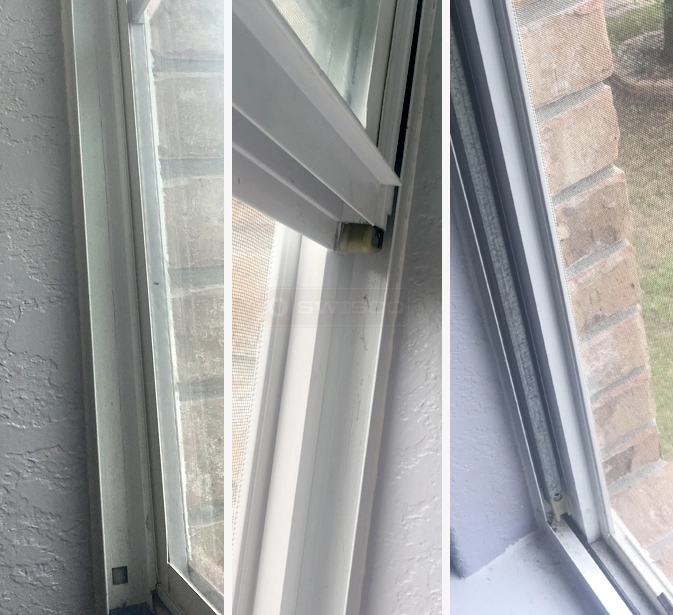
A window balance is easy to overlook—until it stops working. Here are the most common signs that your balance may be failing:
- Window Won’t Stay Open: If your sash slides down or slams shut as soon as you let go, the balance is no longer supporting its weight. This is one of the clearest warning signs.
- Difficult or Jerky Movement: A heavy or uneven glide often points to worn springs or pulleys. Instead of smooth operation, you’ll feel resistance or sudden stops.
- Imbalance or Tilt: When one side of the sash rises higher or binds in the frame, it means the balances aren’t working evenly. This can also cause damage to other parts of the window over time.
- Visible Damage or Strange Noises: Snapping sounds, broken springs, or visible fraying cords inside the jamb are red flags. Once parts are damaged, the balance will only get worse with use.
Repair vs Replacement

- When Minor Fixes Work: Some balances, like spiral types, can be re-tensioned or lubricated. If the issue is only stiffness or loss of tension, a quick adjustment may extend their life.
- When Replacement Is the Best Option: If the balance is broken, uneven, or can no longer hold the sash, replacement is the safest and most effective fix. Modern balances are affordable and designed for long service.
- Replace in Pairs: For best results, always replace both balances on the same sash. A new balance paired with an old one will create uneven tension, leading to more problems.
Step-by-Step Replacement of a Window Balance

Replacing a window balance might sound intimidating, but with the right steps and a bit of care, it’s a task many homeowners can handle. Here’s how to do it safely and correctly.
1. Remove the Sash Safely
Start by unlocking the window and lifting the sash out of the frame. For tilt windows, tilt the sash inward before removing. Always support the weight—balances are designed to help, so without them the sash can feel much heavier.
2. Take Out the Old Balance
Locate the balances in the side jambs. Depending on the type (spiral, block & tackle, or constant force), you may need a screwdriver to unclip or unscrew them. Remove carefully so springs or pulleys don’t snap unexpectedly.
3. Measure and Order Correct Replacements
Accurate sizing is critical. Measure the length of the channel, the width, and note any stamped numbers or codes on the old balance. Match these details to the sash weight to ensure you order the right part.
4. Install the New Balance & Calibrate
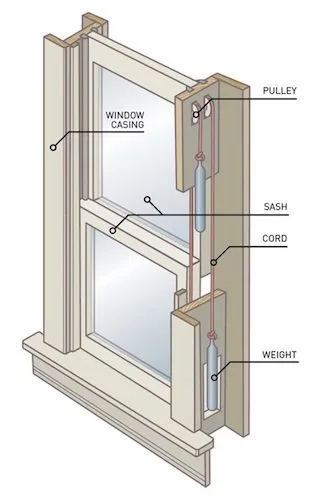
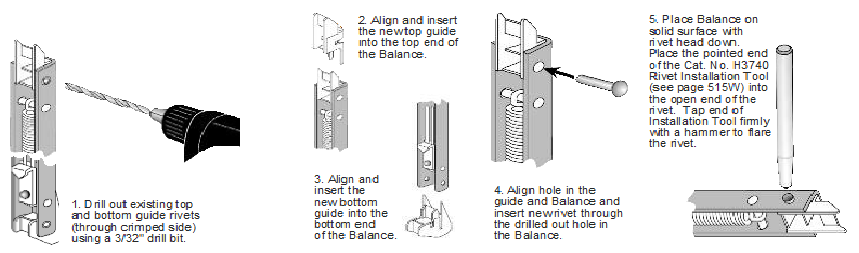
Fit the new balances into the jambs and secure them in place. If you’re working with spiral balances, adjust the spring tension according to manufacturer guidelines. For block & tackle or coil balances, ensure cords or springs are properly seated and aligned.
5. Reinstall the Sash and Test
Place the sash back into the frame and operate the window several times. It should lift smoothly, hold open at any height, and close without resistance.
6. Avoid Common Pitfalls
Don’t replace just one side—always do both for even tension.
Never guess the balance size; improper sizing leads to failure.
Avoid over-tensioning spirals, which can shorten their lifespan.
Handle all spring systems with care—they’re under tension.
With the right replacement balance and careful installation, your window will feel like new again—smooth, balanced, and reliable.
Measuring & Choosing the Right Balance
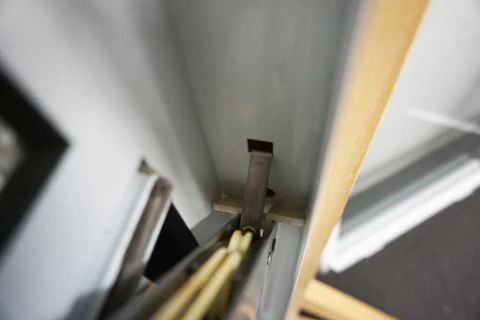
Getting the right replacement balance isn’t guesswork—it’s precision. A balance that’s too weak won’t hold the sash, while one that’s too strong makes the window hard to move. Here’s how to measure correctly:
- Measure Channel Length and Width: Remove the old balance and measure the metal channel only (don’t include the plastic attachments at either end). Record both the length and width.
- Check Part Stamps and Codes: Most balances are stamped with numbers or letters that indicate their weight rating or series. These codes are crucial for finding the right replacement.
- Determine the Spring Rating: The balance must match the sash weight. You can weigh the sash on a scale or use the manufacturer’s charts. Brands like Apro provide guides that help you match your sash weight to the correct balance rating.
- Match End Attachments and Pivot Shoes: It’s not just about the channel. Pay attention to the end fittings, shoes, or attachments. These small parts ensure the balance fits securely in your window frame and works as designed.
Maintenance Tips & Longevity
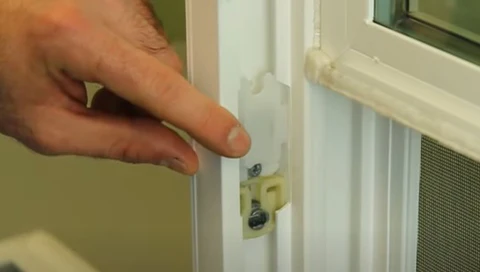
Even the best balance won’t last forever, but with a little care, you can extend its life.
- Keep Tracks Clean: Dirt and debris in the jamb create friction and wear. Regularly vacuum or wipe the tracks to keep movement smooth.
- Use the Right Lubrication: Apply a light coating of silicone spray or dry lubricant. Avoid grease or oil—they attract dust and gum up the mechanism.
- Inspect and Adjust Periodically: Check balances during seasonal window cleaning. Look for uneven tension, stiffness, or fraying cords. If you spot an issue, address it early.
- Replace at the First Sign of Wear: Balances under strain will only get worse with time. If one fails, replace both on the sash to restore proper balance and avoid uneven wear.
Upgrading to Modern Balances
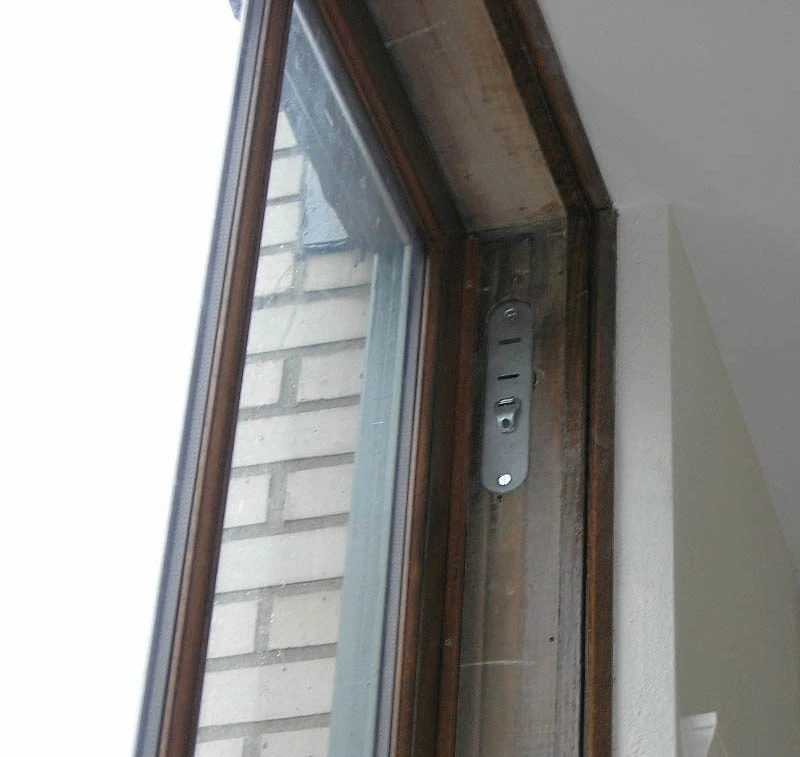
If your home still has cord and weight windows, you know they can be charming but also outdated. The good news is that you don’t have to keep dealing with worn ropes and hidden weights—these systems can be upgraded.
Converting Older Systems
When old cord-and-weight windows are renovated, the weights are often removed and replaced with a modern balance system. This frees up wall space and reduces maintenance while keeping your original window frames intact.
Benefits of Modern Balances
Constant force balances are slim, durable, and low-maintenance, making them ideal for energy-efficient windows.
Block & tackle balances offer smooth operation and strong support for heavier sashes, with a long service life.
Upgrading improves not only performance but also energy savings, since modern balances reduce air leaks.
Hybrid or Specialty Options
Some manufacturers offer hybrid balances that blend features for unique applications, like oversized sashes or commercial-grade windows. These systems provide flexibility where standard balances might fall short.
Troubleshooting Common Problems

Even with new balances, issues can crop up. Here are the most common ones and what they mean:
- One Side Drops While the Other Holds
- This usually means one balance has failed while the other is still working. The fix: replace both balances on the sash for even tension.
- Spring Noise or Weak Tension: If you hear grinding, squeaking, or notice weak support, the spring may be worn or under-lubricated. Lubricate with silicone spray or replace if damage is visible.
- Wrong Rating or Part Mismatch: If the sash feels too heavy or too stiff, you may have installed a balance with the wrong weight rating or incompatible attachments. Double-check the sash weight and part codes before ordering replacements.
Where to Source Parts & Balances

Finding the right window balance isn’t just about knowing what you need—it’s also about knowing where to get it. Choosing the right source ensures you receive reliable parts that will keep your windows working smoothly for years.
Specialized Hardware Vendors
Start with suppliers who specialize in window hardware. These vendors typically offer a wide range of balances—spiral, block & tackle, constant force—and provide helpful guides or support to match the correct part to your sash. Many also sell related accessories like pivot shoes, end fittings, or tilt latches.
OEM vs. Aftermarket Options
OEM (Original Equipment Manufacturer): These are balances made by the same company that produced your original window hardware. They guarantee exact fit and performance but can be more expensive.
Aftermarket: High-quality aftermarket balances are often more affordable and widely available. Many are tested to meet or exceed OEM standards, making them a practical choice for most homeowners.
Tips for Verifying Quality
Check material durability: Look for steel channels, rust-resistant coatings, and sturdy springs.
Read part codes carefully: Matching stamps, series numbers, or weight ratings is essential to avoid mismatched performance.
Buy from trusted sellers: Choose vendors with technical support and detailed documentation—not just generic listings.
Order in pairs: Always replace both balances on the same sash for smooth and even operation.
By sourcing from the right place and confirming part quality, you’ll ensure your replacement balances deliver long-lasting performance and peace of mind.
Ready to Restore Smooth Window Operation?
A failing window balance can turn everyday use into a hassle—and even a safety risk. The good news is that the right replacement can bring your windows back to life with smooth, reliable performance.
Whether you need help identifying your balance type, sourcing high-quality replacements, or getting professional installation advice, our team is here to support you every step of the way.
Contact us today to get expert guidance, trusted parts, and solutions that ensure your windows work like new.
FAQs
How do I know what window balance I need?
Measure the length and width of the metal balance channel, check any stamped codes or part numbers, and match it to your sash weight.
What is the best balance system for windows?
Constant-force (coil spring) balances tend to be the best all-round choice—they’re slim, durable, and provide consistent tension with low maintenance.
What is a window balance?
A window balance is a hidden component in single-hung and double-hung windows that offsets the sash weight, allowing smooth operation and holding the window in place.
How to know if a window balance is bad?
If your window won’t stay open, feels heavy or jerky to move, sash tilts or binds, or you hear snapping or broken parts, the balance is likely failing.