

Window On Condensation: Causes, Solutions & Prevention

Window condensation happens when warm, moist air meets cold glass. Learn the causes, types, and simple ways to reduce moisture and prevent damage.
Close up of window condensation with sunlight glow
Table of Contents
Please enable JavaScript in your browser to complete this form.
Like this article? Share it on:

Table of Contents

What Is Window Condensation?
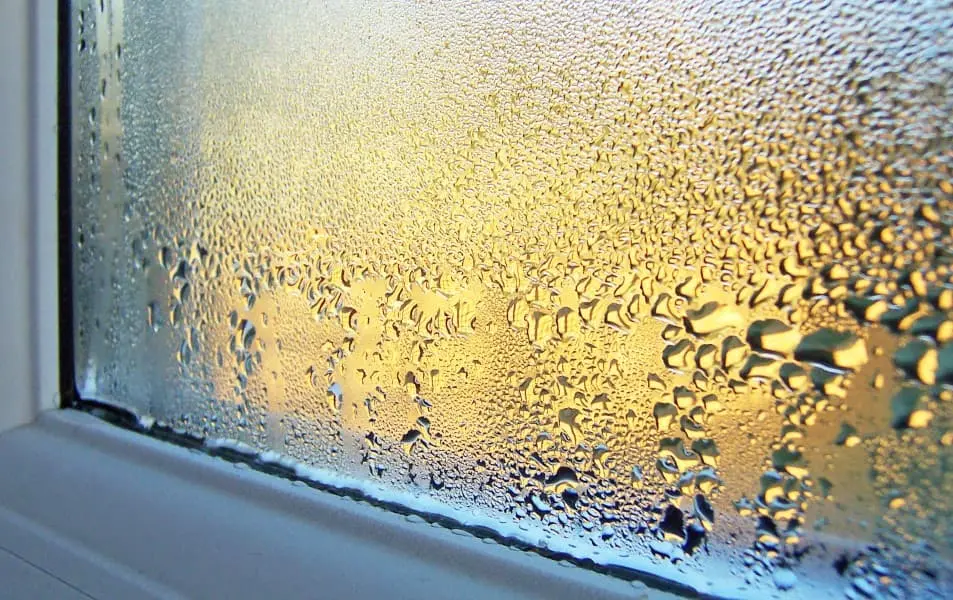
Close up of window condensation with sunlight glow

Window condensation is the moisture you see on window glass when water vapor in the air turns into liquid. It usually shows up as fog, mist, or small water droplets on the surface of your windows. While it may look like a window problem, condensation is actually an air moisture issue, not a glass defect.

Condensation forms because warm air can hold more moisture than cold air. When warm, humid air inside your home touches cooler window glass, it cools down quickly. As the air cools, it can’t hold all that moisture anymore, so the excess water turns into droplets on the glass.

This process depends on three key factors:

  • Indoor humidity from cooking, showering, and daily living

  • Cold window surfaces, especially in winter

  • Limited airflow that traps moist air near the glass

In simple terms, window condensation happens when warm, moist air meets cold glass. Understanding this basic process helps you control moisture and prevent future problems.

Types of Window Condensation

Not all window condensation is the same. Where the moisture appears tells you a lot about what’s causing it—and whether it’s a normal condition or a real problem. Below are the three main types of window condensation, explained in simple terms.

1. Interior Surface Condensation

Condensation word drawn on window glass surface

Interior surface condensation appears on the inside of the window glass, facing your room. This is the most common type of window condensation and usually shows up in colder weather.

It happens when warm, moist indoor air touches cold window glass. Bathrooms, kitchens, and bedrooms often see this first because daily activities like cooking, showering, and sleeping release moisture into the air.

In most cases, interior condensation is a humidity and ventilation issue, not a window defect. Improving airflow or lowering indoor humidity often reduces or eliminates it.

2. Exterior Surface Condensation

Morning exterior condensation on window glass

Exterior surface condensation forms on the outside of the window, typically in the early morning during warmer months. You’ll often see it on hot, humid summer mornings when the outdoor air is full of moisture.

This type of condensation usually means your windows are well insulated. The outer glass stays cool overnight, and when warm, humid air hits it in the morning, water droplets form.

While it may block your view for a short time, exterior condensation is not harmful and usually disappears once the sun warms the glass.

3. Between-Pane (IGU) Condensation

Condensation Between Panes How Long Do Windows Last

Between-pane condensation appears inside double- or triple-pane windows, trapped between the layers of glass. This is the most serious type of window condensation.

When this happens, it means the window’s insulated glass unit (IGU) seal has failed. The seal is designed to keep moisture out and insulating gas in. Once it breaks, humid air enters the space between panes and condenses there.

Important to know: This problem cannot be fixed by reducing indoor humidity or improving ventilation. Between-pane condensation is a clear sign of window unit failure, and repair or replacement is usually required.

How to Stop Window Condensation

Interior condensation with water droplets on glass

Stopping window condensation is all about controlling moisture and airflow. These practical steps can make a big difference:

  • Reduce indoor humidity
    Use portable or whole-house dehumidifiers. Avoid air-drying clothes indoors, especially in winter.

  • Improve ventilation
    Install trickle vents for steady air exchange. Always run kitchen and bathroom fans, and open windows when weather allows.

  • Improve air circulation
    Use ceiling or floor fans to keep air moving, especially in humid rooms.

  • Adjust heating & insulation
    Keep indoor temperatures steady to reduce cold glass. Add insulating window film to limit heat loss.

  • Upgrade windows
    Replace old units with double- or triple-glazed windows for better insulation.

  • Everyday habits
    Keep curtains open for airflow and move plants or aquariums away from windows.

Ready to Stop Window Condensation?

If window condensation keeps coming back, you may need more than quick fixes. Our team can help you identify the root cause and recommend the right solutions—from humidity control to window upgrades.

Contact us today for expert advice, product recommendations, or a personalized consultation. We’re here to help you create a drier, healthier, and more comfortable home.

FAQs

How do you stop condensation on the inside of a window?

You stop interior window condensation by reducing humidity and improving airflow—use a dehumidifier, run exhaust fans when cooking/showering, open windows for short air exchange, and keep air moving with fans. Better insulation also helps.

2. Should I be worried about condensation on the inside of my windows?

A little condensation on the inside is common and usually not serious, but if it happens often it shows high indoor humidity, which can lead to mold or wood damage if left unchecked.

3. Should I wipe condensation off windows?

Yes — wiping condensation off helps protect window frames and sills and reduces mold risk; use a towel or microfiber cloth and dry the glass fully. 

4. Is it normal to have condensation on windows in the morning?

Yes — morning condensation is common, especially after cool nights when warm, moist indoor air meets cold glass. It usually disappears as the day warms up.

Like this article? Share it on:

Leave a Reply

Your email address will not be published. Required fields are marked *

Latest Insights From Our Experts

Request A Free Quote!

Please enable JavaScript in your browser to complete this form.
Project Types

Access Your Download – Tell Us About Your Project First

Please enable JavaScript in your browser to complete this form.
Request A Free Quote!
Please enable JavaScript in your browser to complete this form.