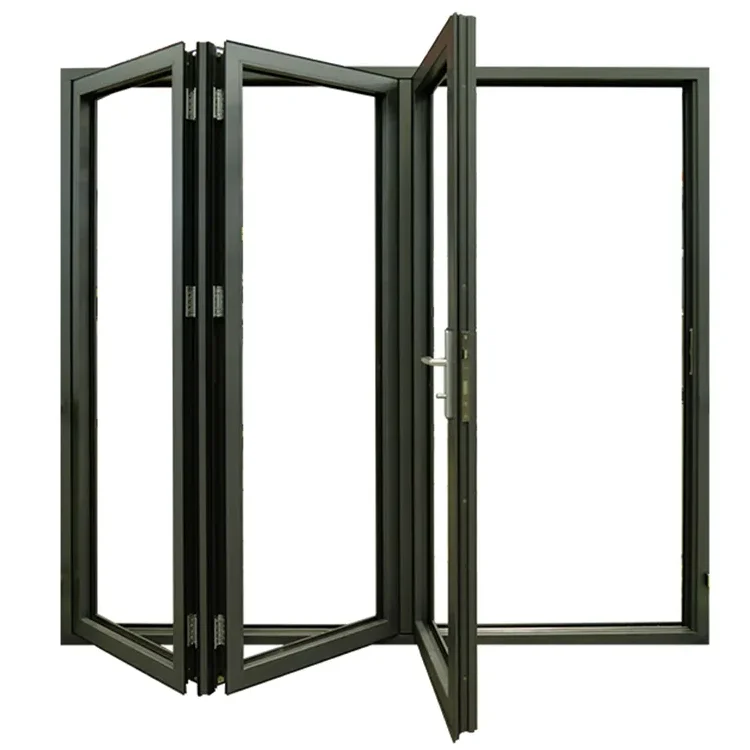
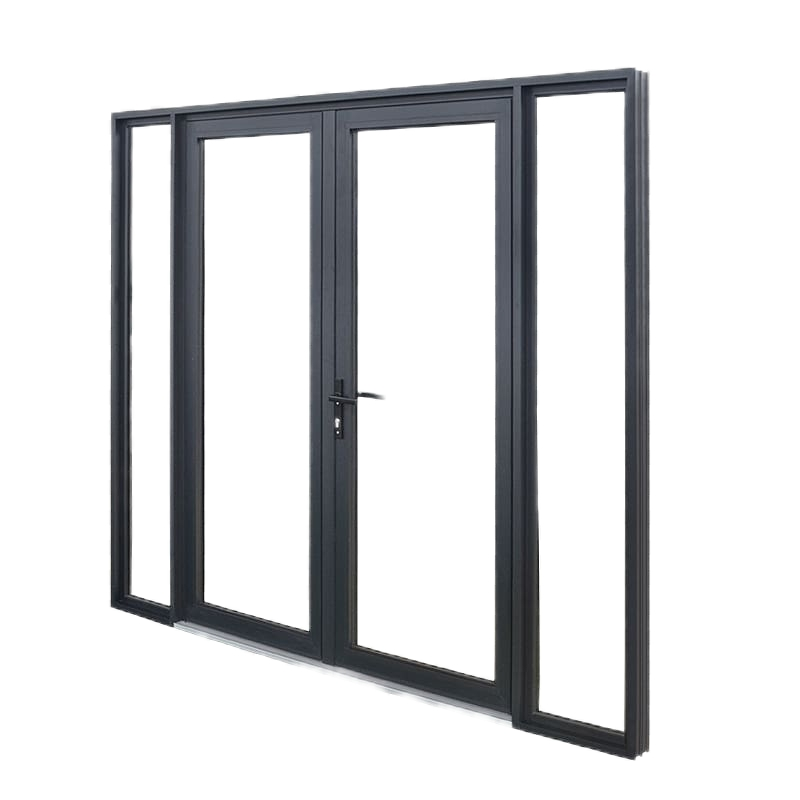


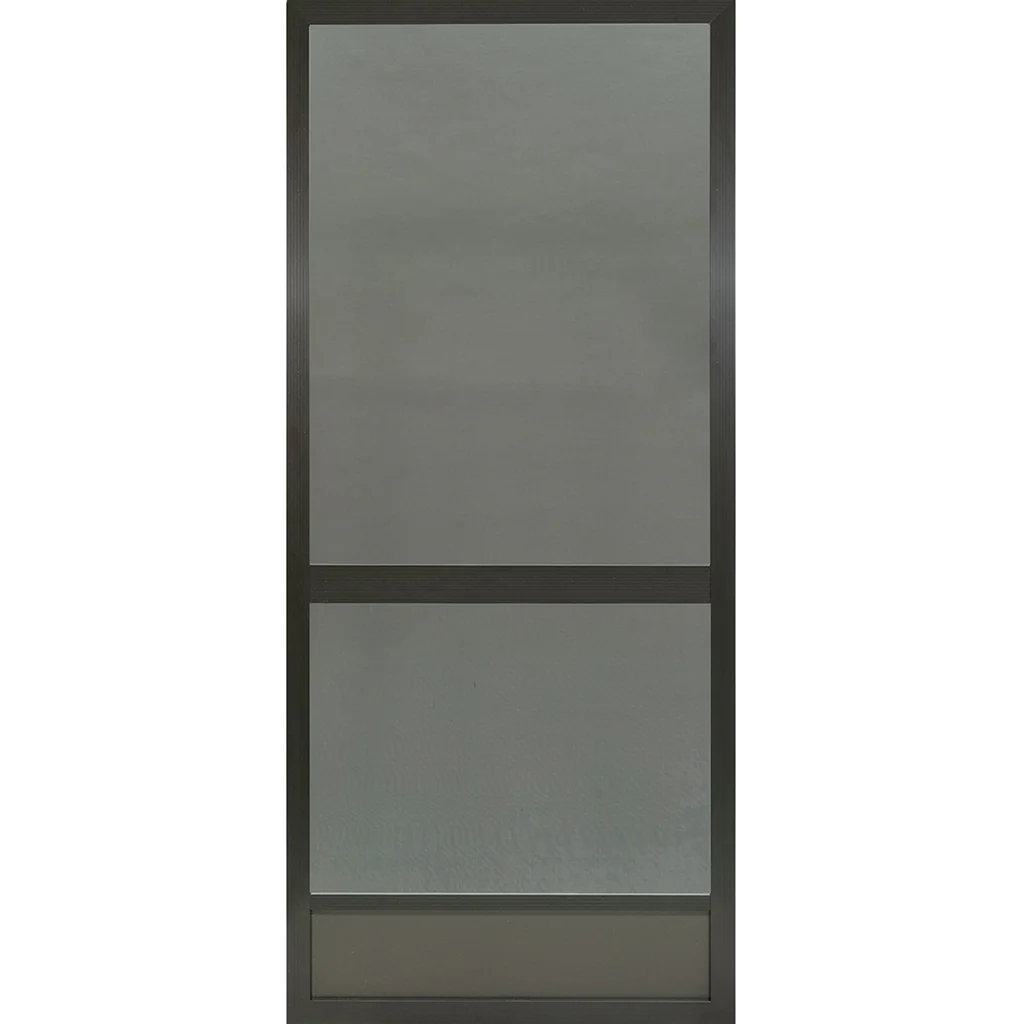

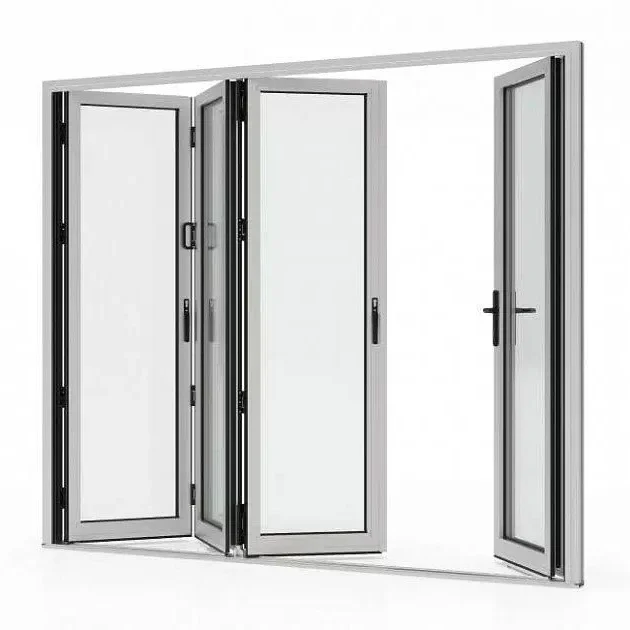


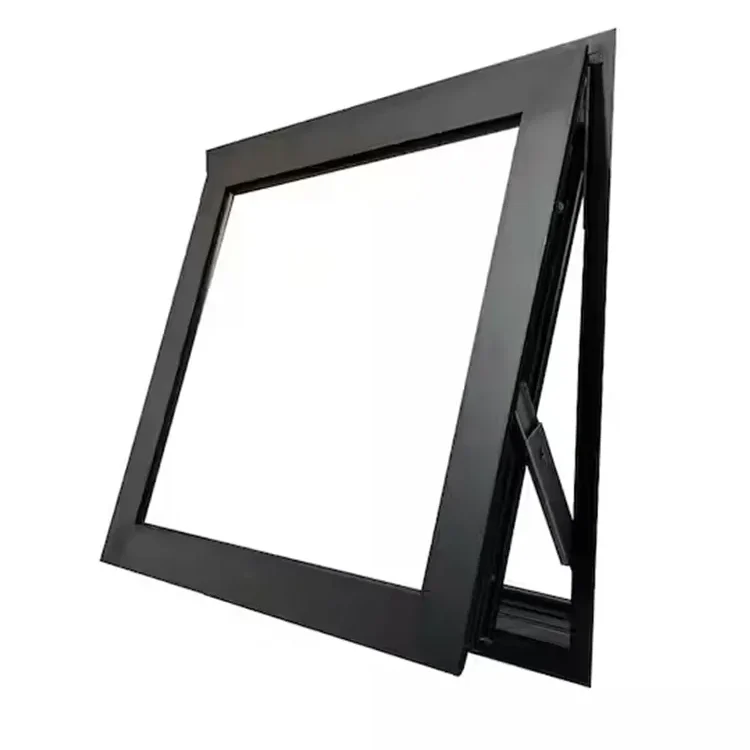

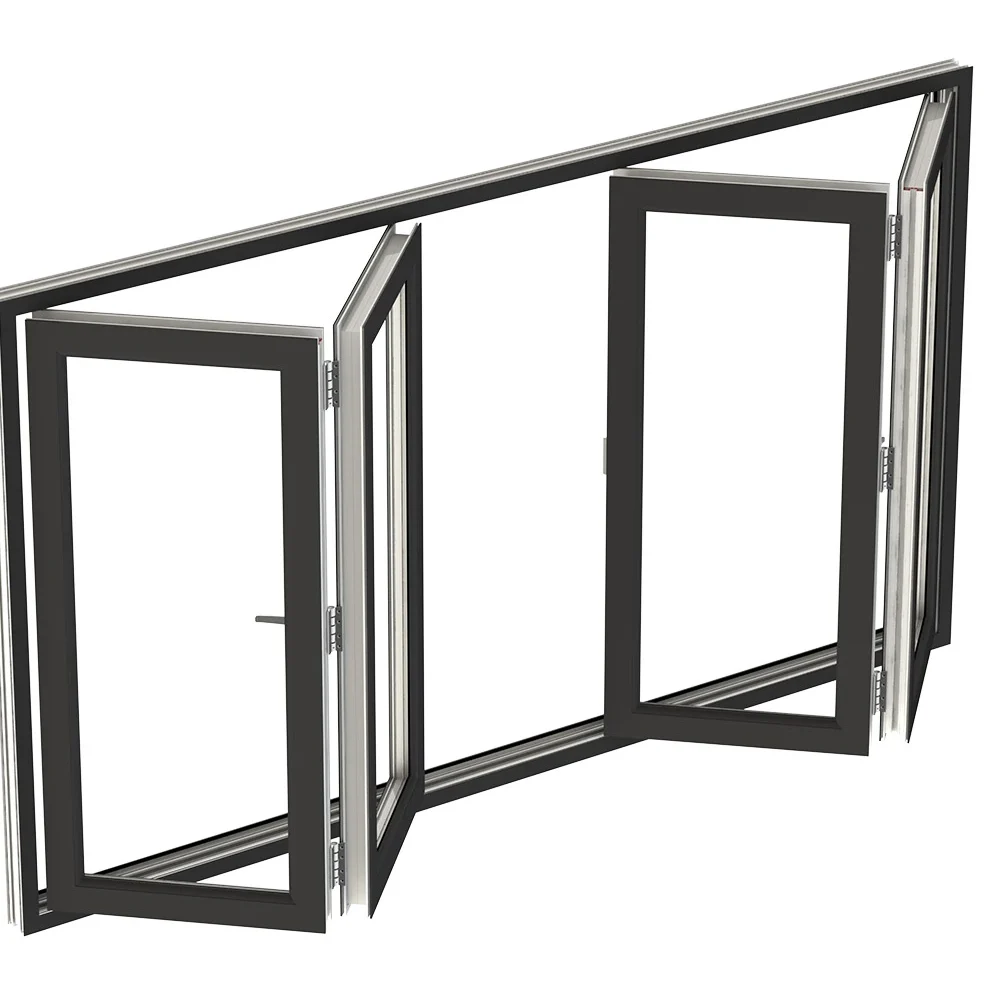




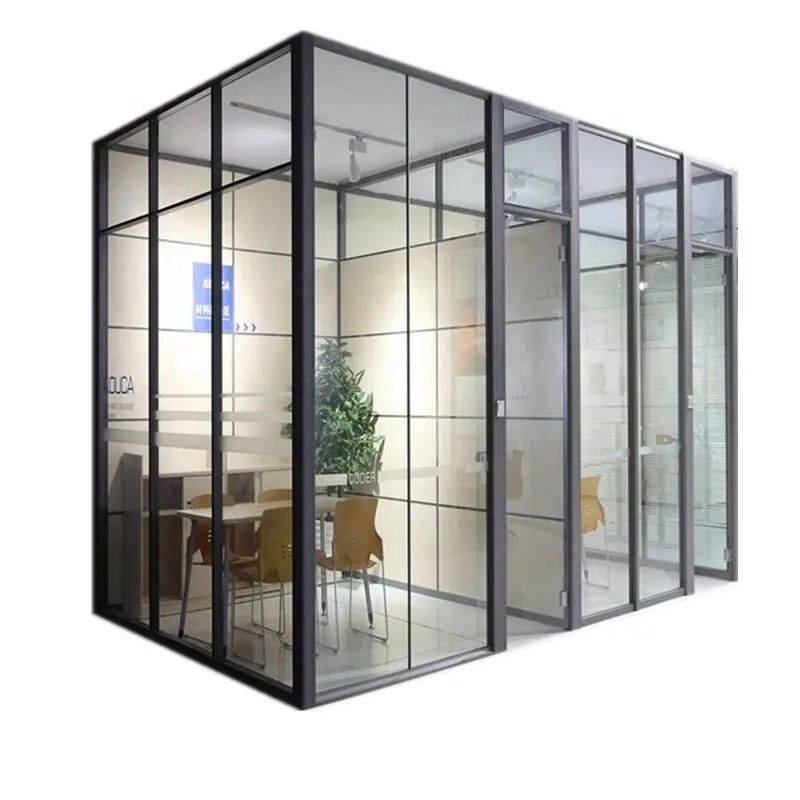


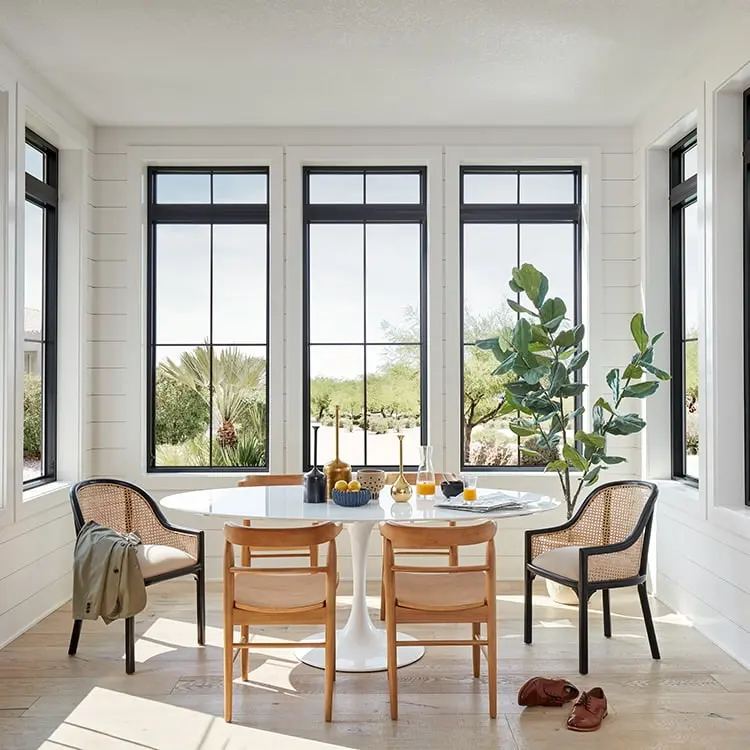


A combination window is exactly what it sounds like—a smart mix of two or more window styles built into a single frame. Usually, it combines a fixed (non-opening) section that provides an open, unobstructed view with one or more operable panels like casement, awning, or sliding windows. This design gives you the best of both worlds: panoramic visibility and practical ventilation.
The reason for combining fixed and operable windows is simple—balance and efficiency. Fixed panels bring in natural light and maintain a sleek, modern look, while operable sections let you control airflow and comfort. Together, they create a flexible, functional window system that enhances both aesthetics and everyday living.
How Combination Windows Work
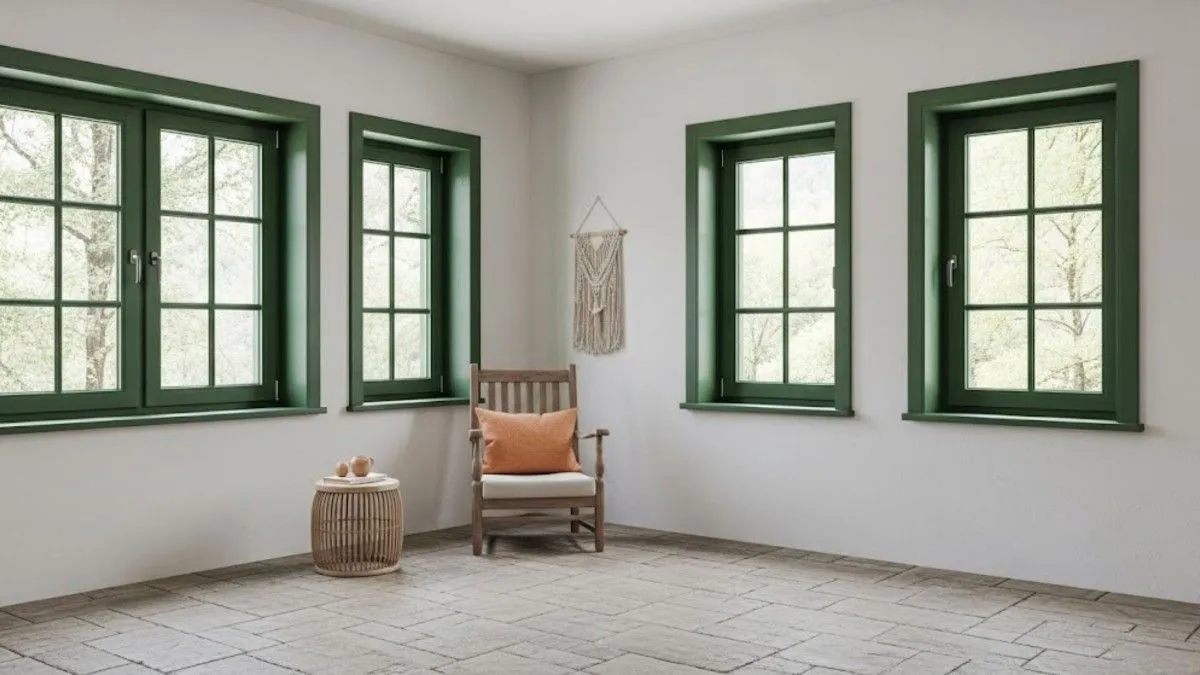
A combination window works by joining two or more window types into one seamless frame—usually a fixed picture window paired with operable sections such as casement, awning, or sliding panels. The fixed part provides a clear, unobstructed view and allows abundant natural light, while the operable parts open to let in fresh air and improve ventilation.
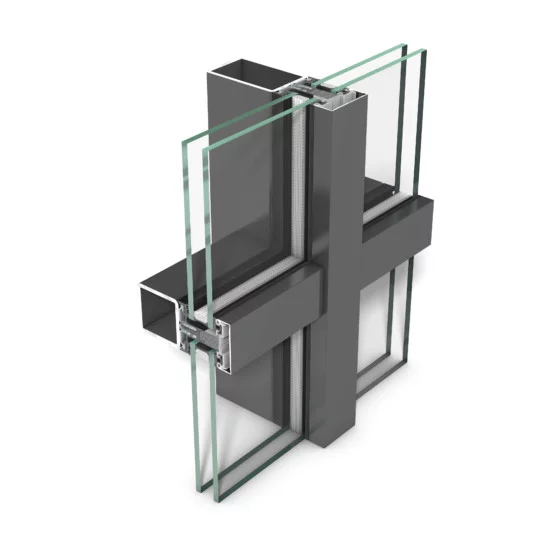
These windows are engineered with structural mullions and reinforced frames that hold multiple sections securely together. Each part functions independently yet fits perfectly within a single system. The result is a well-balanced window design that’s both strong and stylish, giving homeowners flexibility in how they use light and air throughout their space.
Popular Combination Configurations
When it comes to combination windows, the design possibilities are wide open. By mixing different window types, you can achieve the perfect balance of light, ventilation, and visual appeal. Below are some of the most common and effective combinations used in both modern and traditional homes.
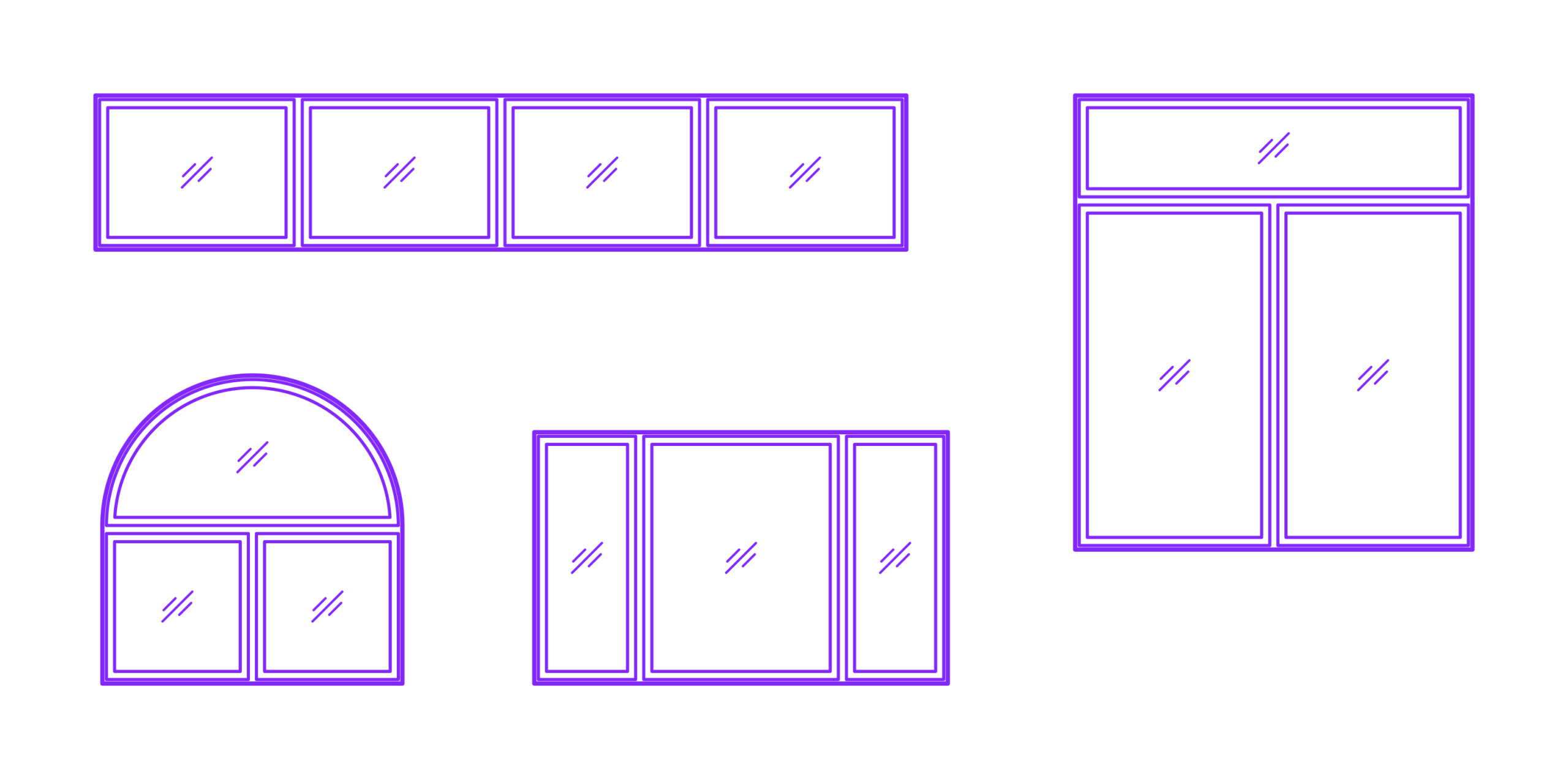
Picture + Casement
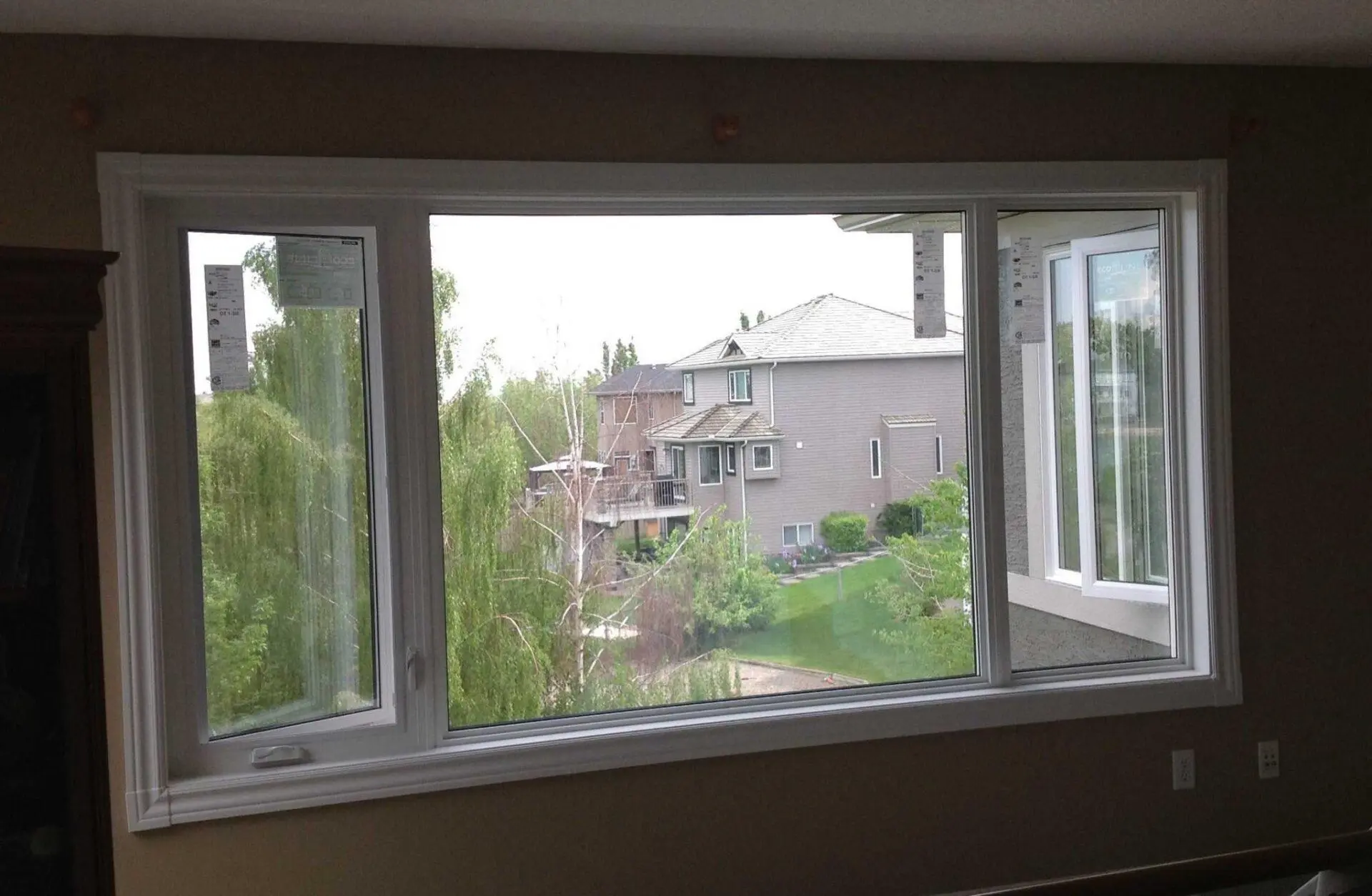
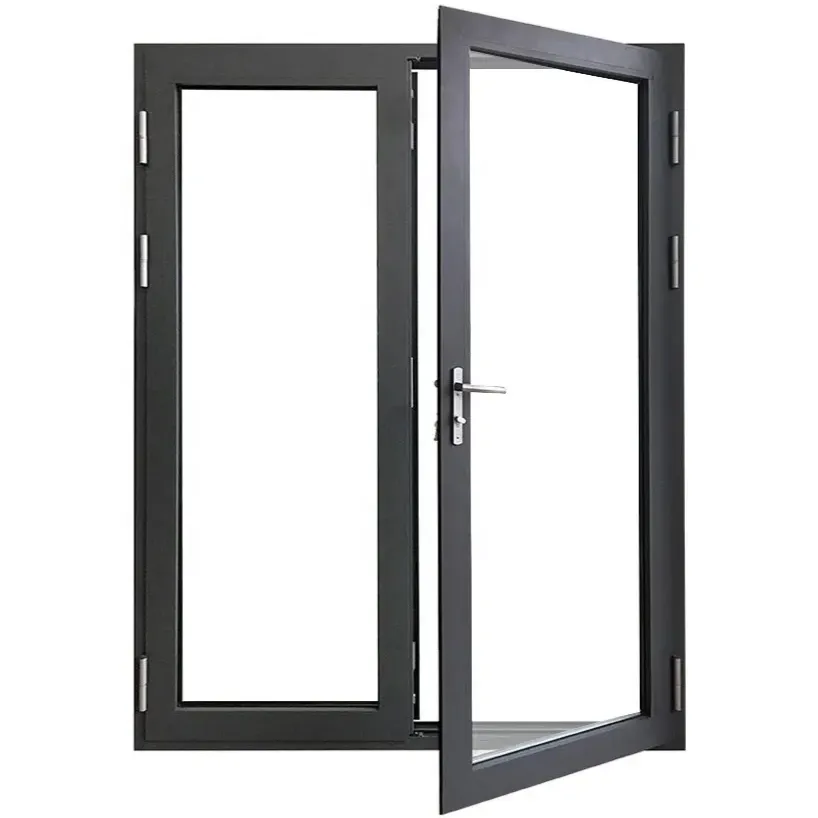
This pairing is one of the most popular for contemporary homes. The picture window provides a large, unobstructed view, while casement windows on one or both sides open outward for controlled airflow. Casement panels are hinged on the side and use a crank mechanism, making them easy to operate even in hard-to-reach areas like over sinks. This combination is perfect for homeowners who want an open view without sacrificing ventilation.
Picture + Awning

A picture and awning window combination is ideal for rooms that need fresh air year-round. The awning window, hinged at the top, opens outward from the bottom—allowing you to keep it open even during light rain. Meanwhile, the fixed picture window offers a clear view and plenty of sunlight. This combo works well for basements, bathrooms, and kitchens where airflow and moisture control matter most.
Picture + Double-Hung
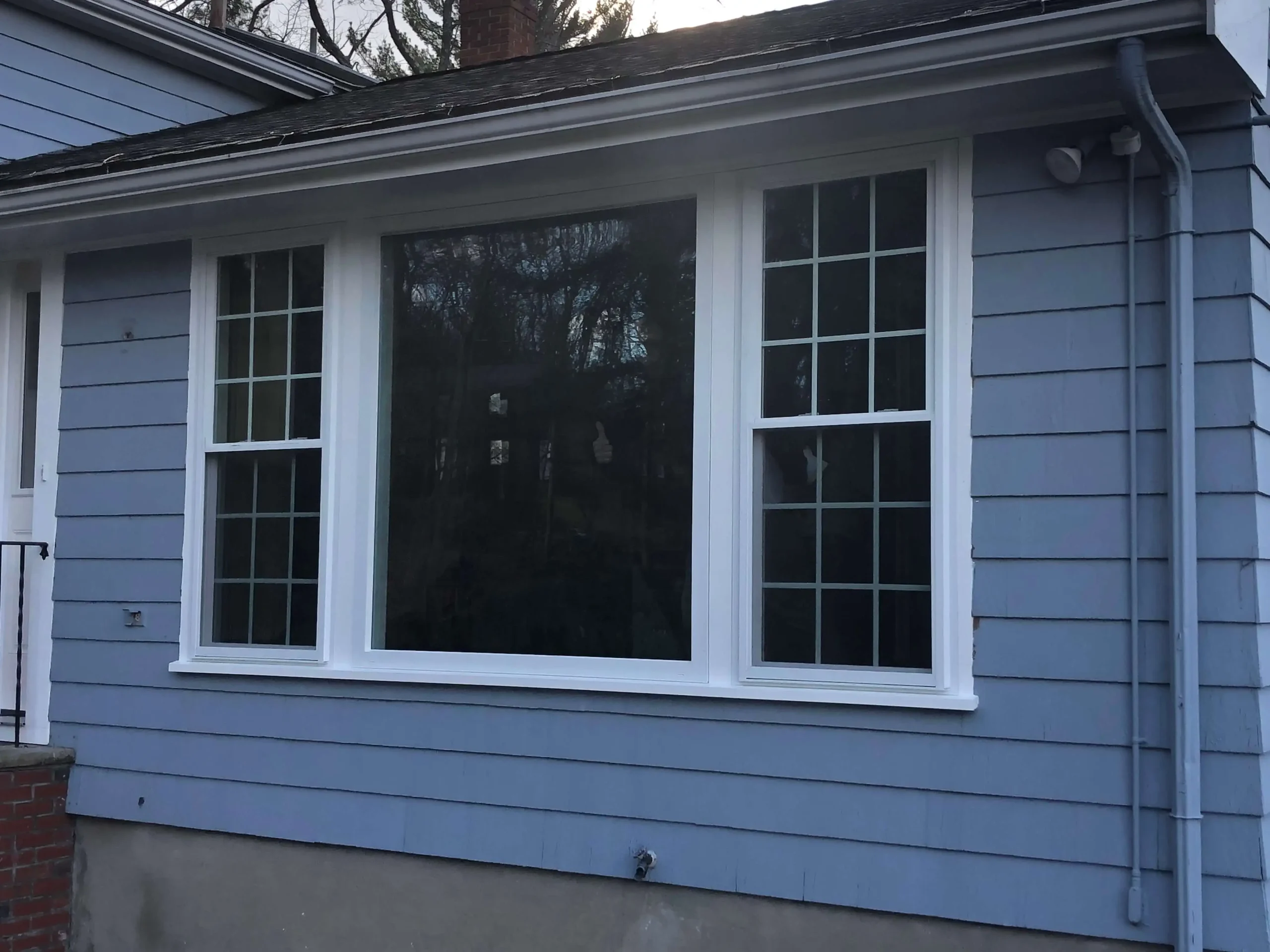
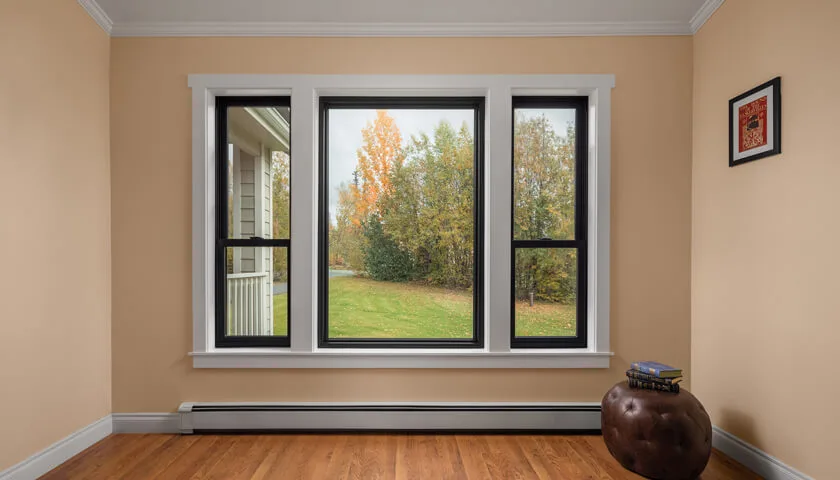
Combining a picture window with double-hung windows offers classic versatility. The double-hung sections can open from the top or bottom, letting warm air escape and cool air flow in. The central picture window provides an expansive outdoor view, making this setup a favorite for living rooms or large walls facing scenic landscapes. It blends the charm of traditional design with modern functionality.
Picture Flanked by Operable Side Windows (Bay or Bow Style)
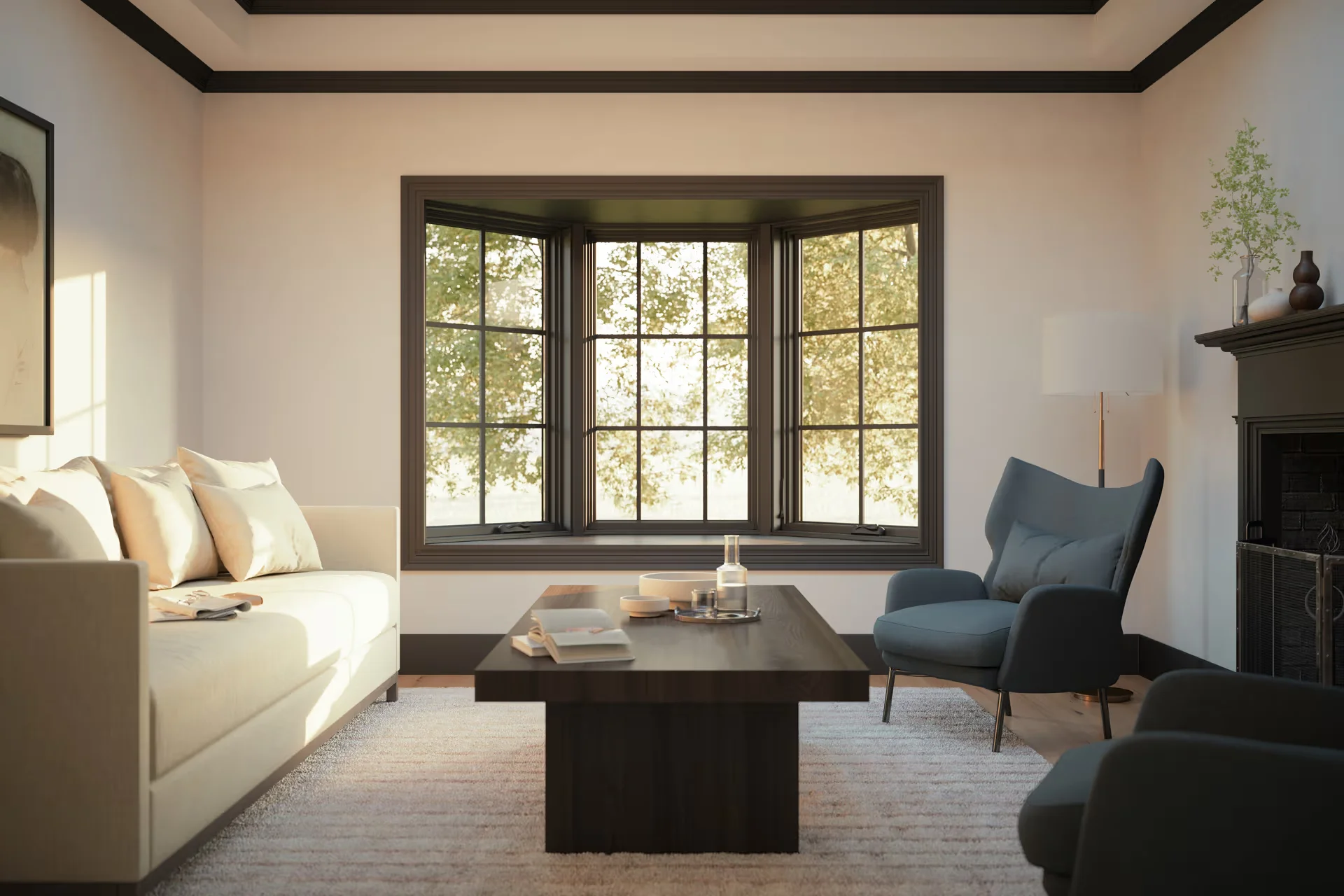
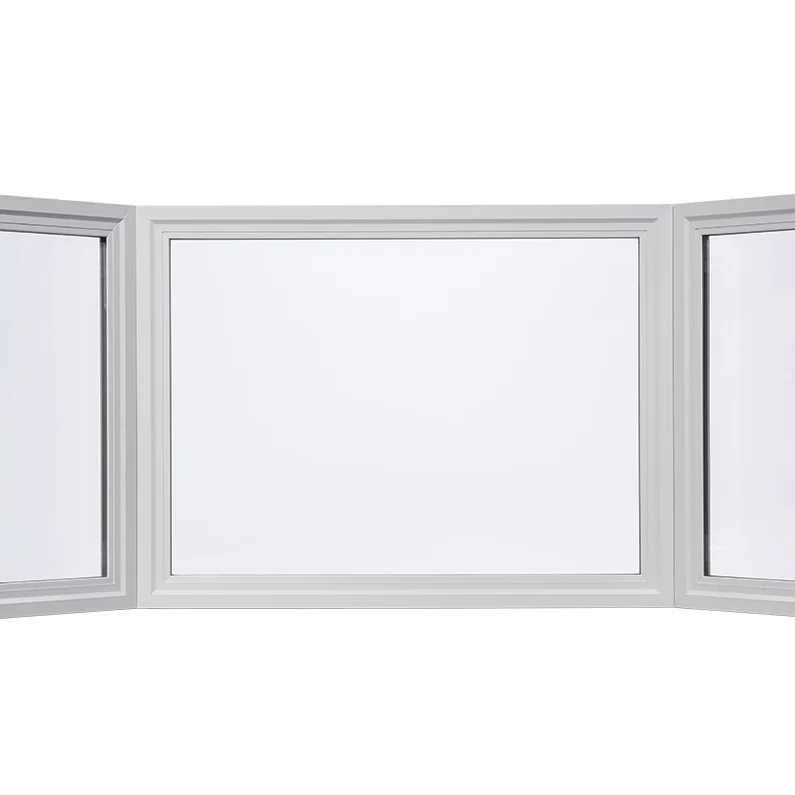
This configuration takes things a step further by combining multiple units into a bay or bow window arrangement. A large central picture window is framed by smaller operable windows—typically casement or double-hung—on each side. The result is a dramatic, curved look that projects outward from the wall, creating extra interior space and a panoramic outdoor view. It’s an elegant choice for front-facing rooms or dining areas.
Slider + Fixed Combinations
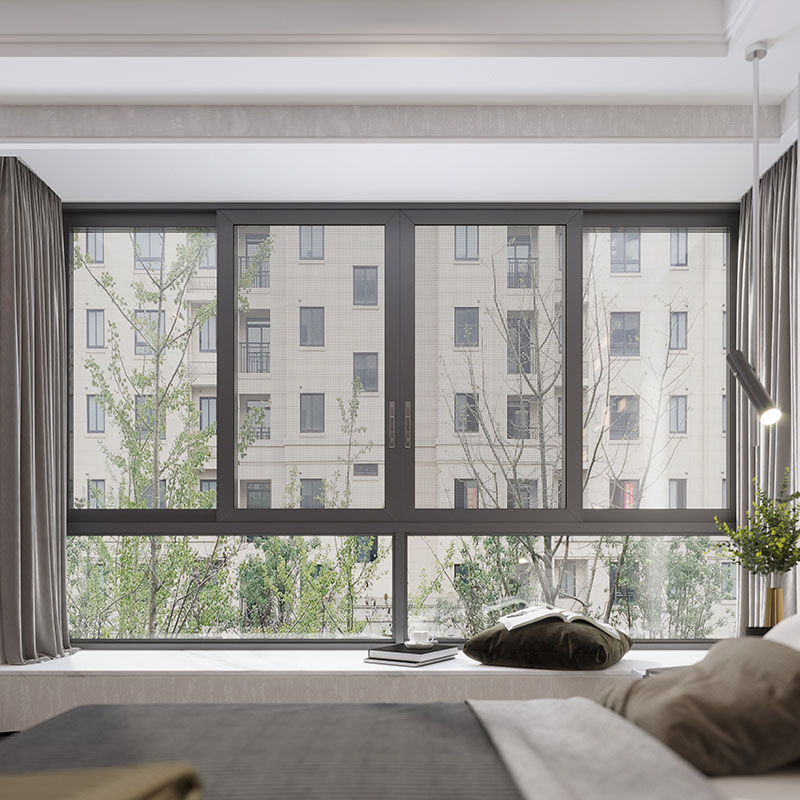
For a sleek, modern appeal, a slider and fixed window combination offers both practicality and clean design. The fixed section maximizes natural light, while the sliding panel moves horizontally to allow smooth ventilation without taking up extra space. This combination is especially useful for wide openings or areas near patios and balconies, where easy access and a minimalist aesthetic are priorities.
Key Advantages & Trade-Offs
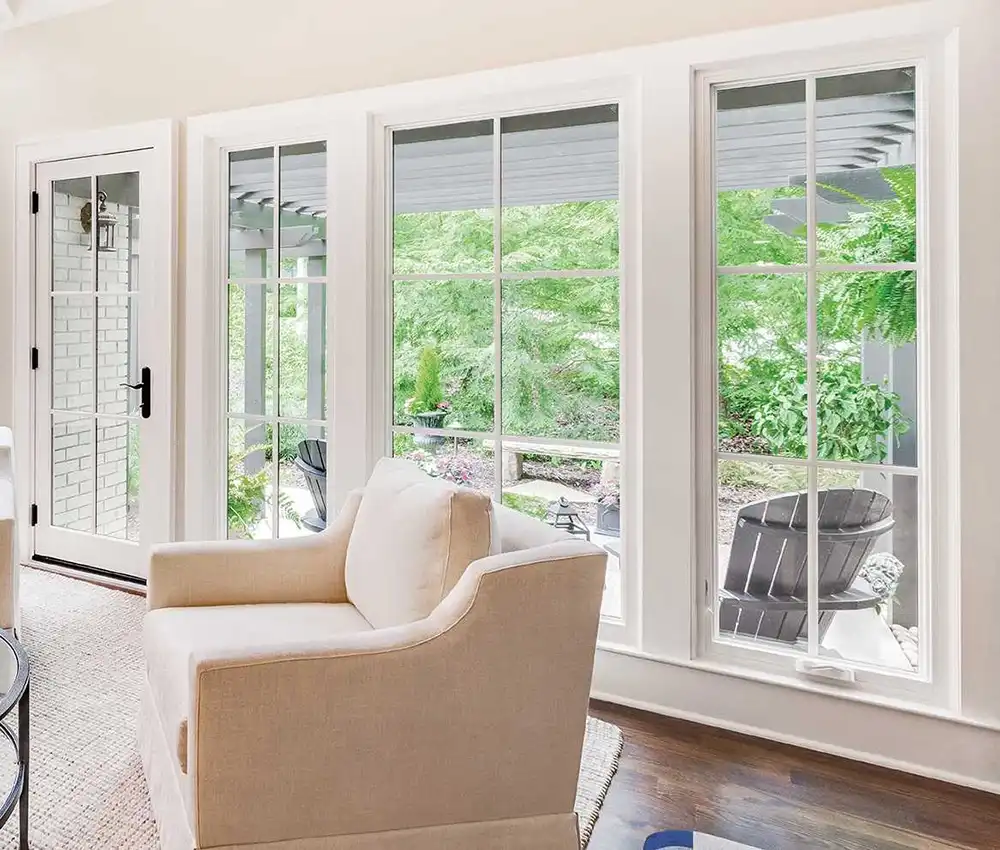
Combination windows bring both beauty and practicality to home design, offering a balance between wide, open views and functional airflow. But like any architectural choice, they come with a few considerations. Here’s a quick look at the pros and cons to help you decide if they’re right for your space:
Benefits
Unobstructed Views: The fixed picture sections provide a clear, panoramic outlook that maximizes daylight and connects your interior with the outdoors.
Improved Ventilation: Operable panels—such as casement, sliding, or awning windows—allow you to control airflow as needed.
Design Flexibility: You can customize combinations to fit any room layout, wall size, or architectural style.
Energy Efficiency Options: Combining insulated glass and tight-sealing operable panels helps reduce heat loss and improve comfort.
Visual Appeal: Mixed-window designs enhance curb appeal and add depth to modern or traditional facades.
Drawbacks
Higher Cost: Multiple frame types and larger glass areas can make these windows more expensive than single-style units.
Complex Installation: The combination of fixed and operable panels requires precise alignment and professional installation.
More Maintenance: Different mechanisms (hinges, rollers, locks) mean slightly more upkeep compared to a single-style window.
Design Guidance & Applications
Combination windows are most effective when placed strategically for light, ventilation, and visual balance. Here’s how to make the most of them:
Ideal Locations: Living rooms, kitchens, stairwells, and facades where natural light and views matter most.
Glazing vs. Operability: Balance fixed sections for brightness with operable ones for air circulation—especially in humid areas like kitchens or bathrooms.
Architectural Harmony: Match your combination style to your home’s design—sleek sliders for modern homes, picture + casement for traditional charm, or bay configurations for dramatic exteriors.
Frame Finishes & Colors: Choose materials and finishes that complement both interior décor and exterior siding for a cohesive look.
Energy, Seal & Ventilation Considerations
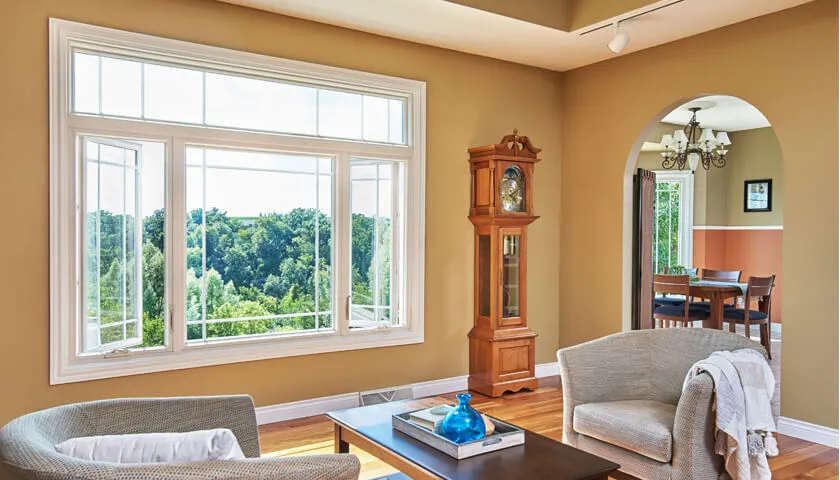
When designing or choosing combination windows, getting the details right is essential—not just for looks, but for long-term energy efficiency and comfort. Because these windows combine fixed and operable sections, attention to sealing, ventilation, and material choices plays a key role in their performance.
Proper Sealing Between Segments
A combination window has multiple junctions where different frames meet. Each of these connections must be carefully sealed to prevent air or water infiltration.
Use high-quality weatherstripping and durable sealants at mullions and joints.
Consider factory-mulled units, which are pre-sealed under controlled conditions for tighter performance.
Regularly check and maintain seals to avoid energy loss over time.
Ventilation Strategies
Not all operable styles provide the same airflow or ease of use. Choosing the right type for your space can make a big difference.
Casement windows open fully outward, catching breezes and maximizing ventilation—ideal for larger rooms.
Awning windows allow airflow even during light rain, perfect for kitchens or bathrooms.
Sliding windows offer horizontal motion that saves space but provides moderate ventilation.
By pairing fixed and operable units smartly, you can fine-tune ventilation while maintaining beautiful views.
Glass, Frame & Insulation Choices
The materials you select determine how well your combination windows perform in different climates.
Double or triple glazing reduces heat transfer and helps maintain indoor comfort.
Low-E coatings reflect infrared energy, keeping interiors warmer in winter and cooler in summer.
Insulated frames—especially vinyl, fiberglass, or thermally broken aluminum—minimize thermal bridging.
Ready to Upgrade Your Windows?
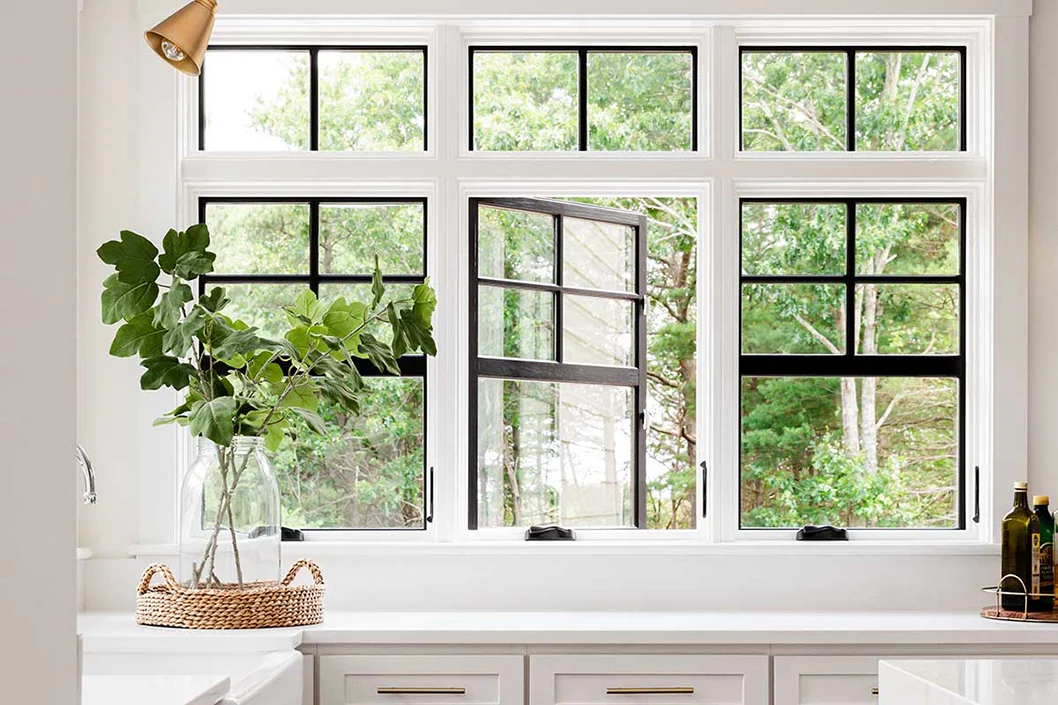
Whether you’re designing a new build or renovating your home, the right combination windows can completely transform your space — offering beauty, comfort, and lasting energy efficiency. Our team specializes in custom-engineered window solutions tailored to your architecture and climate needs.
Contact us today to discuss your project, explore design options, and get expert advice on selecting the perfect combination windows for your home or business. Let’s bring your vision to life — with precision, performance, and style that lasts.
FAQs About Combination Windows
What is meant by casement window?
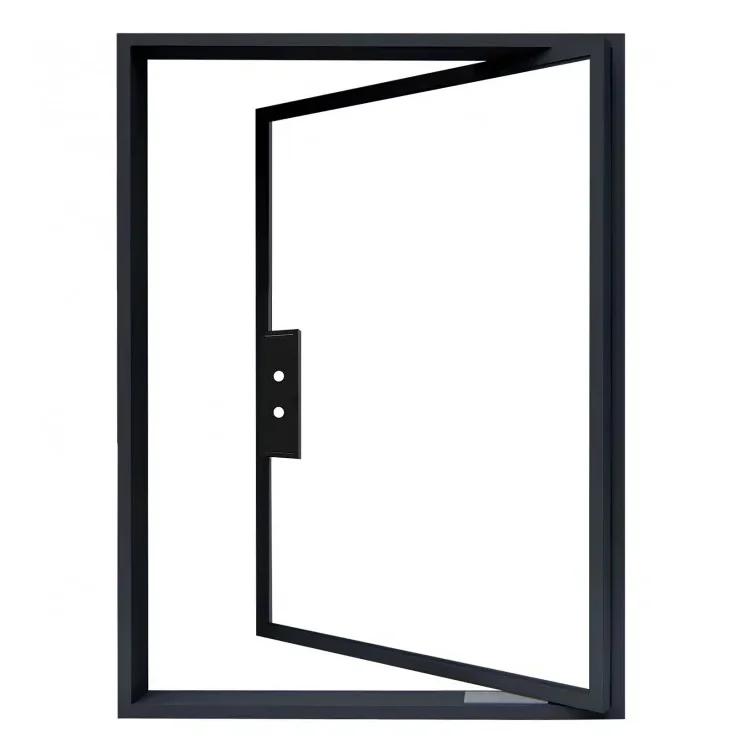
A casement window is hinged on one side and swings open outward (or inward) like a door, usually operated with a crank.
How long will composite windows last?
Quality composite windows often last around 40 years, thanks to their resilient, engineered materials that resist warping and temperature shifts.
What is the difference between a casement window and a regular window?
“Regular window” often implies sliding or double-hung styles; unlike those, a casement window swings open on hinges, giving better sealing and full-height ventilation.