













Double-hung windows are one of the most classic and versatile window styles you’ll find in homes today. What makes them special is their design—both the top and bottom sashes can slide up and down. This simple feature allows you to adjust airflow, let in fresh air from the top, bottom, or both, and makes cleaning much easier.

Homeowners love double-hung windows because they combine timeless style with modern practicality. They work well in almost any room, suit traditional and contemporary homes alike, and remain a favorite choice for those who want comfort, convenience, and lasting value.
How Double-Hung Windows Work

Double-hung windows may look simple, but their thoughtful design makes them both functional and convenient.
With two operable sashes instead of just one, they allow flexible ventilation—open the bottom for fresh air, the top to release warm air, or both for balance.
The tilt-in feature makes cleaning effortless, letting you wash both sides of the glass from inside your home, which is especially useful on upper floors.
Secure locking systems keep the sashes tightly sealed, boosting energy efficiency while enhancing home safety. Altogether, double-hung windows combine classic style with modern ease of use.
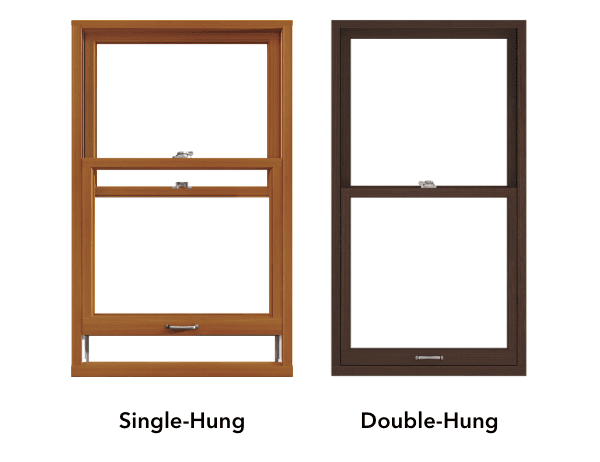
Single-Hung vs. Double-Hung Windows
| Feature | Single-Hung | Double-Hung |
|---|---|---|
| Operation | Only bottom sash moves; top is fixed. | Both top and bottom sashes move. |
| Ventilation control | Limited—air enters at bottom only. | Flexible—exhaust warm air at top, bring cool air at bottom. |
| Cleaning access | Typically tilt only the lower sash; exterior top can be harder to reach. | Both sashes tilt in for easy indoor cleaning. |
| Cost (typical) | Usually lower initial cost. | Slightly higher due to extra hardware & tilt features. |
| Energy efficiency potential | Good with proper glazing/seals. | Comparable—tight locks on both sashes help seal drafts. |
| Airflow & comfort | Basic airflow from bottom only. | Balanced cross-ventilation using both sashes. |
| Locks & security | Standard latch at meeting rail. | Integrated locks secure both sashes; tight seal when closed. |
| Maintenance | Fewer moving parts; top exterior harder to clean. | More parts (two balances), but tilt-in cleaning is easier. |
| Screens | Usually bottom only. | Top, bottom, or full-height screens available. |
| Child/pet safety & venting | Less flexible—opening at floor height. | Open top sash for airflow while keeping bottom closed. |
| Aesthetics | Classic look; simpler sightlines. | Timeless style; more configuration options (grids, ratios). |
| Typical use cases | Budget projects, rentals, lower floors. | Bedrooms, upper floors, areas needing easy cleaning & airflow control. |
| Retrofit & replacement | Straightforward; fewer parts to adjust. | Common in replacements; verify balances and tilt latches align. |
Key Parts & Anatomy of Double-Hung Windows

Double-hung windows may look like a single frame of glass, but they are carefully built with many working parts that make them durable, functional, and easy to use. Knowing these components helps you understand how they work and why they last.
Sashes
The two moveable frames that hold the glass panes. Both the upper and lower sashes slide vertically, giving the window its name.
Rails and Stiles
Rails are the horizontal pieces on the sash, while stiles are the vertical ones. Together, they form the sash frame and provide structure.
Meeting Rail
This is the horizontal point where the top and bottom sashes meet when the window is closed. It helps create a tight seal and often houses the locking mechanism.
Sash Locks

Small latches located on the meeting rail that lock the sashes together, boosting security and reducing drafts.
Balances
Hidden inside the window frame, balances counteract the weight of the sashes. They allow the window to open smoothly and stay in position without slipping.
Jambs
The vertical sides of the window frame. They guide the movement of the sashes and hold important hardware like balances.
Head and Sill
The head is the top horizontal frame, while the sill is the bottom. The sill slopes outward to shed water and protect against leaks.
Together, these parts form a smart system—strong, easy to operate, and designed to keep homes secure and efficient.
Benefits of Double-Hung Windows

Double-hung windows remain one of the most popular window styles for a reason. They combine timeless design with practical advantages that fit many homes and lifestyles. Here are the top benefits:
Great Airflow Control
Both the top and bottom sashes open, letting you adjust airflow. Open the top to release warm air or the bottom to bring in a breeze. Using both at once creates excellent circulation.Easy Cleaning
Many double-hung windows feature tilt-in sashes, allowing you to clean the outside glass from inside your home—perfect for second floors or hard-to-reach spots.Energy Efficiency Potential
With proper sealing and modern glazing options, these windows reduce drafts and help regulate indoor temperatures. Pairing them with ENERGY STAR® glass upgrades boosts performance even more.Added Home Value
Their classic look suits both traditional and modern homes. Because they’re so versatile and easy to maintain, double-hung windows are an attractive feature for potential buyers.
Together, these benefits make double-hung windows a smart balance of function, efficiency, and style—perfect for homeowners who want comfort without sacrificing design.
Standard Double-Hung Window Sizes

Most double-hung windows come in standard dimensions that make them easy to plan for and install. Typical widths range from 24″ to 48″, while heights span from 36″ to 72″. These size ranges work well for bedrooms, living rooms, kitchens, and many common wall openings. Standard sizing helps ensure wide availability, cost savings, and simpler framing during installation.
Popular Dimensions
Within those ranges, there are a few sizes that stand out as the most common choices:
Widths: 24″, 28″, 32″, 40″, 44″, 48″
Heights: 36″, 44″, 48″, 52″, 54″, 60″, 62″, 72″
These popular options strike a balance between function and design, giving homeowners flexibility without the added cost of customization.
Custom Options
Not every home or project fits standard sizing. For unique architecture, older buildings, or special design preferences, custom double-hung windows are available. Many manufacturers allow for adjustments in 1/8″ increments, ensuring a precise fit for non-standard openings.
→ Explore More Details: Standard Double-Hung Window Size Guide
Design Variations & Styles
Unique Sash Ratios

Double-hung windows don’t always split evenly down the middle. Some designs feature unique sash ratios, such as 3/5 upper and 2/5 lower, which change how the glass is proportioned. These variations let homeowners customize the look and function—whether they want more light from the top or a larger opening on the bottom for airflow.
Grid Patterns
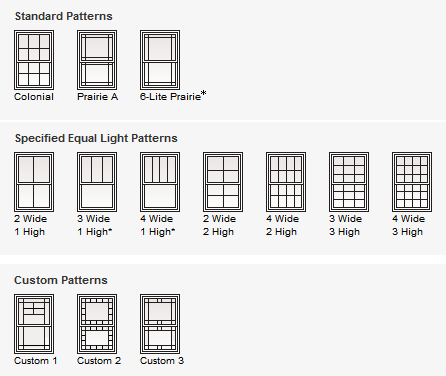
Grids (also called muntins or grilles) are a popular way to enhance style. From classic colonial squares to modern prairie layouts, grid options give double-hung windows personality. You can even choose between simulated divided lites (SDLs) for a traditional appearance or between-the-glass grilles for easier cleaning.
Material Choices
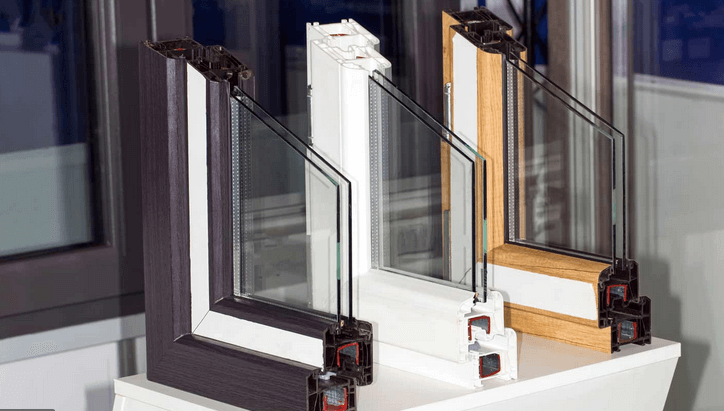
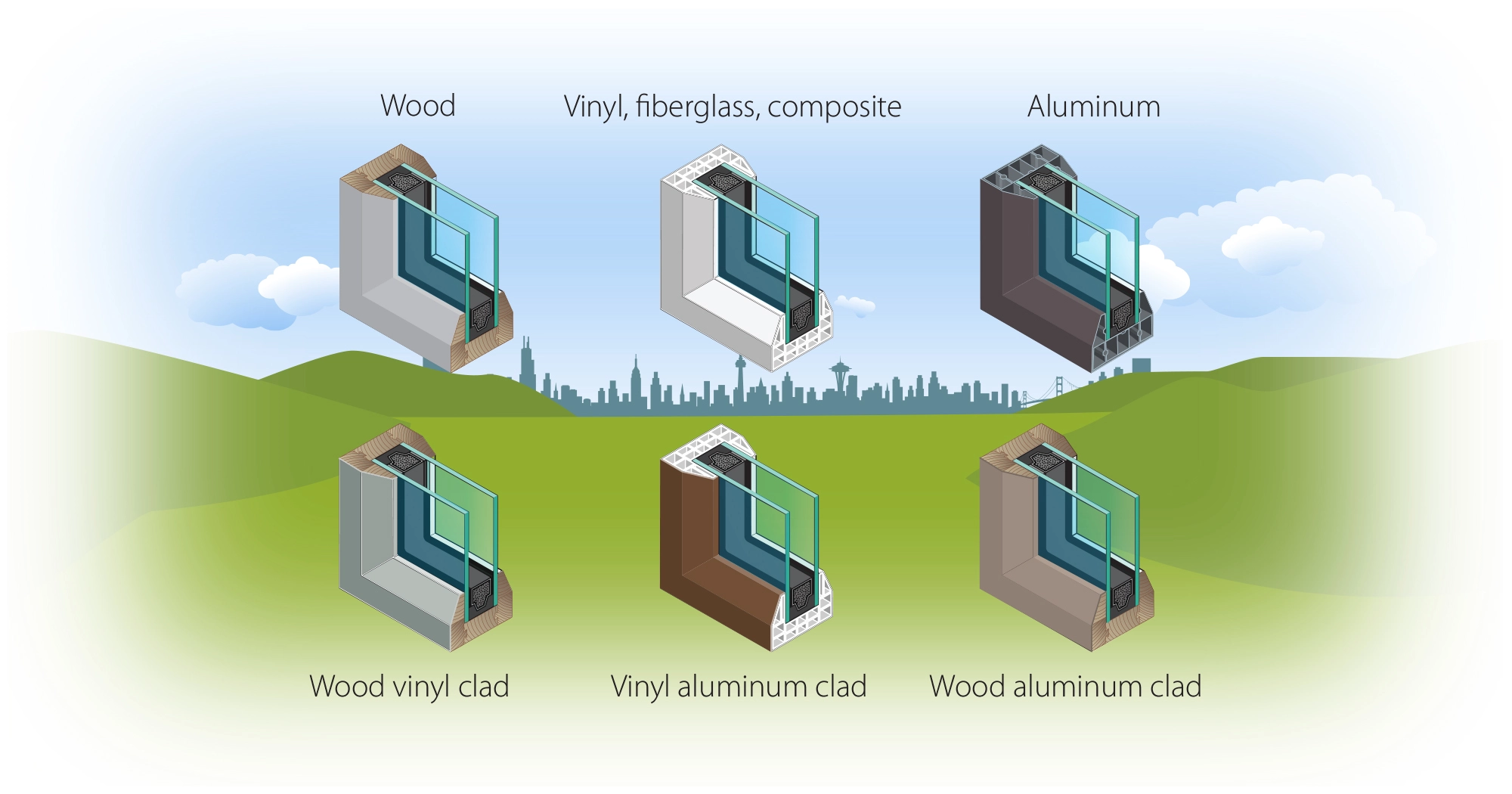
The frame material influences both performance and style. Common options include:
Wood – Warm, timeless, and great for traditional homes
Vinyl – Low maintenance and budget-friendly
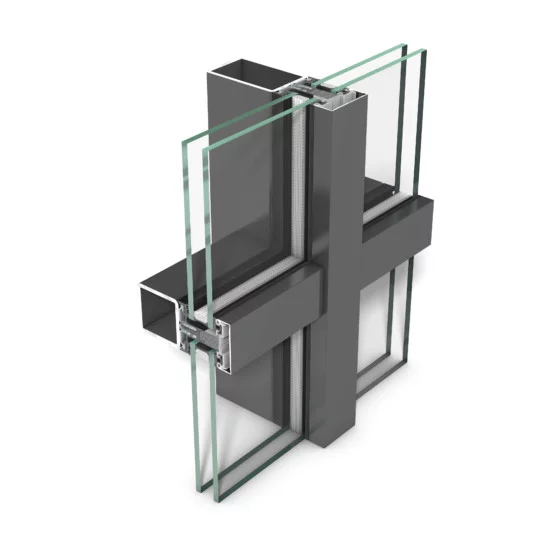
Aluminum – Strong, slim, and contemporary
Fiberglass – Durable, weather-resistant, and energy efficient
Each material comes with its own balance of cost, maintenance, and design appeal.
Tilt-In Designs
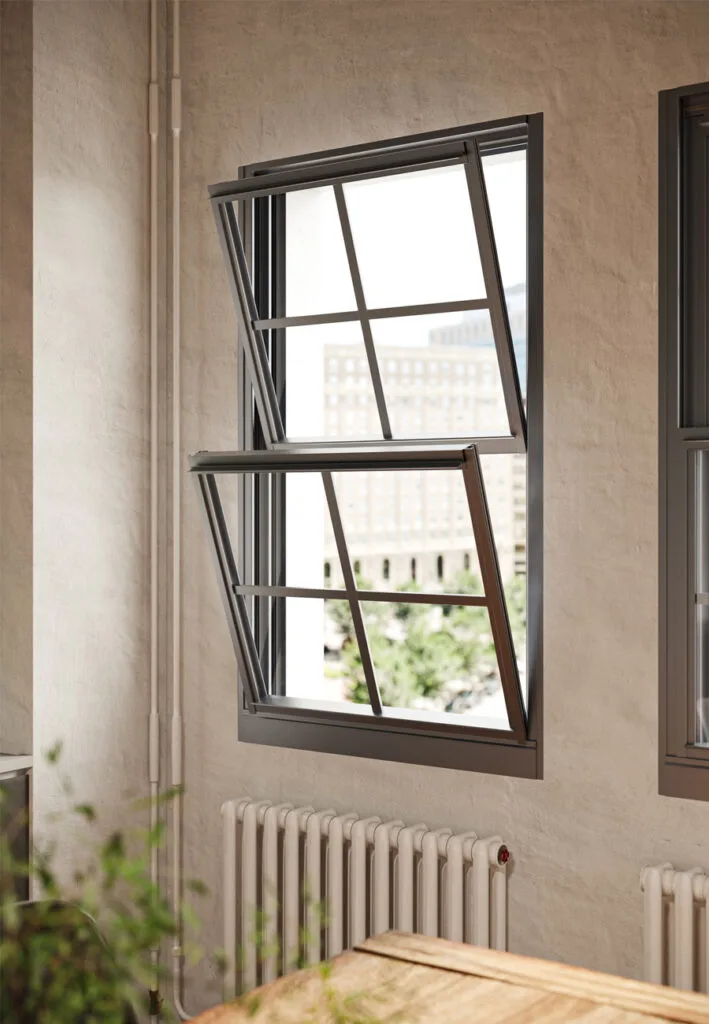
A standout feature of modern double-hung windows is the tilt-in sash. Both the upper and lower sashes can tilt inward, making it easy to clean the glass from inside your home. This design not only adds convenience but also boosts safety, since you don’t need to lean outside upper floors to maintain your windows.
Installation & Cost Overview

When it comes to double-hung windows, both the installation type and the window size or material play a big role in total cost. Let’s break it down so you know what to expect before starting your project.
Typical Cost Range
Most double-hung windows fall between $300 and $850 per unit, including standard materials and labor. Premium materials like wood or fiberglass can push costs above $1,000 per window, especially if customization is involved.
Installation Types
New Construction
These installations are for brand-new builds or major remodels where studs and framing are exposed. New-construction windows include a nailing fin, which secures directly to the house frame. Costs are usually a bit lower per window, but total labor may be higher since framing work is included.Replacement Windows
For existing homes, replacement double-hung windows are fitted into the current frame. They’re quicker to install, less invasive, and reduce labor time. However, they can cost more per unit since they’re manufactured to fit existing openings precisely.
Key Factors Affecting Price
Size & Customization – Oversized windows or custom dimensions increase material and production costs.
Material Choice – Vinyl is budget-friendly, wood is classic but pricier, and fiberglass is durable but premium.
Glass & Energy Efficiency – Double or triple glazing, low-E coatings, and gas fills add efficiency but raise upfront costs.
Labor & Location – Prices vary by region and contractor rates, with urban areas often being higher.
Additional Features – Grids, upgraded hardware, or tilt-in cleaning functions can add to the final bill.
Custom Features & Upgrades

Choosing double-hung windows isn’t just about size and style—you can also add custom upgrades that improve comfort, efficiency, and performance. Here are some of the most valuable options:
Low-E Glass – A thin coating that reflects heat while letting in natural light, keeping your home cooler in summer and warmer in winter.
Argon-Filled Insulation – Gas-filled panes provide better thermal performance than air alone, reducing energy loss and lowering utility bills.
Reinforced Frames – Stronger frame materials or internal reinforcements improve durability, security, and long-term stability.
Sound Control Glass – Laminated glass or specially treated glass reduces outside noise, making your home quieter and more peaceful.
Advanced Weather Seals – Enhanced seals around the sashes prevent drafts and water infiltration, improving comfort in all seasons.
These upgrades add upfront cost, but they pay off in energy savings, comfort, and long-lasting performance—making them a smart investment for most homeowners.
Maintenance & Troubleshooting Tips

Keeping double-hung windows in good shape doesn’t take much effort, but regular care goes a long way in ensuring smooth operation and energy efficiency. Here are a few practical tips:
Check and Adjust Sash Balances
If a sash feels heavy, won’t stay open, or slides unevenly, the balance springs may need adjustment or replacement. This helps the window move smoothly and stay in place.Lubricate Locks and Tracks
A little silicone spray or graphite powder on the locks, latches, and tracks can prevent sticking and make everyday use easier. Avoid oil-based lubricants, as they attract dirt.Inspect Weather Seals
Over time, seals around the sash and frame can wear down, letting in drafts or moisture. Replace worn or cracked seals to maintain insulation and keep energy bills low.Clean Glass and Frames Regularly
Use mild soap and water to clean glass and frames. For tilt-in models, take advantage of the easy access to wash both sides without needing a ladder.Watch for Condensation
Excess condensation between panes may indicate a failed seal in insulated glass. If this happens, a glass unit replacement may be necessary.
With just a little routine attention, your double-hung windows can stay efficient, secure, and easy to use for decades.