













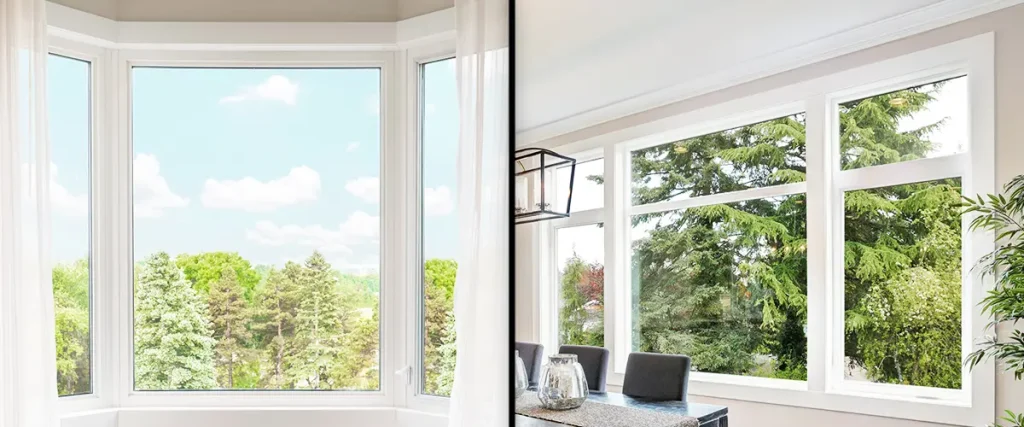
Bay and picture windows both fill your home with natural light and make rooms feel open and inviting, but they differ in design and function. Bay windows project outward, adding depth, ventilation, and a cozy nook for reading or relaxing.
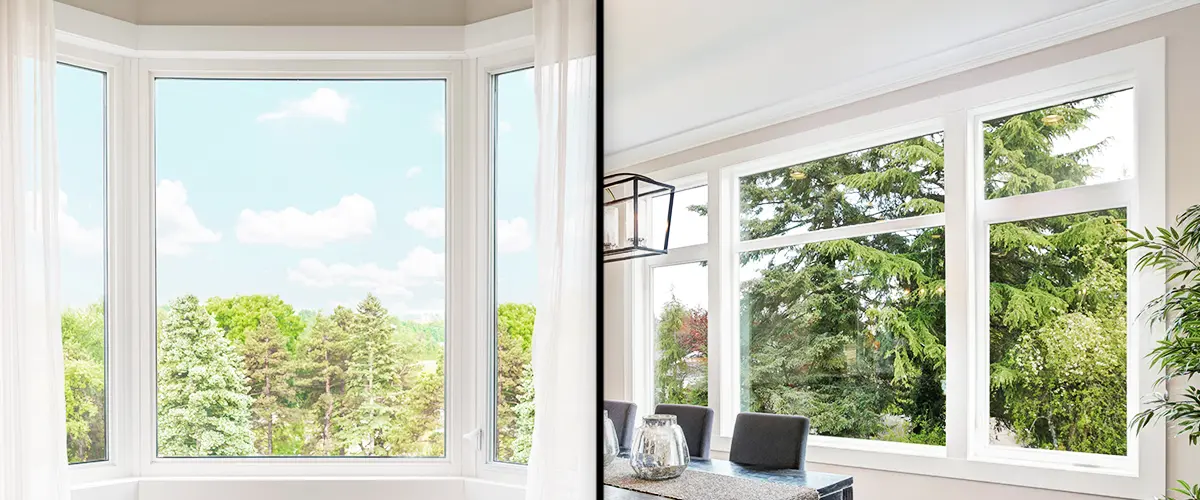
Picture windows, by contrast, are fixed and sit flush with the wall, offering wide, unobstructed views and excellent energy efficiency. Choosing between them depends on your goals — added space and charm or modern simplicity and insulation. In this guide, we’ll explain their key differences to help you find the best option for your home’s style, comfort, and budget.
What Is a Bay Window

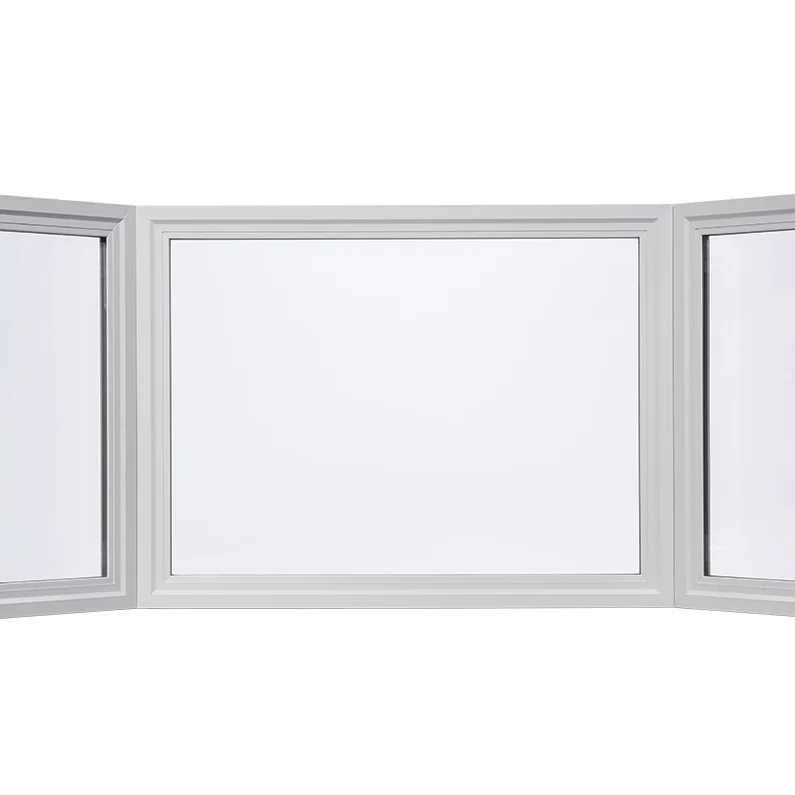
A bay window is a beautiful architectural feature that extends outward from your home’s main wall, creating a small “bay” or alcove inside the room. It’s usually made up of three panels — a large fixed center window flanked by two smaller angled windows on the sides, which can often open for ventilation.
This unique shape not only adds extra floor space but also captures sunlight from multiple directions, filling the room with warm, natural light throughout the day. Many homeowners love bay windows because they naturally create a cozy reading nook, a breakfast corner, or a decorative ledge for plants and décor.
From the outside, bay windows also add dimension to a flat façade, instantly giving your home more character and curb appeal. Whether you prefer a classic or modern style, their combination of beauty and practicality makes them a timeless choice.
What Is a Picture Window

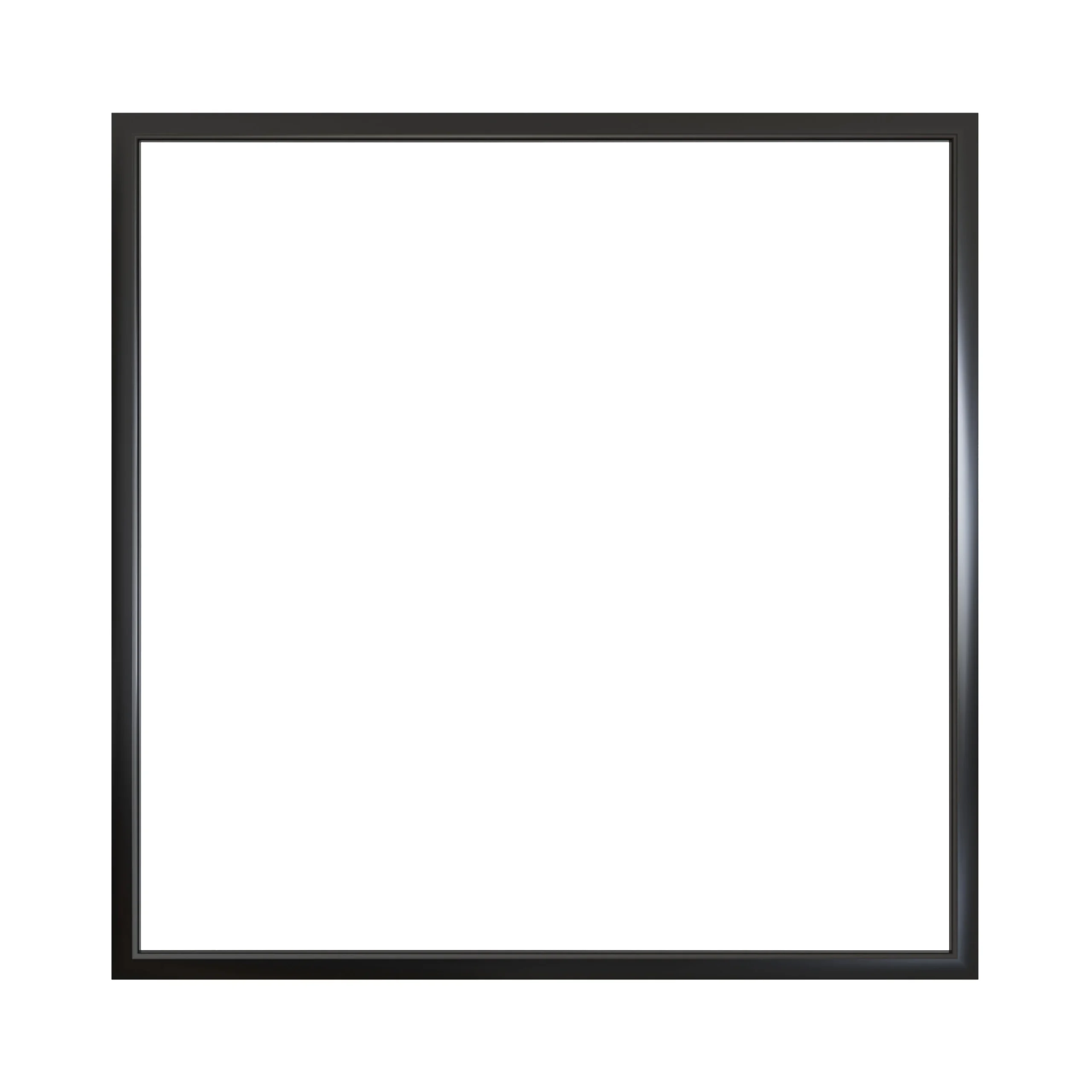
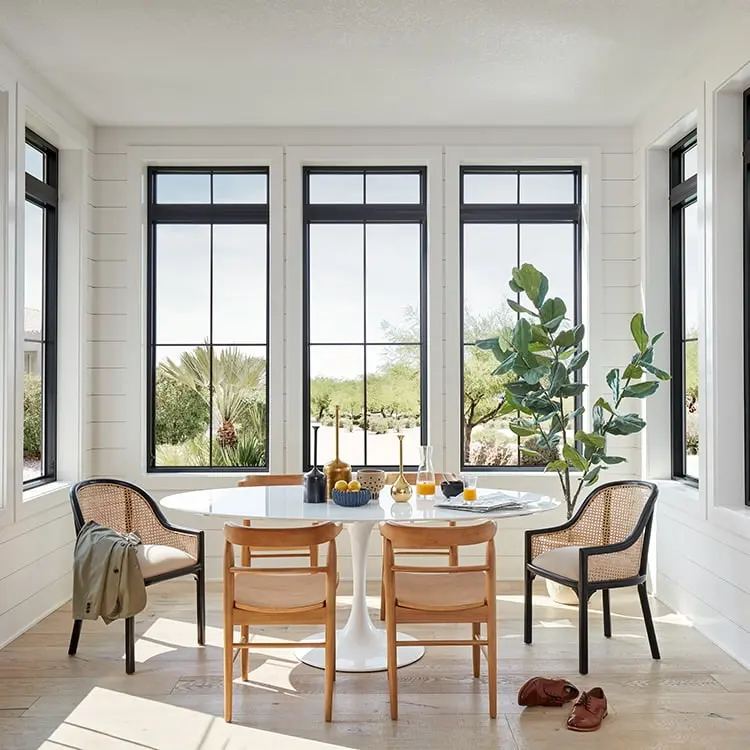
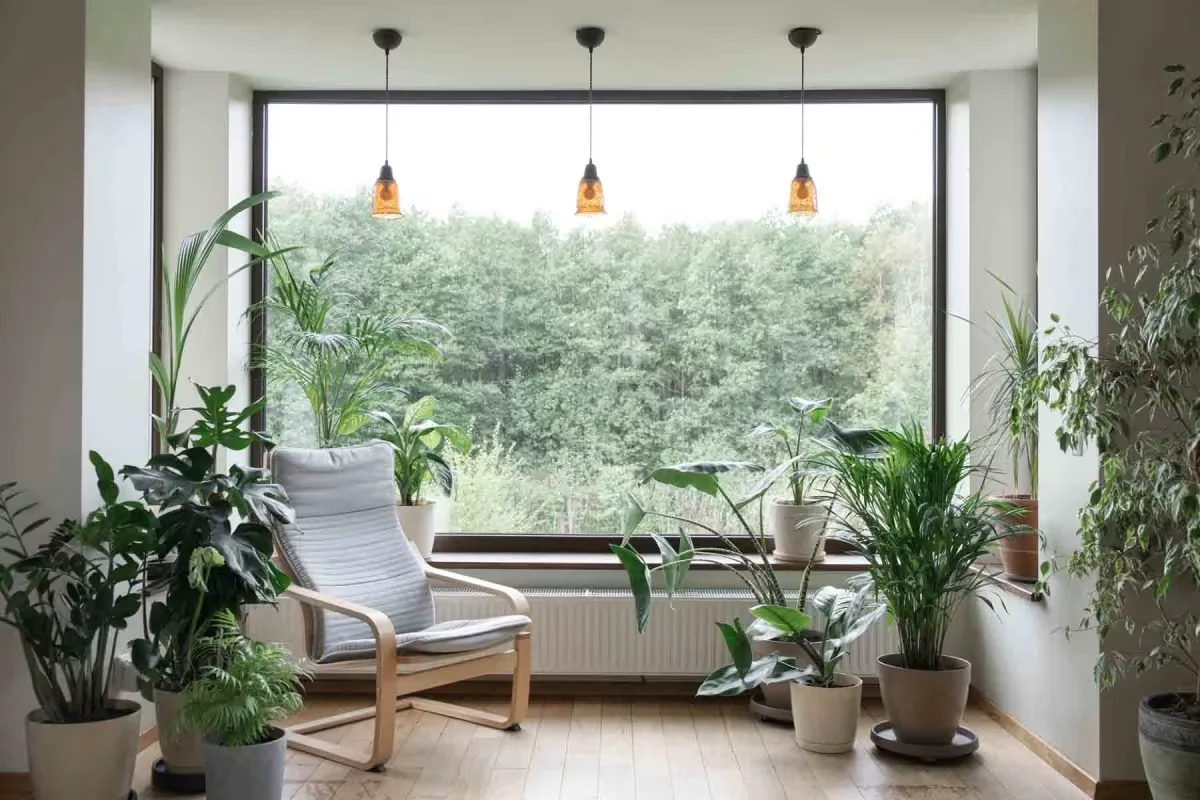
A picture window is a large, fixed pane of glass designed to frame the outdoor view — just like a living piece of art. Unlike operable windows, picture windows don’t open or close, which means they’re completely sealed for maximum insulation and energy efficiency.
Because they have no moving parts or framing interruptions, picture windows offer unobstructed views and bring in abundant natural light. They’re perfect for rooms overlooking scenic landscapes, gardens, or city skylines.
Their simple, clean-lined design complements modern and minimalist interiors, but they also blend beautifully with other window styles when used in combination. In short, a picture window is ideal for anyone who values light, clarity, and simplicity in their home’s design.
Bay Window vs Picture Window — Key Differences
| Aspect | Bay Window | Picture Window | Why It Matters |
|---|---|---|---|
| Shape & Structure | Projects outward with 3+ connected panels | Flat, single fixed pane flush with wall | Impacts curb appeal and interior depth |
| Ventilation | Side units can open (casement/double-hung) | Non-operable; relies on nearby windows | Fresh air vs. sealed efficiency |
| Light & View | Light from multiple angles; dynamic interior | Panoramic, unobstructed view forward | Determines brightness and sightlines |
| Space Creation | Adds interior ledge/seat; expands footprint | No added floor space (visual openness only) | Functional nook vs. minimalist wall plane |
| Installation Complexity | Needs structural framing & small roof/soffit | Fits existing opening; straightforward install | Affects timeline, permits, and labor |
| Energy Efficiency | More joints → slightly lower airtightness | Fixed & sealed → superior insulation | Impacts heating/cooling costs |
| Design Fit | Traditional & transitional charm; focal nook | Modern/minimalist; clean, unobstructed glass | Aligns with your home’s architecture |
| Cost Range (typical) | ~$1,500–$4,500+ (custom framing/roof) | ~$300–$1,200 (simpler, fixed unit) | Guides budgeting and ROI expectations |
| Maintenance | Check seals/hardware; clean multiple panes | Low upkeep; occasional glass cleaning | Time & effort to keep performing well |
| Customization | Seats, shelving, trim, accent lighting | Frame colors, grids, tints, specialty glass | Personalizes function and aesthetics |
Both bay and picture windows bring light and beauty into your home, but the way they’re built and function can be quite different. Here’s a closer look at the main differences between the two, explained simply and clearly.
Shape & Structure

A bay window projects outward from your home’s wall, forming an angled structure that typically includes three panes — a large center window and two smaller side panels set at angles (usually 30°, 45°, or 90°). This creates a semi-hexagonal or trapezoid shape that adds visual dimension to both the interior and exterior.
A picture window, in contrast, is completely flat and installed flush with the wall. It’s a single, large pane of glass with no extensions or breaks, offering a minimalist, streamlined appearance. This makes it a favorite for modern homes that value simplicity and expansive, uninterrupted views.
Ventilation
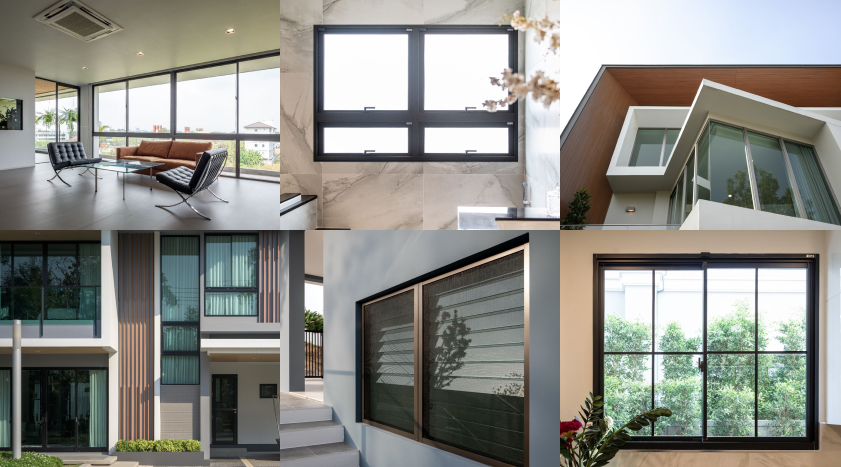
One of the biggest functional differences lies in airflow.
Bay windows often feature operable side units, such as casement or double-hung windows, allowing fresh air to circulate while keeping the central fixed panel for the view. This mix of fixed and operable panels gives you the best of both worlds — ventilation and scenery.
Picture windows, however, are completely sealed. They don’t open, which improves insulation and reduces drafts but means you’ll need other nearby windows if ventilation is important in your space.
Light & View

Both window types are great for natural light, but they capture it differently.
Because bay windows extend outward, they gather light from multiple angles — side, front, and top — making rooms brighter throughout the day. The angled design also gives depth to shadows and reflections, creating a more dynamic lighting effect.
Picture windows, on the other hand, are designed for panoramic clarity. Their large, single pane acts like a framed landscape, providing a clean, undisturbed view of the outdoors. They’re ideal for showcasing gardens, ocean views, or city skylines.
Space Creation

A bay window doesn’t just enhance appearance — it actually creates extra usable space inside your home. The projection outward forms a cozy nook, perfect for seating, a reading corner, or decorative shelving. This built-in ledge also adds storage or display opportunities.
In contrast, a picture window is purely aesthetic. Since it’s flat against the wall, it doesn’t increase the interior footprint. However, it gives the illusion of more space by flooding the room with natural light and connecting the indoors to the outdoors visually.
Installation Complexity

Installing a bay window is a more advanced project because it extends beyond the home’s wall. It often requires structural reinforcement, custom framing, and even a small roof or soffit above the window to protect against weather. The complexity adds cost but also architectural value.
A picture window is much simpler to install. It fits directly into the existing wall opening, with minimal framing required. This straightforward installation keeps costs lower and makes it a popular choice for homeowners seeking a quick aesthetic upgrade or an energy-efficient window replacement.
Energy Efficiency
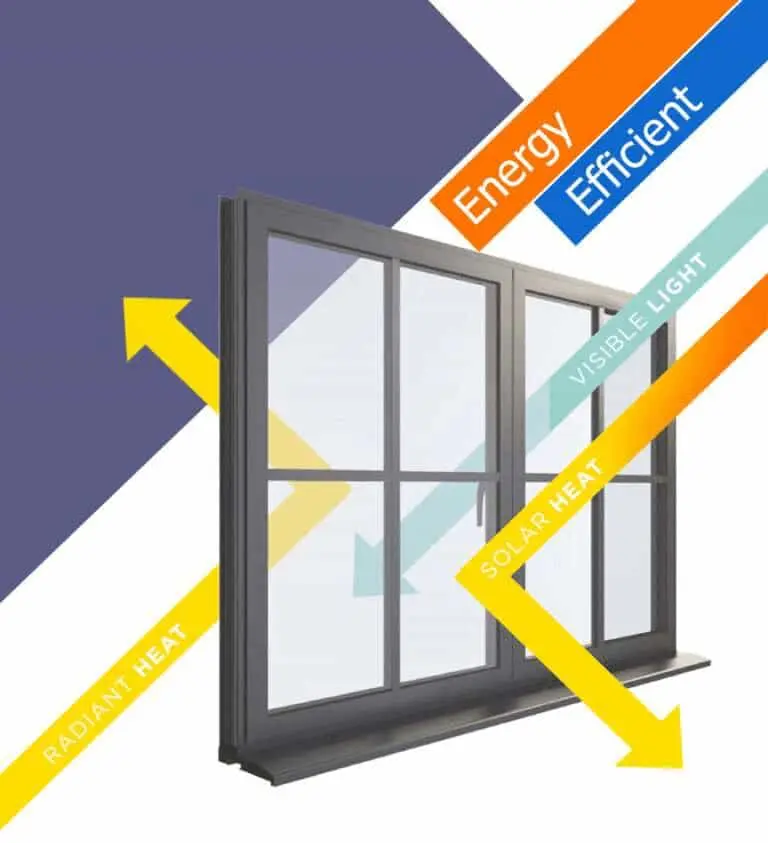
When it comes to keeping your home warm in winter and cool in summer, picture windows generally have the advantage. Because they’re fixed and sealed shut, there are no moving parts or gaps where air can leak, making them exceptionally airtight and energy-efficient. This design helps reduce heat transfer and improves insulation, especially when paired with double or triple-pane low-E glass.
In comparison, bay windows have more seams and joints between panels, as well as operable sections that can open. While modern designs include insulated frames and weatherstripping, they’re still slightly less efficient overall. However, if natural ventilation is important, that small trade-off might be worth it for comfort and airflow.
Design Flexibility

A major difference between the two window types lies in their design personality.
Bay windows are incredibly versatile — they fit beautifully in traditional, transitional, and cottage-style homes, where their angular projection adds charm and dimension. Their three-dimensional shape makes them ideal for creating cozy interior spaces or architectural focal points.
Picture windows, on the other hand, are the go-to choice for modern and contemporary homes. Their sleek, frameless look emphasizes clean lines and open space, making them perfect for minimalist interiors or homes with panoramic outdoor views. They blend seamlessly into walls and pair well with other window types for balanced design.
Cost Range

The cost difference between bay and picture windows can be quite noticeable.
Bay windows are more expensive because they require custom framing, roof integration, and structural support. On average, they range from $1,500 to $4,500 or more, depending on size, materials, and design complexity.
In contrast, picture windows are simpler and more budget-friendly. Since they’re fixed and don’t involve complex construction, most homeowners spend between $300 and $1,200 per window. Their lower installation cost and high energy efficiency make them a practical choice for large-scale renovations or new builds.
Maintenance

When it comes to upkeep, picture windows win for ease. Because they have no moving parts, hinges, or tracks, they’re nearly maintenance-free — just occasional cleaning inside and out to keep the glass spotless.
Bay windows, by comparison, need a bit more attention. The multiple glass panels and joints can collect dust and condensation, so periodic seal inspections and surface cleaning are essential. If the side windows open, you’ll also need to maintain hardware and weatherstripping to keep them functioning smoothly.
Customization Options

Both window types can be customized, but in different ways.
Bay windows offer creative interior possibilities — think built-in seat cushions, display shelving, or decorative trim that complements your décor. The projection adds dimension inside, making it easy to personalize the space for reading, plants, or accent lighting.
Picture windows, on the other hand, shine in their glass and frame customization. You can choose from tinted or frosted glass, decorative grids, or unique frame colors to match your architecture. Their large, clean surface acts as a blank canvas for design expression — simple, elegant, and adaptable to any view.
Where Each Fits Best

Choosing between a bay window and a picture window often depends on how you want your space to look and feel. Each brings a unique benefit to different parts of the home — here’s where they truly shine:
Bay Windows: Ideal for living rooms, dining rooms, or bedrooms where you want both architectural depth and cozy character. Their outward projection adds a sense of spaciousness while creating a perfect spot for a reading nook, window seat, or decorative ledge. Bay windows work beautifully in areas where natural light and a touch of elegance can transform the entire atmosphere.
Picture Windows: Best suited for hallways, staircases, or rooms that showcase scenic outdoor views. Because they don’t open, picture windows maximize energy efficiency and frame the landscape like a piece of art. They’re perfect for spaces where you want uninterrupted light and a wide, clear view — such as overlooking a garden, mountain, or backyard patio.
In short, bay windows enhance interior space, while picture windows enhance the outdoor connection — both adding lasting beauty to your home in their own ways.
Choosing Between the Two

If you’re torn between a bay window and a picture window, think about how you want your space to function and feel. Each serves a slightly different purpose — and the right choice depends on your priorities.
If you want ventilation and added space, go with a bay window. Its angled design not only brings in light from multiple directions but also provides extra room for seating, décor, or plants. The side panels can open to let in fresh air, making it ideal for living rooms or bedrooms that need both comfort and style.
If you prefer a clean, modern look and maximum energy savings, a picture window is the smarter option. Since it doesn’t open, it delivers superior insulation and a sleek, uninterrupted view that complements contemporary architecture perfectly.
For the best of both worlds, many homeowners choose a hybrid setup — a large fixed picture window in the center, flanked by operable casement windows. This combination blends panoramic views with functional airflow, giving you beauty, light, and practicality in one elegant design.
No matter which style you choose, both window types enhance natural light, boost curb appeal, and elevate your home’s comfort — it just comes down to what fits your lifestyle best.
Ready to Upgrade Your Windows? Contact Us Today!
Whether you’re dreaming of a spacious bay window that adds charm and dimension or a sleek picture window that frames your perfect view, our experts are here to help you make it happen. We specialize in crafting energy-efficient, beautifully designed windows that enhance comfort, value, and style.
From consultation to installation, we’ll guide you every step of the way — ensuring your new windows fit your space, architecture, and budget perfectly.
Bring more light, beauty, and warmth into your home. Contact us today to discuss your window project and get a free quote!
FAQs
What are the disadvantages of bay windows?
Bay windows are beautiful but come with challenges. They’re more expensive to install due to framing and roof work, can reduce wall insulation efficiency, and may create heat loss if not properly sealed. Cleaning and maintenance are also trickier because of their angles and size.
What is the modern alternative to a bay window?
The most popular modern alternative is a picture window paired with casement or sliding windows on each side. This combination offers panoramic views with better energy efficiency and a sleeker, contemporary profile.
What is the difference between a picture window and a window?
A picture window is a specific type of fixed window designed for unobstructed views — it doesn’t open. Regular windows, on the other hand, can be operable (like double-hung or casement) and are mainly used for ventilation.
Are picture windows cheaper?
Yes, generally. Picture windows cost less because they have no moving parts, fewer frame reinforcements, and simpler installation. They’re one of the most budget-friendly options for large glass areas, though customization or premium glazing can raise the price.