














In interior design, doors do more than separate rooms — they define how your space feels and functions. The right interior door enhances comfort, privacy, and style while guiding light and sound throughout your home. A solid door keeps bedrooms quiet, while glass or French doors make living areas brighter and more inviting.
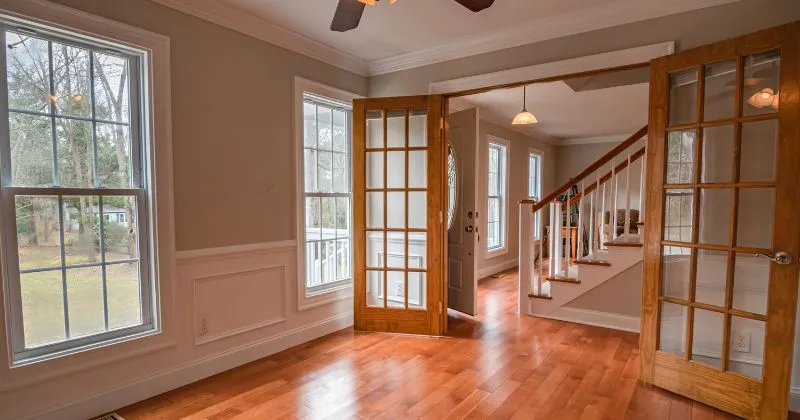
Sliding and pocket doors save space and add a modern touch. Choosing the right type isn’t just about looks — it’s about finding the perfect balance between beauty and practicality to create a home that feels cohesive and comfortable.
Interior Door Construction & Materials (Quick Look)
Before choosing your door style, it helps to understand what’s inside. The construction and material of an interior door greatly affect how it looks, sounds, and lasts. Let’s break down the main types you’ll find on the market.
Hollow-Core Doors
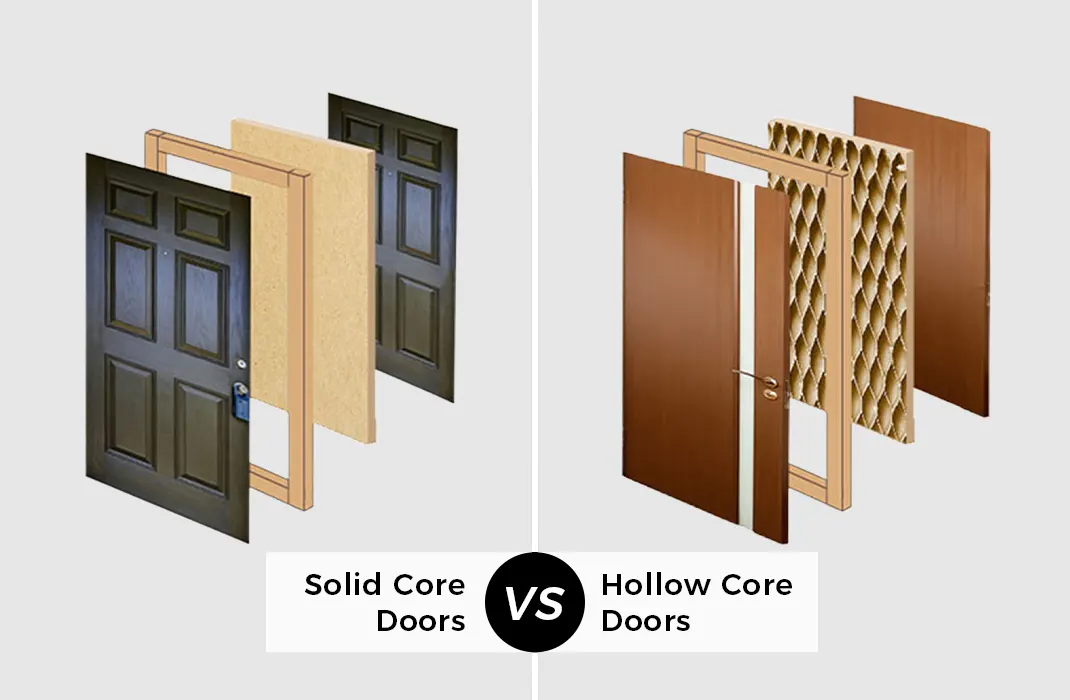
Hollow-core doors are lightweight and budget-friendly, making them a popular choice for modern homes and apartments. They’re built with a thin wood or MDF (medium-density fiberboard) outer layer and a honeycomb cardboard core inside.
While they’re easy to install and affordable, they don’t block sound as well as solid doors and can dent more easily. They’re ideal for spaces like closets, pantries, or rooms where noise control isn’t a big concern.
Solid-Core Doors
Solid-core doors strike a balance between cost and quality. They feature a dense engineered wood or MDF core covered by a veneer or laminate finish. This design makes them heavier, sturdier, and better at reducing sound transfer compared to hollow-core models.
They also feel more substantial and give a touch of premium quality without the full price of solid wood. Perfect for bedrooms, offices, and any room where privacy and quiet matter.
Solid Wood Doors

If you want the classic choice for beauty and longevity, solid wood doors are unmatched. Made entirely from natural wood species like oak, maple, or pine, these doors offer rich texture, warmth, and excellent durability. They also provide the best sound insulation and can be refinished multiple times over the years.
However, they’re heavier and more expensive — so they’re often reserved for feature areas like main bedrooms, studies, or formal rooms.
Material Matters
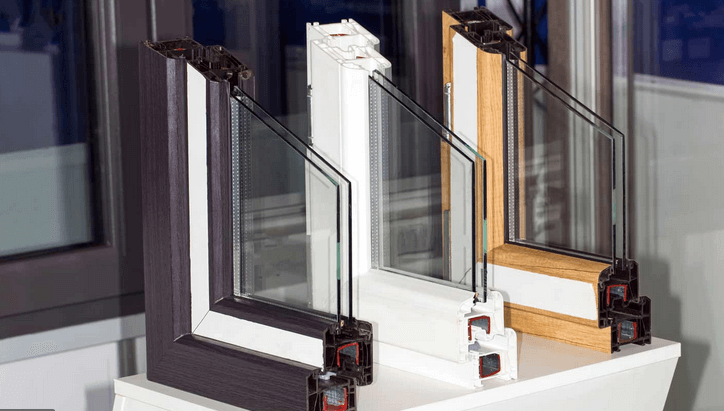
Most interior doors today are crafted from MDF, veneer, or engineered wood, each bringing a unique mix of strength, style, and affordability.
MDF gives a smooth, paint-ready surface with no grain patterns.
Veneer adds the natural beauty of real wood with a more stable core underneath.
Engineered wood resists warping and cracking, making it ideal for humid conditions.
Performance at a Glance
In short:
Hollow-core = light + affordable
Solid-core = balanced + sound-dampening
Solid wood = premium + timeless
Choosing the right construction means finding the perfect blend of acoustics, durability, and cost for your home.
Common Interior Door Styles and Where They Work
When it comes to interior doors, one size definitely doesn’t fit all. Each type brings its own mix of style, function, and personality. Whether you’re designing for comfort, space efficiency, or a design statement, here’s a quick guide to the most popular interior door styles — and where they shine best.
1. Swing (Standard Hinged) Doors

The swing door is the classic interior door — simple, familiar, and versatile. It operates on hinges fixed to one side of the frame, allowing the door to swing open either inward or outward. This style works beautifully for bedrooms, bathrooms, and offices where privacy and a solid seal matter. Just make sure there’s enough space for the door to open fully without hitting walls or furniture.
2. Panel Doors & Flush Doors
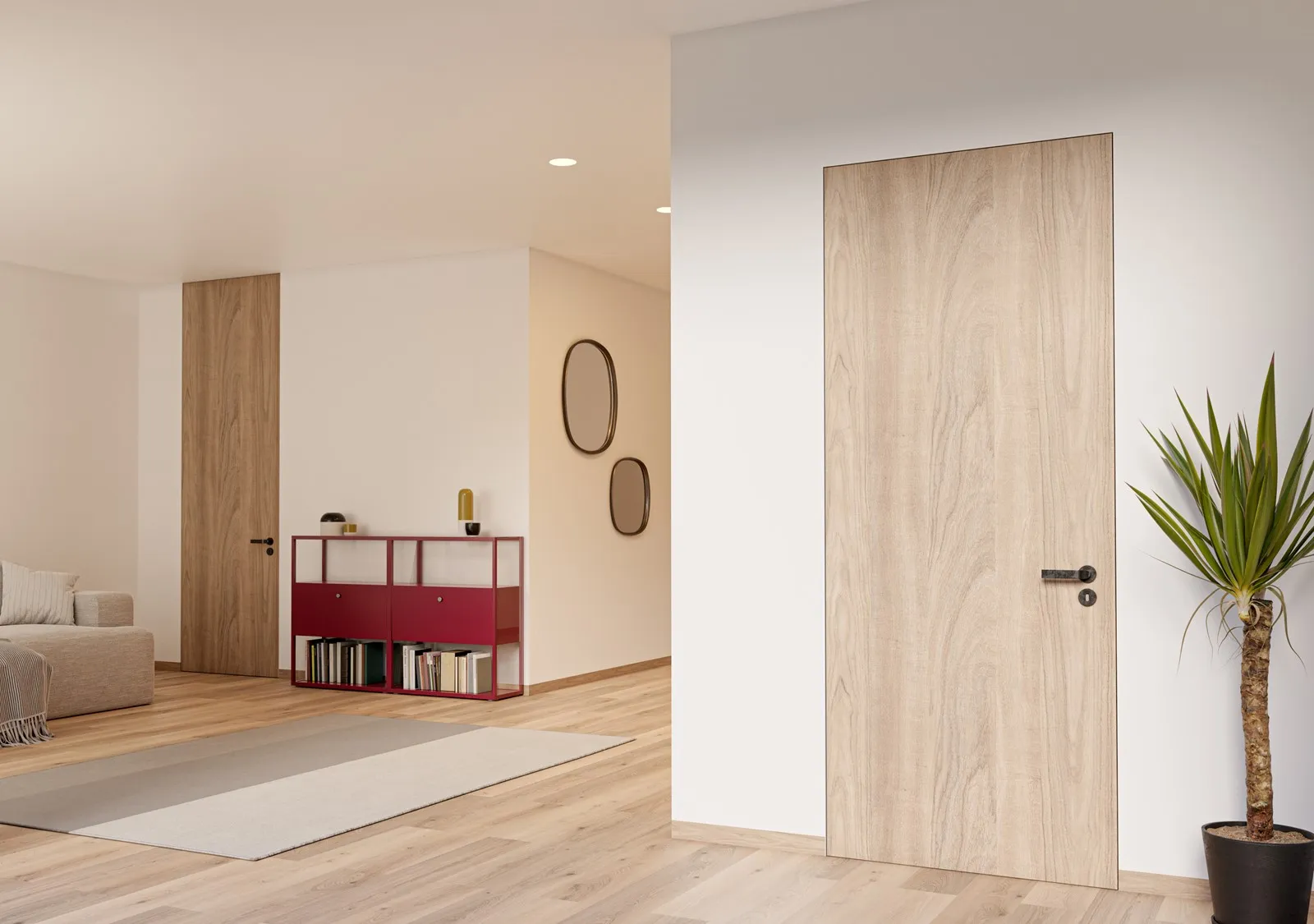
Panel doors are timeless favorites. They feature raised or recessed panels that add depth and detail, making them ideal for traditional or transitional interiors. On the other hand, flush doors have a smooth, flat surface that fits perfectly with minimalist or modern designs.
Both are widely available in hollow-core, solid-core, or solid wood options — making them flexible for different budgets and styles.
3. French Doors (Double Swing with Glass)
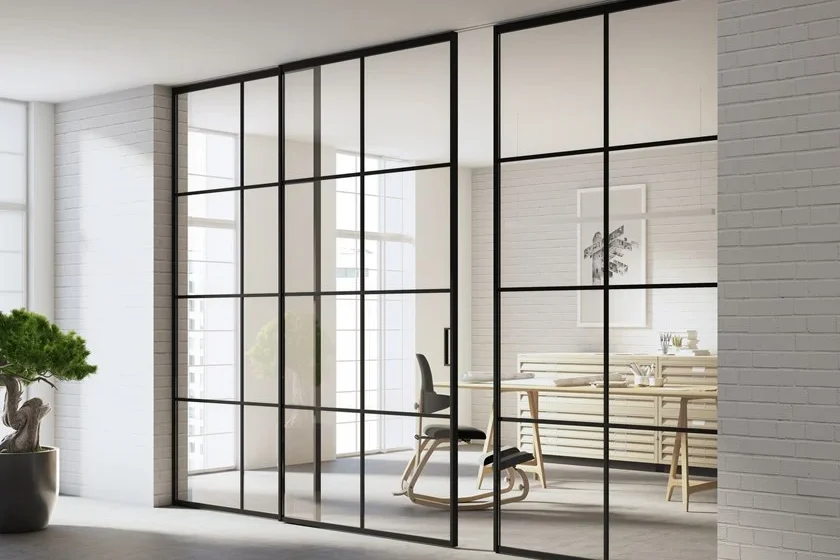
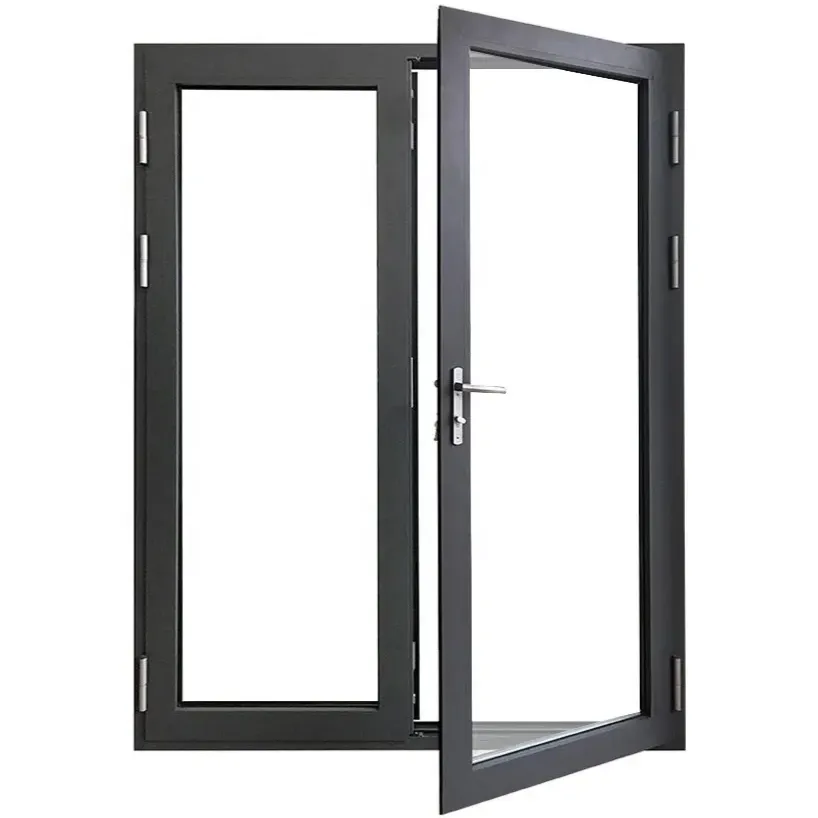
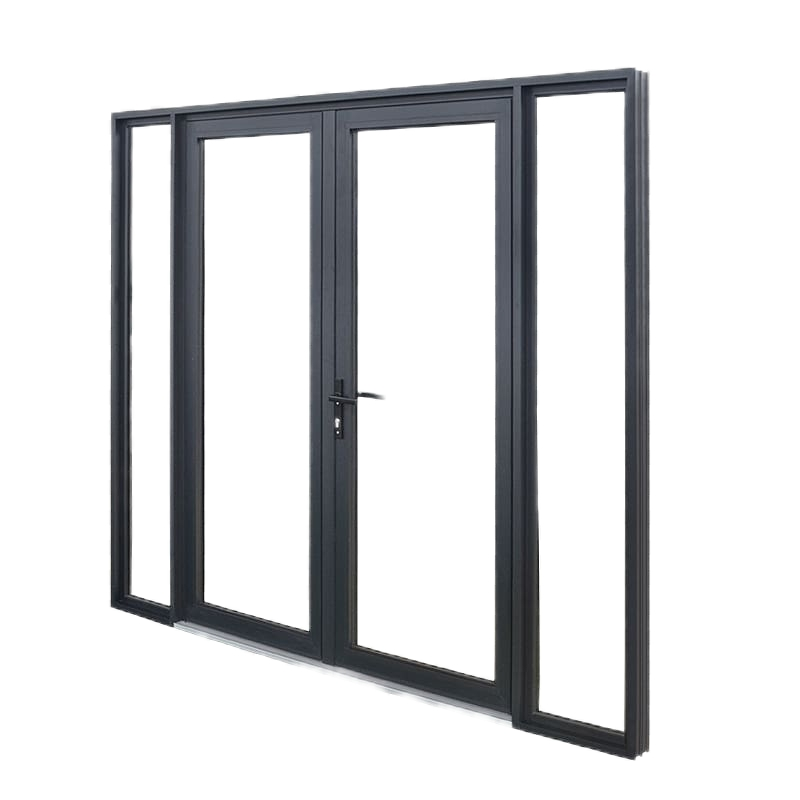
Nothing brings elegance and openness like French doors. Typically made of two hinged panels with large glass panes, they allow natural light to flow between rooms while still creating separation.
They’re perfect for connecting living rooms, home offices, and dining areas — anywhere you want visual connection and a touch of sophistication.
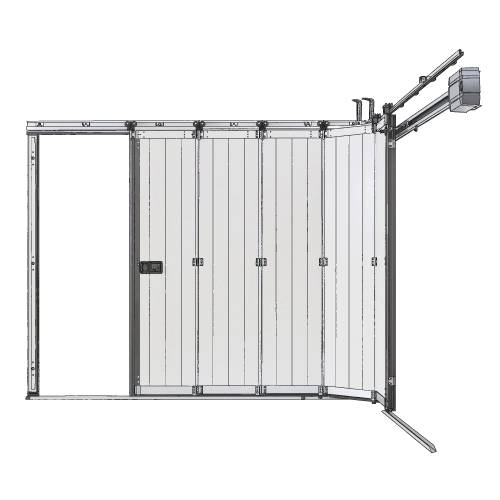
4. Sliding & Bypass Doors

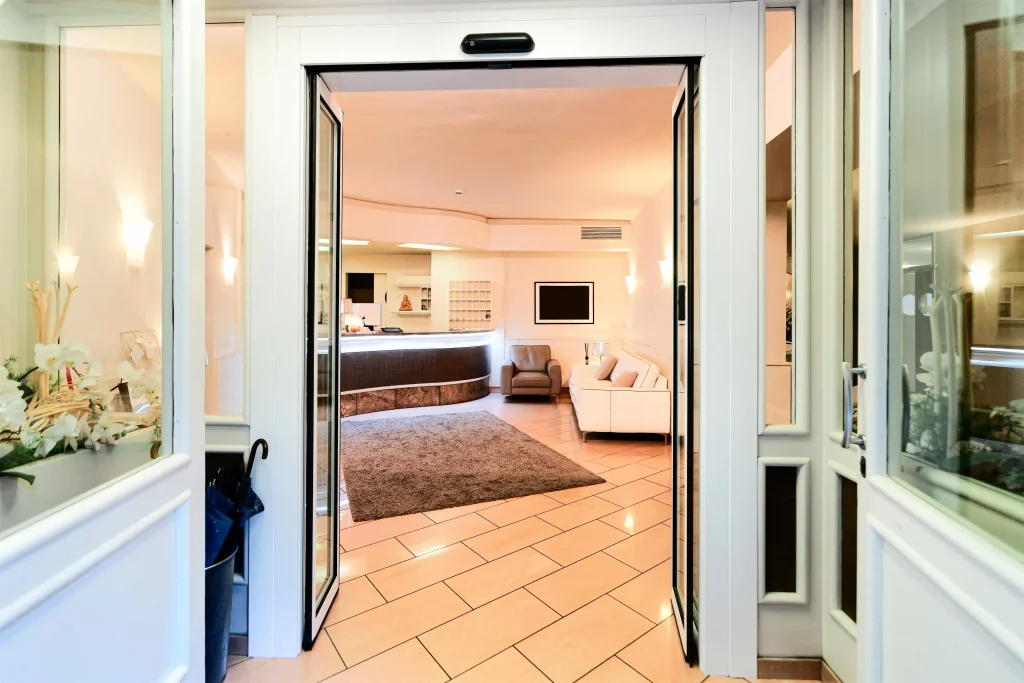
If you’re tight on space, sliding doors or bypass doors are a smart solution. Instead of swinging, these doors glide along a track — either overlapping (bypass) or separating (sliding).
They’re ideal for closets, small rooms, or areas with limited clearance. With sleek lines and smooth operation, sliding doors also complement modern, open-plan interiors.
5. Pocket Doors (Hidden and Efficient)
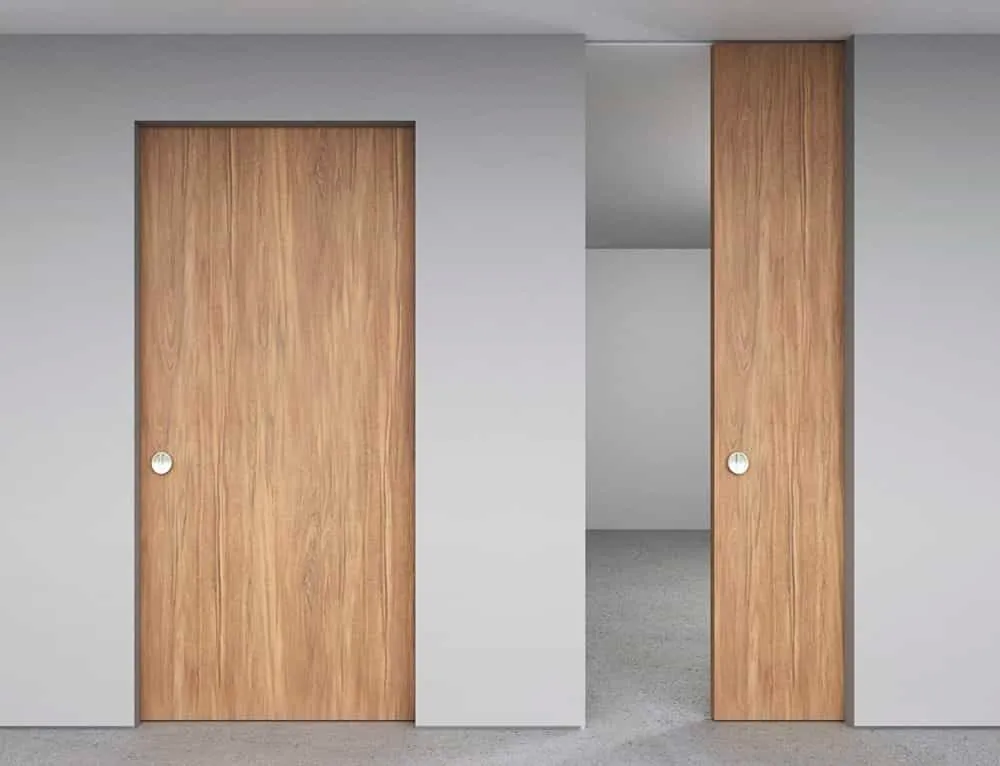
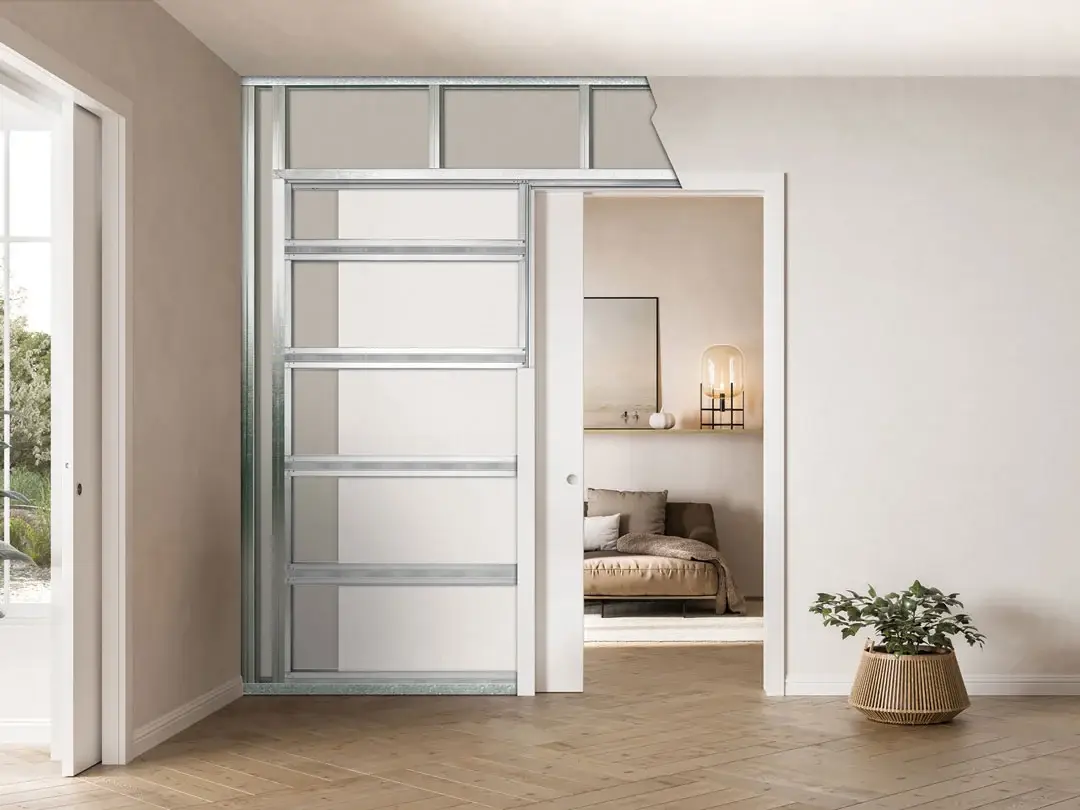
Want a door that disappears when open? Pocket doors slide neatly into a hidden wall cavity, freeing up valuable floor space. They’re excellent for bathrooms, laundry areas, or narrow hallways where a swinging door would be in the way.
Beyond practicality, pocket doors add a touch of clean, architectural elegance to any interior.
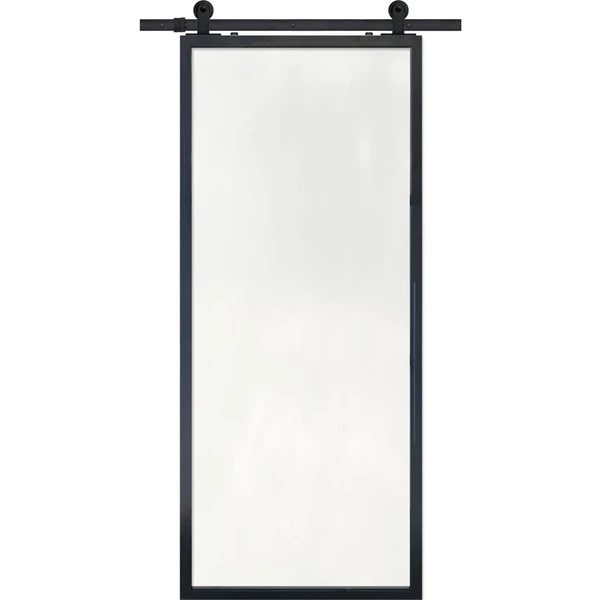
6. Barn or Track Doors

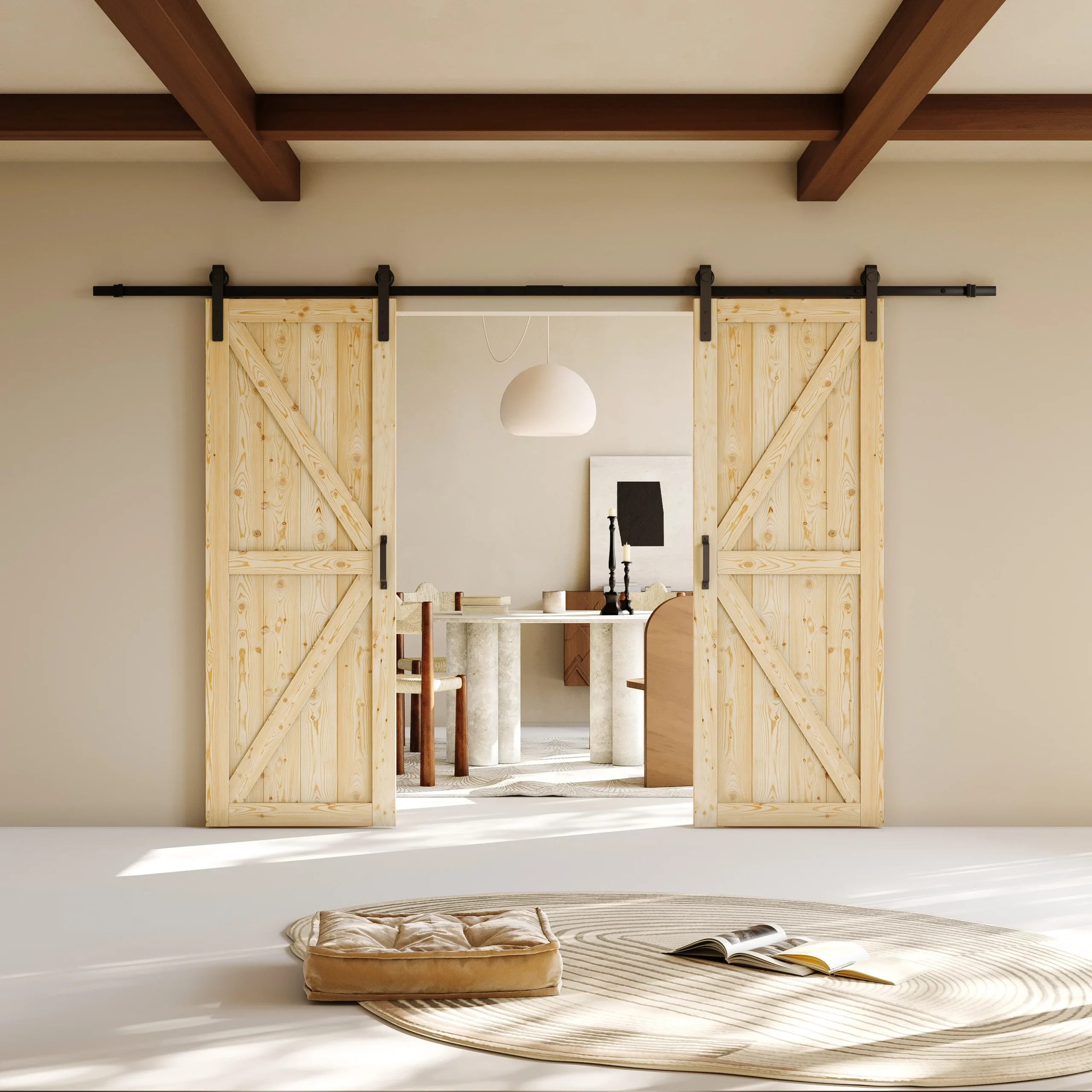
Barn doors combine rustic charm with modern style. Mounted on a visible overhead track, they slide sideways to open and close — turning a simple entryway into a design feature.
They’re perfect for spaces like home offices, pantries, or master bedrooms where you want easy access and a bold visual statement. With modern finishes, barn doors now suit both farmhouse and industrial interiors alike.
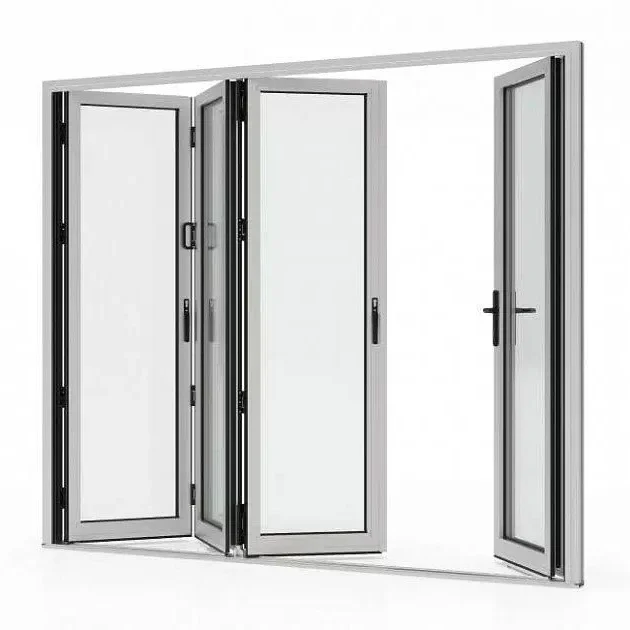
7. Bi-Fold & Louvered Doors
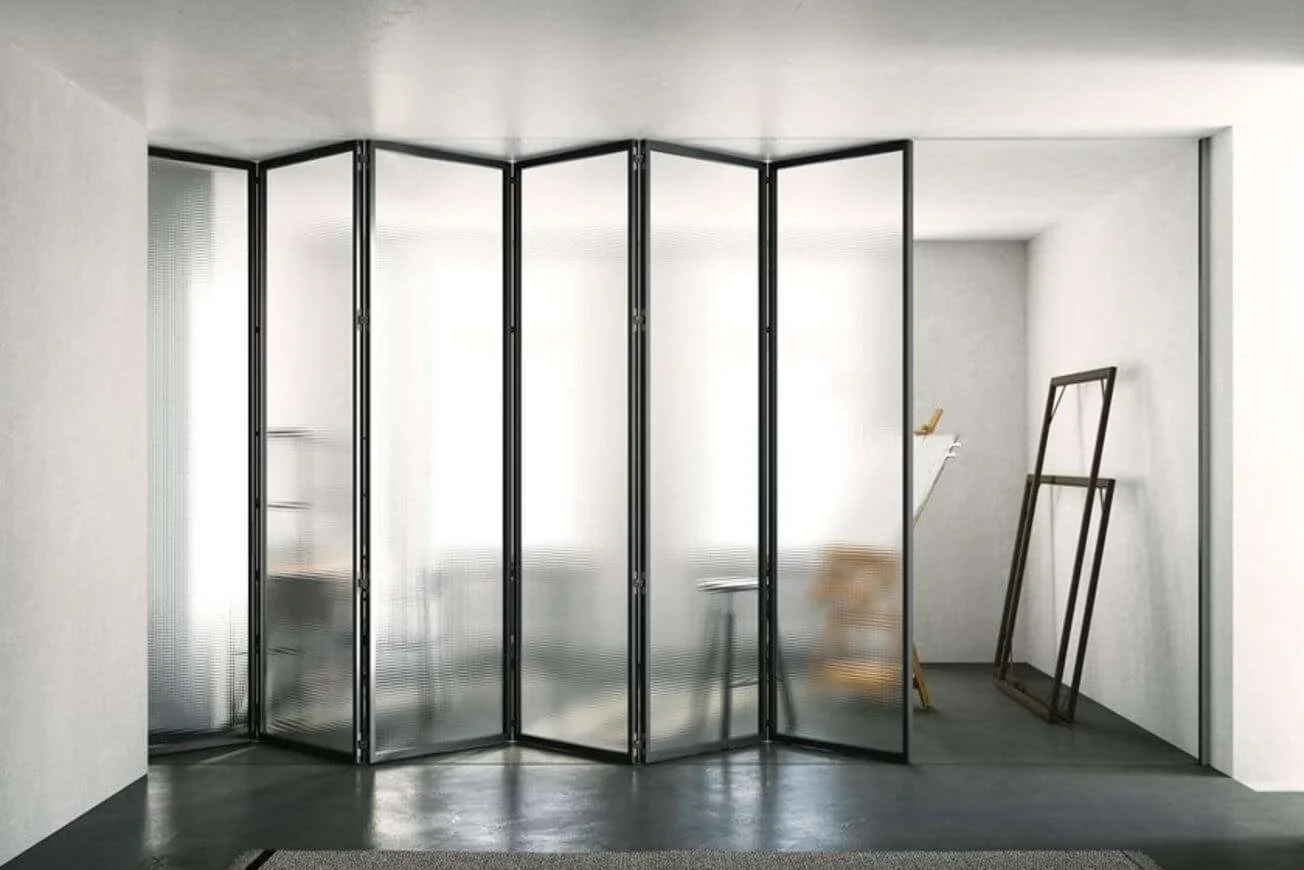
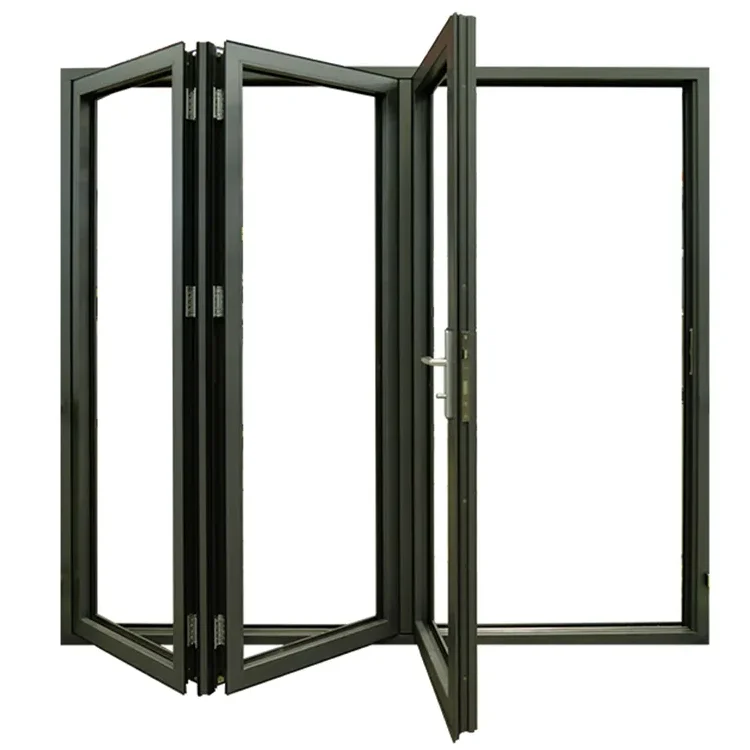
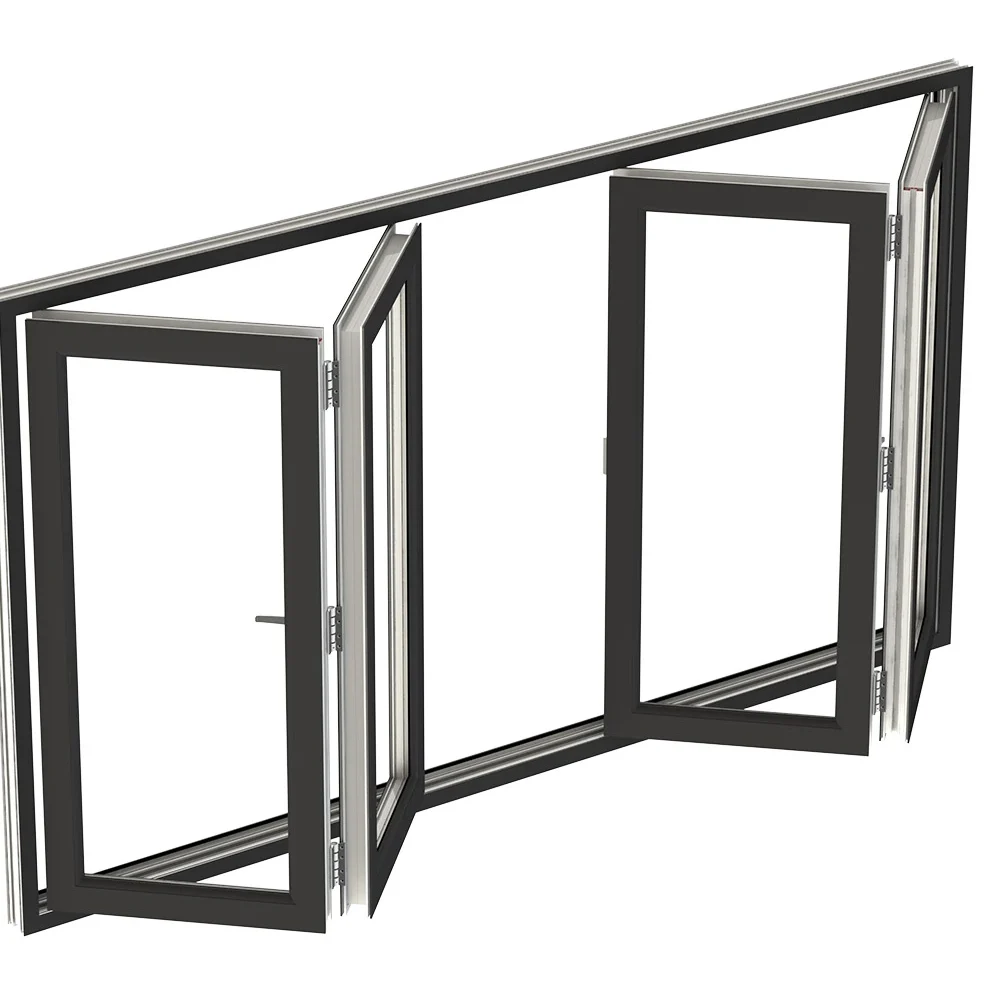
Bi-fold doors fold neatly in half, making them a great option for closets, laundry rooms, and pantries. Louvered doors, featuring slatted panels, allow air circulation while maintaining privacy — ideal for utility areas or wardrobes.
These space-saving doors are practical, lightweight, and add texture to otherwise plain surfaces.
8. Specialty Doors (Dutch, Pivot, Full-Height)
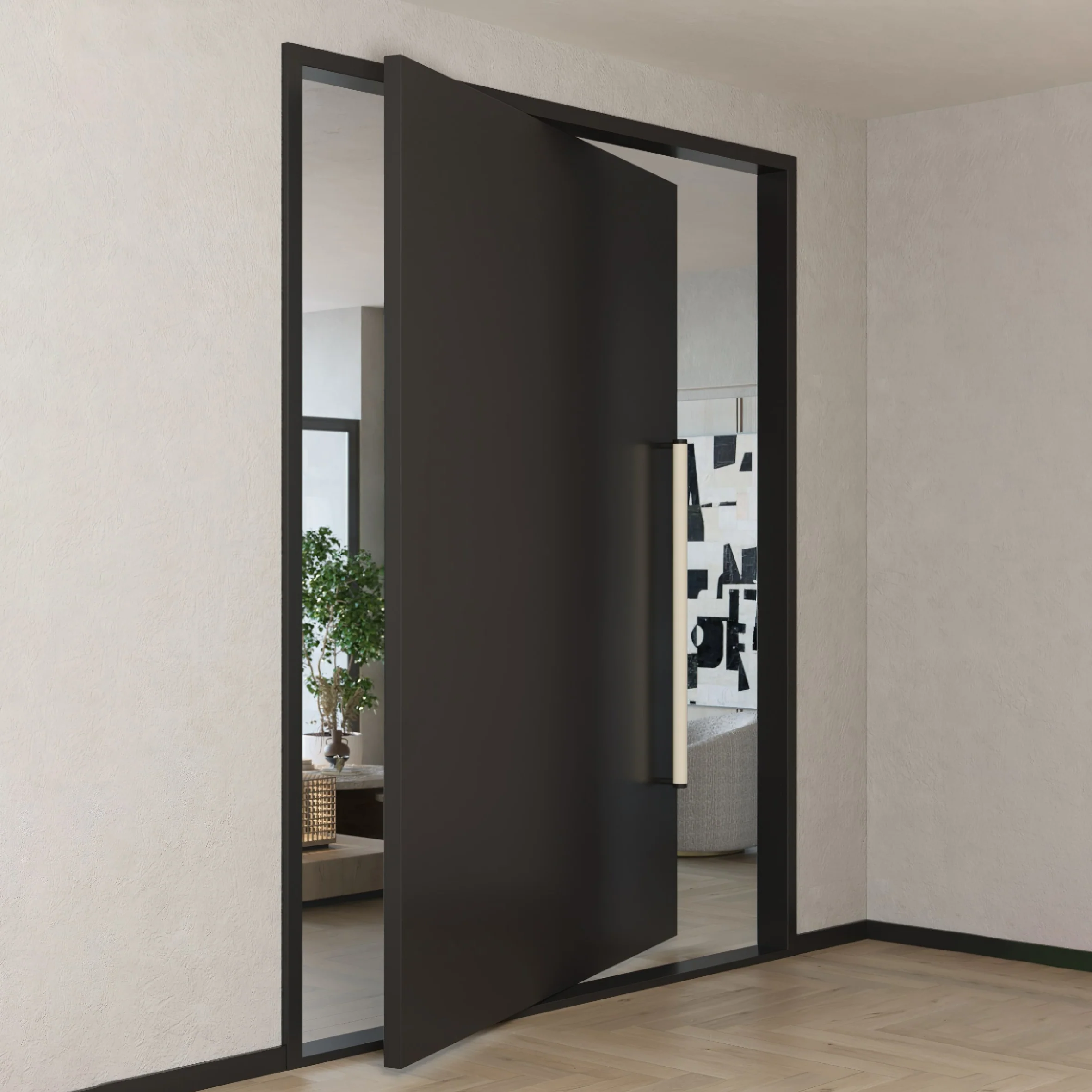
For homeowners who love unique design, specialty doors bring extra character and function.
Dutch doors split horizontally, allowing the top half to open while the bottom stays closed — great for kitchens or family areas.
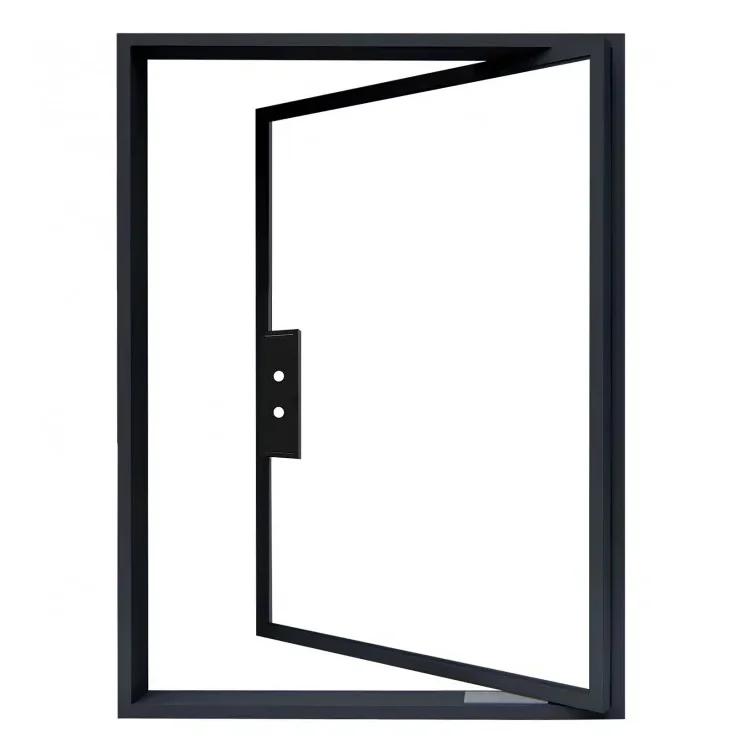
Pivot doors rotate on a central hinge, creating a dramatic, modern effect often used in high-end homes.
Full-height doors extend from floor to ceiling, enhancing a sense of scale and luxury in modern interiors.
These styles aren’t just practical — they transform an ordinary doorway into a design statement.
Choosing the Right Door for Each Room
Every room in your home has its own purpose — and the door you choose should match it. A well-chosen interior door not only improves privacy and flow but also enhances the overall comfort and design of your space. Here’s how to pick the best style for each area in your home.
Match Door Style to Function
Start by thinking about how the room is used.
Bedrooms and bathrooms benefit from solid doors that offer privacy and sound control.
Closets and pantries are better suited to lightweight or space-saving doors like bi-fold, sliding, or pocket styles.
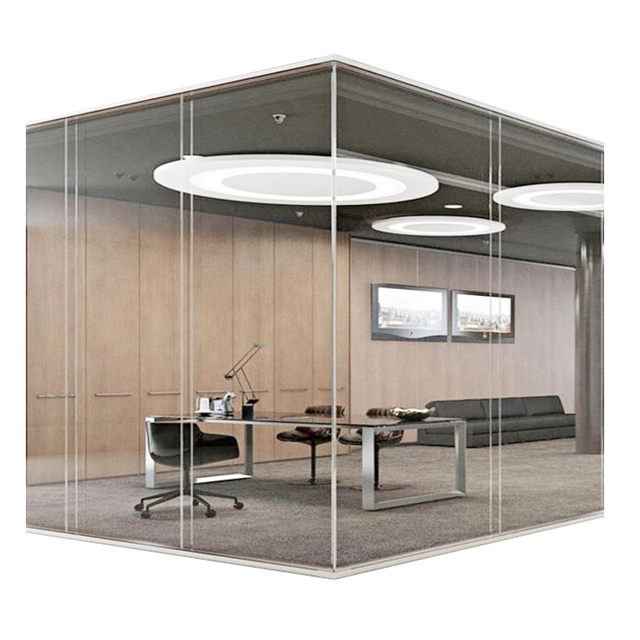
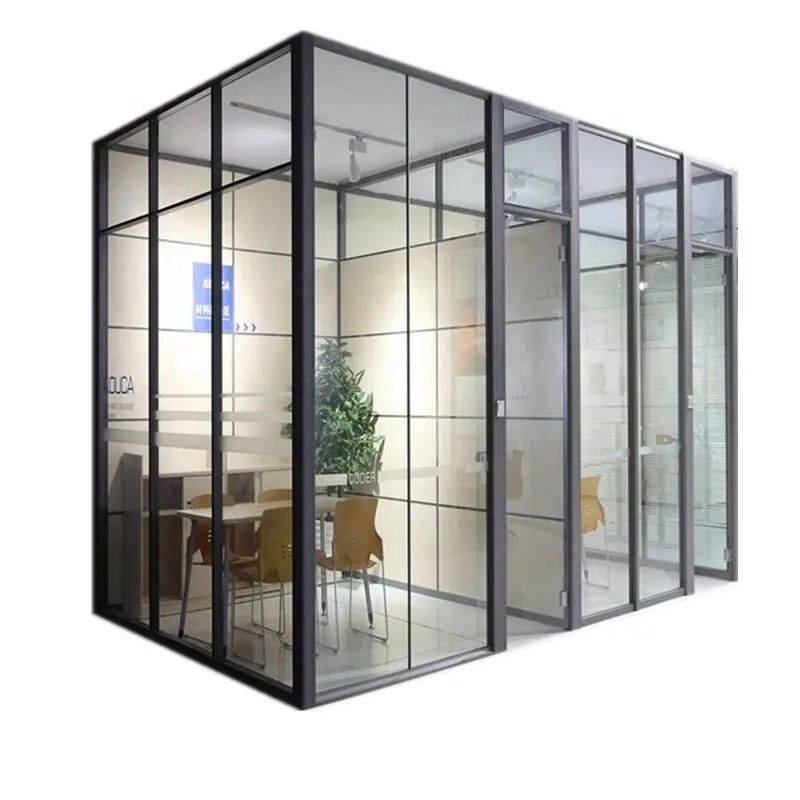
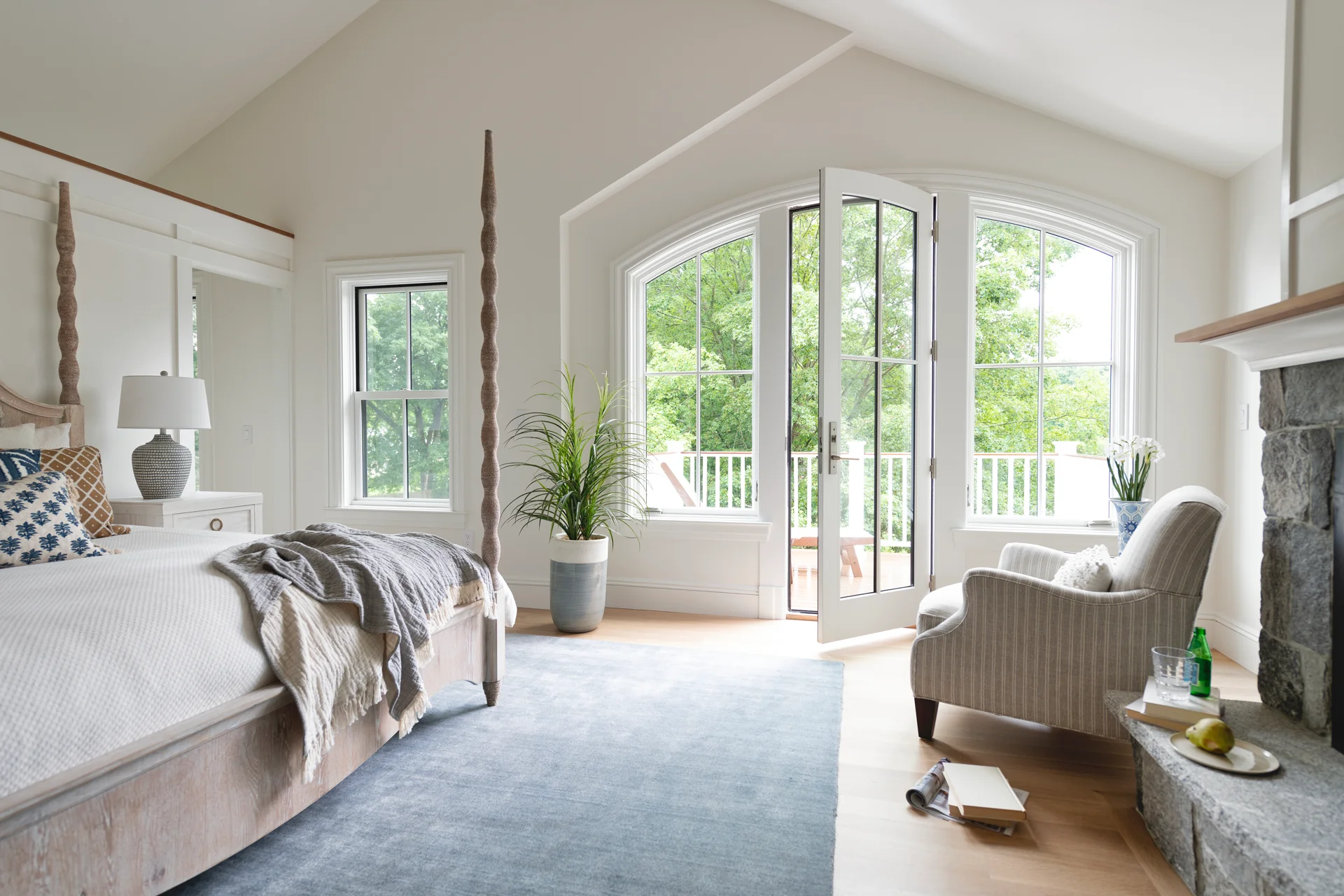
Living areas or dining rooms look elegant with French doors or glass-pane designs that allow natural light to pass through.
When the door’s function aligns with the room’s needs, everything feels more intuitive and comfortable to use.
Consider Space and Traffic Flow

Space is a big factor in door selection. In tight areas, a swing door might block furniture or pathways, while a sliding or pocket door saves valuable floor space. For rooms with heavy foot traffic, choose doors that open in a direction that keeps movement smooth and avoids collisions. A simple layout check before installation can prevent daily frustration.
Balance Light and Visibility
Natural light can make a home feel open and connected. If you want to brighten darker areas, choose doors with glass panels or French doors to share light between rooms without sacrificing style. They’re perfect for offices, lounges, or hallways that could use a little extra daylight. For spaces where privacy matters more, like bedrooms or bathrooms, go for solid or frosted glass designs.
Think About Acoustics and Privacy

Sound control is often overlooked — until it becomes a problem. For rooms that need quiet, such as bedrooms, nurseries, or home offices, solid-core doors are the best choice. Their dense construction reduces noise transfer and adds a more substantial, high-quality feel compared to hollow-core options.
Coordinate with Your Home’s Style

Finally, let your doors complement your home’s design. A sleek flush door enhances a modern, minimalist space, while raised-panel or barn-style doors fit rustic and classic interiors. Coordinate finishes, trim, and flooring tones to create a cohesive look throughout your home. A well-chosen door can subtly tie your entire design together — both visually and functionally.
Ready to Choose the Perfect Interior Door?
Selecting the right interior door can transform how your home looks and feels — improving comfort, flow, and overall design harmony. Whether you’re renovating a single room or designing an entire space from scratch, our team is here to help you find the ideal solution.
At APRO, we combine engineering expertise with design innovation to deliver doors that are not only beautiful but built to perform. From classic wooden doors to modern minimalist designs, every product is crafted with precision, durability, and style in mind.
Contact us today to speak with our specialists, request a free consultation, or get a quote for your next project.
Let’s create doors that open more than spaces — they open possibilities.
FAQs
What types of interior doors are there?
There are many interior door types including swing/hinged, panel & flush, French (double glass-pane), sliding/bypass, pocket (hidden in wall), barn/track, bi-fold/louvered and specialty doors like pivot or Dutch.
What is the cheapest type of interior door?
The most affordable interior door type is a hollow-core slab door — thin skins over a light core — often priced around US $30-$70.
What interior door style is most popular?
The most popular interior door style is the standard swing hinged door with panels (panel door), given its versatility, wide availability and compatibility with many home interiors.
What is the most common interior door?
The most common interior door is the standard single swing hinged door (often 30 in × 80 in) with one side hinged and the other side as the handle, because it suits most rooms and is easy to install and use.