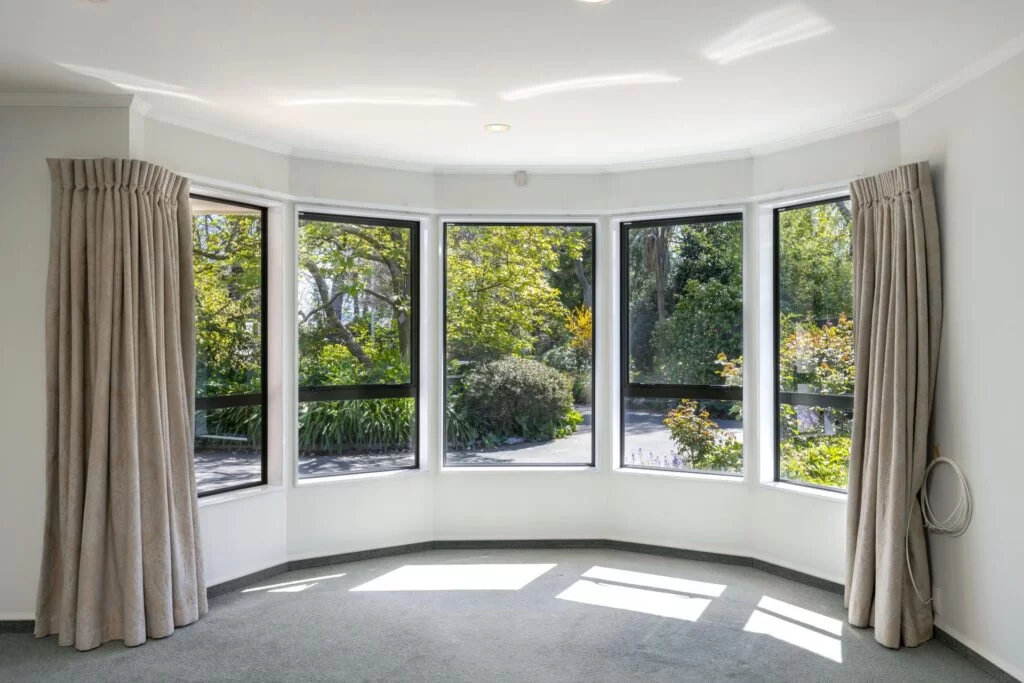







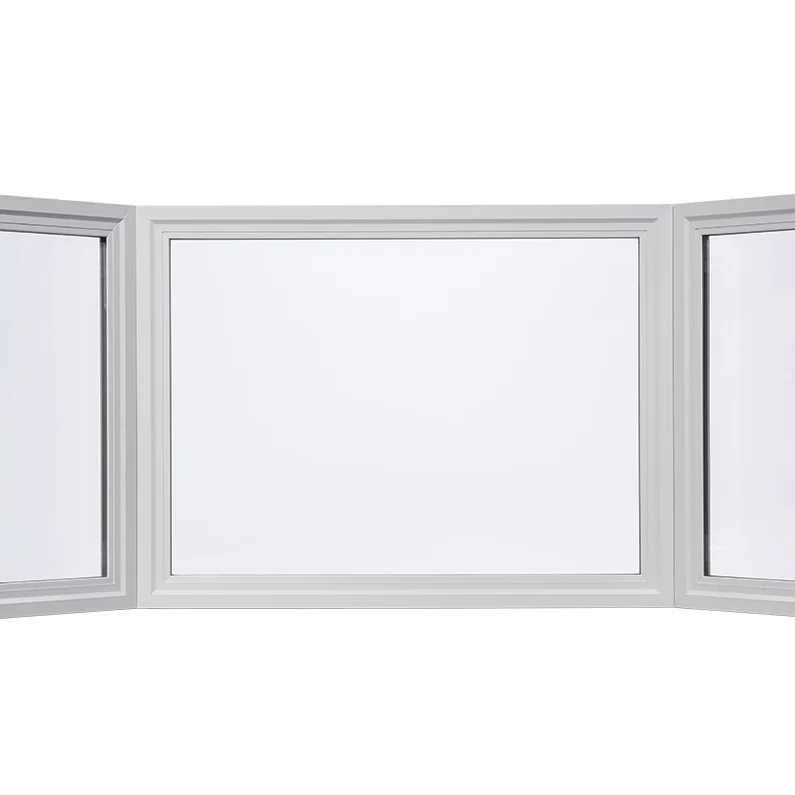



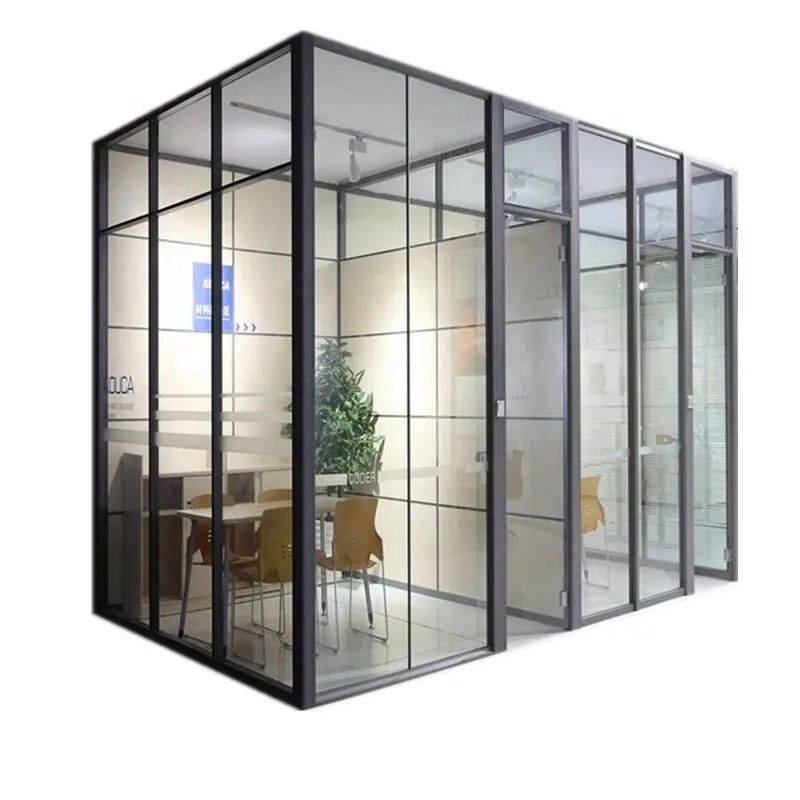


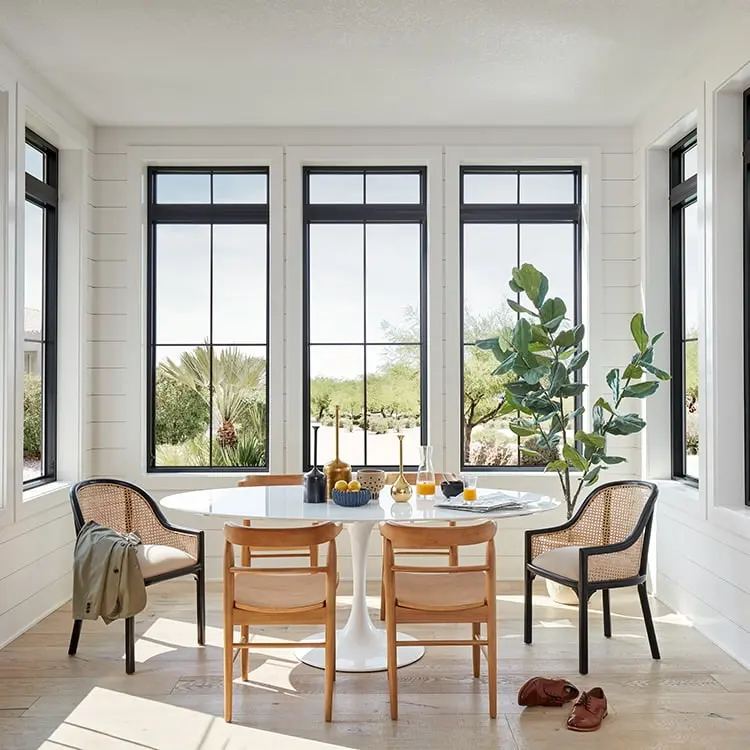


Bay windows instantly make any room feel brighter, larger, and more welcoming. Defined by their outward projection from the main wall, they typically feature three or more glass panels set at angles, creating a “bay” that extends beyond the home’s façade.
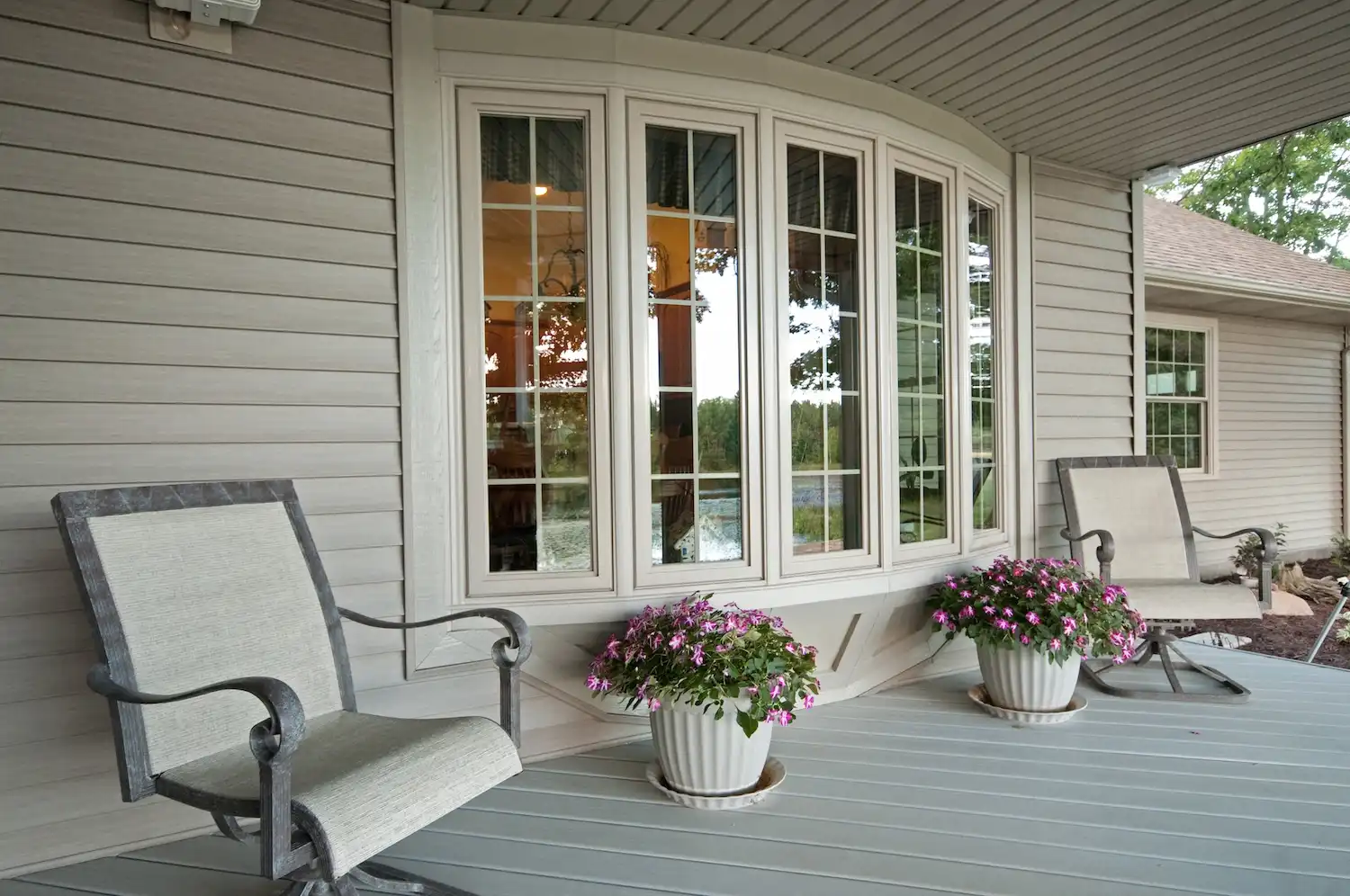
This unique shape captures light from multiple directions, opening up the interior and adding architectural depth. Beyond visual appeal, bay windows offer extra functional space—ideal for a cozy seat, reading nook, or elegant display. Timeless and versatile, bay windows beautifully blend charm and practicality, enhancing both your home’s exterior design and interior comfort.
Quick Answer: The 5 main types of bay windows are canted (angled sides, classic look), box (90° angles, modern), bow (curved, 4–6 panels), oriel (upper-floor, bracketed), and polygonal (5+ sides, panoramic views). Canted bays are the most common for residential homes; bow windows cost the most but deliver the most dramatic effect.
5 Primary Types of Bay Windows Explained
When choosing the right bay window for your home, it helps to know the main styles available. Each type has its own shape, structure, and character—whether you want a traditional look or a modern twist. Let’s explore the most popular types of bay windows and what makes each one unique.
Canted Bay Window

The canted bay is what most people picture when they think of a classic bay window. It features a flat front with angled sides—usually set at 30° or 45°—that connect back to the wall. This style is common on Victorian and Colonial homes, offering timeless appeal and a sense of grandeur.
-
Best for: Traditional or historic homes
-
Advantages: Expands interior space while keeping a strong architectural look
-
Pro tip: Add a cushioned bench or plants inside the bay to highlight the depth and natural light.
Box Bay Window

Box bay windows have straight 90° angles, forming a crisp rectangular projection from the wall. Unlike the softer curves of other types, this version gives a clean, modern look that fits contemporary and transitional homes.
-
Best for: Kitchens, offices, or reading nooks where space is tight
-
Advantages: Compact design, easy to integrate with modern architecture
-
Pro tip: Combine with sleek trim or minimalist frames for a polished, built-in feel.
Bow (Circle) Bay Window

A bow window, sometimes called a circle bay, uses four to six window panels arranged in a gentle curve rather than sharp angles. This creates a rounded appearance that feels elegant and spacious.
-
Best for: Living rooms or master suites that overlook scenic views
-
Advantages: Adds visual softness, floods interiors with natural light
-
Pro tip: Pair with soft drapery or curved seating to enhance the graceful lines.
Oriel Bay Window
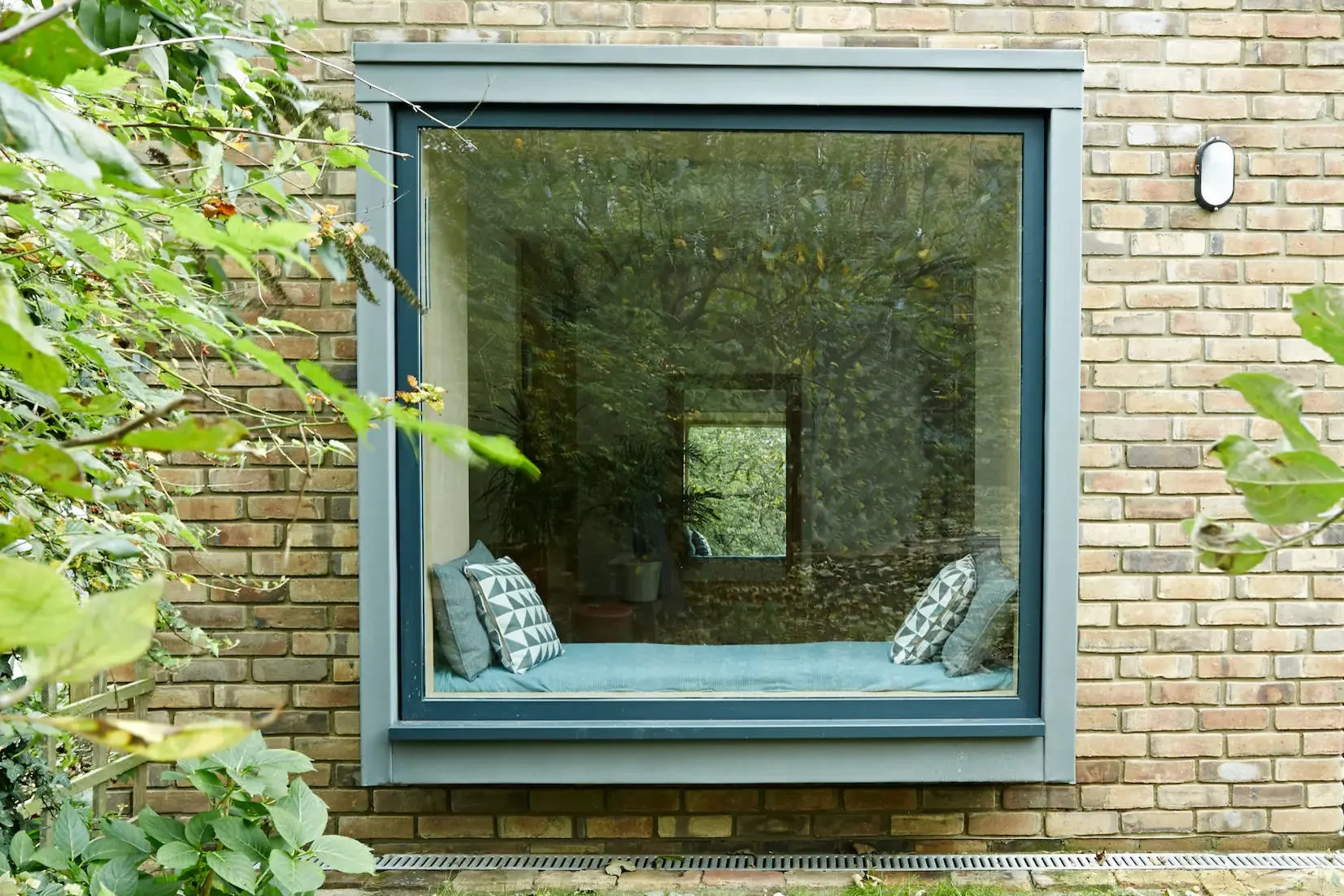
Oriel bay windows are installed on upper floors and supported by decorative brackets or corbels instead of extending to the ground. They’re often found in older architecture but add character and vertical interest to modern designs too.
-
Best for: Multi-story homes or spaces where floor-level projection isn’t possible
-
Advantages: Creates charm, adds exterior depth, and preserves ground space
-
Pro tip: Consider ornate brackets or trim to make it a true focal point.
Polygonal or Multi-Sided Bay Window

Polygonal bays expand on the traditional concept by using more than three glass panels—five, six, or even eight sides—to create a faceted effect. The result is a panoramic view and striking exterior geometry.
-
Best for: Homes aiming for a statement look or wide-angle outdoor views
-
Advantages: Flexible design, dramatic appearance, maximum light intake
-
Pro tip: Use energy-efficient glazing and sturdy framing to support the extra panels.
Each of these types of bay windows offers its own balance of style, space, and sunlight. Whether you prefer the classic angles of a canted bay or the sweeping curves of a bow window, the right choice can completely transform the look and feel of your home.
Bay Window Styles Compared: Cost, Structure & Home Fit

Choosing between different types of bay windows isn’t just about looks—it’s about finding the right balance between visual impact, practicality, and budget. Each style offers its own design strengths and considerations when it comes to structure, installation, and overall fit for your home.
| Type | Visual Impact | Roof/Roofline Integration | Structural Support & Cost | Best for Home Styles | Key Pros | Key Trade-offs |
|---|---|---|---|---|---|---|
| Canted Bay (flat front + angled sides) | Classic, high depth and presence | Typically small hip/shed roof; moderate detailing | Moderate framing; mid-range cost | Victorian, Colonial, Craftsman | Timeless look; adds usable nook space | More complex than box bays; careful flashing needed |
| Box Bay (90° angles) | Clean, modern lines; compact projection | Simple shed/flat roof tie-in; easier to blend | Simpler structure; generally lower cost | Modern, Transitional, Minimalist | Budget-friendly; straightforward install | Less curvilinear drama than bow/polygonal |
| Bow (Circle) Bay (curved, 4–6 panels) | Elegant, continuous curve; “wow” factor | Custom curved/segmented roof often required | More panels & curvature → higher cost/engineering | Traditional, Luxury, Coastal | Panoramic light; softens façades | Complex install, careful framing & sealing |
| Oriel Bay (upper-story, bracketed) | Distinct, historic charm; vertical emphasis | No ground tie-in; focus on bracket detailing | Requires engineered bracket/corbel supports; mid-high cost | Historic, Eclectic, Urban townhomes | Adds floor-space aloft; preserves ground area | Structural demands; ornate trim maintenance |
| Polygonal / Multi-Sided Bay (5+ facets) | Dramatic geometry; wide viewing angles | Segmented roof/hood; precise flashing at facets | Highest complexity; premium materials & labor | Statement façades; custom/new builds | Maximum light; customizable proportions | Greater engineering + cost; longer timelines |