











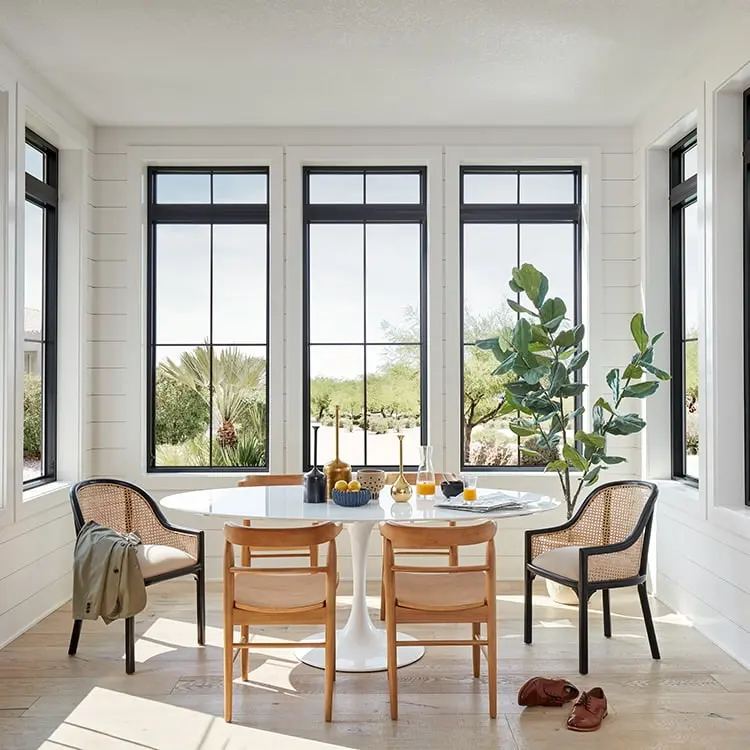


If you’ve ever shopped for replacement windows or planned a home renovation, you’ve probably come across the debate between single-hung vs double-hung windows. They look similar at first glance — both have two sashes and a classic vertical sliding design — but how they operate makes a big difference in comfort, cleaning, and cost.

Homeowners often compare these two styles because they balance function, ventilation, and budget differently. Single-hung windows are simple, affordable, and reliable, while double-hung windows add flexibility, making it easier to control airflow and clean both panes from inside your home.
What Is a Single-Hung Window? Definition & How It Works

A single-hung window features two sashes — the top one is fixed in place, while the bottom sash slides up and down to open or close. This design keeps things simple and cost-effective, with fewer moving parts to maintain. Because the upper sash doesn’t move, single-hung windows often offer slightly better insulation and reduced air leakage compared to their double-hung counterparts. They’re a solid choice for ground-level rooms or areas where easy access for cleaning isn’t a concern.
What Is a Double-Hung Window? Definition & How It Works
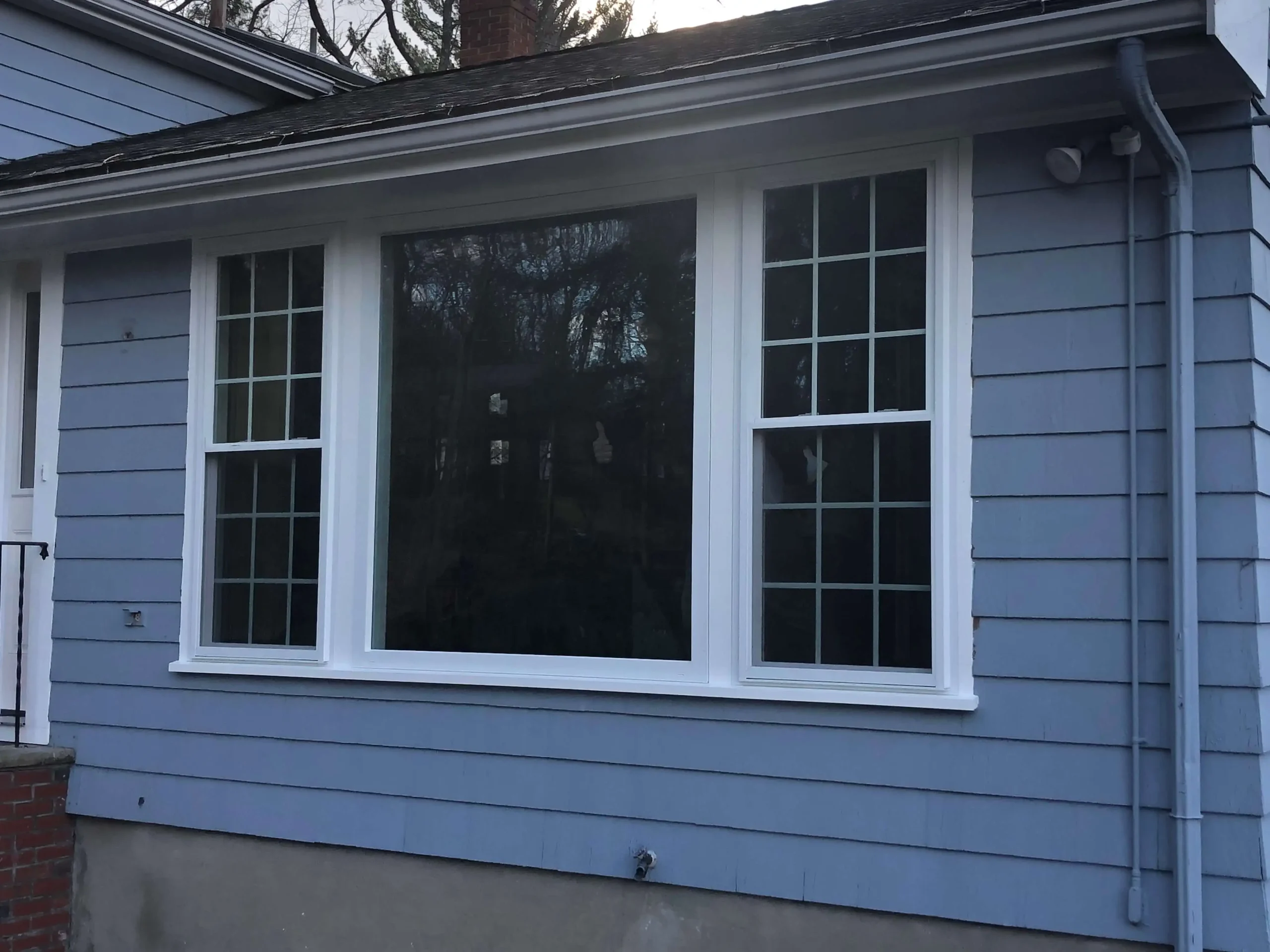
A double-hung window looks similar but offers greater functionality. Both the top and bottom sashes can move, allowing you to open one or both sections for better ventilation. Warm air can escape through the top while cool air enters from below — a natural way to improve airflow and comfort indoors. Many double-hung windows also feature tilt-in sashes, making them incredibly easy to clean from the inside, especially for upper floors.
Single-Hung vs Double-Hung Windows: 8 Key Differences
| Aspect | Single-Hung | Double-Hung | Why It Matters |
|---|---|---|---|
| Operation | Bottom sash moves; top sash fixed | Both top and bottom sashes move | Determines airflow and flexibility |
| Ventilation | Limited to lower opening | Top + bottom openings for balanced airflow | Comfort and temperature control |
| Cleaning | Upper exterior harder to reach | Tilt-in sashes for easy indoor cleaning | Safety & convenience on upper floors |
| Cost | Lower — fewer moving parts | Higher — added mechanisms | Fits budget vs. features |
| Energy Efficiency | Slight edge (fewer seams) | Modern seals minimize gap | Impacts heating/cooling bills |
| Maintenance | Fewer parts to service | More parts; easier glass cleaning | Time & effort over lifespan |
| Size/Design Flexibility | Standard sizes; classic look | Broader range; great for upper stories | Matching rooms and elevations |
| Best Use | Ground floors, budget-focused projects | Bedrooms/upper floors; flexible ventilation | Aligns choice with location & needs |
When choosing between single-hung and double-hung windows, it really comes down to how you plan to use them — and what features matter most in your space. Here’s a breakdown of the most important differences:
Ventilation Control

Double-hung windows offer superior airflow since both the top and bottom sashes open. You can slide the top sash down to let warm air escape while pulling the bottom sash up to bring cool air in — creating a balanced breeze that naturally circulates throughout the room. Single-hung windows, by contrast, only open from the bottom, limiting how much air you can move. They still provide decent ventilation but not the same flexibility for crossflow or temperature control.
Cleaning and Maintenance

Double-hung windows win hands down for easy cleaning. Most modern designs feature tilt-in sashes, allowing you to wash both the inside and outside of the glass safely from indoors — ideal for upper floors.
Single-hung windows, on the other hand, have a fixed top sash, so cleaning the outside requires going outdoors or using a ladder. However, with fewer moving parts, they typically require less mechanical maintenance over time.
Cost & Complexity

If budget is a top concern, single-hung windows are the more affordable option. They have a simpler construction with only one operable sash, which means fewer components and lower installation costs.
Double-hung windows tend to cost more upfront due to their added functionality and tilt mechanisms, but many homeowners find the extra convenience worth the investment.
Energy Efficiency & Air Infiltration

Because single-hung windows have fewer movable parts and seals, they typically offer slightly better energy efficiency and reduced air leakage.
Every movable joint is a potential spot for drafts, and double-hung windows have twice as many. That said, modern weatherstripping and multi-chamber frame designs have greatly improved double-hung performance, making the difference minimal in well-built products.
Size & Design Flexibility

Double-hung windows come in a broader range of sizes and configurations, making them versatile for various home styles and multi-story installations. Their balanced look and flexible ventilation make them especially popular for bedrooms and upper floors.
Single-hung windows, while more limited in variation, work well in ground-floor settings or where simplicity and cost savings are priorities.
When to Choose Single-Hung vs Double-Hung: Best Use Cases
When choosing between single-hung and double-hung windows, think about where they’ll go and how they’ll be used. Each style fits specific spaces and needs — here’s how to decide what works best for your home.
When Single-Hung Is Sufficient
Single-hung windows are ideal for ground-floor installations, low-traffic areas, or projects with tighter budgets. Because the top sash is fixed, they offer dependable insulation and fewer mechanical parts to maintain. If you’re prioritizing affordability and don’t need upper ventilation, single-hung windows deliver reliable performance with minimal upkeep.
When Double-Hung Shines
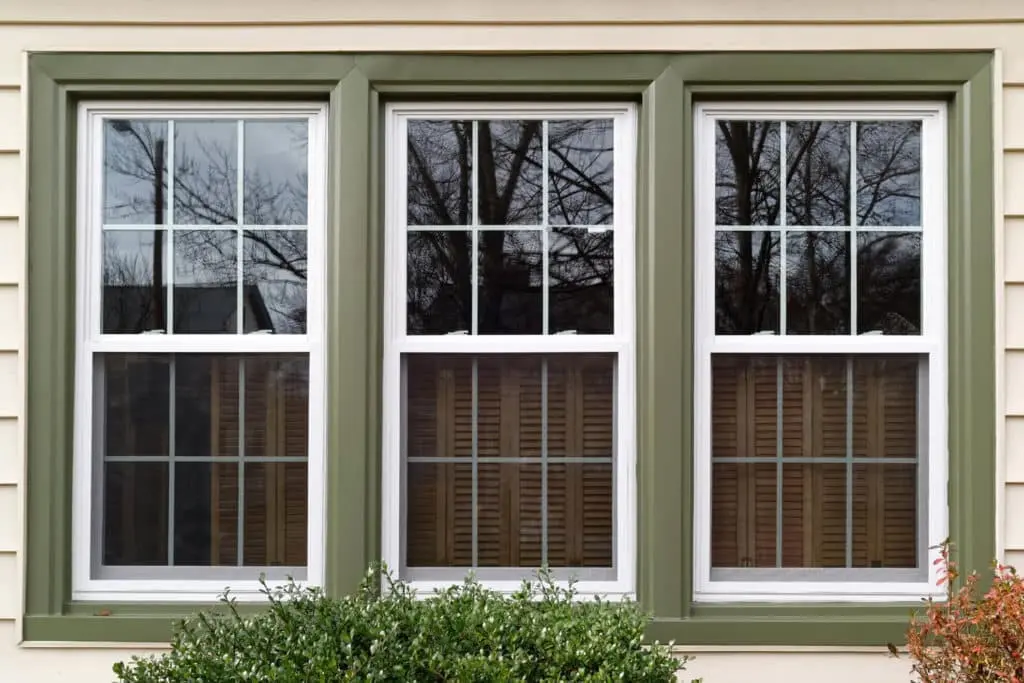
Double-hung windows truly excel in second-story rooms, bathrooms, or spaces that need cross ventilation. Being able to open both sashes means better airflow and flexibility — warm air can escape through the top while cool air enters from below. They’re also safer and easier to clean since both panes can tilt inward, letting you reach the exterior glass from inside.
Tradeoffs & Considerations

Even though both window types share similar looks, their usability and long-term upkeep differ.
-
More moving parts → more maintenance: Double-hung windows have more hardware, so occasional lubrication and seal checks are needed.
-
Potential for air leaks: Poor installation or worn seals can let in drafts over time, especially on double-hung models.
-
Safety concerns: Opening a lower sash in children’s rooms requires extra caution or window guards.
-
Ease and safety of cleaning: Tilt-in double-hung windows are much easier to clean on upper floors, while single-hung may require ladders or exterior access.
In short, single-hung windows fit simple, low-maintenance needs — while double-hung windows offer flexibility and function for spaces where comfort, safety, and airflow matter most.
How to Choose Between Single-Hung and Double-Hung Windows
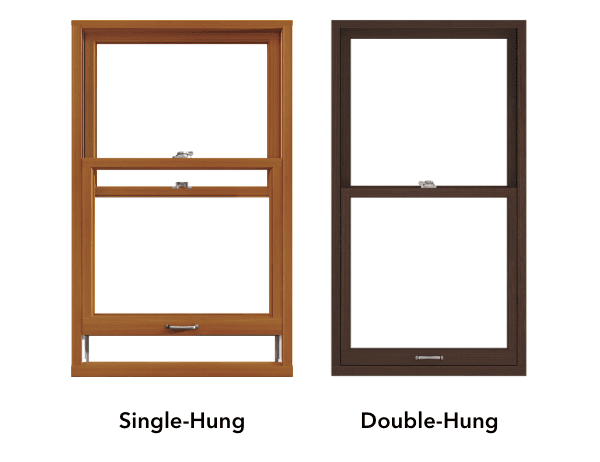
When deciding between single-hung and double-hung windows, it’s not just about appearance — it’s about how the window fits your lifestyle, home design, and environment. Below are the key factors that will help you make the best choice for your space.
Factor Window Height, Accessibility & Room Function
The height and location of your window play a big role in choosing the right style.
If the window is on the ground floor, a single-hung window is usually sufficient — it’s simple, affordable, and provides great insulation. But for upper-story rooms, double-hung windows are the smarter option because both sashes can tilt inward, making cleaning much safer and easier.
Room function matters too: bedrooms and bathrooms benefit from the top sash opening for ventilation and privacy, while living rooms or hallways might only need a bottom-opening window for occasional airflow.
Climate, Budget & Desired Ventilation
Your climate and comfort priorities should also influence your choice.
In humid or warm climates, double-hung windows allow better cross ventilation, helping hot air escape from the top. In colder regions, single-hung models with fewer seams can be slightly more energy efficient, minimizing heat loss.
If you’re working with a tight budget, single-hung windows give great value for money while still offering timeless style. But if you want maximum flexibility and airflow, double-hung windows are worth the extra cost.
Importance of Proper Installation & Quality Seals
No matter which style you choose, the installation quality makes all the difference.
Even the most efficient window will underperform if it’s not properly sealed and aligned. Look for professional installation with high-grade weatherstripping, durable frames, and secure locks to prevent drafts or rattling.
A well-installed window — whether single or double-hung — not only boosts comfort but also reduces long-term maintenance and energy bills. It’s an investment in performance, not just appearance.
Ready to Choose the Right Windows for Your Home?

Whether you’re upgrading for better airflow, easier cleaning, or energy savings, the right window makes all the difference in comfort and performance. Our experts can help you find, customize, and install the perfect single-hung or double-hung windows to match your home’s design and budget.
Bring more light, comfort, and value to your home today.
Contact us now for a free consultation or quote — let’s make your next window upgrade effortless and efficient!
FAQs
Which is better: single-hung or double-hung windows?
Double-hung windows offer better ventilation control and easier cleaning — both sashes open and tilt inwards — while single-hung windows cost less and have fewer moving parts.
What is the disadvantage of a single-hung window?
Single-hung windows make cleaning the top sash difficult (you often must reach outside), and they only allow ventilation from the bottom sash.
How to tell if a window is double hung or single hung?
Check if both sashes move: if only the lower sash slides, it’s single-hung; if both top and bottom sashes can slide or tilt, it’s double-hung.
What is the disadvantage of double-hung windows?
Double-hung windows tend to cost more, have more parts that can wear or leak, and require better sealing to maintain energy efficiency.
Are single-hung windows cheaper than double-hung?
Yes. Single-hung windows typically cost 10%–30% less than double-hung windows of the same size and material, because they have fewer moving parts and simpler hardware. For budget-conscious projects or ground-floor installations, single-hung windows offer the best value.