














When you’re working on a door project—whether it’s replacing a worn-out frame or installing a new one—it’s easy to get confused by all the parts.
One of the most common mix-ups? Door jamb vs. door frame.
These two terms sound similar, and many people use them interchangeably. But the truth is, they’re not the same thing.
Knowing the difference can help you make better decisions when it comes to buying, installing, or repairing a door.
What Is a Door Frame?
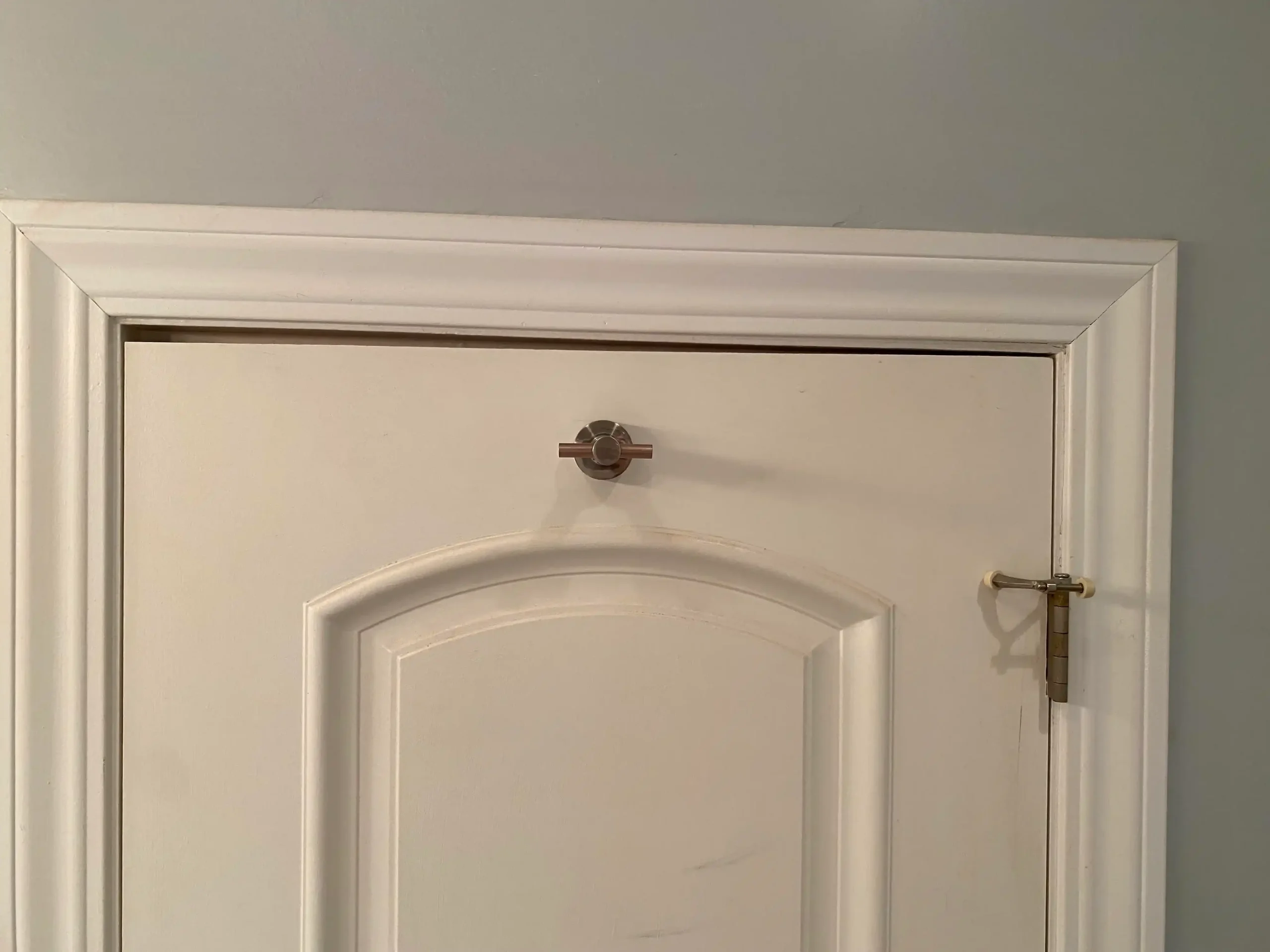
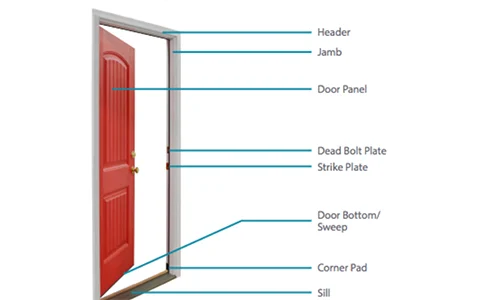
A door frame is the complete structure that surrounds and supports a door.
It holds everything in place and makes sure the door opens, closes, and locks properly.
Think of it as the foundation that keeps the door secure and aligned.
Key Parts of a Door Frame:
Head: This is the top horizontal piece of the frame. It runs across the top of the door and connects both sides.
Jambs: These are the vertical sides of the frame. They run up and down on the left and right of the door and support the hinges and locks.
Sill: Found at the bottom, the sill is common on exterior doors. It gives extra strength, helps seal the door, and keeps out water and dirt.
In some cases, a door frame may also include other parts like:
Stops: Thin strips that prevent the door from swinging too far.
Casing (or trim): Decorative wood or material that covers the gap between the wall and the frame.
Together, all these parts help keep your door stable, secure, and looking good.
What Is a Door Jamb?
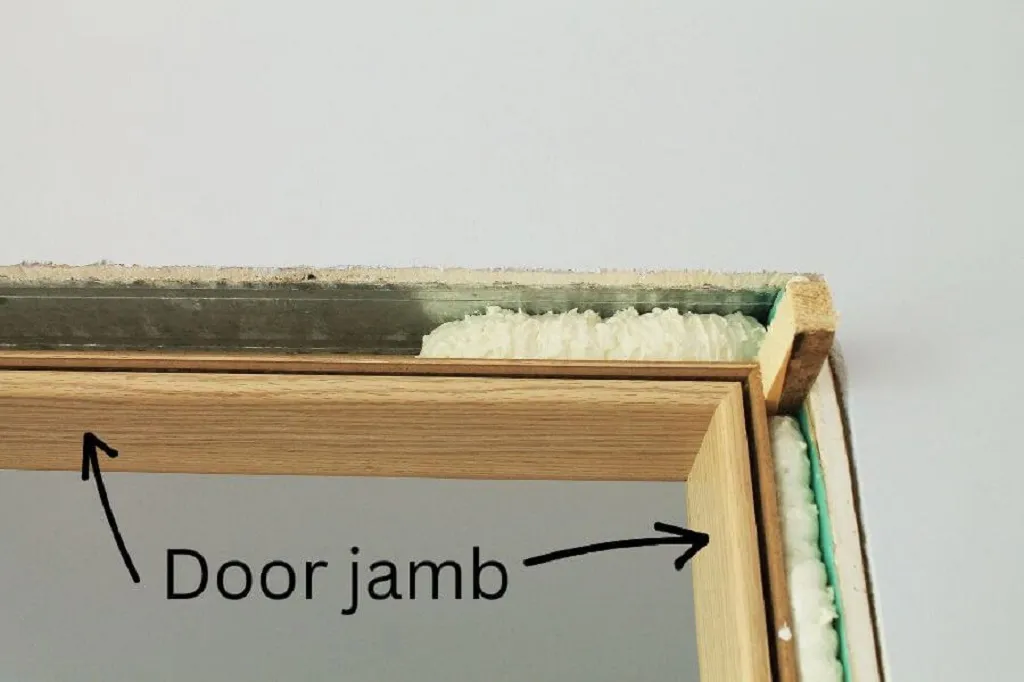
A door jamb is the vertical part of the door frame—and it’s one of the most important pieces in making a door work properly.
There are two door jambs on every door, one on each side. They help the door stay aligned, support the hardware, and keep everything secure.
Types of Door Jambs:
Hinge Jamb: This is the side where the door hinges are attached. It allows the door to swing open and closed smoothly.
Strike Jamb: This is the side that holds the strike plate—where the latch or deadbolt locks into place when the door is shut.
Together, the jambs make sure your door works the way it should, whether you’re locking up for the night or just swinging it open to welcome guests.
A Common Mix-Up: Jamb vs. Casing
A lot of people confuse door jambs with door casing (also called trim).
Here’s the difference:
The jamb is a structural part of the frame—it holds up the door and supports the hardware.
The casing is the decorative border around the outside of the frame. It covers gaps and adds a finished look.
In short, the jamb holds the door. The casing just makes it look good.
Key Differences Between Door Jamb and Door Frame
It’s easy to mix up a door jamb and a door frame, but knowing the difference can make repairs, replacements, and installs much smoother.
Quick Breakdown of How They Differ
Scope
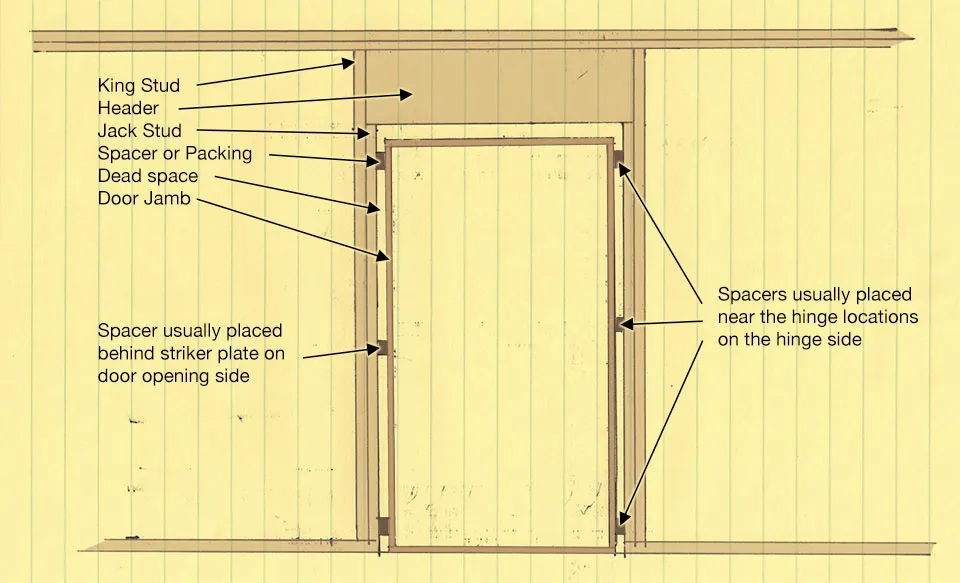
The door jamb is just one part of the door frame.
Think of the frame as the entire structure—and the jambs as the vertical sides that help it all function.
Function
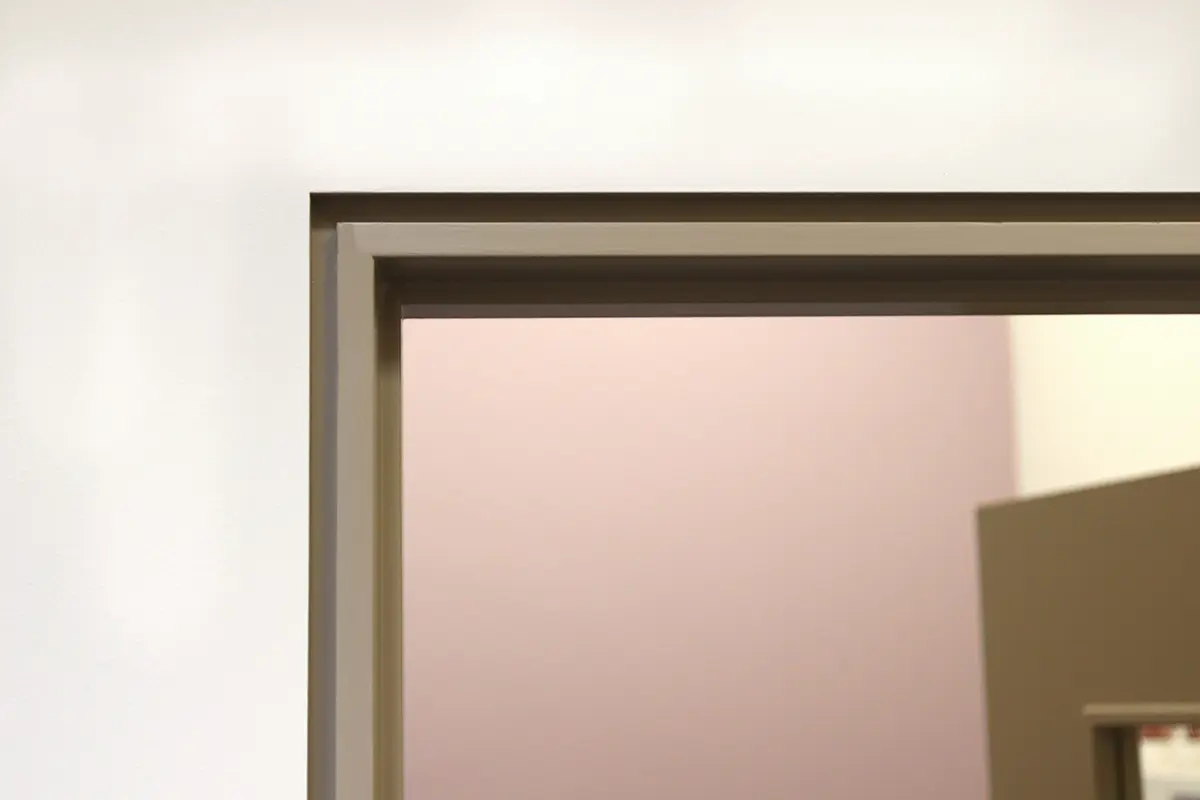
The door frame gives structural support for the entire door. It keeps everything aligned, stable, and anchored to the wall.
The door jamb handles the mounting of hinges and locks, making sure the door swings and secures properly.
Materials
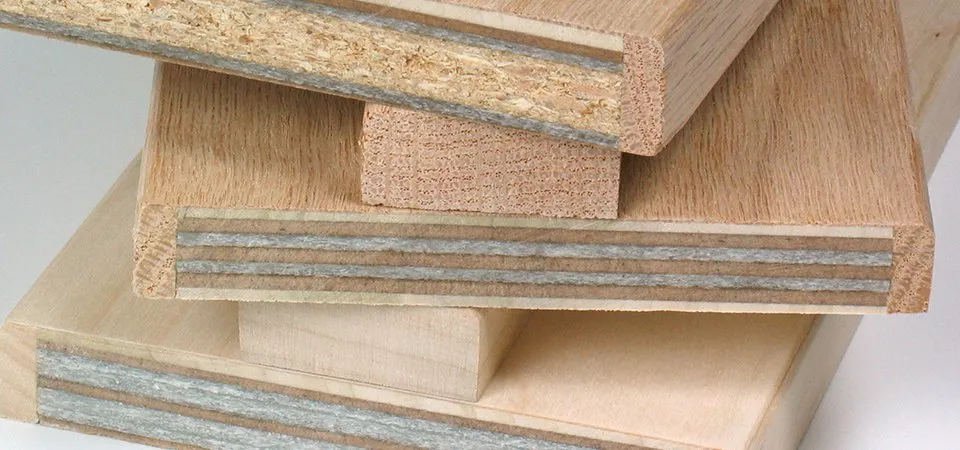
Both door frames and jambs are usually made from the same materials:
Wood
Metal
Composite
However, door jambs sometimes come in special designs:
Rabbeted jambs: Have built-in steps or grooves to hold the door stop.
Split jambs: Designed to adjust to different wall thicknesses—great for easier installation.
Replacement
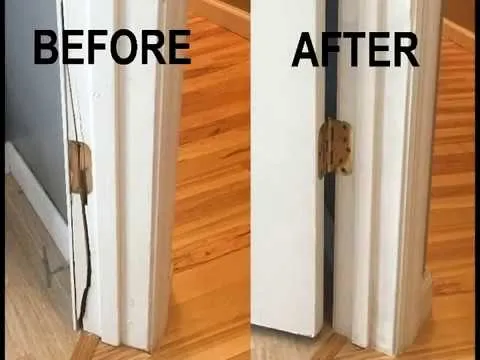
If your door frame is damaged, you’ll likely need a full replacement, which can involve removing the entire unit.
If only the jamb is damaged (like cracked wood or loose hinges), it can often be replaced separately, saving time and money.
Conclusion

Understanding the difference between a door jamb and a door frame might seem small—but it can make a big difference when you’re planning a repair, shopping for parts, or installing a new door.
Now that you know how they’re different—and how they connect—you’ll be better prepared to spot problems, talk with pros, and make smart home improvement choices.
FAQs