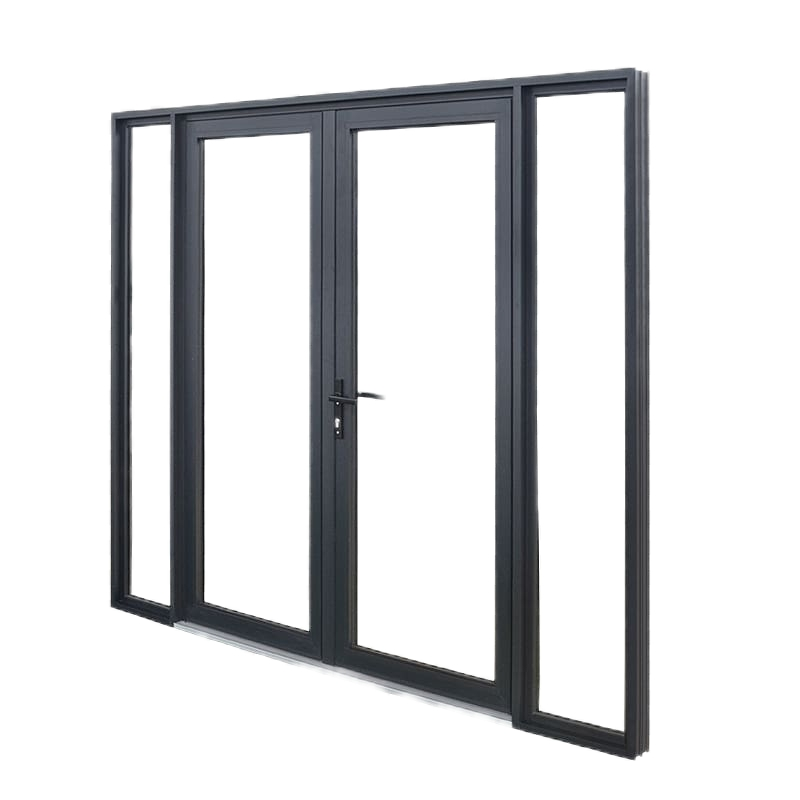
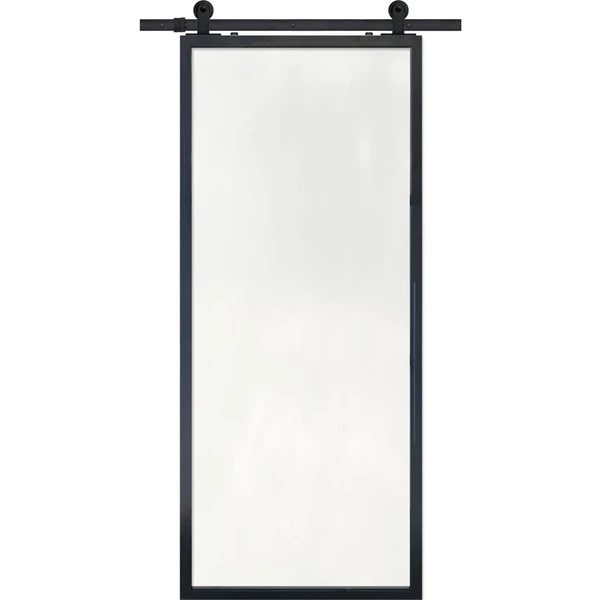


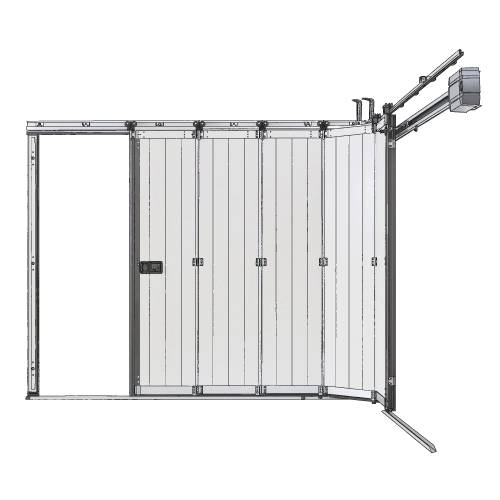
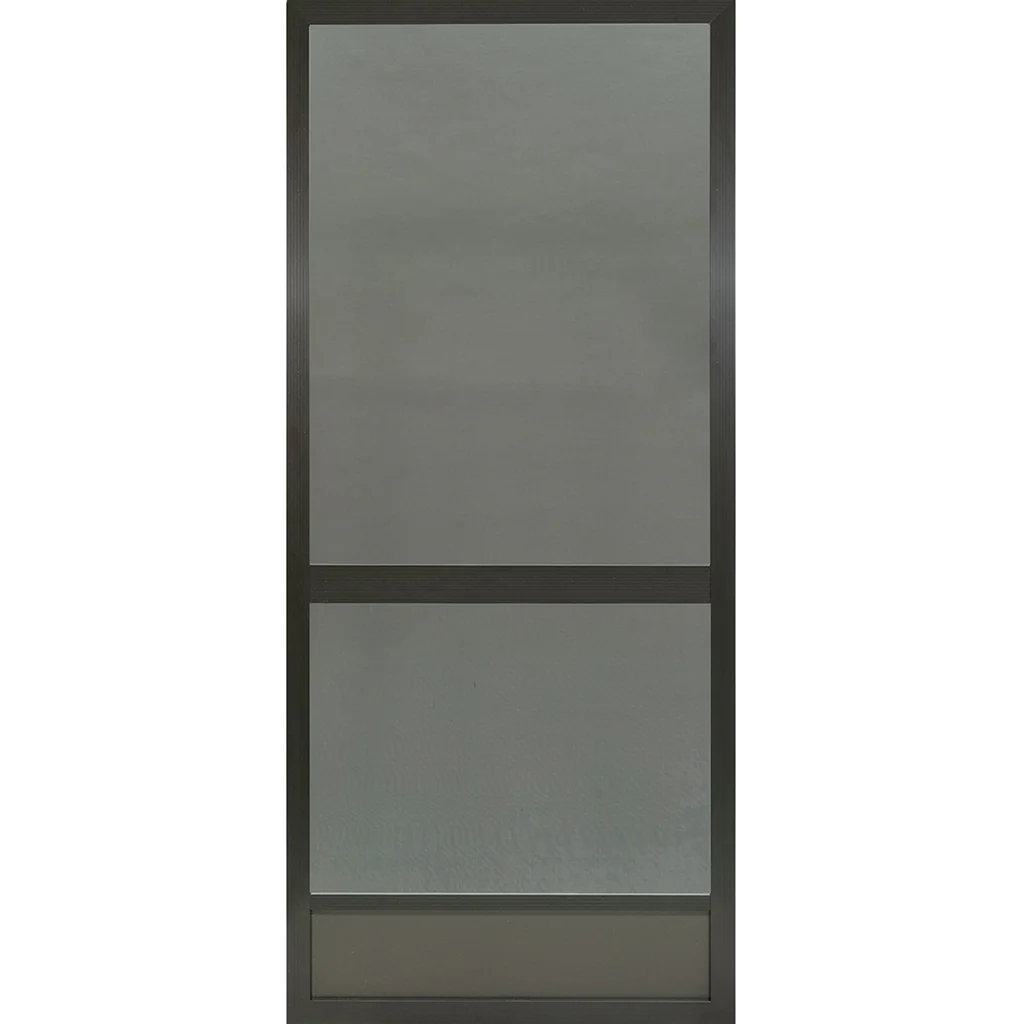





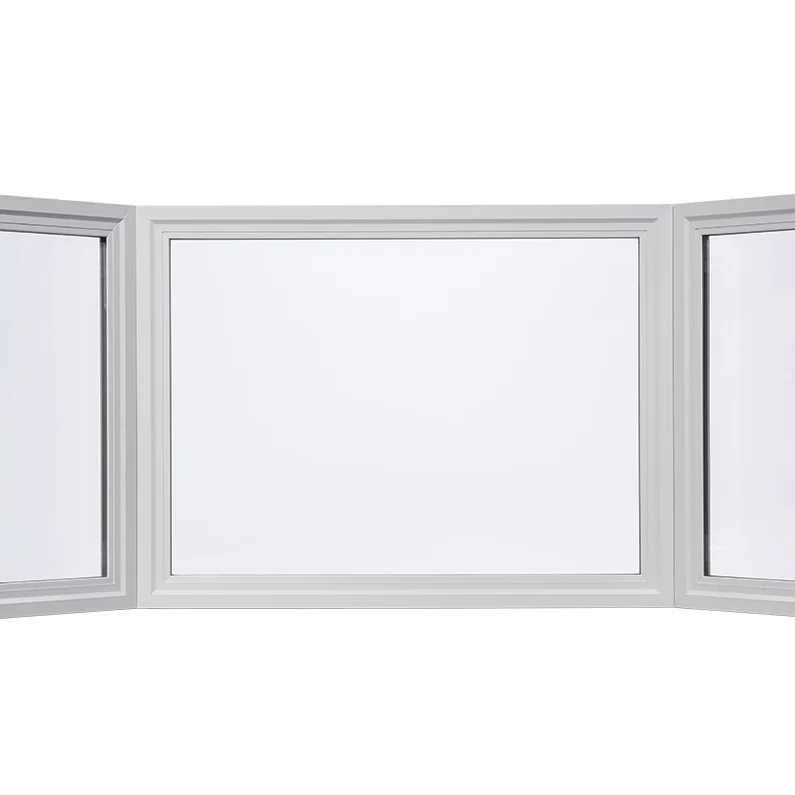


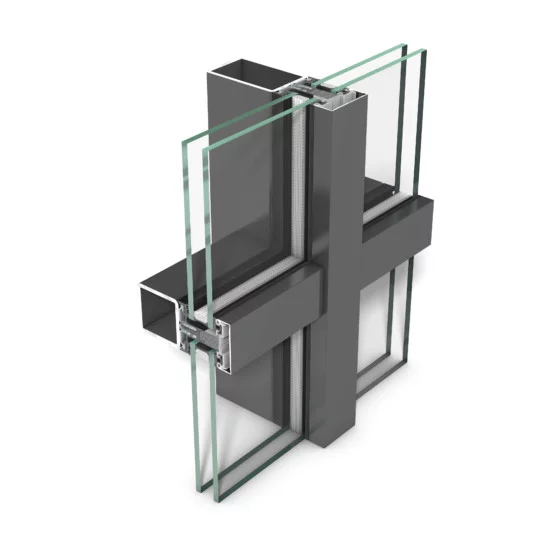






Choosing the right door for your home isn’t just about looks — it affects your home’s comfort, safety, and even energy bills. If you’re deciding between aluminium doors and uPVC doors, you’re not alone. These are two of the most popular options for modern homes today.

In this guide, we’ll compare aluminium vs uPVC doors across key factors like cost, security, energy efficiency, and design. Whether you’re replacing a patio door or upgrading your front entry, this article will help you make a smart, informed choice that fits your needs — and your home.
What Is Aluminium? What Is uPVC?
Before we compare them, let’s quickly understand what these materials are.
Aluminium

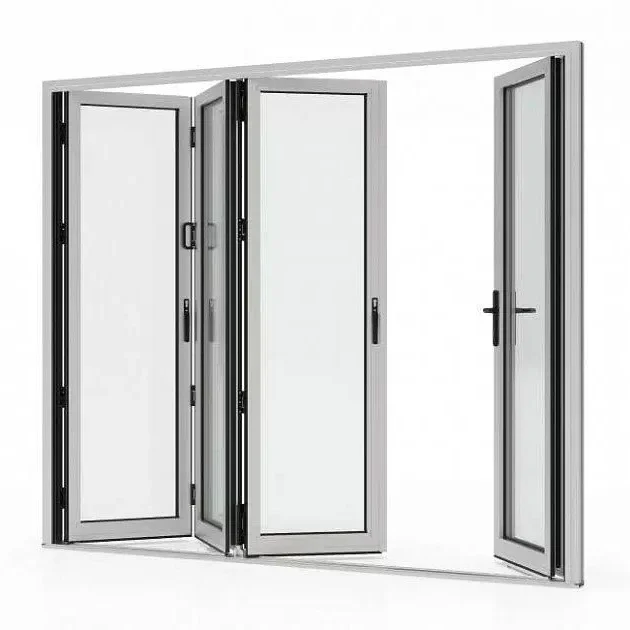
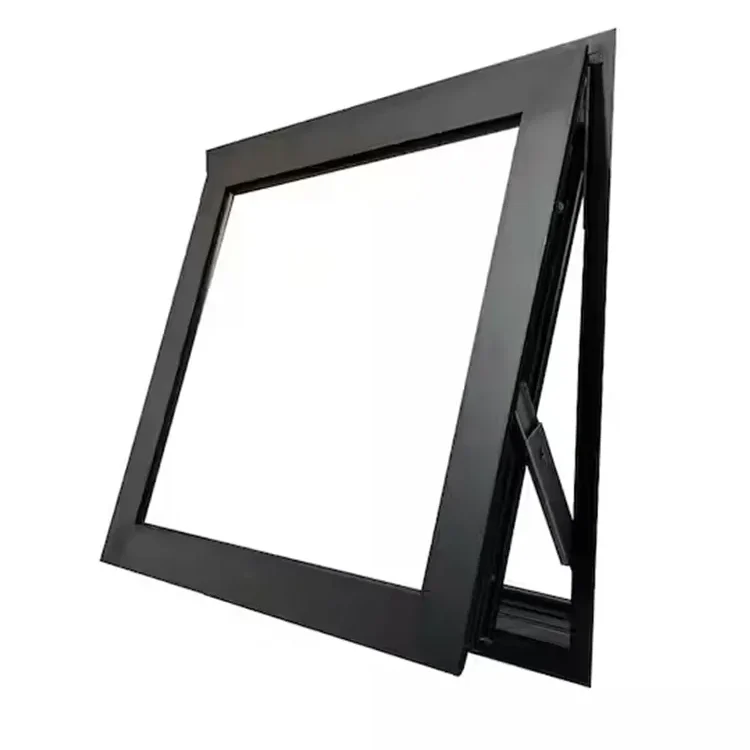
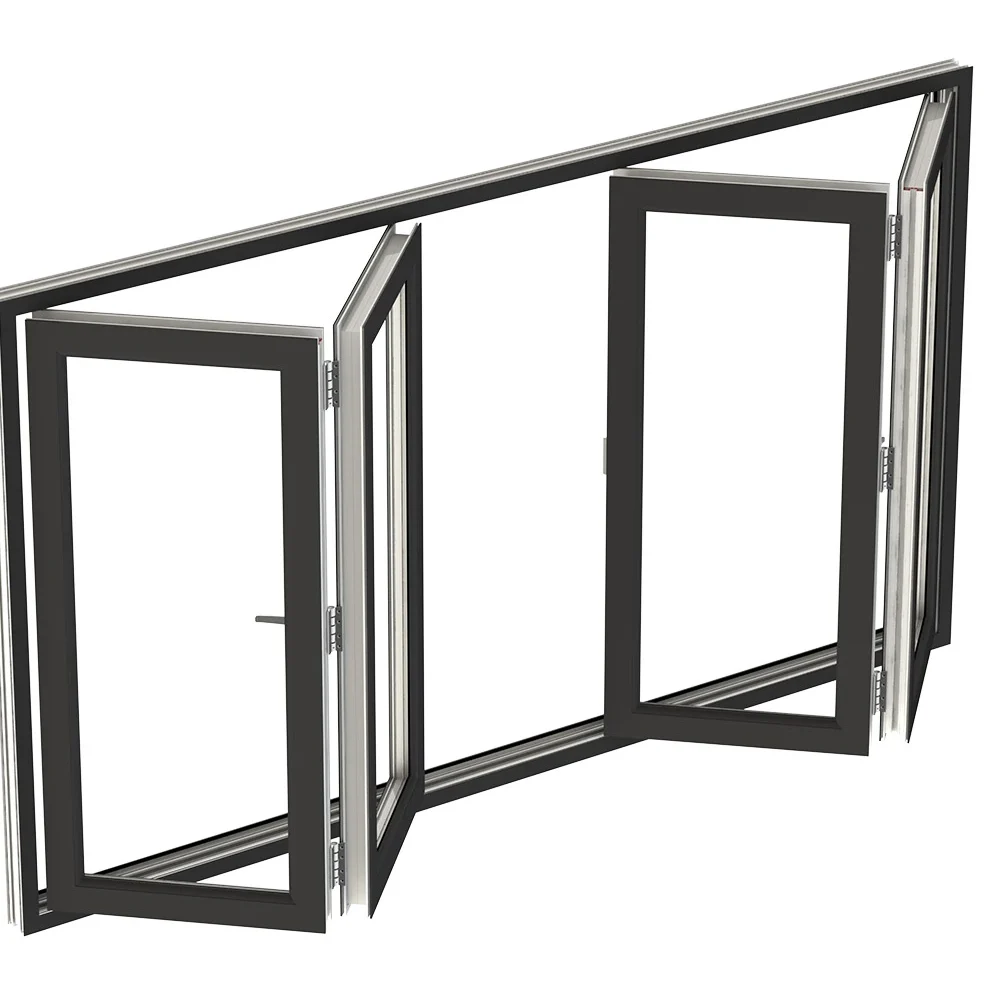
Aluminium is a strong, lightweight metal that’s commonly used in modern doors and windows. It’s known for its durability, sleek appearance, and ability to support large glass panels with thin frames. Because it’s metal, it naturally resists rust and doesn’t warp, making it great for long-term use.
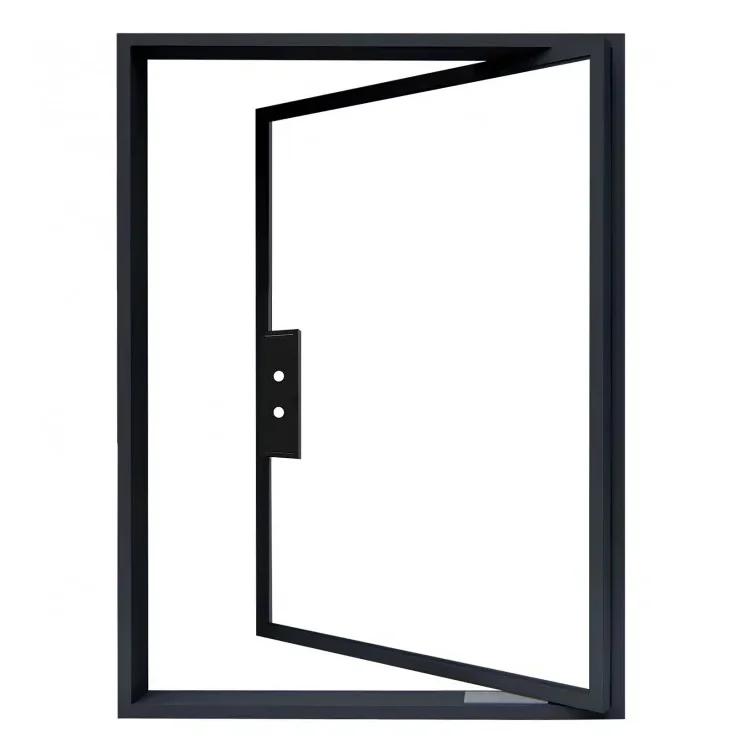
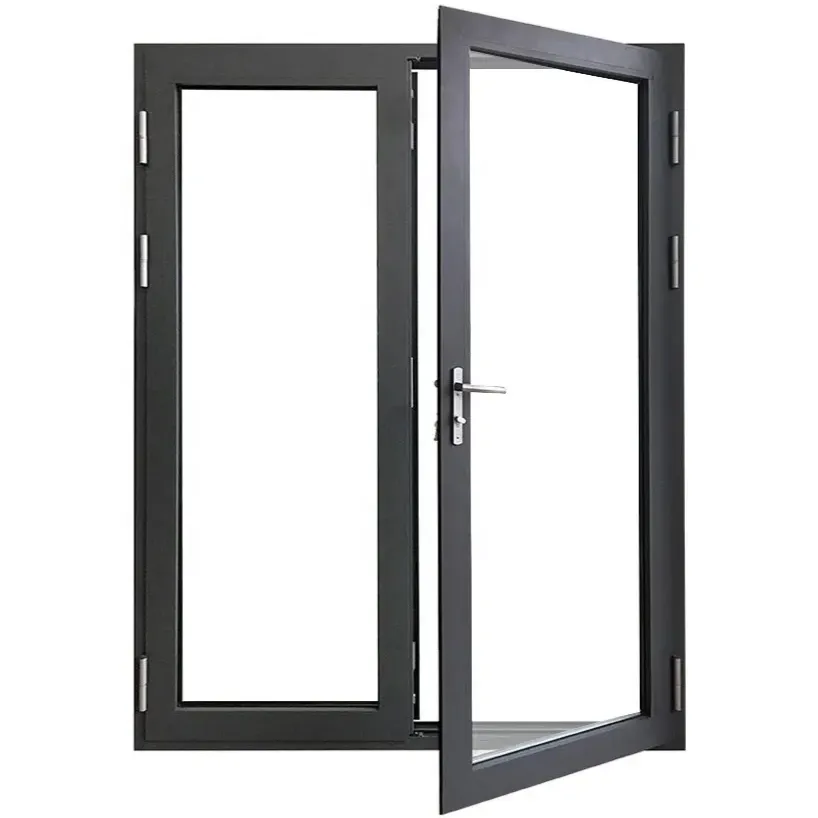
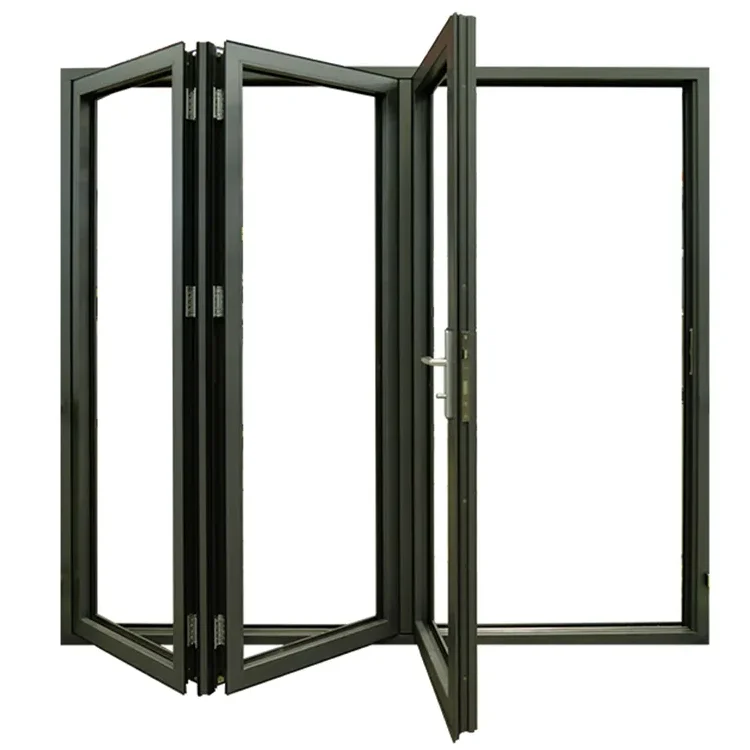
You’ll often see aluminium in sliding doors, French doors, and front entry systems — especially in contemporary homes that want a modern, minimalist look.
uPVC

uPVC stands for unplasticized polyvinyl chloride — a type of hard plastic that doesn’t bend or flex easily. It’s a common choice for doors and windows because it’s affordable, low-maintenance, and offers good thermal insulation.
uPVC is especially popular in residential homes for back doors, side entry doors, and patio doors. It’s also great for those who want a traditional wood-look style without the upkeep.
Appearance & Aesthetics

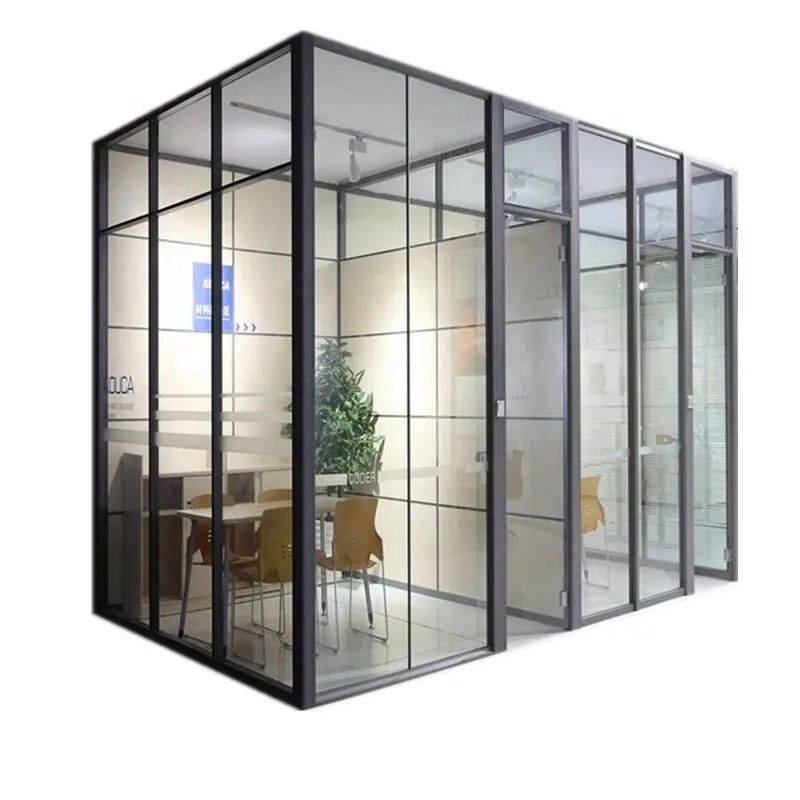
When it comes to style, aluminium doors are the sleek, modern favorite. Thanks to the strength of metal, aluminium frames can be made ultra-thin — which means more glass and better views. They’re perfect for contemporary homes and come in a wide range of finishes like matte, satin, or even wood-look powder coats.
uPVC doors, on the other hand, have thicker frames and a more traditional look. They’re available in various finishes, including woodgrain textures, but the color and style options are usually more limited compared to aluminium. Some people find uPVC looks “plasticky,” especially in bright sunlight.
Durability & Lifespan

Aluminium doors are built to last. They don’t warp, rot, or swell — even in extreme weather. With proper care, they can last up to 45 years or more. That makes them a smart long-term investment.
uPVC doors are also durable but have a shorter lifespan of about 20 to 30 years. While they’re resistant to rust and moisture, they can warp or discolour over time, especially in direct sunlight or high-heat areas.
Energy Efficiency & Insulation
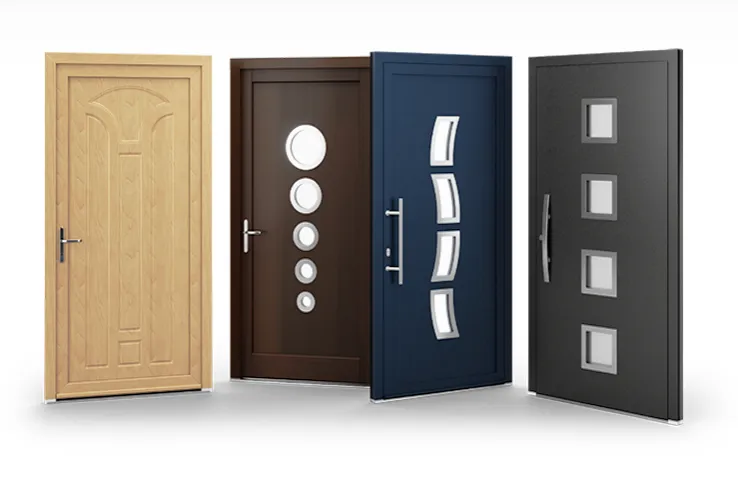
If keeping your home warm in winter and cool in summer is a top priority, uPVC performs well. It’s a poor conductor of heat, which makes it naturally energy efficient — perfect for cutting heating and cooling costs.
Aluminium isn’t naturally insulating, but modern aluminium doors now come with thermal breaks — built-in layers that stop heat from escaping. Paired with double or triple glazing, aluminium can now match or even exceed uPVC in energy performance.
Security & Strength
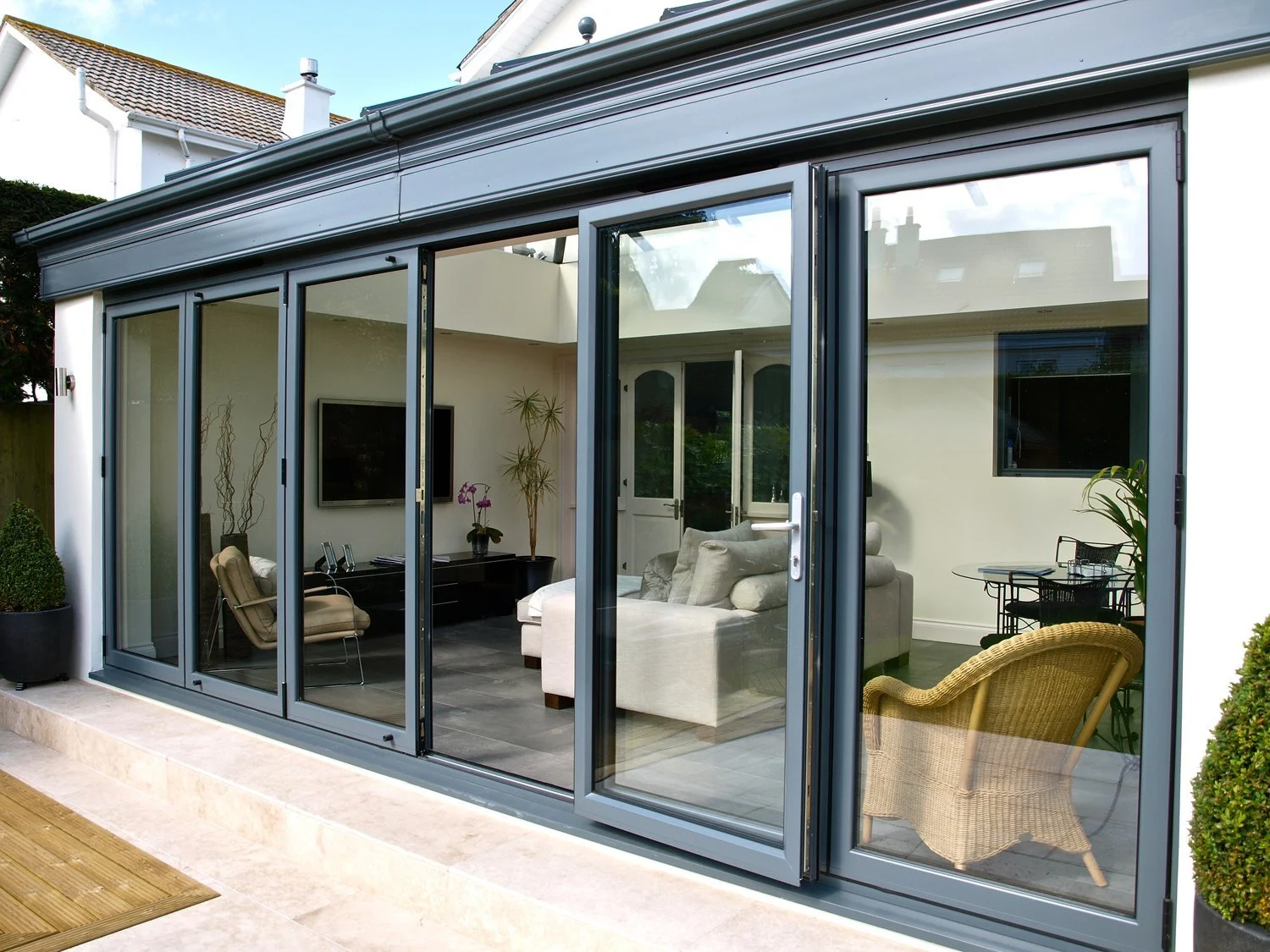
Aluminium doors are incredibly strong and secure. The metal frames can support heavier glass panels and multipoint locking systems, making them ideal for homes that prioritize safety.
uPVC doors are also secure and compatible with good locking systems, but the material isn’t as strong under impact as aluminium. If security is a top concern, aluminium has the edge.
Maintenance & Upkeep

Both aluminium and uPVC are low maintenance, which is great news.
uPVC is the easiest — just wipe it down with soapy water from time to time. It doesn’t need repainting and doesn’t rust.
Aluminium also requires very little maintenance. Its finishes are powder-coated, which resist fading and peeling. You might need to clean the tracks or re-tighten hardware over the years, but otherwise, it holds up well.
Cost Comparison

uPVC doors are usually cheaper upfront, making them a popular budget choice for homeowners.
Aluminium doors, while more expensive at first, often save money over time. They last longer, are less likely to warp or break, and add a premium, modern look that can boost property value.
If you’re looking at long-term value and durability, aluminium may be worth the investment.
Environmental Impact

Aluminium is a fully recyclable material, and it can be recycled repeatedly without losing quality. Because it lasts so long, it also reduces the need for frequent replacements — which helps the environment.
uPVC is also recyclable, but since it’s plastic-based, it has a higher environmental footprint during production. That said, many modern uPVC manufacturers now use more sustainable processes.
Quick Comparison Table: Aluminium vs uPVC Doors
| Feature | Aluminium Doors | uPVC Doors |
|---|---|---|
| Appearance | Slim frames, modern look, wide color range | Thicker frames, traditional look, limited finishes |
| Durability | Extremely durable, lasts 40–45+ years | Durable, but shorter lifespan (20–30 years) |
| Weather Resistance | Excellent; doesn’t warp or swell | Good, but may warp or discolor in heat |
| Energy Efficiency | High (with thermal break + glazing) | Very high due to natural insulation properties |
| Security | Strong and secure; supports advanced locks | Secure, but less impact-resistant than aluminium |
| Maintenance | Low maintenance; long-lasting powder coat | Very low maintenance; wipe clean with soapy water |
| Upfront Cost | Higher initial investment | Budget-friendly |
| Long-Term Value | Great return; fewer replacements needed | Lower upfront cost, more replacements over time |
| Recyclability | 100% recyclable, sustainable metal | Recyclable, but plastic-based |
| Best Use | Modern homes, large glass panels, high-security needs | Budget upgrades, traditional looks, thermal insulation |
Which Is Right for You?

Still deciding between aluminium and uPVC doors? Here’s a simple way to figure out which one fits your home best — based on your goals, style, and budget.
Choose Aluminium Doors if:
🏡 You have a modern or minimalist-style home
Aluminium’s slim frames and clean lines pair beautifully with contemporary architecture.🌞 You want large glass panels and slim sightlines
Aluminium supports bigger panes without bulky frames, bringing in more natural light.🔐 Security is a top priority
Stronger frames and advanced locking systems give aluminium the edge.🌧️ You live in an area with extreme weather
Aluminium won’t warp, crack, or fade — even in strong sun or storms.💸 You’re planning for the long term
It lasts 40+ years with little upkeep, offering better value over time.
Choose uPVC Doors if:
💰 You’re working with a tighter budget
uPVC is more affordable upfront and still offers solid performance.🏠 Your home has a traditional or classic look
uPVC comes in woodgrain and neutral finishes that suit older homes.❄️ You want strong insulation without upgrades
Its natural thermal performance helps reduce heating and cooling costs.🧼 You want low-effort maintenance
A simple wipe-down keeps it looking clean — no painting or treatments needed.🧱 Your windows are already uPVC
Matching doors can create a unified exterior style.
FAQs: Aluminium vs uPVC Doors