


Thinking about replacing your windows but not sure whether to go with vinyl or aluminum?
You’re not alone.
Many homeowners face the same decision when choosing new windows.

Vinyl windows are known for their energy efficiency, affordability, and low maintenance.
Aluminum windows are stronger, sleeker, and better for modern designs.
Each option has its strengths and weaknesses, and the best choice depends on your home’s style, climate, and budget.
What Are Vinyl Windows?

Vinyl windows are made from polyvinyl chloride (PVC), the same material used for plumbing pipes and siding.
They became popular because they are affordable, energy-efficient, and low maintenance.
Unlike metal window frames, vinyl does not conduct heat or cold, making it a great choice for insulation.
These windows come in various colors and finishes, including faux wood, making them a great fit for traditional and modern homes.
However, they can warp in extreme temperatures and may fade over time.
Pros and Cons of Vinyl Windows
| Pros | Cons |
|---|---|
| ✅ Excellent energy efficiency—reduces heating and cooling costs | ❌ Can warp or crack in extreme temperatures |
| ✅ Affordable compared to aluminum and wood | ❌ Cannot be repainted—stuck with the original color |
| ✅ Low maintenance—no repainting or sealing needed | ❌ May fade or yellow over time with direct sunlight |
| ✅ Available in many styles and colors, including faux wood finishes | ❌ Less structurally strong than aluminum, not ideal for large windows |
What Are Aluminum Windows?
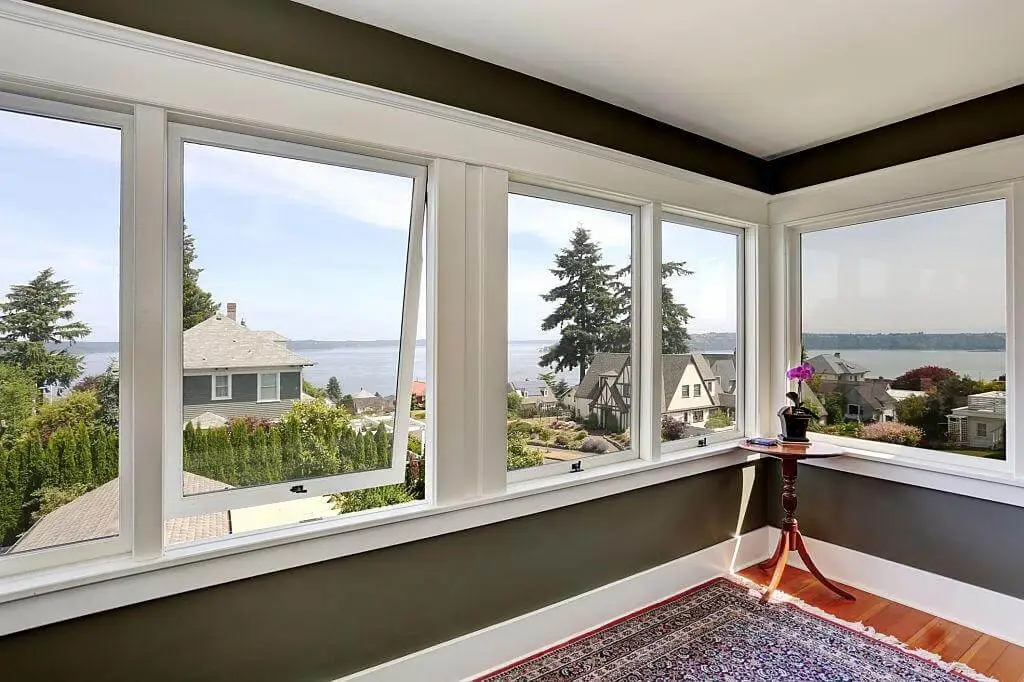
Aluminum windows are made from strong and lightweight aluminum alloys.
They are often found in modern homes and commercial buildings due to their sleek, minimalist appearance.
These windows are incredibly durable and can withstand harsh weather conditions, making them a great choice for coastal areas or places prone to storms.
However, aluminum is less energy-efficient than vinyl because it conducts heat and cold more easily.
Pros and Cons of Aluminum Windows
| Pros | Cons |
|---|---|
| ✅ Stronger than vinyl, ideal for large windows and high-wind areas | ❌ Less energy-efficient—conducts heat and cold, increasing energy costs |
| ✅ Sleek, modern design with thin frames for a contemporary look | ❌ Can corrode in humid or coastal environments if not properly coated |
| ✅ Resistant to UV damage, fading, and cracking | ❌ Requires occasional maintenance, such as repainting and cleaning |
| ✅ Fully recyclable, making it a more eco-friendly choice | ❌ More expensive upfront compared to vinyl |
Key Differences Between Vinyl and Aluminum Windows
1. Appearance & Customization
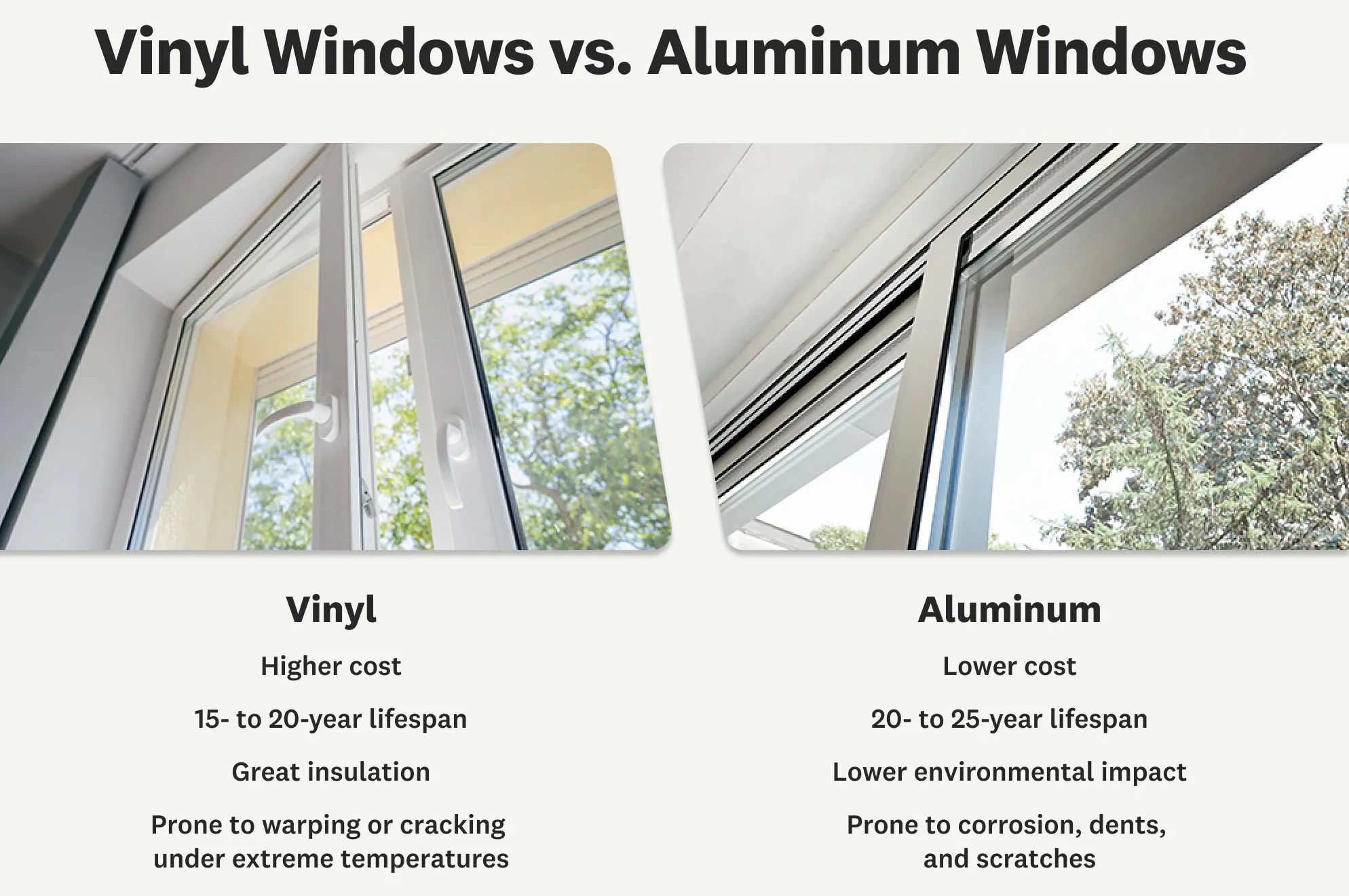
Vinyl Windows: Classic & Versatile: Vinyl windows mimic wood frames and come in smooth, textured, and faux wood finishes. They’re great for traditional homes but cannot be repainted, so color choices are permanent.
Aluminum Windows: Sleek & Modern: Aluminum windows have thin frames for a sleek, minimalist look. They work well in modern designs and can be repainted or powder-coated, though the process requires special treatment.
Quick Overview
2. Durability & Lifespan

Vinyl Windows: Vinyl windows are resistant to moisture, rot, and corrosion, making them a long-lasting option with minimal upkeep. They also hide minor scratches and dents better than aluminum. However, in extreme heat, vinyl can warp or crack, which may shorten its lifespan.
Aluminum Windows: Aluminum is structurally stronger than vinyl, making it ideal for large windows and extreme weather conditions. It holds up well against high winds and temperature fluctuations. However, it can corrode in humid or coastal areas if not properly coated.
Quick Overview
3. Maintenance Requirements

Vinyl Windows: Vinyl windows require minimal maintenance. They don’t need painting, sealing, or rust prevention—just occasional cleaning with soap and water. However, in extreme climates, you may need to check for warping or cracks over time.
Aluminum Windows: Aluminum windows are low-maintenance but require more upkeep than vinyl. They need regular cleaning to prevent corrosion, especially in humid or coastal areas. Moving parts should be lubricated occasionally, and scratches may need touch-up paint to prevent oxidation.
Quick Overview
4. Energy Efficiency & Insulation

Vinyl Windows: Vinyl windows are highly energy-efficient because PVC naturally resists heat transfer. This helps keep your home cool in the summer and warm in the winter, reducing energy costs. Vinyl also prevents drafts and condensation, making it a great choice for homes in hot or cold climates.
Aluminum Windows: Aluminum is a strong conductor, meaning it transfers heat and cold easily. This can lead to higher heating and cooling costs, especially in extreme climates. However, thermally improved aluminum windows with insulated frames or thermal breaks can reduce heat loss, though they cost more.
Quick Overview
6. Security & Strength
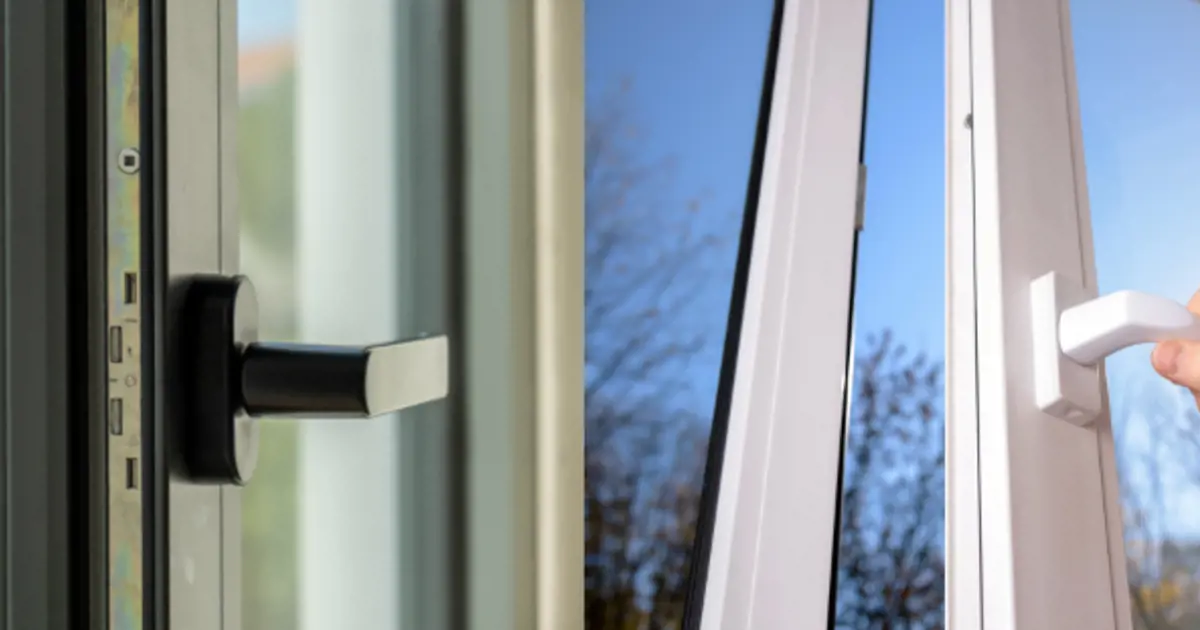
Vinyl Windows: Vinyl windows offer decent security when paired with multi-chambered frames and reinforced locks. However, they are not as strong as aluminum and may be more susceptible to forced entry or damage from strong impacts.
Aluminum Windows: Aluminum is structurally stronger, making it a more secure option. It can withstand high winds, heavy impacts, and attempted break-ins better than vinyl. This makes aluminum windows a great choice for homes in storm-prone areas or places where security is a concern.
Quick Overview
7. Environmental Impact & Sustainability

Vinyl Windows: Vinyl windows are great for energy efficiency, which helps reduce carbon footprints over time. However, PVC is not easily recyclable, and its production process involves chemicals that can impact the environment. Some manufacturers offer recyclable vinyl, but overall, it’s less eco-friendly than aluminum.
Aluminum Windows: Aluminum is fully recyclable, meaning old windows can be repurposed instead of going to a landfill. It also has a longer lifespan, reducing the need for frequent replacements. However, aluminum windows conduct heat, which can lead to higher energy consumption unless they have thermal breaks to improve insulation.
Quick Overview
8. Noise Reduction
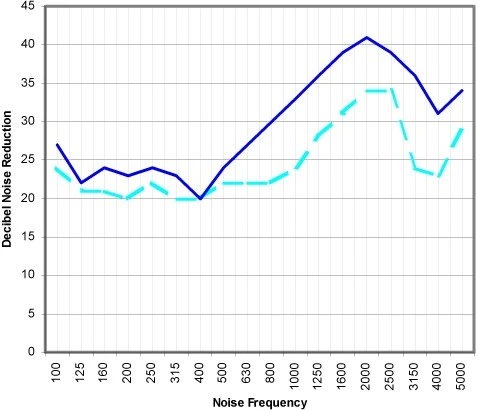
Vinyl Windows: Vinyl windows provide moderate noise reduction due to their thicker frames and insulated structure. The PVC material absorbs sound vibrations, making them a good choice for residential areas where outside noise is a concern.
Aluminum Windows: Aluminum windows have thinner frames and conduct sound more easily, which means they let in more outside noise. However, some high-end aluminum windows come with insulated frames or double-pane glass to improve soundproofing.
Quick Overview
9. Installation Process

Vinyl Windows: Vinyl windows are lightweight and flexible, making them easier to install. Their material allows for slight adjustments during fitting, which helps prevent gaps or misalignment. Many homeowners opt for professional installation, but skilled DIYers may be able to install them with the right tools.
Aluminum Windows: Aluminum windows are more rigid, meaning they must be measured and fitted perfectly. If there’s even a slight miscalculation, the window may not seal properly, leading to air leaks or energy loss. Professional installation is highly recommended, especially for large or custom-sized windows.
Quick Overview
Which Windows Are Right for You?
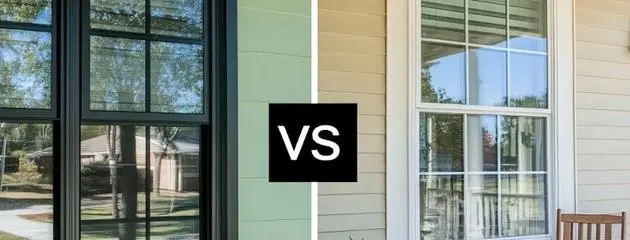
Choosing between vinyl and aluminum windows comes down to your home’s needs, budget, and priorities. Both materials have strengths, so the best option depends on what matters most to you.
Choose Vinyl Windows If:
✔ You want better energy efficiency to reduce heating and cooling costs.
✔ You prefer a traditional look with wood-like finishes.
✔ You need low-maintenance windows that don’t require repainting.
✔ You live in an area with extreme temperatures and need insulation.
Choose Aluminum Windows If:
✔ You need stronger, more durable windows, especially for large openings.
✔ You prefer a modern, sleek design with thinner frames.
✔ You live in a storm-prone or high-wind area and need impact resistance.
✔ You want a fully recyclable, eco-friendly option.
Conclusion
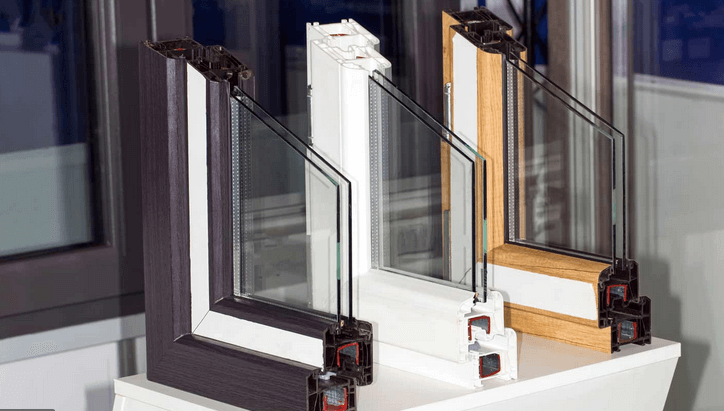
Choosing between vinyl and aluminum windows depends on what matters most to you—energy efficiency, durability, maintenance, and style.
Both options have their advantages, and selecting the right one can enhance your home’s comfort and value.
Still unsure?
APRO is here to help! Contact us today for expert advice and a personalized window solution that fits your home and budget.
Let’s find the perfect windows for you!
FAQs About Vinyl vs Aluminum Window