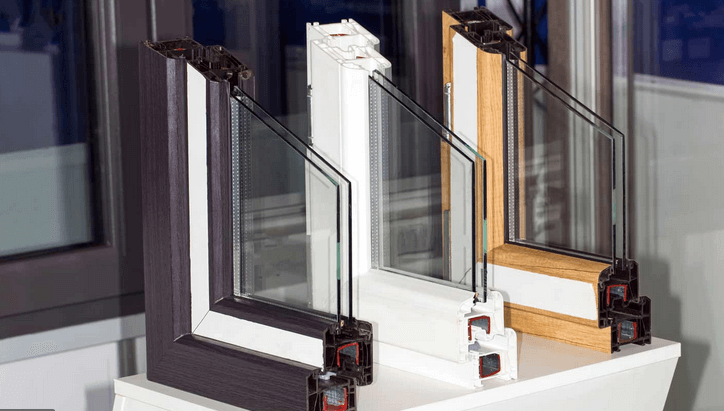
Thinking about replacing your windows but not sure whether to go with vinyl or aluminum?
You’re not alone.
Many homeowners face the same decision when choosing new windows.

Vinyl windows are known for their energy efficiency, affordability, and low maintenance.
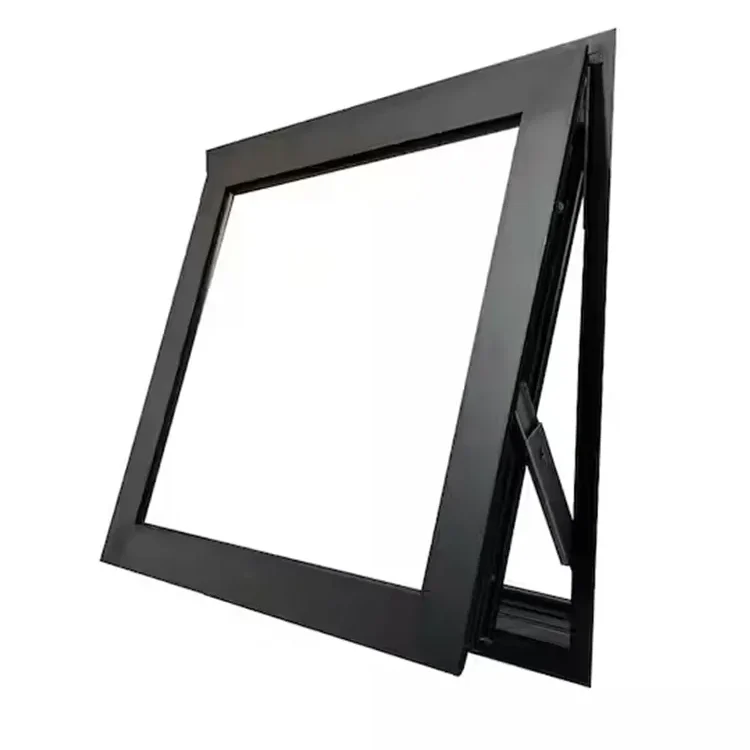
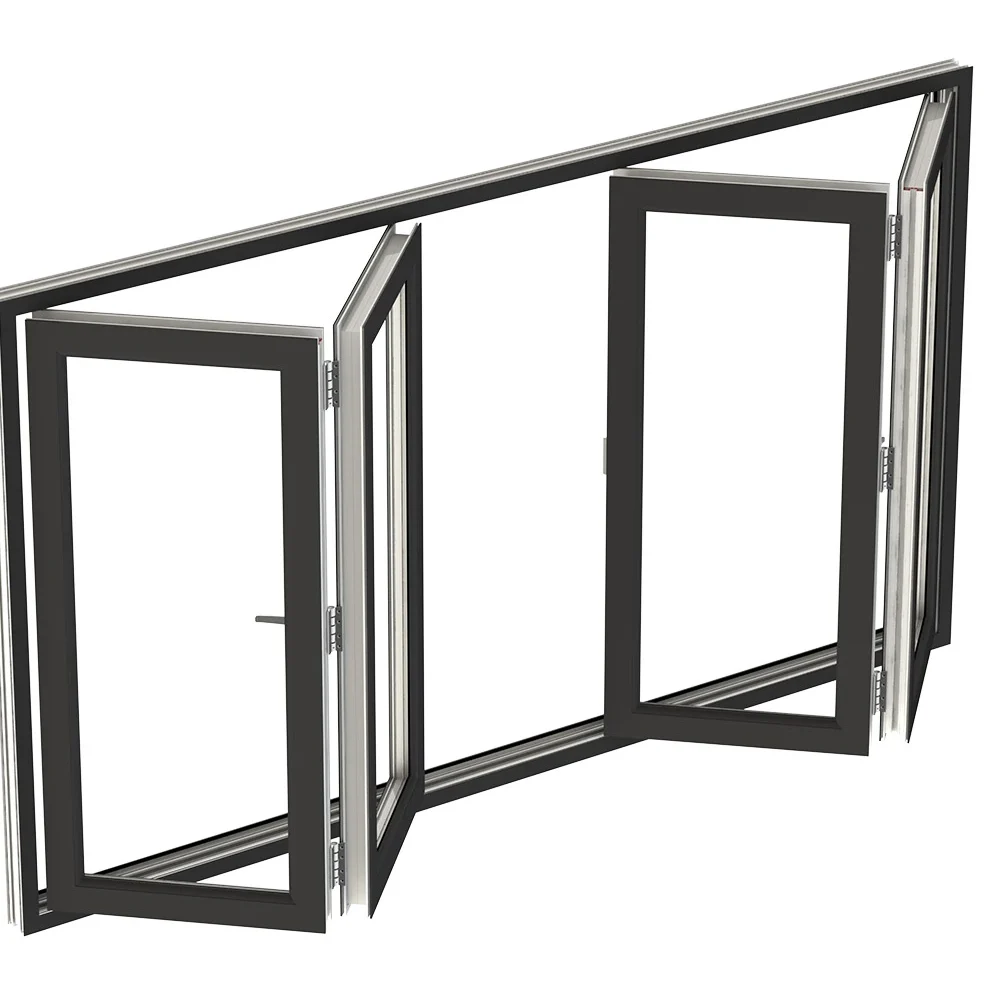
Aluminum windows are stronger, sleeker, and better for modern designs.
Each option has its strengths and weaknesses, and the best choice depends on your home’s style, climate, and budget.
What Are Vinyl Windows?

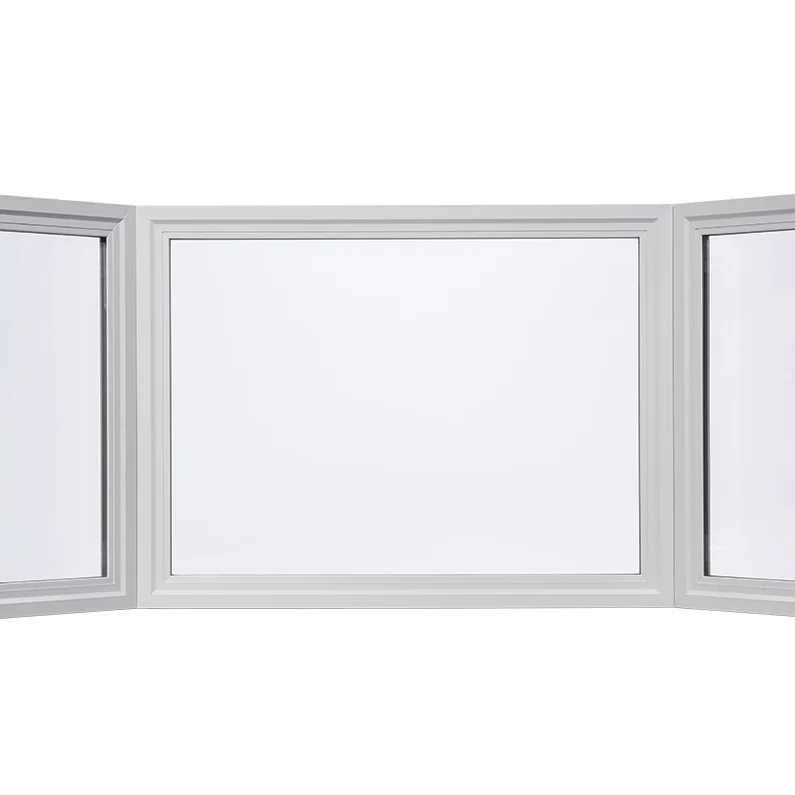
Vinyl windows are made from polyvinyl chloride (PVC), the same material used for plumbing pipes and siding.
They became popular because they are affordable, energy-efficient, and low maintenance.
Unlike metal window frames, vinyl does not conduct heat or cold, making it a great choice for insulation.
These windows come in various colors and finishes, including faux wood, making them a great fit for traditional and modern homes.
However, they can warp in extreme temperatures and may fade over time.
Pros and Cons of Vinyl Windows
| Pros | Cons |
|---|
| ✅ Excellent energy efficiency—reduces heating and cooling costs | ❌ Can warp or crack in extreme temperatures |
| ✅ Affordable compared to aluminum and wood | ❌ Cannot be repainted—stuck with the original color |
| ✅ Low maintenance—no repainting or sealing needed | ❌ May fade or yellow over time with direct sunlight |
| ✅ Available in many styles and colors, including faux wood finishes | ❌ Less structurally strong than aluminum, not ideal for large windows |
What Are Aluminum Windows?

Aluminum windows are made from strong and lightweight aluminum alloys.
They are often found in modern homes and commercial buildings due to their sleek, minimalist appearance.
These windows are incredibly durable and can withstand harsh weather conditions, making them a great choice for coastal areas or places prone to storms.
However, aluminum is less energy-efficient than vinyl because it conducts heat and cold more easily.
Pros and Cons of Aluminum Windows
| Pros | Cons |
|---|
| ✅ Stronger than vinyl, ideal for large windows and high-wind areas | ❌ Less energy-efficient—conducts heat and cold, increasing energy costs |
| ✅ Sleek, modern design with thin frames for a contemporary look | ❌ Can corrode in humid or coastal environments if not properly coated |
| ✅ Resistant to UV damage, fading, and cracking | ❌ Requires occasional maintenance, such as repainting and cleaning |
| ✅ Fully recyclable, making it a more eco-friendly choice | ❌ More expensive upfront compared to vinyl |
Key Differences Between Vinyl and Aluminum Windows
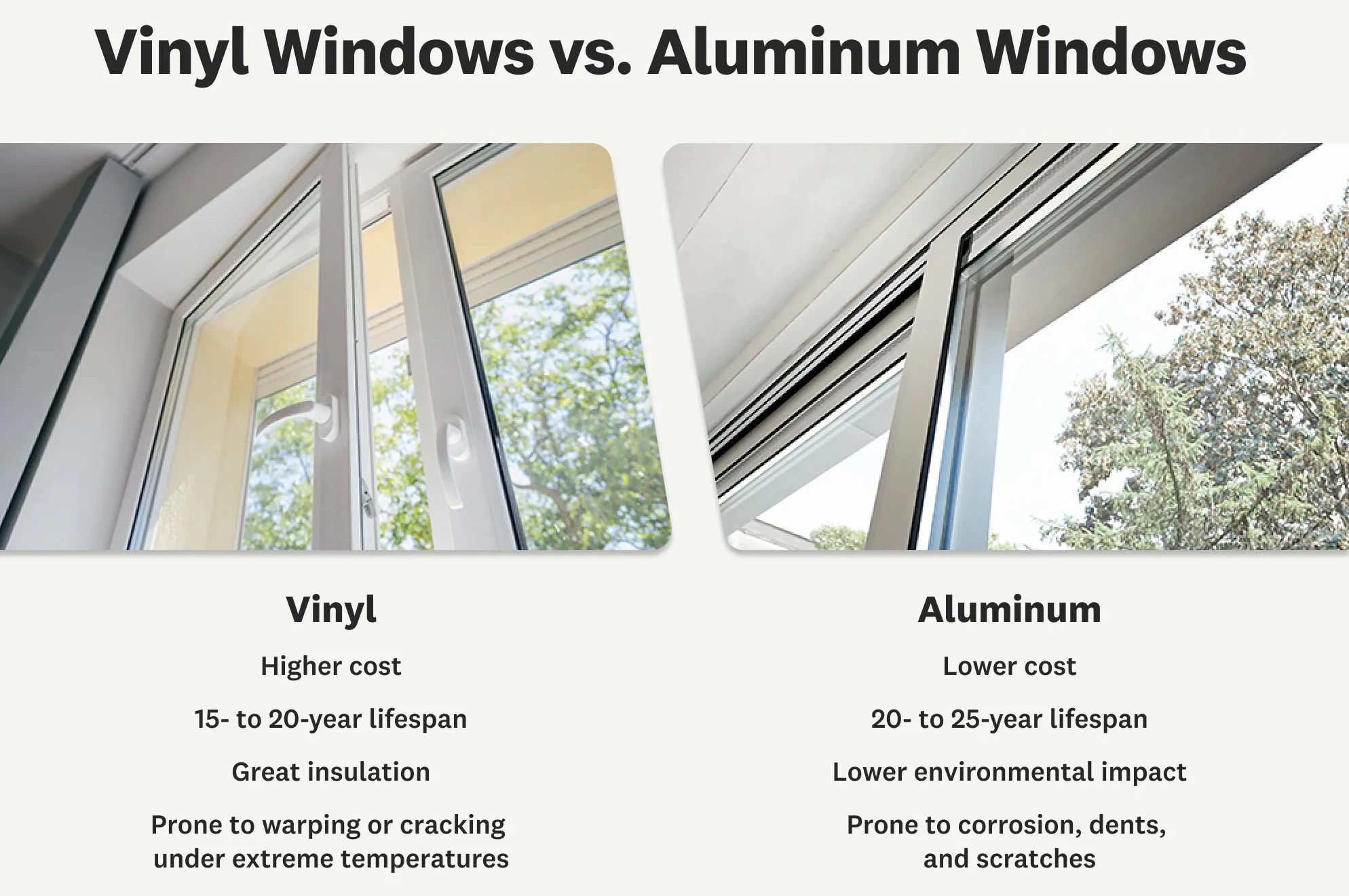
1. Appearance & Customization
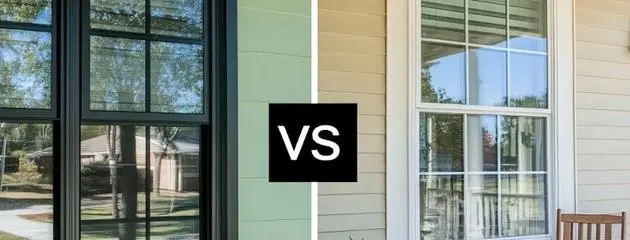
Vinyl Windows: Classic & Versatile: Vinyl windows mimic wood frames and come in smooth, textured, and faux wood finishes. They’re great for traditional homes but cannot be repainted, so color choices are permanent.
Aluminum Windows: Sleek & Modern: Aluminum windows have thin frames for a sleek, minimalist look. They work well in modern designs and can be repainted or powder-coated, though the process requires special treatment.
Quick Overview