














Your front door is more than just an entryway—it’s your home’s first line of defense. Selecting the appropriate door lock is crucial for ensuring both security and convenience. With a myriad of options available, understanding the different types of door locks can help you make an informed decision that suits your needs and lifestyle.

In this comprehensive guide, we’ll explore various door lock types, from traditional deadbolts to advanced smart locks. Whether you’re upgrading your home’s security or simply curious about the options, this article will provide the insights you need to choose the right lock for your doors.
Quick Answer: Door locks fall into three main categories — traditional mechanical locks (deadbolts, knob locks, lever locks), electronic and smart locks (keypad, fingerprint, Wi-Fi enabled), and specialized locks (cam locks, mortise locks, padlocks). For home entry doors, a Grade 1 deadbolt combined with a smart lock offers the best security.
Traditional Mechanical Locks
When most people think of door locks, they’re picturing traditional mechanical locks. These have been around for decades and are still widely used today because they’re reliable, affordable, and easy to understand.
A. Deadbolt Locks
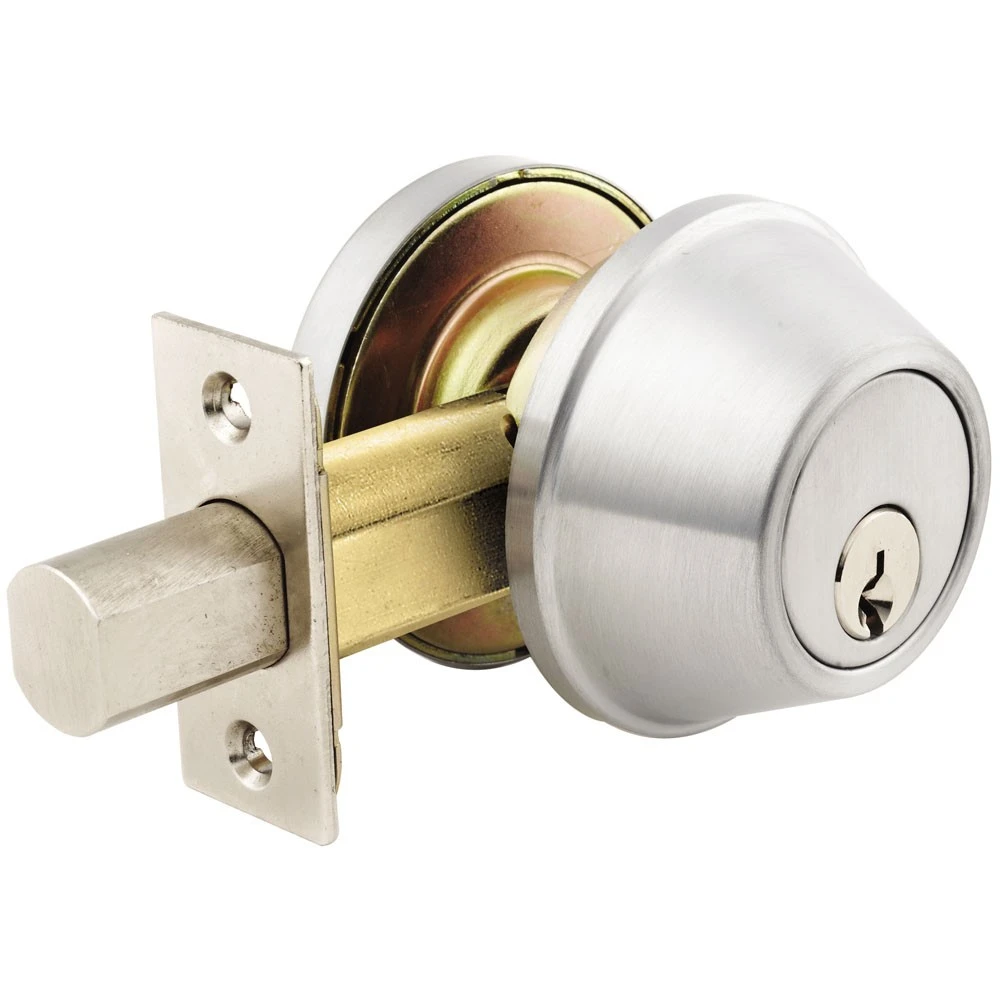
Deadbolts are one of the most common and trusted options for securing exterior doors. They come in a few variations, each offering a different level of security and convenience.
Single Cylinder Deadbolt
This is the type you see on most front doors. It has a keyhole on the outside and a thumb turn on the inside. It’s simple to use — just turn the knob to lock or unlock from inside your home. The downside? If there’s a window near the door, a burglar could potentially break the glass and turn the thumb latch.
Double Cylinder Deadbolt
This version requires a key to unlock from both the inside and outside.
It offers better protection against intruders reaching in through a broken window, but it can also pose a safety risk in emergencies if you don’t have a key handy inside.
Lock Grades (ANSI/BHMA Ratings)

Not all deadbolts are created equal. Locks are rated by the American National Standards Institute (ANSI) and the Builders Hardware Manufacturers Association (BHMA).
Grade 1 offers the highest residential security
Grade 2 is standard
Grade 3 is the minimum.
You can learn more about ANSI/BHMA security grade standards on the BHMA official website.
B. Knob and Lever Handle Locks
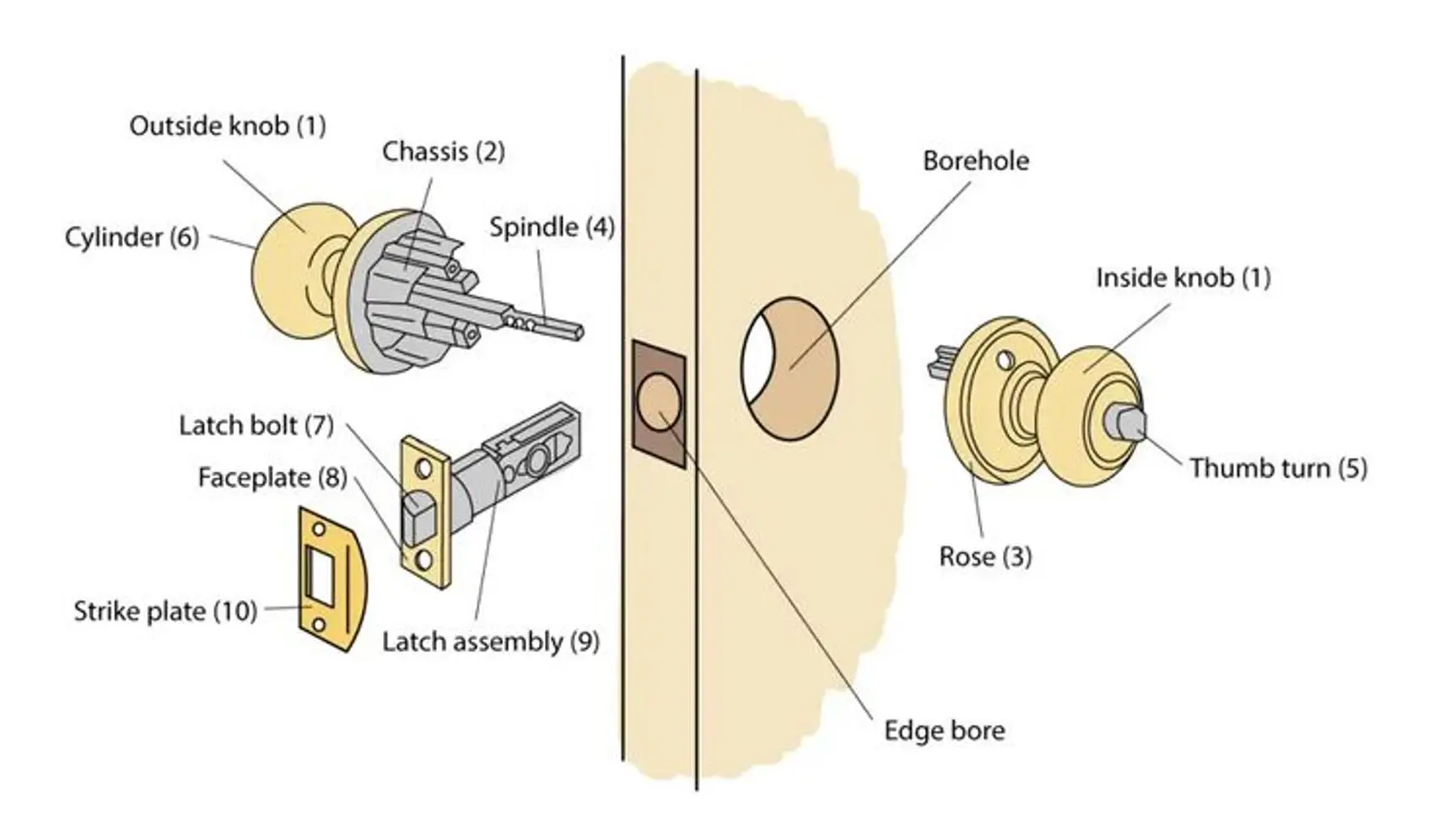
Knob Locks
You’ve likely seen these on bedroom or bathroom doors. The locking mechanism is inside the knob itself, making them easy to pick or force open. That’s why they’re not recommended for exterior doors.
Lever Handle Locks
These are easier to open, especially for people with limited hand strength, making them ADA-compliant. They’re a great choice for interior doors where accessibility matters.
C. Mortise Locks

Mortise locks are built into a pocket cut into the edge of the door. They’re sturdier than standard deadbolts and often found in older buildings or higher-end homes. Mortise locks combine a latch and deadbolt in one, offering excellent security and durability, but they usually require professional installation.
D. Rim and Night Latches

Rim Locks
These sit on the surface of the door rather than inside it. While they may look old-fashioned, rim locks still serve a purpose, especially in older homes where retrofitting modern locks isn’t practical.
Night Latches
Automatically lock when the door closes, which is convenient but can be risky if you accidentally lock yourself out. Some models include a deadlocking feature for extra security.
E. Cam Locks
You won’t typically use these for doors, but they’re worth mentioning. Cam locks are small and simple, often found securing cabinets, mailboxes, or lockers. They work by rotating a cam (a flat metal piece) to lock or unlock.
F. Padlocks
Padlocks are portable, versatile, and come in many sizes. You can get them with keys or combinations. While not ideal for main doors, they’re perfect for securing sheds, gates, or storage units.
Electronic and Smart Locks
As technology advances, so do the options for securing your home. Electronic and smart locks bring added convenience, flexibility, and even more control over who can enter your space.
A. Keypad Locks
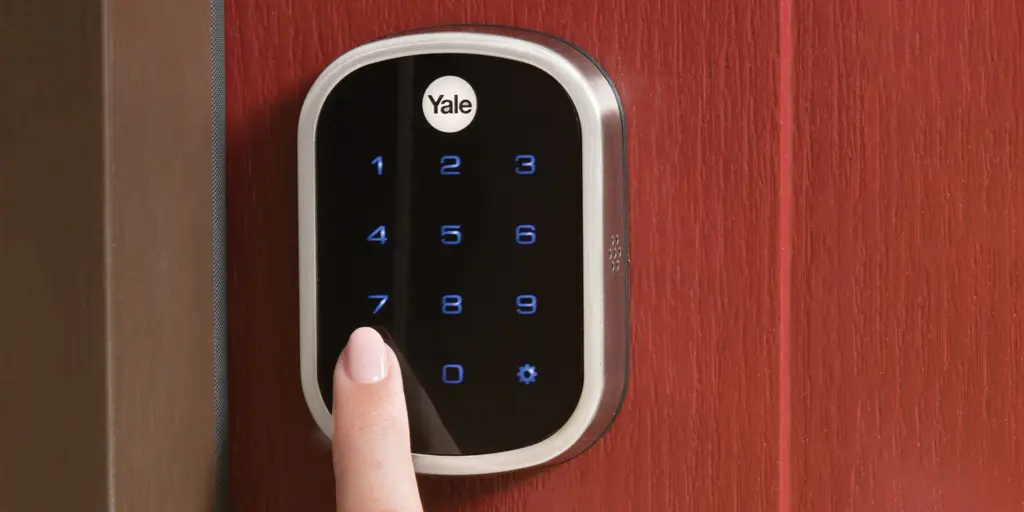
If you’re tired of carrying keys or worrying about losing them, keypad locks are a simple solution. Instead of a key, you enter a numerical code to unlock the door. Some models let you create multiple codes for family members, guests, or service providers — and you can change or delete codes at any time.
Keypad locks eliminate the need for physical keys but still offer strong security when used correctly. Just be sure to choose a secure, hard-to-guess code and avoid sharing it widely.
B. Smart Locks
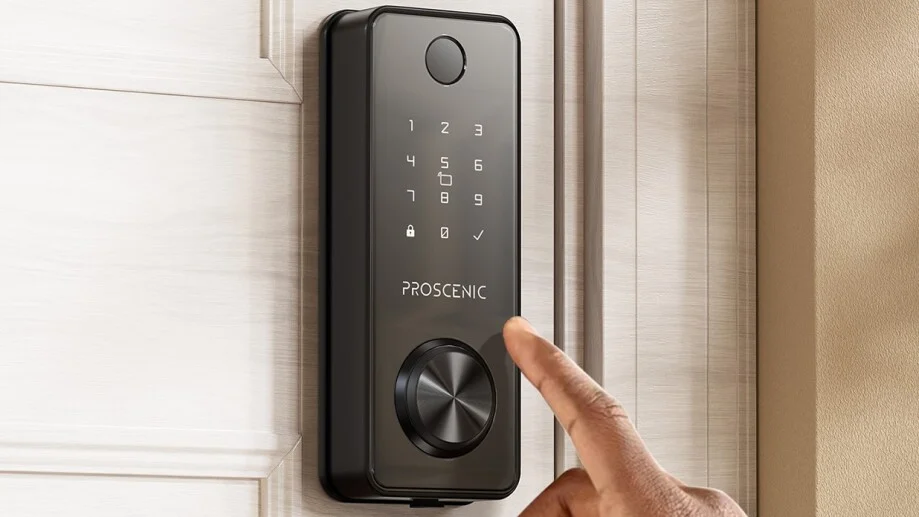
Smart locks take convenience to a whole new level. These locks connect to your home’s Wi-Fi or Bluetooth, allowing you to control and monitor your door from your smartphone or smart home system.
Key Features of Smart Locks:
-
Remote Access: Lock or unlock your door from anywhere via an app.
-
Temporary Access: Share virtual keys with friends, family, or delivery drivers.
-
Voice Control: Many models integrate with Alexa, Google Assistant, or Apple HomeKit.
-
Biometric Entry: Some advanced models use fingerprint or facial recognition.
Considerations Before Installing a Smart Lock:
-
Battery Life: Most smart locks run on batteries, so you’ll need to monitor and replace them regularly.
-
Compatibility: Check whether the lock fits your door type and existing deadbolt hardware.
-
Security Protocols: Look for models with strong encryption and two-factor authentication to protect against hacking.
Smart locks offer incredible convenience, but it’s important to balance that with strong security practices, just like you would with any connected device.
C. Electric Strikes and Magnetic Locks

While these locks are more common in commercial buildings, you might encounter them in high-security residential setups too.
Electric Strikes replace the standard strike plate on a door frame. When activated electronically, they allow the door to open without turning the knob or handle.
Magnetic Locks (Maglocks) use a strong electromagnet to secure the door. When powered, the magnet holds the door shut; when deactivated, the door opens. These systems are highly secure but usually require a constant power supply and are more common in businesses, schools, or apartment lobbies.
Specialized Locks
While most homes rely on deadbolts or smart locks, sometimes you need a little extra security — or a lock for a very specific situation. That’s where specialized locks come in. They add another layer of protection or serve unique purposes that traditional locks might not cover.
A. Euro Cylinder Locks

Euro cylinder locks are widely used across Europe and can also be found in some U.S. homes, especially for certain door styles like uPVC doors or composite doors. Their big advantage? They’re easy to replace. You can change the cylinder itself without swapping out the entire lock system.
However, not all Euro cylinders offer the same security. Some cheaper models are vulnerable to “lock snapping” — a break-in method where thieves literally snap the cylinder in two. If you’re choosing this type, look for higher-security versions with anti-snap, anti-bump, and anti-pick features.
B. Barrel Bolts and Slide Bolts

Barrel bolts — also called slide bolts — are simple, manually-operated locks that add extra security to doors, gates, or cabinets. You slide the bolt into place to lock and slide it back to open.
They’re usually used:
-
On interior doors for privacy (bathrooms, bedrooms)
-
As a backup lock for exterior doors
-
On gates, sheds, or garden fences
While not strong enough to serve as a primary lock, they’re great for adding an extra layer of security.
C. Chain Locks and Door Guards

Chain locks allow you to partially open your door while still keeping it secured. You’ve probably seen them in hotels or apartment buildings. They give you the ability to peek outside or speak to someone without fully opening the door.
However, keep in mind that chain locks can be bypassed if someone applies enough force. Newer versions, such as swing bar locks, often provide a bit more strength.
D. Police Locks
Police locks are heavy-duty, steel-reinforced devices designed to prevent forced entry. They’re installed either horizontally or vertically across the inside of the door and brace against the floor or door frame.
While not very common in typical homes, they’re popular in high-crime areas or for people who want maximum protection, especially in apartment buildings.
How to Choose the Right Lock
| Lock Type | ANSI Grade | Security Level | Best For |
|---|---|---|---|
| Deadbolt | Grade 1 | Highest | Front/back entry doors |
| Smart Lock | Grade 1-2 | High | Main entry + convenience |
| Knob Lock | Grade 2-3 | Medium | Interior doors only |
| Lever Lock | Grade 2-3 | Medium | Interior/commercial |
| Padlock | Varies | Low-High | Storage, gates |
| Cam Lock | Low | Low | Cabinets, mailboxes |
With so many lock options available, picking the right one can feel overwhelming. But don’t worry — if you break it down into a few simple factors, the right choice will become much clearer.
1. Security Needs

Start by asking yourself: How much security do I really need?
-
Main entry doors: These need the highest level of security. Deadbolts (preferably Grade 1 or 2), smart locks with strong encryption, or even mortise locks are great options.
-
Interior doors: Privacy is usually the main concern here. Knob or lever locks are often enough.
-
Secondary doors (garage, back door, basement): Consider strong deadbolts or smart locks here as well, especially if they can provide easy monitoring.
Also, think about your neighborhood, crime rates, and whether you need extra protection against break-ins.
2. Door Compatibility

Not every lock fits every door. Before buying, check:
-
Door thickness: Standard doors are usually 1 3/8″ to 1 3/4″ thick, but some require special hardware.
-
Door material: Solid wood, metal, glass, or composite doors may have different lock requirements.
-
Pre-drilled holes: Some doors are prepped for specific lock types; retrofitting can be tricky if you’re switching lock styles.
Making sure your chosen lock fits your door properly will save you time, frustration, and extra installation costs.
3. User Convenience
A lock should not only protect your home but also fit your lifestyle:
-
Do you have kids, elderly family members, or people with limited mobility? Lever handles and keyless options can make life easier.
-
Do you often have guests or service providers? Smart locks with temporary access codes could be a game changer.
-
Are you prone to losing keys? Keypad locks or biometric smart locks eliminate that worry entirely.
Pick a lock that everyone in your home can use comfortably and safely.
4. Budget Constraints
Of course, cost is always a factor. Thankfully, there are quality locks available at nearly every price point:
-
Budget-friendly: Basic knob locks, slide bolts, or Grade 3 deadbolts.
-
Mid-range: Grade 2 deadbolts, keypad locks, basic smart locks.
-
High-end: Grade 1 deadbolts, mortise locks, advanced smart locks with remote access and biometric features.
While it’s tempting to save money, remember that your door lock is a long-term investment in your safety and peace of mind.
Ready to Find the Perfect Door and Lock Solution?
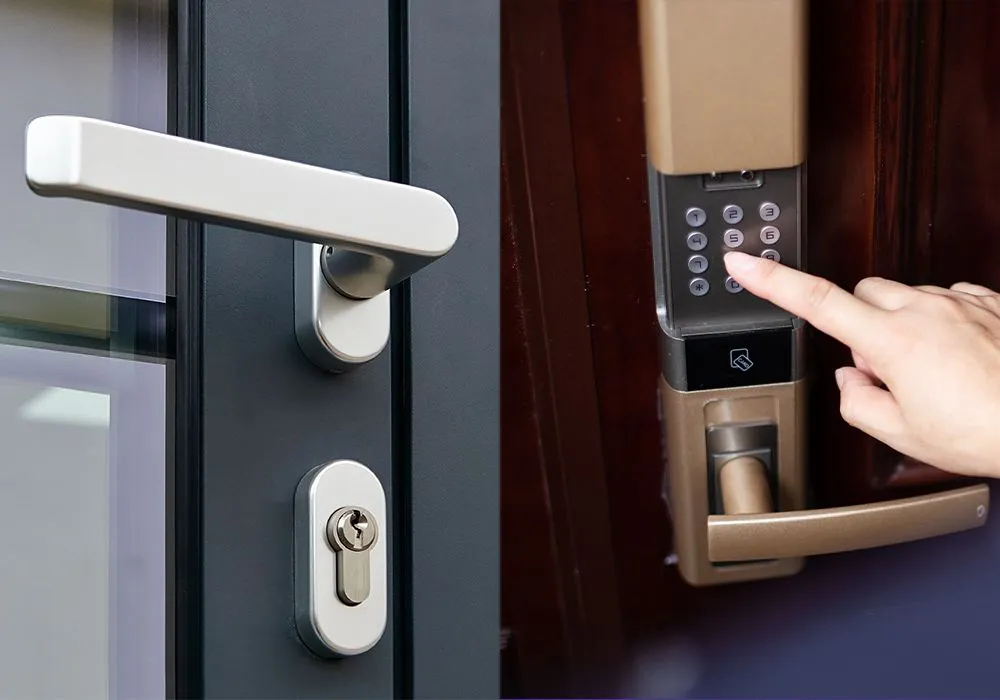
Choosing the right door lock is only part of the equation — the right door makes the whole system stronger, safer, and more beautiful. Whether you’re looking for new doors, custom designs, or expert advice on pairing your doors with the best locks, we’re here to help.
Contact us today to explore our full range of doors and security solutions. Our team is ready to guide you through every step — from selection to installation — so you can feel safe, confident, and completely satisfied with your choice.
FAQs About Door Lock Types
What is the difference between a single-cylinder and a double-cylinder deadbolt?
A single-cylinder deadbolt uses a key on the outside and a thumb turn on the inside, making it convenient for quick exits. A double-cylinder deadbolt requires a key on both sides, offering added security but potentially hindering emergency egress.
Are smart locks secure enough for front doors?
Yes, smart locks can be secure when they use strong encryption, regular firmware updates, and robust physical construction. It’s crucial to choose reputable brands and follow best practices for digital security.
Can I install a mortise lock on any door?
Mortise locks require a pocket (mortise) to be cut into the door, so they are best suited for solid wood doors. Installation can be complex and may not be compatible with hollow or metal doors without modification.
What is a Euro cylinder lock, and where is it commonly used?
A Euro cylinder lock is a type of lock mechanism commonly found in European countries. It’s often used in uPVC doors and allows for easy replacement of the cylinder without changing the entire lock.
How do I determine the backset for a door lock?
The backset is the distance from the edge of the door to the center of the borehole. Common backset measurements are 2-3/8 inches or 2-3/4 inches. Measuring accurately ensures the new lock will fit properly.