














When shopping for new doors, you’ll quickly run into terms like pre-finished, primed, and unfinished. If you’re not a door expert (and most of us aren’t!), these options can sound confusing. But don’t worry — choosing the right finish is easier than you think once you know what each one offers.

The finish you choose isn’t just about looks — it also affects how much work you’ll need to do, how much you’ll spend, and how long your door will stay beautiful. Some people want doors that are ready to hang right away, while others prefer the freedom to customize the color, stain, or style to perfectly match their space.
Understanding Door Finishes
Before you choose a door, it helps to understand exactly what pre-finished, primed, and unfinished mean. Each type has its own advantages depending on how much work you want to do and how much customization you need.
Pre-Finished Doors: Ready to Install

Pre-finished doors come fully finished straight from the factory. That means the stain, paint, or sealant has already been applied, dried, and cured under controlled conditions. Once you receive the door, it’s ready to install immediately — no extra work needed.
Pre-finished doors are great if you want:
A professional-quality finish
Consistent color and smooth coating
To save time and skip the painting or staining process
Primed Doors: Ready for Final Paint
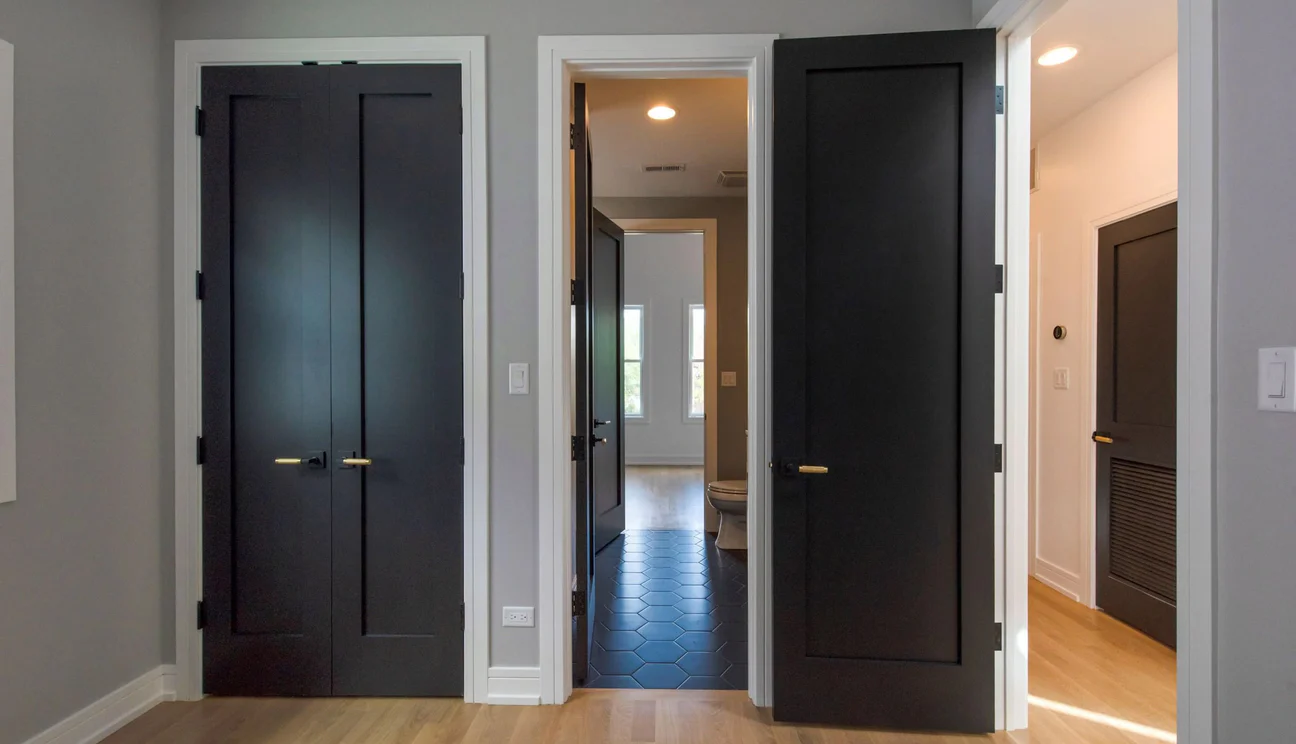
Primed doors come with a factory-applied primer coat but no final paint color. The primer helps prepare the surface so that your final coat of paint sticks better and lasts longer. You still need to paint these doors yourself (or hire someone), but the hardest prep work is already done.
Primed doors are perfect if you:
Want to choose your own color
Need a smooth surface that’s ready for painting
Want to avoid sanding and priming yourself
Unfinished Doors: Blank Canvas for Full Customization

Unfinished doors are exactly that — completely raw, with no primer, paint, or stain. You’ll need to do all the finishing work yourself, but you’ll also have complete control over the final look.
Unfinished doors are best if you:
Want to match existing wood tones in your home
Prefer a specific stain or custom paint
Enjoy DIY projects and have the time to finish the door properly
Pros and Cons Comparison

Now that you know what each type of door finish means, let’s take a closer look at the pros and cons of each option. This will help you quickly see which one fits your needs best.
Pre-Finished Doors
Pros:
Time-saving: No need for painting, staining, or sealing. Just install and enjoy.
Consistent quality: Factory finishes are smooth, even, and professionally applied.
Durable finish: The controlled factory environment creates a tough, long-lasting finish that resists chips and scratches.
Cons:
Limited customization: You’re mostly limited to the colors and finishes available from the manufacturer.
Higher upfront cost: Since the work is already done, these doors often cost more upfront.
Primed Doors
Pros:
Balance between readiness and customization: The primer saves you time, but you still get to choose your final paint color.
Cost-effective: Usually cheaper than pre-finished doors, but with less prep work than unfinished options.
Cons:
Requires painting: You still need to apply the top coat, which adds time and effort.
Limited to paint finishes: Primed doors are usually intended for painting, not staining.
Unfinished Doors
Pros:
Full customization: You have complete control over the stain, paint, or sealant you apply.
Budget-friendly initial cost: Unfinished doors often cost less upfront because no finishing work has been done.
Cons:
Time-consuming: You’ll need to sand, stain or paint, and seal the door yourself.
Requires finishing skills: Proper finishing takes patience and some know-how to achieve a smooth, durable result.
Cost Analysis

When choosing between pre-finished, primed, and unfinished doors, it’s essential to consider both the initial costs and the long-term value. Each option has its own set of expenses, including materials, labor, and maintenance.
| Door Type | Initial Cost | Finishing Required | Long-Term Maintenance | Customization |
|---|---|---|---|---|
| Pre-Finished | High | No | Low | Limited |
| Primed | Moderate | Yes (Painting) | Moderate | Moderate |
| Unfinished | Low | Yes (Full Finish) | Variable | High |
Pre-Finished Doors: Higher Upfront Cost, Lower Long-Term Maintenance
Initial Cost: Pre-finished doors are typically more expensive upfront due to the factory-applied finish.
Installation: These doors are ready to install, saving on labor costs associated with finishing.
Long-Term Value: The durable, factory-applied finish often requires less maintenance over time, potentially saving money in the long run.
Primed Doors: Moderate Initial Cost with Flexibility
Initial Cost: Primed doors are generally less expensive than pre-finished doors but more than unfinished ones.
Finishing Costs: They require painting, which adds to the overall cost but allows for customization.
Long-Term Value: With proper painting, primed doors can offer durability and aesthetic appeal, balancing cost and personalization.
Unfinished Doors: Lowest Initial Cost, Higher Finishing Effort
Initial Cost: Unfinished doors are the most budget-friendly upfront.
Finishing Costs: They require sanding, priming, and painting or staining, which can add to the total expense and time investment.
Long-Term Value: While offering complete customization, the quality of the finish depends on the skill of the person doing the work, potentially affecting durability.
Suitability for Different Spaces

Now that we’ve covered the features, pros, cons, and costs, let’s look at where each type of door finish works best in real-world situations. The right choice depends a lot on your space, timeline, and how much customization you want.
Pre-Finished Doors: Perfect for Quick, Clean Installs
Pre-finished doors are ideal when you want a door that’s ready to go. Since they’re fully finished at the factory, you don’t have to worry about painting or staining. This makes them a great option for:
New builds or renovations on a tight schedule
Rental properties where durability and consistency matter
Commercial spaces like offices or hotels that need a polished, uniform look
You simply install the door, and you’re done — no mess, no drying time.
Primed Doors: Great for Easy Customization
Primed doors are the sweet spot for many homeowners. The factory-applied primer means the hard prep work is done, but you still have full control over the final color. They’re perfect for:
Homeowners who want a specific paint color
Projects where matching existing interior colors is important
DIYers who want to handle painting but skip the primer stage
Primed doors save time while still allowing you to personalize your home’s look.
Unfinished Doors: Full Control for Unique Finishes
Unfinished doors offer total freedom for those who want a fully custom look. You handle every part of the finishing process, which makes these doors ideal for:
Historic homes where you need to match existing wood tones
High-end projects that require custom stains or specialty finishes
Skilled DIYers or professional woodworkers who want complete creative control
If you love the process of customizing your doors or need a perfect match to your existing decor, unfinished doors are a great choice.
DIY Considerations

If you’re thinking about finishing your doors yourself, it’s important to know what you’re getting into. Each door type comes with a different level of skill and time commitment.
Pre-Finished Doors: No DIY Needed
For pre-finished doors, the DIY work is practically zero. Since the door arrives fully finished, all you need to do is:
Install the door (or hire someone to do it)
Install the hardware
No painting, no staining, no drying time — it’s the easiest option for anyone who doesn’t want to pick up a brush.
Primed Doors: Beginner-Friendly Painting
Primed doors are great for DIYers who are comfortable with basic painting. Since they come pre-primed, you skip the tedious sanding and priming steps. You’ll need to:
Lightly sand the surface for smoothness
Apply one or two coats of your chosen paint
Allow proper drying between coats
Pro tip: Use high-quality paint and brushes or rollers to get a smooth, even finish.
Unfinished Doors: Advanced DIY Project
Unfinished doors require the most work and skill but offer full creative freedom. The process typically includes:
Sanding the door to create a smooth surface
Applying stain or paint, depending on your desired finish
Adding a protective topcoat or sealant
Allowing proper drying and curing times between each step
Pro tip: Work in a clean, dust-free space to avoid particles sticking to wet finishes. Always follow manufacturer instructions for best results.
Environmental Impact

As more homeowners think about the environment, it’s worth looking at how each type of door finish affects sustainability. The materials you choose — and how they’re finished — can have a real impact on your home’s eco-friendliness.
Pre-Finished Doors: Factory Efficiency
Pre-finished doors are often produced in highly controlled factory environments, which can actually reduce waste and improve efficiency:
Less overspray and waste during finishing.
Consistent use of materials, reducing errors and defects.
Many manufacturers now use low-VOC (volatile organic compounds) finishes, which are better for indoor air quality.
However, transportation and packaging for factory-finished doors can add to the overall environmental footprint.
Primed Doors: Lower VOC, But More Materials
Primed doors can be a greener option if you choose low-VOC paints for your final finish. However, since you’re still applying the paint yourself, you may create extra waste from:
Leftover paint and primer.
Brushes, rollers, and other disposable tools.
Extra coats if not applied carefully.
Using high-quality paints and careful application helps minimize waste.
Unfinished Doors: Most Control Over Eco Choices
Unfinished doors give you full control over the materials you use:
You can select eco-friendly stains, sealants, and paints.
Choose sustainably sourced wood (look for FSC or PEFC certification).
Avoid harsh chemicals altogether if you prefer natural wood oils or water-based finishes.
The downside is that finishing requires more time and energy on your part.
Recommendations for Eco-Conscious Choices
Look for FSC-certified wood regardless of finish type.
Choose low-VOC or zero-VOC paints and finishes to protect indoor air quality.
Work with manufacturers that follow responsible production practices.
Properly dispose of any leftover materials, paints, and brushes to reduce environmental harm.
Maintenance and Longevity

Choosing the right door isn’t just about how it looks when you install it — it’s also about how well it holds up over time. Each finish type has different durability and maintenance needs, which can affect the door’s long-term value and appearance.
Pre-Finished Doors: Durable and Low Maintenance
Pre-finished doors are made to last. The factory-applied finish is:
Evenly coated and cured in controlled conditions.
Highly resistant to scratches, chips, and fading.
Easy to clean with just a damp cloth.
If properly installed and maintained, pre-finished doors can stay beautiful for many years with very little upkeep. This makes them perfect for busy households or high-traffic areas.
Primed Doors: Durable if Properly Painted
Primed doors depend on the quality of the paint job you apply:
A high-quality paint and proper application will give you years of durability.
You may need to touch up or repaint every few years, especially if the door is exposed to heavy use or direct sunlight.
Regular cleaning and occasional touch-ups help maintain appearance.
With the right paint and care, primed doors can last just as long as pre-finished options.
Unfinished Doors: Longevity Depends on Finishing Quality
Unfinished doors offer full control over the finish, but also require the most careful work:
A well-applied stain or sealant can protect the door for decades.
Poorly applied finishes may wear out sooner, leading to fading, moisture damage, or warping.
Regular maintenance like resealing or refinishing may be needed, depending on the type of finish you choose.
The more effort you put into the initial finishing, the longer your door will last and look great.
Quick Tip
Interior doors usually require less maintenance overall.
Exterior doors (especially unfinished or wood) need extra protection from moisture, UV rays, and temperature changes.
Need Help Choosing Your Perfect Door?

Still unsure which door finish is right for your home or project? We’re here to help! Whether you’re looking for pre-finished convenience, custom colors on primed doors, or full customization with unfinished doors — we’ve got you covered.
Contact us today to explore all your options and receive a personalized quote. Let’s help you find the perfect door that matches your style, needs, and budget!
FAQs