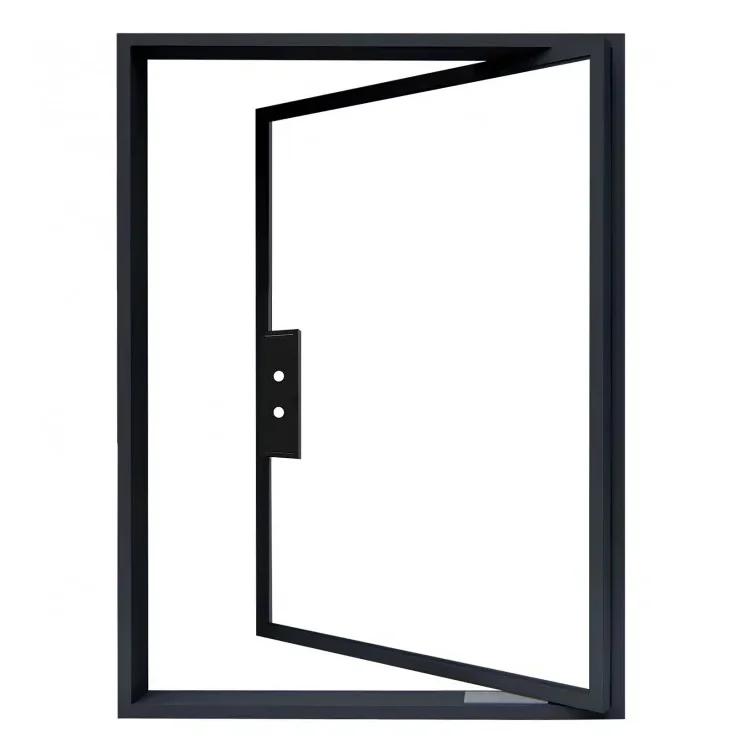
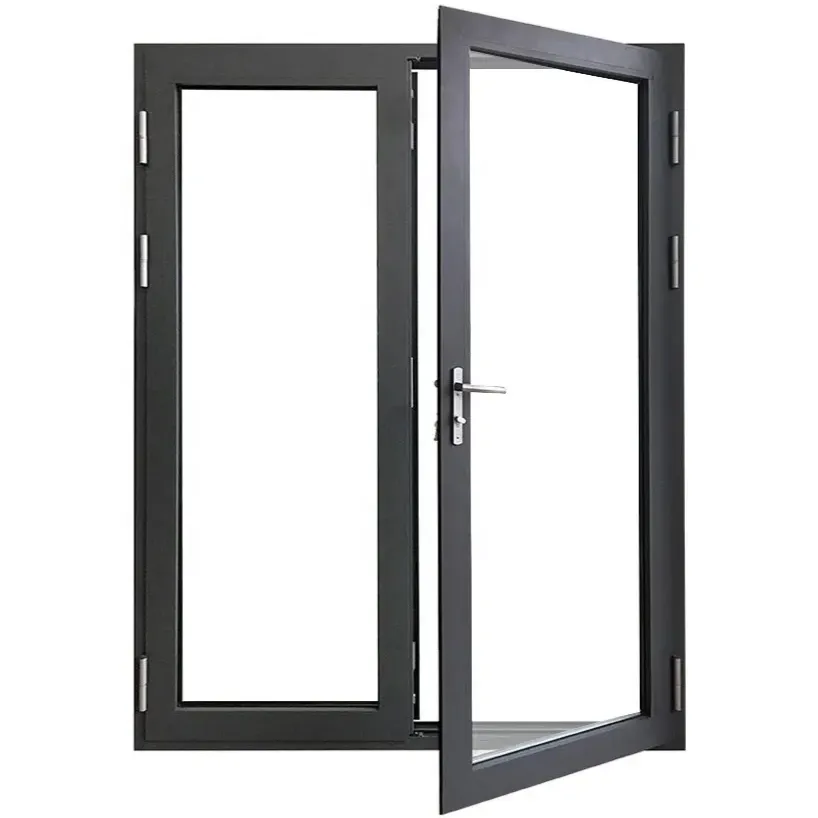
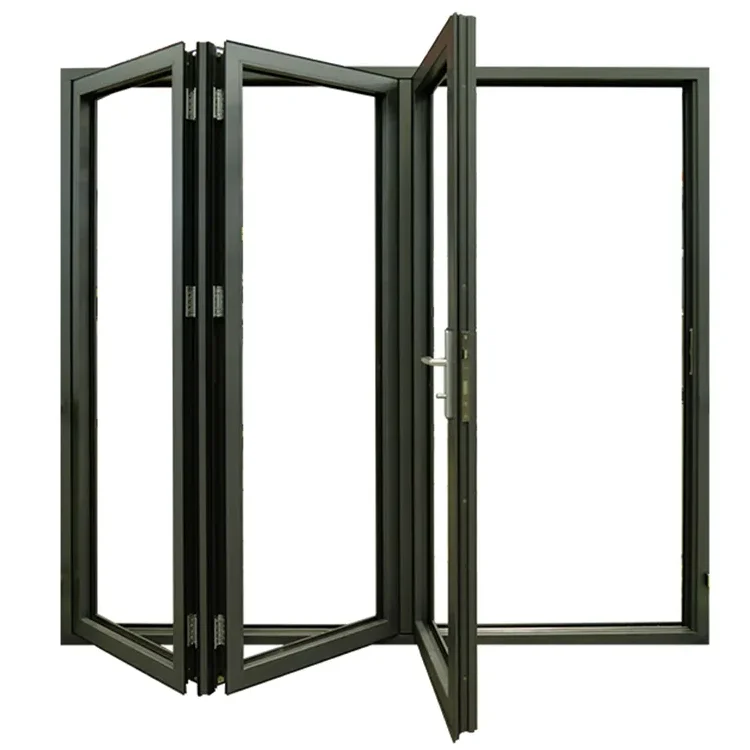
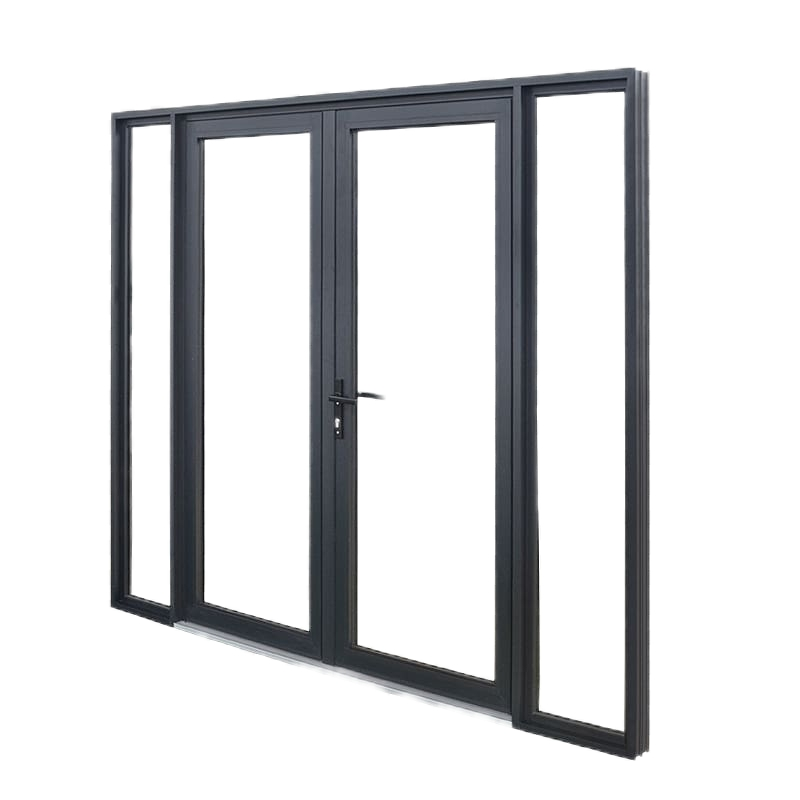















When you’re planning a renovation or building a new home, even small design choices—like what kind of door to install—can have a big impact on how your space looks and feels. Two popular options you’ll often hear about are pocket doors and sliding doors.
At first glance, both seem pretty similar. They both save space compared to traditional swinging doors. They both glide open rather than swinging out. But when you take a closer look, pocket doors and sliding doors offer very different benefits depending on your room, lifestyle, and design preferences.
So why do homeowners spend so much time comparing these two? Simple: because the right door can make your space more functional, stylish, and comfortable. Whether you’re working with a small bathroom, designing an open-plan living space, or looking for a sleek modern look, choosing between a pocket door and a sliding door matters more than you might think.
What Are Pocket Doors?

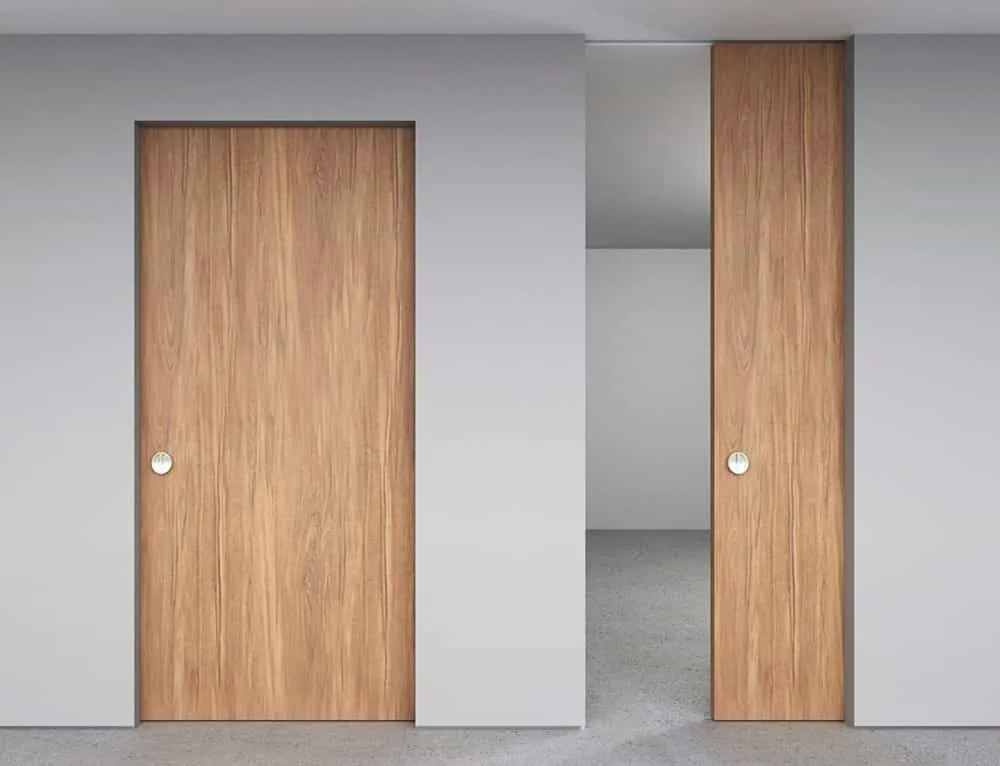
Pocket doors are a clever way to save space while keeping your room looking clean and modern. Unlike regular doors that swing open, a pocket door slides smoothly into a hidden compartment inside the wall — called the “pocket.” When open, the door completely disappears from view, leaving a wide, unobstructed opening.
Pros and Cons
| Pros | Cons |
|---|---|
| Fully hidden inside wall, maximizing space | Complex installation requiring wall modification |
| Clean, minimalist, modern appearance | More expensive due to construction work |
| Allows full use of wall space for furniture | Harder to access track for repairs |
| Better privacy and sound insulation | Limited accessibility for some users |
| Ideal for bathrooms, closets, and small rooms | Requires careful planning for wiring/plumbing |
What Are Sliding Doors?

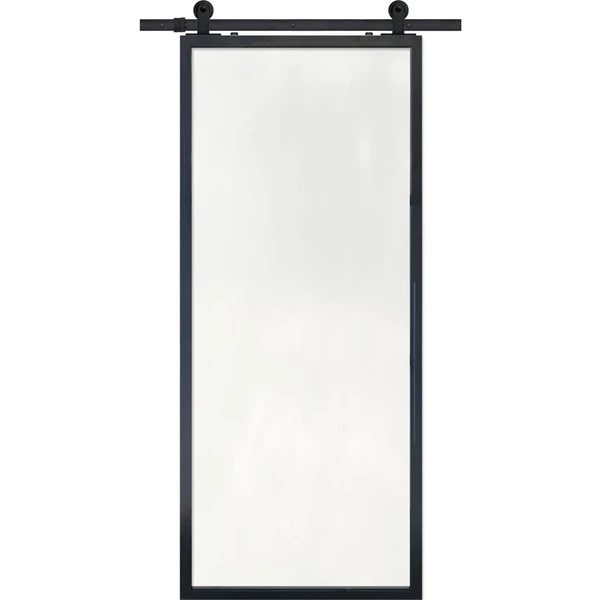
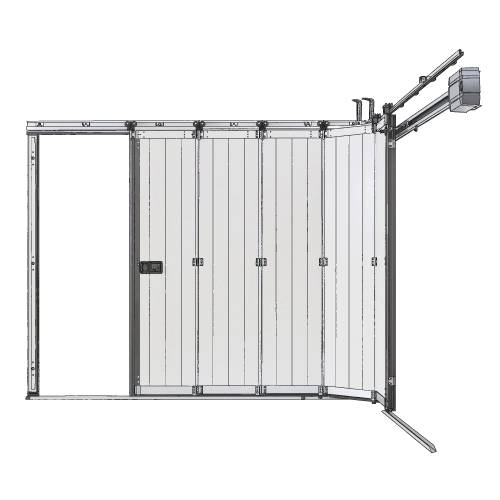
Sliding doors work a bit differently than pocket doors, though they share the same basic idea of saving space. Instead of disappearing into the wall, sliding doors move along a track mounted on the outside of the wall. As you open the door, it glides parallel to the wall surface, staying visible even when fully open.
Pros and Cons
| Pros | Cons |
|---|---|
| Easy surface-mounted installation | Always visible, can’t fully hide |
| More budget-friendly | Wall space needed for door to slide |
| Wide range of design styles (barn, glass, modern) | Less privacy and soundproofing |
| Simple maintenance with exposed track | Can block access to wall switches or outlets |
| Better accessibility and smart home compatible | Limited locking options for private rooms |
Pocket Door vs Sliding Door: Side-by-Side Comparison
Choosing between pocket doors and sliding doors isn’t always easy because both offer great benefits.
1. Space Efficiency

Both pocket doors and sliding doors save valuable floor space compared to traditional swinging doors. But they do it in slightly different ways:
Pocket Doors slide completely into the wall cavity, freeing up both floor and wall space. You can place furniture, shelves, or decor on either side of the opening without blocking the door.
Sliding Doors glide along the outside wall. While they save floor space, you lose wall space because the door needs a clear path to slide open.
2. Aesthetic Appeal

The visual effect of each door is very different:
Pocket Doors offer a minimalist, seamless look. When open, they vanish completely into the wall, creating a clean, modern vibe.
Sliding Doors remain visible whether open or closed. They can make a bold design statement, with popular styles like rustic barn doors, sleek glass panels, or industrial metal frames.
3. Installation Complexity
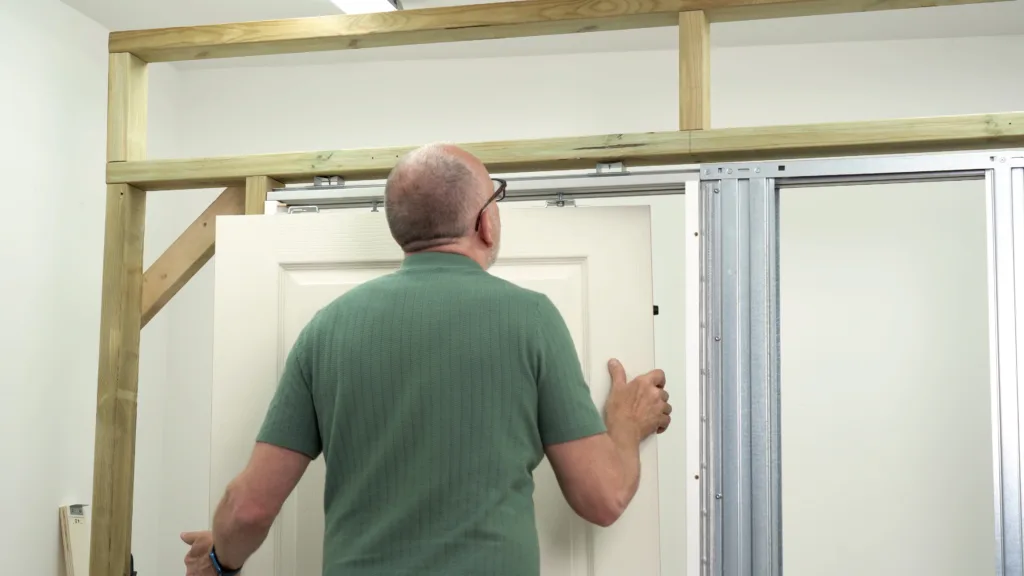
Installation is where these doors really start to differ:
Pocket Doors require significant wall modifications, especially if retrofitting into an existing wall. You may need to reframe or alter wiring and plumbing. They’re often easiest to install during new builds or major renovations.
Sliding Doors are much simpler to install. You mount a track on the wall and you’re done. Many homeowners can handle sliding door installation as a DIY project.
4. Cost Comparison

While the actual doors may cost about the same, installation costs change everything:
Pocket Doors: $400–$2,000+ (depending on wall modifications, materials, and labor)
Sliding Doors: $100–$300 (hardware and installation are much more budget-friendly)
5. Privacy & Noise Control

Privacy and soundproofing are important, especially for bedrooms and bathrooms:
Pocket Doors fit into the frame more snugly, providing better sealing and optional locks for privacy.
Sliding Doors often have gaps around the door and wall, making them less effective at blocking noise and light. Locking options are also more limited.
6. Accessibility & Usability

Consider who will be using the door every day:
Pocket Doors may be harder for people with mobility issues or weaker grip strength since they often require recessed pulls.
Sliding Doors are easier to operate with handles or pull bars and can be automated for smart homes.
7. Maintenance & Durability

Both doors slide on a track, but maintenance differs:
Pocket Doors hide the track inside the wall, which makes repairs more difficult if something goes wrong.
Sliding Doors have exposed tracks that are easy to access, clean, and maintain.
8. Electrical & Utility Considerations
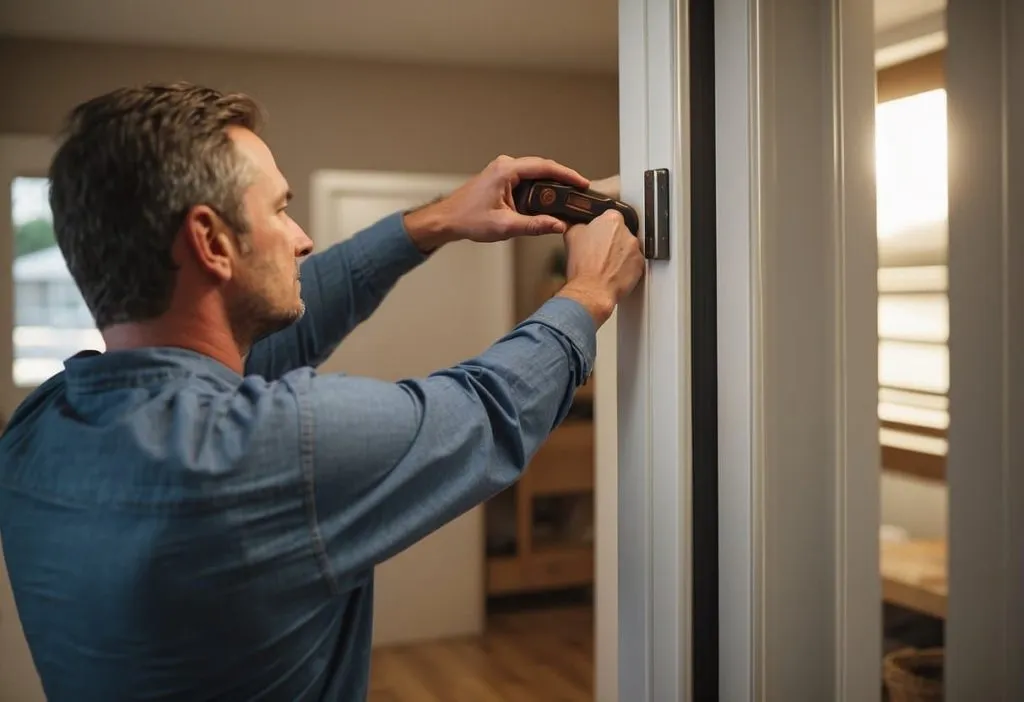
Pocket doors may affect your home’s wiring and plumbing:
Pocket Doors: Need careful planning to avoid conflicts with electrical wires, pipes, or load-bearing studs inside the wall.
Sliding Doors: Mounted on the surface, so no need to modify or disrupt anything inside the wall.
9. Furniture & Wall Usage

Where you can place furniture matters:
Pocket Doors allow full use of both sides of the wall.
Sliding Doors require one side of the wall to remain clear so the door can slide open.
10. Sustainability & Eco-Friendliness

Both options can support green home design depending on materials:
Reclaimed or recycled materials
Low-VOC finishes for healthier indoor air
Energy-efficient glass for exterior sliding doors
Best Use Cases by Room
| Room | Best Door Type | Why? |
|---|---|---|
| Bathrooms & En-Suites | Pocket Doors | Saves space, offers better privacy and noise control |
| Walk-In Closets | Pocket Doors | Clean, seamless access without bulky swinging doors |
| Pantries & Laundry Rooms | Pocket Doors | Keeps utility spaces hidden while maximizing floor space |
| Home Offices | Pocket Doors | Creates a quiet, private space when needed |
| Living Rooms | Sliding Doors | Great for open-plan dividers, easy to open and close |
| Bedrooms (Closets & Wardrobes) | Sliding Doors | Smooth operation, wide range of stylish designs |
| Dining Areas | Sliding Doors | Flexible for zoning open dining/living spaces |
| Patio or Garden Entrances | Sliding Doors | Large glass panels connect indoor and outdoor spaces beautifully |
Need Help Choosing the Right Door?
Not sure which door fits your space? Our team is ready to help you find the perfect pocket or sliding door. We offer expert guidance, full product catalogs, custom sizing, and factory-direct pricing to ensure you get the best solution for your home — all at a great value. Reach out now to get support, request a catalog, or receive a custom quote. Your ideal door is just a conversation away.
FAQs