
















When the cold weather sets in, windows often become one of the biggest sources of heat loss in a home. Even well-fitted windows can allow warm air to escape and let chilly drafts sneak in, making your heating system work harder. Studies show that poorly insulated windows can account for up to 25–30% of residential heating energy use, which means higher energy bills and less comfort indoors.

By properly insulating your windows for winter, you reduce heat loss, cut down on energy costs, and create a warmer, cozier living space. It’s a simple step that makes a big difference.
Assess & Prepare Your Windows

Before you add any insulation, it’s important to check the condition of your windows. Start by running your hand along the edges of the frame to feel for drafts or cold spots. Even tiny gaps can add up to big energy losses.
Next, give your windows a thorough cleaning. Remove any old, cracked caulk or peeling weatherstripping, since these no longer provide a tight seal. If you spot cracks in the frame or damaged glazing around the glass, make repairs before moving on. Fixing these issues ensures that any insulation measures you apply will actually last.
Sealing & Weatherstripping
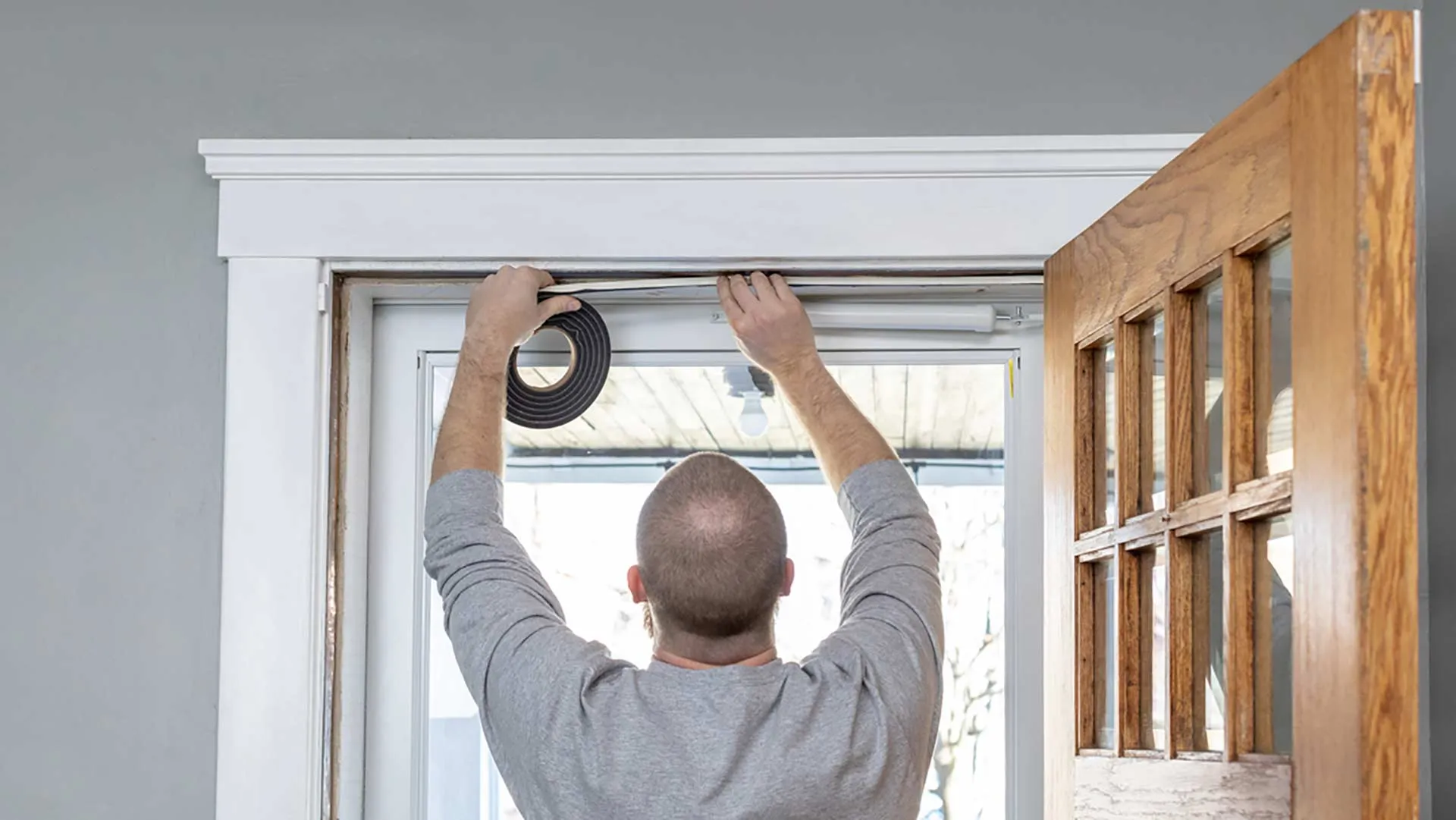
Once the windows are clean and prepped, sealing is your first line of defense against winter drafts. Apply fresh caulk around the frame to close gaps where warm air escapes and cold air creeps in.
For movable sashes, add weatherstripping. Foam tape, V-seals, felt strips, or rubber weatherstrips are all effective options, depending on the type of window. Double-hung windows, in particular, can benefit from sash locks, which pull the sashes tighter together and reduce air infiltration.
Together, these simple steps can drastically improve energy efficiency and set the stage for more advanced insulation methods.
Window Insulation Film & Plastic Kits

One of the most affordable and popular ways to insulate windows for winter is the shrink film method. This involves applying a clear plastic sheet over the inside of your window frame and using a hair dryer to shrink it tight.
Step-by-step application:
Clean and dry the window frame.
Apply the double-sided tape provided with the kit around the frame.
Attach the plastic film to the tape, smoothing out wrinkles.
Use a hair dryer on low heat to shrink the film until it becomes taut and transparent.
This creates an invisible barrier that traps air and cuts down drafts. The pros are clear: it’s inexpensive, effective, and easy to install.
The downside is that it blocks direct access to the window until removed, and the film is typically a one-season solution. For best results, leave it in place through the entire winter and remove in spring.
Secondary Glazing / Storm Windows

For a more durable solution, consider adding a second layer of glass or acrylic, often called secondary glazing or storm windows. These can be installed either on the inside or outside of the existing window, creating an insulating air pocket that reduces heat loss and noise.
Best use cases:
Older homes with single-pane windows.
Areas with severe winters where insulation needs are greater.
Homeowners who want a long-term option without replacing windows.
Storm windows cost more upfront than plastic film kits, but they last for many years and can dramatically improve both comfort and energy efficiency.
Thermal Curtains, Cellular Shades & Treatments

Not all window insulation has to involve plastic or construction. Sometimes, the right window treatments can make a big difference. Heavy thermal curtains or insulated drapes create a barrier that blocks drafts and helps trap warm air inside. For added effect, pair them with cornices or valances at the top to reduce heat escaping upward.
Cellular shades—also called honeycomb blinds—are another smart option. Their layered air pockets act like insulation, slowing down heat transfer through the glass. When fitted snugly within the window frame, they can significantly boost energy savings while still letting in natural light when opened.
Together, these treatments add style, privacy, and warmth, making them a practical and attractive choice for winter insulation.
Other DIY Add-Ons & Hacks

If you’re looking for quick and low-cost insulation tricks, a few clever hacks can go a long way. Bubble wrap is one of the simplest options—just spray a light mist of water on the glass, press the wrap against it, and it sticks. While it clouds the view, it’s surprisingly effective at trapping heat.
Draft snakes, or fabric tubes placed along window sills, block cold air from seeping in through the bottom. For windows with large gaps, combining plastic film with backer rod (foam rods tucked into cracks) adds an extra seal.
Another option is temporary caulk, also known as peelable caulk. It seals cracks around windows you don’t plan to open during winter and can be peeled away easily in spring.
Upgrading Windows

For homeowners ready to invest, upgrading to modern energy-efficient windows offers lasting benefits. Double- or triple-glazed windows provide multiple insulating layers of glass, while low-E (low emissivity) coatings reflect heat back into your home. Insulated frames add even more protection against heat loss.
Though the upfront cost is higher, the return on investment is clear: lower energy bills, greater comfort, and increased property value. For very old or drafty windows, replacement may be more cost-effective than repeated temporary fixes.
Maintenance & Seasonal Tips

Keeping your window insulation effective isn’t just about the initial installation—it also requires simple seasonal upkeep. A little attention each year can go a long way in keeping your home warm and efficient.
Inspect seals yearly – Check caulk, weatherstripping, and glazing for wear.
Remove film in spring – Leaving plastic kits on too long can trap moisture and warp frames.
Clean frames regularly – Dirt and debris can weaken seals over time.
Reapply caulk as needed – Fresh caulking helps maintain airtight performance year after year.
Ready to Improve Your Window Insulation?

Don’t let winter drafts drive up your energy bills. The right window insulation solutions—whether DIY fixes or full upgrades—can make your home warmer, more efficient, and more comfortable.
Contact us today for expert advice, high-performance products, and professional installation support. Let’s help you find the best solution for your home this winter.
FAQs
How to insulate windows to keep cold out in winter?
Seal all gaps with caulk or weatherstripping, apply window insulation film or storm windows, use thermal curtains or cellular shades to trap warm air, and upgrade glazing if possible.
How do I stop cold air from coming through my windows?
Patch drafts with caulk, install foam or V-seal weatherstrips, ensure sashes close tightly, or use draft stoppers (snakes) on the sill.
How to insulate a window without replacing it?
Use shrink film kits, bubble wrap, secondary glazing, or heavy thermal curtains. These retrofit options add insulation without full replacement.
What is the cheapest way to insulate windows?
Using bubble wrap over the pane (mist water so it sticks) is often the least expensive insulation method.