













Choosing the right windows for your home isn’t just about looks—it affects comfort, energy costs, and long-term value. Two of the most popular options are casement windows and double-hung windows. At first glance, they may seem similar, but the way they open, seal, and fit into your home design is very different.

In this guide, we’ll break down casement window vs. double-hung window in detail. You’ll learn how each type performs in areas like operation, energy efficiency, maintenance, and cost. By the end, you’ll know which window style is the best fit for your home and lifestyle.
What is a Casement Window?

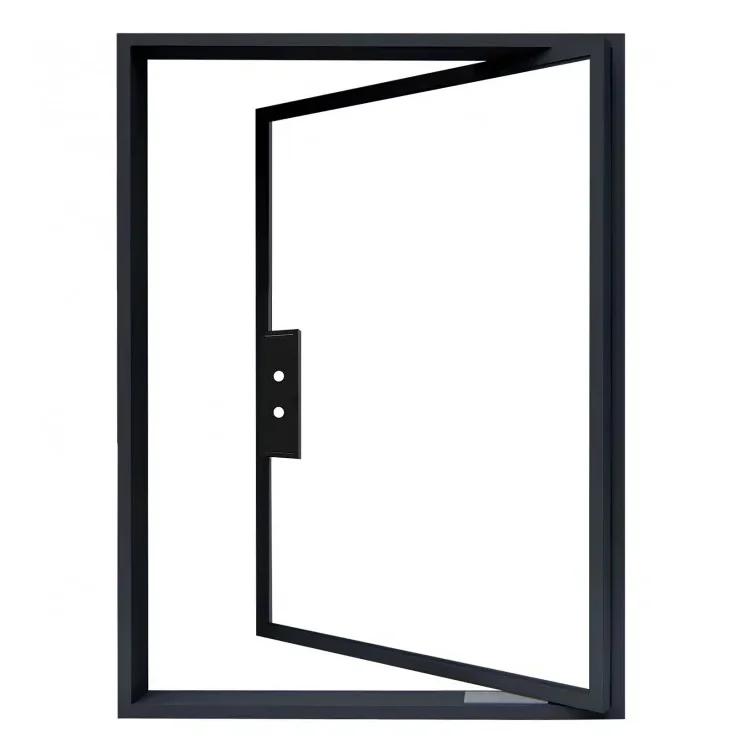
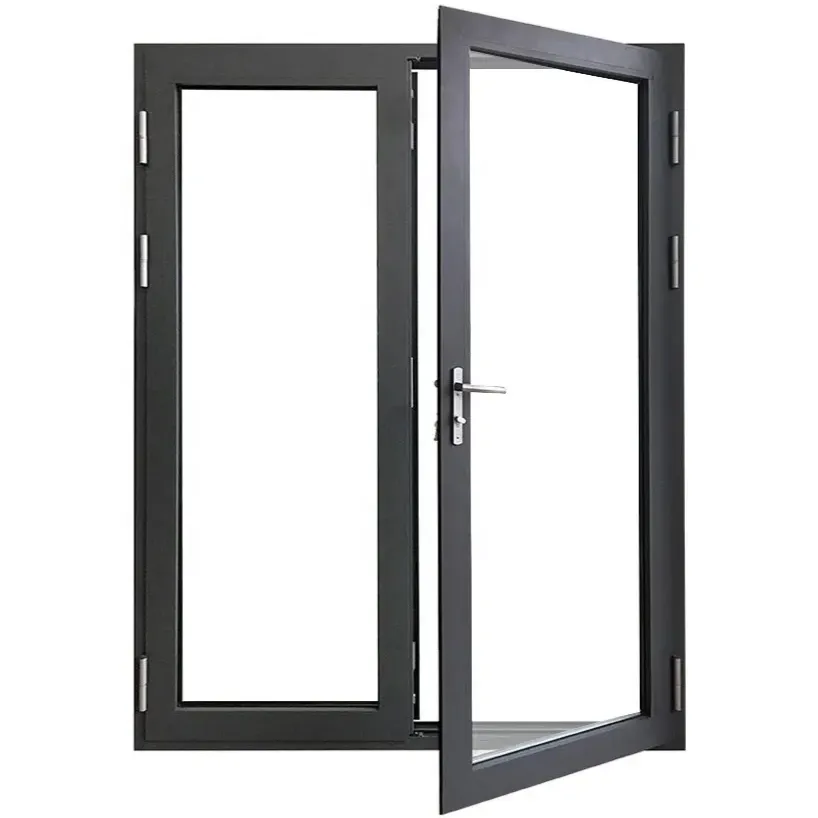
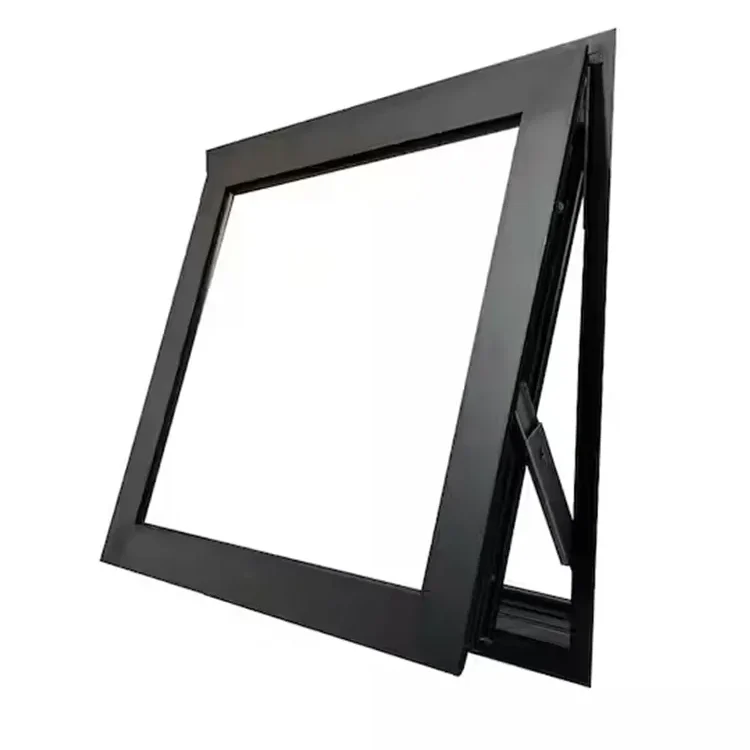
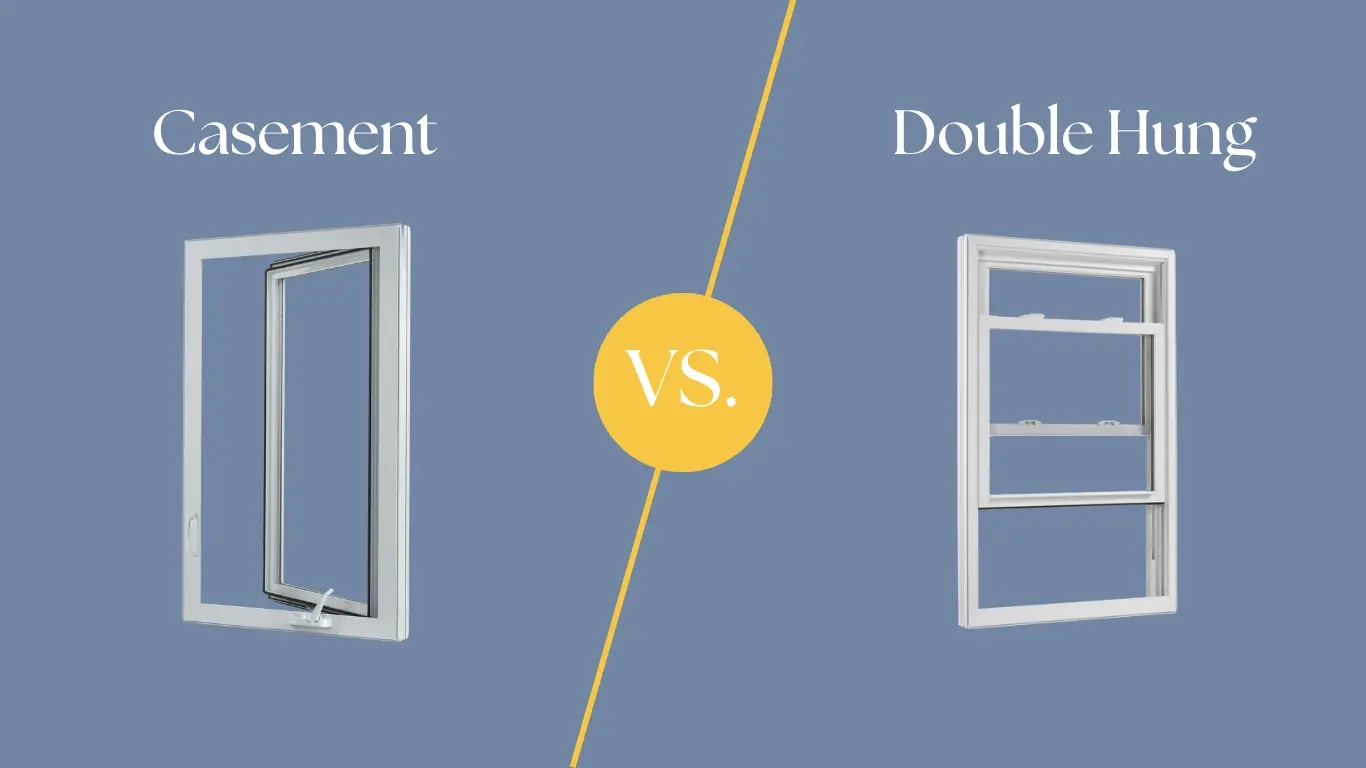
A casement window is hinged on one side and opens outward with a crank handle. The full sash swings open, letting in maximum light and airflow. When closed, it seals tightly against the frame, making it energy efficient. Casement windows are popular in modern homes for their clear views and strong ventilation.
Advantages
Provides a tight seal for better energy efficiency.
Allows unobstructed views with no horizontal divider.
Excellent at catching side breezes for maximum ventilation.
Easier to clean from indoors.
Disadvantages
Crank mechanisms may need maintenance.
Not ideal for spaces with exterior obstructions (walkways, decks).
Generally more expensive to install.
What is a Double-Hung Window?

A double-hung window has two sashes that slide up and down, letting you open the top, bottom, or both for ventilation. Many models tilt inward, making them easy to clean from inside. With their traditional style and flexibility, they’re a popular choice for classic homes and rooms that may need a window air conditioner.
Advantages
Offers versatile ventilation (open top, bottom, or both).
Classic design fits traditional homes.
Many models tilt inward for easy cleaning.
More affordable and widely available.
Disadvantages
More prone to air leaks due to multiple moving parts.
Horizontal rail slightly obstructs the view.
Moving sashes can wear over time.
Quick Overview
| Category | Casement Windows | Double-Hung Windows |
|---|---|---|
| Operation | Side hinges, open outward with crank handle, full opening even over furniture | Vertical sliding, two movable sashes; open top, bottom, or both |
| Energy Efficiency | Tight seal, sash presses against frame; highly efficient | Prone to leaks at multiple edges; efficiency depends on materials and seals |
| Aesthetic & View | Unobstructed view, no horizontal rail; suits modern homes | Has central rail dividing glass; traditional style, view slightly interrupted |
| Ventilation Control | Fully open; outward sash scoops breezes inside | Open top, bottom, or both; safe for children’s rooms; good air circulation |
| Maintenance & Cleaning | Swing open for easy cleaning; crank/hinges need upkeep | Tilt-in sashes for indoor cleaning; tracks and balances may wear |
| Cost & Installation | Higher cost; complex install due to outward swing | More affordable; easier installation; cost-effective replacements |
Operation

Casement Windows: Operate on side hinges and open outward like a door, controlled by a crank handle. This design makes them easy to open fully, even when reaching over furniture or a countertop.
Double-Hung Windows: Use a vertical sliding mechanism with two movable sashes. Either the top, bottom, or both can be opened, but the opening is only half the frame height at a time, which limits maximum airflow compared to casement styles.
Energy Efficiency

Casement Windows: Known for their tight seal when closed. The sash presses firmly against the frame, minimizing drafts and making them highly energy efficient. This makes them a better option in climates where insulation matters.
Double-Hung Windows: More prone to air leakage because the two moving sashes require weatherstripping along multiple edges. Over time, these seals can wear, reducing efficiency. They can still perform well with proper installation and upgraded materials, but generally rank below casement windows.
Aesthetic & View

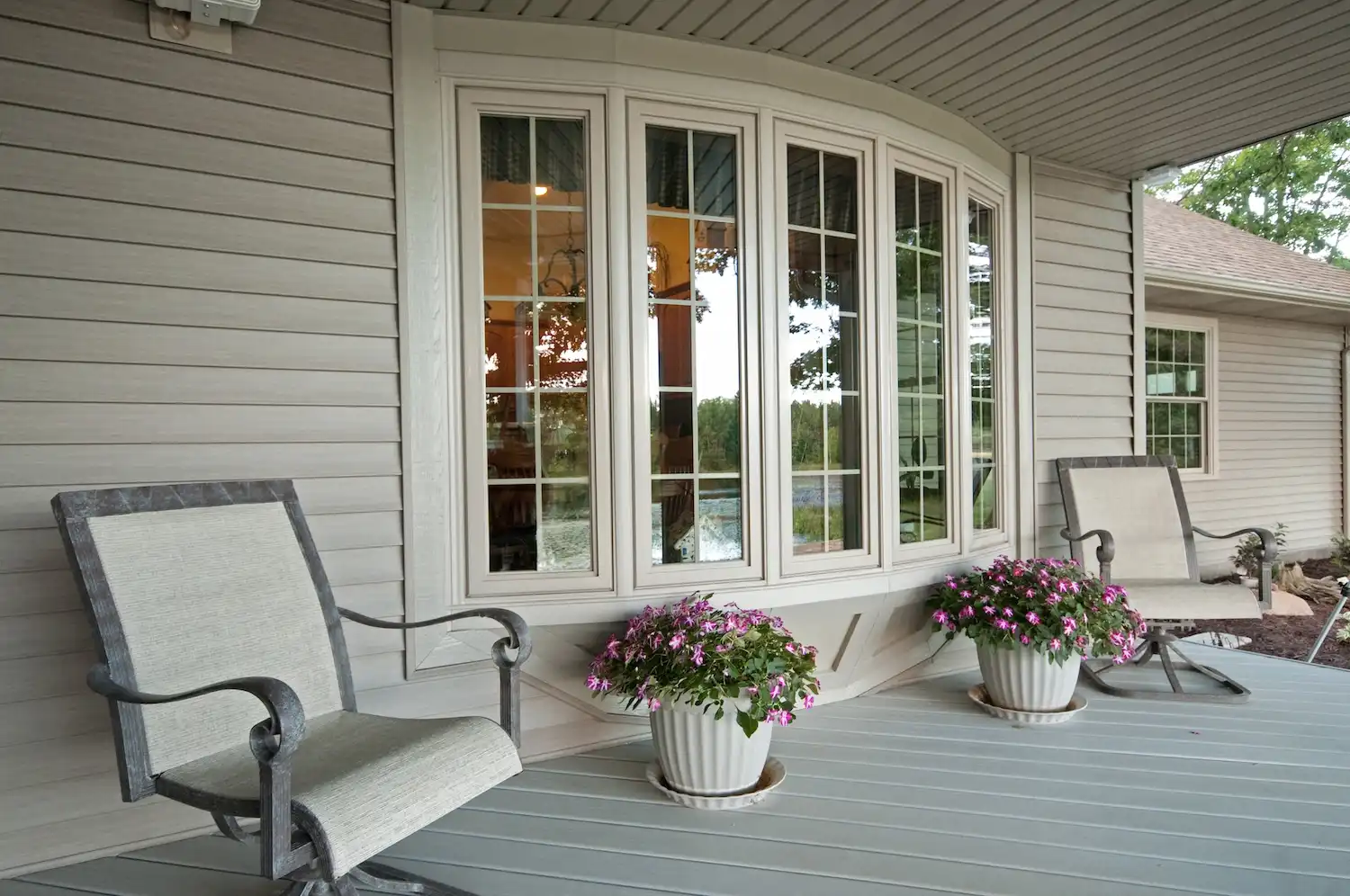
Casement Windows: Provide unobstructed views since there is no horizontal rail splitting the glass. This makes them popular for modern or contemporary homes seeking wide, clean sightlines.
Double-Hung Windows: Have a horizontal divider where the upper and lower sashes meet. While this traditional look suits many architectural styles, it slightly interrupts the view compared to casement designs.
Ventilation Control

Casement Windows: Can be opened fully to allow maximum ventilation. Their outward-swinging sash can also act like a scoop, catching breezes and directing them inside, which is especially useful in areas with consistent wind.
Double-Hung Windows: Offer flexible ventilation options because you can open the top sash, the bottom sash, or both at the same time. This is especially helpful for safety (keeping the bottom closed in children’s rooms while opening the top) or for natural airflow circulation.
Maintenance & Cleaning
Casement Windows: Simple to clean from the inside because the entire sash swings open. However, the crank and hinge mechanisms need occasional maintenance to prevent wear.
Double-Hung Windows: Most modern models have tilt-in sashes, allowing you to clean the outside glass from indoors as well. However, the sliding tracks and balances may wear down with frequent use, requiring adjustments or replacement over time.
Cost & Installation
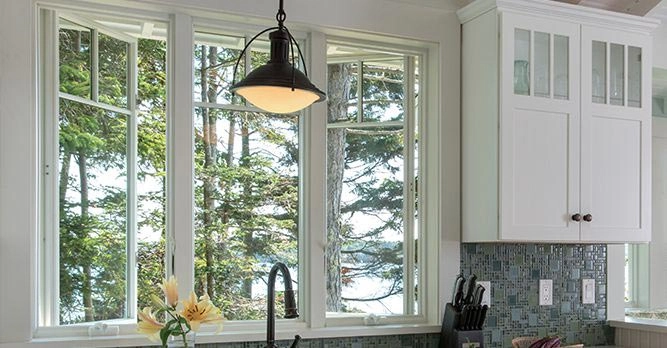
Casement Windows: Generally cost more than double-hung because of the crank hardware, sturdier hinges, and tighter seal construction. Installation can also be more complex due to their outward swing, especially if there are exterior obstructions.
Double-Hung Windows: Typically more affordable upfront and easier to install. Their design is widespread and widely manufactured, making them cost-effective for large-scale replacement projects.
When to Choose Each?

Both casement windows and double-hung windows have strengths, but the right choice depends on your needs, home style, and budget. Understanding when each works best can make your decision easier.
When to Choose Casement Windows
Casement windows are ideal if you want:
Energy efficiency with a tight seal that reduces drafts.
Clear, unobstructed views perfect for modern designs.
Strong ventilation, since the sash can catch breezes.
They work especially well in living rooms, kitchens, or anywhere you want fresh air and a wide, open view.
When to Choose Double-Hung Windows
Double-hung windows are a great fit if you need:
Affordable installation and budget-friendly pricing.
Classic style that matches traditional homes.
Flexible ventilation, such as opening just the top for safety.
They are commonly chosen for bedrooms, hallways, and areas where a window-mounted air conditioner may be needed.
Conclusion

The choice between casement windows and double-hung windows depends on your priorities. Casement windows are best for energy savings, clear views, and strong airflow, while double-hung windows are more affordable, easy to use, and fit classic home styles.
Looking to replace or upgrade your windows? Contact our team to explore the right options for your home and get expert help from selection to installation.
FAQs
Do casement windows or double-hung windows last longer?
Both can last 20–30 years with proper care. Casement windows may need crank or hinge repairs, while double-hung windows often need sash balance adjustments.
Can both window types be used with window screens?
Yes. Casement windows typically use interior-mounted screens, while double-hung windows have exterior screens. Both allow airflow while keeping bugs out.
Are casement windows safe for children?
Casement windows can be safer since they don’t slide open at the bottom. Double-hung windows, however, allow the bottom sash to be closed while leaving the top open for airflow.
Do double-hung windows work with air conditioners?
Yes. Double-hung windows are often used with window-mounted AC units because their vertical sliding design can hold the unit securely. Casement windows are not suitable for this use.
Which window type adds more resale value to a home?
Both can improve value, but casement windows often stand out in modern homes for their efficiency and design. Double-hung windows appeal more to buyers who prefer traditional style and easy maintenance.