













Choosing between a storm door and a screen door might seem simple, but it can actually make a big difference in your home’s comfort and protection.
Both options add something valuable, but they solve different problems.

The right door helps you save on energy, feel safer, and enjoy your space more.
Let’s look at what sets storm doors and screen doors apart so you can find the best fit for your home.
What Is a Storm Door?

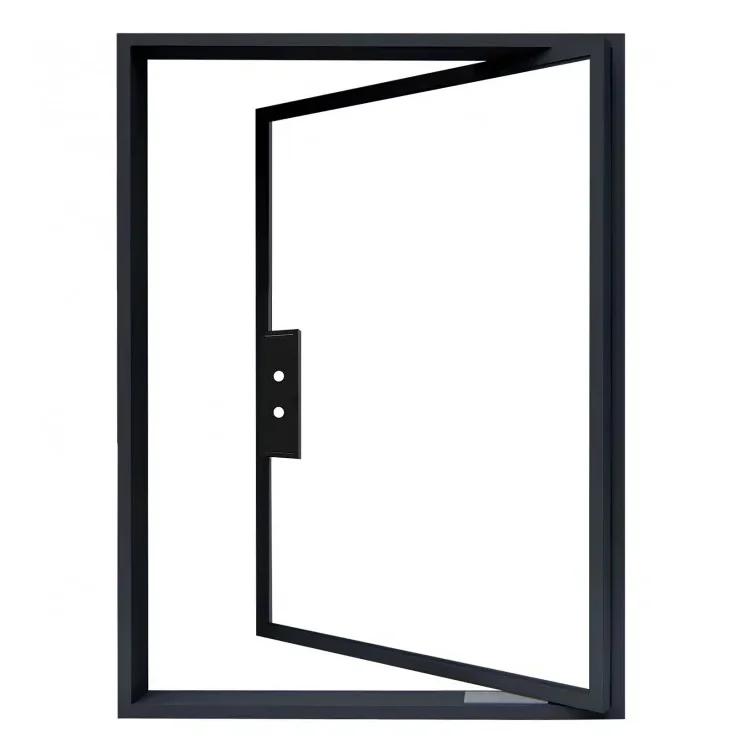
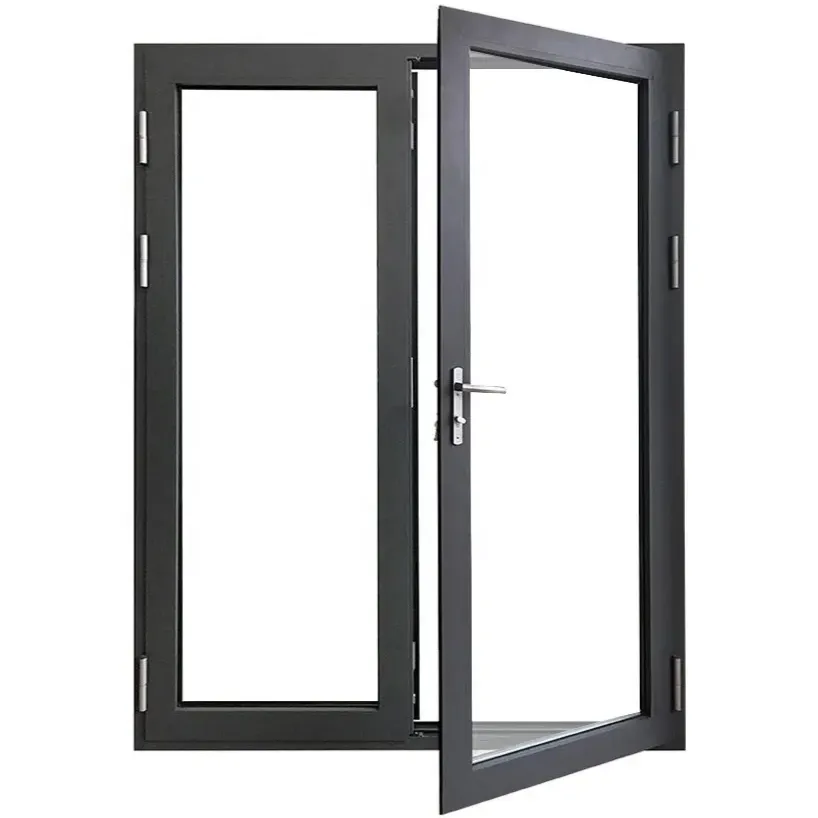
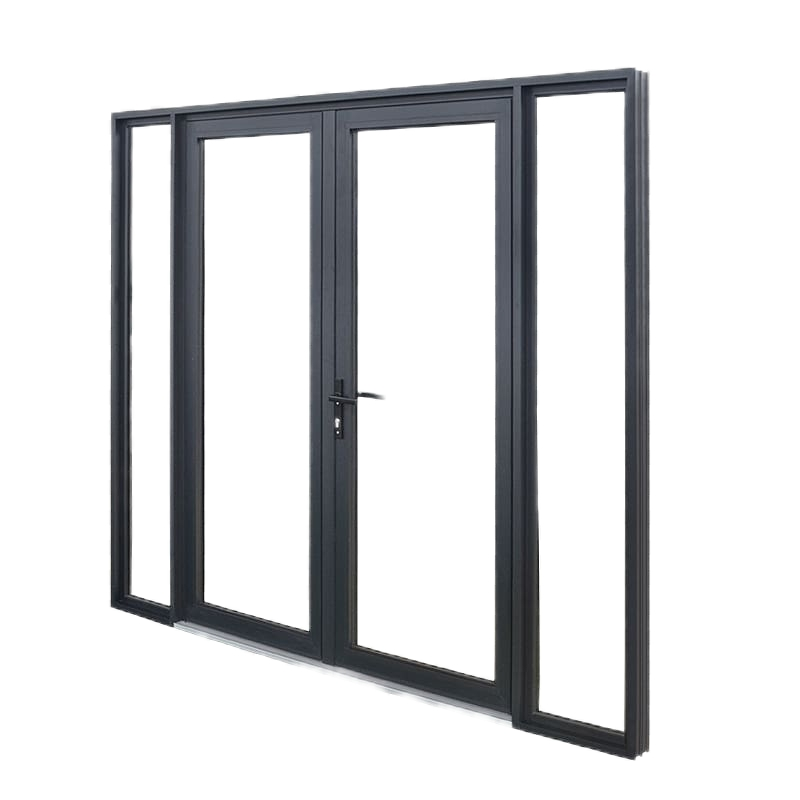
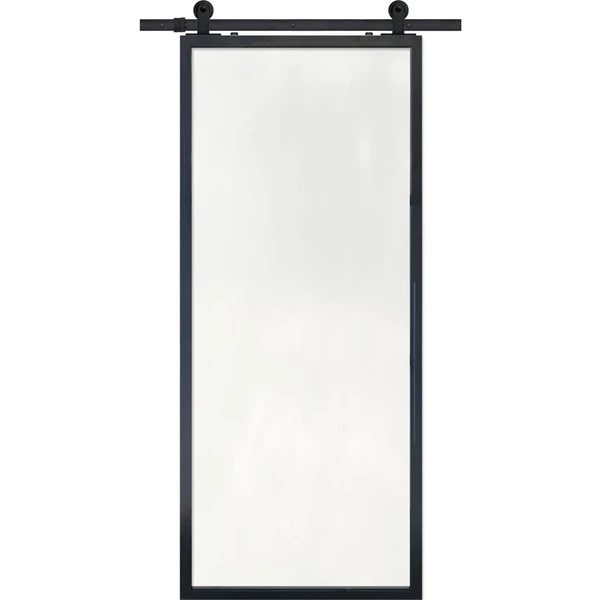
A storm door is a second, outer door usually installed in front of your main entry door.
It’s made with strong materials like aluminum, steel, or composite frames and often features glass panels that can be clear, tinted, or even have built-in screens.
Storm doors are designed for extra protection from harsh weather like rain, wind, or snow.
They help keep your home warmer in winter and cooler in summer by adding insulation and reducing drafts.
Many storm doors also include secure locks and sturdy hardware to boost your home’s security.
Besides function, storm doors can improve your home’s curb appeal by showcasing your main door while keeping it protected and clean.
What Is a Screen Door?

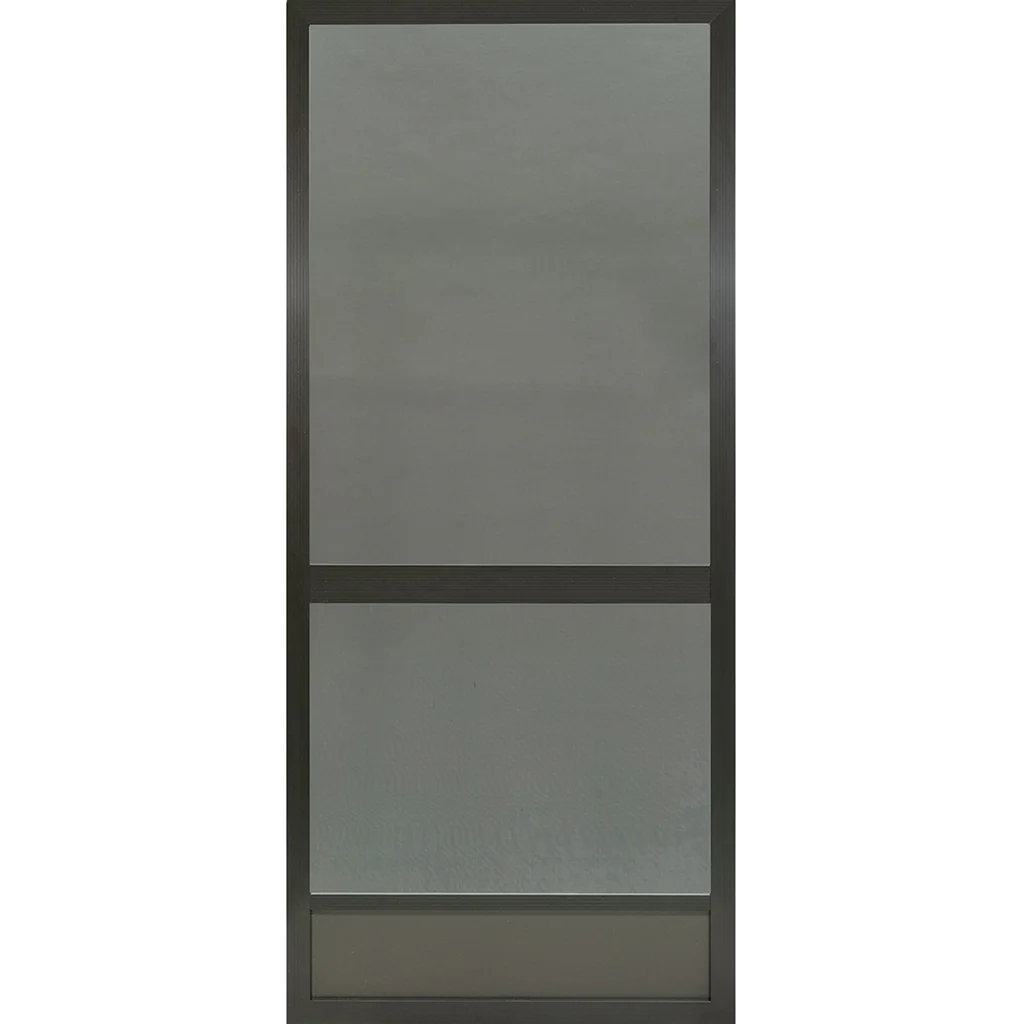
A screen door is a lightweight door with a mesh panel stretched across a simple frame, usually made of wood, aluminum, or vinyl.
The main feature is the screen, which lets fresh air flow into your home while keeping out insects and debris.
Screen doors are all about ventilation and comfort—perfect for letting in a summer breeze without inviting in bugs.
They’re easy to open and close, and most are very affordable compared to other exterior doors.
Simple and practical, screen doors are ideal for porches, patios, or back doors, giving you extra airflow and a stronger connection to the outdoors.
Key Differences at a Glance

1. Security
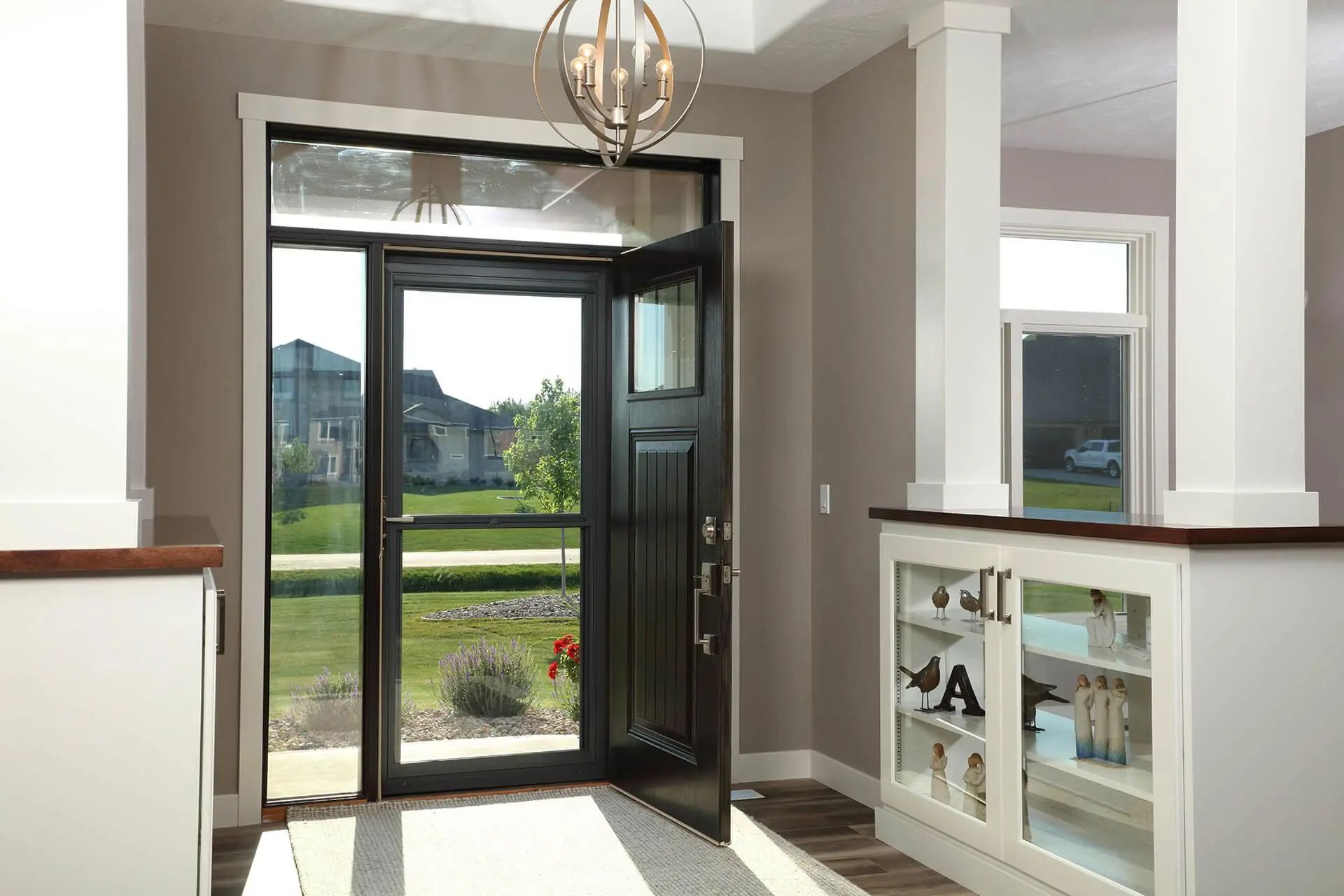
Storm door: Offers strong security with solid frames, reinforced glass, and deadbolt locks, making it tougher for intruders to break through.
Screen door: Basic security with simple latches and lightweight frames; mainly keeps insects out, not designed for break-in protection.
2. Protection

Storm door: Shields your main door from rain, wind, and debris, helping it last longer and reducing weather damage to your home.
Screen door: Only keeps out bugs and debris; doesn’t block harsh weather, strong winds, or flying objects during storms.
3. Airflow

Storm door: Allows ventilation if it includes a retractable or built-in screen, but less airflow compared to a screen door alone.
Screen door: Maximum fresh air and breeze into your home, perfect for natural ventilation while still blocking insects.
4. Cost

Storm door: Higher cost ($100–$800+), price rises with features like heavy glass, security, or special finishes.
Screen door: Budget-friendly ($25–$400), ideal if you want airflow and bug protection at a lower price.
5. Installation

Storm door: Heavier and more complex; usually needs professional installation to ensure a tight fit and protect your entry door.
Screen door: Lightweight and easy to install, making it a good DIY project for most homeowners.
6. Lifespan

Storm door: Durable and long-lasting (often up to 30 years) due to strong construction and weather-resistant materials.
Screen door: Can last up to 25 years, but mesh and frame are more likely to need repairs or early replacement.
7. Maintenance
Storm door: Low maintenance; clean glass and lubricate hinges, occasional weatherstripping checks.
Screen door: Needs more frequent repairs—screens can rip, sag, or get damaged, especially in high-traffic areas.
8. Customization

Storm door: Wide range of glass, colors, locks, and hardware options for matching your home’s style and boosting curb appeal.
Screen door: Some style and mesh options, but usually fewer colors and features compared to storm doors.
Materials & Construction

Storm doors are typically built from strong, weather-resistant materials like aluminum, steel, vinyl, or composite frames, often paired with tempered or Low-E glass panels for durability and insulation. These doors are designed to stand up to wind, rain, and sun, while offering extra security and energy efficiency.
Screen doors usually feature lightweight frames made from wood, vinyl, or aluminum, fitted with mesh screens that keep bugs out but let air in. Some screen doors use heavy-duty or pet-resistant mesh for added toughness.
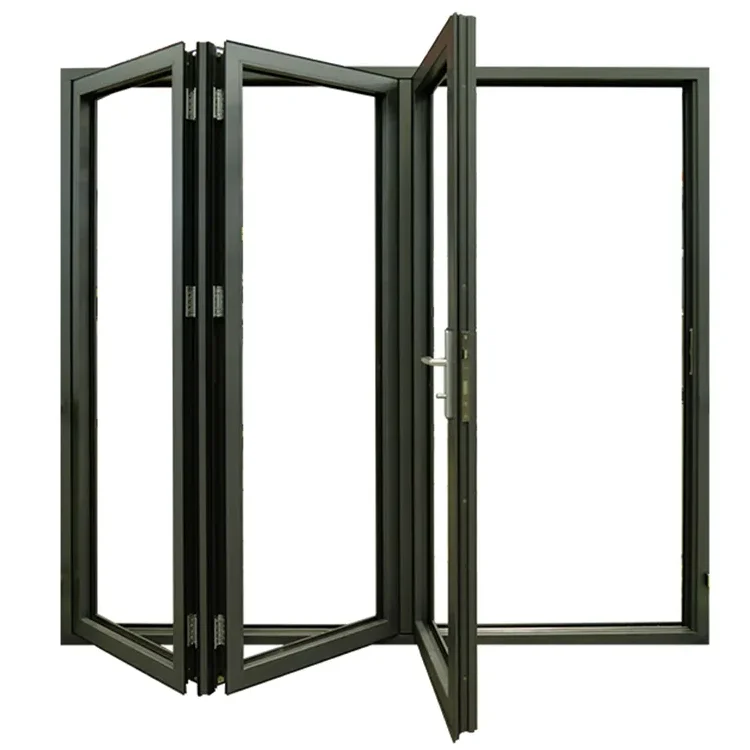
New trends include retractable screen doors that disappear when not in use, and storm doors with interchangeable glass and screen panels for easy seasonal changes. Many models now offer built-in pet doors, blending convenience with everyday function.
Best Uses & Climate Considerations

Choose a storm door if you live in an area with harsh weather, like heavy rain, snow, strong winds, or extreme temperatures. Storm doors add an extra layer of protection, boost your home’s insulation, and can help lower energy bills. They’re also a smart investment for curb appeal and security, especially for your main entry door.
A screen door is ideal for mild climates where airflow is the main priority. Use them on patios, porches, or in homes where letting in fresh air—and keeping out insects—is more important than weather protection. Screen doors are also great if you want a budget-friendly solution for better ventilation.
For areas with changing seasons, retractable or reversible doors offer the best of both worlds. You can enjoy a storm door’s protection during winter and quickly switch to screen mode for breezy summer days, making them a flexible choice for many homeowners.
How to Choose: Decision Checklist
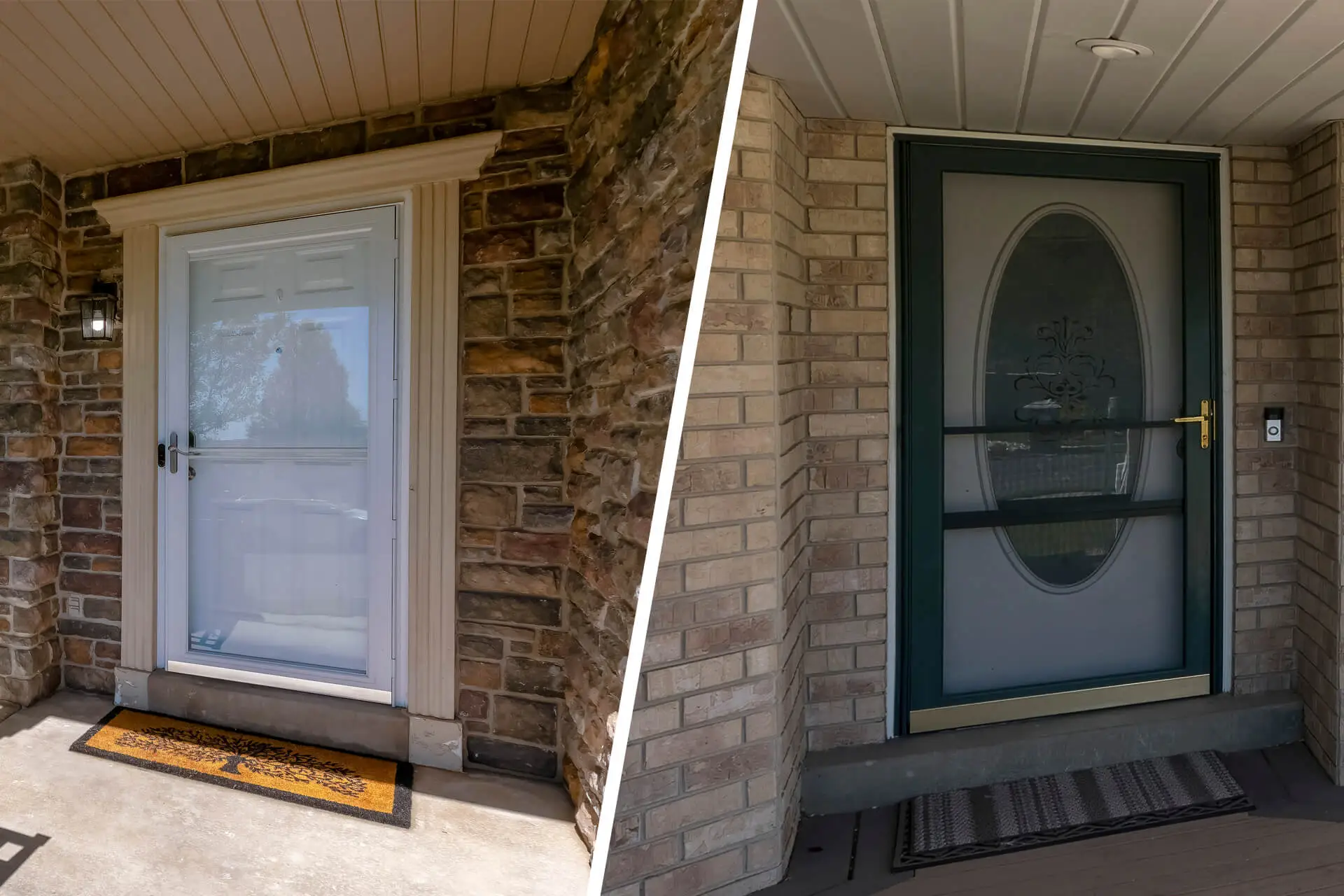
Climate and Weather Exposure: If your area faces harsh weather—like heavy rain, wind, or cold—consider a storm door for extra protection and insulation. In milder climates, a screen door is often enough for airflow and comfort.
Security and Privacy Needs: Storm doors offer stronger frames, glass, and added locks for more security. If privacy or security is a top priority, they’re the better option. Screen doors are great for airflow but provide minimal protection.
Budget: Screen doors cost less and are more affordable to install or replace. Storm doors have a higher upfront cost but may increase your home’s value and offer energy savings over time.
Desired Features: Want more ventilation and fresh air? Choose a screen door. Need to keep out bugs but still let in the breeze? A screen door is perfect. If you want insulation, light, curb appeal, or a pet door, look for storm doors with built-in options or retractable screens.
Professional vs. DIY Installation: Screen doors are lighter and easier for DIY projects. Storm doors, especially glass models, may need professional installation to ensure a tight fit and prevent damage.
Ready to upgrade your entryway or patio?

Not sure if a storm door or screen door fits your home best? Contact us today for expert advice, a full product catalog, or a free quote tailored to your needs. Let’s help you create a more comfortable, secure, and stylish home!
FAQs About Storm Doors vs. Screen Doors