












Choosing the right windows for your home is a big decision.
They affect not just the look of your home but also its energy efficiency, security, and maintenance needs.
If you’re stuck between aluminum and uPVC windows, you’re not alone.

In this guide, we’ll compare aluminum vs. uPVC windows in detail.
We’ll break down their durability, energy efficiency, cost, design flexibility, maintenance, and more.
By the end, you’ll have a clear idea of which type of window suits your home best.
Let’s dive in!
What Are uPVC Windows?

uPVC (unplasticized polyvinyl chloride) windows are a popular choice for homeowners looking for affordable, low-maintenance, and energy-efficient windows.
Unlike traditional plastic, uPVC is rigid and durable, making it a great material for window frames.
Pros and Cons of uPVC Windows
| Pros | Cons |
|---|---|
| Excellent thermal insulation | Limited color & finish options |
| Low maintenance & easy to clean | Less durable than aluminum |
| Affordable upfront cost | Can warp in extreme heat |
| Soundproofing capabilities | Bulkier frame design |
| Resistant to rust, rot, & corrosion | Shorter lifespan than aluminum |
What Are Aluminum Windows?

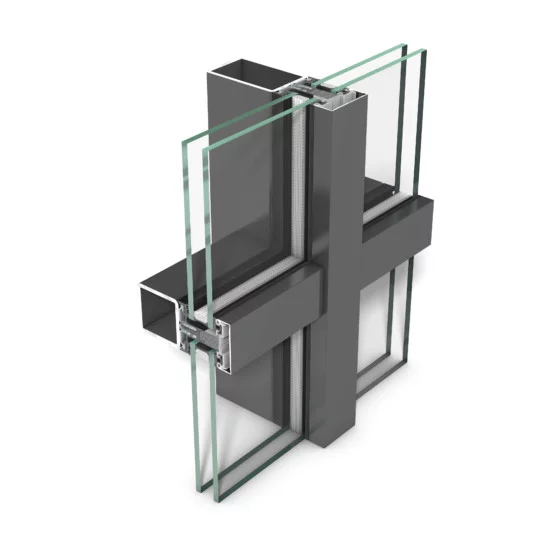
Aluminum windows are known for their sleek, modern appearance and high durability.
Made from lightweight yet strong metal, these windows are a great option for those who want larger glass panels with thinner frames.
Pros and Cons of Aluminum Windows
| Pros | Cons |
|---|---|
| Sleek, modern appearance | Higher upfront cost |
| Strong & durable | Prone to condensation |
| Slimmer frames allow more glass area | Conducts heat (needs thermal breaks) |
| Corrosion-resistant (if treated) | Requires occasional maintenance |
| 100% recyclable & eco-friendly | Can dent under heavy impact |
Comparison of uPVC vs Aluminum Windows
1. Appearance & Design Flexibility

uPVC Windows
uPVC windows have a classic, slightly thicker frame, making them a great fit for traditional and residential homes.
While they come in various styles like casement and sliding, their color and finish options are limited, mostly available in white or neutral shades.
Some manufacturers offer woodgrain finishes, but customization is not as extensive as aluminum.
Aluminum Windows
Aluminum windows are known for their thin frames and modern look, making them ideal for contemporary homes and large glass designs.
They offer a wider range of colors and finishes, including matte, glossy, and metallic options, thanks to powder coating and anodizing techniques.
Their sleek aesthetic and ability to support larger glass panels make them popular in high-end designs.
2. Durability & Lifespan

uPVC Windows
uPVC windows are highly resistant to rot, corrosion, and moisture, making them ideal for humid and coastal areas.
They do not warp or rust over time, and their lifespan ranges from 20 to 35 years with proper maintenance.
However, prolonged exposure to UV rays may cause fading or brittleness in lower-quality uPVC frames.
Aluminum Windows
Aluminum is a strong, lightweight material that can withstand harsh weather conditions and high wind loads. Unlike uPVC, it does not become brittle over time.
With proper coatings to prevent corrosion, aluminum windows can last 30 to 50 years.
However, in coastal areas, untreated aluminum may be prone to oxidation and discoloration due to salt exposure.
3. Maintenance Requirements

uPVC Windows
uPVC windows require very little maintenance.
They don’t need painting or sealing and can be easily cleaned with soap and water.
Since they are resistant to moisture, rust, and corrosion, they hold up well in most climates.
However, white uPVC frames may discolor over time, especially when exposed to prolonged sunlight or pollution.
Aluminum Windows
Aluminum windows are also low maintenance, but they may require occasional cleaning and lubrication of moving parts.
While modern powder-coated or anodized finishes help prevent corrosion, aluminum windows in coastal or humid areas may need extra protection against oxidation.
In extreme cases, regular coatings or protective treatments may be required to prevent damage.
4. Energy Efficiency & Insulation
uPVC Windows
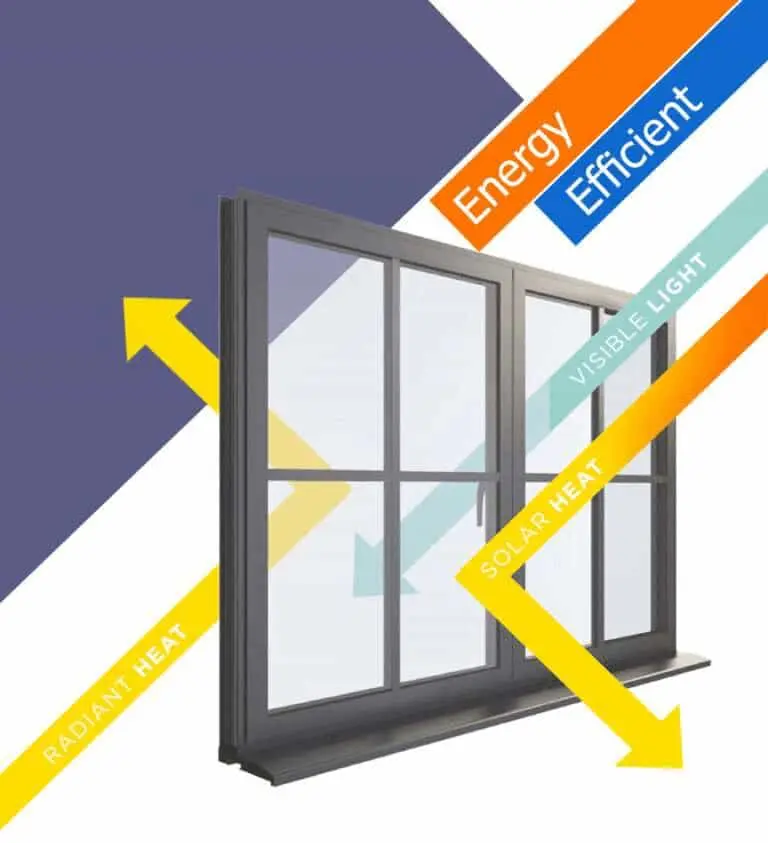
uPVC windows are excellent insulators due to their multi-chambered frames that help trap heat and reduce thermal transfer.
Since uPVC does not conduct heat, it naturally helps maintain indoor temperatures, making it a great choice for energy-efficient homes.
When combined with double or triple glazing, uPVC windows offer outstanding thermal performance, keeping your home warm in winter and cool in summer.
Aluminum Windows
Aluminum windows naturally conduct heat, which can make them less energy-efficient than uPVC.
However, modern aluminum frames now include thermal breaks—a layer of insulating material inside the frame—to reduce heat transfer.
While this improves energy efficiency, aluminum windows still may not insulate as well as uPVC unless paired with high-performance glass.
5. Cost Comparison

uPVC Windows
uPVC windows are cheaper to manufacture and install, making them the more affordable option upfront.
Their low maintenance needs also help keep costs down over time.
However, they have a shorter lifespan (typically 20-30 years) compared to aluminum, which means they may need replacement sooner.
Aluminum Windows
Aluminum windows typically cost 30-50% more than uPVC due to higher material and manufacturing costs.
However, they can last 40-50 years or more, meaning you might never need to replace them.
Additionally, aluminum’s strength allows for larger glass panels, which may increase the cost but provide better aesthetics and durability.
6. Security & Strength

uPVC Windows
uPVC windows come with multi-point locking systems, making them secure against forced entry.
However, uPVC is a plastic-based material, which means it’s not as strong as aluminum.
Over time, especially in larger window designs, uPVC frames may warp or weaken, slightly reducing their structural integrity.
Aluminum Windows
Aluminum is inherently stronger than uPVC, making it the better choice for security.
It can support larger glass panels without compromising on strength.
Reinforced aluminum frames are highly resistant to impact, making them a great option for homes in areas prone to storms or break-ins.
7. Environmental Impact & Sustainability
uPVC Windows
uPVC windows offer excellent thermal insulation, reducing energy consumption for heating and cooling.
However, since uPVC is a plastic-based material, it is not biodegradable and can be challenging to recycle.
Some manufacturers now offer recycled uPVC options, but the overall sustainability of uPVC is still lower than aluminum.
Aluminum Windows
Aluminum is 100% recyclable and can be reused indefinitely without losing its strength.
The production of aluminum requires more energy initially, but its long lifespan and recyclability make it a more sustainable option in the long run.
Many modern aluminum windows now come with thermal breaks to improve energy efficiency, closing the gap between uPVC and aluminum in terms of insulation.
8. Noise Reduction

uPVC Windows
uPVC windows naturally provide better sound insulation due to their thicker, multi-chambered frames.
The material itself helps block external noise, making uPVC a popular choice for homeowners looking for a quieter indoor environment.
When paired with double or triple glazing, uPVC windows can significantly reduce unwanted noise.
Aluminum Windows
Aluminum windows, with their thin and rigid frames, do not naturally insulate sound as well as uPVC.
To achieve good soundproofing, additional features like double glazing, laminated glass, or insulated frames are necessary.
Without these enhancements, aluminum windows may allow more noise to pass through compared to uPVC.
9. Installation Process

uPVC windows are lightweight and relatively simple to install, making them a great option for both professionals and DIY enthusiasts.
Because the material is flexible and doesn’t require special tools, the installation process is usually quicker and more straightforward.
However, proper sealing is crucial to prevent air or water leaks.
Aluminum Windows
Aluminum windows are strong but heavier, and installing them requires more expertise.
The metal frames need precise alignment to ensure a tight seal and prevent heat loss.
Additionally, since aluminum conducts heat, installers often add thermal breaks to improve insulation, making the process more complex.
Which Windows Are Right for You?
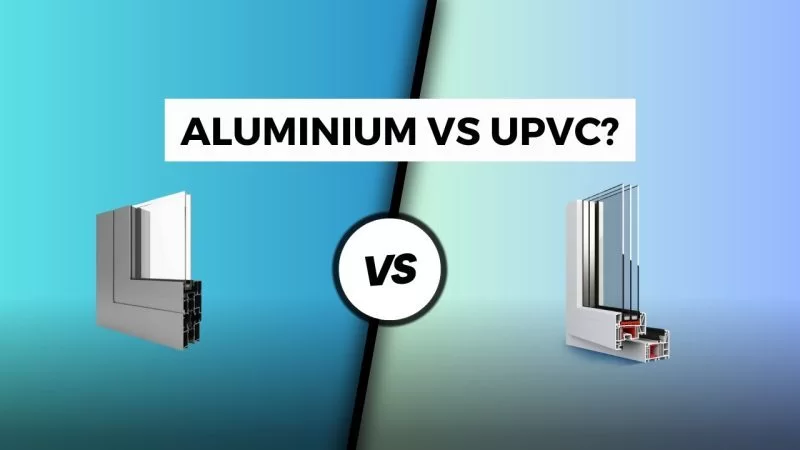
Choosing between uPVC and aluminum windows depends on your budget, priorities, and home design.
Both materials have their strengths, so let’s break it down to help you decide.
Choose uPVC Windows If You Want:
✔ Affordability – uPVC is more budget-friendly upfront.
✔ Energy Efficiency – Great insulation helps lower energy bills.
✔ Low Maintenance – No need for repainting or special care.
✔ Better Noise Reduction – Ideal for blocking out street noise.
✔ A Traditional Look – Thicker frames suit classic home styles.
Choose Aluminum Windows If You Want:
✔ Sleek, Modern Design – Thin frames allow for larger glass panes.
✔ Higher Durability – Lasts up to 50 years with proper care.
✔ More Customization – Wider variety of colors and finishes.
✔ Stronger Security – More resistant to impact and forced entry.
✔ Ideal for Large Windows – Best for floor-to-ceiling or panoramic windows.
Still unsure?
If energy efficiency and cost savings matter most, uPVC is a solid choice.
If you prefer a sleek, high-end look with long-term durability, aluminum might be the better fit.
Conclusion
Choosing between uPVC and aluminum windows depends on your priorities.
Both materials have their advantages, so it’s essential to consider factors like budget, aesthetics, insulation, and long-term value before making a decision.
Still unsure which windows are right for you?
Contact us today for expert guidance!
Our team can help you compare options, explore custom designs, and find the perfect windows to suit your home and budget.
Let’s make your vision a reality!