














Answer Snippet:
Aluminum window cost is primarily driven by frame materials, glass configuration, hardware systems, and project execution factors. A proper aluminum window cost breakdown shows that configuration differences can lead to price variations of 30–200%, making system-level evaluation essential in B2B procurement.
You will learn how each cost component impacts overall pricing and how to control risks while optimizing performance and compliance.
Based on multiple commercial and residential project deliveries, optimized configurations can reduce lifecycle cost by 10–25%.
This guide breaks down aluminum window pricing from materials to hidden risks and provides actionable decision strategies.
Let’s start with the real cost structure behind aluminum window systems.
The Real Cost Structure of Aluminum Windows (Aluminum Window Cost Breakdown Table)
In any aluminum window systems project, cost is not a single factor—it is a combination of system components and execution quality.
| Cost Component | Percentage Range | Key Drivers |
| Frame Cost | 30–45% | Profile thickness, thermal break |
| Glass Cost | 25–40% | IGU type, Low-E, laminated |
| Hardware Cost | 10–15% | Locking systems, hinges |
| Fabrication Cost | 10–20% | Precision, sealing quality |
| Logistics Cost | 5–15% | Packaging, transport distance |
Frame cost defines structural integrity and durability.
Glass cost determines energy performance and long-term building efficiency.
Hardware impacts usability and lifespan.
Fabrication and installation ensure that design performance is actually delivered on site.
👉 One of the biggest mistakes in aluminum window pricing is evaluating unit price instead of the full system.
For comparison insights, see aluminum vs uPVC window cost comparison.
Frame Material – The Largest Cost Driver in Aluminum Windows
The frame is the backbone of the window system and the highest risk area if mis-specified.
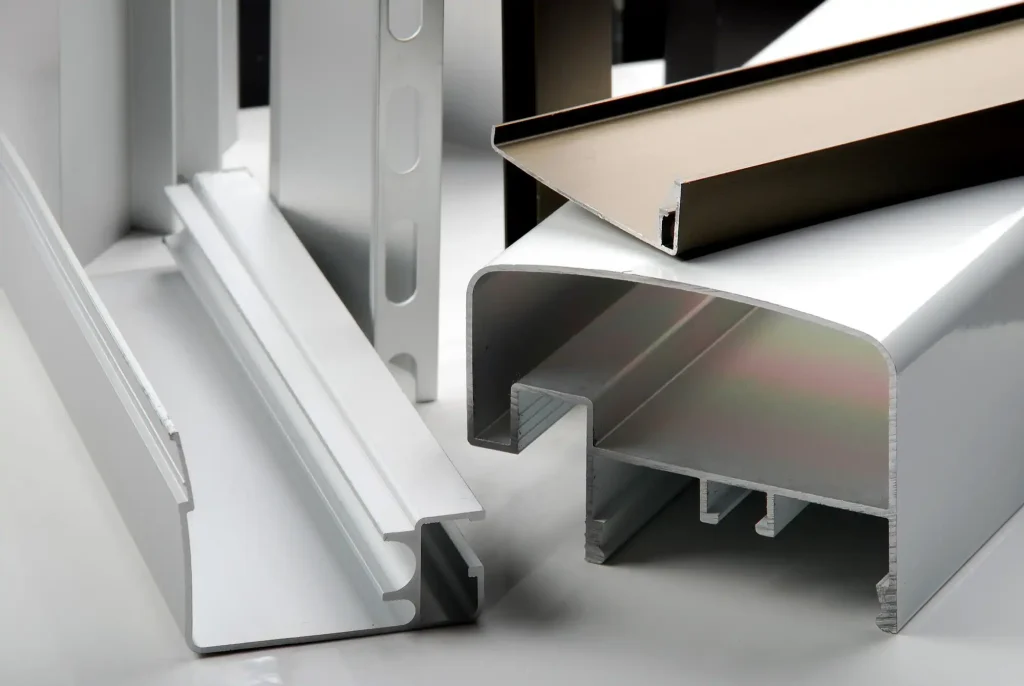
What: 6063-T5 Aluminum & Profile Thickness Standards
Most systems use 6063-T5 aluminum with thickness ranging from 1.2mm to 2.0mm.
👉 According to Wikipedia, aluminum is widely used in window systems due to its high strength-to-weight ratio and corrosion resistance.
Why: Structural Strength & Load-Bearing Performance
The frame must تحمل wind load, glass weight, and operational stress.
Thin profiles can deform under pressure, especially in high-rise applications.
How: Thickness vs Cost Impact
- 1.2mm → Low cost, suitable for low-rise
- 1.6mm → Standard for commercial projects
- 2.0mm+ → High-performance or high-wind areas
Each 0.2mm increase can raise frame cost by 8–12%.
Technical: Thermal Break Aluminum Windows
Thermal break aluminum windows use PA66 insulation strips to separate interior and exterior heat transfer.
This significantly improves thermal performance and reduces energy loss.
👉 According to EN 14351-1, certified window systems must meet strict requirements for thermal insulation, wind resistance, and water tightness.
Example: Cost Comparison
| Type | Cost Increase | Performance |
| Standard Aluminum | Base | No insulation |
| Thermal Break | +20–35% | High energy efficiency |
Tip: Selection Strategy
- Commercial buildings → Thermal break required
- Budget projects → Partial optimization possible
- High-end residential → Always use thermal break
Glass Specification – Balancing Performance vs Aluminum Window Cost
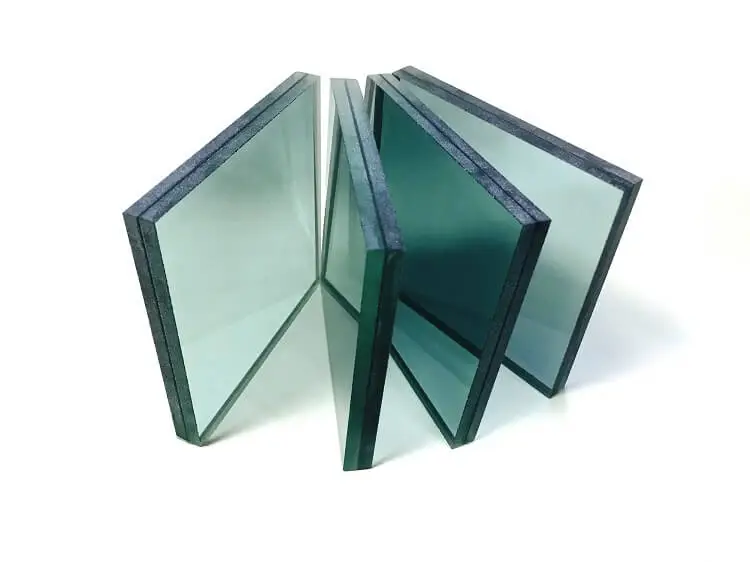
Glass is the second-largest cost factor and critical for energy efficiency.
Double vs Triple Glazing Cost Comparison
| Type | Cost | Performance |
| Double Glazing | Base | Standard insulation |
| Triple Glazing | +20–30% | High thermal performance |
Low-E vs Laminated Glass
- Low-E glass improves energy efficiency
- Laminated glass enhances safety and sound insulation
Cost Increase Range
High-performance glass typically increases cost by 10–30%.
Energy Efficiency Impact
👉 According to NFRC, window performance ratings such as U-factor and SHGC directly impact energy efficiency and long-term building costs.
👉 According to U.S. Department of Energy, energy-efficient windows can reduce heat loss by up to 30%, significantly lowering long-term operational costs.
This means higher upfront investment but lower lifecycle cost.
You can also explore how window energy efficiency impacts building cost.
In real projects like commercial office building aluminum window project, using insulated glass units significantly improves energy performance.
Hardware Systems – Small Cost, Big Impact on Window Performance

Hardware accounts for a smaller percentage but carries high operational risk.
Multi-Point Locking Systems
Improves air tightness and security.
Low-quality locks often lead to air leakage and water infiltration.
Window Hinges
- Standard hinges → Lower cost
- Heavy-duty hinges → Longer lifespan
Sliding vs Casement Hardware Cost
| Type | Cost | Performance |
| Sliding Window | Lower | Lower air tightness |
| Casement Window | Higher | Better sealing |
Cost vs Durability
Cheap hardware often fails within 2–3 years.
Replacement cost is significantly higher than initial savings.
Design & Size Complexity – The Hidden Cost Multiplier in Aluminum Windows
Design complexity can significantly amplify aluminum window cost.
Custom Sizes
Non-standard dimensions increase waste and fabrication cost.
Multi-Sash Systems
More panels mean more hardware and installation complexity.
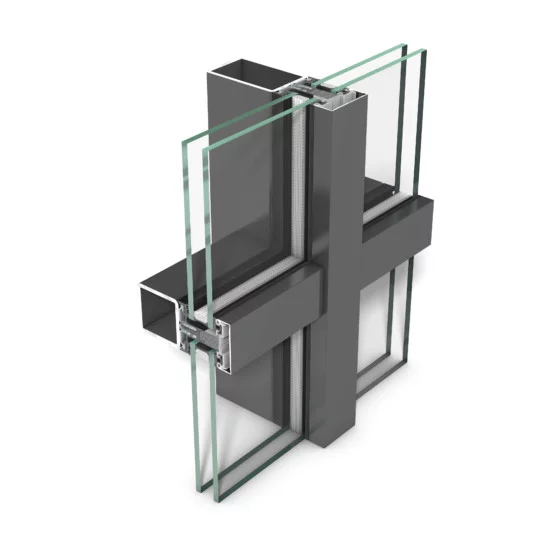
Curtain Wall vs Standard Windows
Curtain wall systems can cost 30–80% more than standard windows.
Project Example
In luxury residential aluminum window installation, large custom openings increase cost but deliver higher architectural value.
Hidden Costs in Aluminum Window Projects Most Buyers Miss
These hidden costs are often the reason budgets fail.
Key Hidden Costs
- Installation cost
- Export packaging protection
- Freight variability
- Rework and replacement
- Site condition challenges
Risk Analysis
Common issues include:
- Incorrect measurements
- Transport damage
- Site condition mismatch
How to Avoid
- Conduct detailed shop drawings
- Define installation responsibilities clearly
- Perform mock-up testing
Step-by-Step Guide to Evaluate an Aluminum Window Quote
Step 1: Check Aluminum Specifications
Verify thickness and thermal break structure.
Step 2: Review Glass Configuration
Confirm Low-E, IGU, or triple glazing.
Step 3: Verify Hardware Quality
Check brands and durability standards.
Step 4: Assess Manufacturing Capability
Ensure supplier has system-level production capacity.
Step 5: Evaluate Delivery Reliability
Confirm lead time matches project schedule.
Supplier vs Factory Pricing – Understanding Aluminum Window Cost Risks
Trading Company vs Factory
- Trading companies → Less transparency
- Direct factories → Better cost control
Why Quotes Differ
- Different configurations
- Different compliance standards
- Different system capabilities
Risk Factors in Low-Cost Suppliers
- Material downgrade
- Hardware substitution
- Lack of certification
👉 According to Skanska, high-performance facade systems significantly improve building energy performance and lifecycle cost efficiency.
How to Optimize Aluminum Window Cost Without Sacrificing Performance
Where You Can Reduce Cost Safely
- Standardize sizes
- Optimize glass selection
- Reduce unnecessary design complexity
Where You Should NOT Cut Costs
- Frame thickness
- Thermal break system
- Hardware quality
These are critical to long-term performance and project success.
Conclusion – Aluminum Window Cost Logic & Smart Buying Decisions
Aluminum window cost is not about the lowest price, but about balancing system performance, project risk, and lifecycle cost.
Next step: define your performance requirements before optimizing configuration.
Explore similar project solutions or consult experts for system recommendations.
👉 Get a Quote for Your Aluminum Window Project
FAQ
1. Why does aluminum window pricing vary so much?
Because system configurations (frame, glass, hardware) differ significantly.
2. Are thermal break aluminum windows worth it?
Yes, especially in commercial projects due to long-term energy savings.
3. How to choose between double and triple glazing?
Depends on climate and energy efficiency goals.
4. How to avoid low-cost supplier risks?
Verify materials, certifications, and system capabilities.
5. Does installation affect cost?
Yes, poor installation can lead to rework and performance failure.