












Choosing the right window style can make a big difference in how your home looks, feels, and even sounds.
Two of the most popular options are awning windows and sliding windows. Both are great in their own ways, but they work very differently and offer different benefits.
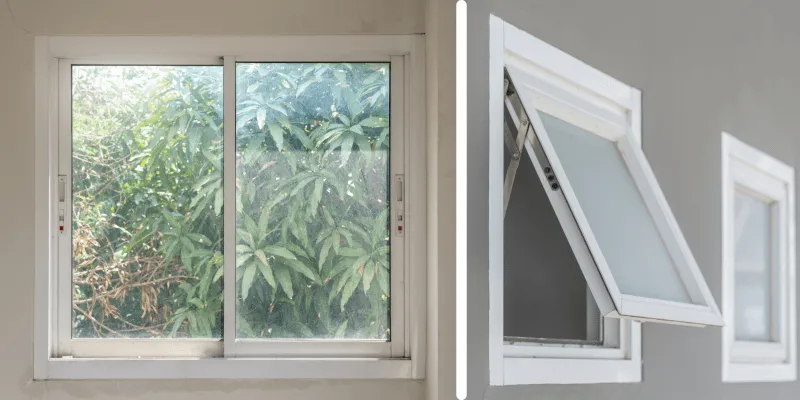
Awning windows open outward from the top and are great for letting in fresh air, even when it’s raining. Sliding windows open from side to side and are perfect for wide spaces and easy use.
In this article, we’ll break down the key differences between these two styles. From how they open, to energy efficiency, to cleaning and cost — we’ll cover everything you need to know to help you choose the best option for your home.
Quick Comparison Table: Awning vs Sliding

Not sure which window type is right for you? Here’s a quick side-by-side look at how awning windows and sliding windows compare across the most important features:
What Are Awning Windows?
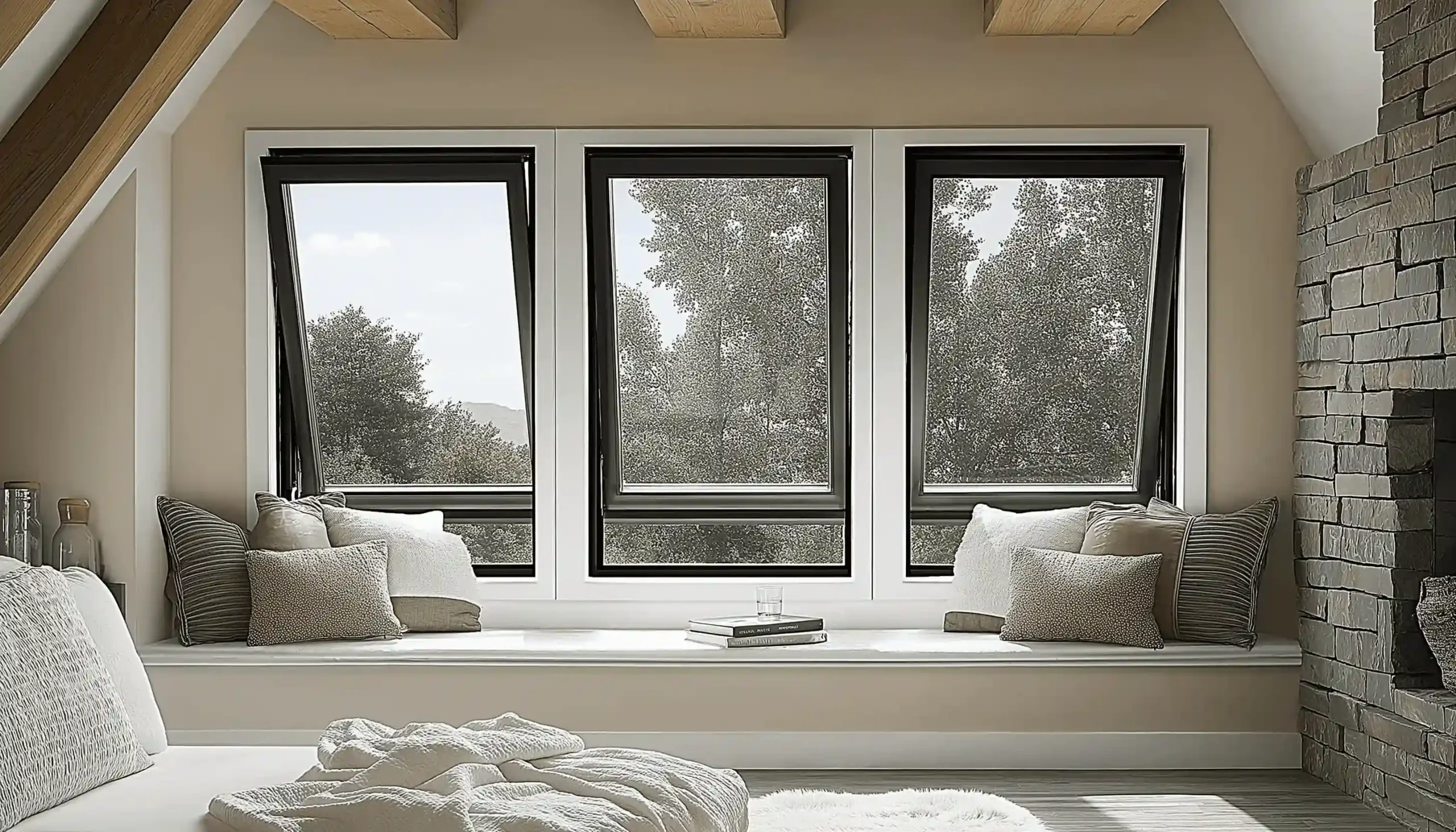
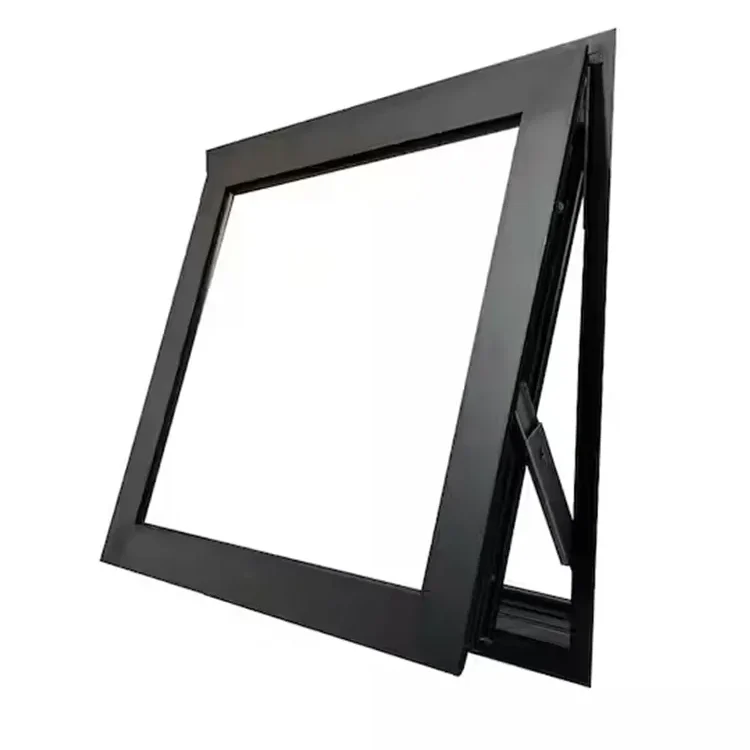
Awning windows are a great choice for homeowners who want both style and functionality. These windows are hinged at the top and open outward from the bottom, much like a small awning, which is where they get their name.
Operating an awning window is simple thanks to its crank handle. With just a turn of the handle, the window sash swings outward from the bottom, allowing fresh air to enter while keeping rain out. The top-hinge design also creates a protective cover, so you can enjoy ventilation even when it’s drizzling.
What makes these windows special is that they’re easy to open, even when installed high on the wall. This makes them an ideal solution for areas where sliding windows might be hard to reach or operate. Plus, their compact design allows for better flexibility in window placement.
Ideal Applications
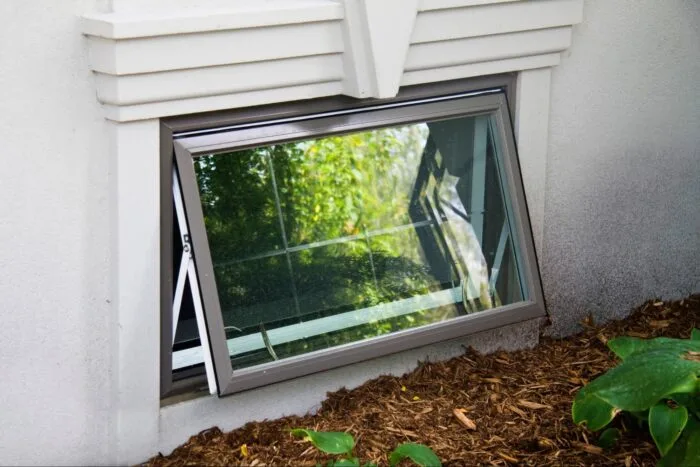
Awning windows are perfect for:
- Bathrooms where privacy is important but airflow is still needed
- Above kitchen sinks or counters, especially when height or tight space makes sliding windows less practical
- Modern homes looking for sleek, stylish window installations, like window walls or large window configurations
- Wet climates, as the outward opening provides extra protection from the rain while still allowing for fresh air
What Are Sliding Windows?

Sliding windows are a classic and practical option found in many homes. Known for their simplicity and ease of use, these windows are especially popular in rooms where space is tight or where you want a wide view.
Sliding windows operate by gliding one or two panels horizontally along a track within the window frame. Depending on the style, you may have a single-slider (only one movable panel) or a double-slider (both panels move).
There’s no crank or handle — just slide the sash to one side to open it. This smooth, side-to-side movement makes them incredibly easy to use, especially in areas where you don’t want a window swinging outward or inward.
Ideal Applications
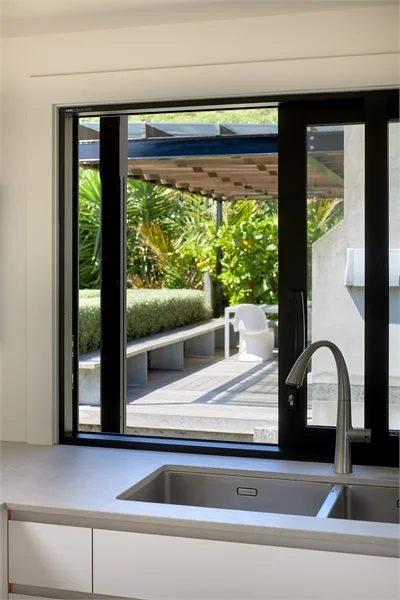
Sliding windows are a great fit for:
Basements, where vertical space is limited but width is available
Wide wall openings, where you want to maximize the view and let in more light
Low-clearance exterior areas, like next to walkways, decks, or patios, where an outward-opening window might get in the way
Modern or traditional homes, as their clean lines and flexible sizes work with many designs
Detailed Feature Comparison
Now that you know the basics, let’s take a closer look at how awning and sliding windows stack up across the most important features. This will help you better understand which one fits your lifestyle and home design needs.
5.1 Operation & Ease of Use
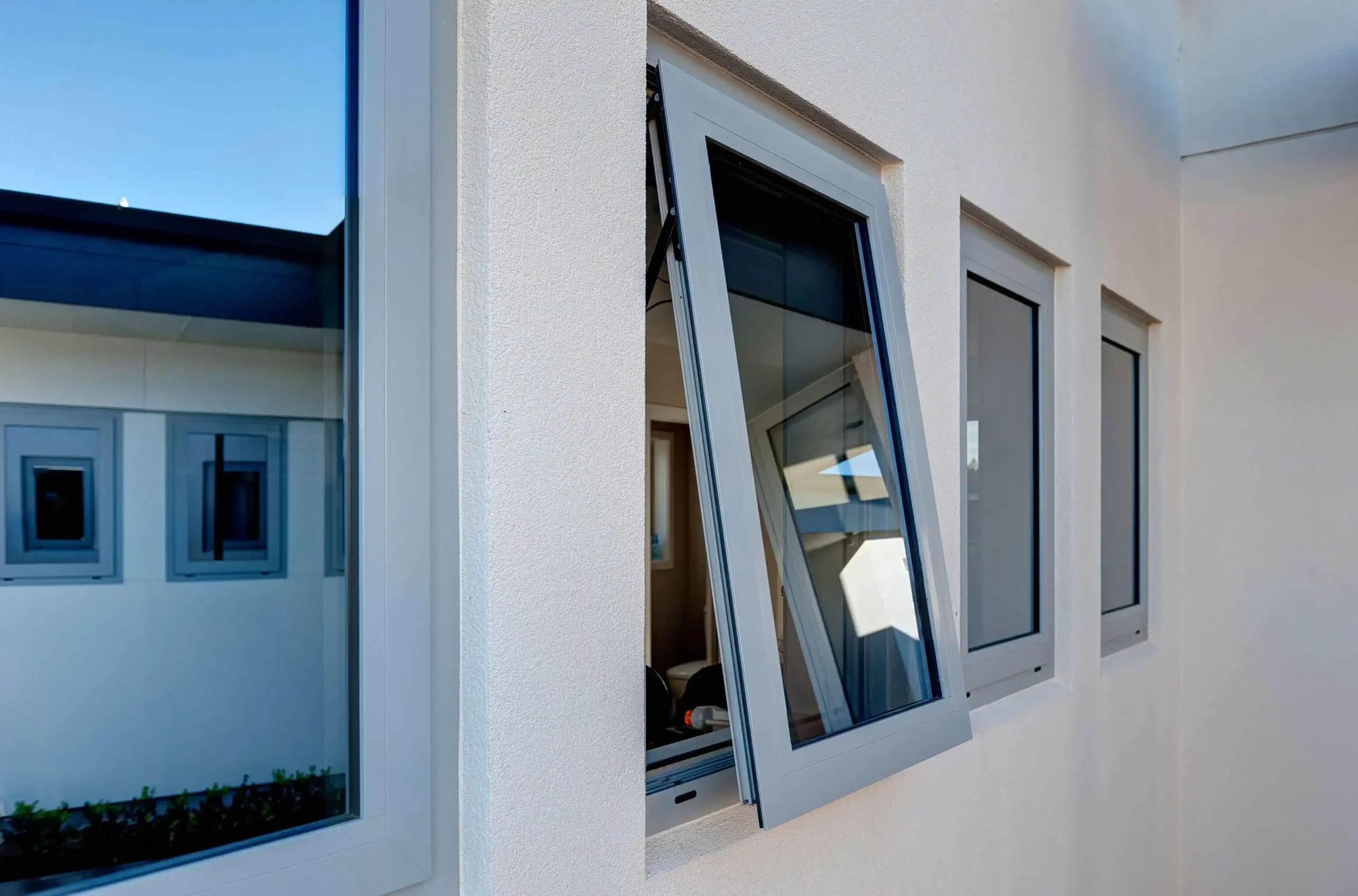
Awning windows use a crank handle, which makes them super easy to open and close — especially when installed in high or hard-to-reach spots, like above a sink or in a bathroom.
Sliding windows, on the other hand, glide open manually along a horizontal track. They’re easy to use when handled properly, but pulling from one side too often can cause wear or even warp the sash over time.
5.2 Energy Efficiency
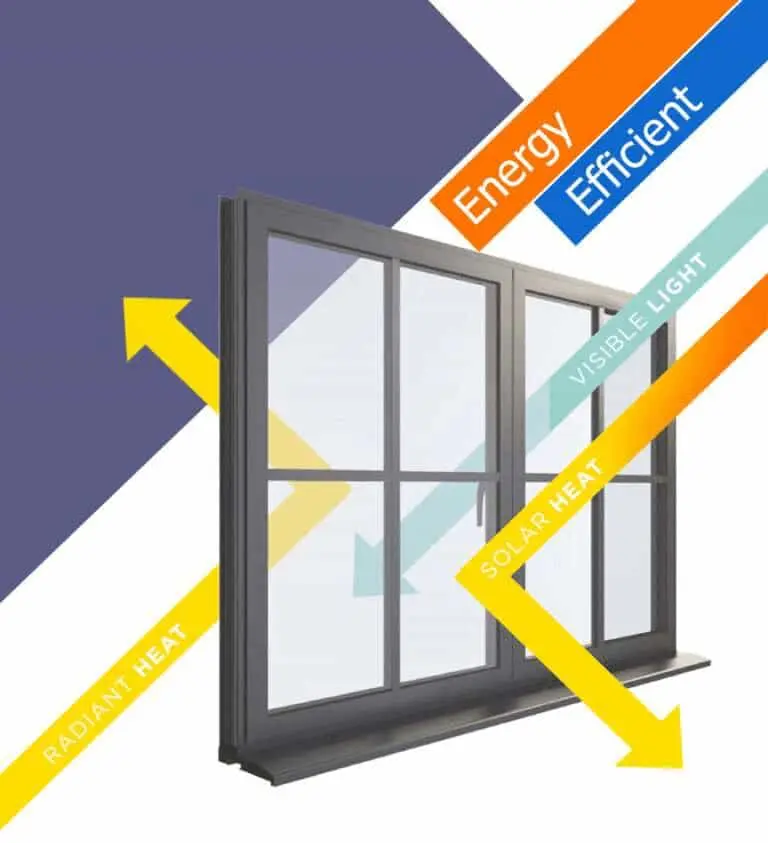
Awning windows are known for their excellent energy performance. Thanks to their tight compression seals, they create a solid barrier that keeps out air leaks, moisture, and outside temperatures.
Sliding windows rely on weatherstripping, which is less airtight and can wear out faster. They can still be energy-efficient, but often need extra upgrades like double glazing or better insulation to match the performance of awnings.
5.3 Ventilation & Weather Protection

When it comes to airflow, both windows do a great job — but in different ways.
Awning windows are great for rainy climates because they open outward from the bottom, acting like a little roof. You can leave them open during light rain without worrying about water getting inside.
Sliding windows offer good airflow but need to be fully closed when it rains to avoid leaks.
5.4 Cleaning & Maintenance

Awning windows are easy to clean from the inside, but cleaning the outside pane can be tricky, especially if the window is on an upper floor.
Sliding windows often come with tilt-in or lift-out features, so you can easily clean both sides of the glass from inside your home — no ladder needed.
5.5 Durability & Hardware

Because awning windows use cranks, hinges, and locks, they come with more moving parts.
This means they may need a bit more occasional maintenance to keep everything working smoothly.
Sliding windows have fewer components, but the track can collect dust and debris, so keeping it clean is important to avoid sticking or resistance over time.
5.6 Noise Insulation

If you live in a noisy area, awning windows might be a better option. Their tight seal helps block outside sounds and keeps your home quieter.
Sliding windows provide moderate noise control, but the small gaps between panels may let in more sound, especially as the weatherstripping wears out.
5.7 Security
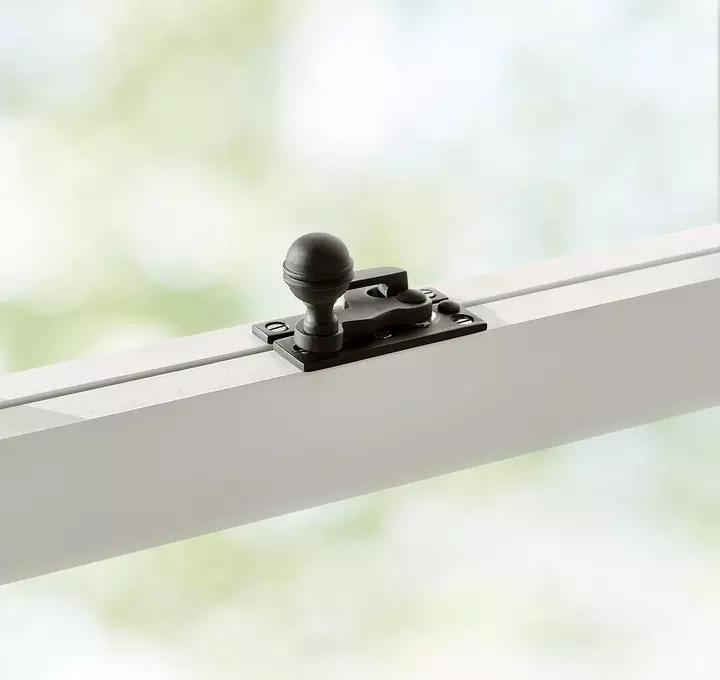
Awning windows usually feature multi-point locking systems, which make them harder to force open.
Some even allow you to lock the window while it’s partially open, so you can still enjoy airflow without compromising safety.
Sliding windows are secure when fully shut and locked, but they can’t be locked while open, which may be a downside for some homeowners.
5.8 Screen Placement
Here’s a small detail that can make a big difference:
Awning windows have their screens on the inside, which means they stay cleaner and are easier to remove or replace.
Sliding windows typically have exterior screens, making them more exposed to weather, dirt, and potential damage.
Cost & Size Considerations

When choosing between awning and sliding windows, cost and size limitations are two important factors to think about.
Awning windows are generally more expensive than sliding windows — often by about 15% to 20% more for the same size. That’s mainly because they use more complex hardware, like cranks and multi-point locks, and they seal more tightly for better energy performance.
In terms of size, awning windows are usually limited to about 50 inches in width. Anything wider can put too much strain on the hinges and crank mechanism, which is why they’re better suited for smaller to mid-sized openings.
Sliding windows, on the other hand, are much more scalable. They work well in both small and large openings and can even be customized with multiple panels for extra-wide spaces.
That makes them a great choice for living rooms, basements, or any place where you want to let in more light and air.
So, if you’re working with a tight budget or planning windows for a large wall, sliders might be the more practical choice. But if energy savings and weather protection are high on your list, awnings are worth the investment.
Aesthetic & Design Fit
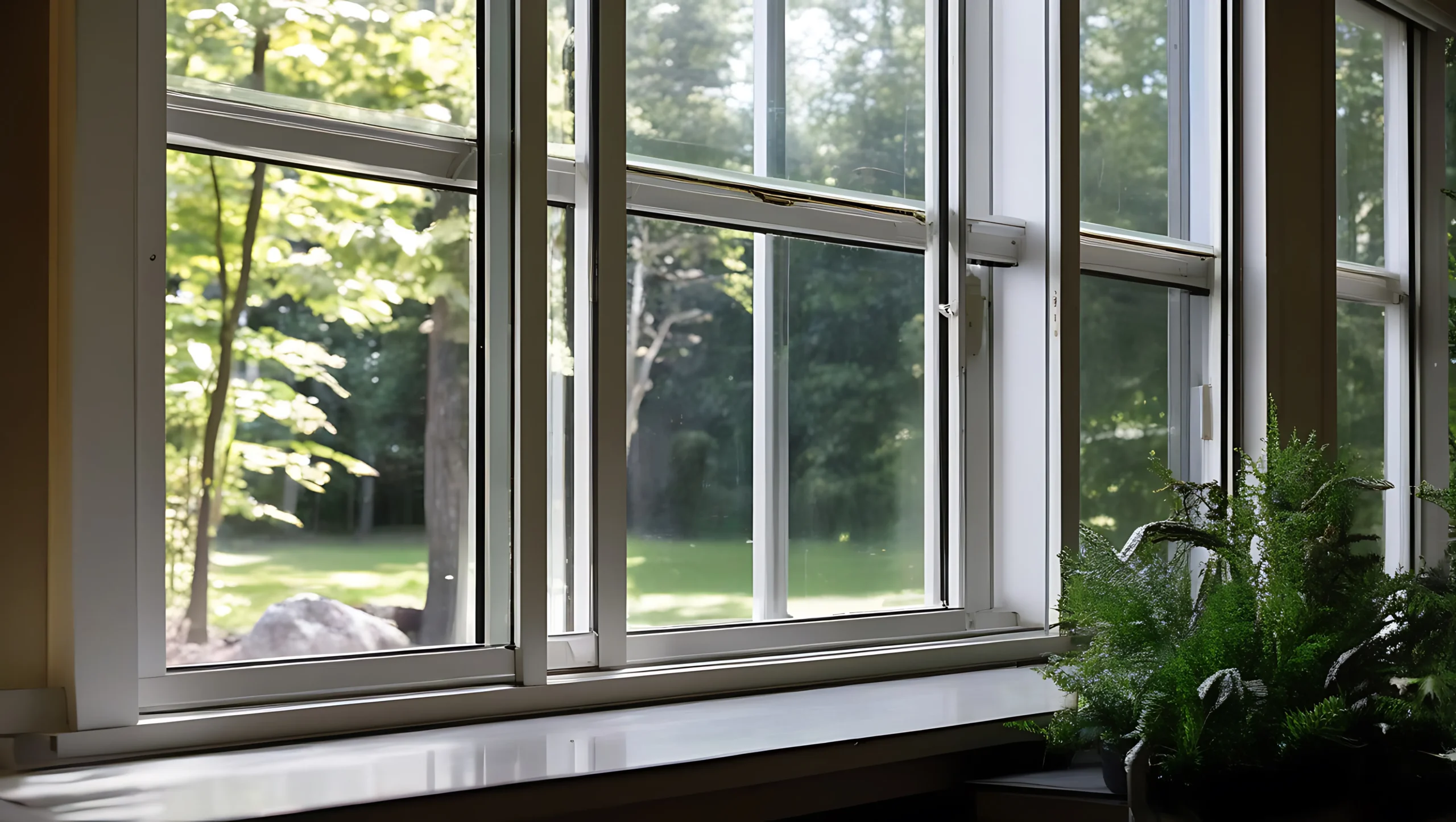
The way your windows look can have a big impact on the overall style of your home — both inside and out.
Awning windows have a clean, minimalist look that works beautifully in modern and contemporary homes.
Because they can be placed high on walls or grouped together in creative ways, they’re a popular choice for architectural window walls and designs that aim to bring in more light without sacrificing privacy.
Their smooth lines and outward-opening design add a subtle touch of elegance.
Sliding windows, on the other hand, are incredibly versatile. They fit well with traditional, transitional, and functional spaces, making them a solid option for almost any room. Whether you’re updating a basement, bedroom, or hallway, sliders blend in easily and don’t take up extra space — inside or out.
If you’re aiming for a sleek, custom-designed look, awning windows might be your pick. But if you prefer a classic, practical style, sliding windows are a timeless and dependable choice.
Which One Should You Choose?
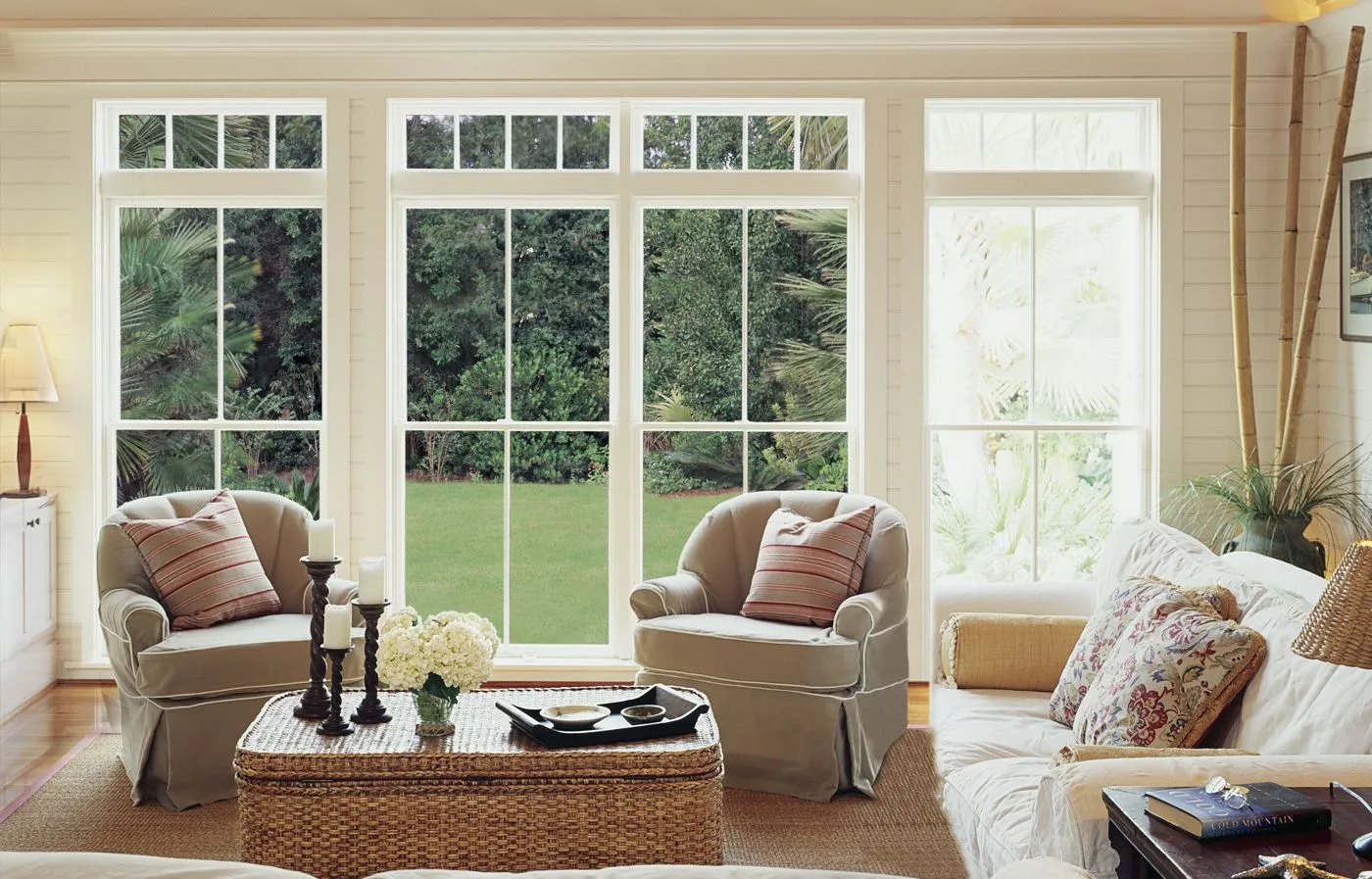
Still deciding between awning and sliding windows? Here’s a quick way to figure out which option might work best for your home.
1. Room placement
If your window is going above a sink, bathtub, or anywhere that’s hard to reach, awning windows are the better choice — the crank makes them super easy to open. For basements, bedrooms, or walls with more width than height, sliding windows are a great fit.
2. Weather exposure

Live in an area with lots of rain or wind? Awning windows offer better protection since they can stay open during light rain without letting water in. Sliding windows should be closed during wet weather to avoid leaks.
3. Energy efficiency needs
If energy savings are a priority, awning windows have the upper hand. Their compression seals provide excellent insulation. Sliding windows can still be efficient, but they may need extra upgrades like double glazing or improved seals.
4. Budget
Working with a tighter budget? Sliding windows are typically more affordable than awning windows and work well in larger sizes, too. Awning windows tend to cost more because of their hardware and design.
5. Cleaning accessibility
For easy cleaning, especially on upper floors, sliding windows often win. Many come with tilt-in or lift-out sashes that let you clean both sides from inside. Awning windows are easy to clean inside, but their exterior may be harder to reach without stepping outside.
Conclusion

Both awning and sliding windows are excellent choices — they just shine in different ways.
Awning windows offer better protection from the elements, stronger energy efficiency, and a sleek look that suits modern spaces. Sliding windows, on the other hand, are easier on the budget, simple to use, and ideal for wide openings or areas with limited space.
The best window for your home depends on your layout, your local climate, and how you plan to use the space. Whether you’re designing for comfort, style, or practicality, there’s a perfect fit waiting for you.
Still not sure which to pick? Feel free to reach out — we’re happy to help you choose the right windows for your needs or explore available options together.
FAQs About Awning vs Sliding Windows
What Are Awning Windows?
Awning windows are a great choice for homeowners who want both style and functionality. These windows are hinged at the top and open outward from the bottom, much like a small awning, which is where they get their name.
Operating an awning window is simple thanks to its crank handle. With just a turn of the handle, the window sash swings outward from the bottom, allowing fresh air to enter while keeping rain out. The top-hinge design also creates a protective cover, so you can enjoy ventilation even when it’s drizzling.
What makes these windows special is that they’re easy to open, even when installed high on the wall. This makes them an ideal solution for areas where sliding windows might be hard to reach or operate. Plus, their compact design allows for better flexibility in window placement.
Ideal Applications
Awning windows are perfect for:
- Bathrooms where privacy is important but airflow is still needed
- Above kitchen sinks or counters, especially when height or tight space makes sliding windows less practical
- Modern homes looking for sleek, stylish window installations, like window walls or large window configurations
- Wet climates, as the outward opening provides extra protection from the rain while still allowing for fresh air
What Are Sliding Windows?
Sliding windows are a classic and practical option found in many homes. Known for their simplicity and ease of use, these windows are especially popular in rooms where space is tight or where you want a wide view.
Sliding windows operate by gliding one or two panels horizontally along a track within the window frame. Depending on the style, you may have a single-slider (only one movable panel) or a double-slider (both panels move).
There’s no crank or handle — just slide the sash to one side to open it. This smooth, side-to-side movement makes them incredibly easy to use, especially in areas where you don’t want a window swinging outward or inward.
Ideal Applications
Sliding windows are a great fit for:
Basements, where vertical space is limited but width is available
Wide wall openings, where you want to maximize the view and let in more light
Low-clearance exterior areas, like next to walkways, decks, or patios, where an outward-opening window might get in the way
Modern or traditional homes, as their clean lines and flexible sizes work with many designs
Detailed Feature Comparison
Now that you know the basics, let’s take a closer look at how awning and sliding windows stack up across the most important features. This will help you better understand which one fits your lifestyle and home design needs.
5.1 Operation & Ease of Use
Awning windows use a crank handle, which makes them super easy to open and close — especially when installed in high or hard-to-reach spots, like above a sink or in a bathroom.
Sliding windows, on the other hand, glide open manually along a horizontal track. They’re easy to use when handled properly, but pulling from one side too often can cause wear or even warp the sash over time.
5.2 Energy Efficiency
Awning windows are known for their excellent energy performance. Thanks to their tight compression seals, they create a solid barrier that keeps out air leaks, moisture, and outside temperatures.
Sliding windows rely on weatherstripping, which is less airtight and can wear out faster. They can still be energy-efficient, but often need extra upgrades like double glazing or better insulation to match the performance of awnings.
5.3 Ventilation & Weather Protection
When it comes to airflow, both windows do a great job — but in different ways.
Awning windows are great for rainy climates because they open outward from the bottom, acting like a little roof. You can leave them open during light rain without worrying about water getting inside.
Sliding windows offer good airflow but need to be fully closed when it rains to avoid leaks.
5.4 Cleaning & Maintenance
Awning windows are easy to clean from the inside, but cleaning the outside pane can be tricky, especially if the window is on an upper floor.
Sliding windows often come with tilt-in or lift-out features, so you can easily clean both sides of the glass from inside your home — no ladder needed.
5.5 Durability & Hardware
Because awning windows use cranks, hinges, and locks, they come with more moving parts.
This means they may need a bit more occasional maintenance to keep everything working smoothly.
Sliding windows have fewer components, but the track can collect dust and debris, so keeping it clean is important to avoid sticking or resistance over time.
5.6 Noise Insulation
If you live in a noisy area, awning windows might be a better option. Their tight seal helps block outside sounds and keeps your home quieter.
Sliding windows provide moderate noise control, but the small gaps between panels may let in more sound, especially as the weatherstripping wears out.
5.7 Security
Awning windows usually feature multi-point locking systems, which make them harder to force open.
Some even allow you to lock the window while it’s partially open, so you can still enjoy airflow without compromising safety.
Sliding windows are secure when fully shut and locked, but they can’t be locked while open, which may be a downside for some homeowners.
5.8 Screen Placement
Here’s a small detail that can make a big difference:
Awning windows have their screens on the inside, which means they stay cleaner and are easier to remove or replace.
Sliding windows typically have exterior screens, making them more exposed to weather, dirt, and potential damage.
Cost & Size Considerations
When choosing between awning and sliding windows, cost and size limitations are two important factors to think about.
Awning windows are generally more expensive than sliding windows — often by about 15% to 20% more for the same size. That’s mainly because they use more complex hardware, like cranks and multi-point locks, and they seal more tightly for better energy performance.
In terms of size, awning windows are usually limited to about 50 inches in width. Anything wider can put too much strain on the hinges and crank mechanism, which is why they’re better suited for smaller to mid-sized openings.
Sliding windows, on the other hand, are much more scalable. They work well in both small and large openings and can even be customized with multiple panels for extra-wide spaces.
That makes them a great choice for living rooms, basements, or any place where you want to let in more light and air.
So, if you’re working with a tight budget or planning windows for a large wall, sliders might be the more practical choice. But if energy savings and weather protection are high on your list, awnings are worth the investment.
Aesthetic & Design Fit
The way your windows look can have a big impact on the overall style of your home — both inside and out.
Awning windows have a clean, minimalist look that works beautifully in modern and contemporary homes.
Because they can be placed high on walls or grouped together in creative ways, they’re a popular choice for architectural window walls and designs that aim to bring in more light without sacrificing privacy.
Their smooth lines and outward-opening design add a subtle touch of elegance.
Sliding windows, on the other hand, are incredibly versatile. They fit well with traditional, transitional, and functional spaces, making them a solid option for almost any room. Whether you’re updating a basement, bedroom, or hallway, sliders blend in easily and don’t take up extra space — inside or out.
If you’re aiming for a sleek, custom-designed look, awning windows might be your pick. But if you prefer a classic, practical style, sliding windows are a timeless and dependable choice.
Which One Should You Choose?
Still deciding between awning and sliding windows? Here’s a quick way to figure out which option might work best for your home.
1. Room placement
If your window is going above a sink, bathtub, or anywhere that’s hard to reach, awning windows are the better choice — the crank makes them super easy to open. For basements, bedrooms, or walls with more width than height, sliding windows are a great fit.
2. Weather exposure
Live in an area with lots of rain or wind? Awning windows offer better protection since they can stay open during light rain without letting water in. Sliding windows should be closed during wet weather to avoid leaks.
3. Energy efficiency needs
If energy savings are a priority, awning windows have the upper hand. Their compression seals provide excellent insulation. Sliding windows can still be efficient, but they may need extra upgrades like double glazing or improved seals.
4. Budget
Working with a tighter budget? Sliding windows are typically more affordable than awning windows and work well in larger sizes, too. Awning windows tend to cost more because of their hardware and design.
5. Cleaning accessibility
For easy cleaning, especially on upper floors, sliding windows often win. Many come with tilt-in or lift-out sashes that let you clean both sides from inside. Awning windows are easy to clean inside, but their exterior may be harder to reach without stepping outside.
Conclusion
Both awning and sliding windows are excellent choices — they just shine in different ways.
Awning windows offer better protection from the elements, stronger energy efficiency, and a sleek look that suits modern spaces. Sliding windows, on the other hand, are easier on the budget, simple to use, and ideal for wide openings or areas with limited space.
The best window for your home depends on your layout, your local climate, and how you plan to use the space. Whether you’re designing for comfort, style, or practicality, there’s a perfect fit waiting for you.
Still not sure which to pick? Feel free to reach out — we’re happy to help you choose the right windows for your needs or explore available options together.