


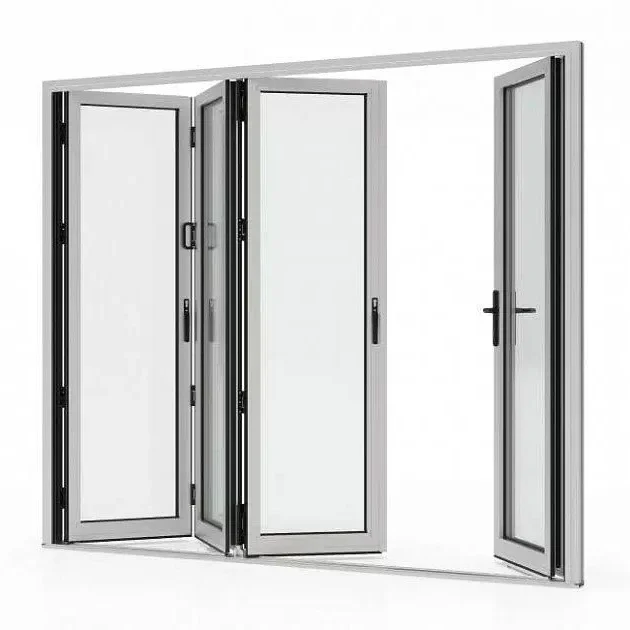


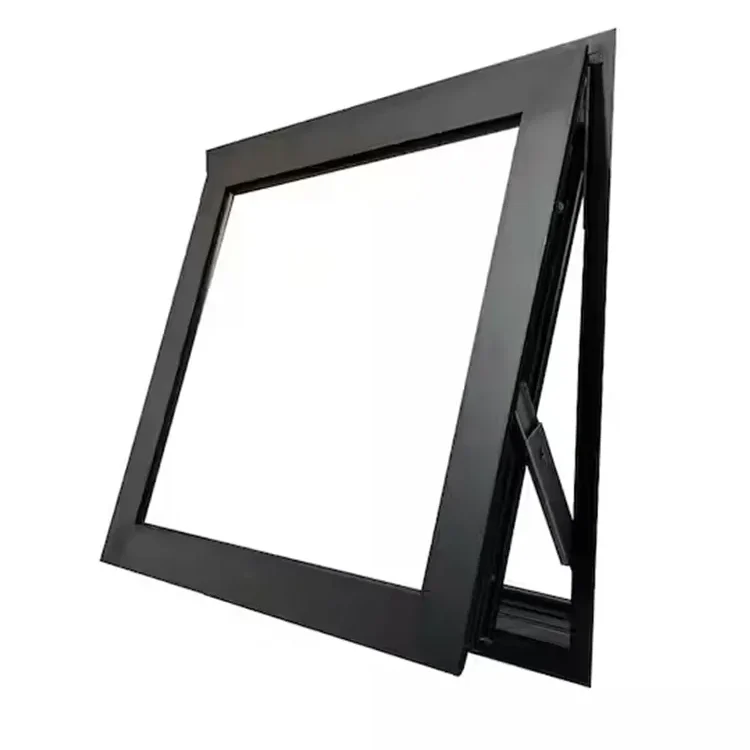

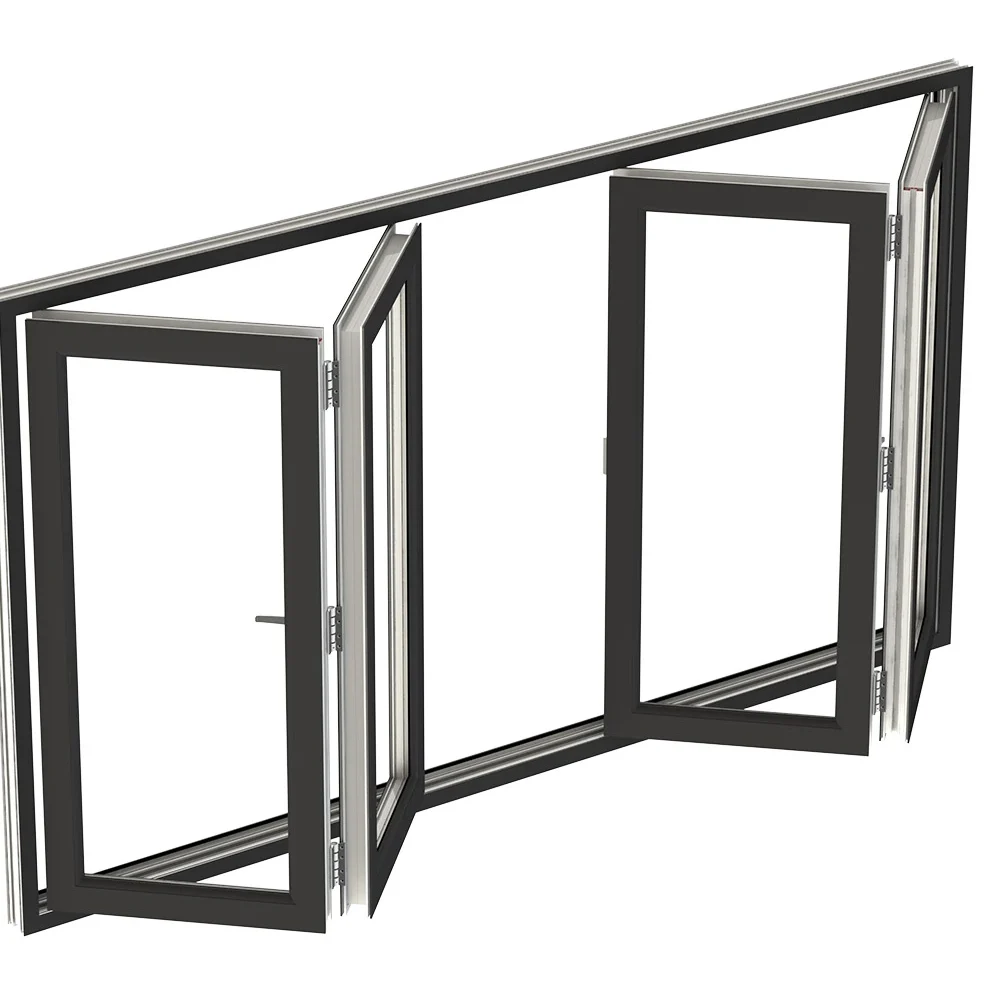






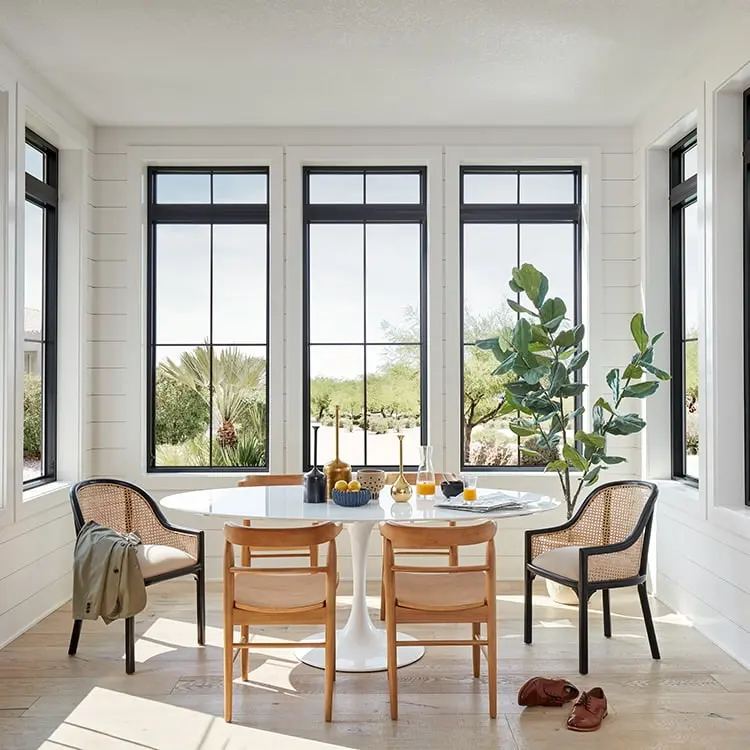


Sliding and double-hung windows are two of the most common window styles for homes and residential projects. Both can bring natural light, ventilation, and practical function, but they work in different ways and fit different openings.
Sliding windows open horizontally along a track. Double-hung windows open vertically, with two sashes that move up and down. The better choice depends on your opening shape, room type, ventilation needs, cleaning access, budget, and home style.

Key Takeaways
– Sliding windows open side to side, making them a strong choice for wide openings, large views, and simple operation.
– Double-hung windows open vertically and work well for tall openings, traditional homes, bedrooms, and upper floors.
– If you are comparing double hung vs sliding windows, sliding windows often feel more modern, while double-hung windows usually offer more classic style and flexible ventilation.
– Sliding windows are often simpler in design, while double-hung windows may offer easier cleaning when they include tilt-in sashes.
– The best choice depends on opening size, airflow, cleaning access, energy performance, security needs, and budget.
What are Sliding Windows

Sliding windows are a popular and practical choice for many homeowners due to their simple operation and sleek design. These windows move horizontally along a track, allowing one or more sashes to slide open. The movement is smooth and effortless, making them ideal for spaces where you want a wider window that provides easy access to fresh air and natural light.
Unlike vertical windows, sliding windows use a horizontal sliding mechanism, which means they don’t need to swing open, making them perfect for rooms with limited space or narrow openings.
Popular Configurations
- Single Slider: This configuration features one operable sash that slides open and closed, while the other sash remains fixed. Single sliders are great for smaller openings or areas where you need just a single window that opens easily.
- Double Slider: A double slider has two operable sashes, both of which slide horizontally. This setup offers better airflow and is ideal for larger openings where you want maximum ventilation.
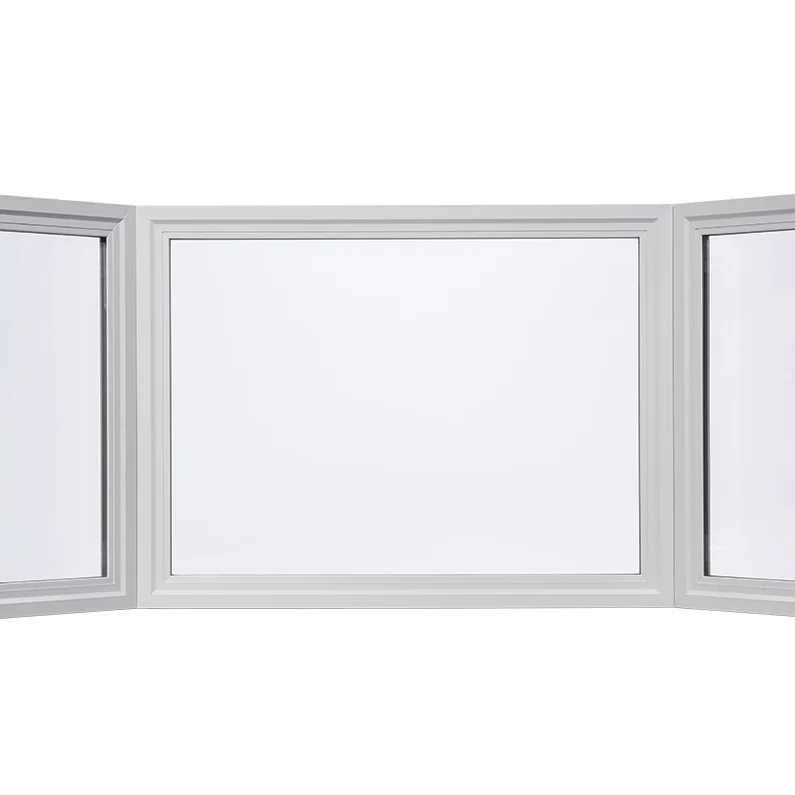
- Triple Slider: Triple slider windows consist of three sashes: two operable and one fixed in the middle. This configuration allows for even more ventilation and can be perfect for wide spaces where you want an unobstructed view and increased airflow.
Pros and Cons
| Pros | Cons |
|---|---|
| Easy to operate with minimal effort | May require more cleaning due to larger glass areas |
| Provides large, unobstructed views | More difficult to clean the outside without professional help |
| Energy-efficient with fewer moving parts | Frames can shake or rattle in high winds or with large trucks passing by |
| Ideal for tight spaces or narrow openings | Limited to horizontal spaces, not ideal for tall windows |
| Low-maintenance with smooth operation | Security may be lower compared to other types of windows |
| Available in various sizes and configurations | Can be less secure on the ground floor without additional locks |
What is Double-Hung Windows

Double-hung windows are a classic and versatile choice for many homes. These windows feature two movable sashes within the frame, allowing both the top and bottom sections to open independently. This vertical sliding mechanism offers excellent ventilation control, as you can open either or both sashes to allow fresh air to circulate.
Double-hung windows are widely recognized for their timeless design and practical functionality, making them a popular option for traditional and modern homes alike.
Pros and Cons
| Pros | Cons |
|---|---|
| Great ventilation with both sashes opening | More maintenance due to multiple moving parts |
| Easy to clean, especially with tilt-in features | Can be less energy-efficient due to more moving parts and gaps |
| Timeless design fits many home styles | May require frequent lubrication for smooth operation |
| Safe for households with children (top sash can be locked) | Can be more expensive compared to other window types |
| Ideal for homes with limited exterior space | Weatherstripping needs regular replacement |
| Allows for vertical movement, great for tight spaces | May not offer as wide an unobstructed view as sliding windows |
Compare Sliding vs Double-hung Windows
A quick comparison makes the difference easier to understand. Sliding windows usually fit wide horizontal openings, while double-hung windows fit taller vertical openings. If you are searching for double hung vs slider, the main decision is not only style. It is also about opening shape, ventilation, cleaning, and maintenance.
| Factor | Sliding Windows | Double-Hung Windows |
|---|---|---|
| Opening direction | Horizontal, side to side | Vertical, up and down |
| Best opening shape | Wide and low openings | Tall and narrow openings |
| View | Wider glass view | More traditional divided look |
| Ventilation | Large side opening for cross breeze | Top and bottom sash airflow control |
| Cleaning | Tracks need regular cleaning | Tilt-in sashes can be easier to clean |
| Style | Modern, simple, clean | Classic, traditional, versatile |
| Maintenance | Track, rollers, and sash seals | Balances, sash locks, and weatherstripping |
| Cost | Often simpler for wide openings | May cost more due to extra moving parts |
1.Which Is Better for Your Room?
Different rooms have different needs. A kitchen may benefit from a sliding window above the sink, while an upper-floor bedroom may benefit from a double-hung window with tilt-in cleaning and top-sash ventilation.
| Room / Location | Often Better Choice | Why It Works |
|---|---|---|
| Living room | Sliding window | Wider glass area and better outdoor view |
| Kitchen over sink | Sliding window | Easy side-to-side operation without lifting |
| Bedroom | Depends on opening | Sliding for wide views, double-hung for classic ventilation |
| Bathroom | Double-hung window | Top sash can open for privacy and airflow |
| Upper floors | Double-hung window | Tilt-in sashes can make cleaning easier |
| Basement | Sliding window | Works well in shorter horizontal openings |
| Traditional front facade | Double-hung window | Matches classic home proportions |
| Modern exterior | Sliding window | Creates a cleaner horizontal line |
2.Sliding vs Double-Hung Window Cost
Window cost depends on size, frame material, glass package, hardware, installation conditions, and local labor rates. Sliding windows are often simpler for wide openings, while double-hung windows may cost more because they include two movable sashes, balances, locks, and tilt mechanisms.
When comparing slider windows vs double hung, avoid judging by the window style alone. A small double-hung window with standard glass may cost less than a large sliding window with oversized glass. A premium sliding window with insulated glass, custom color, or heavy-duty hardware may also cost more than a basic double-hung unit.
Cost factors include:
– Window size and opening shape
– Frame material, such as vinyl, aluminum, wood, or composite
– Glass type, including double glazing, Low-E coating, tempered glass, or laminated glass
– Hardware quality and locking system
– Installation difficulty
– Replacement vs new construction conditions
– Custom color, grille, or finish requirements
3. Energy Efficiency Comparison
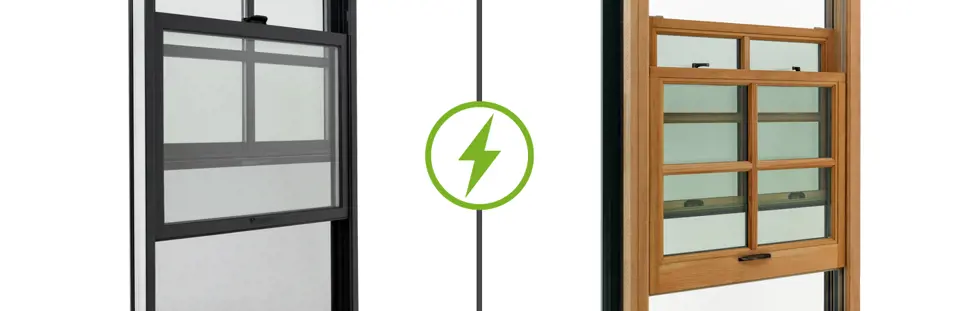
Sliding windows are more energy-efficient due to their fewer moving parts and tight horizontal seal. This design helps prevent drafts, offering better insulation and reducing air leakage, making them ideal for energy-conscious homeowners.
Double-hung windows may have more air leakage due to multiple moving parts. However, modern models with upgraded seals and weatherstripping improve their energy efficiency, making them a good choice when properly maintained.
4.Ventilation: Horizontal Opening vs Top-and-Bottom Airflow
Sliding windows provide ventilation through a side opening, while double-hung windows can provide airflow through the top sash, bottom sash, or both. This difference matters in bedrooms, bathrooms, kitchens, and upper floors.
Sliding windows are good for cross breezes, especially when placed across from another operable window. They can open a wide horizontal area and allow strong side-to-side airflow.
Double-hung windows offer more controlled airflow. Opening the top sash can release warm air while keeping the lower sash closed. This can be useful for privacy, safety, and upper-floor rooms.
5.Durability Comparison
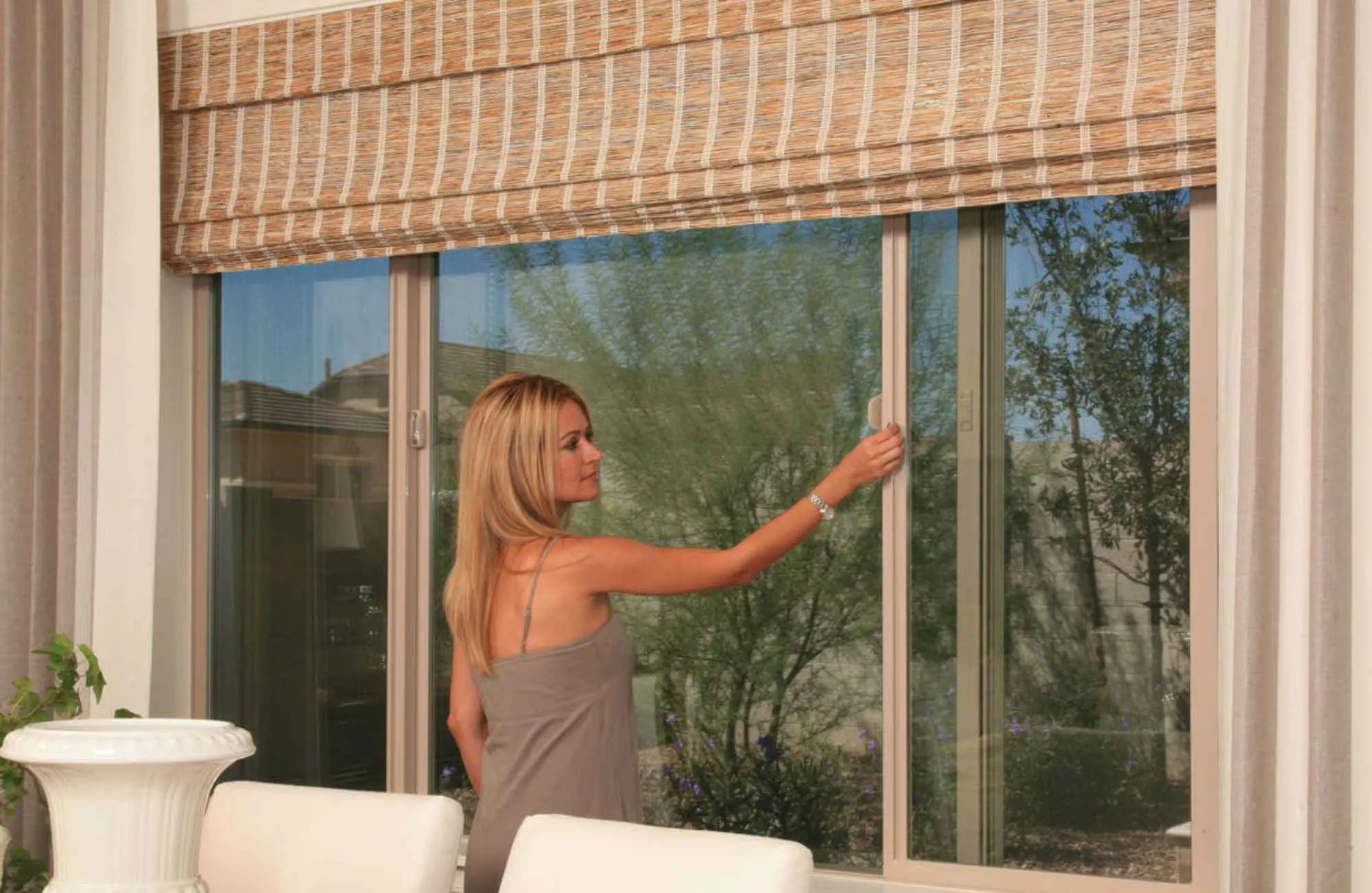
Sliding windows are typically more durable due to fewer moving parts, leading to less wear and tear. However, over time, they may develop rattling or loose frames, especially in windy conditions.
Double-hung windows are more prone to wear from their multiple moving parts, such as the sashes and tracks. Despite this, they offer excellent insulation, which contributes to their long-term durability when well-maintained.
6.Maintenance Comparison
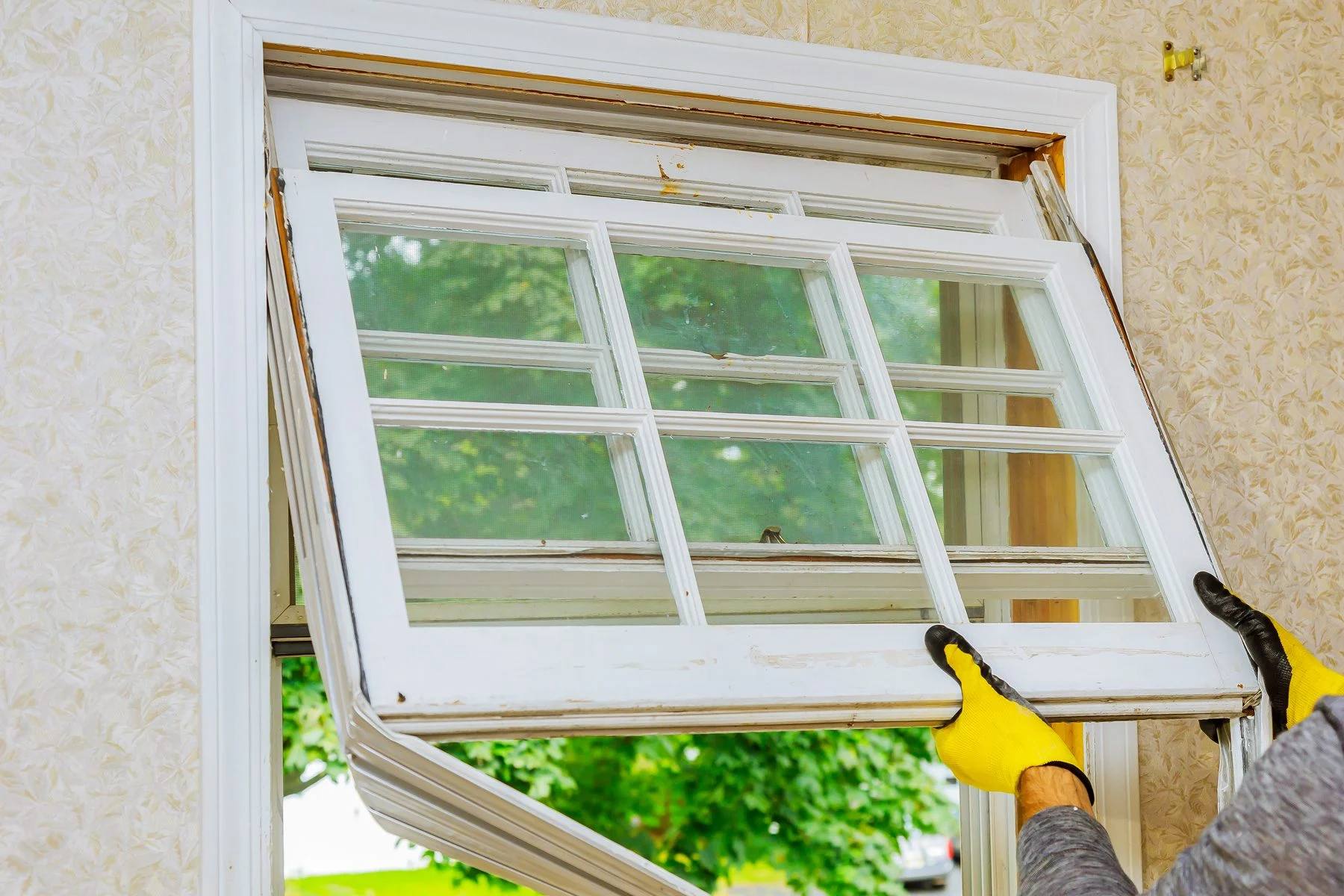
While sliding windows are easy to operate, they can be harder to clean thoroughly, especially on the outside. Dirt can accumulate in the tracks, requiring periodic cleaning to ensure smooth movement.
Double-hung windows are easier to clean due to their tilt-in design, allowing access to both sides of the glass. However, they require more regular maintenance to keep the moving parts, like tracks and weatherstripping, functioning smoothly.
7.Hardware and Lifespan: Rollers vs Balance Systems
Sliding windows and double-hung windows use different hardware systems. Sliding windows depend on horizontal tracks and rollers, while double-hung windows depend on sash balances and vertical movement hardware.
For sliding windows, check:
– Track design
– Roller quality
– Lock strength
– Sash seal condition
– Drainage path
For double-hung windows, check:
– Balance system
– Tilt latch quality
– Sash lock alignment
– Weatherstripping condition
– Meeting rail fit
Good hardware matters because daily operation depends on these small parts. A strong frame and glass package will not feel good if the rollers stick or the sash balance fails.
8.Aesthetic Considerations
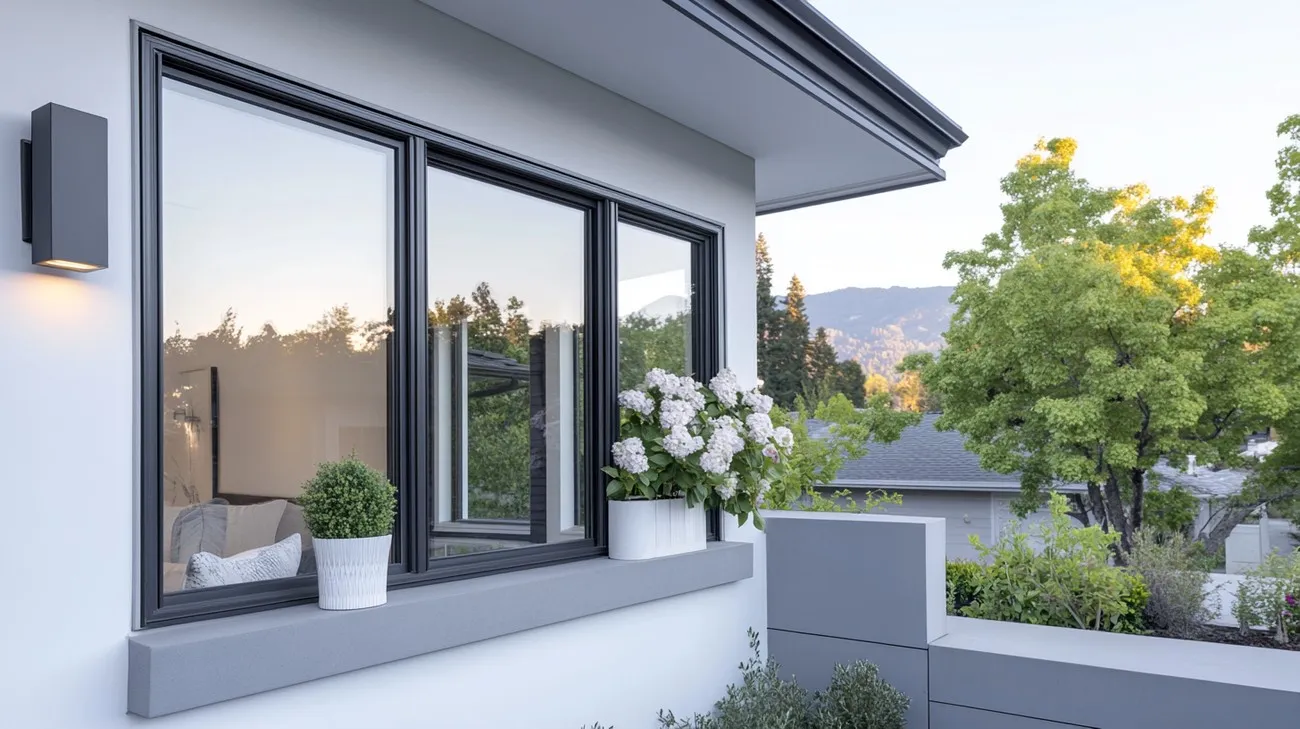
Sliding windows usually create a wider, more modern look. They work well in contemporary homes, simple facades, and rooms where the view matters.
Double-hung windows create a more traditional appearance. They suit Colonial, farmhouse, Craftsman, cottage, and classic home styles. Their vertical proportions can make a facade feel more balanced and familiar.
The best choice depends on the home’s architecture. A modern home may look better with sliding windows, while a traditional front elevation may look more natural with double-hung windows.
9.Opening Size and Egress Considerations
Opening size matters for comfort, ventilation, safety, and code review. Sliding windows often suit wide horizontal openings, while double-hung windows suit taller vertical openings. Bedrooms and basement spaces may need to verify local egress requirements before final selection.
Do not assume one style automatically meets all safety requirements. Egress rules vary by location and project type. If the window is used in a bedroom, basement, or regulated space, confirm the clear opening size with the local code professional, contractor, or installer.
10.Security Considerations
Sliding windows are generally secure, but they can be harder to childproof due to the side-opening mechanism, which may pose a risk if not properly secured.
Double-hung windows offer better security, especially in homes with children. The ability to lock the lower sash while leaving the top sash open provides a safer option for ventilation without compromising safety.
11.Security and Child Safety Considerations
For homes with children or upper-floor windows, double-hung windows can offer a useful advantage because the top sash may be opened while the lower sash stays closed. Sliding windows can also be secure, but ground-floor units may benefit from secondary locks or restrictors.
Consider:
– Lock quality
– Opening restrictors
– Laminated or tempered glass where needed
– Upper-floor safety needs
– Ground-floor access risk
– Local safety requirements
Security should be reviewed as a full system, not just as a window style choice.
12.Best Placement for Each Window Type
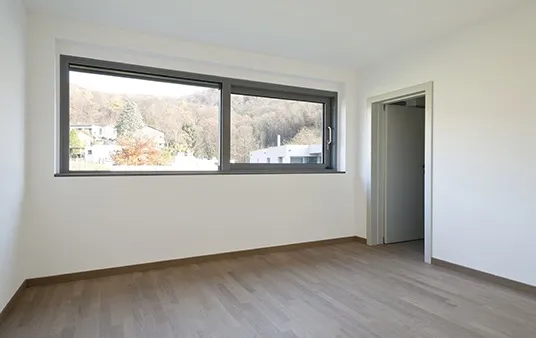
Sliding windows are ideal for wide openings, making them perfect for spaces like living rooms, dining rooms, or areas where a larger view or ample ventilation is desired.
Double-hung windows are best suited for tall, narrow openings, such as in bathrooms, bedrooms, or areas with high ceilings, where vertical ventilation is needed and space is limited.
FAQs About Sliding vs Double-Hung Windows
Are sliding windows cheaper than double-hung windows?
Sliding windows are often more affordable for wide openings because they use a simpler horizontal track system. However, final cost depends on size, frame material, glass type, hardware, installation, and customization. A large premium sliding window can still cost more than a standard double-hung window.
Which is more energy efficient, sliding or double-hung windows?
Neither style is automatically more energy efficient. Sliding windows may have fewer moving parts, while double-hung windows may use tight sash contact and quality weatherstripping. Compare glass package, frame material, air leakage rating, and installation quality before deciding.
Are sliding windows easier to clean?
Sliding windows can be easy to clean on the first floor, but their tracks collect dust and debris. Double-hung windows with tilt-in sashes are often easier to clean from inside, especially on upper floors.
Are double-hung windows better for upper floors?
Double-hung windows are often a good choice for upper floors because tilt-in sashes can make cleaning easier and the top sash can provide ventilation while the lower sash remains closed. This can be useful for bedrooms and family spaces.
Which window gives a better view?
Sliding windows usually provide a wider, more open view because they are commonly used in horizontal openings with larger glass areas. Double-hung windows have a more traditional divided look, which may suit classic home styles better.
Do sliding windows leak more air?
Sliding windows do not automatically leak more air, but track and seal design matter. Poor-quality seals, dirty tracks, or bad installation can reduce performance. Double-hung windows also need good sash alignment and weatherstripping to limit air leakage.
Which lasts longer, sliding or double-hung windows?
Both can last for many years with good materials, proper installation, and regular maintenance. Sliding windows depend on track and roller condition, while double-hung windows depend on balance systems, sash locks, and weatherstripping.
Which is better, double hung vs slider?
For double hung vs slider, choose double-hung windows for traditional style, vertical openings, upper-floor cleaning, and flexible ventilation. Choose slider windows for wide openings, modern design, simple operation, and larger horizontal views.
Conclusion

In this article, we’ve compared sliding windows and double-hung windows across various factors, including energy efficiency, durability, maintenance, and security. Both window types have their advantages, but the best choice for your home depends on your space, style preferences, and specific needs.
If you’re still unsure which window type is right for your home, don’t hesitate to reach out to us. Our experts are ready to guide you through the selection process and help you choose the best windows to enhance your home’s functionality and curb appeal.