












Thinking about adding more light and space to your home?
Bay and bow windows are both great ways to do that. They not only improve your view but also make your room feel bigger and brighter.

At first glance, they look pretty similar. Both types extend outward from your home and create a cozy nook inside. But once you look closer, you’ll see some important differences.
What Is a Bay Window?
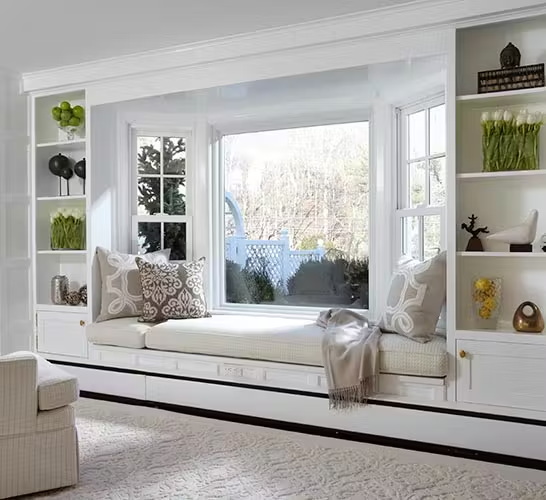
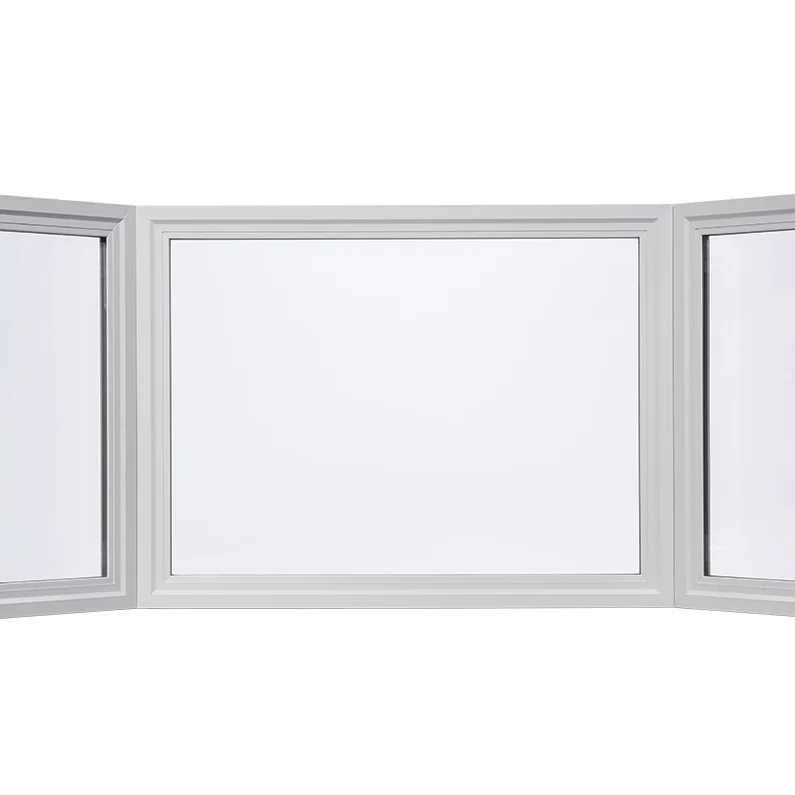
A bay window is a window that sticks out from the wall of your home. It usually has three panels—a large, fixed window in the center and two smaller, operable windows on each side. Those side windows are often casement or double-hung, so you can still get some fresh air.
What makes it special is the angle. The side panels are typically set at 25 to 45 degrees, creating a little outward bump that gives your room a unique shape. Because it adds extra floor space, a bay window is perfect for kitchen nooks, reading corners, or even a window seat.
It lets in a lot of natural light, gives you a great view, and adds a bit of architectural charm to your home. Whether you’re updating an older space or building something new, bay windows are a popular choice for both style and function.
What Is a Bow Window?

A bow window is like a softer, more rounded version of a bay window. Instead of three panels, a bow window has four or more equal-sized windows. These windows are arranged in a gentle arc, which gives it a smooth, curved shape. This design brings in even more natural light and offers a wider, more panoramic view of the outdoors.
One cool thing about bow windows is that they can even wrap around a corner, giving your home a turret-like appearance on the outside and a cozy, rounded space on the inside.
They’re a great match for larger rooms and homes with Victorian or classical designs. But honestly, they can look beautiful in almost any space that needs a touch of elegance and extra light.
Structure & Panes of Bay vs Bow Windows

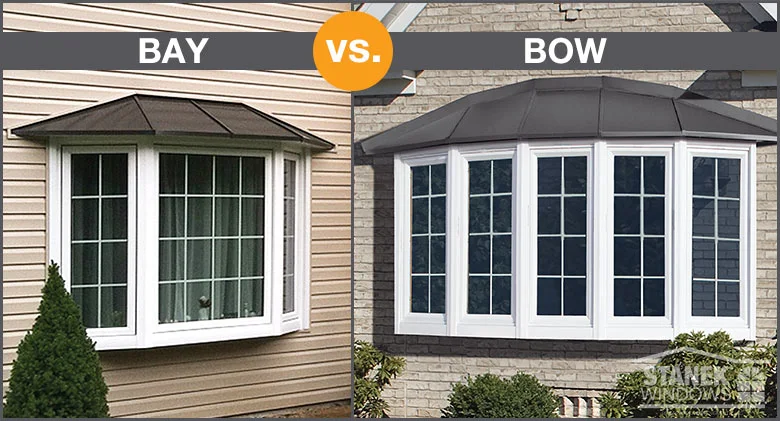
Bay Window: Bay windows typically have three panels—a large fixed center window with two angled operable windows on the sides. The shape forms a sharp angle, usually between 25° to 45°, creating a more defined and angular appearance.
Bow Window: Bow windows use four or more equal-sized panels that form a smooth, gentle curve. Each window is the same size, and the overall design feels more rounded and elegant, often stretching wider across a wall.
Cost of Bay vs Bow Windows

Bay Window: Bay windows usually cost less because they have only three panels and a simpler angled design. With fewer parts and easier installation, they’re often the more budget-friendly choice for homeowners who still want added space and charm.
Bow Window: Bow windows tend to be more expensive due to their curved shape and four or more window panels. The construction is more complex, and installation takes more time and precision, which adds to the total cost.
No matter which style you choose, the material type—like wood, vinyl, or fiberglass—will significantly impact the final price.
Light, Ventilation & Space Impact

- Light: Natural light is where bow windows really shine. Since they use more window panels, they bring in more sunlight and offer a wider view of the outdoors. Bay windows still brighten up a space beautifully, but the light is slightly more directional due to the angled design.
- Ventilation: Ventilation depends on the window types you choose. Most bay and bow windows include casement or double-hung sections that open easily. If you want better airflow, make sure to include operable windows on the sides.
- Space Impact: Both styles also create extra space inside your home. That little bump-out can be turned into a cozy window seat, extra storage, or even a quiet reading nook. It’s one of those upgrades that not only looks good but also adds useful space.
Where Each Works Best in the Home

- Bay windows are perfect when you’re working with tighter spaces. They fit nicely in kitchens, bedrooms, and small living rooms, adding extra light and just enough space for a cozy nook or a bit of storage. If you’re going for a more modern or transitional style, bay windows tend to blend in better with clean lines and sharper angles.
- Bow windows, on the other hand, need more room to shine. They’re best used in large living rooms, formal sitting areas, or even corners, especially when you want to create a dramatic, sweeping view. With their soft, curved design, bow windows are a natural match for Victorian or classic-style homes.
So, Which One is Right for You?

If you want something more affordable, fits into a smaller space, and adds a little charm to your room — go with a bay window.
If you’ve got the space and love the idea of a wide, elegant curve with tons of natural light — then a bow window is probably your best bet.
Conclusion
Both bay and bow windows are great ways to bring in more light, add charm, and make your space feel bigger.
They each have their own strengths — it really comes down to your space, budget, and style.
Want help choosing the right one? Feel free to reach out to us! We’re happy to answer your questions, share product options, or give you a personalized quote.