


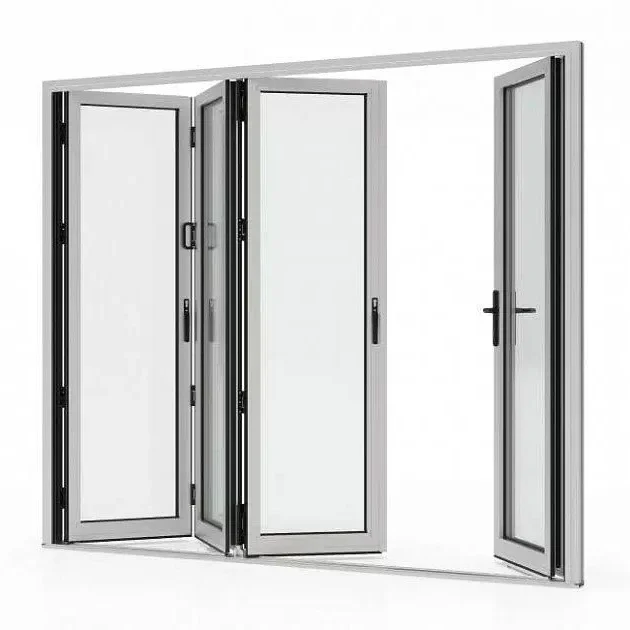


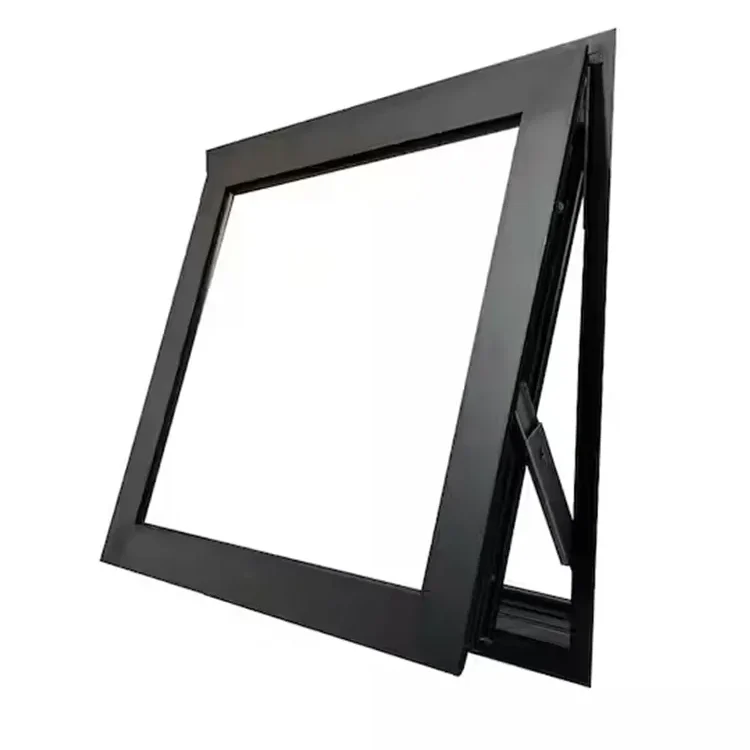

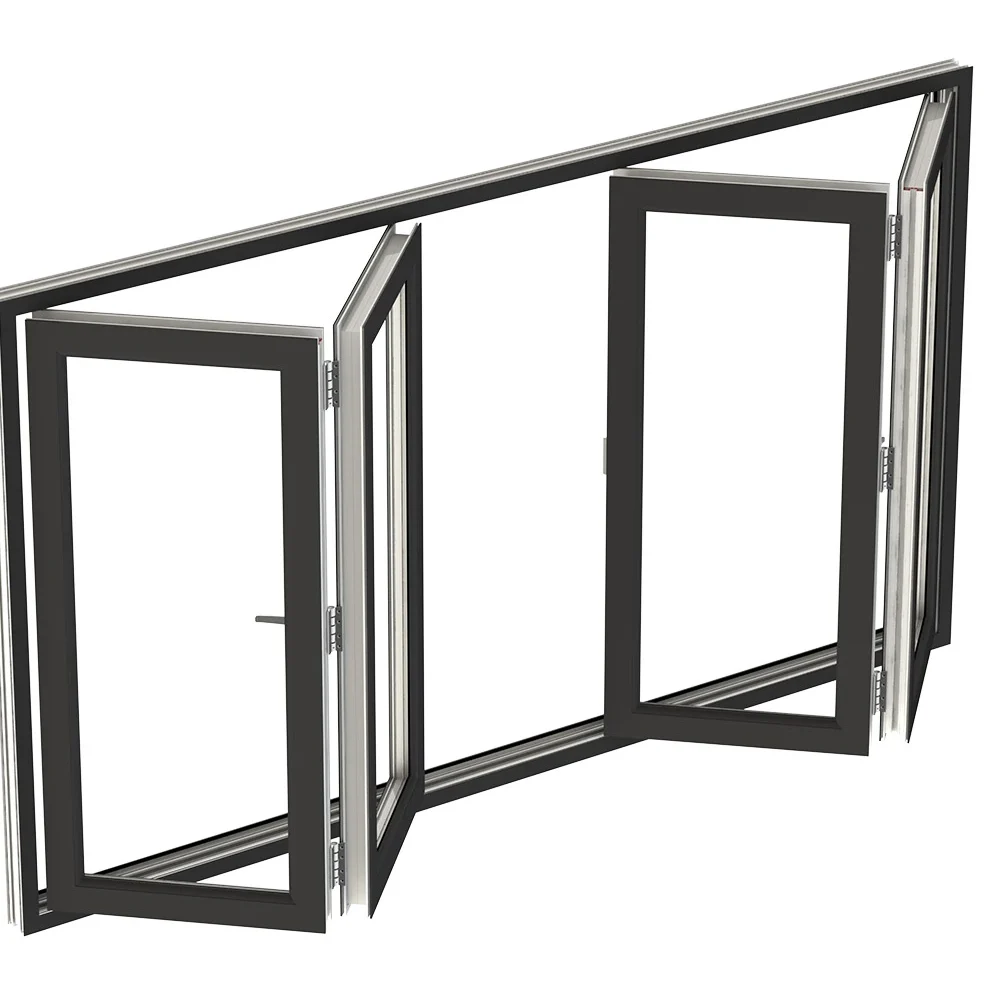

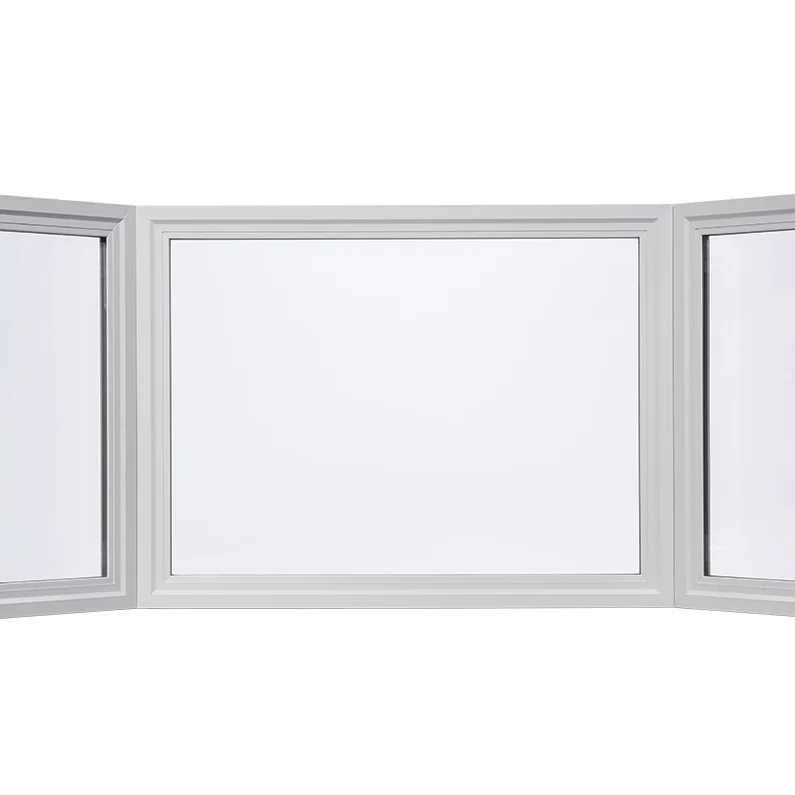





Casement windows are hinged on the side and open outward like a door, giving you great airflow and clear, unobstructed views. Their size matters more than most people realize—because the width, height and configuration affect how well the window opens, how much ventilation you get, and how easily it fits into your wall space.

In this guide, we’ll walk you through the most common casement window sizes, practical measuring tips, and how different configurations work in real homes. By the end, you’ll understand exactly what dimensions to expect and how to pick the right size for your space.
Standard Size Ranges for Casement Windows

Casement windows come in a wide range of standard dimensions, making it easy to find a size that fits without needing custom manufacturing.
Typical widths range from 16″ to 48″, and heights usually span 24″ to 84″. These ranges cover most single casement units used in bedrooms, kitchens, bathrooms and living spaces.
Manufacturers offer many common combinations—for example:
2 ft 4 in × 3 ft 6 in (popular in kitchens and bathrooms)
3 ft × 5 ft (good for bedrooms or living rooms)
4 ft × 8 ft (large views and strong ventilation for big spaces)
Choosing a standard size is often the smartest move. It keeps costs lower, shortens delivery times and helps installers complete the job more quickly since framing adjustments are minimal. Standard sizes also tend to have more hardware and glass options in stock, making replacements or upgrades easier down the road.
Factors Influencing Size & Fit
Choosing the right casement window size isn’t just about picking a width and height—it’s about making sure the window works well in your space and performs the way you expect. Here are the key factors that shape which size is right for your home:
Room and Wall Space Constraints

The size of the room and the available wall area play a big role in what window size makes sense. Larger rooms often benefit from taller or wider casement windows to bring in more natural light, while smaller spaces may need compact dimensions to avoid crowding furniture, cabinets or electrical points.
Ventilation Needs and Sash Operation

Casements are known for strong airflow, but the sash must swing freely without hitting obstacles. The window size determines how wide the sash can open, so you need to consider nearby walls, outdoor walkways, plantings or interior layouts. Bigger casements offer better ventilation, but they also require more clearance.
Frame Material and Glass Weight Limits

Different materials support different maximum sizes.
Vinyl can flex at very large sizes.
Fiberglass handles bigger dimensions well due to its strength.
Wood must be sized carefully to prevent warping.
Aluminum holds large panes but needs thermal breaks for energy performance.
Heavier glass—like laminated or triple-pane—can limit how wide or tall a casement sash can be before it becomes too heavy for the hardware.
Custom vs Standard Sizing: Pros and Cons
Standard sizes are cost-effective, fast to install and widely available. They fit most openings and often come with better pricing and quicker lead times.
Custom sizes allow you to match unique wall openings or achieve a specific design look—but they cost more and take longer to manufacture.
Measuring & Planning for Casement Windows

Getting the right casement window size starts with accurate measuring and smart planning. A well-sized window fits cleanly, opens smoothly, and performs efficiently—so it pays to take your time here.
How to Measure Rough Openings and Frame Size
Begin by measuring the rough opening: width, height, and frame depth. Take measurements in three places each (top, middle, bottom) because older walls are rarely perfectly square. Always use the smallest measurement for ordering.
Remember to account for hardware clearance—casement hinges, cranks, and locking systems need enough space so the sash can swing fully outward without hitting obstructions.
Replacement vs. New Construction Tips
If you’re replacing a window, you’ll be working within the limits of the existing opening. This makes precise measurements essential and often favors standard sizes.
New construction gives you more freedom—you can choose larger, wider, or taller casements to maximize light and ventilation. It’s also easier to plan structural support for bigger units.
Budget Impact of Non-Standard or Custom Sizing
Custom sizes allow perfect fit and design flexibility, but they come with higher costs and longer lead times. Standard casement sizes are almost always more affordable, easier to install, and available faster. Use custom sizing only when your opening is unique or your design needs a very specific look.
Configurations & Usage Scenarios
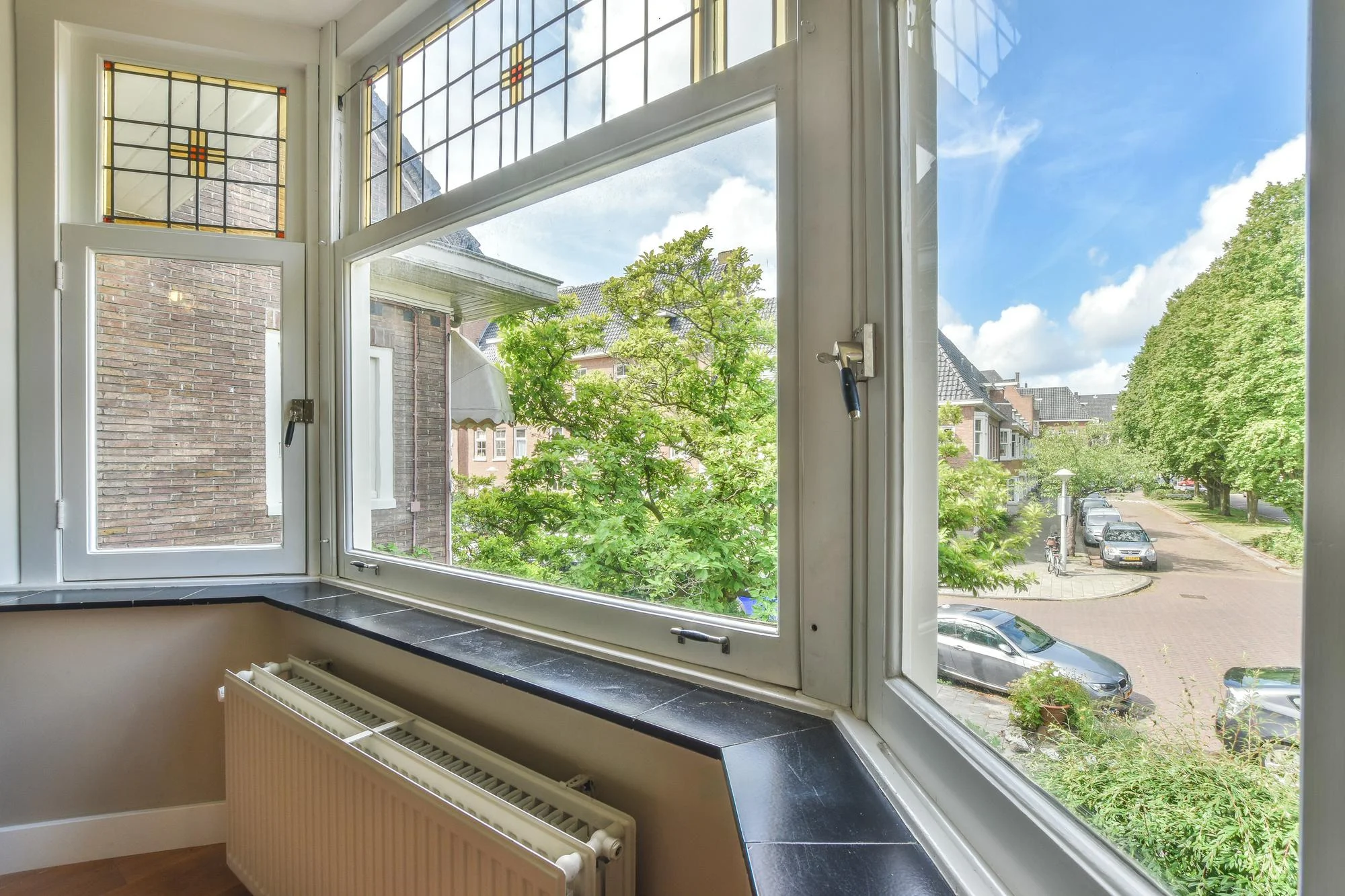
Casement windows come in several configurations, each suited to different rooms and functions.
Single-Lite and Multi-Lite Casements
A single-lite casement has one large pane for a clean, modern look. Multi-lite casements have divided grids for a classic or traditional style. Both offer strong ventilation, but single-lite units bring in more uninterrupted light.
Twin or Triple Window Sets
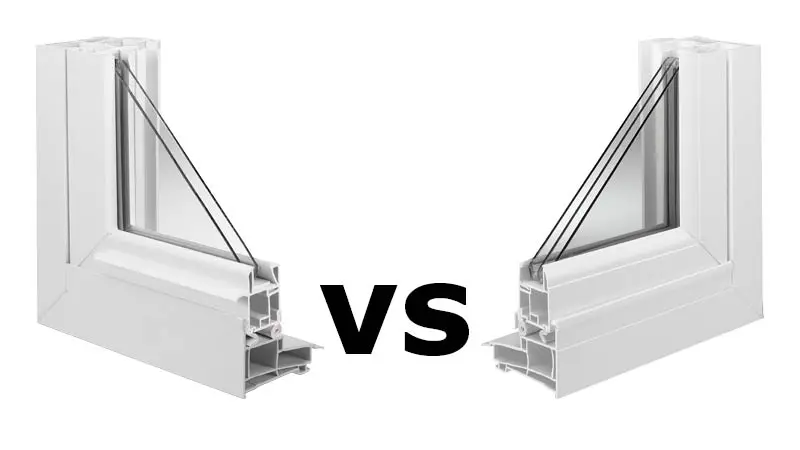
Pairing casements side-by-side creates wider views and better airflow. Twin sets work well in bedrooms or kitchens, while triple sets can fill large walls in living rooms or dining areas. These setups also allow you to mix fixed and operable panels.
Sizing for Different Rooms
Kitchen: Medium-sized casements over sinks or counters for easy ventilation.
Bedroom: Taller units for better natural light and compliant egress when needed.
Living Room: Larger, wider casements or multi-window combinations for big views.
Matching Size to Functionality
The window size directly affects how well it performs.
Need more airflow? Choose wider casements.
Want a stronger view? Pick tall or paired units.
Require egress? Ensure the sash and opening size meet safety codes.
By matching size to function, you ensure your casement windows look great and work even better.
Ready to Find the Perfect Casement Window Size? Contact Us
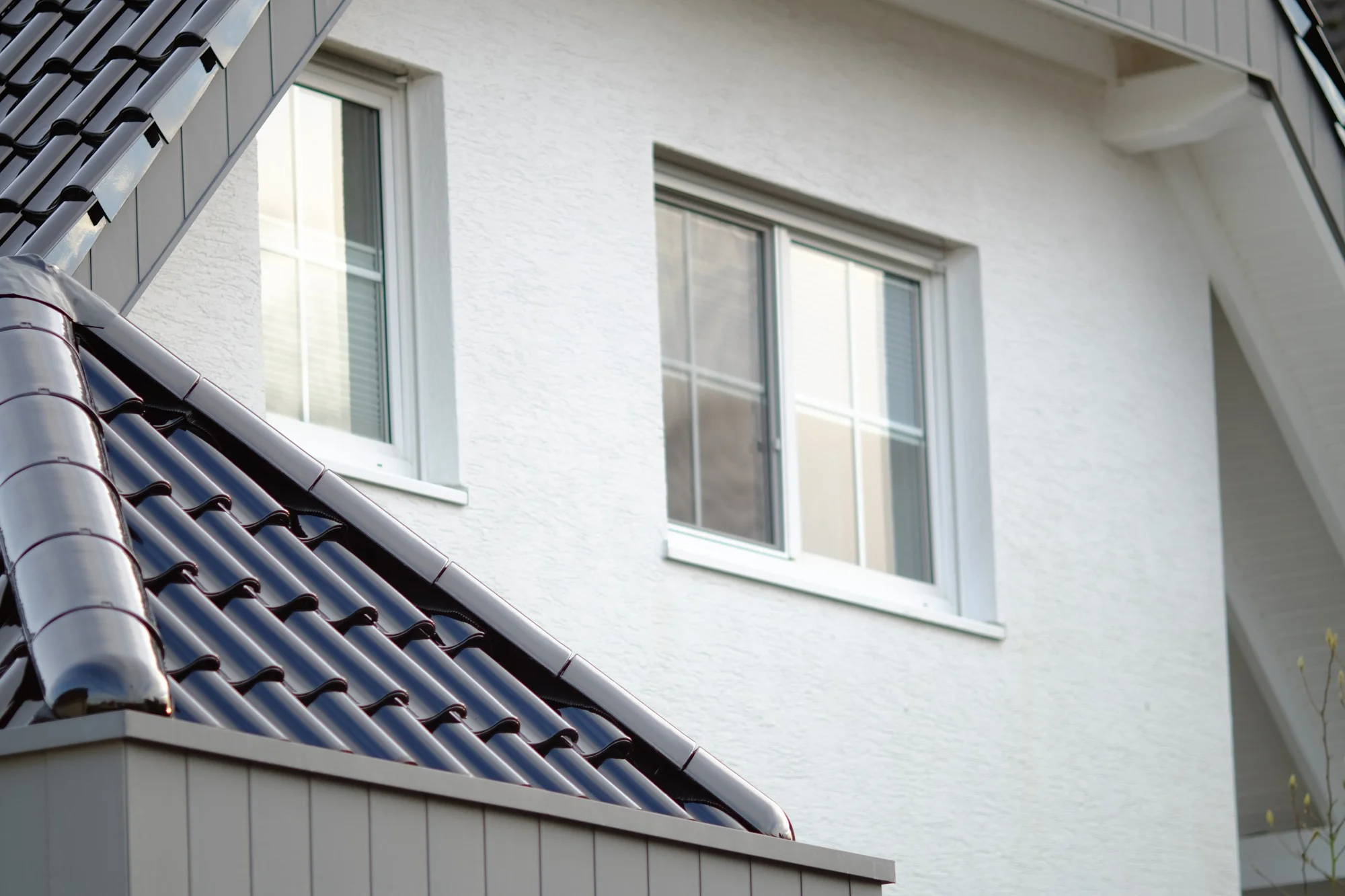
Choosing the right casement window size can transform your home—bringing in more light, better airflow and a cleaner, more modern look. If you’d like help measuring, comparing sizes or selecting the best configuration for your space, our team is here to guide you.
Contact us today—let’s design casement windows that fit beautifully, perform efficiently and elevate your entire room.
FAQs
What are standard size casement windows?
Standard casement windows commonly range from about 16″ to 48″ wide and 24″ to 84″ tall.
What is the size of a casement window in CM?
A typical range converts to roughly 40 cm to 120 cm wide and 60 cm to 213 cm tall.
What is the maximum size for a casement window?
Some manufacturers offer casement windows up to 4 ft wide × 8 ft tall (approx. 122 cm × 244 cm) or larger in custom sizes.
What is the standard size of a window?
For general residential windows, widths often range 24″ to 48″ and heights 36″ to 72″, depending on type and room.