











Double-hung windows are one of the most popular window styles in homes across the world. They feature two operable sashes that slide up and down, allowing for better airflow, easy cleaning, and a timeless look that fits almost any architectural style.
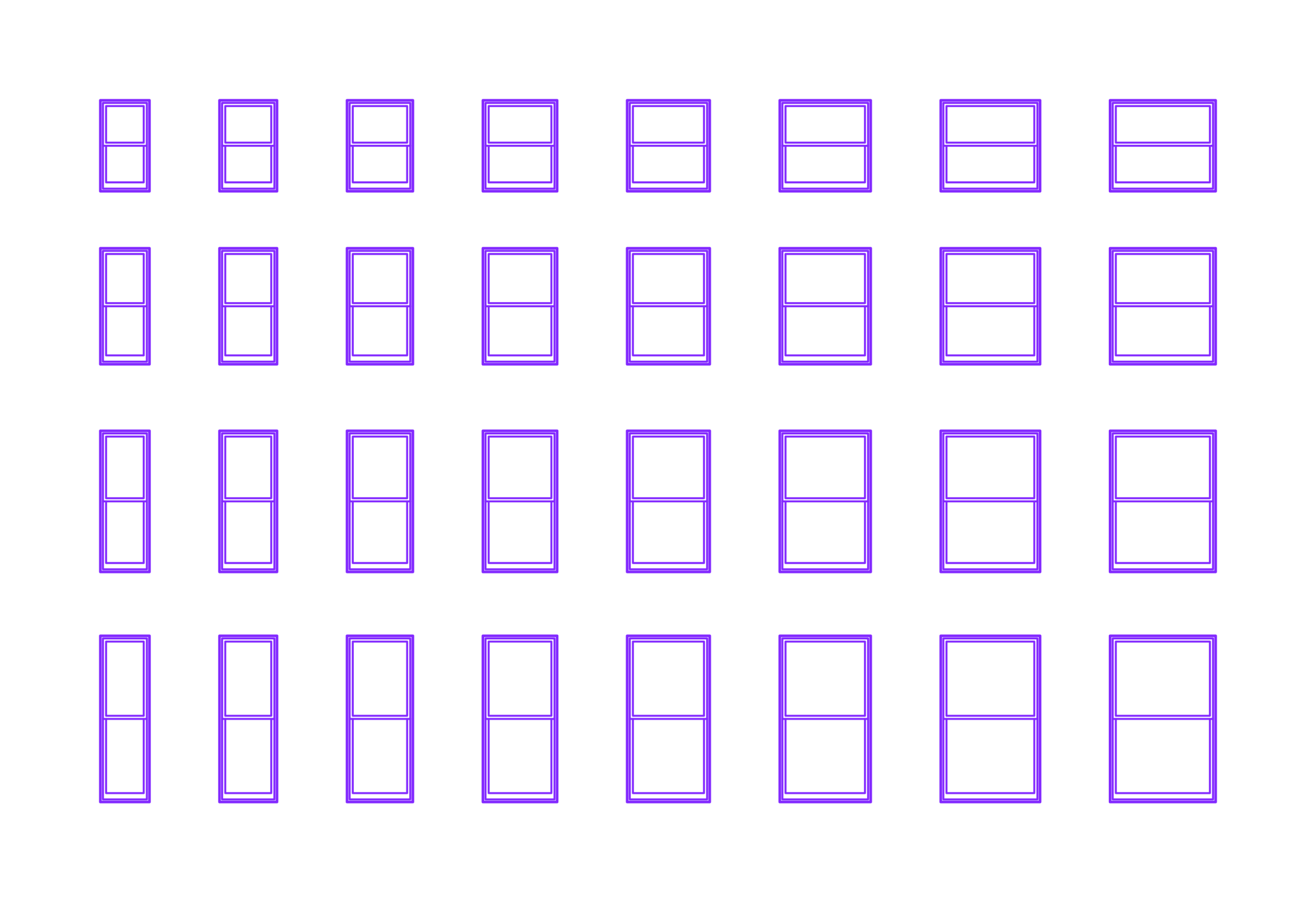
When it comes to choosing or replacing these windows, size matters more than you might think. Standard double-hung window sizes not only make the buying process easier, but they also reduce costs, simplify installation, and ensure a seamless fit into existing wall openings. For homeowners, contractors, and designers alike, knowing the common size ranges helps avoid costly mistakes and makes design planning much smoother.

Standard Size Ranges
| Window Size | Width | Height | Common Use |
|---|---|---|---|
| 24 × 36 | 24″ | 36″ | Bathrooms, small rooms |
| 28 × 44 | 28″ | 44″ | Bedrooms, hallways |
| 32 × 48 | 32″ | 48″ | Bedrooms, living rooms |
| 36 × 60 | 36″ | 60″ | Living rooms, main windows |
| 40 × 60 | 40″ | 60″ | Large rooms |
| 48 × 72 | 48″ | 72″ | Large living spaces |
While these examples are common, most standard double-hung windows fall within the following general size ranges:
- Width Range: 24″ to 48″
- Height Range: 36″ to 72″
Within these ranges, there are several dimensions that appear frequently in residential projects.
- Common Widths: 24″, 28″, 32″, 40″, 44″, 48″
- Common Heights: 36″, 44″, 48″, 52″, 54″, 60″, 62″, 72″
These dimensions cover the majority of standard openings in homes. Smaller windows are often used in bathrooms, hallways, or above sinks, while larger sizes are more common in living rooms and bedrooms where natural light and ventilation are priorities.
Labeling & Rough Opening Guidance

When shopping for double-hung windows, you’ll often see size codes like “3020”. This code simply means the window is 3 feet wide by 2 feet tall.
Here’s the important part: the actual window size is about ½ inch smaller than the listed dimensions. This difference allows the window to fit smoothly into the rough opening without forcing or trimming.
Quick Example:
A window labeled 3020 = 36″ × 24″ (nominal size).
The actual frame size will be closer to 35 ½″ × 23 ½″.
Rough Opening Rule of Thumb
When planning your rough opening, always add ½ inch to the listed size. This ensures you have enough room for proper placement, shimming, and insulation around the frame.
Listed size: 36″ × 24″
Rough opening needed: 36 ½″ × 24 ½″
This simple step saves installers a lot of time and prevents costly fitting mistakes.
Best Practices for Measuring & Planning
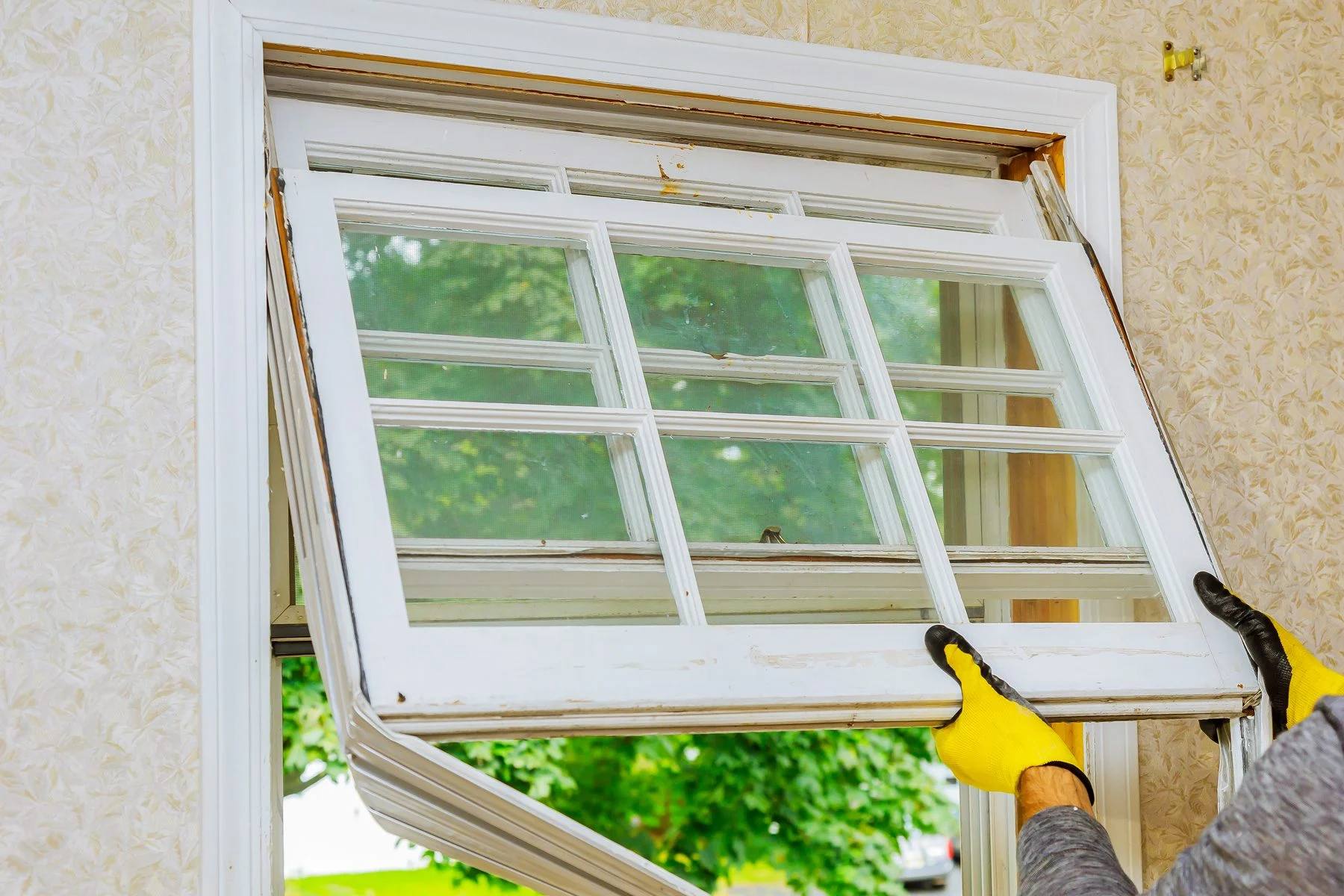
Getting the right fit for your double-hung windows starts with accurate measuring and careful planning. A small mistake here can lead to costly delays later, so it pays to do it right the first time.
Tips for Accurate Measurement
Measure width first, then height – Always record measurements in this order to avoid confusion.
Check in three spots – Measure at the top, middle, and bottom for width, and at the left, center, and right for height. Use the smallest number for accuracy.
Test squareness – Measure both diagonals across the frame. If the numbers don’t match, your opening isn’t square and may require adjustments.
Common Pitfalls to Avoid
Older homes – Window frames may be out of square or have settled over time, so extra care is needed.
Shim allowances – Remember to account for shims; don’t order windows that are too tight.
Mislabeling sizes – Window sizes are often labeled slightly smaller than the rough opening. Double-check the labeling to avoid mismatches.
By following these steps, you’ll save time, avoid headaches, and ensure your new double-hung windows fit perfectly for smooth installation.
Benefits of Standard Double-hung Window Sizes

Choosing standard double-hung window sizes brings several clear advantages for homeowners and builders:
Cost Savings
Standard windows are produced in large quantities, which makes them more affordable than custom orders. You avoid the extra manufacturing fees and longer wait times that come with made-to-order sizes.Wider Availability
Standard sizes are stocked by most suppliers, meaning you can find them quickly when you need replacements or upgrades. They also pair more easily with off-the-shelf blinds, shades, and other window treatments.Smooth Installation
Because framing is designed around standard sizes, installation is usually quicker and less labor-intensive. Installers can fit the window directly into the rough opening with fewer adjustments, saving time and reducing errors.
In short, standard sizes not only help control costs but also simplify planning and ensure a more seamless project from start to finish.
Manufacturer Variations

While most double-hung windows fall between 24″ to 48″ wide and 36″ to 72″ tall, manufacturers often go beyond these limits to give homeowners more flexibility.
Larger Maximum Sizes
Some manufacturers produce oversized double-hung windows reaching 4 feet wide and up to 7′6″ tall, with custom options extending even higher. These are popular choices for grand living rooms, tall stairwells, or large open spaces where abundant natural light and a dramatic view are desired.
Custom Sizing in Small Increments
Beyond the usual dimensions, many suppliers allow custom sizing in 1/8″ increments. This precision helps when fitting windows in older homes, unique architectural styles, or high-altitude areas where exact measurements are essential for performance and energy efficiency.
Specialized Frame & Glass Designs
Manufacturers also offer variations with reinforced frames, upgraded glass packages, and advanced weather resistance. These options enhance not only the look and durability of the window but also improve insulation, safety, and long-term energy savings.
When to Go Custom

While standard double-hung window sizes work for most homes, there are times when only a custom fit will do.
Situations That Call for Custom Windows
Unique architecture – Historic homes, arched openings, or contemporary designs often don’t fit standard dimensions.
Non-standard openings – If your wall space is narrower, wider, or taller than standard ranges, custom sizing ensures a proper fit.
Specific design needs – Whether it’s a dramatic focal point, special glass, or a unique frame color, custom orders give you more freedom.
What to Expect
Higher cost – Custom windows typically cost more than standard options because they require special manufacturing.
Tailored results – The investment pays off in a window that matches your home perfectly—both in function and style.
Going custom may not be the budget-friendly path, but when your space calls for something unique, it ensures your windows look right, fit right, and perform well for years to come.
Ready to Find the Perfect Fit?

Choosing the right window size can save money, simplify installation, and improve long-term performance. Whether you choose a standard size or need a custom option, understanding the basics helps you plan more confidently.
If you’re planning a window replacement or renovation project, understanding standard double-hung window sizes helps you choose the right dimensions and avoid costly installation issues.