













What Are Exterior Doors?

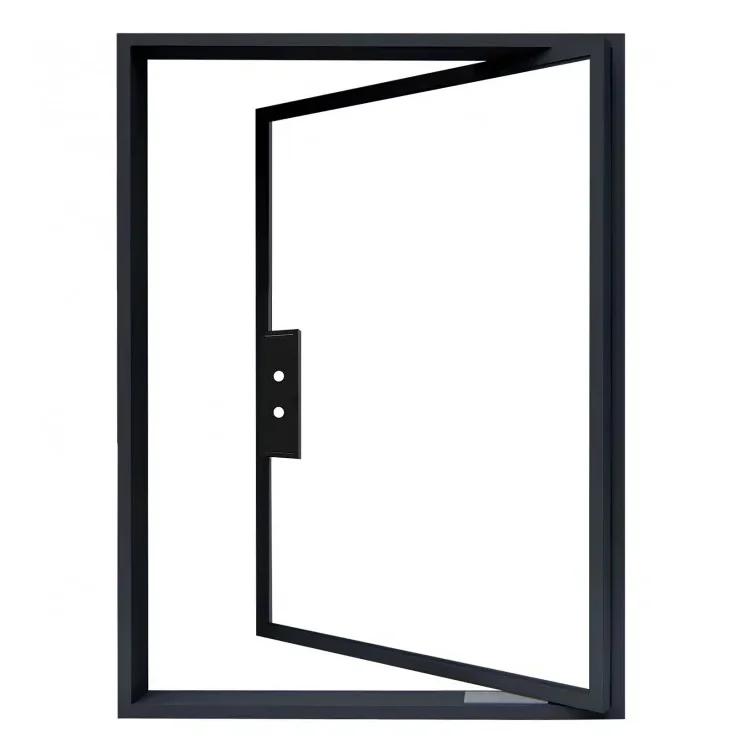
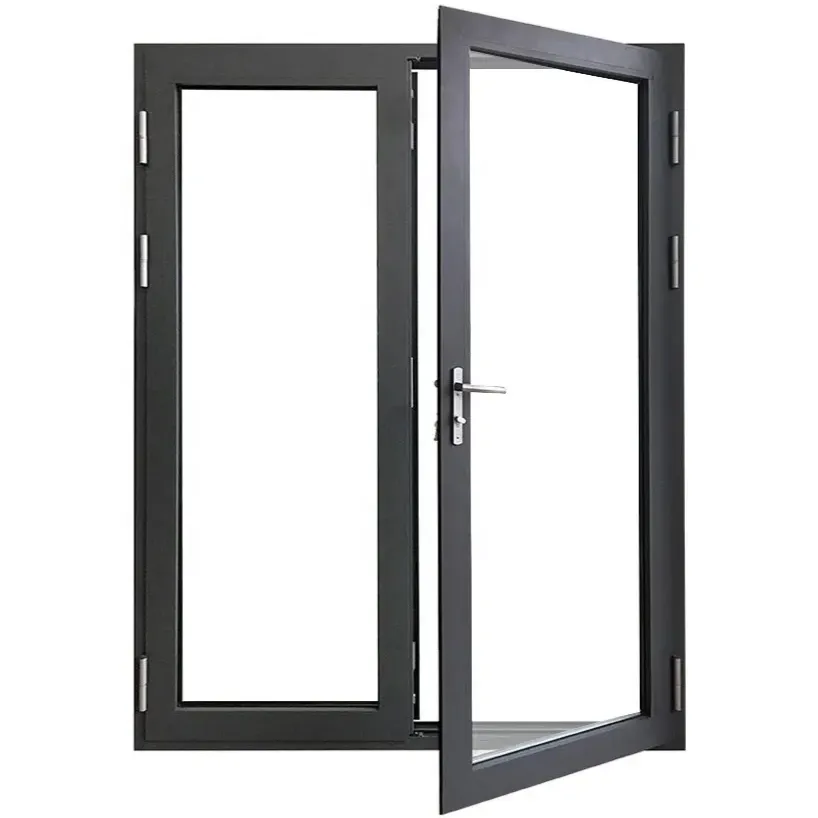
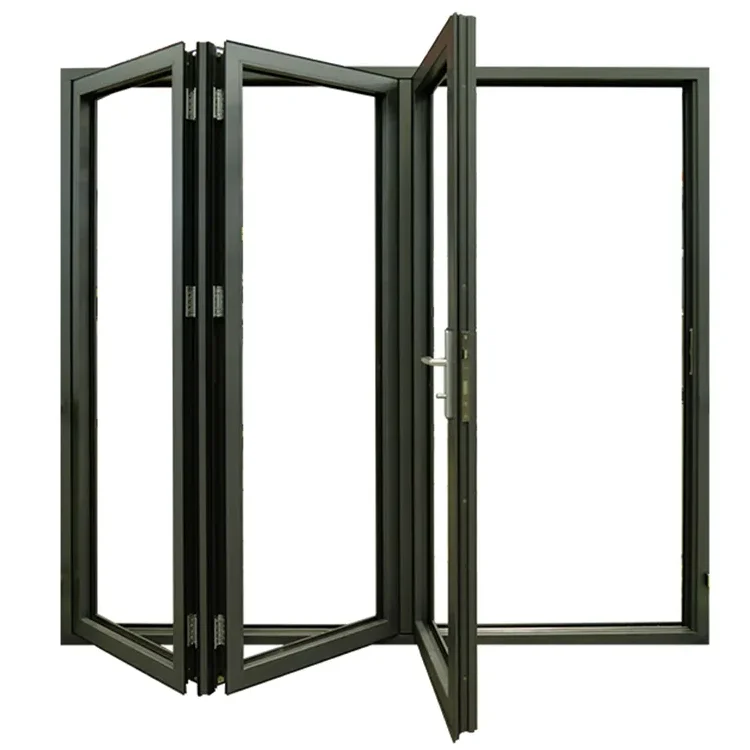
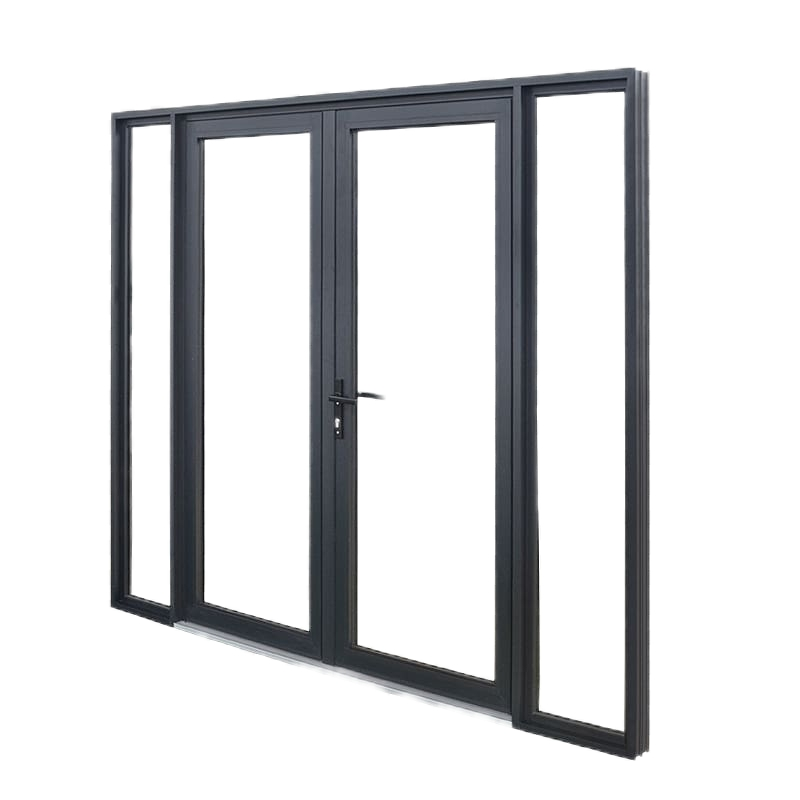
Exterior doors are the doors that separate your home’s interior from the outdoors. They act as the main barrier between your living space and weather, noise, and unwanted access.
Their primary job is protection and performance. Exterior doors are built to be strong, insulated, and secure, helping keep your home safe and comfortable year-round.
Main functions of exterior doors:
Security: Support locks, deadbolts, and reinforced frames
Weather protection: Block rain, wind, heat, and cold
Insulation: Reduce heat loss and improve energy efficiency
Durability: Withstand sun exposure, moisture, and temperature changes
Typical exterior door locations:
Front entry doors
Back or side doors
Patio or garden doors
Garage-to-house entry doors
Because they face outdoor conditions, exterior doors are usually thicker and made from durable materials like steel, fiberglass, or solid wood.
What Are Interior Doors?

Interior doors are used inside the home to separate rooms. Unlike exterior doors, they don’t need to handle weather or heavy security, so they focus more on comfort, privacy, and style.
Their role is to help your home function smoothly and look cohesive, while still giving each space its own purpose.
Main functions of interior doors:
Privacy: Create personal or quiet spaces
Room separation: Define different areas of the home
Sound control: Reduce noise between rooms
Design continuity: Match interior style and décor
Typical interior door locations:
Bedrooms
Bathrooms
Closets
Hallways and utility rooms
Interior doors are usually lighter and thinner, often made from hollow-core or solid-core materials, making them easier to open, close, and customize.
Material Differences
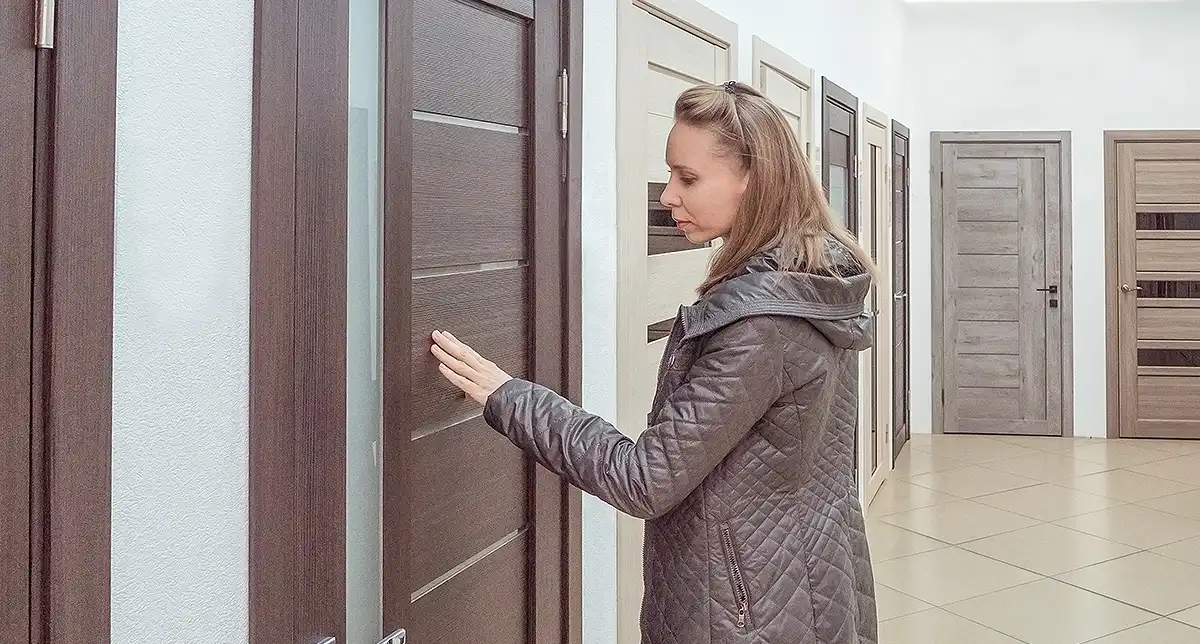
The biggest difference between exterior and interior doors starts with what they’re made of. Each door is built for a very different job, so the materials reflect that.
Exterior door materials are chosen for strength and weather resistance:
Steel: Very strong, secure, and low maintenance
Fiberglass: Durable, energy-efficient, and resistant to warping
Solid wood: Classic look with good insulation, but needs care
uPVC: Moisture-resistant and affordable in many climates
Interior door materials are lighter and focused on design:
Hollow core: Budget-friendly and easy to install
MDF: Smooth surface, great for painted finishes
Wood panels: Add warmth and visual detail indoors
You’ll also see engineered vs solid core options in both types. Engineered cores offer stability and cost savings, while solid cores provide better sound control and a more premium feel.
Structural Differences

Exterior and interior doors may look similar, but their structure is very different once you look closer.
Thickness and core design:
Exterior doors: Typically 1¾–2 inches thick for insulation and security
Interior doors: Usually 1⅜ inches thick, lighter and easier to operate
Exterior doors also include insulation layers, weatherstripping, and tight seals. These features help block drafts, moisture, and heat loss—something interior doors don’t need.
Durability, Security, and Weather Resistance

Exterior doors are built to handle constant exposure and higher risk.
They must resist:
Wind, rain, and temperature changes
UV exposure and fading
Insects and moisture damage
Forced entry and heavy use
Interior doors face much lighter wear. Their focus is on smooth operation, quiet closing, and maintaining a clean look over time rather than heavy-duty protection.
Standard Sizes and Fit

Door sizing is another key difference.
Common exterior door sizes:
36″ × 80″ is the most standard
Thicker frames to support weight and security
Common interior door sizes:
24″, 28″, 30″, or 32″ × 80″
Slimmer frames for easier installation
Both interior and exterior doors can be custom-sized. Custom options are useful for older homes, unique layouts, or modern architectural designs.
Installation Differences
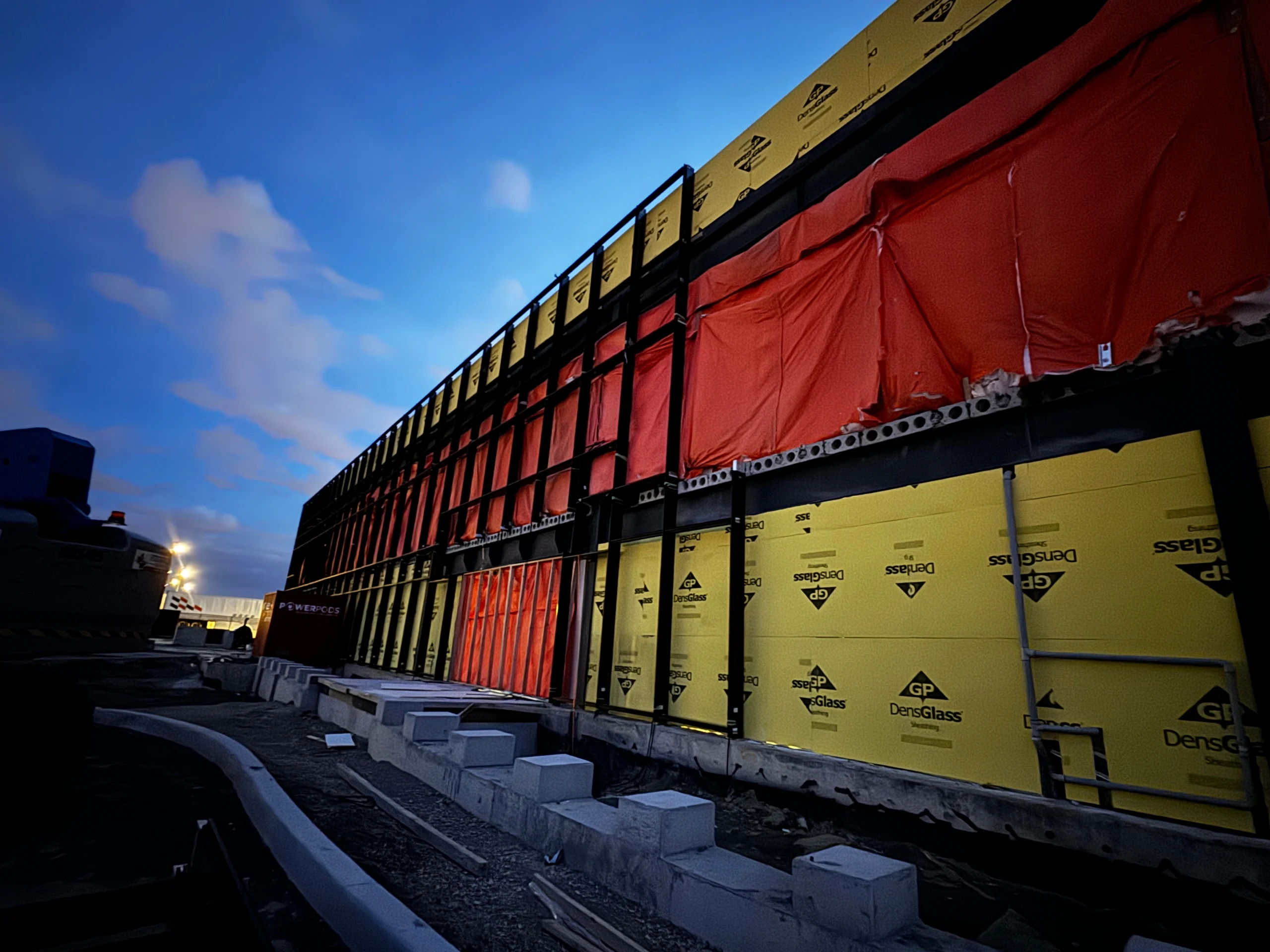
Installation requirements vary a lot between the two door types.
Exterior door installation includes:
Weatherproofing and sealing
Proper thresholds and drainage
Insulation around the frame
Heavier framing and precise alignment
Interior door installation is simpler:
Lightweight framing
No weather or moisture concerns
Faster handling and adjustment
Because exterior doors protect your home, professional installation is often recommended, while interior doors are more DIY-friendly.
Cost & Value Considerations
When choosing between exterior and interior doors, price and long-term value matter just as much as style.
Exterior doors usually cost more because they are built to do more. Strong materials, insulation cores, security locks, and weather seals all add to the price—but they also add value. A quality exterior door can improve energy efficiency, safety, and curb appeal, which may increase your home’s resale value.
Interior doors are generally more affordable. Since they don’t need weather protection or heavy security, you can choose from a wide range of styles and finishes at lower price points. This makes it easier to refresh your interior look without a big budget.
10. Design, Style & Aesthetics
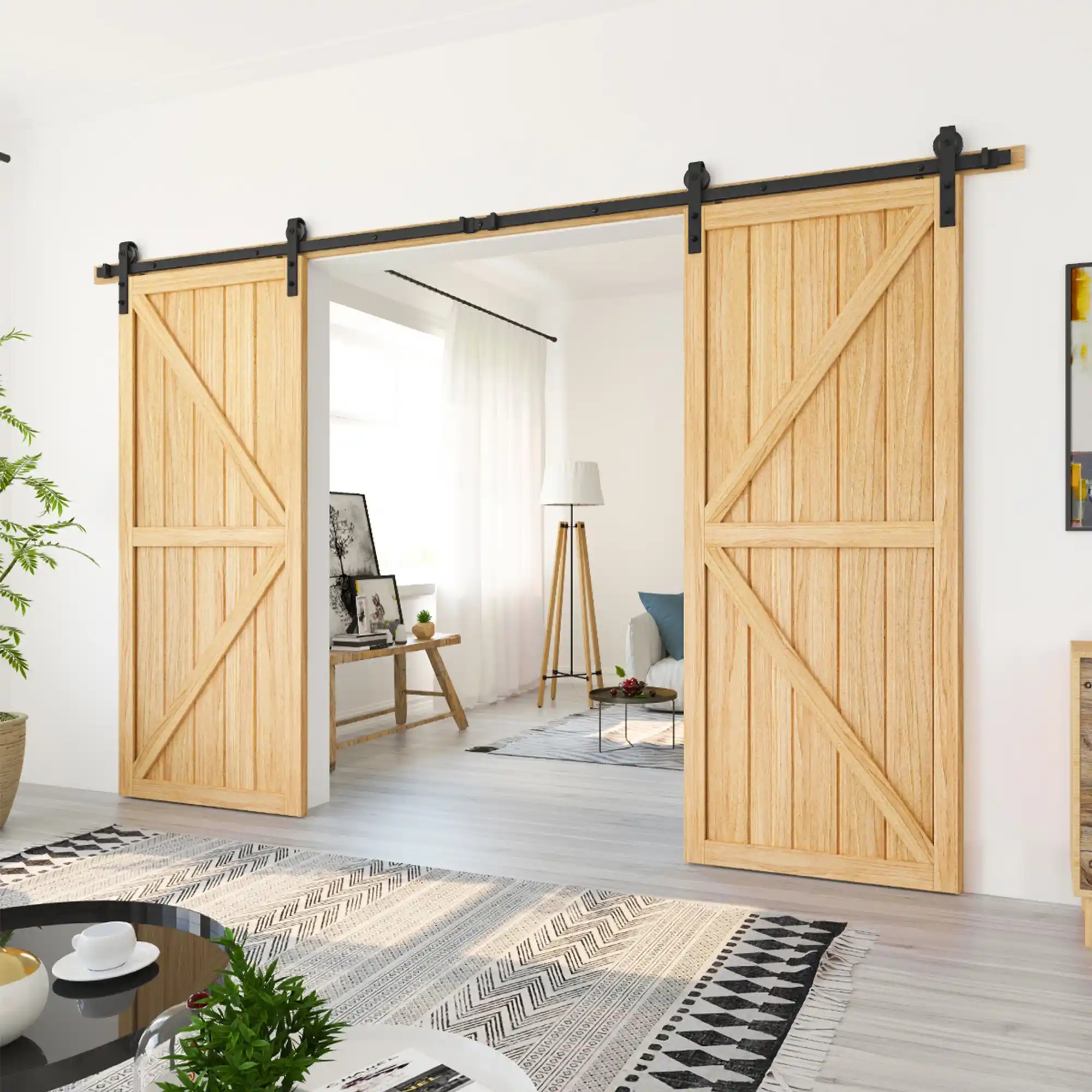
Doors play a big role in how your home looks, both outside and inside.
Exterior doors are designed to make a strong first impression:
Decorative glass panels and inserts
Sidelights and transoms for extra light
Wood, painted, or textured finishes
Modern, classic, or farmhouse styles
They balance beauty with strength, helping boost curb appeal while staying secure.
Interior doors focus on design flexibility:
Panel doors: timeless and traditional
Flush doors: clean, modern lines
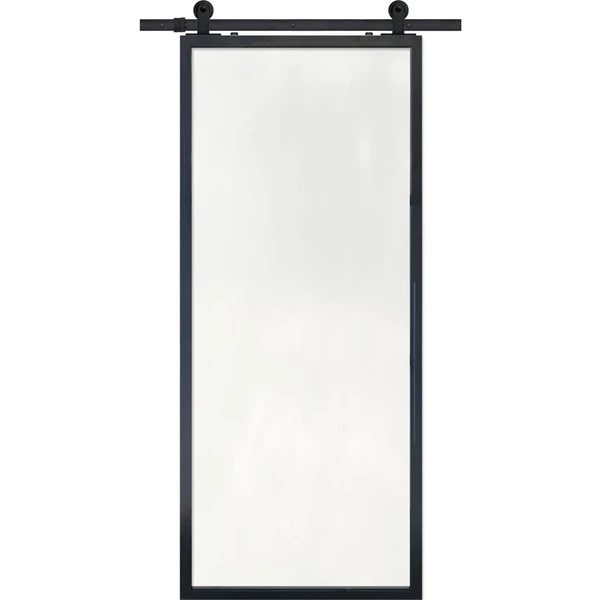
Barn doors: rustic or industrial charm
Pocket doors: space-saving and minimal
These options help tie each room’s décor together smoothly.
11. Performance Features

Performance matters, especially for doors that separate spaces.
Exterior door performance features include:
Energy ratings for insulation efficiency
Weather seals to block drafts and moisture
Optional fire-rated designs (by code or location)
Interior doors may offer:
Sound insulation for bedrooms or offices
Fire ratings for garages or stairwells
Solid cores for better noise control
Hardware also plays a key role in performance. Quality locks, deadbolts, handles, hinges, thresholds, and seals improve security, comfort, and daily usability—especially for exterior doors.







One Response
Thanks for sharing this useful content. Many people underestimate the benefits of UPVC doors. Casement doors, in particular, offer good ventilation and security. It’s great to see manufacturers focusing on quality materials and smooth operation.