














Thinking about upgrading your bathroom? One small change can make a big difference—your shower door. When it comes to choosing between framed and frameless shower doors, it’s more than just a style choice. Each type has its own look, function, and cost.

Framed shower doors offer sturdy support and a classic feel. Frameless ones bring a sleek, modern vibe that opens up the space. But which is right for your bathroom?
In this guide, we’ll walk you through the key differences—appearance, durability, price, and more—so you can feel confident making the best choice for your home and your budget. Let’s get started!
What Is a Framed Shower Door?

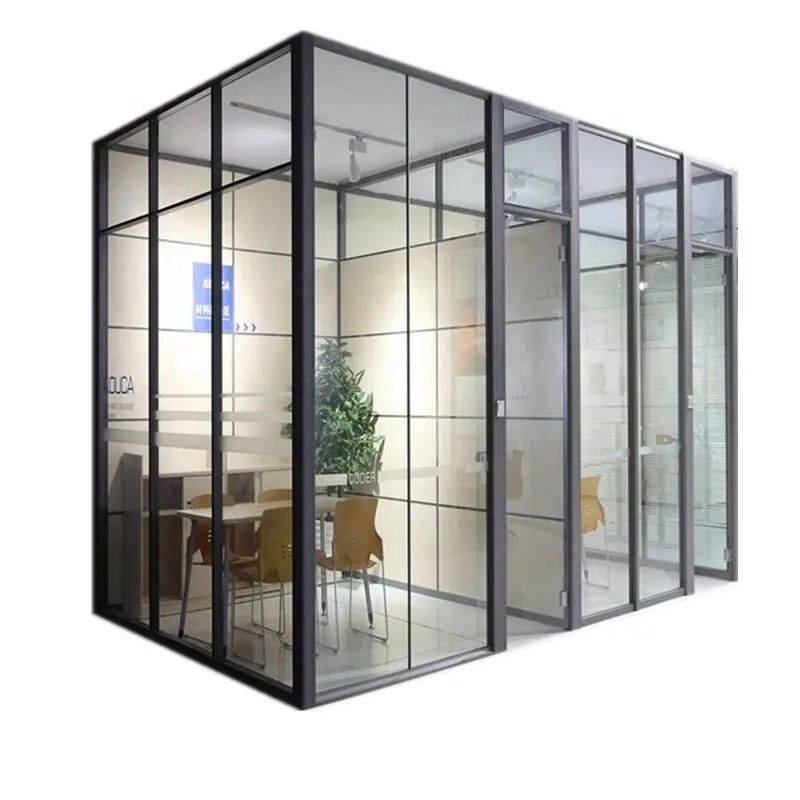
A framed shower door is exactly what it sounds like—glass panels fully surrounded by a metal frame. This frame gives the door structure and support, helping it open and close smoothly while keeping water inside the shower area.
Key Features:
Full metal frame around each edge of the glass
Typically made of aluminum for durability and rust resistance
Available in various finishes like chrome, brushed nickel, or black to match your bathroom hardware
Often uses thinner tempered glass since the frame adds stability
What Is a Frameless Shower Door?

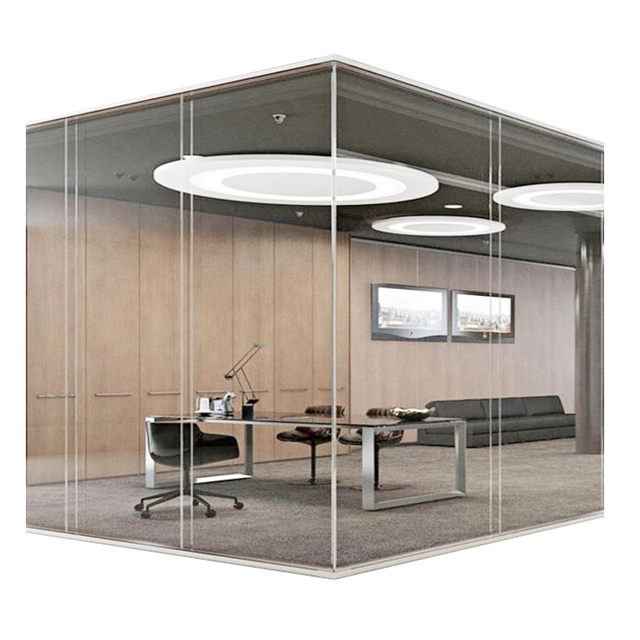
A frameless shower door skips the metal frame altogether. Instead, it uses strong tempered glass panels that are held in place with sleek clips, hinges, and brackets. This creates a clean, open look that’s perfect for showcasing tile work or giving your bathroom a more spacious feel.
Key Features:
No bulky metal frame—just clear glass and minimal hardware
Typically made with thicker tempered glass (usually ⅜” to ½”) for stability
Uses pivot hinges or wall-mounted clips for support
Offers a sleek, minimalist design
Appearance & Aesthetics

The first thing you’ll notice? Framed shower doors look more traditional, while frameless ones feel sleek and modern.
Framed doors have bulkier edges because of the metal frame, which can make your bathroom feel more enclosed.
Frameless doors, on the other hand, offer a clean, open look that lets light flow freely and shows off your tile work and fixtures.
Framed doors come in various metal finishes (like chrome, bronze, or matte black), so you can match them with your other bathroom hardware. But if you’re after that high-end, minimal style, frameless is the way to go.
Water Containment & Leakage

When it comes to keeping water inside the shower, framed doors are the clear winner. The metal frame, caulking, and seals work together to trap water and prevent leaks.
Frameless doors need precise installation to stop water from escaping—especially around the edges. They may require added seals or sweeps to prevent drips, especially with swinging doors.
Looking for a balance? Semi-frameless doors offer some water control with a cleaner look than full-framed options.
Installation & Customization

Framed shower doors are usually easier to install and are often available in standard prefab sizes. Handy homeowners might even install them as a DIY project.
Frameless shower doors require professional installation. The heavy glass and exact alignment mean it’s best left to the experts.
However, with frameless, you get more room for customization. You can choose the exact size, shape, and hardware style to match your space perfectly.
Durability & Maintenance

Framed shower doors use thinner glass (around 3/16″ to 1/4″) and are supported by the metal frame. Over time, that frame can collect soap scum or even rust, especially if not cleaned regularly.
Frameless doors use thicker, stronger glass, and since they don’t have a metal frame, they’re easier to wipe down and have fewer spots for mold and mildew to build up.
Both types need basic care—just keep them clean and check the seals or hinges once in a while.
Safety & Stability

Worried about safety? Both options are made from tempered glass, which means they’re built to shatter into small, blunt pieces—not sharp shards—if broken.
Framed doors offer extra stability because of their metal support. They’re a great option for families with kids or high-traffic bathrooms.
Frameless doors might seem fragile, but that’s a myth. Their thicker glass and heavy-duty hinges make them just as safe—especially when installed correctly.
Cost Comparison

Here’s the breakdown:
Framed shower doors are the more budget-friendly option, costing about 10% to 40% less than frameless styles.
Installation is usually quicker and cheaper with framed doors.
Frameless doors have a higher upfront cost due to thicker glass and expert installation, but they offer better aesthetics and higher resale value over time.
If you’re upgrading for style or planning to sell your home, frameless is a smart long-term investment.
Quick Comparison: Framed vs Frameless
| Feature | Framed Shower Door | Frameless Shower Door |
|---|---|---|
| Design Style | Traditional, classic | Modern, open, sleek |
| Glass Thickness | Thinner (3/16”–1/4”) | Thicker (3/8”–1/2”) |
| Water Containment | Excellent sealing with frame & caulk | Requires precise install and seals |
| Installation | Easier, DIY-friendly | Requires professional install |
| Customization | Limited prefab options | Highly customizable (size, hardware) |
| Maintenance | More crevices, can corrode | Easy to clean, no frame traps |
| Durability | Good, but metal frame may wear | Excellent with thicker glass & fewer parts |
| Safety | Very stable with frame | Tempered glass, safe if installed properly |
| Cost | Lower upfront cost (10–40% less) | Higher upfront, better long-term value |
How to Choose the Right Shower Door

Still not sure which type of shower door fits your bathroom best? Here are a few quick tips to help you make the right call.
1. Match Your Bathroom Size and Style
Small Bathrooms – Go for a frameless door. Its clear glass and open look make tight spaces feel bigger and brighter.
Traditional Designs – Framed doors work well if your bathroom has a classic or vintage vibe.
Modern or Spa-Like Feel – Frameless doors create a clean, luxurious look that puts tile and fixtures in the spotlight.
2. Think About Budget and Maintenance
Tight Budget? – Framed shower doors cost less upfront and are easier to install.
Low Maintenance? – Frameless wins. Fewer seals and no metal edges mean quicker, easier cleaning.
Longevity? – Frameless doors, with their thicker glass and fewer parts, tend to last longer and stay looking good with less effort.
3. Consider Daily Use and Family Needs
Kids or Older Adults? – Framed doors are super sturdy and don’t swing inward, which can be safer in some setups.
Easy Access Needed? – Frameless doors often swing both ways and allow for a wider opening—great for mobility needs.
High-Traffic Showers? – If your shower gets used a lot, durability and ease of cleaning matter even more—frameless is a strong pick here.
FAQs