












Noise coming through your windows can affect far more than just your mood. Constant traffic, loud neighbors, or late-night sounds can disrupt your sleep, raise stress levels, and make it harder to relax at home. If you work from home, too much noise can also hurt focus and productivity.

The good news? You can make your windows much quieter with the right steps. In this guide, we’ll walk through how noise actually gets inside, the different kinds of sounds that travel through windows, and the most effective ways to soundproof them—whether you’re looking for simple fixes or full upgrades.
How Noise Enters Through Windows

Noise gets inside your home through a few common weak spots:
Gaps around the frame
Small openings or worn weather-stripping let outside sound slip through easily. These air gaps carry high-frequency noise straight into the room.Single-pane or thin glazing
Thin glass vibrates quickly when sound hits it, offering almost no sound protection. Older double-pane windows can also struggle if the panes are too close together or not laminated.Vibrations through the window structure
When noise strikes the glass, it shakes the window and transfers those vibrations into the frame and walls. Loose installation, weak frames, or aging hardware can amplify the problem.
Types of Noise Coming Through Windows
Not all noise travels the same way. Understanding what kind of sound is entering your home helps you choose the right soundproofing method. Here are the most common types:
External-mechanical noise

Traffic, planes, buses, and trains produce strong, steady vibrations that travel far. These sounds often include low-frequency rumbling, which is harder for thin glass or single-pane windows to block. If you live near a busy road or under a flight path, you’ll likely notice this type most.
External-social noise

This includes people talking outside, kids playing, loud music, barking dogs, or the hum of an outdoor HVAC unit. These are usually mid- to high-frequency sounds that slip easily through small gaps and poorly sealed window frames.
Internal noise escaping out

Soundproofing isn’t only about blocking noise from coming in—it also helps keep your own noise from getting out. Conversations, TV sound, home studios, and music can travel through windows just as easily, especially if the glazing is thin.
Low-frequency vs. high-frequency noise

Low-frequency noise (like trucks or bass from speakers) creates deep vibrations that travel through glass and walls. High-frequency noise (like voices or barking) passes more easily through air gaps and poor seals.
Why glazing matters: Thicker glass, laminated panes, and wider air gaps between panes reduce vibration and slow down how sound travels. This is why double-pane, triple-pane, and laminated acoustic glass make such a big difference in controlling both high and low frequencies.
Ways to Soundproof Your Windows
| Noise Type | Typical Sources | Best Ways to Soundproof | Brief Notes |
|---|---|---|---|
| External-mechanical | Traffic, aircraft, trains, buses | – Upgrade to laminated or double/triple-pane glass – Add secondary glazing or acoustic inserts – Ensure tight installation and sealed frames | Often low-frequency; needs mass, multiple layers and strong frames. |
| External-social | Neighbors, kids, music, barking dogs, HVAC | – Seal gaps with acoustic caulk and weather-stripping – Use sound-reducing curtains or blinds – Add window inserts for extra barrier | Mostly mid–high frequency; gaps and weak seals are key problem. |
| Internal noise escaping | Conversation, TV, home studio, music | – Upgrade glazing to laminated or double-pane – Add secondary glazing or interior inserts – Use heavy curtains to absorb sound | Better glazing and added mass help keep sound inside for more privacy. |
| Low-frequency noise | Truck rumble, subwoofer bass, heavy traffic | – Laminated glass with wider air gaps – Rigid, well-fixed frames and pro installation – Structural fixes to reduce vibration transfer | Hardest to block; needs mass, stiffness and good decoupling. |
| High-frequency noise | Voices, light traffic, dog barks, phone sounds | – Seal air leaks with caulk and weather-strips – Use acoustic curtains or blinds – Add secondary glazing or inserts | Travels easily through air gaps; sealing and soft layers work well. |
There’s no single “best” way to block noise—what works depends on the noise type, your window condition, and your budget. Below are the most effective soundproofing methods, each explained in simple terms so you can choose the right solution for your home.
Seal and Weather-Strip the Window Frame
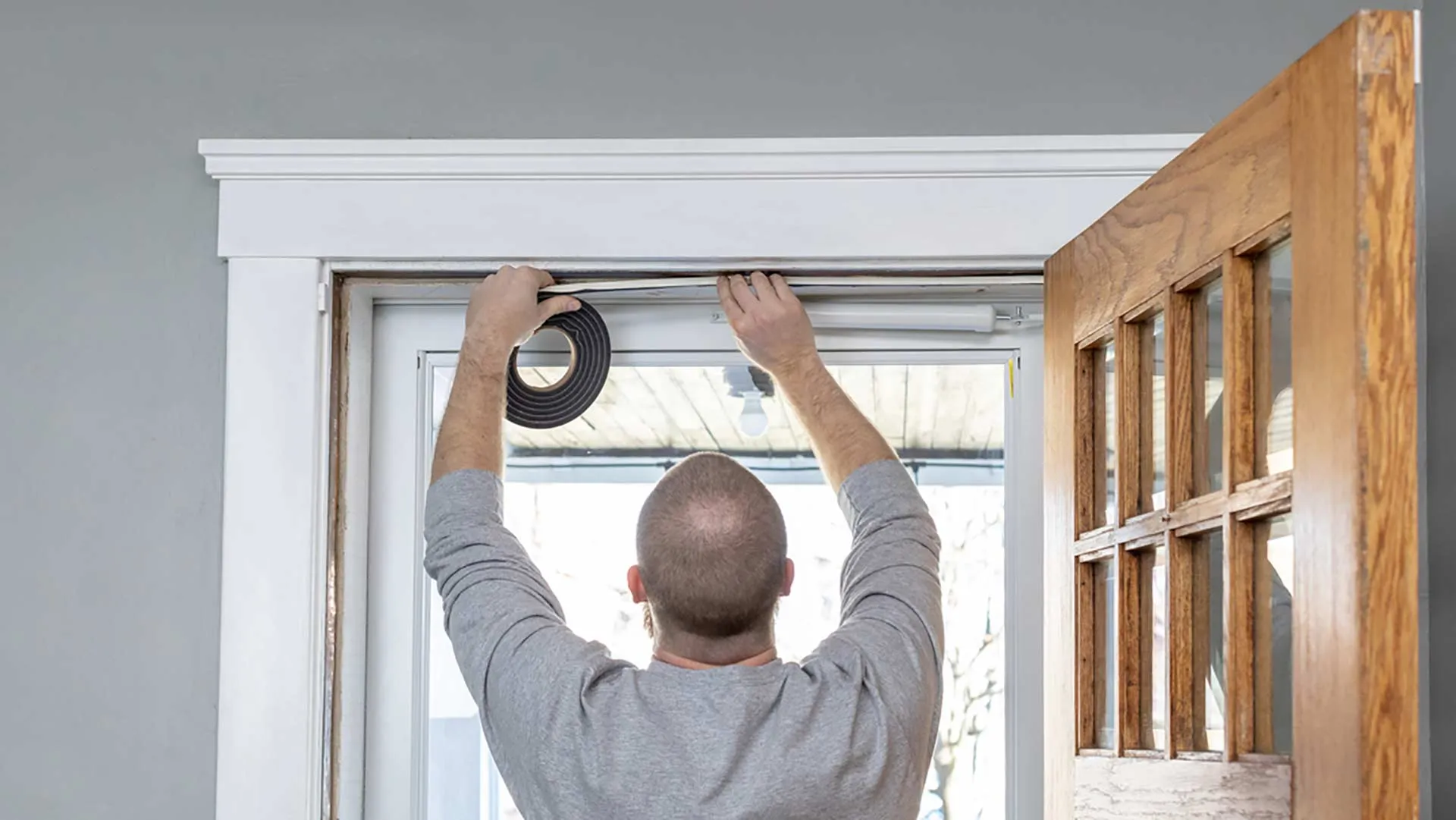
Gaps around the frame are one of the biggest reasons noise gets inside. Even a tiny space can let high-frequency sound travel straight into the room. Sealing these weak spots is the easiest and most affordable improvement.
How to do it:
Use acoustic caulk to seal cracks around the frame and trim.
Add high-density weather-stripping to create a tight closure when the window is shut.
Install foam tape or rubber seals to block drafts and improve insulation.
Why it works:
You’re closing off air paths—no air gap means less sound energy getting through.
Add Heavy Window Treatments

Thick, dense materials can help reduce noise, especially mid- to high-frequency sounds like voices, traffic hum, or barking.
Effective options include:
Sound-reducing curtains: Made with dense fabrics that absorb noise.
Thermal or blackout curtains: Add mass and help reduce some vibration.
Honeycomb blinds: Trap air and add a layer of insulation.
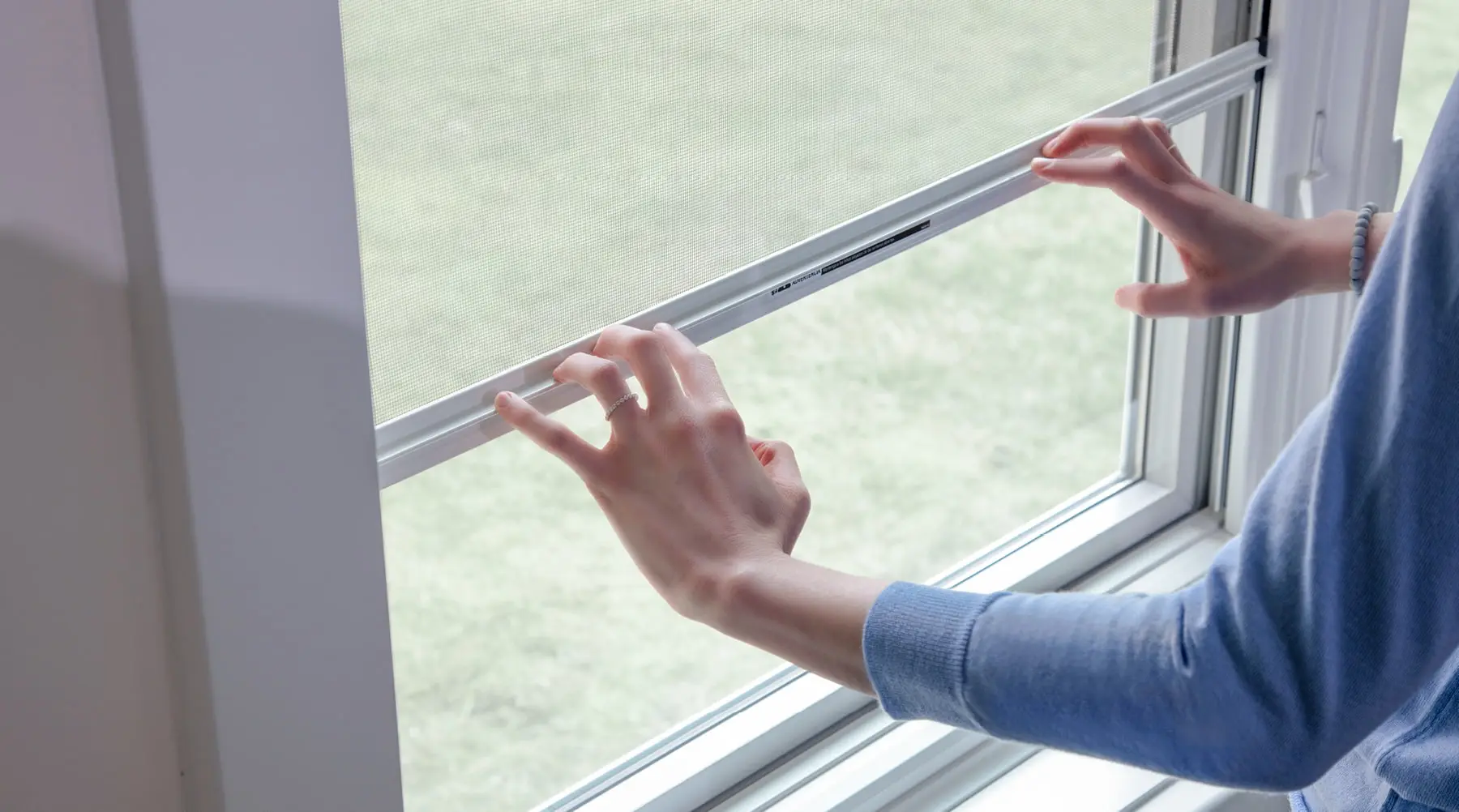
Acoustic window inserts: Clear panels that sit inside the window frame and can cut noise by 50–70%.
Why it works:
These layers absorb sound waves before they reach the glass or your room.
Upgrade Your Window Glazing

Glass quality makes a huge difference in soundproofing. Thin, single-pane windows let noise pass almost freely.
Best glazing upgrades:
Double-pane windows: Two panes with an air gap reduce sound vibration.
Triple-pane windows: Add even better acoustic and thermal performance.
Laminated glass: Two panes bonded with a plastic interlayer that absorbs vibration—excellent for blocking both low and high frequencies.
Secondary glazing: A second internal window panel added behind the existing window.
Why it works:
More layers + wider gaps = fewer vibrations and less noise entering your home.
Retrofit or Replace the Window Entirely

If your windows are old, loose, or damaged, simple fixes may not go far enough. Replacing or retrofitting can be a long-term solution.
Options include:
Acoustic window inserts: Fit inside your existing frame without full replacement.
Full window replacement: Choose windows rated for sound control (look for high STC/OITC ratings).
Impact-rated or laminated windows: Offer soundproofing plus extra security and weather protection.
Why it works:
A new, tight, well-sealed window system removes many weak points—thin glass, loose frames, and worn hardware.
Structural & Architectural Fixes

Sometimes the noise problem comes from how the window is built, not just the glass.
What to check:
Poor installation: Gaps behind trim or loose frames can leak sound.
Weak materials: Thin frames vibrate more than solid vinyl, fiberglass, or wood.
Wall insulation: If the wall around the window is under-insulated, noise will travel through it.
Vibration transfer: Add foam backing, caulk, or insulation to reduce structure-borne noise.
Why it works:
This strengthens the entire window system, cutting down vibration and air gaps that carry noise.
Cost, ROI & Choosing DIY vs. Professional Help

Cost vs ROI:
Sealing and curtains = low cost, modest noise reduction
Glazing upgrades or inserts = mid-range cost, high reduction
Full replacement = highest cost, long-term acoustic + energy benefits
Measuring your starting point:
Check your current window’s STC (Sound Transmission Class) and OITC (Outdoor–Indoor Transmission Class). Higher numbers mean better sound control.
DIY or professional?
DIY: Caulking, weather-stripping, curtains, blinds
Professional: Glazing upgrades, inserts, full window replacement
If you hear strong low-frequency noise (traffic rumble, bass), a pro solution like laminated or multi-pane glazing is usually worth it.