












Choosing the right front door is about more than just looks. It’s the first thing guests see and the last thing you close behind you each day.
If you’re deciding between a pivot door and a hinged door, you’re not alone. These two door types might seem similar at first glance, but they work in different ways and offer different benefits.

In this guide, we’ll break down the key differences between pivot and hinged doors—covering everything from style and space to cost and performance—so you can choose the one that fits your home and lifestyle best.
What Are Pivot and Hinged Doors?

Pivot doors and hinged doors both swing open, but the way they work is quite different.
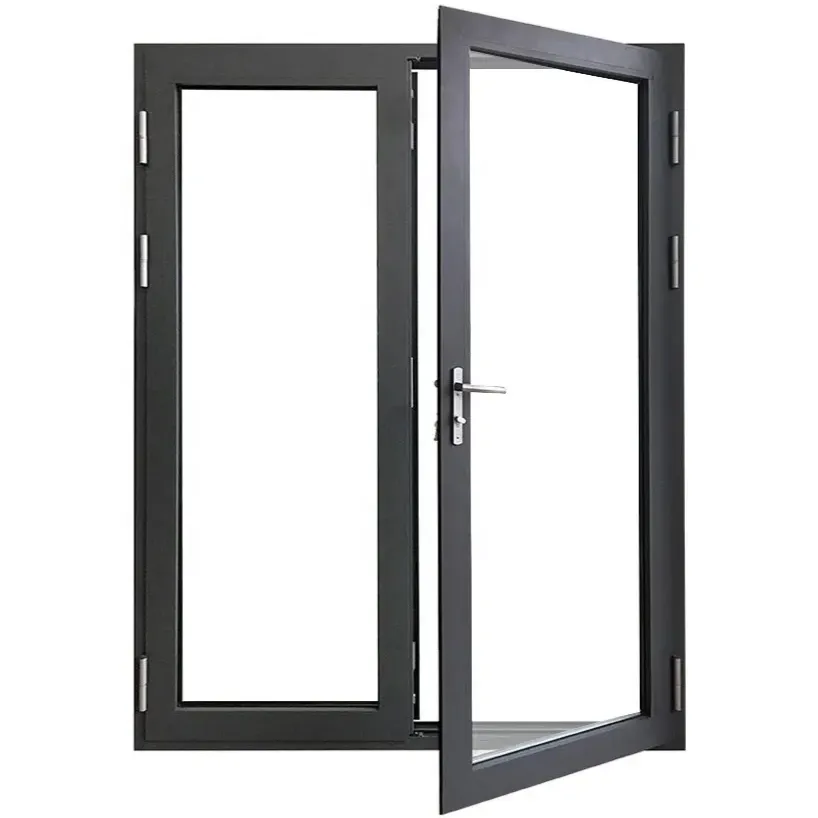
A hinged door is the traditional kind you see in most homes. It’s attached to the door frame with two or three side hinges, letting it swing open and closed from one edge. Simple, reliable, and familiar.
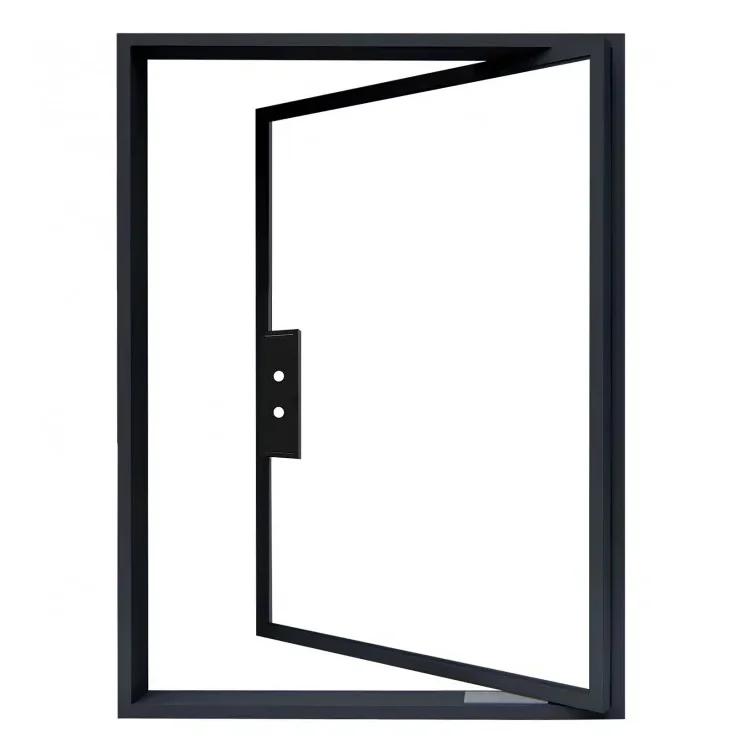
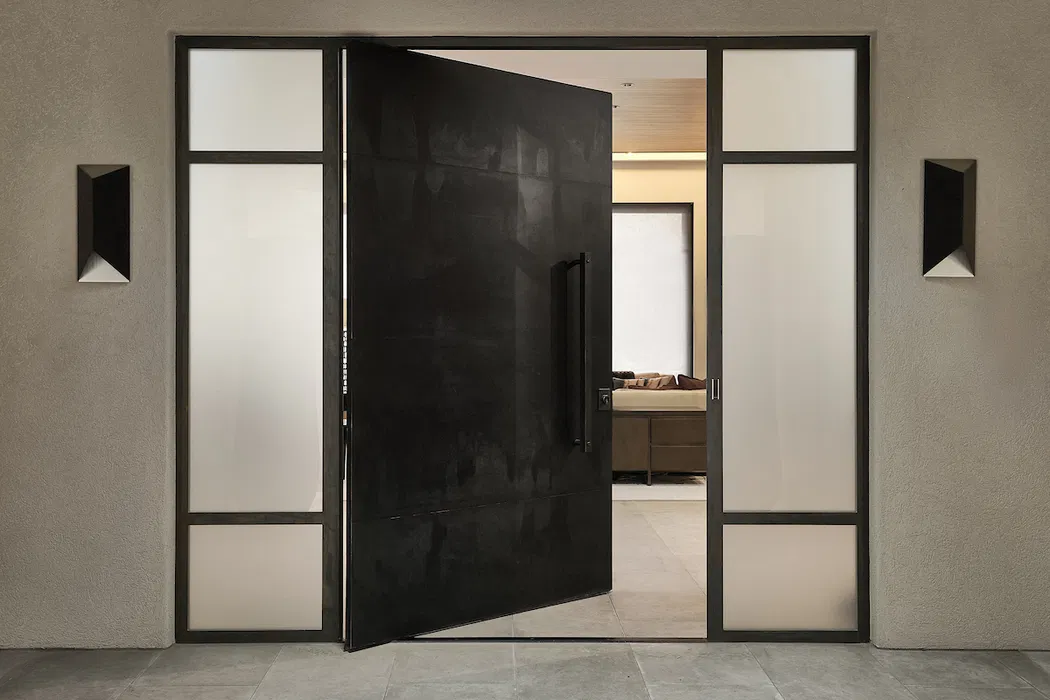
A pivot door works on a central pivot point instead of side hinges. The top and bottom of the door connect to a pivot system, allowing the door to rotate smoothly—kind of like it’s floating. This gives it a clean, modern look and allows for wider or taller doors than usual.
How They Look in Action
Hinged doors swing open fully to one side, usually flush with the wall. Pivot doors rotate from a point a few inches in from the edge, creating a more dramatic motion and a “double swing” effect—part of the door opens forward, part swings back.
Where You’ll See Them
Hinged doors are everywhere—front doors, bedroom doors, bathrooms, kitchens. They’re great for traditional or transitional homes.
Pivot doors are more common in luxury or modern homes. You’ll see them as front entry doors, in open-plan interiors, or used as dramatic statement pieces.
Pros and Cons of Pivot Doors
| Pros | Cons |
|---|---|
| Modern and visually striking | More expensive than standard hinged doors |
| Supports larger, heavier panels | Requires more space to operate |
| Hidden hardware creates a clean look | Not fully weather-sealed (possible air/water leakage) |
| Smooth, unique opening motion | Complex installation and harder to DIY repair |
| Great for luxury or high-end design projects | May reduce usable opening width (due to pivot position) |
Pros and Cons of Hinged Doors
| Pros | Cons |
|---|---|
| Affordable and widely available | Can look ordinary in very modern designs |
| Easy to install and repair | Hinges may loosen or wear out over time |
| Great sealing and energy efficiency | Limited in door size and weight |
| Fits any architectural style | Visible hardware may not match minimalist aesthetics |
| Works well in small spaces | May require door stops or clearance space to swing open |
Design & Aesthetics

Pivot doors offer a bold, modern look. Their large panels and center-point swing create a sleek, high-end feel — perfect for contemporary or luxury designs.
Hinged doors bring classic charm and work with nearly any home style. They’re ideal if you prefer a traditional look with more layout flexibility.
Space Requirements

Pivot doors need extra clearance on both sides of the pivot point, which slightly reduces the usable walkthrough width. They’re best for large entryways where space isn’t an issue and dramatic design is the goal.
Hinged doors are more space-efficient. They open fully to one side and fit well in compact or standard-sized entryways — making them a practical choice for most homes.
Installation Complexity

Hinged doors are simple to install. Whether it’s a DIY project or done by a contractor, the process is straightforward and works with most standard frames.
Pivot doors, on the other hand, require more planning. They need structural support and precise alignment, which means professional installation is highly recommended.
Weatherproofing & Energy Efficiency

Hinged doors are fully sealed around the frame, offering excellent insulation against heat, cold, and noise. They’re a solid choice for homes in harsh or variable climates.
Pivot doors can have small gaps at the corners, which may allow slight air or water leakage if not properly protected. They perform best with an overhang, porch, or added weatherstripping.
Durability and Maintenance
Hinged doors are reliable but may need occasional upkeep. Hinges can loosen over time and might require tightening or lubrication to keep the door aligned and squeak-free.
Pivot doors have fewer visible moving parts, offering a clean look — but their function depends heavily on precise installation. If the frame isn’t perfectly aligned, the door may not swing smoothly.
Ease of Use & Accessibility

Hinged doors are familiar to everyone — simple to use and compatible with screen doors. They’re great for households with kids, pets, or seniors.
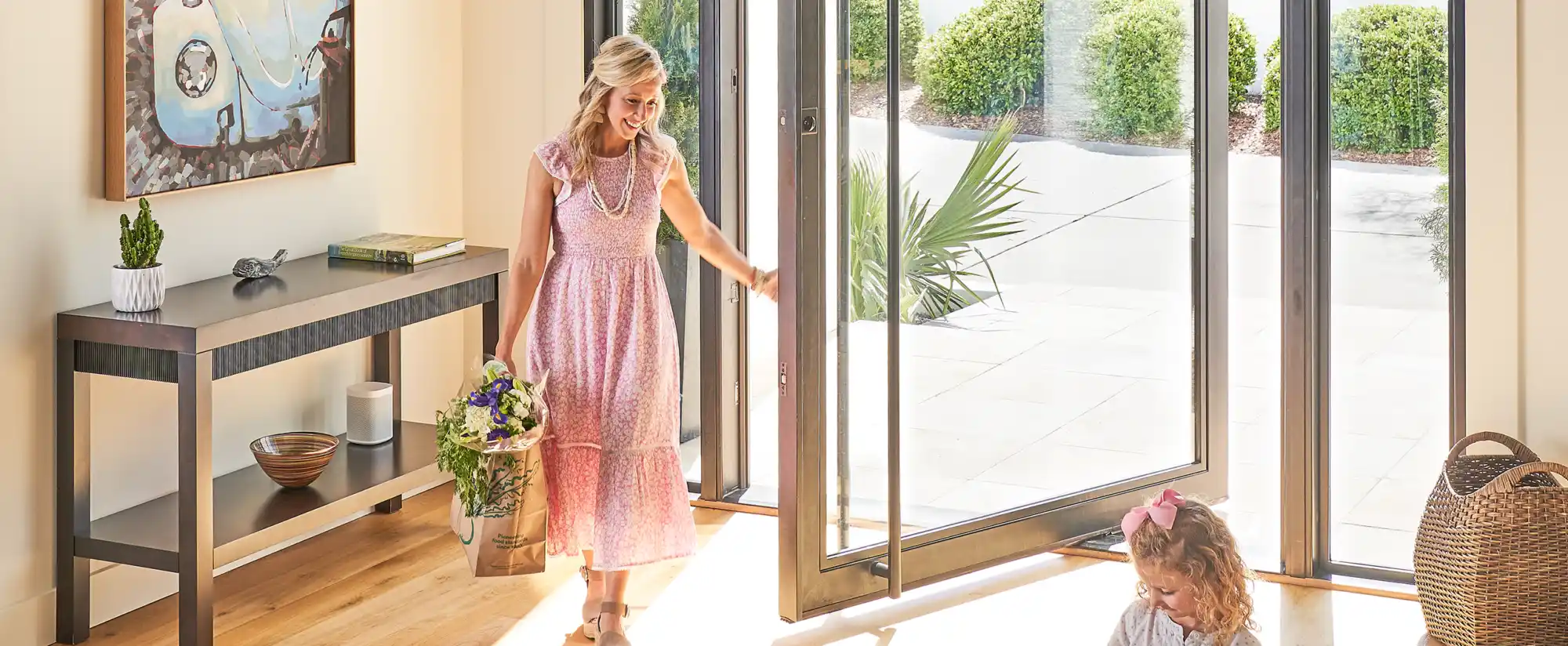
Pivot doors offer a smooth, elegant glide. Many systems include adjustable speed and soft-close settings, making them feel high-tech and effortless.
Cost Comparison
Hinged doors are more budget-friendly and widely available. They’re a practical choice if you’re looking to manage costs while still achieving a stylish result.
Pivot doors typically cost 30–50% more, especially when custom sizes or high-end materials are involved. Installation is also more specialized, adding to the price.
Where Each Door Works Best

Pivot doors shine in spaces where you want to make a statement. They’re ideal for:
Grand entrances in luxury or modern homes
High-end showrooms and design-forward offices
Open-plan interiors as bold room dividers
Hinged doors are versatile and practical, making them perfect for:
Bedrooms, bathrooms, and kitchens
Small homes or tight entryways
Front doors in exposed areas that need weather protection
Quick Decision Checklist

Still deciding between a pivot or hinged door? Ask yourself:
What’s your space size?
Tight hallway or standard entry? Go hinged. Large, open space? Pivot might shine.Do you need high insulation?
Hinged doors are better sealed — ideal for cold, windy, or hot climates.What’s your home’s style?
Modern or minimalist? Pivot adds drama. Classic or cozy? Hinged fits right in.Is weather exposure a concern?
Hinged doors handle rain, wind, and drafts better. Pivot doors need protection like a porch or overhang.
Ready to Find the Perfect Door?

Whether you’re leaning toward a bold pivot door or a timeless hinged style, we’re here to help you make the right choice.
Contact us today to get expert guidance, explore our full catalog, or request a custom quote. Let’s turn your vision into the perfect entrance.