









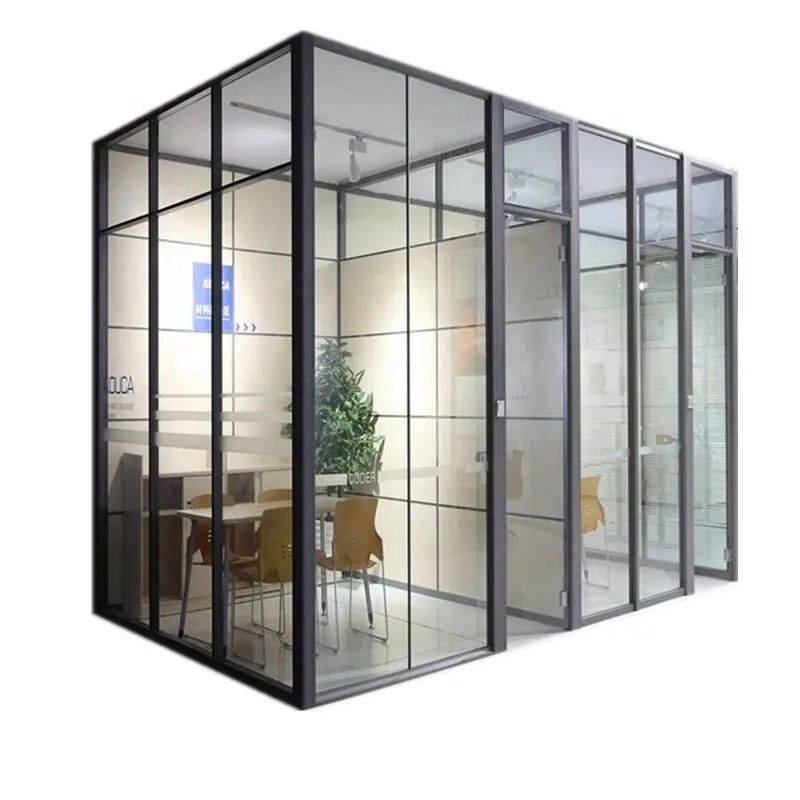


When it comes to window replacements, choosing the right style is more than just a matter of aesthetics. The type of window you select will affect everything from your home’s energy efficiency to how much maintenance it needs. Two of the most popular choices for homeowners are sliding windows and double-hung windows.

You might be wondering: Which one is right for my home? Whether you’re updating the look of your space, improving ventilation, or even just replacing old, worn-out windows, it’s important to understand how each style works and what it offers.
What are Sliding Windows

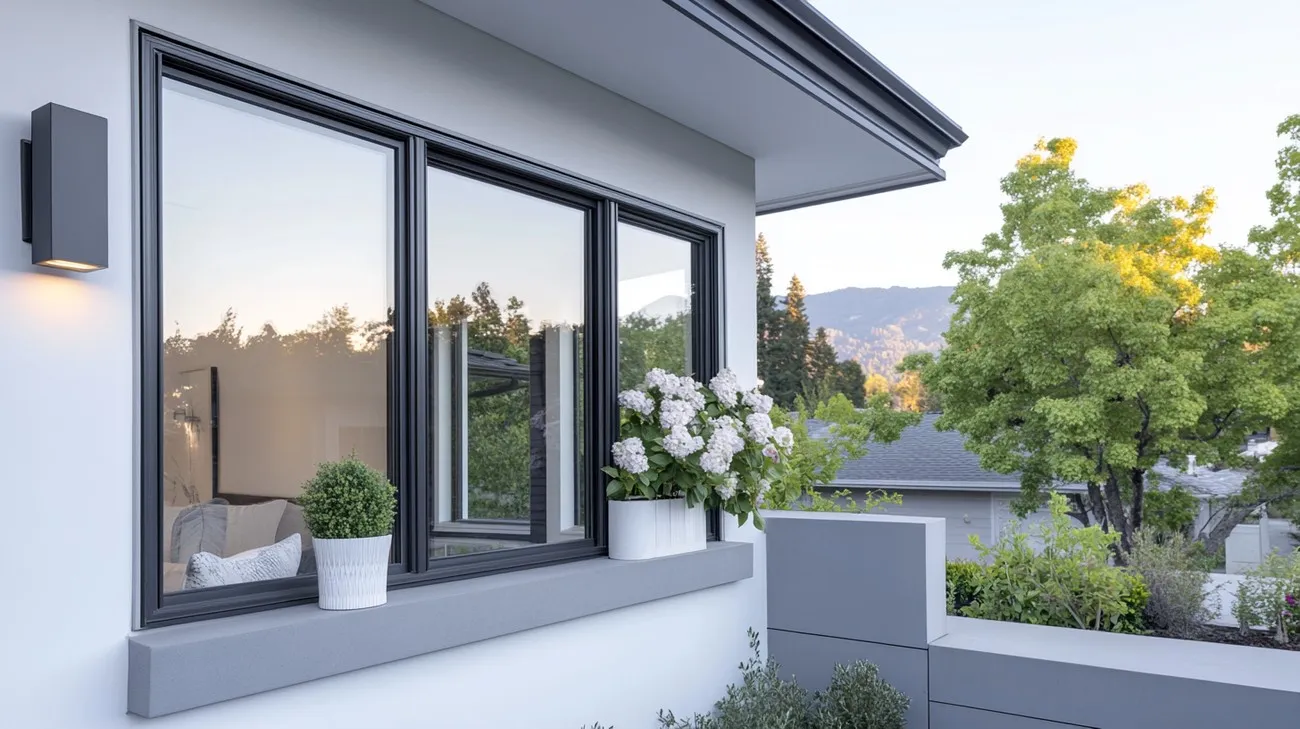
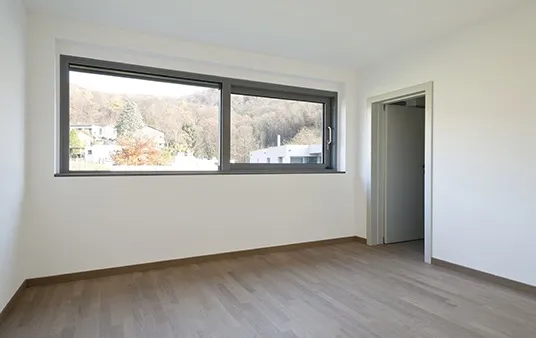
Sliding windows are a popular and practical choice for many homeowners due to their simple operation and sleek design. These windows move horizontally along a track, allowing one or more sashes to slide open. The movement is smooth and effortless, making them ideal for spaces where you want a wider window that provides easy access to fresh air and natural light.
Unlike vertical windows, sliding windows use a horizontal sliding mechanism, which means they don’t need to swing open, making them perfect for rooms with limited space or narrow openings.
Popular Configurations
- Single Slider: This configuration features one operable sash that slides open and closed, while the other sash remains fixed. Single sliders are great for smaller openings or areas where you need just a single window that opens easily.
- Double Slider: A double slider has two operable sashes, both of which slide horizontally. This setup offers better airflow and is ideal for larger openings where you want maximum ventilation.
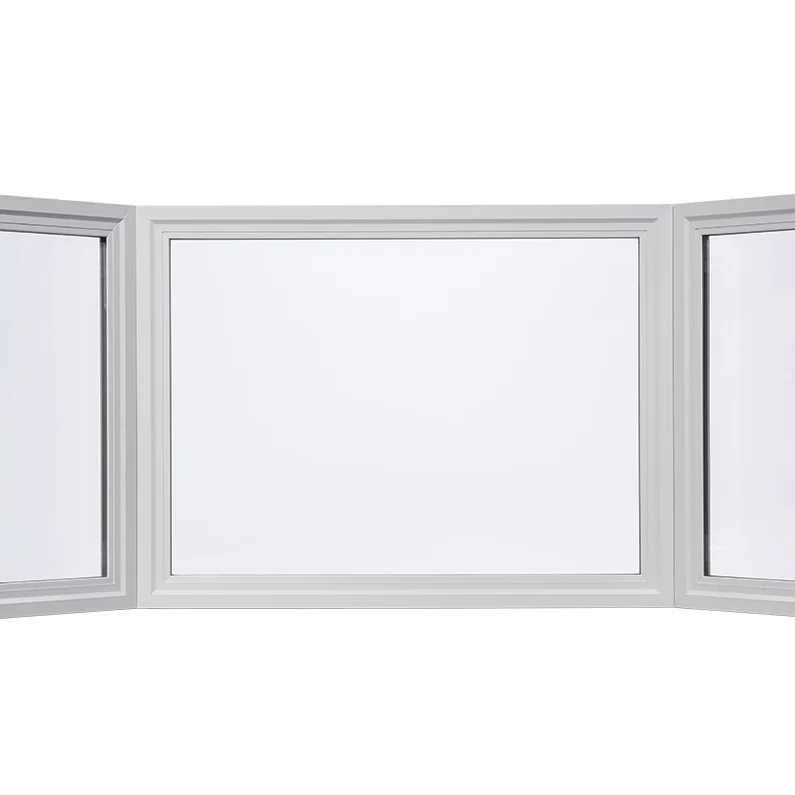
- Triple Slider: Triple slider windows consist of three sashes: two operable and one fixed in the middle. This configuration allows for even more ventilation and can be perfect for wide spaces where you want an unobstructed view and increased airflow.
Pros and Cons
What is Double-Hung Windows

Double-hung windows are a classic and versatile choice for many homes. These windows feature two movable sashes within the frame, allowing both the top and bottom sections to open independently. This vertical sliding mechanism offers excellent ventilation control, as you can open either or both sashes to allow fresh air to circulate.
Double-hung windows are widely recognized for their timeless design and practical functionality, making them a popular option for traditional and modern homes alike.
Pros and Cons
Compare Sliding vs Double-hung Windows
1. Energy Efficiency Comparison
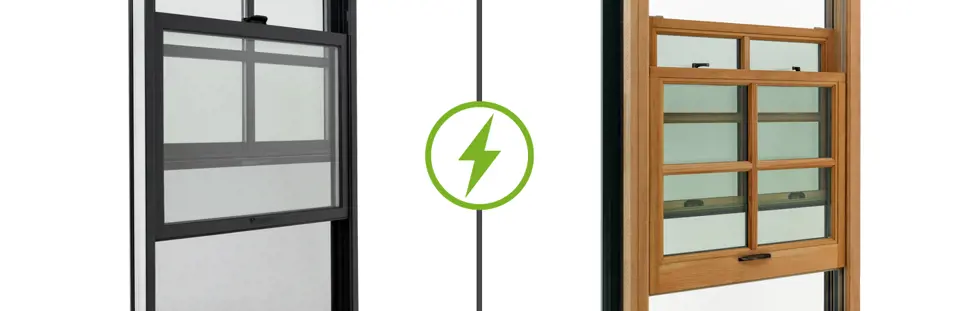
Sliding windows are more energy-efficient due to their fewer moving parts and tight horizontal seal. This design helps prevent drafts, offering better insulation and reducing air leakage, making them ideal for energy-conscious homeowners.
Double-hung windows may have more air leakage due to multiple moving parts. However, modern models with upgraded seals and weatherstripping improve their energy efficiency, making them a good choice when properly maintained.
2. Durability Comparison
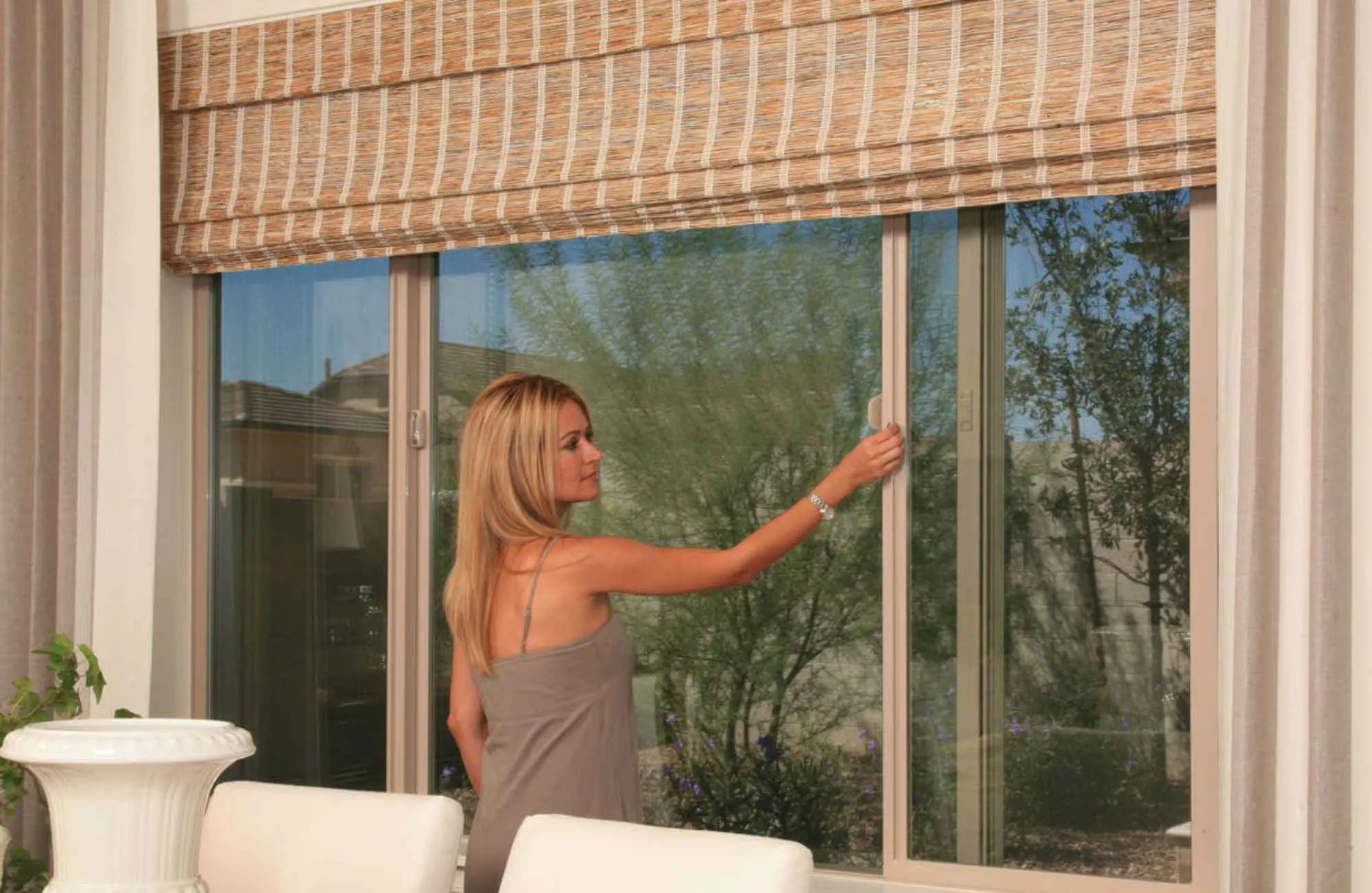
Sliding windows are typically more durable due to fewer moving parts, leading to less wear and tear. However, over time, they may develop rattling or loose frames, especially in windy conditions.
Double-hung windows are more prone to wear from their multiple moving parts, such as the sashes and tracks. Despite this, they offer excellent insulation, which contributes to their long-term durability when well-maintained.
3. Maintenance Comparison
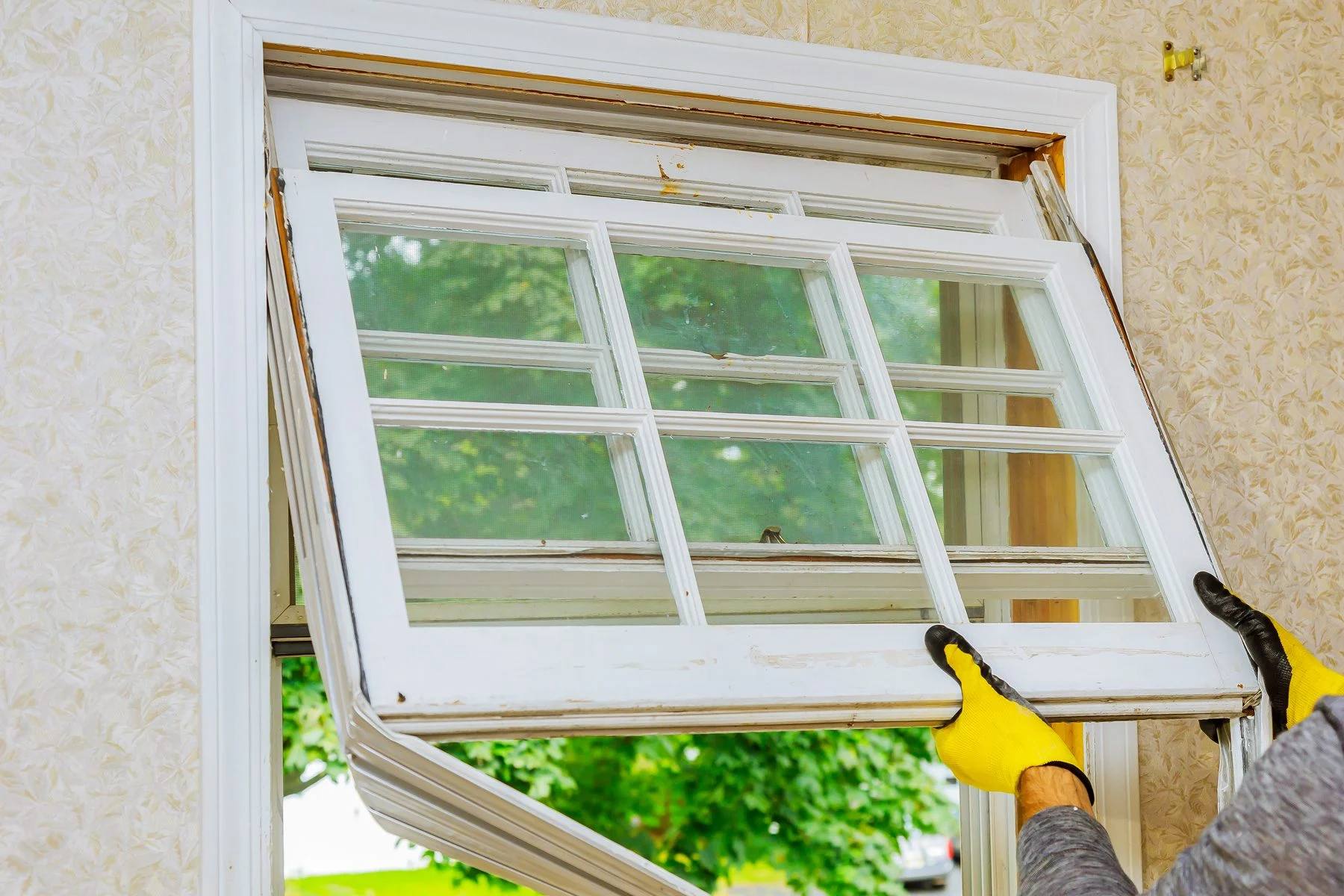
While sliding windows are easy to operate, they can be harder to clean thoroughly, especially on the outside. Dirt can accumulate in the tracks, requiring periodic cleaning to ensure smooth movement.
Double-hung windows are easier to clean due to their tilt-in design, allowing access to both sides of the glass. However, they require more regular maintenance to keep the moving parts, like tracks and weatherstripping, functioning smoothly.