












Choosing the right door might seem simple—until you’re standing there wondering, “Sliding or swing?” Both have their perks, but which one truly fits your space, your style, and your everyday needs?

Whether you’re upgrading your patio, remodeling your home, or designing a new space from scratch, doors do more than just open and close. They affect how much room you have, how your home looks, how secure you feel, and even how much you spend on energy bills.
In this guide, we’ll walk you through the key differences between sliding doors and swing doors, helping you make a smart, confident choice that matches your layout, taste, and budget.
What Are Sliding and Swing Doors?

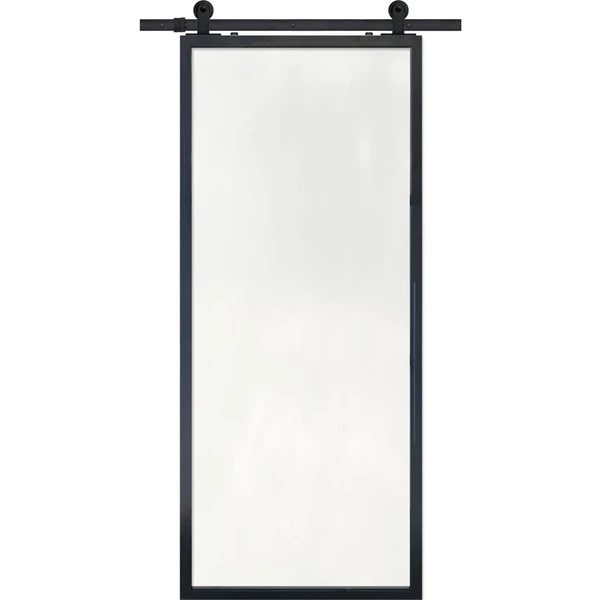
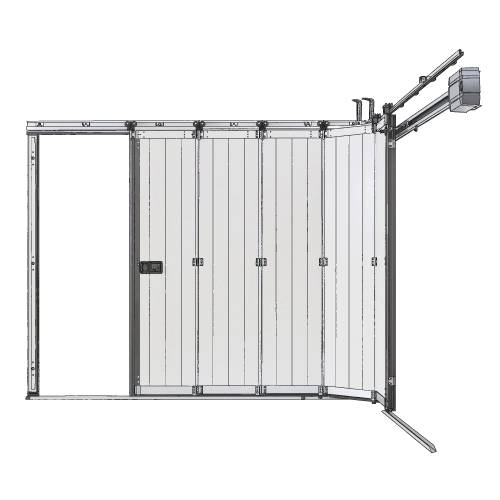
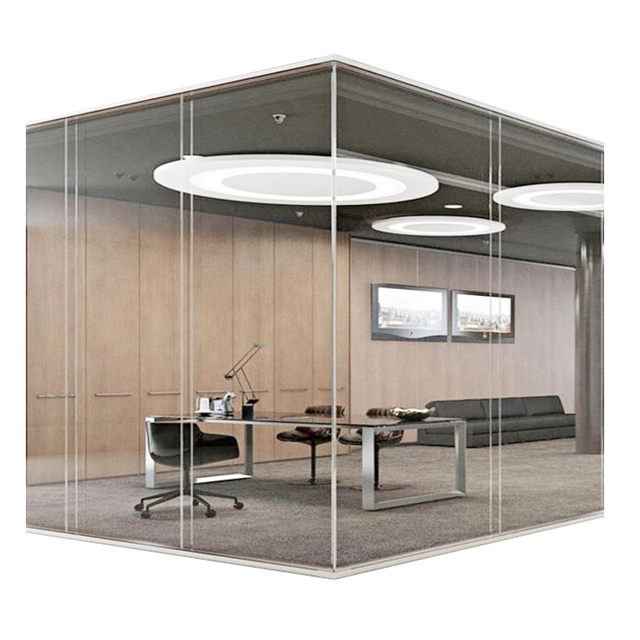
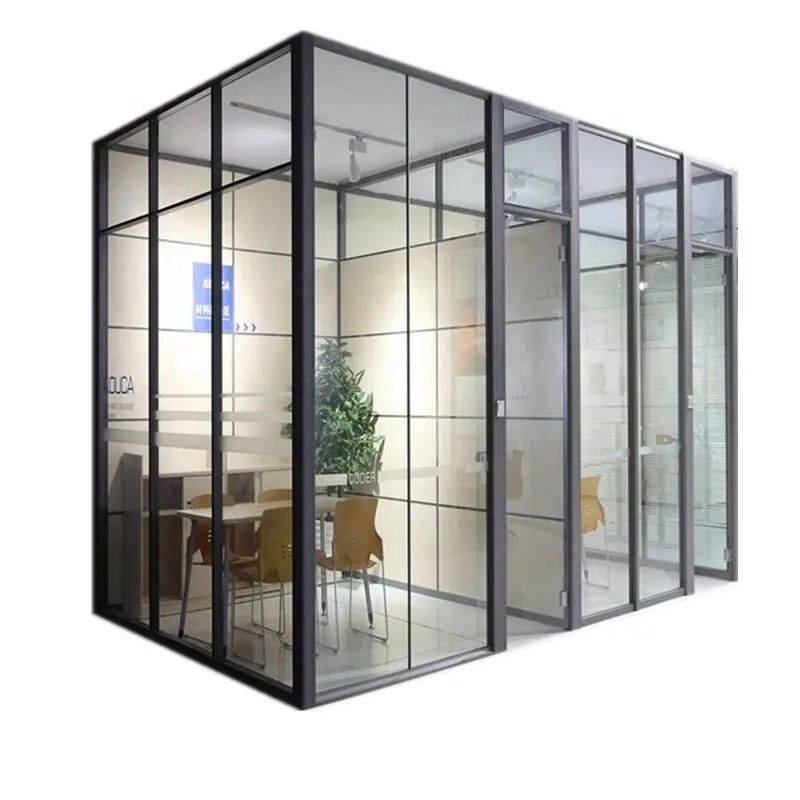
Sliding doors move horizontally along a track. One panel usually stays fixed while the other glides open and closed. They’re smooth, space-saving, and often made of large glass panels that bring in natural light. You’ll commonly find sliding doors in patios, closets, room dividers, and even modern office spaces.
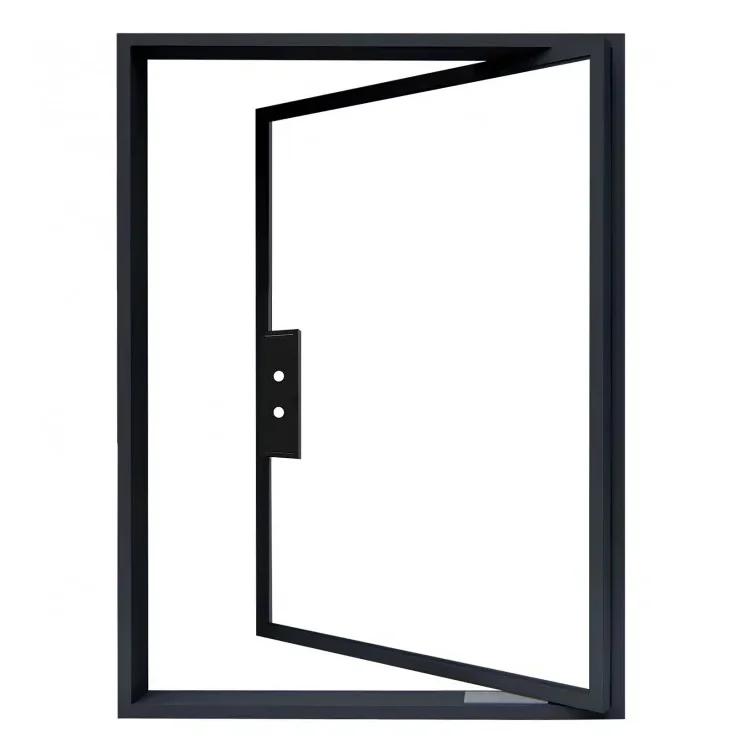
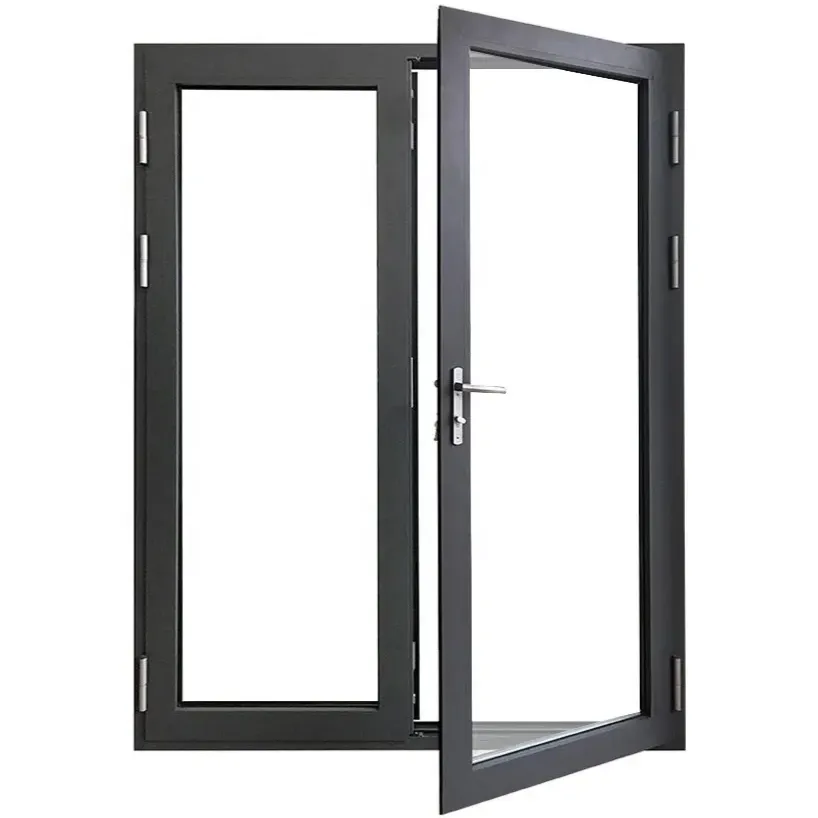
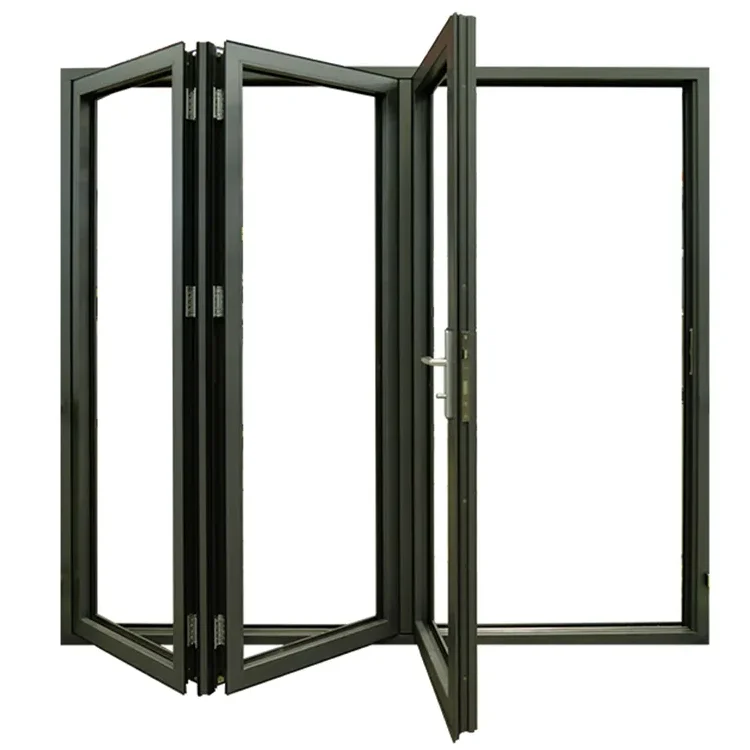
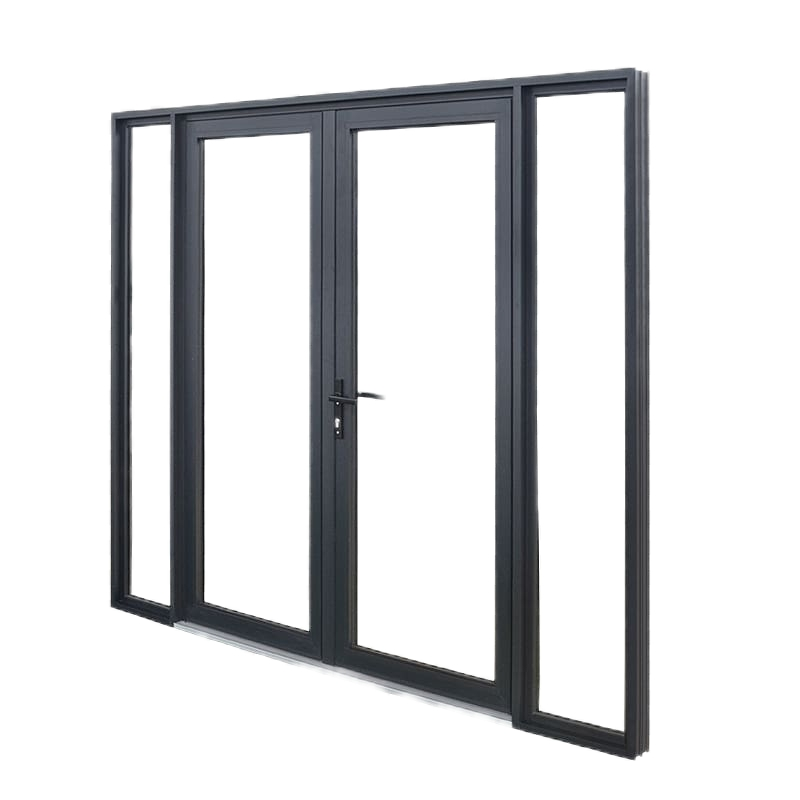
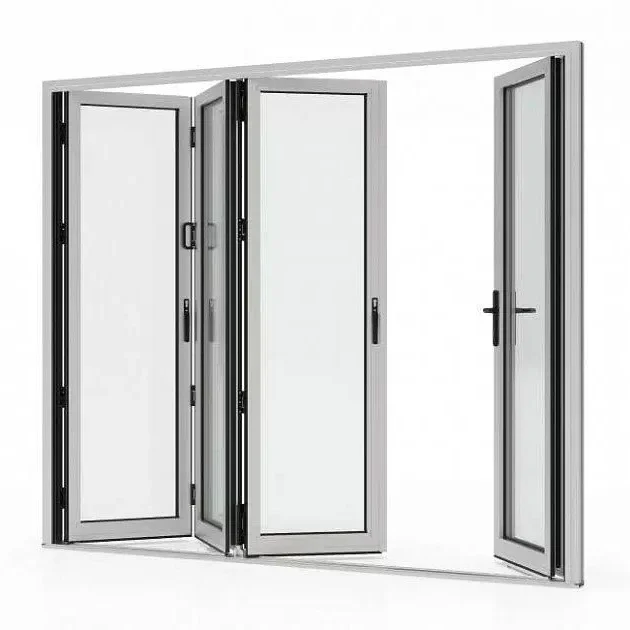
Swing doors, on the other hand, open on hinges and swing either inward, outward, or both. They can be single or double doors and are what most people think of as “standard” doors. You’ll see them everywhere—from front entryways and kitchens to bathrooms, bedrooms, and commercial buildings.
In terms of style, sliding doors lean modern. They’re sleek, minimal, and perfect for contemporary interiors. Swing doors carry a more traditional charm, often used in classic or luxurious designs. But these lines can blur—today’s manufacturers offer creative takes on both, so you’re sure to find a door that fits your look.
Space Efficiency: How Much Room Do You Have?

Sliding doors are a smart choice when space is tight. Since they move sideways along a track, they don’t need any extra room to open or close. That makes them perfect for small bedrooms, closets, tight hallways, or compact patios. You can place furniture nearby without worrying about blocking the door.
Swing doors, however, need space to open either inward or outward. That means you’ll have to keep the area around the door clear. In smaller rooms or narrow entryways, this can be a challenge. But if you’ve got the space, swing doors work beautifully and offer a classic feel.
So, if you’re trying to save space or design a more open layout, sliding doors are usually the winner. But in areas where space isn’t an issue—and you prefer a traditional look—swing doors still shine.
Aesthetics and Design Compatibility

Sliding doors have a sleek, minimalist appearance that fits perfectly with modern or contemporary homes. They usually feature clean lines, narrow frames, and large glass panels that let in plenty of light. If you’re aiming for a spacious, airy vibe, sliding doors are a great match.
Swing doors, by contrast, are known for their classic and decorative appeal. They’re a favorite in traditional, rustic, or luxurious interiors. With raised panels, curved edges, and elegant hardware, swing doors can become a stylish focal point in any room.
Both types offer lots of customization options. You can choose from wood, metal, glass, or composite materials; pick your favorite colors; and explore different panel configurations—from solid to multi-paneled designs.
Design tip: Want a mix of both worlds? Look into French-style sliding doors. They offer the traditional charm of French doors with the space-saving function of a sliding system—a clever way to blend timeless design with modern convenience.
Ease of Use and Accessibility

Sliding doors are especially helpful for people with limited mobility or disabilities. Since they glide smoothly along a track, there’s no need to push or pull. Just a gentle slide—and you’re through. Many homeowners also love how sliding doors don’t get in the way, making it easier to move between spaces.
You can even take it a step further with automated sliding doors, a popular option in both residential and commercial spaces. With motion sensors or smart home controls, they open hands-free—ideal for busy kitchens, entryways, or offices with high foot traffic.
Swing doors, on the other hand, are also user-friendly. They can be opened with just one hand, which comes in handy when you’re carrying groceries, laundry, or a sleepy toddler. For everyday tasks, they feel familiar and reliable.
Ventilation and Natural Light

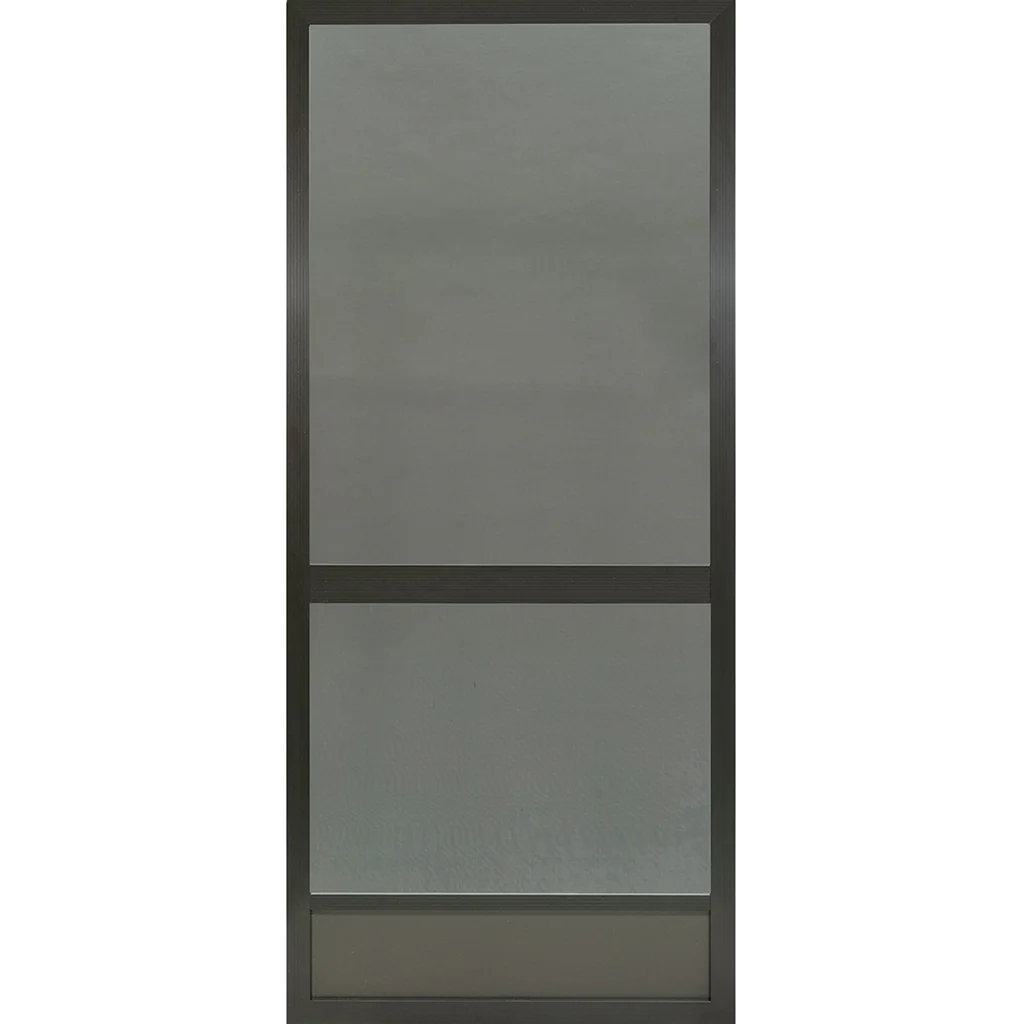
Sliding doors usually have one fixed panel and one that slides open, which means you’ll get partial ventilation. The good news? Most come with built-in screens, so you can leave them open without worrying about bugs or debris. They also let in tons of natural light thanks to their large glass surfaces, making any room feel brighter and more open.
Swing doors, especially double swing or French-style doors, can open fully, allowing for maximum airflow. On a nice day, this can really help freshen up your space. However, swing doors don’t always come with screens, or the screen options may be limited. That means you’ll need to consider pest control if you plan to leave them open often.
In terms of openness and daylight, both door types have their perks—but sliding doors tend to win when it comes to continuous light and screened ventilation.
Security and Privacy

Sliding doors can be very secure, especially when built with tempered glass, locking bars, and reinforced frames. While they have more glass area, modern sliding doors often include multi-lock systems or optional deadbolts for added protection. Still, their large glass panels might feel a bit more exposed in terms of privacy—though that can be fixed with frosted glass or curtains.
Swing doors offer a naturally stronger structure, with thicker frames and more solid materials. They’re often easier to equip with multi-point locking systems, which secure the door at the top, middle, and bottom. This makes swing doors a favorite for front entries or rooms where privacy and safety are a top priority.
If you have small children or pets, both doors can be safe—but swing doors tend to feel more solid and less prone to accidental movement. For example, a gust of wind might slide a poorly latched door open, but a swing door with a latch or stopper is more likely to stay put.
Energy Efficiency and Insulation

Sliding doors often come with double or triple-pane glass, which helps with energy efficiency by keeping heat in during winter and out during summer. These insulated glass panels can also reduce noise from outside. However, over time, the seals around the glass and tracks may wear down, which can lead to air leaks and reduced insulation if not properly maintained.
Swing doors, on the other hand, tend to offer better insulation by default. Their solid construction and tight frame contact create a strong seal that helps block drafts, trap heat, and reduce outside noise. They’re especially effective if you choose solid wood or insulated core designs.
When it comes to sound insulation, swing doors generally do a better job. Their tighter seals and thicker frames help reduce the transfer of noise between rooms or from outside.
Maintenance and Durability

Sliding doors have a few parts that need regular attention—mainly the tracks and seals. Dirt and debris can build up in the track, making the door harder to slide or even causing it to jam. The seals around the glass panels can also wear out over time, which may affect insulation and energy efficiency. A quick clean every now and then and occasional seal checks can prevent most issues.
Swing doors are pretty straightforward to maintain. The main thing to watch is the hinges—they may need lubrication every so often to keep the door opening quietly and easily. Over time, a heavily used swing door might start to sag, especially if it’s made from heavy materials or wasn’t installed properly.
In both cases, materials and build quality really matter. A high-quality door—whether sliding or swinging—will last longer, perform better, and require fewer repairs down the line.
Cost Comparison

Swing doors are usually more affordable upfront. Their design is simple, they’re made from fewer components, and installation tends to be quick and easy. For homeowners looking to keep costs low without sacrificing function, swing doors are a solid pick.
Sliding doors, on the other hand, can cost more due to the added complexity. You’re paying for tracks, rollers, and large glass panels, which are more expensive than a standard door slab. If you choose double-pane or triple-pane glass for better insulation, the price goes up—but so does the energy efficiency.
It’s also worth considering long-term costs. A high-quality sliding door might lower your energy bills but could require more maintenance over time. A swing door may need fewer repairs, but if it isn’t well-sealed, it might let in drafts and raise heating or cooling costs.
When to Use Each: Room-by-Room Guide

Not sure which door works best in different parts of your home or business? Here’s a quick breakdown to help you decide based on location and function.
Sliding doors are ideal when space is limited or when you want a smooth, modern look:
Patios and balconies – Enjoy the view and let in light without taking up floor space.
Closets and wardrobes – Maximize usable room in bedrooms or hallways.
Room dividers – Create flexible open-plan areas that can be closed off when needed.
Tight spaces – Perfect for compact apartments or small rooms where every inch counts.
Swing doors are a better fit when you need strong insulation, privacy, or traditional style:
Kitchens and bathrooms – Keeps heat, humidity, and noise under control.
Front entries – Offers a classic look and a solid, secure barrier.
Bedrooms and private offices – Great for sound reduction and visual privacy.
In commercial settings, both types have their place:
Sliding doors (especially automatic ones) work well in malls, airports, and office buildings where traffic flow matters.
Swing doors are common in restaurants, restrooms, walk-in coolers, and back-of-house areas where durability and sealing are key.
Quick Decision Guide: Which Door Fits You Best?

Conclusion

Both sliding and swing doors have their strengths—whether you’re after space-saving convenience, timeless style, better insulation, or easy access. The right choice depends on your needs, your layout, and how you want your space to feel and function.
Need help choosing the perfect door for your home or project? Whether you’re looking for expert advice, a product catalog, or a custom quote, we’re here to help. Contact us today to explore your options and find the right door solution tailored to your style and budget.