




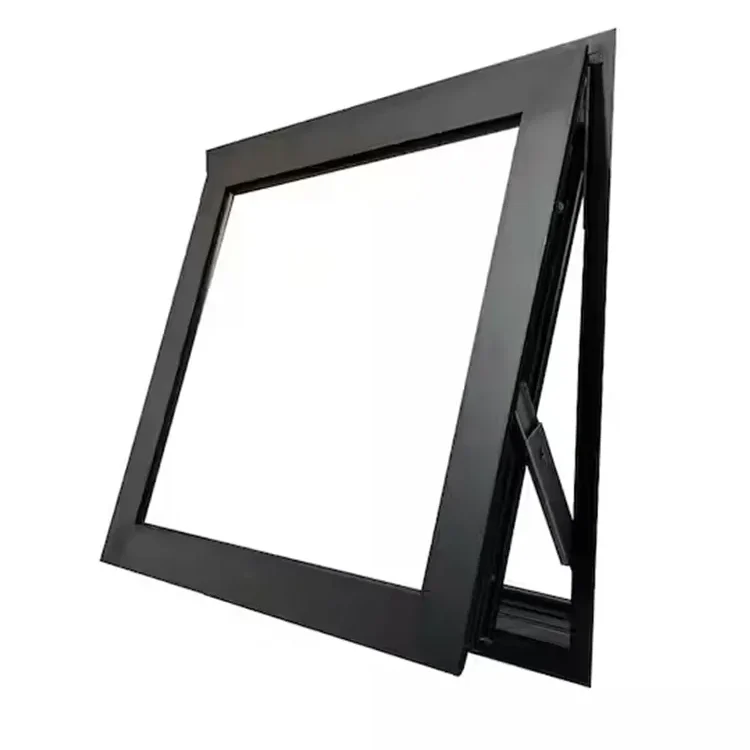

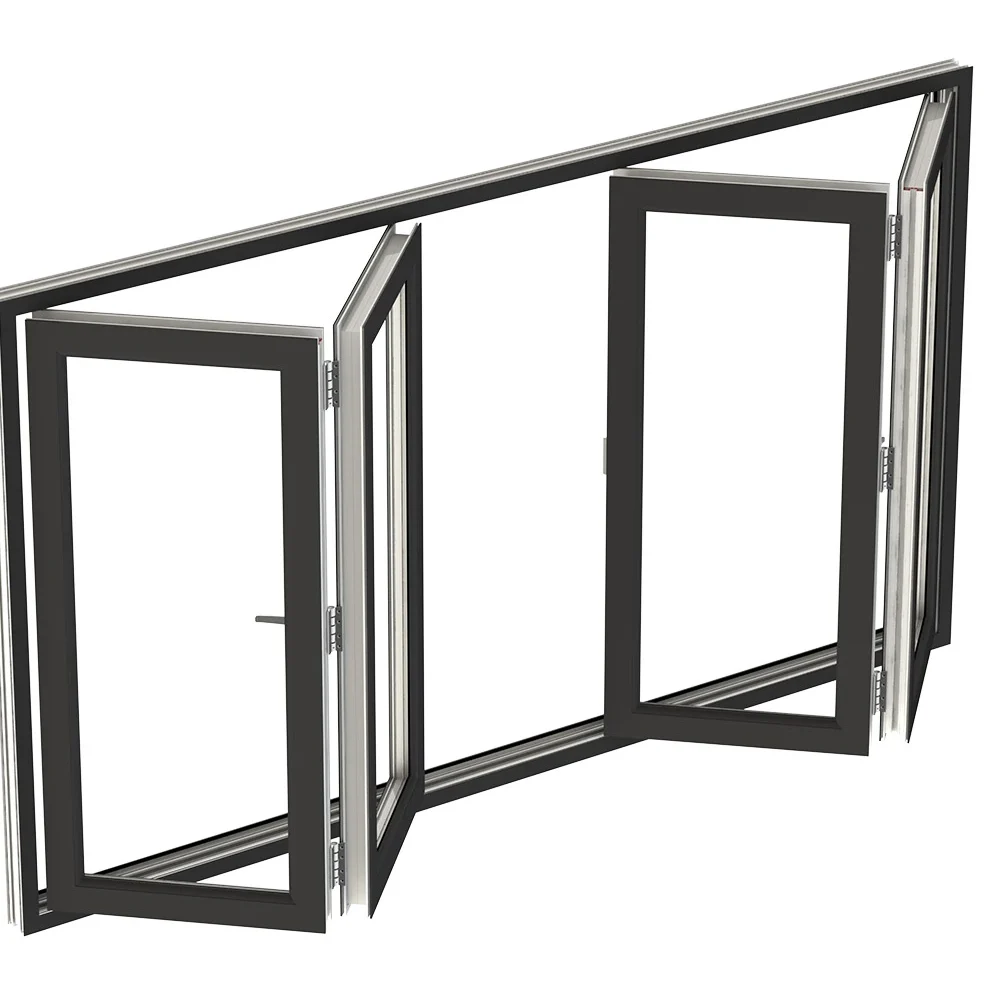

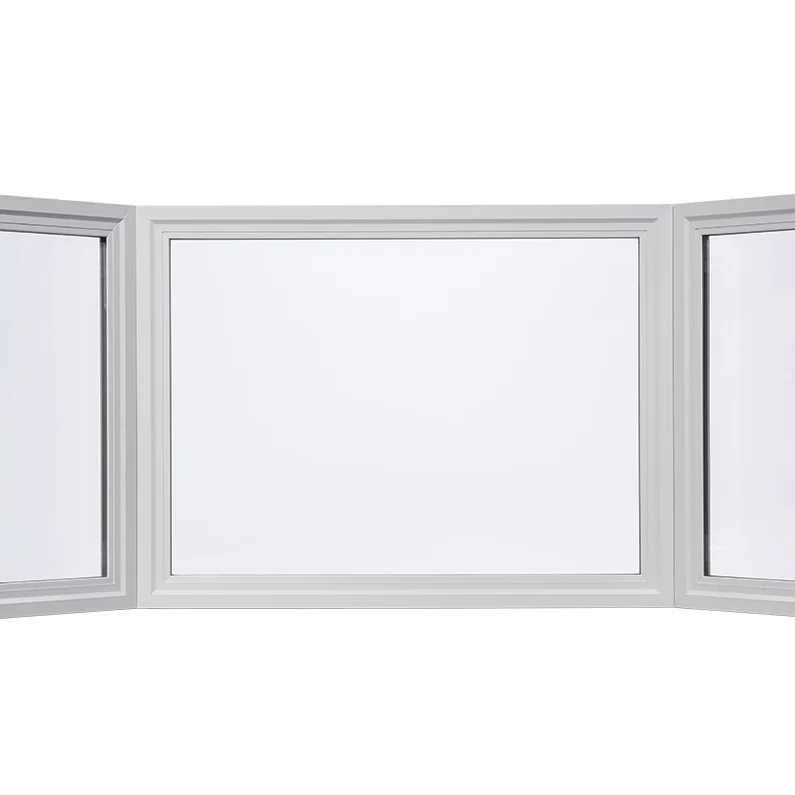






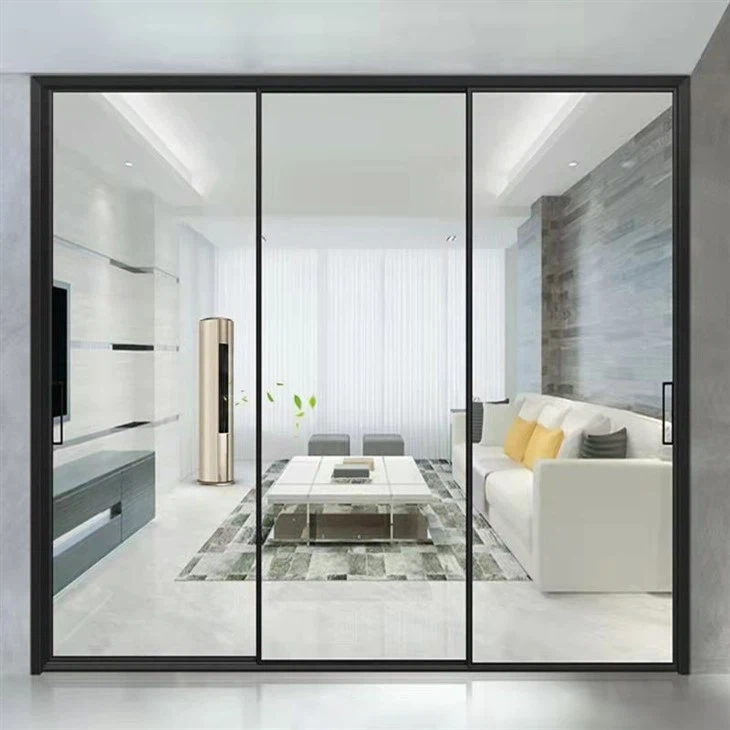
Sliding windows are one of the most popular window choices for modern homes. They move smoothly along a horizontal track, giving you plenty of fresh air and natural light without needing extra space to swing open. Because of their clean look and easy operation, they work well in bedrooms, kitchens, living rooms, and even basements.
In this guide, we’ll walk you through the 10 main sliding window types and explain how each one works. You’ll see the benefits of each style, learn how to compare them, and get tips on choosing the right type for your home. By the end, you’ll be ready to pick a sliding window that fits your space, lifestyle, and budget.
10 Types of Sliding Windows
1. Single-Slider (2-Lite XO/OX)

The single-slider is one of the most common sliding window types, featuring one operable sash and one fixed sash. It’s simple, affordable, and perfect for bedrooms, bathrooms, or small-to-medium spans where space is limited. Homeowners love it because it delivers smooth operation without taking up extra space inside or out.
2. Double-Slider (2-Lite, Both Sashes Operable)
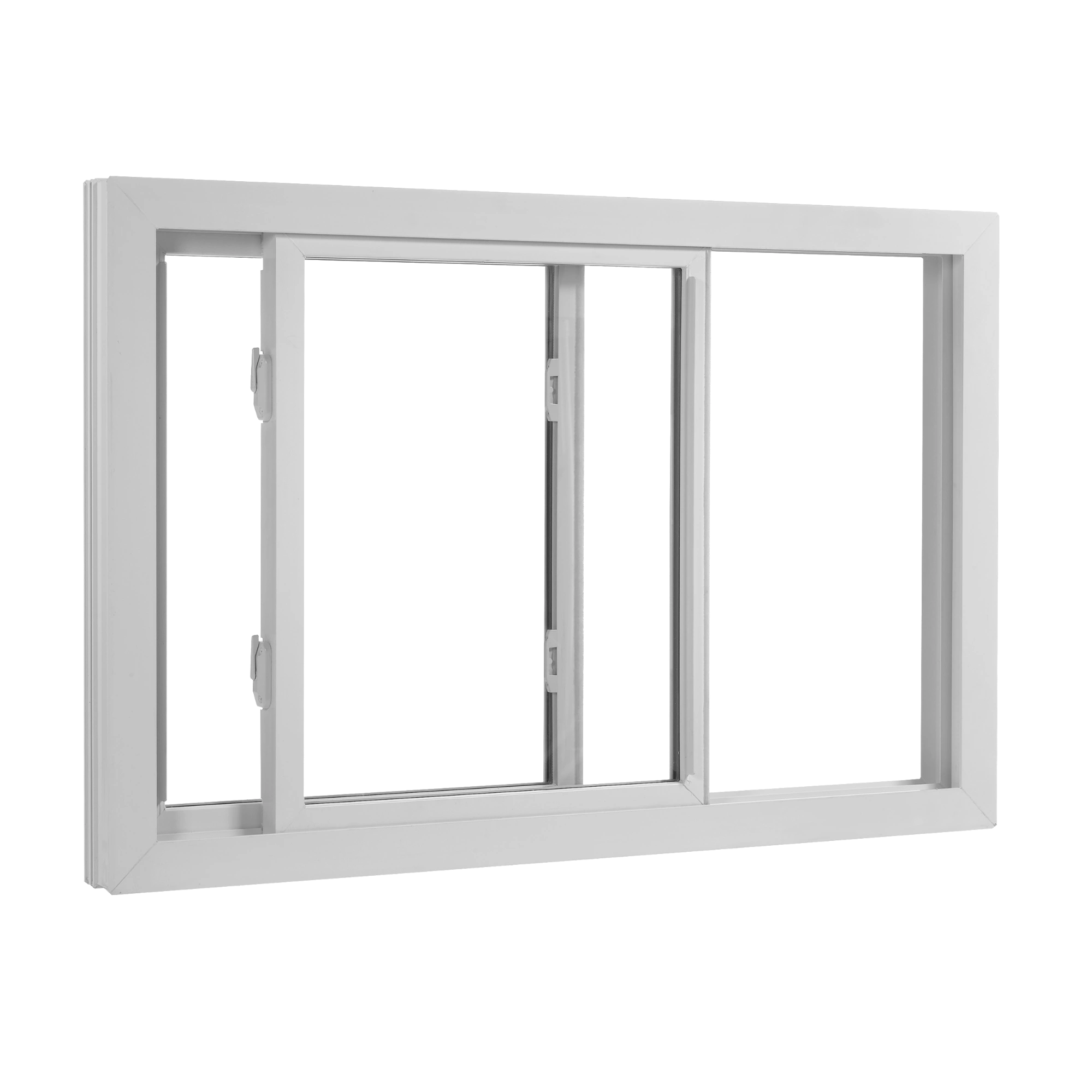
Among the most versatile sliding window types, the double-slider lets both sashes move so you can open either side for airflow. This design makes it easier to control cross-breezes and enjoy better ventilation in any season. It’s especially useful for living rooms or kitchens where flexible airflow is a must.
3. 3-Lite End-Vent Slider (OXO)
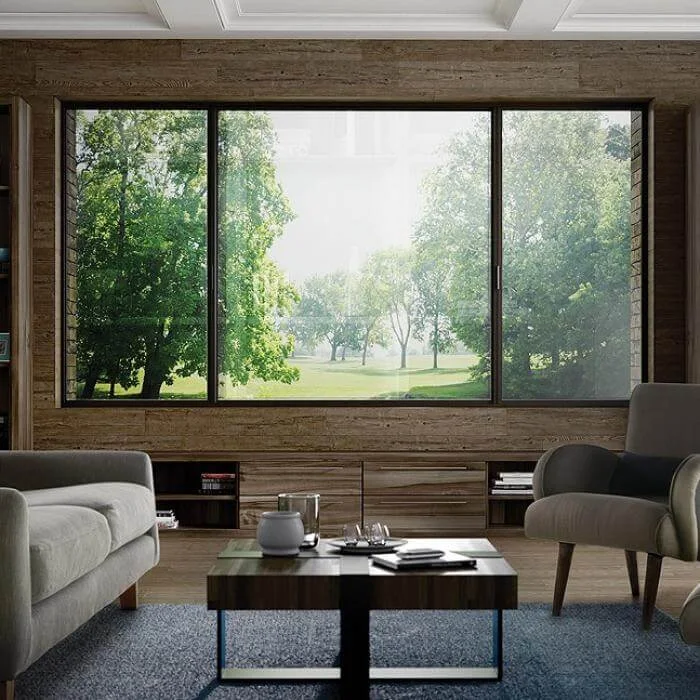
This is one of the wider sliding window types, with a large fixed center panel and two sliding end vents. It offers a panoramic view while still allowing ventilation from either side. Perfect for big living rooms or walls facing patios, it balances style with everyday practicality.
4. 3-Lite Center-Slide (XOX)
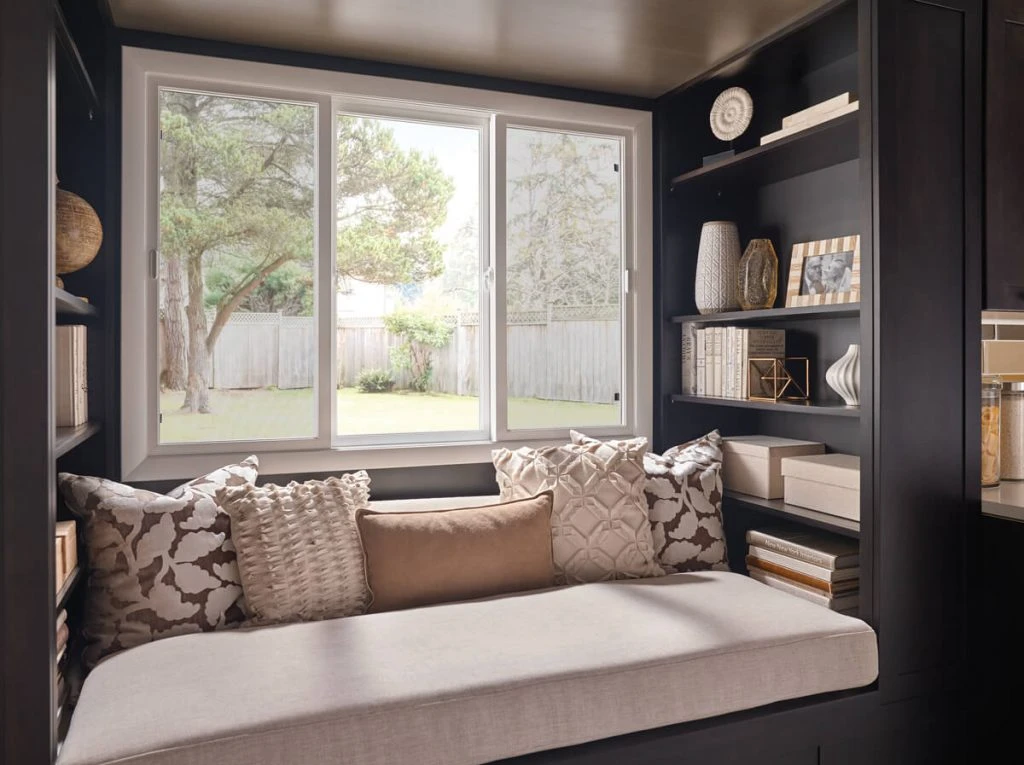
In this version of sliding window types, the center panel moves while the two ends stay fixed. It’s ideal when you want to vent directly from the center of a large wall opening without moving side panels. Many modern homes choose it for its symmetry and clean sightlines.
5. 4-Lite / Quad Slider (OXXO)

For extra-wide walls, the quad slider is one of the most impressive sliding window types. With four panels, the two center sashes slide open to meet in the middle, creating a spacious opening for air and light. This type is often chosen for large family rooms or scenic views where size matters.
6. Lift-Out-Sash Slider
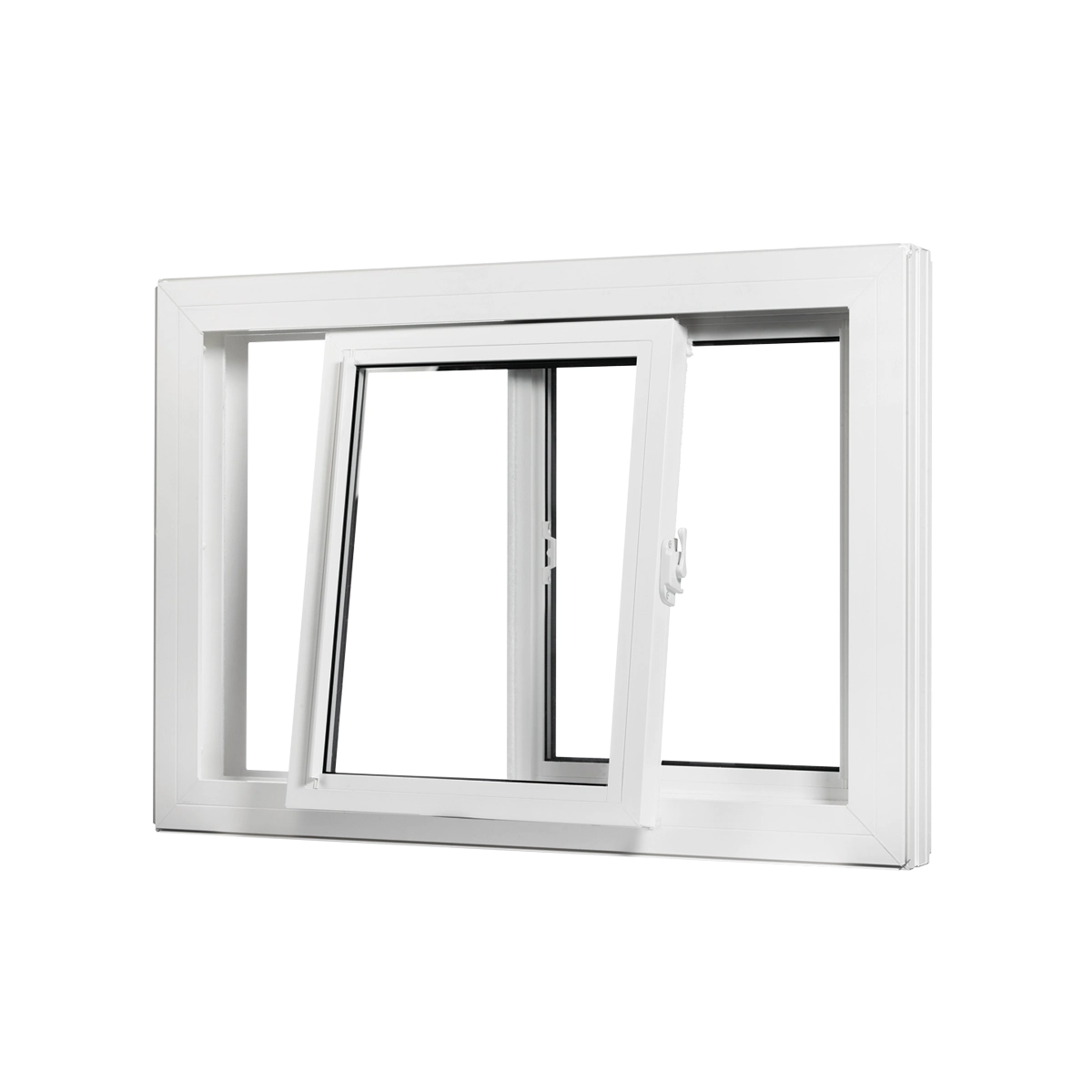
Among the most practical sliding window types, the lift-out-sash slider allows you to remove the sashes completely for fast, easy cleaning. This makes it a favorite in multi-story homes where exterior glass is hard to reach. It combines low-maintenance convenience with the smooth function of a traditional slider.
7. Tilt-In-Sash Slider
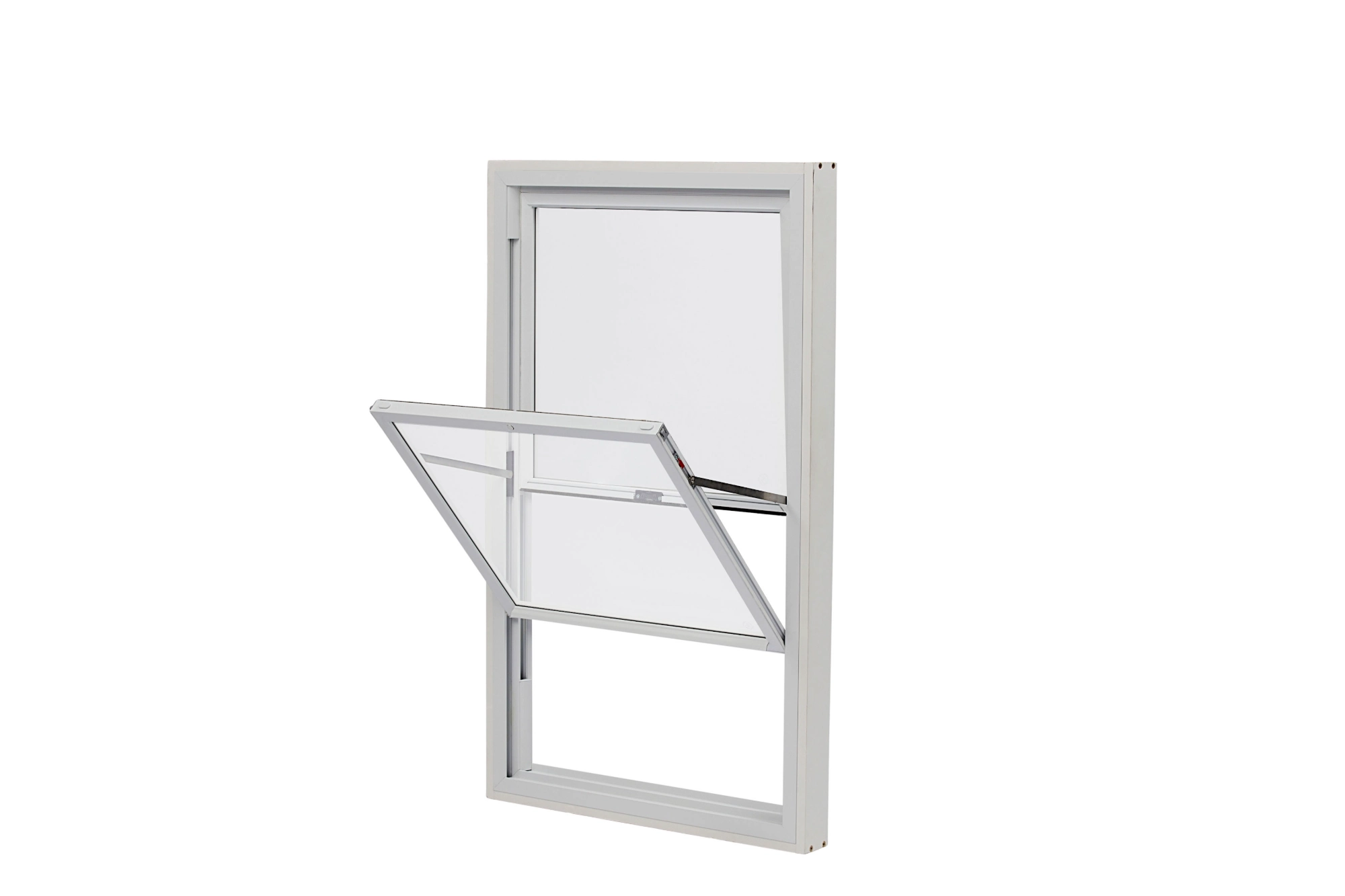
This option is one of the less common sliding window types, but it’s perfect if you want easy cleaning from inside the home. The moving sashes tilt or swing inward, giving you safe access to both sides of the glass without stepping outside. Homeowners often choose it for upper floors where ladders are impractical.
8. Egress-Ready Slider
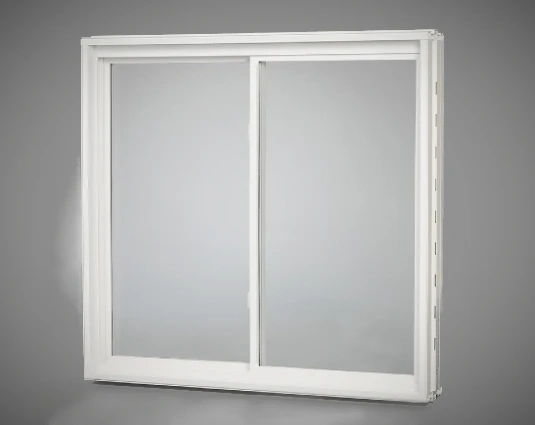
Certain sliding window types are designed to meet egress codes, which means they open wide enough to serve as a safe escape in bedrooms. These windows provide both ventilation and peace of mind, since they meet building safety standards. They’re especially important in basement bedrooms and code-compliant remodels.
9. Acoustic / High-STC Slider

For homes near highways, airports, or busy city streets, acoustic sliders are specialized sliding window types built for sound reduction. With enhanced glazing and sealed frames, they can achieve STC ratings in the 40s for quieter interiors. They combine the space-saving benefits of sliders with the comfort of noise control.
10. Service / Pass-Through Slider
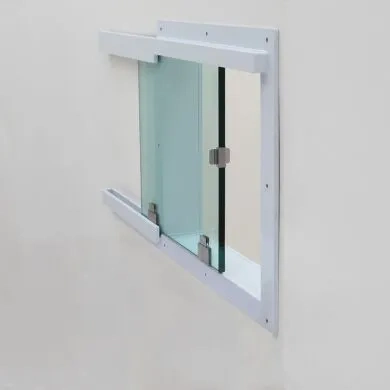
One of the most functional sliding window types is the service or pass-through style, often used in kitchens, bars, or drive-thru counters. They’re designed for quick hand-offs, smooth sliding, and compact openings that don’t interfere with interior or exterior space. These windows add both convenience and efficiency in busy environments.
Comparison of Sliding Window Types
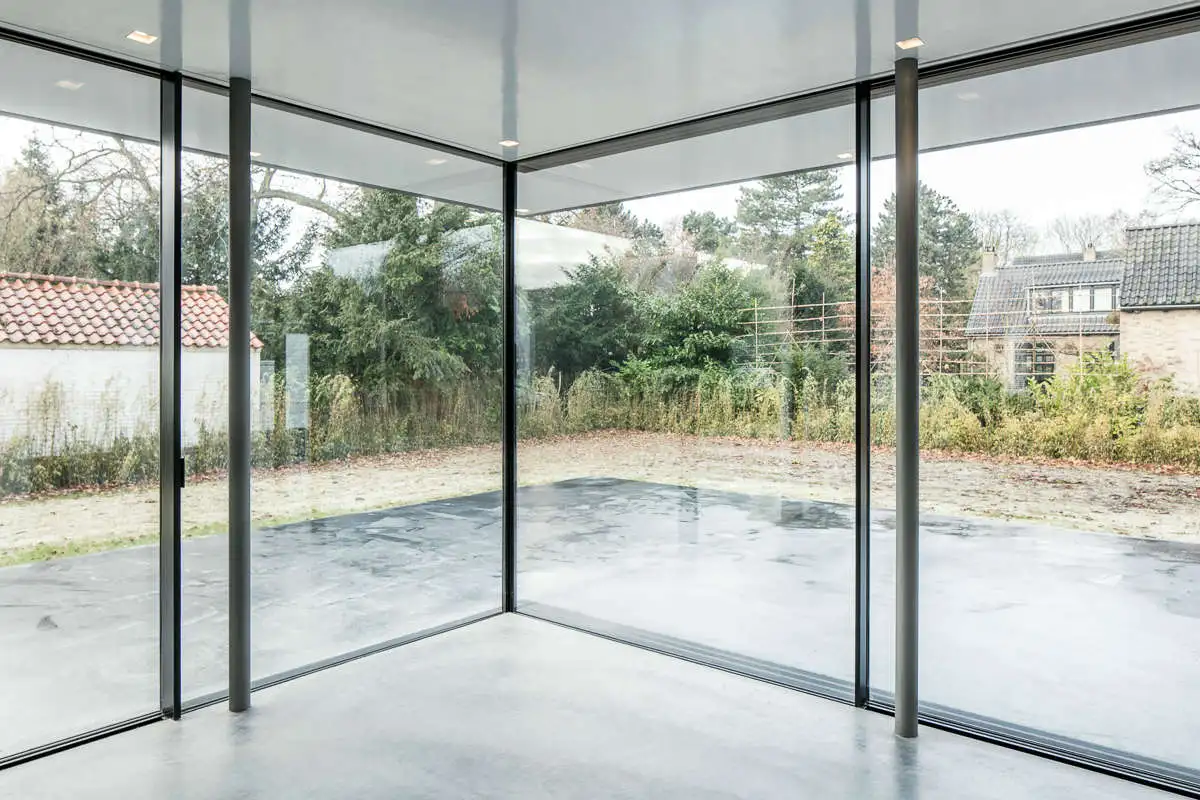
With so many sliding window types available, it helps to compare them side by side. Each type has strengths in airflow, size, cleaning ease, or special uses like sound control and egress. Thinking about where you’ll install the window is the key to choosing the right style.
Single vs. Double Slider: Single-sliders are more affordable and simple, while double-sliders give you flexible ventilation from both sides.
3-Lite vs. 4-Lite: Larger multi-panel styles work best for wide openings and scenic views.
Lift-Out & Tilt-In: Both make cleaning easier, but lift-out sashes remove fully, while tilt-in sashes swing inward.
Egress & Acoustic Sliders: Egress-ready designs meet safety codes for bedrooms, while acoustic sliders block noise in busy areas.
Service/Pass-Through: Perfect for kitchens, bars, or commercial counters, where quick hand-offs matter most.
When you compare these sliding window types, think about space, safety, and comfort. A small room may only need a single slider, while a large family room might look best with a quad slider. Specialized designs like egress or acoustic windows add extra function, making them smart for code compliance or noise reduction.
How to Choose

Selecting the right sliding window types starts with your space and lifestyle. A compact room may benefit from a single-slider, while wide openings look better with 3-lite or quad styles. Think about how much airflow you want and how easy you need cleaning to be.
To make the decision easier, focus on these points:
Room size – small spaces do well with single or tilt-in sliders, large rooms need 3-lite or 4-lite.
Ventilation needs – double-sliders offer flexible airflow, while egress sliders add safety.
Maintenance – choose lift-out or tilt-in if cleaning is a priority.
Special use – acoustic sliders reduce noise, and service sliders work best in kitchens or bars.
By weighing these factors, you’ll find the sliding window type that matches your home’s needs. The right choice balances function, comfort, and style without overcomplicating your project.
Conclusion

Sliding windows are a smart choice for modern homes, offering styles that fit any space, from compact single-sliders to wide 4-lite designs. By understanding the different sliding window types, you can pick the one that brings comfort, style, and function to your home.
If you’re ready to upgrade, our team is here to help. We’ll guide you in choosing the right sliding window products and provide expert support from selection to installation. Contact us today to explore the best options for your project.
FAQs
Are sliding windows energy-efficient?
Yes, sliding windows can be energy-efficient if they are built with quality frames and Low-E glass. However, casement windows usually seal tighter because of their compression locks. Choosing double or triple-pane glazing helps improve efficiency.
How long do sliding windows typically last?
Most sliding windows last 20–30 years with proper care. Vinyl and fiberglass frames resist weathering better, while wood requires more maintenance but can also last decades. Regular cleaning and lubrication keep tracks working smoothly.
Can sliding windows be customized in size and style?
Yes, sliding windows are available in custom sizes, frame colors, and glass options. Many manufacturers offer grids, finishes, and upgraded hardware to match your home’s design. Wide openings can even be fitted with 3-lite or 4-lite sliders.
Do sliding windows provide good security?
Modern sliding windows are designed with strong frames, locking latches, and optional reinforced glass. Adding secondary locks or security bars can increase protection. Proper installation is also key to making them secure.
What rooms are best for sliding windows?
Sliding windows work well in living rooms, kitchens, bedrooms, and basements. They are especially practical along patios, walkways, or anywhere an outward-swinging sash would get in the way. Wide wall openings benefit most from multi-panel sliders.