












Common Standard Window Sizes by Type

Different window styles follow slightly different dimension ranges due to how they open, function, and how manufacturers design frames and hardware systems.
Below are the most common standard sizes used for each window type.
| Window Type | Standard Width (in.) | Standard Height (in.) | Notes / Best For |
|---|---|---|---|
| Double-Hung / Single-Hung | 24 – 48 | 36 – 72 | Versatile, easy cleaning, good ventilation for most rooms. |
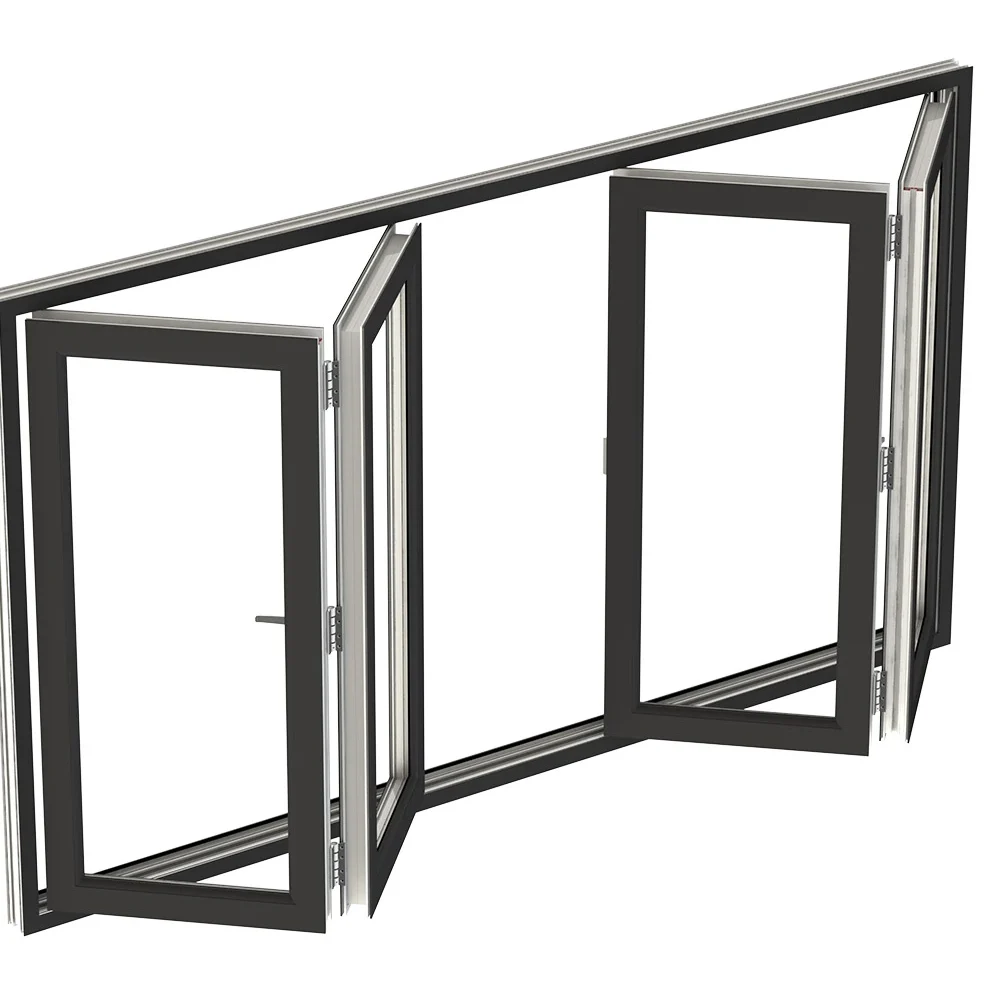
| Sliding | 36 – 84 | 24 – 60 | Great for horizontal openings and tight spaces; simple, modern look. |
| Casement | 16 – 48 | 24 – 84 | Excellent ventilation; popular in kitchens and bathrooms. |
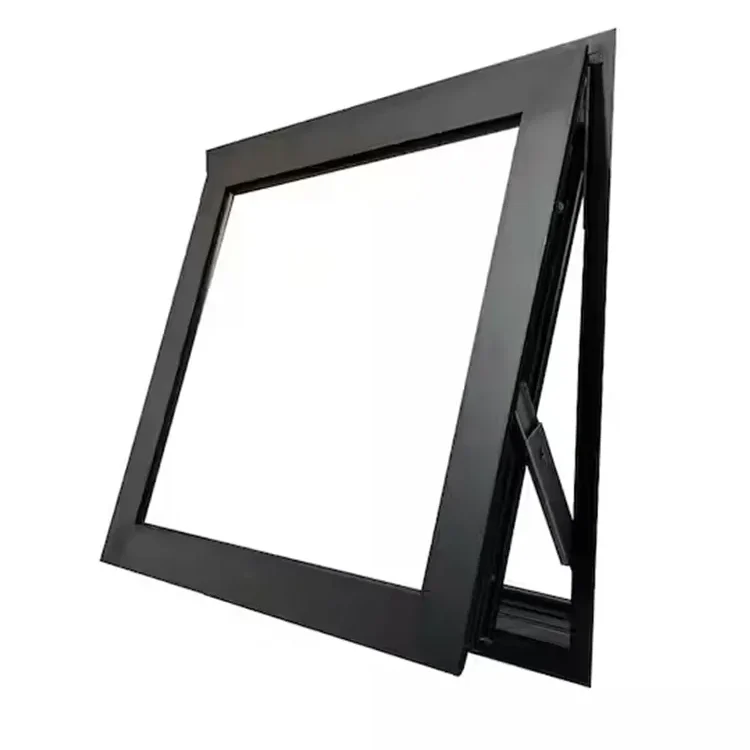
| Awning | 16 – 48 | 24 – 84 | Opens outward from bottom; ventilates even in light rain; privacy friendly. |
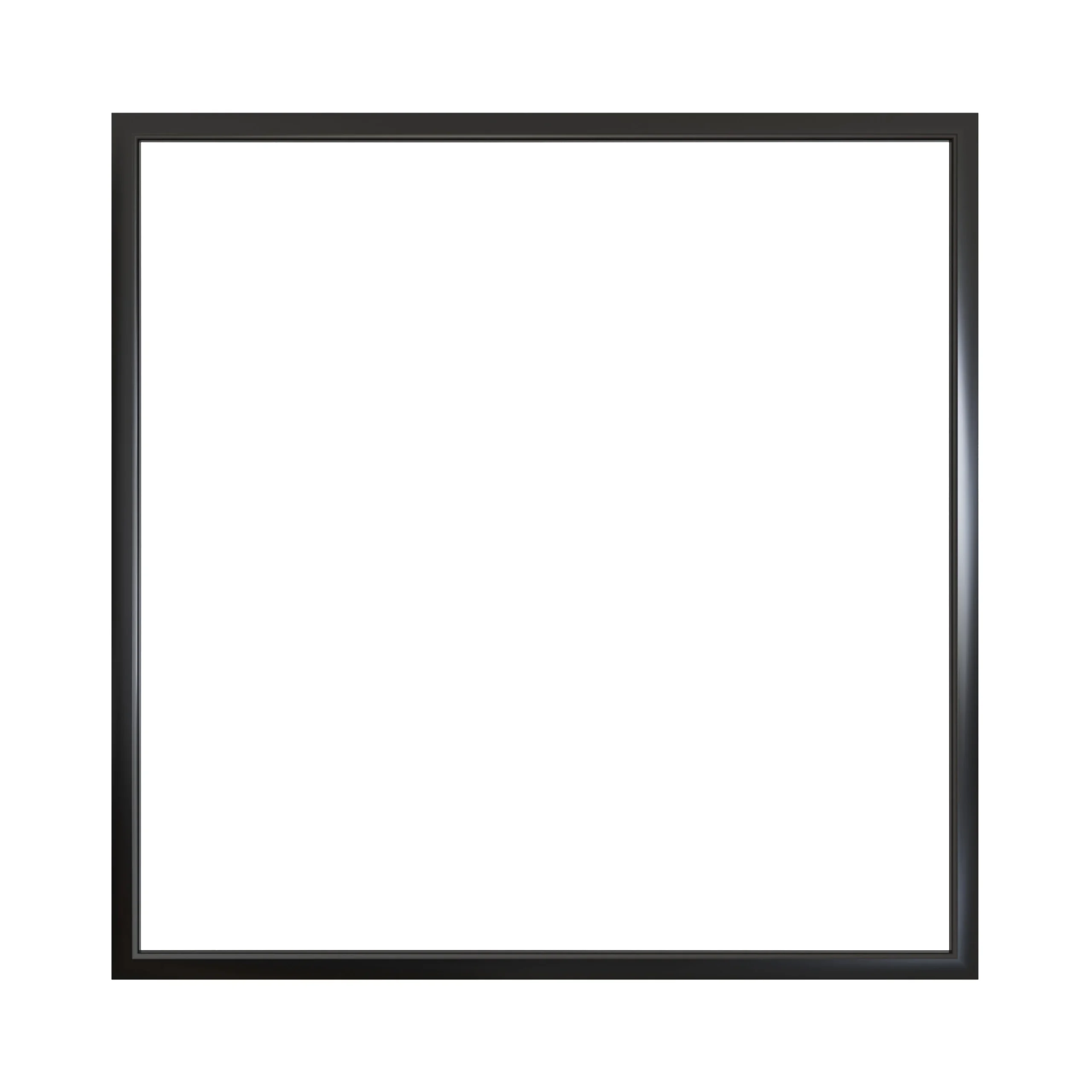
| Picture (Fixed) | 24 – 96 | 12 – 96 | Non-operable; maximizes daylight and unobstructed views. |
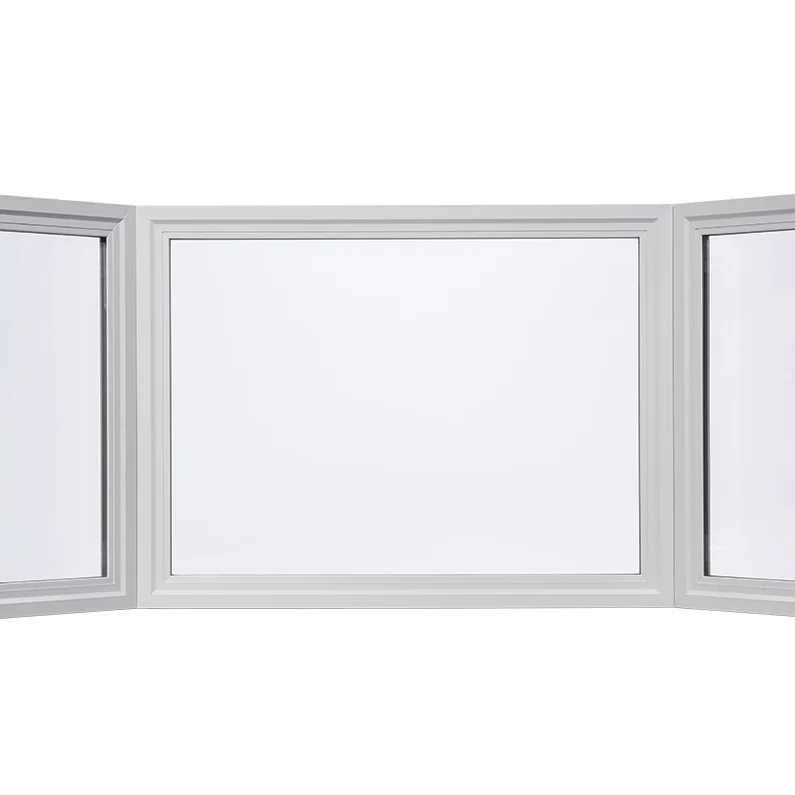
| Bay & Bow | 42″ – 126″ (3′6″ – 10′6″) | 36″ – 78″ (3′ – 6′6″) | Adds light and a cozy nook; often a living room focal point. |
| Egress (Minimum) | ≥ 20 | ≥ 24 | Safety/Code exit in bedrooms & basements; follow local code for clear-opening area. |
A. Double-Hung and Single-Hung Windows
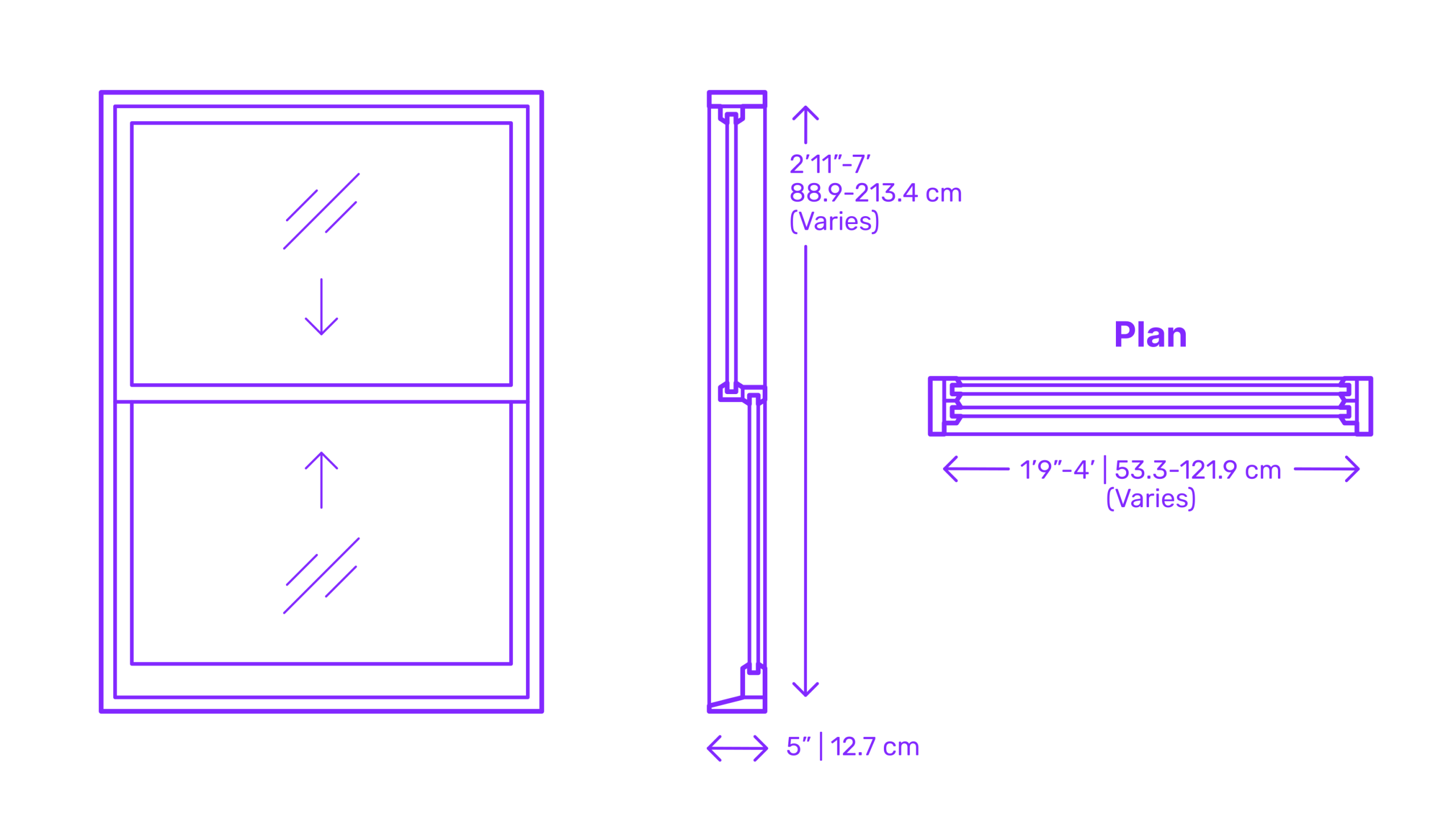
Double-hung and single-hung windows are among the most widely used residential window types.
They typically come in sizes ranging from 24 to 48 inches wide and 36 to 72 inches high.
These windows work well in most rooms because they provide balanced ventilation, easy maintenance, and compatibility with standard rough openings.
B. Sliding Windows
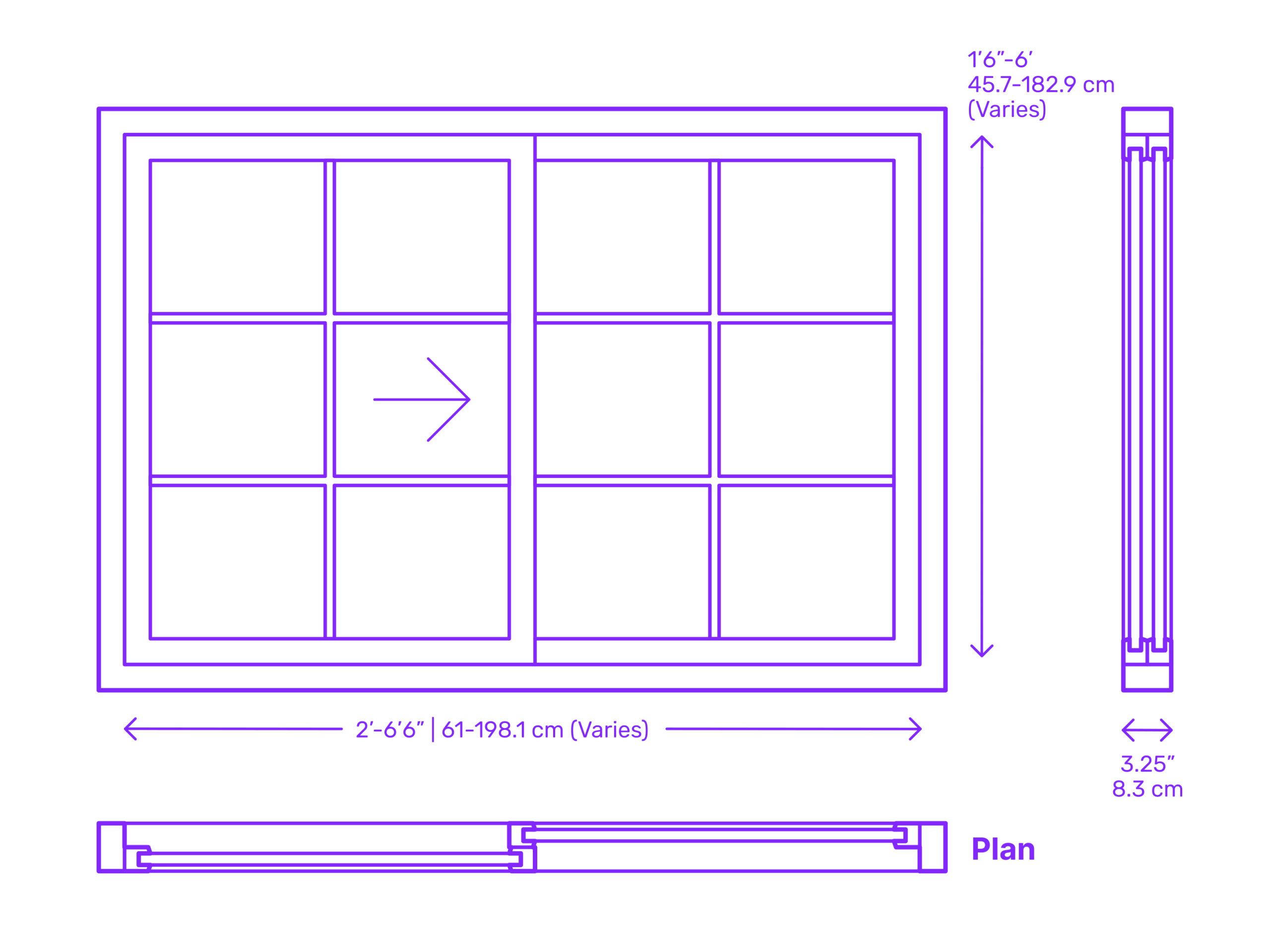
Sliding windows are perfect for spaces with horizontal openings.
Standard sizes range from 36 to 84 inches wide and 24 to 60 inches high.
They are a great choice for tight spaces and offer a simple, modern look.
C. Casement Windows

Casement windows are known for their excellent ventilation.
These windows usually measure 16 to 48 inches wide and 24 to 84 inches high.
They are popular in kitchens and bathrooms because of their ease of operation and airflow benefits.
D. Awning Windows

Awning windows open outward from the bottom, providing ventilation even when it’s raining.
Standard sizes range from 16 to 48 inches wide and 24 to 84 inches high.
These are often installed high on walls, offering light and airflow without compromising privacy.
E. Picture Windows
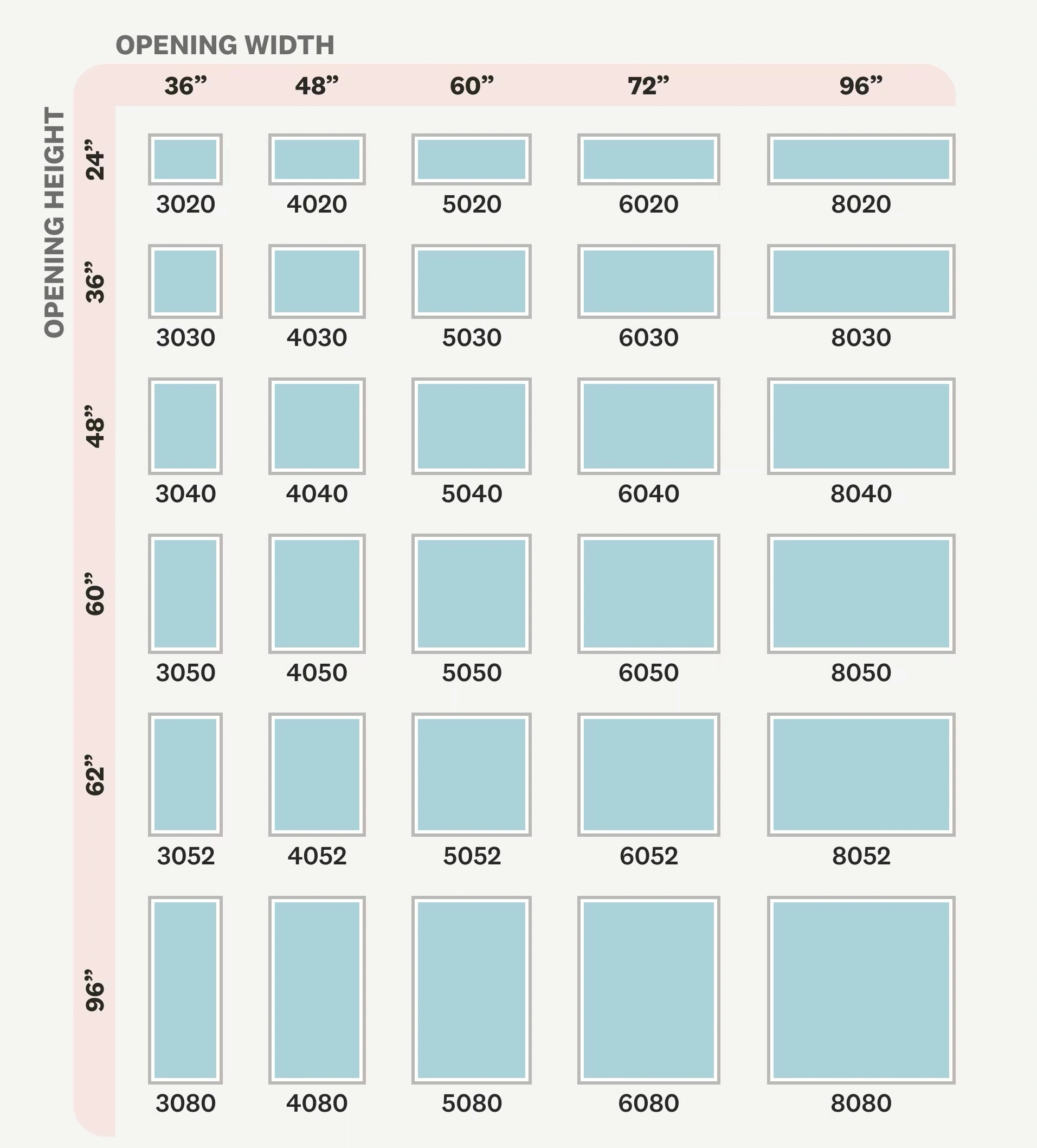
Picture windows are non-operable, meaning they don’t open but provide beautiful, unobstructed views.
Standard sizes vary widely from 24 to 96 inches wide and 12 to 96 inches high.
They are great for letting in maximum light and creating a stunning visual connection to the outdoors.
F. Bay and Bow Windows
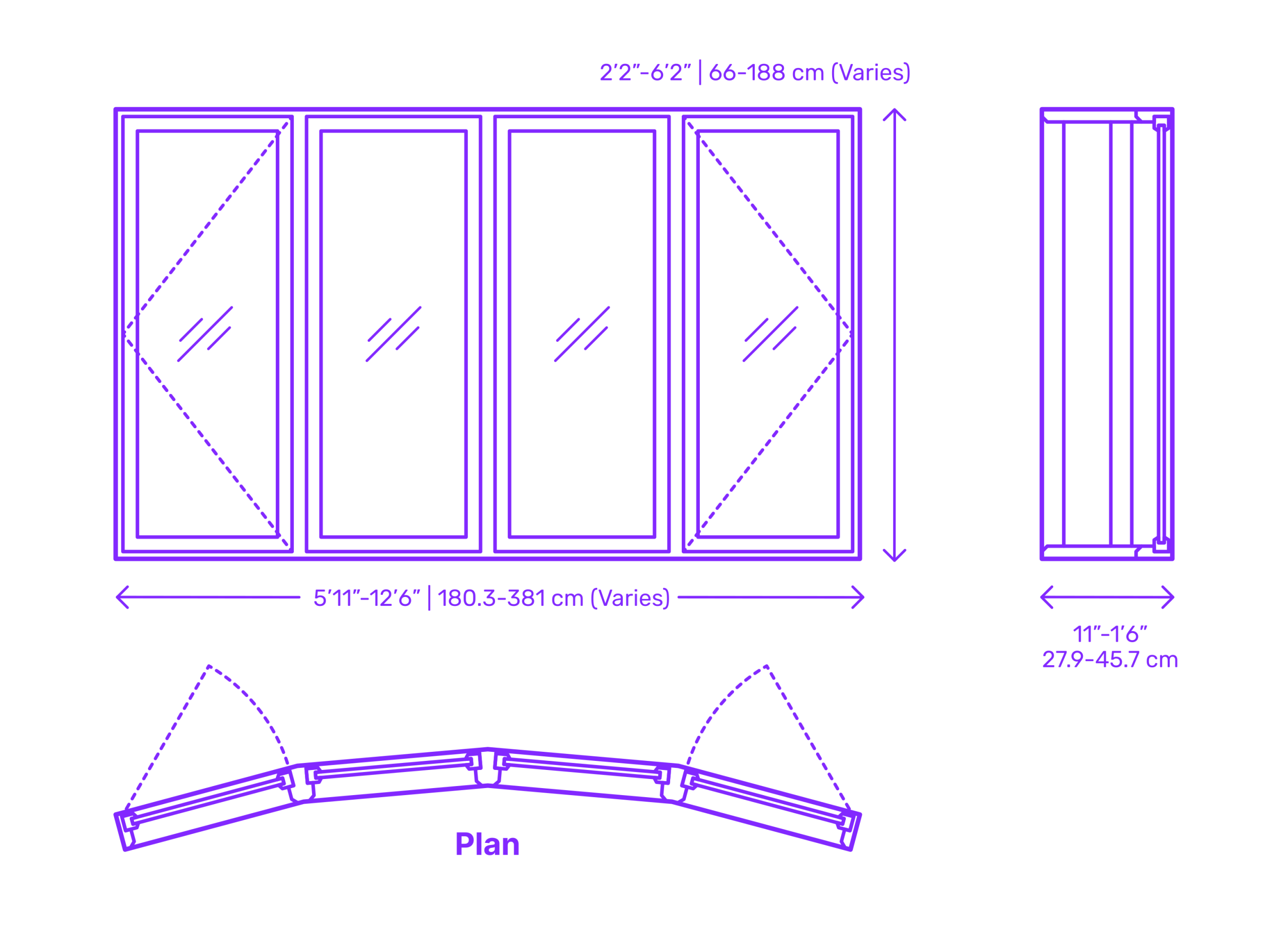
Bay and bow windows can transform a room by adding natural light and creating a cozy nook.
These windows generally measure 3 feet, 6 inches to 10 feet, 6 inches wide and 3 feet to 6 feet, 6 inches high.
They are often used as a focal point in living rooms or dining areas.
G. Egress Windows
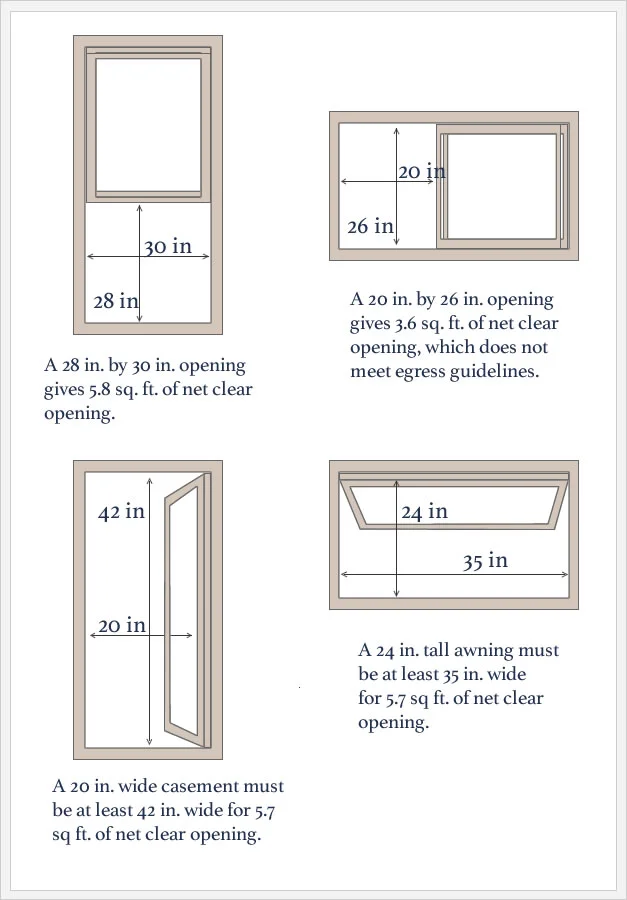
Egress windows are essential for safety, especially in bedrooms and basements.
The minimum standard size for an egress window is 20 inches wide by 24 inches high.
These windows meet safety codes by allowing a safe exit in emergencies.
H. Specialty Windows (Skylights, Garden Windows, etc.)
Specialty windows such as skylights and garden windows often require custom sizing, but some standard options are available.
When choosing specialty windows, consider the unique requirements of your space, such as roof pitch for skylights or exposure for garden windows.
Standard Window Sizes by Room
| Room Type | Recommended Window Types | Typical Size (inches) | Key Features |
|---|---|---|---|
| Living Room | Picture, Double-Hung | 48 × 60 or larger | Maximize natural light and create an open, welcoming space. |
| Bedroom | Double-Hung, Sliding, Egress | Starting from 24 × 36 | Provide fresh air, natural light, and meet emergency exit safety codes. |
| Kitchen | Casement, Sliding | 24 × 36 to 36 × 48 | Ensure easy ventilation over sinks and countertops with smooth operation. |
| Bathroom | Awning, Casement | Around 24 × 36 | Offer privacy with frosted glass and efficient ventilation for moisture control. |
| Basement | Egress, Sliding | 20 × 24 | Meet safety codes for emergency exits while allowing natural light indoors. |
Different rooms require different window sizes based on lighting needs, ventilation, privacy, and building code requirements.
Below is a quick guide to typical window sizes used in different rooms of a home.
A. Living Rooms

In living rooms, larger windows are often preferred to allow more natural light and create an open, welcoming atmosphere.
Picture windows or double-hung windows are popular choices.
A typical size for living room windows is 48 inches by 60 inches or larger, depending on the wall space available.
B. Bedrooms

Bedrooms require windows that not only provide light and fresh air but also meet safety requirements.
Double-hung, sliding, or egress windows are ideal.
Standard bedroom window sizes generally start at 24 inches by 36 inches, ensuring compliance with safety codes for emergency exits.
C. Kitchens

Kitchens benefit from windows that provide ventilation and are easy to open, such as casement or sliding windows.
These windows are often placed over sinks or countertops.
Common sizes range from 24 inches by 36 inches to 36 inches by 48 inches, offering the right balance of light and airflow.
D. Bathrooms

Bathrooms need privacy and ventilation. Awning windows or casement windows are perfect for this space.
These windows are often smaller, typically around 24 inches by 36 inches, and may feature frosted glass to enhance privacy while still allowing light in.
E. Basements
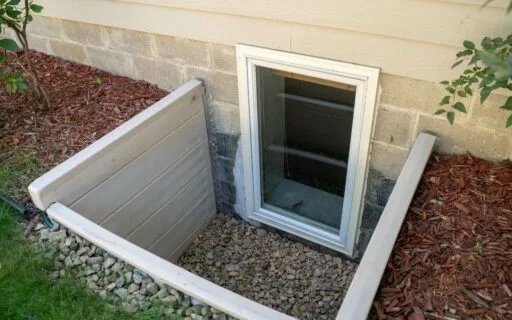
Basements usually require windows that meet safety codes, particularly for emergency exits.
Egress windows or sliding windows are the best choices.
Standard sizes are 20 inches by 24 inches, offering both safety and natural light to brighten up what can often be a dim area of the home.
How to Measure for Replacement Windows

Measuring your windows correctly is crucial for a successful replacement window installation.
Here’s a simple guide to help you get accurate measurements for replacement windows.
Tools Needed:
- Tape measure
- Level
- Pencil and paper
Step-by-Step Measurement Guide:
Measure the Width: Start by measuring the window width at three points: the top, middle, and bottom. Write down the smallest measurement to ensure the new window will fit.
Measure the Height: Measure from the top to the bottom of the window opening at the left, middle, and right sides. Again, record the smallest measurement.
Check for Obstructions: Look out for any trim, sills, or other obstructions that might affect the fit of your new window.
Double-Check Your Measurements: Double-check your numbers to avoid costly mistakes when ordering your windows.
Common Mistakes to Avoid:
Ignoring Trim and Obstructions: These can interfere with the fit of the window. Make sure your measurements account for them.
Not Measuring Multiple Points: A window opening may not be perfectly square, so always measure at multiple points and use the smallest measurement.
How to Read Window Size Codes

When shopping for windows, you’ll often come across a four-digit window size code used by manufacturers and builders to indicate standard dimensions.
At first glance, it may look like a random set of numbers, but it actually provides a quick way to understand a window’s dimensions.
The first two digits represent the window’s width, while the last two indicate the height.
For example, a window labeled 2846 means it is 2 feet, 8 inches wide and 4 feet, 6 inches tall.
Here’s a quick example:
- 2030: 2 feet, 0 inches wide by 3 feet, 0 inches high
- 3648: 3 feet, 6 inches wide by 4 feet, 8 inches high
These codes make it easier for builders and manufacturers to communicate standard window dimensions quickly during design, ordering, and installation.
Conclusion
Choosing the right window size helps make your home brighter, more comfortable, and easier to install. Understanding standard sizes and proper measurements can save time, reduce costs, and avoid installation problems.
Whether you’re building new or replacing old windows, standard sizes keep the process simple and budget-friendly.
If you’re planning a window replacement or new construction project, understanding standard window sizes can help you choose the right option more efficiently.