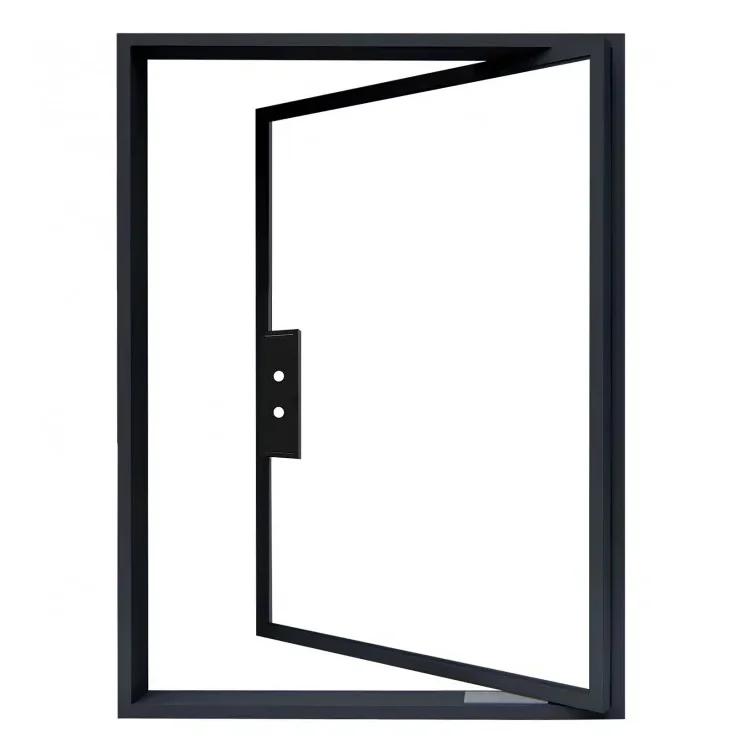
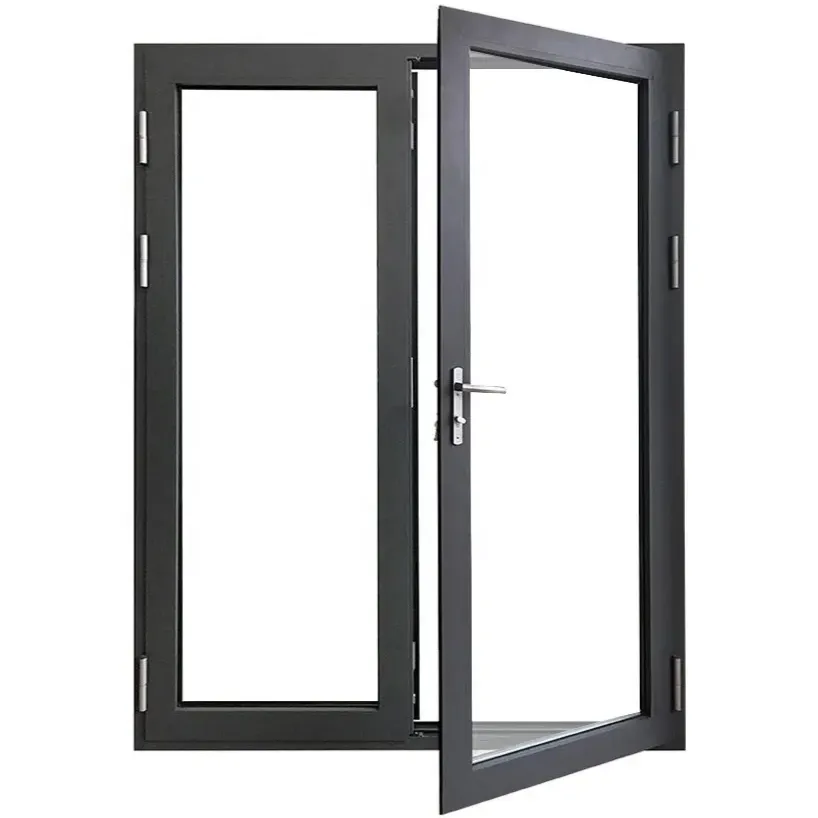
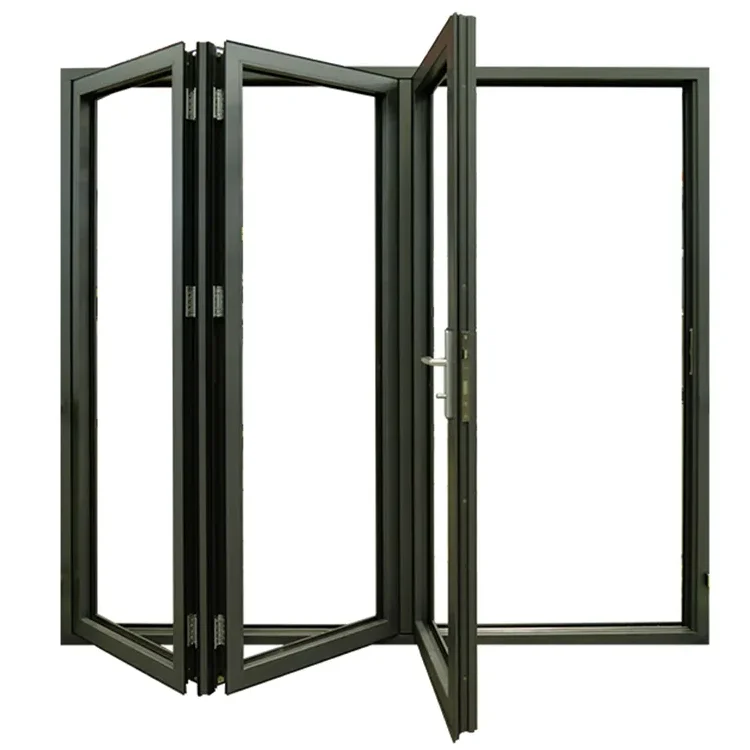
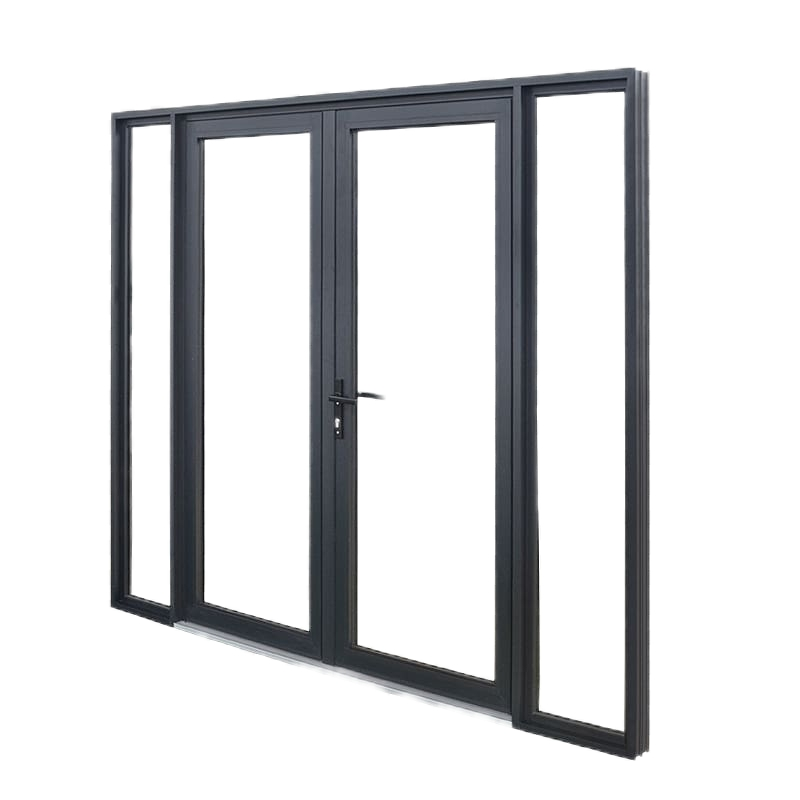




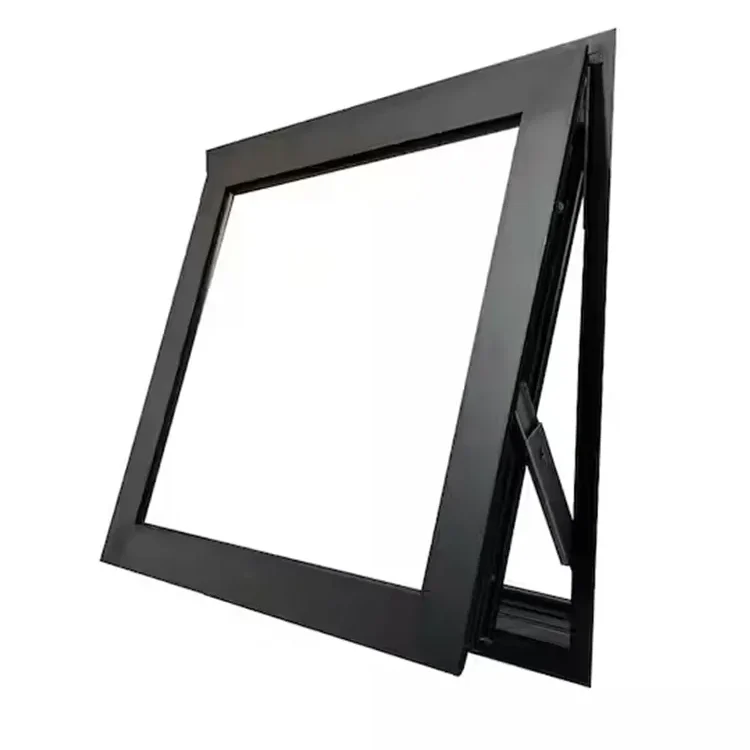

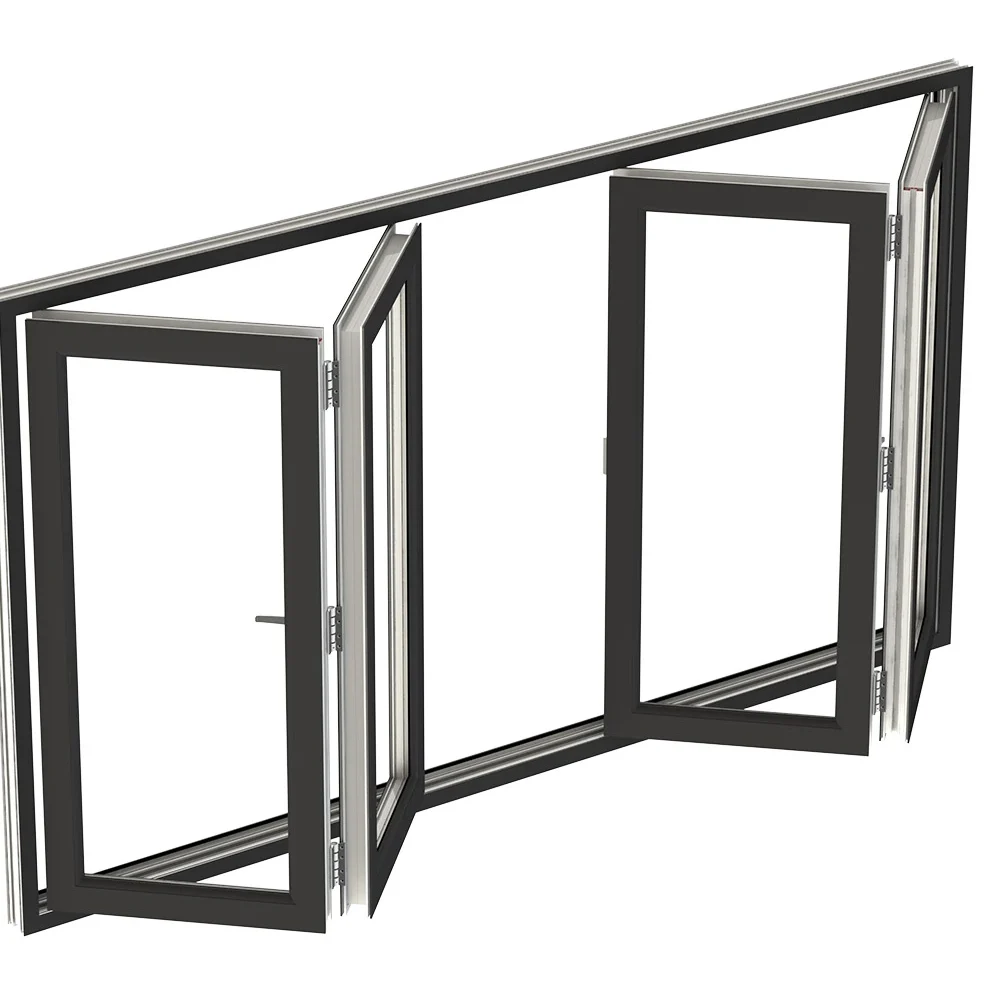

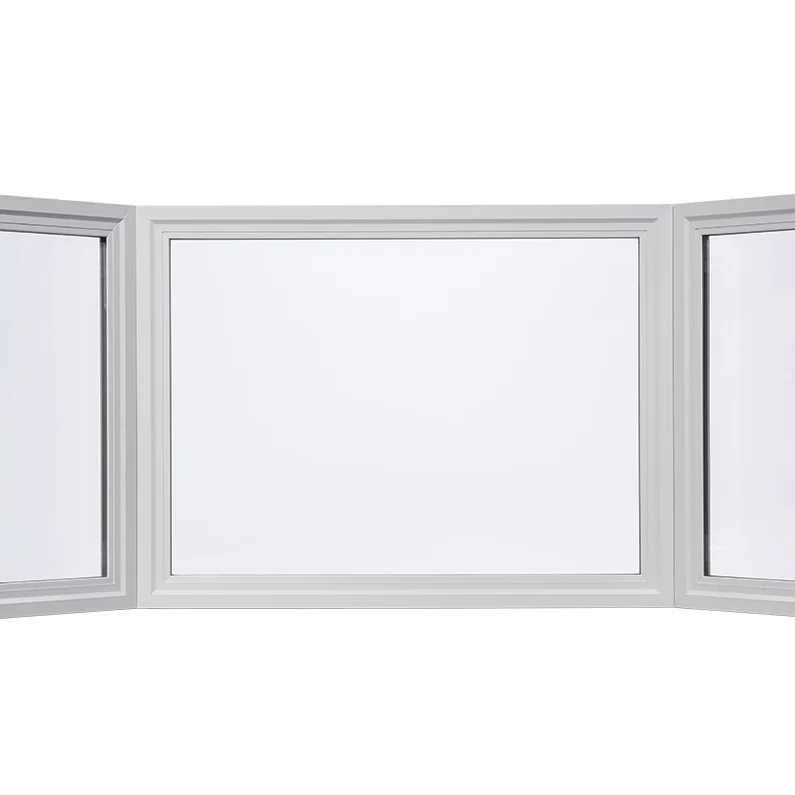






When choosing windows for your home, the frame material is just as important as the glass.
A window frame holds the glass in place and provides structural support.
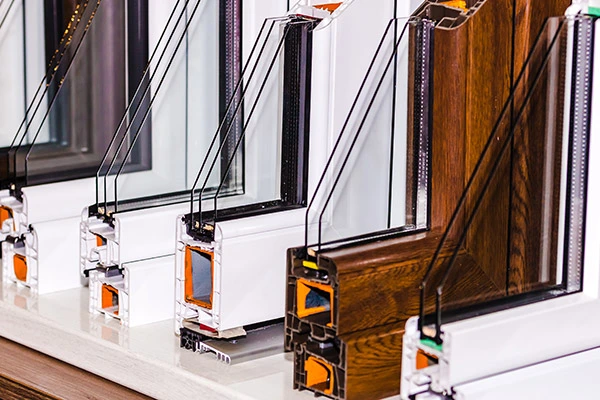
It affects how your windows look, how well they insulate your home, and how long they last.
Picking the right material can make a big difference.
Some window frames are energy-efficient, helping to lower your electricity bill.
Others are more durable and can handle extreme weather conditions.
Some require little maintenance, while others need regular care to stay in good shape.
What Is a Window Frame?

A window frame is the outer structure that holds the window glass in place.
It plays a crucial role in supporting the window, providing insulation, and ensuring security for your home.
Without a sturdy frame, windows wouldn’t function properly—they could let in drafts, allow heat to escape, or even weaken over time.
7 Types of Window Frames: Pros & Cons
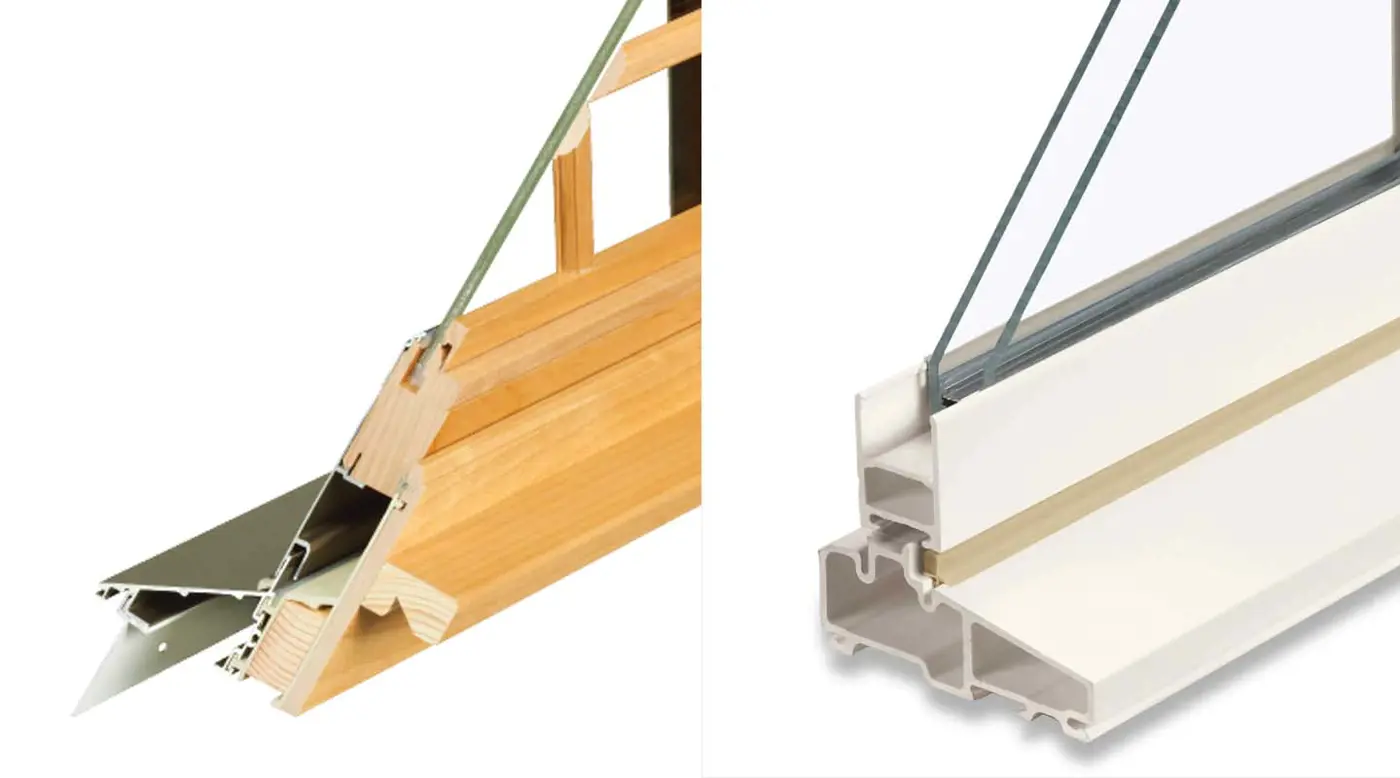
1. Wood Window Frames

Wood window frames are a classic and elegant choice that has been used for centuries.
They offer a warm, traditional look that enhances a home’s aesthetic appeal.
Besides their beauty, wood frames provide excellent insulation, helping to maintain indoor temperatures.
However, they require regular maintenance to prevent rot, warping, and pest damage.
Pros & Cons of Wood Window Frames
| Pros | Cons |
|---|---|
| Classic and timeless appearance | Requires regular maintenance (painting/sealing) |
| Excellent natural insulation | Prone to rot, warping, and pest damage |
| Can be painted or stained to match any style | More expensive than other frame materials |
| Long lifespan if properly maintained | Susceptible to moisture in humid climates |
Best For
Wood window frames are ideal for traditional homes, colder climates, and homeowners who want a high-end, customizable aesthetic.
2. Vinyl Window Frames

Vinyl window frames are a popular and budget-friendly option for homeowners.
Made from polyvinyl chloride (PVC), these frames are known for their low maintenance, durability, and energy efficiency.
Unlike wood, they don’t require painting or sealing and are resistant to moisture and pests.
However, they may warp in extreme heat and have limited color and style options.
Pros & Cons of Vinyl Window Frames
| Pros | Cons |
|---|---|
| Affordable and cost-effective | Can warp in extreme heat |
| Low maintenance – no painting or sealing required | Limited color and finish options |
| Good insulation, energy-efficient | Less durable than fiberglass or wood |
| Moisture and pest-resistant | Cannot be easily repainted or refinished |
Best For
Vinyl window frames are ideal for budget-conscious homeowners, energy-efficient homes, and those looking for a low-maintenance window option in moderate climates.
3. Aluminum Window Frames

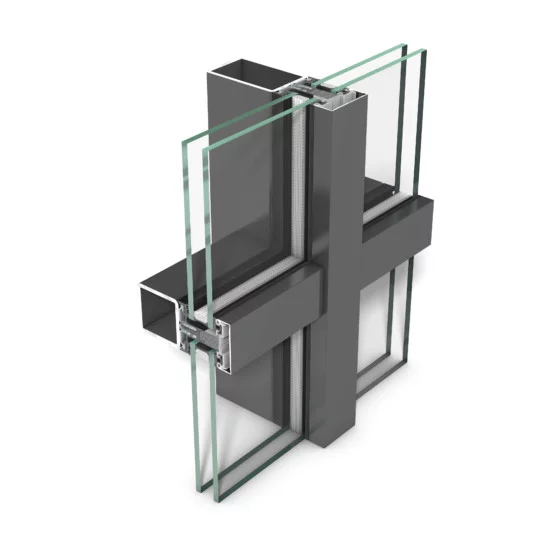
Aluminum window frames are strong, lightweight, and modern-looking, making them a popular choice for contemporary and commercial buildings.
They are highly durable, weather-resistant, and low maintenance, but they lack insulation and can conduct heat and cold, which may lead to higher energy costs.
To improve efficiency, many aluminum windows now come with thermal breaks to reduce heat transfer.
Pros & Cons of Aluminum Window Frames
| Pros | Cons |
|---|---|
| Strong, lightweight, and durable | Poor insulation without thermal breaks |
| Sleek, modern aesthetic | Can conduct heat and cold, affecting energy efficiency |
| Low maintenance – does not rust or warp | May dent under strong impact |
| Resistant to harsh weather conditions | More expensive than vinyl |
Best For
Aluminum window frames are ideal for modern homes, high-rise buildings, and large window designs.
They work best in mild or warm climates and for homeowners who prioritize durability and a sleek appearance over insulation.
4. Fiberglass Window Frames

Fiberglass window frames are known for their exceptional durability, strength, and insulation properties.
They resist warping, cracking, and rotting, making them one of the most long-lasting options available.
Unlike aluminum, fiberglass does not conduct heat or cold, providing excellent energy efficiency.
However, they tend to be more expensive and have limited color and design options compared to other materials.
Pros & Cons of Fiberglass Window Frames
| Pros | Cons |
|---|---|
| Extremely strong and durable | Higher upfront cost |
| Excellent insulation and energy efficiency | Limited color and design choices |
| Resistant to moisture, warping, and rotting | Can be difficult to install |
| Low maintenance | Less widely available than vinyl or aluminum |
Best For
Fiberglass window frames are perfect for homeowners in extreme climates who need high energy efficiency and long-term durability.
They are ideal for those who want a strong, low-maintenance frame that won’t warp or degrade over time.
5. Composite Window Frames

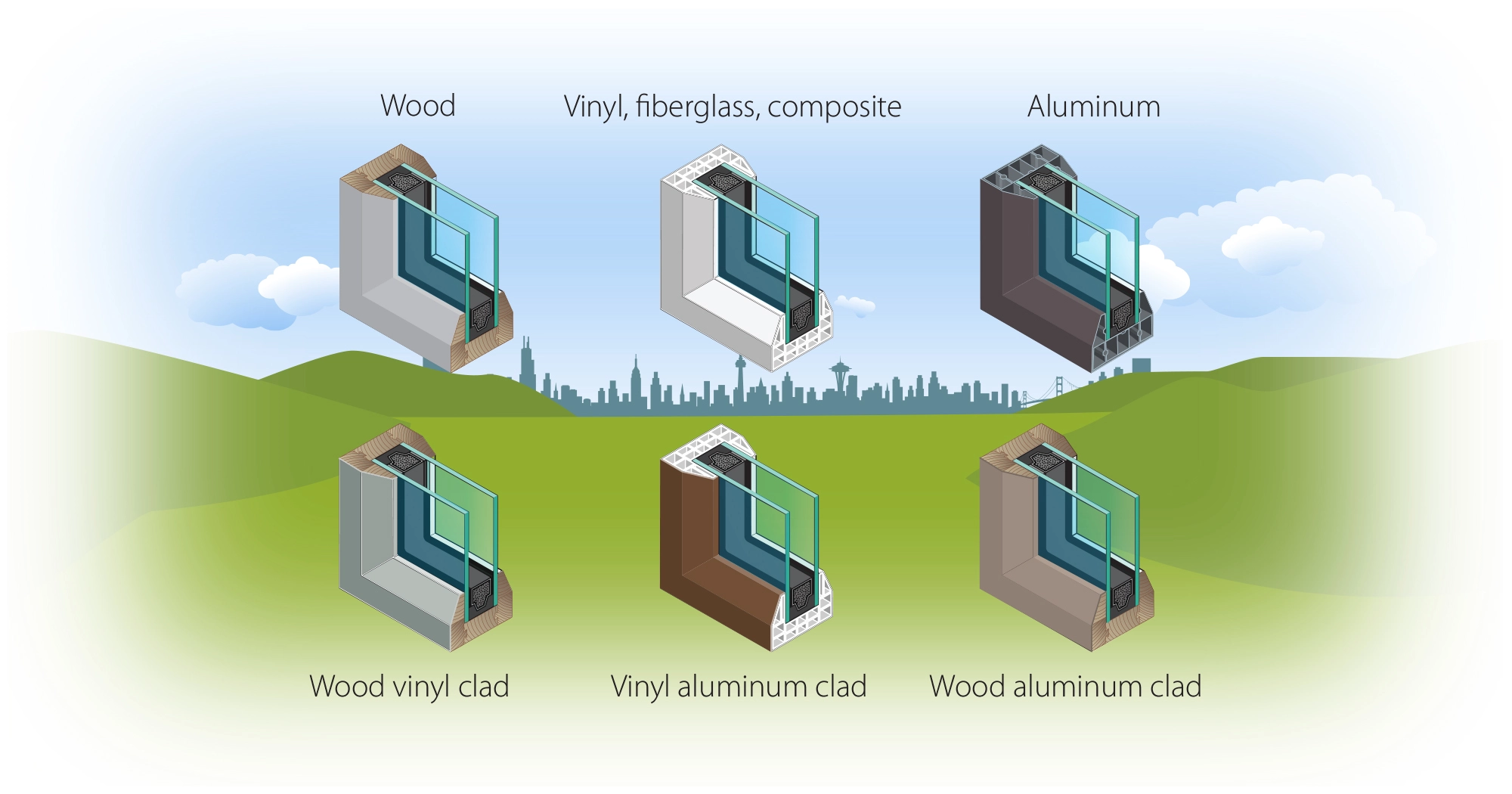
Composite window frames, also known as clad wood frames, combine the beauty of wood with the durability of other materials like vinyl, fiberglass, or aluminum.
The inner core is made of wood for insulation and aesthetics, while the outer cladding provides protection against moisture, weather damage, and pests.
This combination makes them low-maintenance compared to traditional wood frames while retaining a high-end look.
However, they tend to be more expensive than vinyl or aluminum options.
Pros & Cons of Composite Window Frames
| Pros | Cons |
|---|---|
| Classic wood appearance with added durability | Higher initial cost |
| Excellent insulation and energy efficiency | Quality varies by manufacturer |
| Resistant to moisture, rot, and warping | Limited color and finish options |
| Requires less maintenance than pure wood | Can be heavier than other frame materials |
Best For
Composite window frames are ideal for homeowners who love the look of wood but want less maintenance and better durability.
They work well in varied climates, especially in areas with high humidity or temperature fluctuations.
6. Steel Window Frames

Steel window frames are known for their exceptional strength, security, and modern aesthetic.
They are often used in luxury homes, industrial-style buildings, and commercial properties due to their sleek, minimalistic look.
Steel is one of the most durable materials, resisting warping, cracking, and impact damage.
However, it is prone to rust in humid or coastal areas and is generally one of the most expensive window frame options.
Pros & Cons of Steel Window Frames
| Pros | Cons |
|---|---|
| Extremely strong and secure | Expensive compared to other materials |
| Sleek, modern, and industrial aesthetics | Prone to rust and corrosion in humid climates |
| Long-lasting, with a lifespan of 75+ years | Poor insulation without thermal breaks |
| Resistant to warping, cracking, and impact | Heavy, requiring strong wall support |
| Low maintenance and fire-resistant | Complex installation process |
Best For
Steel window frames are best for modern and industrial-style homes, luxury properties, and high-security needs.
They are ideal for large glass panes and high-end architecture but require additional treatments or coatings in coastal or humid environments to prevent corrosion.
7. Wood-Clad Window Frames

Wood-clad window frames offer the best of both worlds—the classic warmth of wood on the inside and a protective exterior layer of aluminum, vinyl, or fiberglass on the outside.
This combination provides the beauty and insulation of wood while reducing maintenance concerns like rot, warping, and weather damage.
While wood-clad frames are more expensive than standard wood or vinyl, they offer superior durability and style, making them a popular choice for homeowners looking for a high-end, long-lasting solution.
Pros & Cons of Wood-Clad Window Frames
| Pros | Cons |
|---|---|
| Classic wood aesthetics with low maintenance | Higher cost compared to vinyl or standard wood |
| Excellent insulation for energy efficiency | Outer cladding may separate over time if poorly made |
| Resistant to moisture, rot, and insects | Heavy and requires professional installation |
| Customizable with different interior wood finishes | Not ideal for extreme weather conditions without proper sealing |
| Longer lifespan than standard wood frames | Limited repainting options due to cladding material |
Best For
Wood-clad window frames are ideal for homeowners who love the look of wood but want lower maintenance.
They work well in traditional and high-end homes, cold climates, and luxury renovations where both aesthetics and durability matter.
Window Frame Material Comparison

Choosing the Right Window Frame for Your Home
Selecting the best window frame involves more than just aesthetics.
It affects durability, energy efficiency, and long-term maintenance. Here’s what to consider before making your choice.
Before deciding on a window frame, consider these factors:
- What’s my budget? Some materials, like wood and fiberglass, are more expensive upfront but last longer. Others, like vinyl and aluminum, are more affordable but may not be as durable.
- How much maintenance am I willing to do? Wood frames require regular painting and sealing, while vinyl, fiberglass, and aluminum are low-maintenance options.
- What’s the climate like in my area? Homes in humid or coastal areas need moisture-resistant materials like vinyl or fiberglass. In colder climates, wood and composite frames offer better insulation.
- What’s my home’s architectural style? Traditional homes often look best with wood or wood-clad frames, while modern homes complement sleek aluminum or fiberglass designs.
- Should I install the windows myself or hire a professional? DIY installation is possible for standard vinyl or aluminum windows but requires precision. Professional installation ensures proper sealing and energy efficiency, especially for custom or complex designs.
Conclusion
Choosing the right window frame is about balancing cost, durability, maintenance, and aesthetics.
Whether you prefer the classic warmth of wood, the low-maintenance appeal of vinyl, or the modern sleekness of aluminum, each material has its strengths.
Understanding how they perform in different climates and their long-term value will help you make an informed decision.
If you need expert advice or are ready to upgrade your windows, contact us today!
Our team can help you find the perfect window frames to match your home’s style and energy needs.
Let’s create a space that’s beautiful, efficient, and built to last!