





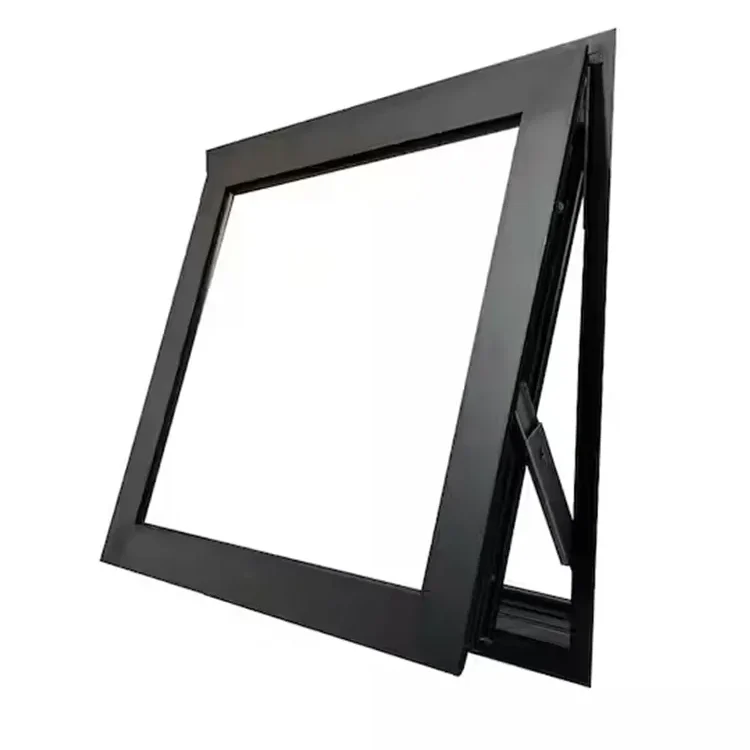

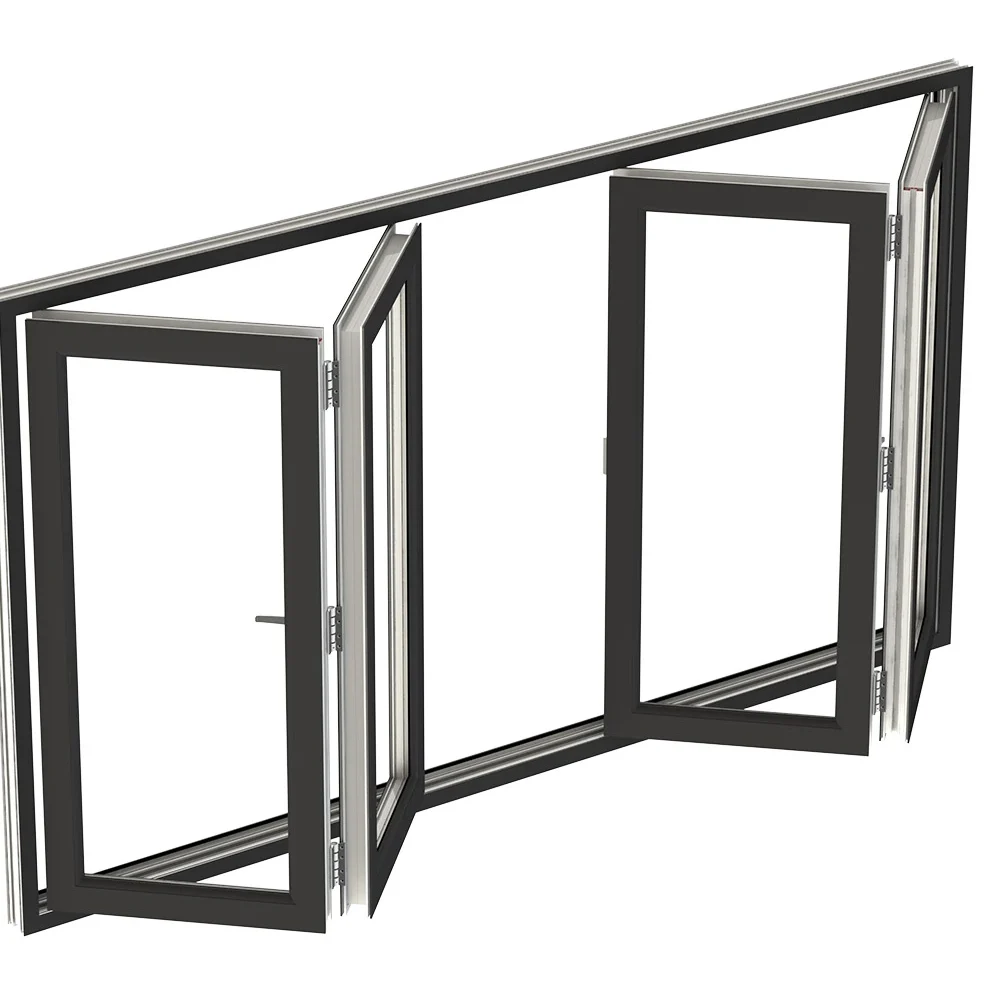

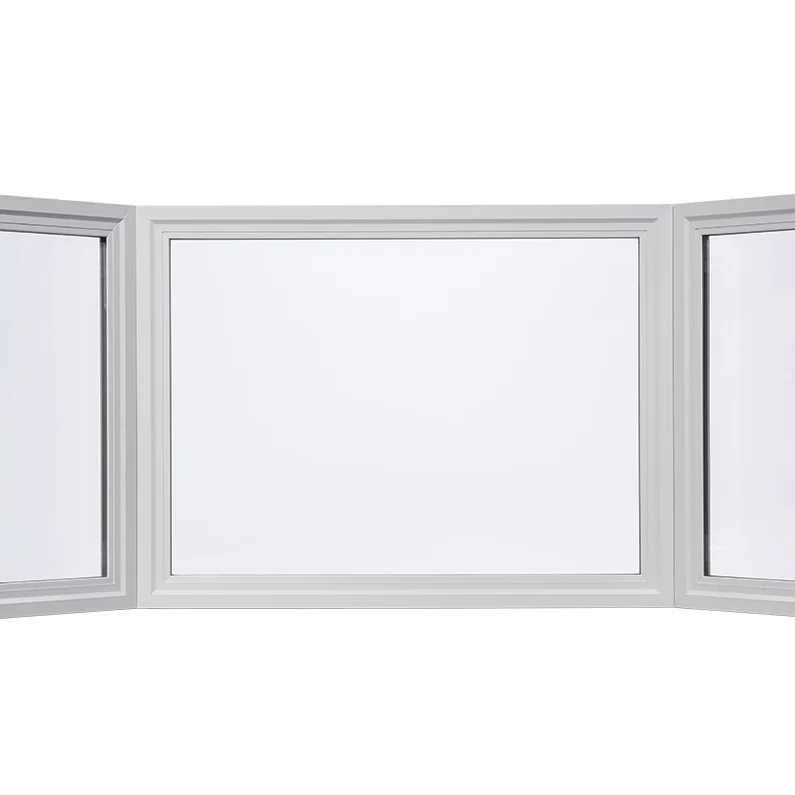






Understanding NFRC window certification is the absolute first step for any builder, architect, or homeowner looking to purchase energy-efficient glazing. If you are investing thousands of dollars into a new building envelope, buying windows without understanding their thermal ratings is like buying a car without knowing its fuel efficiency.
In the complex world of architectural glazing, marketing claims like “super insulated” or “weatherproof” are meaningless without verifiable data. That is exactly where the National Fenestration Rating Council steps in. In this comprehensive guide, we will decode every aspect of the fenestration testing standards, explain the critical differences between Energy Star vs NFRC, and provide you with actionable strategies to select the perfect thermal break aluminum windows for your specific climate zone.
What is NFRC Window Certification?
NFRC window certification is a standardized, third-party performance rating system widely used in North America for windows, doors, and skylights. It provides verified data on a product’s energy efficiency, including U-Factor, Solar Heat Gain Coefficient (SHGC), Visible Transmittance (VT), and Air Leakage. Importantly, it is an objective measure of thermal performance, not a generalized guarantee of the product’s overall manufacturing quality.
When you see that distinct white label stuck to a new pane of glass, you are looking at the most trusted energy passport in the fenestration industry.
The Organization Behind the Label: What is the NFRC?
Before we dive into the data, we must understand the authority issuing it. Buyers often confuse industry councils with government regulators.
The National Fenestration Rating Council Explained
The NFRC stands for the National Fenestration Rating Council. It is vital to note that the NFRC is not a government agency. It is an independent, non-profit organization established by the window, door, and skylight industry.
Before the NFRC was founded in 1989, window manufacturers used different testing methods to calculate energy efficiency. Company A might test their window in a vacuum, while Company B tested theirs in a wind tunnel. The results were chaotic, and consumers had no way to make an “apples-to-apples” comparison.
The core responsibility of the NFRC is to establish uniform, scientifically rigorous testing protocols. By doing so, they provide a standardized rating and labeling system that allows the market—from architects to general contractors—to compare the energy performance of competing products fairly.
What Exactly Does the NFRC Certification Measure?
One of the most common misconceptions in the building materials sector is what the NFRC label actually represents.
It is a “Performance Rating,” Not a “Quality Endorsement”
NFRC window certification does not simply hand out a certificate that says, “This is a good window.” Instead, it assigns a specific, verifiable numerical grade to how that window handles heat, light, and air.
Why do window buyers desperately need this label? Imagine you are a developer looking at two visually identical aluminum windows. Both have double glazing and black powder-coated frames. However, one uses a standard spacer, and the other uses a warm-edge spacer. One has single-silver Low-E glass, and the other has triple-silver Low-E glass. You cannot see these differences with the naked eye. The NFRC data translates these invisible engineering differences into clear metrics, proving which system will actually lower the building’s HVAC costs.
For architectural aluminum windows specifically, this data is incredibly revealing. It showcases the exact thermal efficiency gained by utilizing wider polyamide (PA66) thermal struts and advanced glazing configurations.
Decoding the Metrics: What is on the NFRC Label?
To utilize window energy efficiency ratings effectively, you must learn to read the label. The NFRC label typically displays up to five performance metrics. Let’s break down exactly what each one means in practical terms.
| Metric | What It Measures | Ideal Rating | Why It Matters |
|---|---|---|---|
| U-Factor | Measures how well a window prevents heat from escaping the inside of a room. | Lower is better (Range: 0.20 to 1.20) | Crucial for cold climates to reduce winter heating bills. |
| SHGC (Solar Heat Gain Coefficient) | Measures the fraction of solar radiation admitted through a window. | Lower is better for cooling (Range: 0 to 1) | Essential for hot, sunny climates to reduce air conditioning loads. |
| VT (Visible Transmittance) | Measures how much natural light the window lets in. | Higher is better for daylighting (Range: 0 to 1) | Determines if a room will feel dark and cave-like or bright and open. |
| Air Leakage (AL) | Measures how much outside air comes into a home through a closed window. | Lower is better (Typically ≤ 0.3) | Prevents cold drafts in winter and hot, humid air intrusion in summer. |
| Condensation Resistance | Measures the window’s ability to resist the formation of indoor condensation. | Higher is better (Range: 1 to 100) | Prevents mold, mildew, and water damage on interior window sills. |
My Experience:
I vividly recall standing inside a newly constructed, high-end residence in Arizona. The sun was blazing, and the temperature was pushing 105°F (40°C) outside. Inside, I rested my hand against the interior glass of a massive aluminum sliding door. It felt remarkably cool to the touch. That wasn’t magic; that was a meticulously engineered SHGC of 0.22 at work. Conversely, I have inspected homes in Minnesota where poor U-Factors resulted in literal frost building up on the inside of the aluminum frames. The NFRC data predicts these exact physical realities before the window is even manufactured.
NFRC vs. ENERGY STAR: Are They the Same?
This is perhaps the most frequently asked question by homeowners and builders alike. While they are closely related, they serve two entirely different functions.
The Distinct Roles
- NFRC: The NFRC provides the raw, objective performance data. They do not set a minimum passing grade. A terrible window and an amazing window can both have an NFRC label; the numbers will simply reflect their respective performances.
- ENERGY STAR: [Outbound Link: The ENERGY STAR program, run by the U.S. Environmental Protection Agency (EPA)], is a strict benchmark for energy efficiency. It is a “pass/fail” system based on specific climate zones.
The Connection
Having an NFRC window certification does not automatically mean a product is ENERGY STAR certified. However, the reverse is true: You cannot achieve ENERGY STAR certification without first having your products tested and rated by the NFRC.
ENERGY STAR uses the NFRC’s verified data to determine if a window meets their strict regional criteria. For example, to get an ENERGY STAR label in the Northern climate zone, the NFRC U-Factor must typically be 0.27 or lower. Therefore, while many ENERGY STAR windows proudly display NFRC data, the NFRC label itself is the foundational data set, not the ultimate prize.
Why Aluminum Windows Specifically Demand NFRC Data
If you are dealing in energy efficient aluminum windows, NFRC data is your most powerful communication tool, especially when exporting to the highly regulated North American market.
The Physics of Thermal Break Aluminum Windows
Aluminum is a fantastic building material—it is strong, lightweight, and durable. However, it is also a highly conductive metal. In the past, aluminum windows were notorious for terrible energy performance because they acted as a thermal bridge, rapidly transferring cold winter air directly into the home.
Modern architectural glazing relies on “Thermal Break” technology. A structural polyamide strip (often PA66) is inserted between the inner and outer aluminum profiles, effectively breaking the thermal bridge.
But how do you prove to a buyer that your thermal break actually works? NFRC data is the absolute proof. By comparing the U-Factor of a non-thermal break system (which might be a dismal 0.80) to a highly engineered thermal break aluminum system (which can achieve a 0.28 or lower), the value of the engineering becomes undeniable.
The Impact of Glass Configuration
The framing is only part of the equation. The glazing package heavily dictates the NFRC results. Upgrading from standard double glazing to an Insulated Glass Unit (IGU) filled with Argon gas, featuring warm-edge spacers and multiple Low-E coatings, will drastically lower both the U-Factor and the SHGC. For overseas manufacturers selling into North America, speaking the language of NFRC metrics is non-negotiable. It is the only metric architects trust.
[Internal Link: To understand the engineering behind these profiles, read our comprehensive guide on Thermal Break Aluminum Windows.]
How Can Buyers Verify if a Product Has an NFRC Rating?
Do not just take a salesperson’s word for it. Verifying the data is a straightforward process designed to protect consumers and specifiers.
1. Check the Physical Label
Every NFRC-certified product leaving a factory must bear a temporary NFRC label (usually a static cling sticker on the glass) and a permanent marking (often etched into the spacer bar or a small sticker hidden in the frame channel). The temporary label clearly displays the U-Factor, SHGC, VT, and Air Leakage.
2. Search the NFRC Certified Products Directory (CPD)
What if the sticker was peeled off during construction? Or what if you are trying to verify a product before ordering? You can use the NFRC certified products directory, a massive, publicly accessible online database.
By inputting the manufacturer’s name, the product line, or the specific CPD number, you can instantly verify if the certification is active and legitimate. This prevents counterfeit claims and ensures the product matches the architect’s specifications.
The Critical Misconception: Does an NFRC Label Mean the Window is “High Quality”?
This is a subtle but massive distinction that industry professionals must understand. An NFRC rating verifies energy performance; it does NOT certify overall product quality or longevity.
What NFRC Does Not Tell You
- Hardware Lifespan: The NFRC does not test how many times you can open and close the window before the hinges fail or the multipoint lock jams.
- Finish Durability: It does not test if the powder coating will fade under UV light or if the anodized finish will corrode in a coastal salt-spray environment.
- Security: It does not rate the window’s resistance to forced entry or burglar attacks.
The Installation Factor
Most importantly, a window with a world-class U-Factor of 0.20 will perform terribly if it is installed poorly. If the general contractor fails to properly seal the rough opening, allowing air and water to bypass the window frame entirely, the NFRC rating becomes irrelevant.
[Internal Link: Proper execution is everything. Learn how to prevent these failures in our Commercial Window Installation Guide.]
Commercial Projects and the NFRC Commercial Label
While residential homeowners look at the sticker on the glass, commercial projects handle NFRC window certification very differently.
Commercial buildings—like high-rise apartments, office towers, or hospitals—rarely use standard, off-the-shelf windows. They use highly customized curtain walls and storefronts. Testing every single custom size in a laboratory is physically and financially impossible.
The Component Modeling Approach (CMA)
For commercial fenestration, the NFRC utilizes the Component Modeling Approach (CMA). Instead of testing a whole window, approved simulation software is used to combine the performance data of three separate components:
- The specific frame profile (e.g., thermal break aluminum).
- The specific glass type (e.g., low-iron glass with high-performance Low-E).
- The specific spacer system.
This generates an NFRC commercial label (a CMA Bid Certificate), allowing architects to verify that custom-built facades comply with strict commercial building codes like ASHRAE 90.1.
[Outbound Link: Learn more about commercial building energy standards at the U.S. Department of Energy (DOE).]
Buyer’s Guide: How to Use NFRC Data for Climate-Specific Selection
You are staring at a catalog of windows. How do you use these ratings to make a purchasing decision? The secret lies in your climate zone. Here is a step-by-step framework for prioritizing NFRC metrics.
Step 1: Prioritizing for Northern/Cold Climates (e.g., Canada, Chicago, New York)
If your primary battle is keeping the winter cold out:
- Focus on U-Factor: This is your absolute priority. You want the lowest U-Factor possible (aiming for 0.27 or below).
- Allow a Higher SHGC: In cold climates, a slightly higher Solar Heat Gain Coefficient (e.g., 0.35 to 0.40) can actually be beneficial. It allows the winter sun to enter and passively heat your home, reducing furnace usage.
Step 2: Prioritizing for Southern/Hot Climates (e.g., Florida, Texas, Dubai)
If your primary battle is keeping the blistering summer heat out:
- Focus on SHGC: This is your critical metric. You need a very low SHGC (aiming for 0.25 or below) to block solar radiation and relieve your air conditioning system.
- Maintain a Good U-Factor: While less critical than in the north, a decent U-Factor (around 0.30 to 0.40) is still necessary to keep the cooled air inside.
Step 3: The “Apples to Apples” Rule
When comparing two competing window brands, ensure you are comparing identical configurations. Do not compare the NFRC rating of an aluminum casement window to a vinyl sliding window. Compare thermal break aluminum casements to thermal break aluminum casements, both utilizing similar double-glazing units. This reveals which manufacturer truly has the superior extrusion and thermal break engineering.
Conclusion: Why NFRC Certification is Non-Negotiable
In the modern construction landscape, guessing is no longer acceptable. NFRC window certification provides the mathematical foundation upon which energy-efficient buildings are designed.
For the homeowner, it is the ultimate tool to ensure lower energy bills and superior indoor comfort. For the architect and general contractor, it is the critical data required to pass building inspections and achieve green building standards like LEED. And for aluminum window manufacturers, it is the universal language that proves the superiority of their thermal engineering.
When you invest in architectural glazing, do not listen to marketing adjectives. Demand the data. Look for the label.
Frequently Asked Questions (FAQ)
1. Is NFRC certification legally mandatory?
On a federal level, no. However, almost all modern local and state building codes (such as California’s Title 24) require energy performance data to obtain building permits. If a window lacks an NFRC rating, building inspectors will apply “default” values to the window, which are incredibly punitive and will almost certainly cause the building to fail the energy code audit.
2. Does NFRC certification only apply to windows?
No. The National Fenestration Rating Council provides energy efficiency ratings for windows, exterior doors (including sliding glass doors and commercial entry doors), skylights, and even tubular daylighting devices.
3. Will buying an NFRC-certified window guarantee me a tax credit or rebate?
Not automatically. Tax credits and utility rebates generally require the window to meet specific ENERGY STAR criteria for your local climate zone. While the window must have an NFRC label to prove its performance, the numbers on that label must hit the threshold set by the rebate program. Always check the specific requirements of your local utility company.
4. Can aluminum windows achieve strong NFRC ratings?
Absolutely. While older, non-thermally broken aluminum windows performed poorly, modern thermal break aluminum windows equipped with wide polyamide struts and high-performance Low-E glass can achieve exceptional U-Factors that easily meet stringent Energy Star requirements.
5. How can a builder verify the NFRC number provided by a foreign supplier?
If an overseas supplier claims their product is NFRC rated, ask for their CPD (Certified Products Directory) number. You can take this exact number and search for it on the official NFRC.org website. If the number does not yield a result, or if the manufacturer’s name does not match, the claim is invalid.
