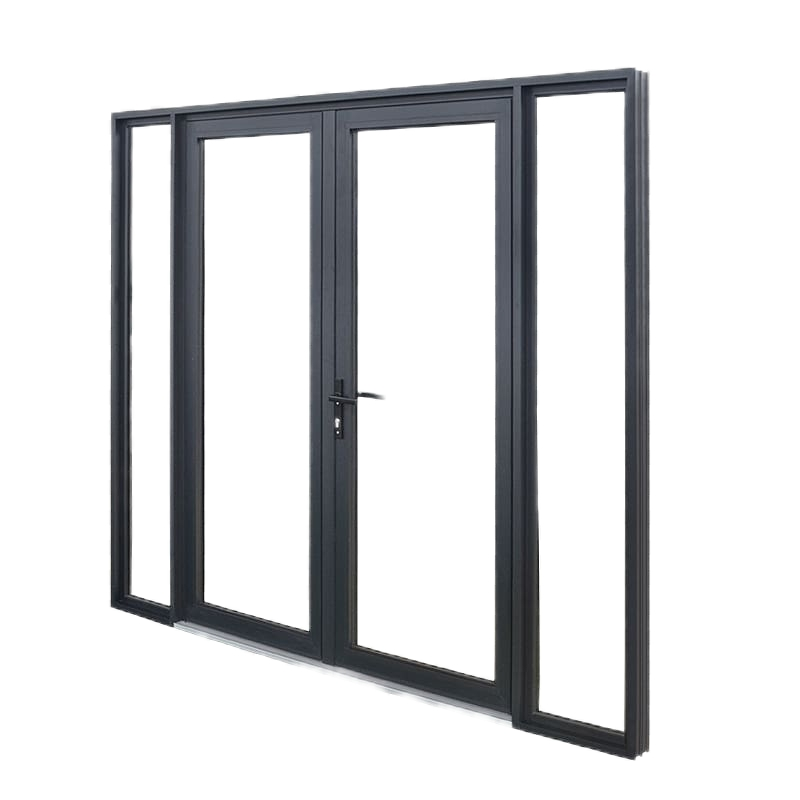













Choosing between fiberglass and aluminum windows?
It’s not an easy decision. Both materials have their strengths, and the right choice depends on your priorities.
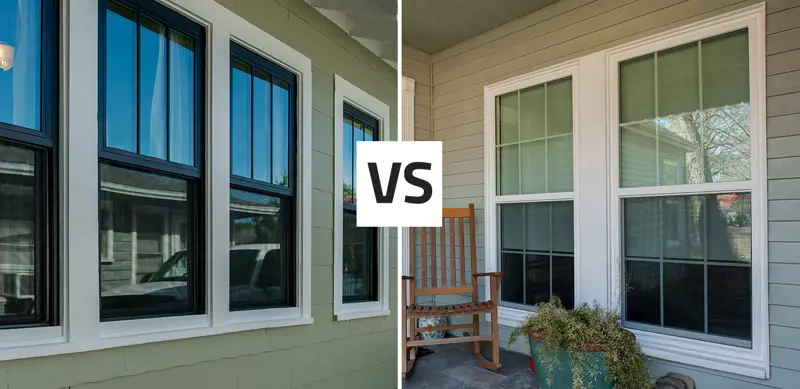
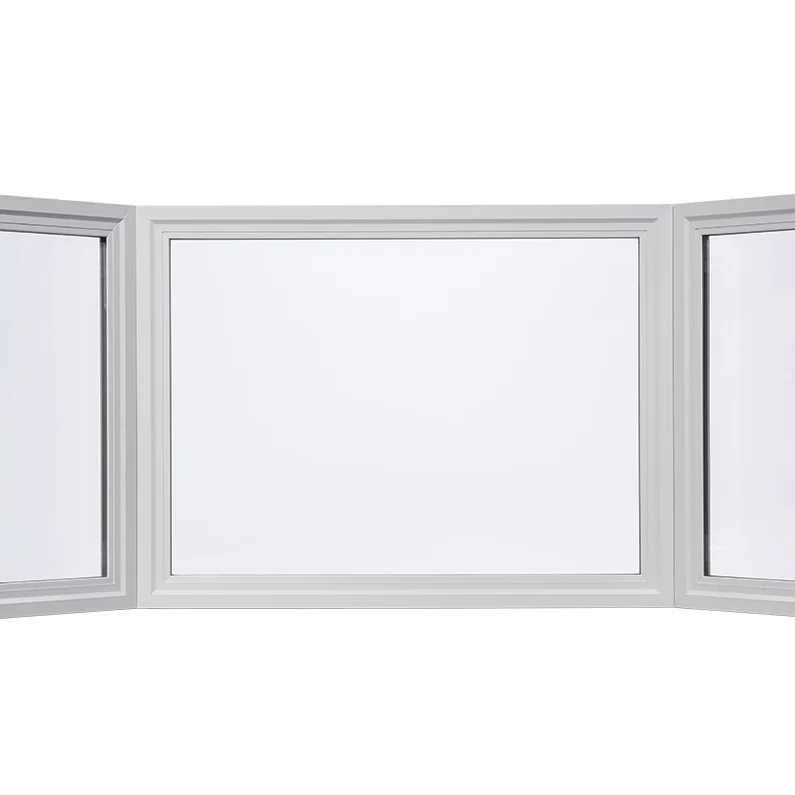
Fiberglass is tough, energy-efficient, and built to last for decades. It resists warping, cracking, and extreme weather, making it a great long-term investment.
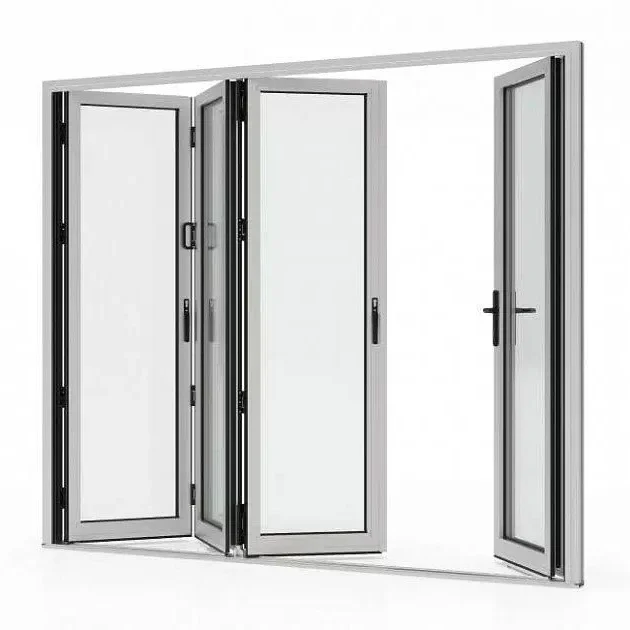
Aluminum, on the other hand, is sleek, lightweight, and strong. It works well for modern home designs and allows for thinner frames with larger glass panels.
So, which one fits your home better?
Let’s break down the key differences and help you decide.
What Are Fiberglass Windows?

Fiberglass windows are made from glass fibers and resin, creating a strong, durable, and energy-efficient material.
They are designed to resist warping, cracking, and swelling, making them a great choice for various climates.
Fiberglass also provides excellent insulation, helping keep your home comfortable year-round.
Unlike other materials, fiberglass windows can mimic the look of wood without the high maintenance.
They are lightweight yet strong, allowing for larger window sizes without compromising durability.
Pros and Cons of Fiberglass Windows
| Pros | Cons |
|---|---|
| Highly durable and long-lasting | Higher upfront cost |
| Excellent energy efficiency | Limited availability in some regions |
| Resists warping, cracking, and swelling | Fewer color and design options than vinyl |
| Low maintenance and easy to clean | Heavier than aluminum, making installation harder |
| Good noise insulation | Some fiberglass windows cannot be repainted |
What Are Aluminum Windows?

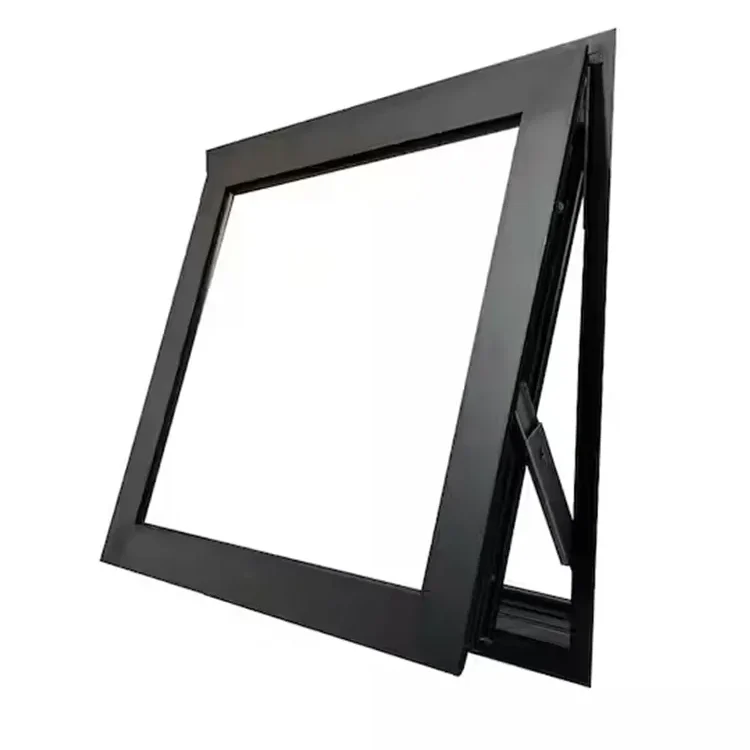
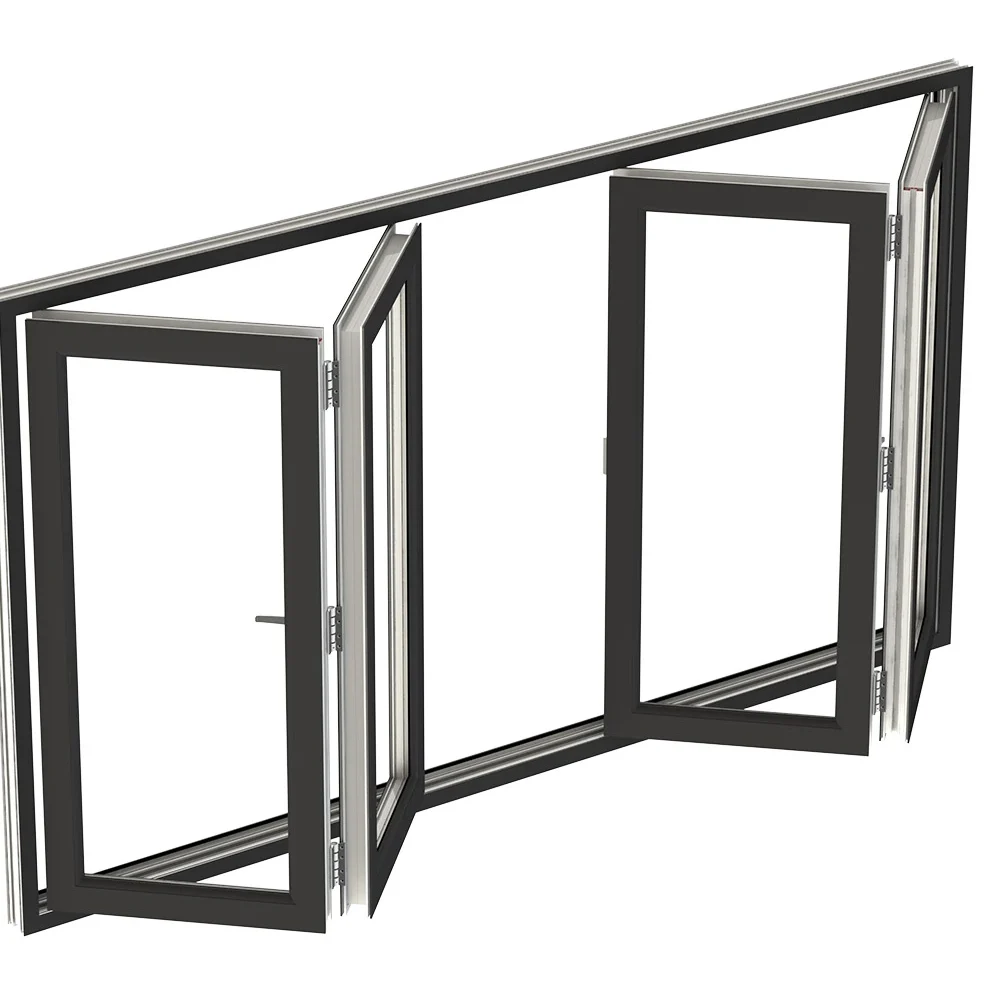
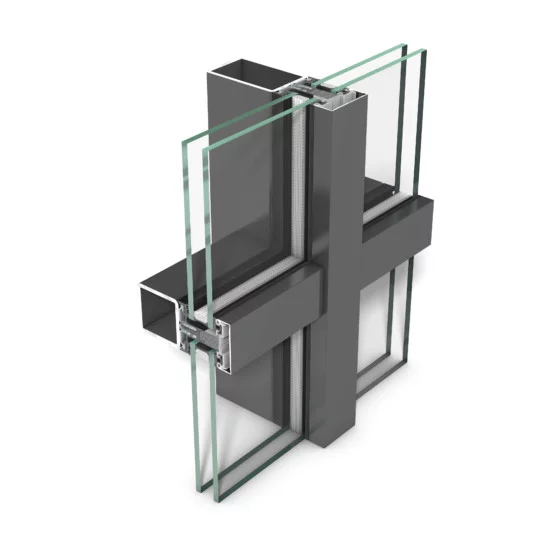
Aluminum windows are made from extruded aluminum, making them lightweight, strong, and resistant to rust.
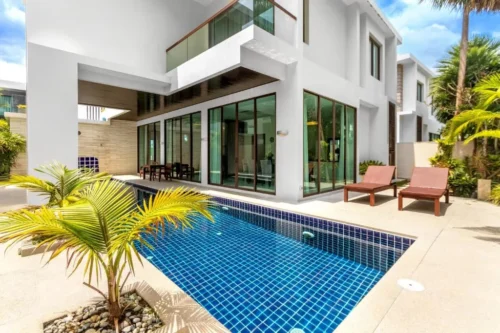
Their slim frames allow for larger glass panels, making them a favorite for modern and contemporary homes.
They are especially popular in commercial buildings and coastal areas, thanks to their strength and corrosion resistance.
However, aluminum is a highly conductive material, meaning it may require thermal breaks to improve insulation and energy efficiency.
Pros and Cons of Aluminum Windows
| Pros | Cons |
|---|---|
| Strong and lightweight | Not as energy-efficient as fiberglass |
| Slim frames allow for bigger glass areas | Can conduct heat and cold easily |
| Resistant to rust and corrosion | May require thermal breaks for insulation |
| Available in a variety of colors and finishes | Can develop condensation issues |
| More affordable than fiberglass | Can dent or scratch more easily |
Key Comparisons: Fiberglass vs. Aluminum Windows
1. Appearance & Design Flexibility

Fiberglass: Offers a wood-like appearance and can mimic traditional wood frames. Available in various colors, but finish options are more limited compared to aluminum. The frames are slightly thicker, giving a sturdy and classic look.
Aluminum: Known for its sleek, industrial aesthetic, making it a great fit for modern and contemporary homes. The thinner frames allow for larger glass panes, maximizing natural light. Comes in a wider range of finishes, including anodized and powder-coated options, for better customization.
2. Durability & Lifespan
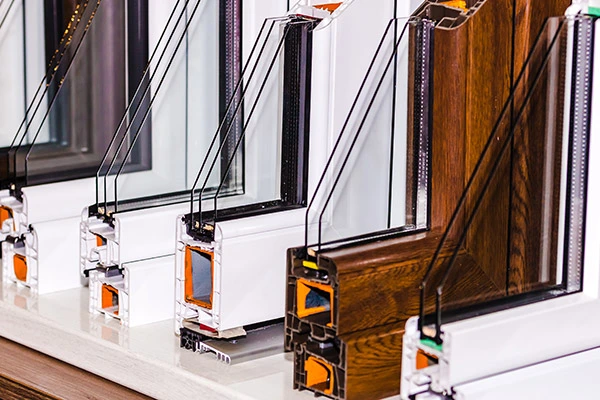
Fiberglass: Extremely durable and weather-resistant. It doesn’t warp, rot, or corrode, making it ideal for varied climates, from extreme heat to freezing temperatures. With minimal maintenance, fiberglass windows can last 50+ years without losing structural integrity.
Aluminum: Known for its strength and rigidity, but it is more prone to dents and scratches compared to fiberglass. It resists rust but can corrode in salty or coastal environments without proper coatings. With regular upkeep, aluminum windows can last 20–50 years.
3. Maintenance Requirements

Fiberglass: Requires very little maintenance. It does not need painting, refinishing, or sealing. The material is resistant to warping, moisture damage, and pests, so occasional cleaning with soap and water is enough to keep it looking new.
Aluminum: Also low maintenance, but in humid or coastal areas, it may need anti-corrosion treatments to prevent oxidation. Dirt and debris can accumulate in the frame’s corners, so regular cleaning and lubrication of moving parts help maintain smooth operation.
4. Energy Efficiency & Insulation

Fiberglass: Excellent insulation due to its low thermal conductivity. It naturally prevents heat transfer, helping maintain indoor temperatures. Fiberglass expands and contracts at a rate similar to glass, which reduces seal failure and air leaks, improving overall efficiency.
Aluminum: Less energy efficient without thermal breaks. Aluminum conducts heat and cold easily, which can lead to energy loss. However, modern aluminum windows with thermal breaks and low-E coatings improve insulation and reduce heat transfer.
5. Cost Comparison: Upfront & Long-Term

Fiberglass: Higher upfront cost due to its complex manufacturing process. However, better energy efficiency helps lower heating and cooling costs, making it a cost-effective choice in the long run. The longer lifespan also reduces replacement expenses.
Aluminum: Lower initial cost, making it a budget-friendly option. However, less insulation can lead to higher energy bills, especially in extreme climates. Potential maintenance costs in humid or coastal areas should also be considered.
6. Security & Strength

Fiberglass: Highly impact-resistant, making it a strong choice for home security. It doesn’t warp or weaken over time, ensuring consistent structural integrity. However, it is slightly more flexible than aluminum, which may make it less resistant to extreme force.
Aluminum: Exceptionally strong, especially in larger windows and commercial applications. It holds up well against forced entry and extreme weather conditions. However, aluminum can dent under heavy impact, which may affect its appearance but not necessarily its security.
7. Environmental Impact & Sustainability
Fiberglass: Eco-friendly choice due to its long lifespan and energy efficiency. It requires less energy to produce than aluminum and reduces heat transfer, lowering energy consumption. Additionally, some manufacturers use recycled materials in fiberglass production. However, fiberglass recycling is limited, making end-of-life disposal challenging.
Aluminum: 100% recyclable, making it one of the most sustainable window materials. Recycled aluminum uses 95% less energy than producing new aluminum. However, aluminum production is energy-intensive, and mining bauxite (the raw material for aluminum) has environmental impacts. Modern aluminum windows with thermal breaks help improve energy efficiency, but fiberglass still outperforms aluminum in insulation.
8. Noise Reduction
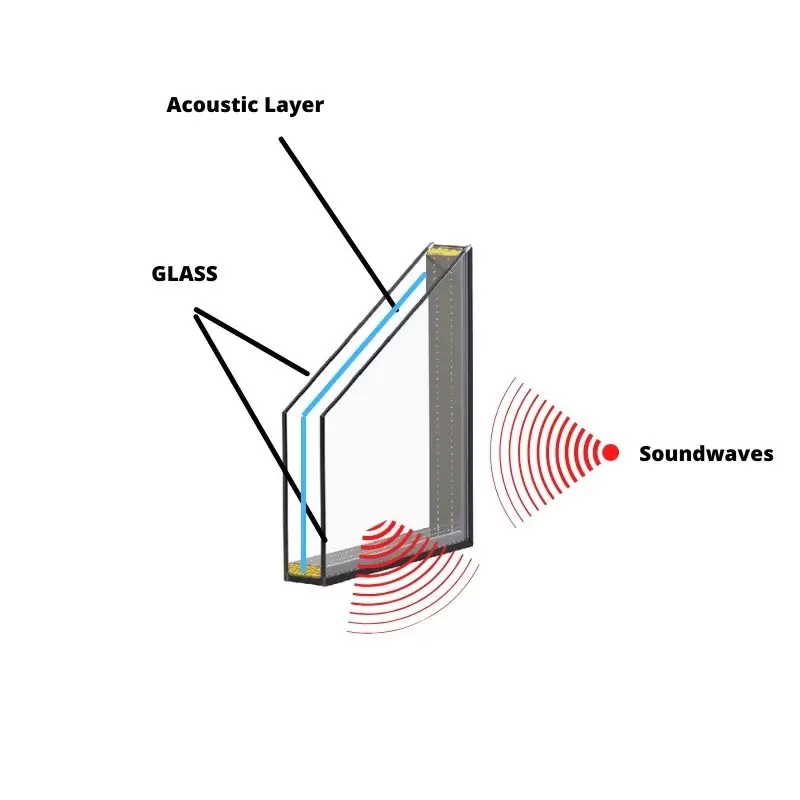
Fiberglass: Naturally better at blocking sound due to its thicker, denser material and lower thermal conductivity. It helps create a quieter indoor space, especially in high-traffic or noisy environments.
Aluminum: Less effective at noise reduction because metal is a good conductor of sound. To improve soundproofing, additional insulation or special glazing may be needed. However, modern aluminum windows with thermal breaks and double-pane glass can reduce noise transmission significantly.
9. Installation Process

Fiberglass: More challenging to install due to its rigid structure. It requires precise handling and professional installation to ensure a proper fit. DIY installation is not recommended, as incorrect fitting can affect performance.
Aluminum: Easier to handle and install due to its lighter weight and flexibility. It can be a better choice for DIY projects, though professional installation is still recommended for the best results, especially for larger window sizes.
Which Windows Are Right for You?
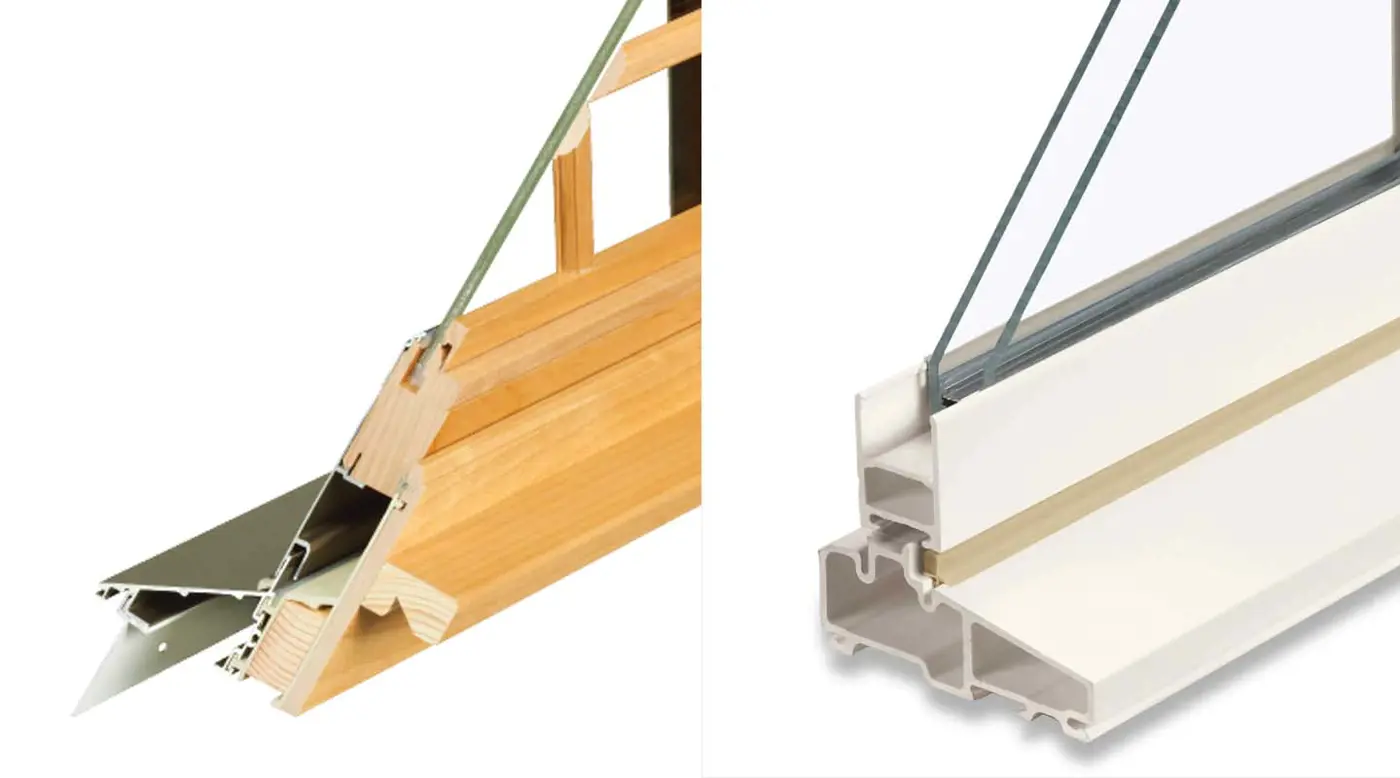
Choosing between fiberglass and aluminum windows depends on your priorities.
Each material has its strengths, and the right choice comes down to your home’s needs, budget, and climate.
Choose Fiberglass If:
- You want better insulation and energy efficiency to reduce heating and cooling costs.
- You live in areas with extreme weather conditions and need a window that resists warping and expansion.
- You prefer a low-maintenance option that won’t require painting or frequent upkeep.
- You’re willing to invest more upfront for long-term savings.
Choose Aluminum If:
- You love the sleek, modern look with thin frames and larger glass areas.
- You need a strong, lightweight option that’s easy to install and works well for large windows.
- You live in a mild or moderate climate, where insulation is less of a concern.
- You prefer a lower initial cost and are okay with potential energy efficiency upgrades.
Conclusion

Both fiberglass and aluminum windows have their advantages, and the right choice depends on your needs.
Fiberglass excels in energy efficiency, durability, and noise reduction, making it a great long-term investment.
Aluminum offers a sleek, modern look, affordability, and ease of installation, making it a solid option for contemporary designs and budget-conscious buyers.
If you’re still unsure which type of window is best for your home, we’re here to help!
Contact us today for expert advice and personalized recommendations.
Let’s find the perfect windows for your space!