









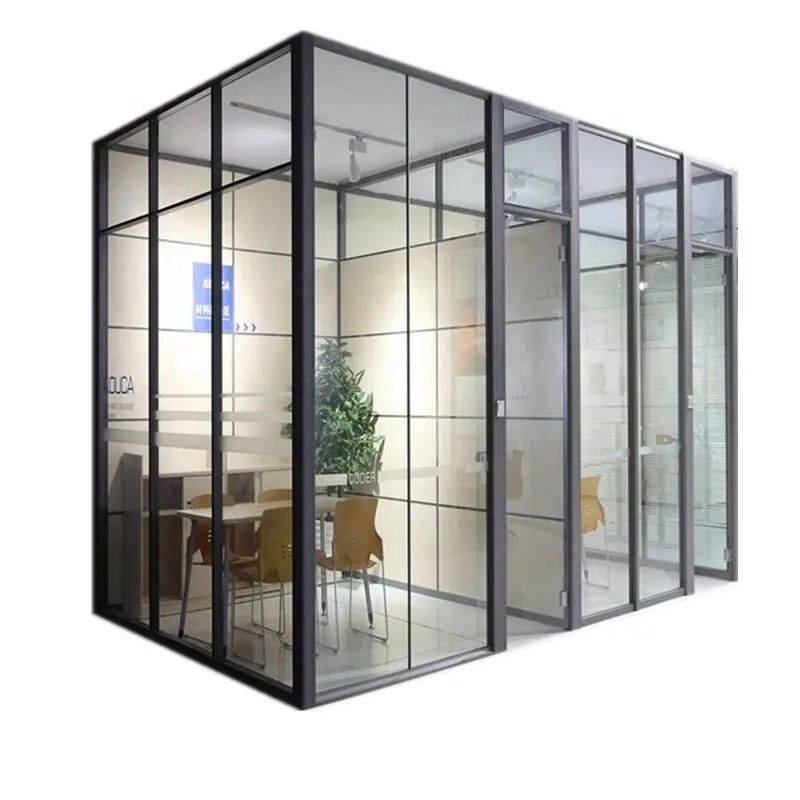





Aluminum window project risks are not random. They follow predictable patterns — incomplete drawings that were never flagged as incomplete, performance requirements that were known to the design team but never passed to the supplier, delivery assumptions that both sides held differently and neither confirmed in writing.
Understanding where these risks originate, and what they cost when they surface, helps project buyers identify and close them before a quotation is even requested.
Why Most Aluminum Window Project Risk Is Created Before Quotation
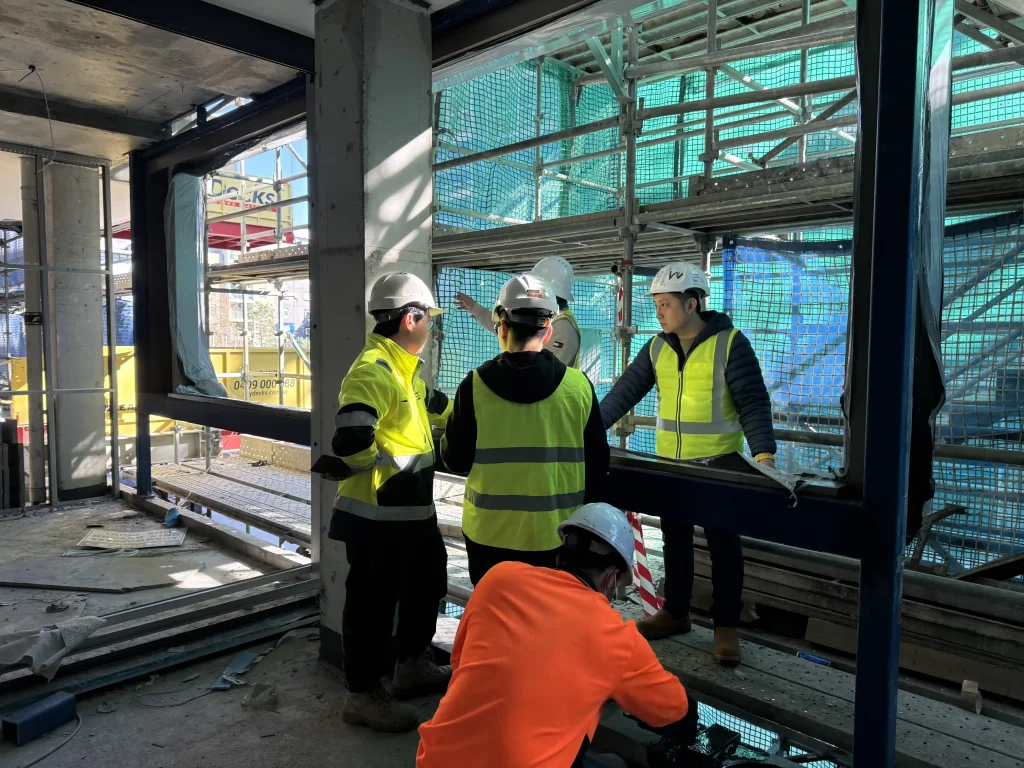
The instinct is to look for risk in the supplier — in product quality, factory reliability, or delivery performance. In practice, a significant share of aluminum window project risk is created by the buyer before any supplier is contacted, through what is left unconfirmed, unstated, or assumed.
This matters because risk that is created before quotation is the most controllable kind. Once production begins, the cost of correcting scope gaps, compliance mismatches, or packing errors rises sharply. The same problem that takes an hour to resolve at the pre-quotation stage can take weeks and significant cost to resolve after fabrication.
The sections below map where risk typically originates, what happens when it is not addressed, and at what stage in the project it tends to surface.
Risk Category 1: Scope and Drawing Gaps
Where It Comes From
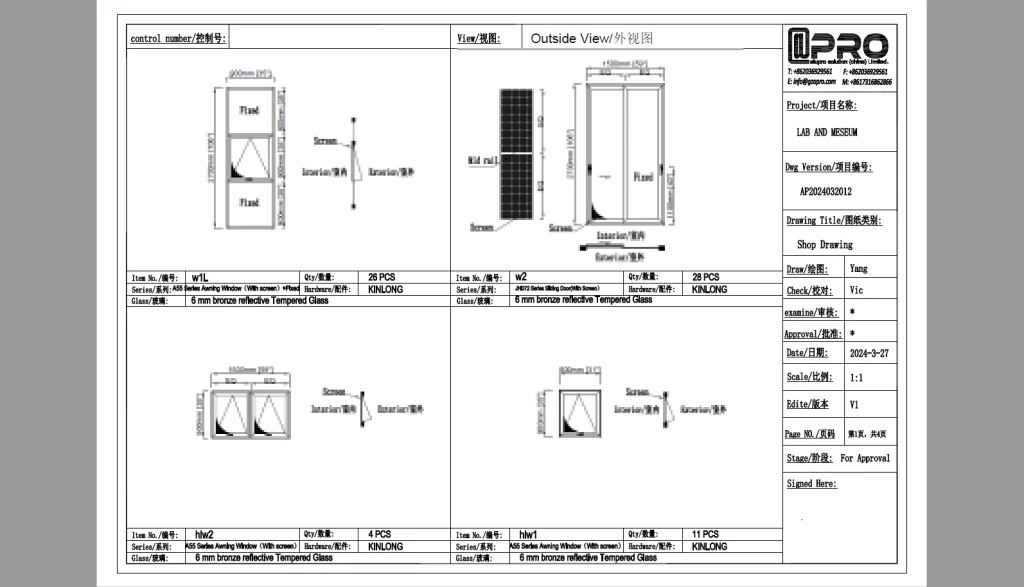
Scope and drawing gaps occur when suppliers are asked to price a project before the documentation is complete — and when that incompleteness is not explicitly stated.
Common gap patterns include:
- Architectural drawings shared at a revision that does not reflect the current design intent, without noting which dimensions may change
- A window and door schedule that is inconsistent with the elevation drawings — different quantities, mark numbers that do not match, or opening sizes that conflict
- Curtain wall or facade elevations missing from the quotation package when the project includes connected facade scope
- Site conditions that affect installation — head clearance constraints, sill conditions, interfacing trades — not communicated to the supplier
Incomplete drawings are sometimes unavoidable at early project stages. The risk is not incompleteness itself — it is incompleteness that is treated as complete.
What Goes Wrong
| Stage | Consequence |
|---|---|
| Quotation | Supplier prices against assumed dimensions; quotation is not comparable to others priced against different assumptions |
| Order placement | Scope confirmed at order does not match what was quoted; price adjustment required |
| Fabrication | Drawing revision issued after production has started; rework or additional fabrication cost |
| Installation | Opening sizes or frame positions do not match site conditions; installation delay or remedial work |
What Offshore Supplier Risk Adds
For projects sourcing from overseas suppliers, drawing gaps carry additional cost. Shipping corrections or replacement units internationally takes weeks, not days.
Risk Category 2: Technical and Compliance Mismatches

Where It Comes From
Technical and compliance risk occurs when performance requirements exist in the project specification but are not communicated to the supplier — or when a supplier’s standard product is assumed to meet local requirements without verification. Particularly common in cross-border procurement.
Common mismatch patterns include:
- Wind load or structural performance requirements not included in the quotation brief
- Energy code or thermal performance requirements (U-value, SHGC) not confirmed with the supplier— see NFRC energy performance certification for how these ratings are independently verified.
- Safety glass requirements for specific locations not specified per opening
- Acoustic requirements not passed to the supplier before glass configuration is confirmed
- Finish durability standards (AAMA 2604, AAMA 2605, or equivalent) not specified
Compliance caution: Performance requirements vary by project location, building classification, and consultant specification. Requirements should be confirmed against local codes, project specifications, and consultant inputs before supplier selection.
What Goes Wrong
| Stage | Consequence |
|---|---|
| Quotation | Supplier quotes a standard product that does not meet project performance requirements |
| Submittal / approval | Consultant or authority rejects product submission; re-selection or upgrade required |
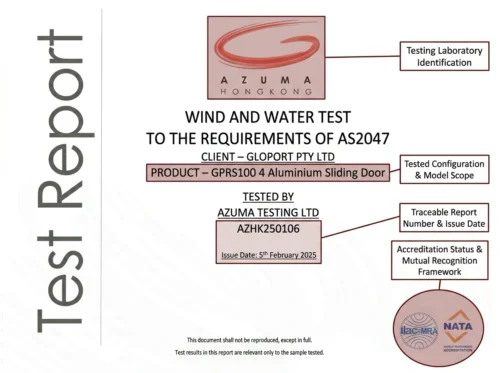
| Testing or inspection | Required test reports not available; project delay |
| Handover | Building compliance documentation incomplete; handover delayed or disputed |
The Documentation Gap Problem
A product that may meet the required performance standard but has no documentation to prove it is functionally equivalent to non-compliance in many commercial approval processes. Buyers should confirm before quotation whether test reports or certificates will be required.
Risk Category 3: Quotation Scope Ambiguity

Where It Comes From
Quotation scope risk occurs when two suppliers answer the same request for quotation differently — because of scope differences that were never defined in the request, not price differences.
Common ambiguity patterns:
- Glass supply included by one supplier, excluded by another
- Hardware treated as included by the buyer, as an allowance item by the supplier
- Shop drawing preparation assumed standard, priced separately by the supplier
- Packaging assumed standard export packing, specified as bare-frame by the supplier
- Installation assumed out of scope, included at an unconfirmed rate by the supplier
What Goes Wrong
| Stage | Consequence |
|---|---|
| Quotation comparison | Lowest unit price reflects the narrowest scope |
| Order negotiation | Scope gaps identified; price adjusted upward |
| Production | Assumed-included items not being prepared; delay |
| Delivery | Packaging inadequate for shipping method; damage in transit |
Risk Category 4: Delivery and Installation Assumption Gaps
Where It Comes From
Delivery and installation risk is most often treated as a logistics problem rather than a procurement problem — but it originates the same way as the other categories: unconfirmed assumptions.
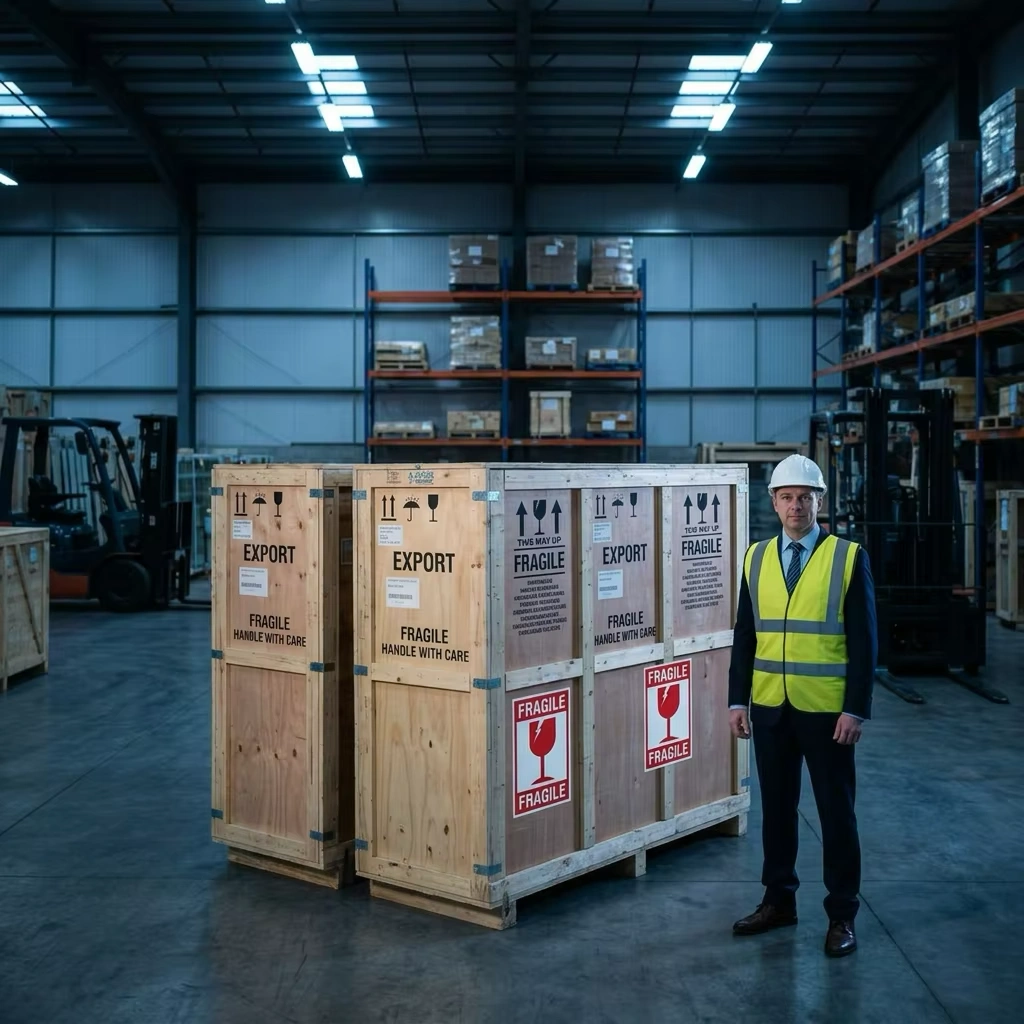
Common gaps: port of destination, delivery terms (FOB/CIF/DAP) undefined, packing format unspecified, site-required dates unconfirmed, phased delivery not communicated, installation responsibility assumed to be “the other party’s problem.”
What Goes Wrong
| Stage | Consequence |
|---|---|
| Order placement | Delivery terms not aligned; cost responsibility unclear |
| Shipping | Damage from inadequate packing; contested insurance claim |
| Site receipt | Units arrive ahead of or after site readiness; extra handling/storage |
| Installation | Responsibility dispute; project delay |
| Completion | Missing installation guidance; local installer proceeds on assumptions |
For overseas projects, installation responsibility and site coordination support should be confirmed in the commercial agreement before order placement.
How Project Risk Differs From Product Performance Risk
Product performance risk — whether the system, once installed, will perform as required (structural/thermal/acoustic/durability). Managed via system selection, specification compliance, testing/certification. A design and specification question.
Project risk — the gap between what the project requires and what the supplier was told. A documentation and communication question. A correctly specified, certified product can still be the wrong product if the spec was never communicated.
Product performance risk is typically managed by the design team; project risk by the procurement team — and it’s the more under-managed category.
Risk Accumulation: What Happens When Multiple Gaps Exist Simultaneously
Incomplete drawings + unconfirmed technical requirements + undefined quotation scope is not three separate risks — it’s a compounding situation where each gap makes the others harder to resolve. Suppliers can’t confirm technical compatibility without settled drawings; scope can’t be evaluated fairly without confirmed technical requirements.
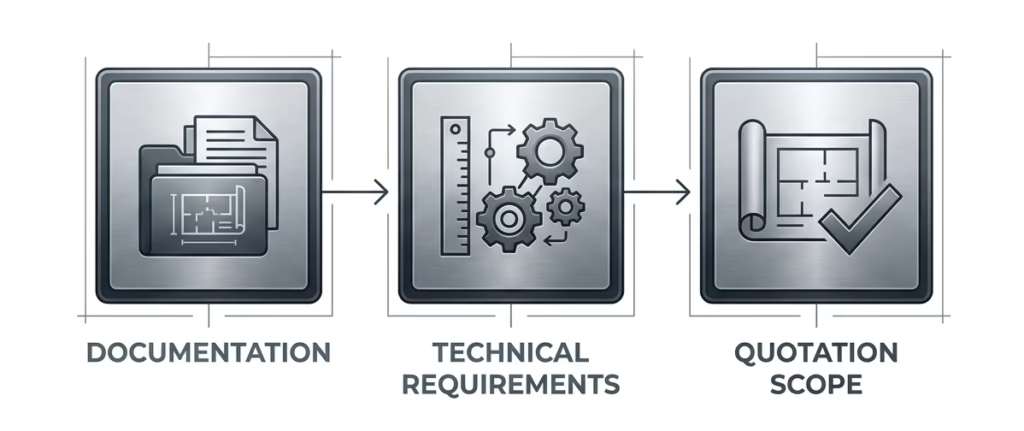
Pre-quotation preparation works best in sequence — documentation → technical requirements → quotation scope — not in parallel, and not by jumping straight to price comparison.
FAQ
What are the most common aluminum window project risks in commercial procurement?
Four categories: scope/drawing gaps, technical/compliance mismatches, quotation scope ambiguity, and delivery/installation assumption gaps. Each originates pre-supplier-contact and surfaces later as cost or schedule problems.
What is the difference between project risk and product performance risk?
Performance risk = will it perform once installed (design question). Project risk = gap between requirements and what the supplier was told (communication question). Both need managing, at different stages.
When do aluminum window project risks typically surface?
Mostly originate before quotation but surface later — order placement, submittal/approval, delivery, or installation. Earlier identification = lower cost of resolution.
How does overseas sourcing change the risk profile?
Distance increases cost/time to resolve problems. Issues solvable in days with a local factory can take weeks across an international supply chain.
What compliance documentation should be confirmed before selecting a supplier?
Confirm required test reports/certificates/declarations from the spec, consultant, or local codes — then confirm the shortlisted suppliers can actually provide them. Varies by location/building type/market.
How can buyers reduce quotation comparison risk?
Define scope before requesting quotations; require each supplier to state inclusions, exclusions, and assumptions explicitly.
What is the most controllable category of aluminum window project risk?
Pre-quotation documentation gaps — identifiable and closeable before any supplier is involved. Highest-leverage risk control action available.
How should buyers handle risks that can’t be fully resolved before quotation?
State open items explicitly to suppliers rather than leaving them as silent assumptions.
Conclusion / What to Do Next
Risks follow predictable patterns and are mostly created before the supplier conversation begins. Work through pre-quotation prep in sequence: scope/drawings → technical/compliance → quotation scope/delivery.
The Aluminum Window Project Decision Checklist is the step-by-step companion tool. Open items handled transparently are manageable; left as silent assumptions, they’re where risk compounds.
CTA
Preparing to source aluminum windows for a commercial project?
Send APRO what you have confirmed so far — drawings, window and door schedule, glass configuration requirements, finish and hardware specifications, applicable compliance requirements, project location, and delivery assumptions.